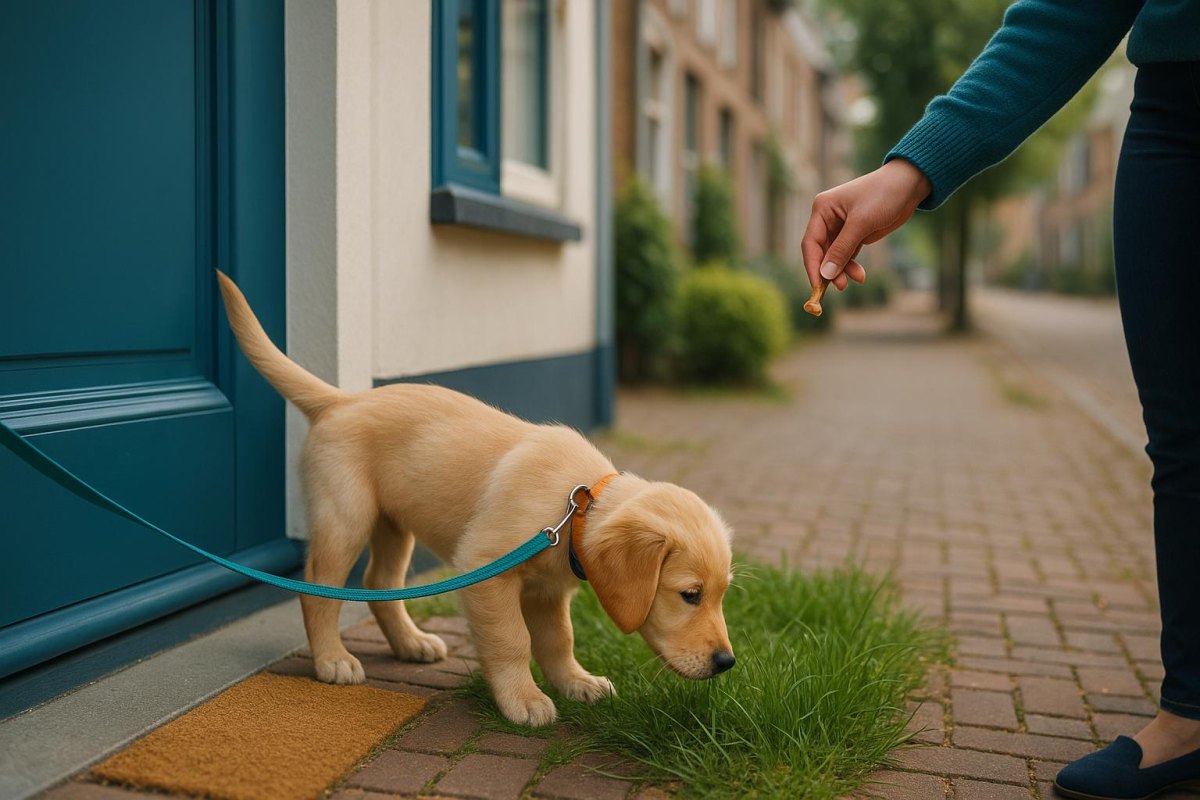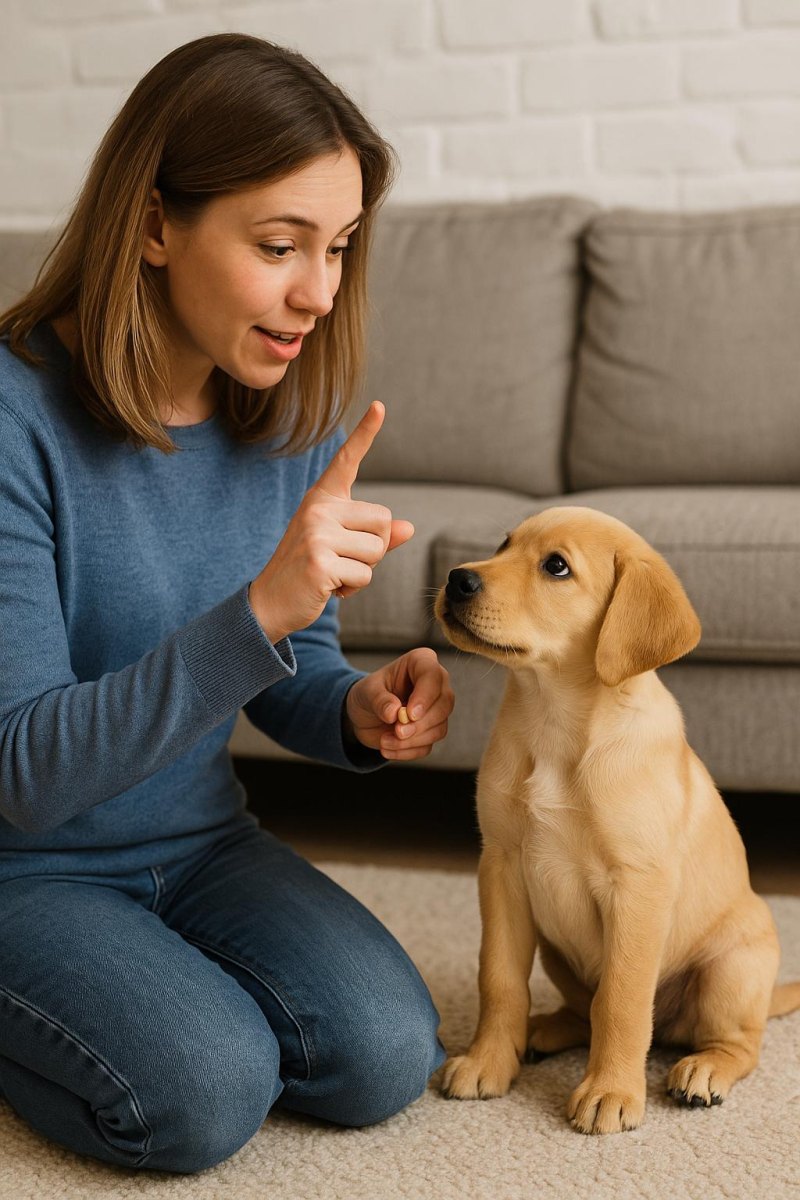
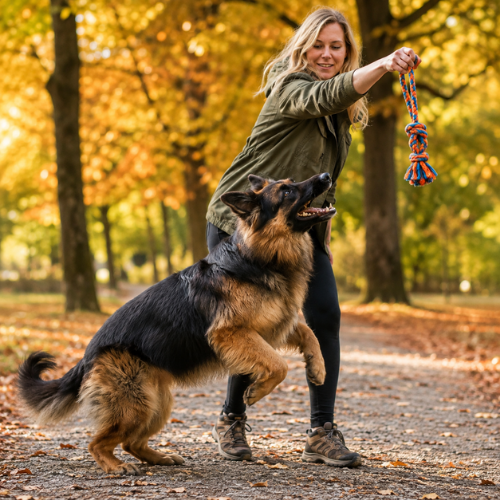
I have worked with plenty of dogs who looked like they had a permanent "go" button, and I know how exhausting that can feel on an ordinary Tuesday. The first thing I look at is why the dog is over-aroused, because a calmer dog comes from understanding, management, and practice rather than simply asking for more self-control.
In my training room and on the walking paths around Asheville, I focus on helping dogs return to a state where they can actually learn. These steps are the same ones I use with real families who need practical calm behavior, not a perfect dog overnight.
Recognize Signs of an Overexcited Dog
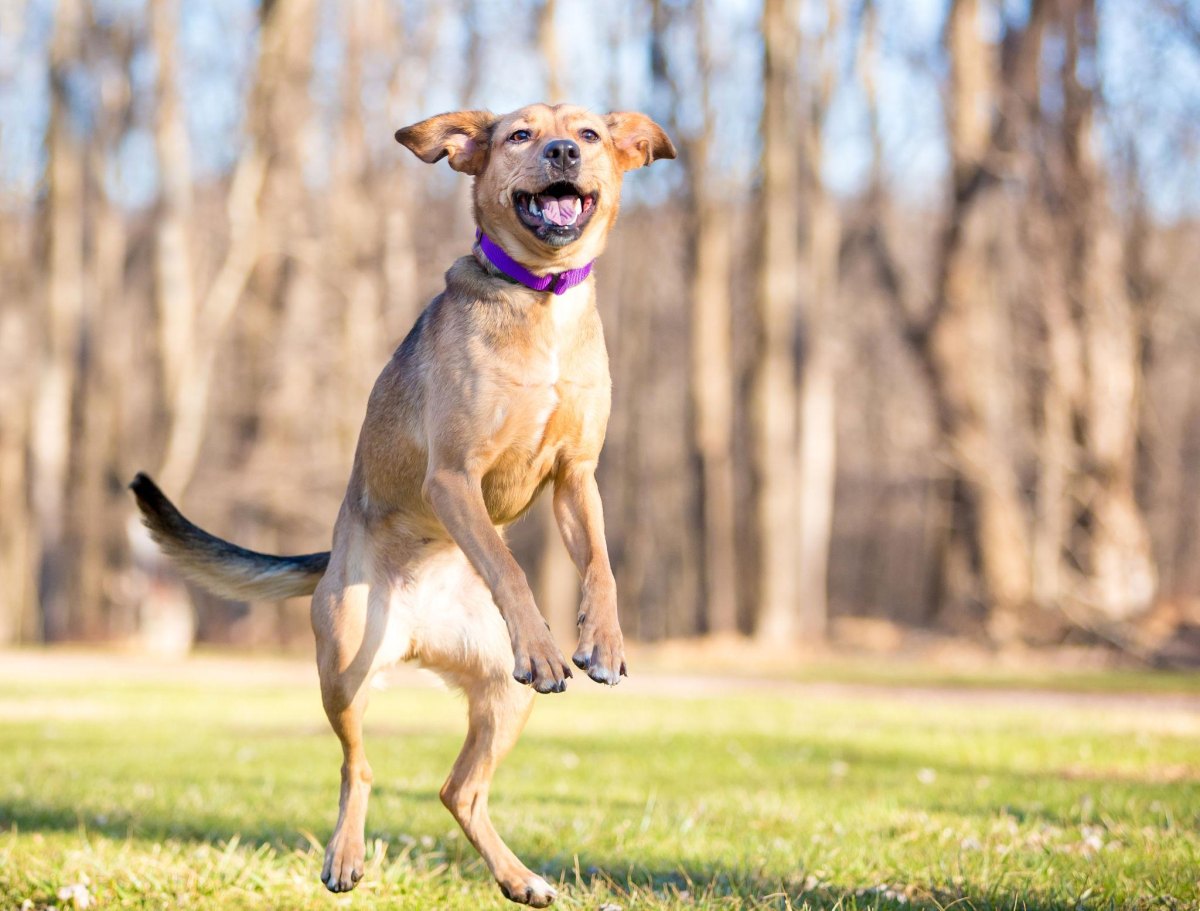
Before I change a behavior, I learn what the dog is saying. An overexcited dog may jump, bark, spin, grab the leash, or struggle to take food, but I also watch the quieter clues like tight facial muscles, rapid breathing, weight shifting forward, or a stiff body.
A wagging tail alone does not tell the whole story. I look at the entire picture because body language patterns reveal whether a dog is happy, frustrated, stressed, or simply too stimulated to respond.
What I watch first
- Eyes, ears, mouth, and tail position
- Ability to respond to familiar cues
- Whether the dog can relax after excitement
Trainer tip
Move away from the trigger before your dog reaches the point where thinking disappears. Distance creates learning space.
Create a Calm Environment at Home
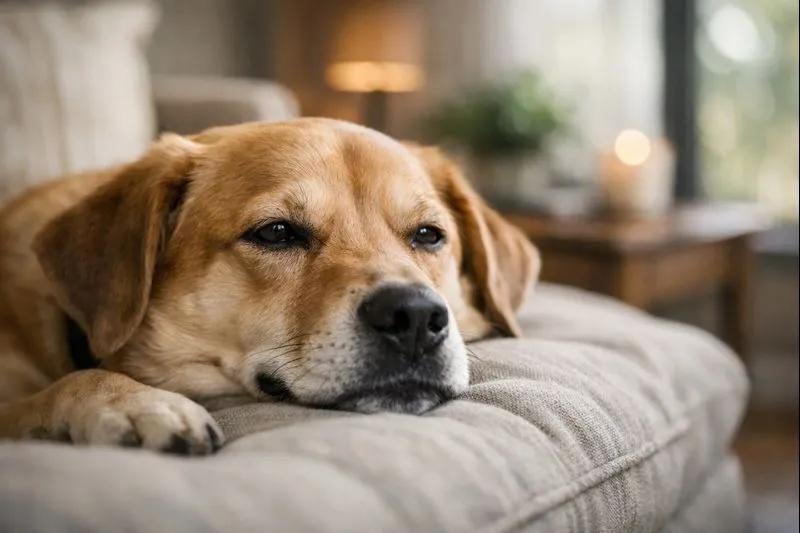
Many owners try to train through chaos, but I start by lowering the number of times a dog rehearses frantic behavior. A quieter setup with fewer triggers gives the nervous system a chance to settle.
At home, I use predictable routines, quiet resting areas, and simple management tools. Bruno still has days when the world feels very interesting, so I manage the environment before expecting better choices.
Common mistake
Waiting until the dog is already exploding makes training harder. Preventing rehearsal is often the missing first step.
Use Slow Breathing and Gentle Touch
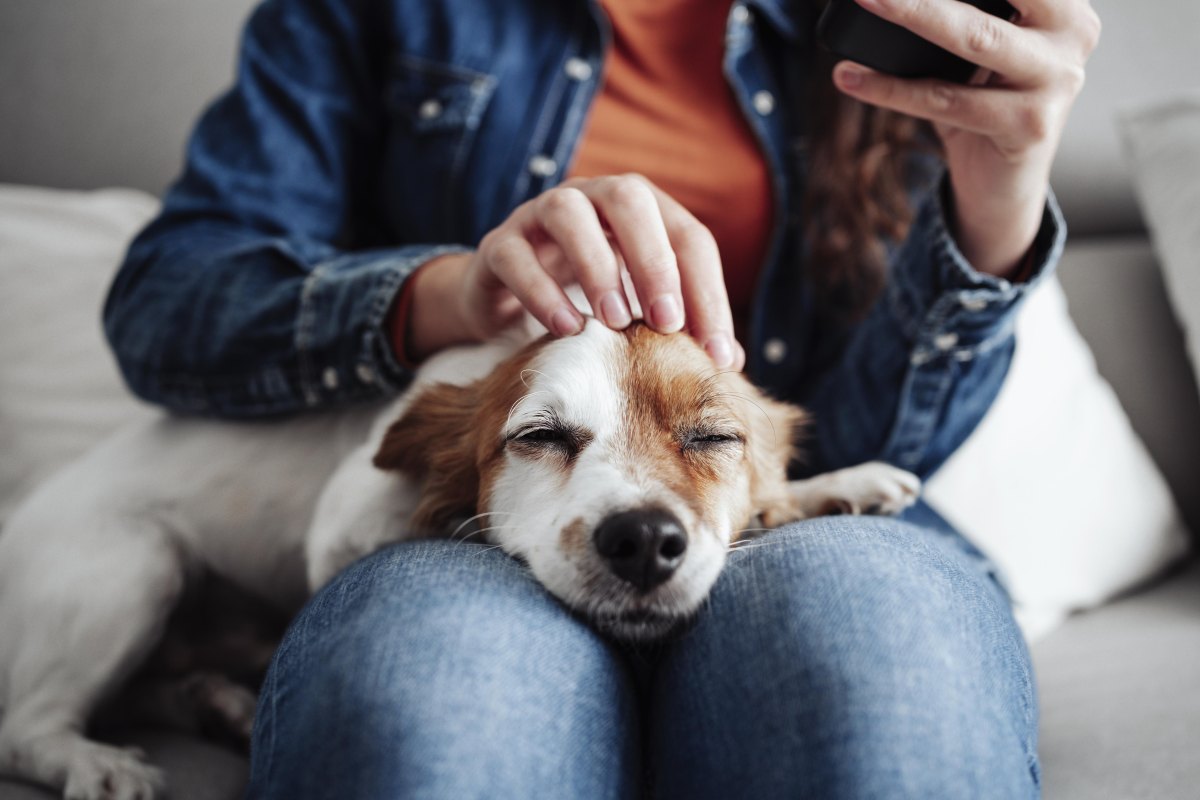
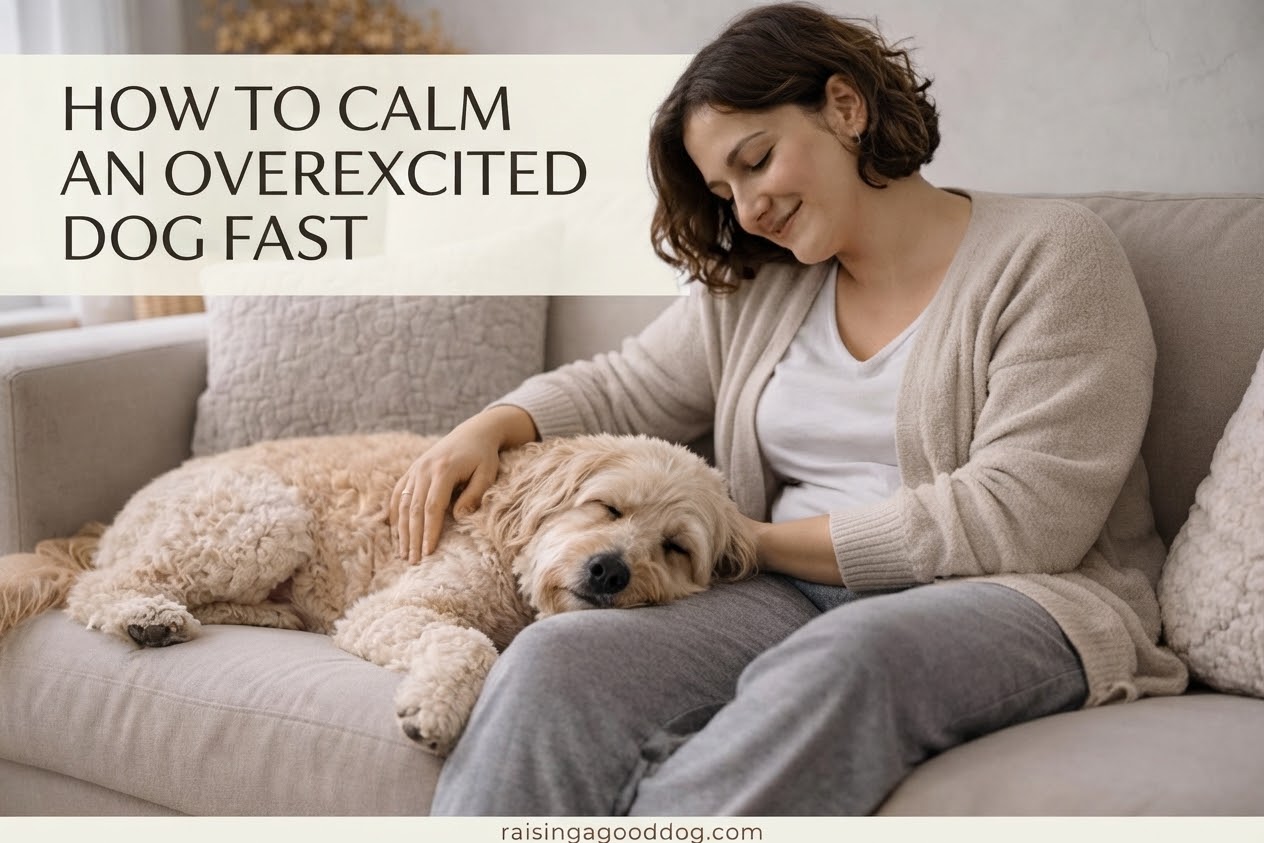
I am careful with physical contact because not every excited dog wants hands on them. I first check for comfort signals like a loose body, soft eyes, and relaxed posture before touching.
When a dog welcomes interaction, slow movements and a calm voice can help bring the energy level down. The goal is not to hold a dog still but to teach safe relaxation skills over time.
Small calm moments repeated every day build a habit that excitement alone cannot replace.
Marisa Cole, dog trainer
Redirect Energy With Structured Activities
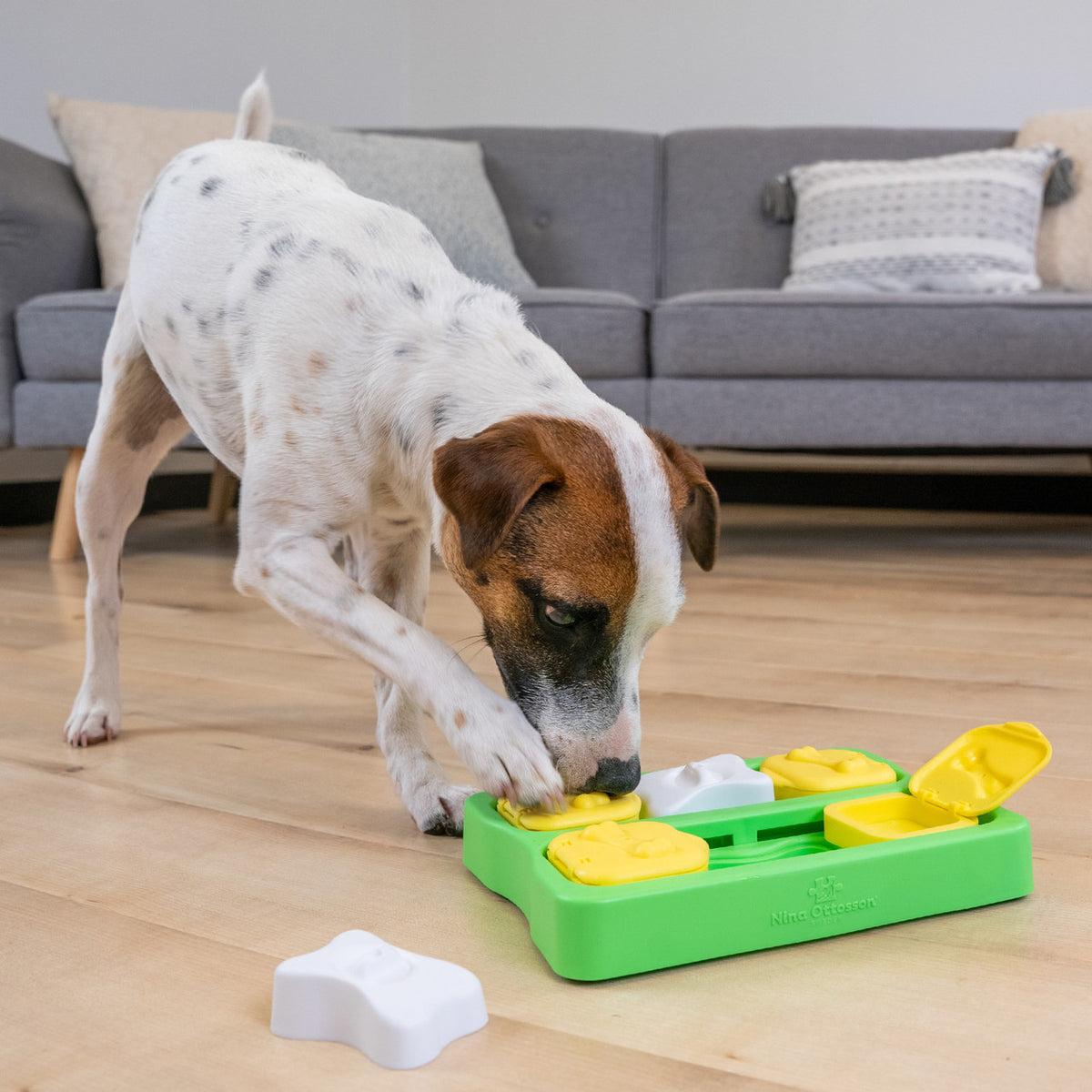
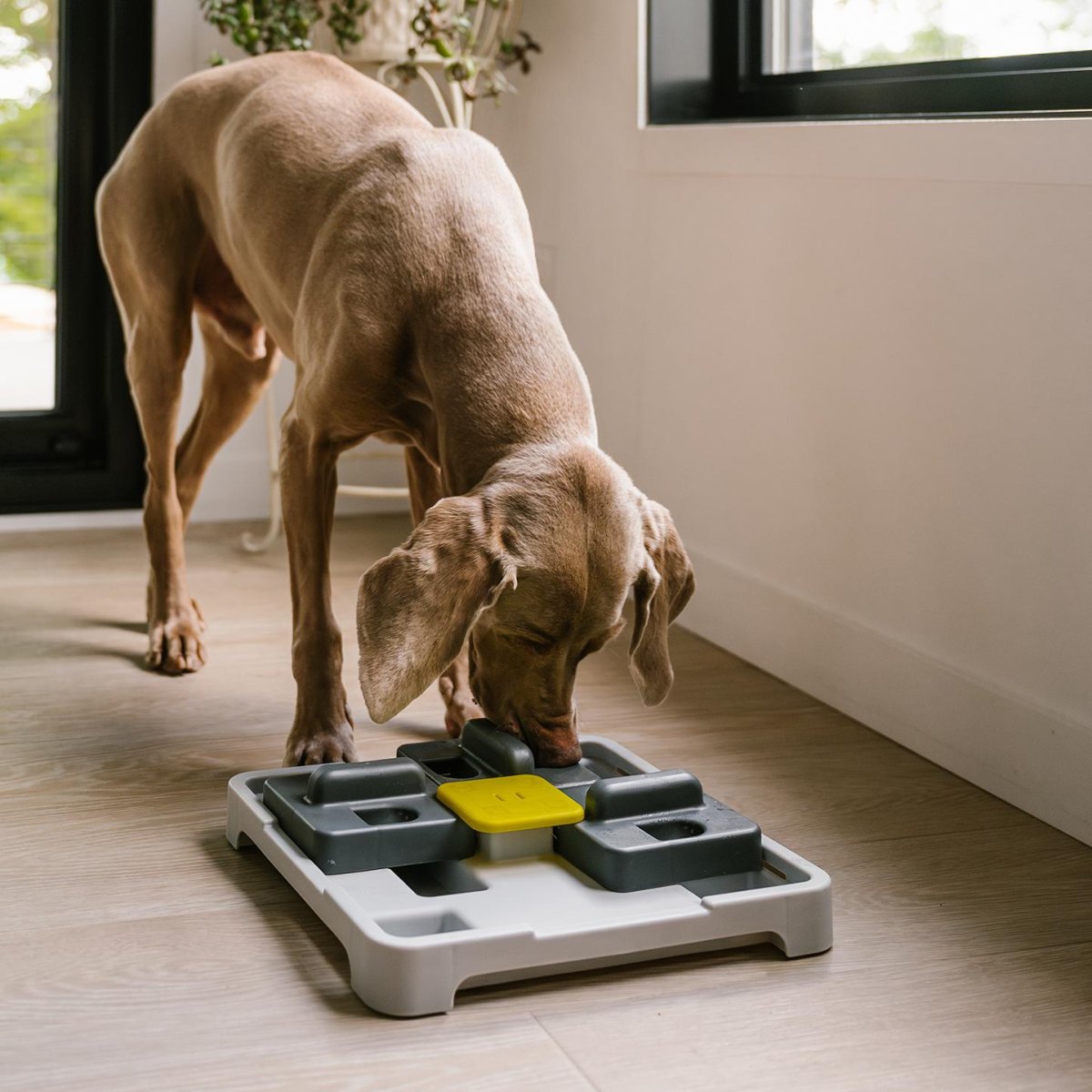
I do not try to erase energy from a dog. Dogs are built to move, sniff, explore, and solve problems. I give that energy somewhere useful with structured enrichment instead of letting it spill into unwanted habits.
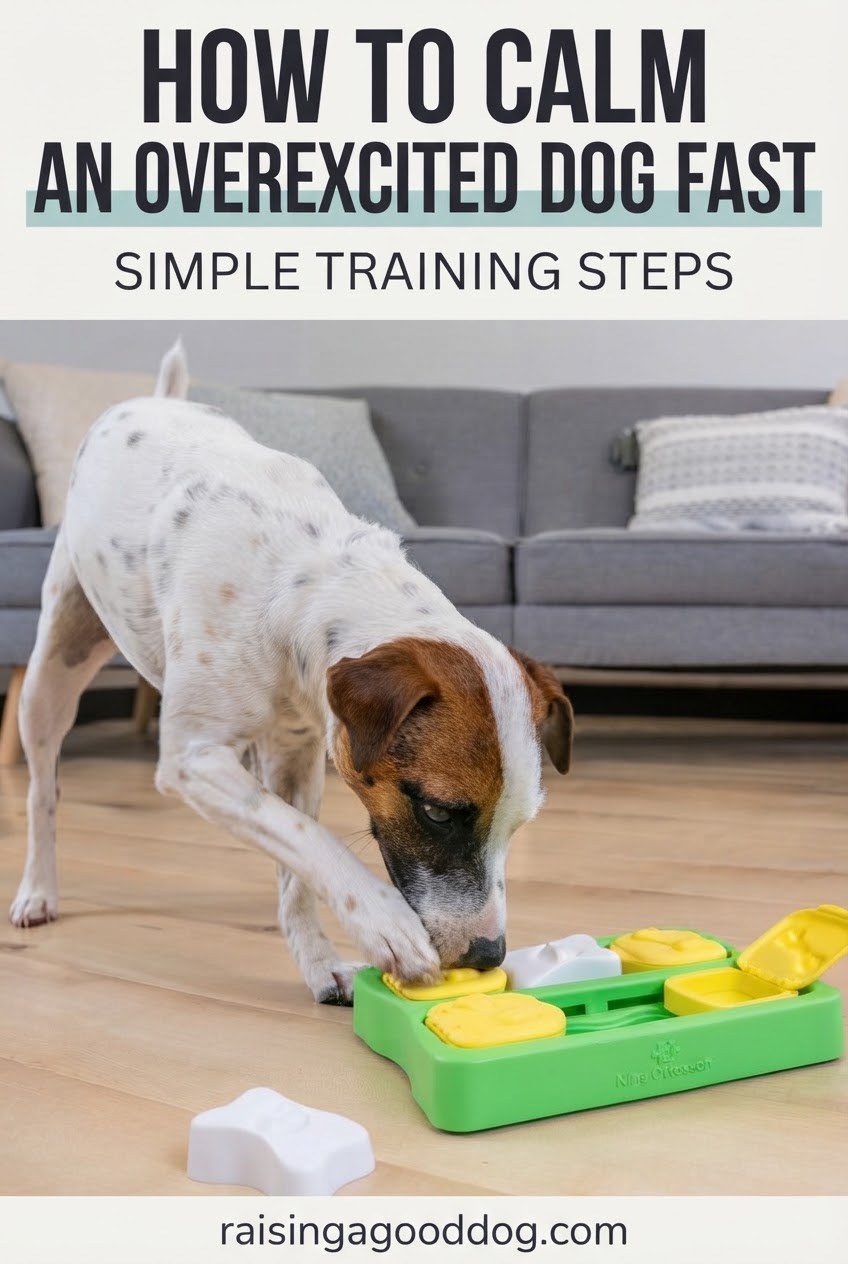
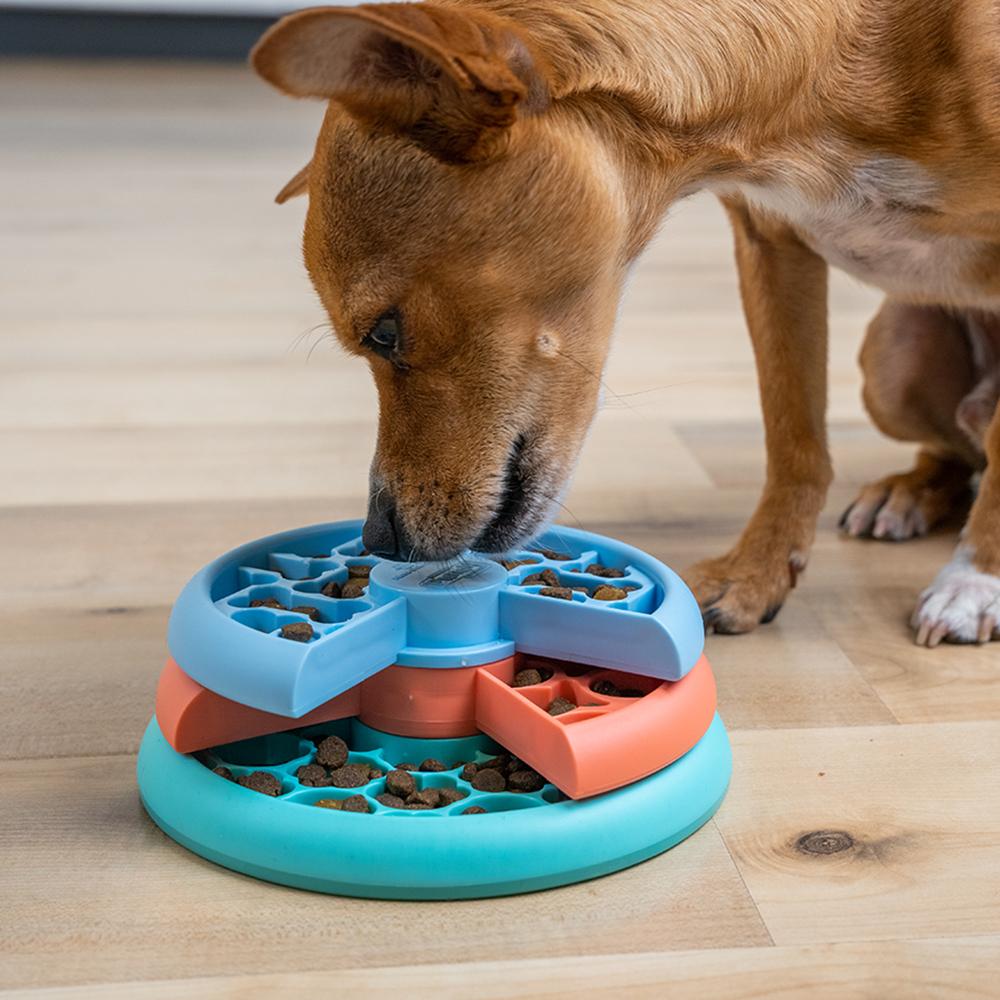
Food puzzles, sniffing games, and short training sessions can help many dogs settle. I choose activities based on the individual dog because mental work matters just as much as physical movement.
| Activity | Purpose |
|---|---|
| Sniffing games | Encourages slower investigation |
| Training games | Builds focus and communication |
Teach Calm Behavior Through Training
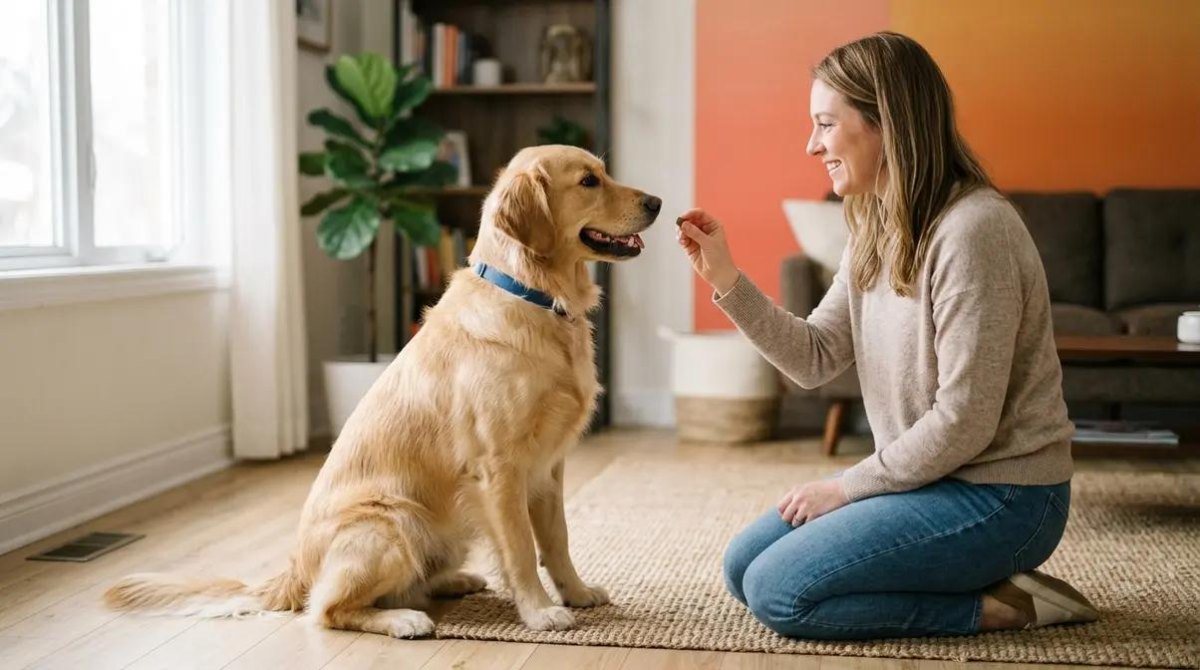
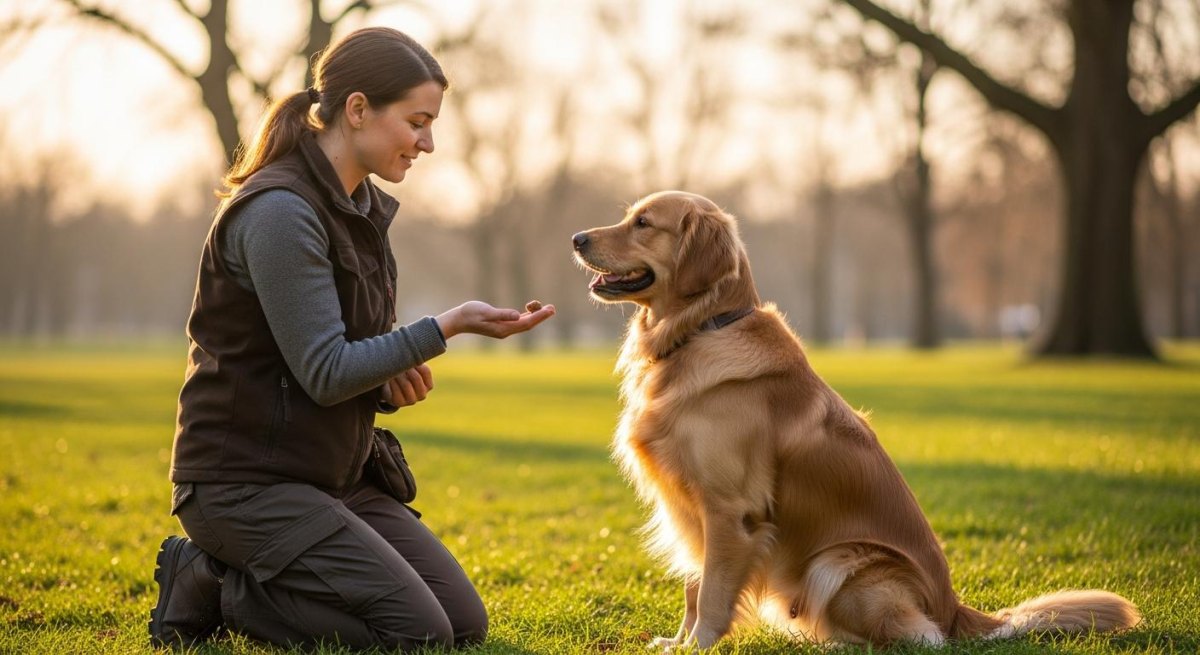
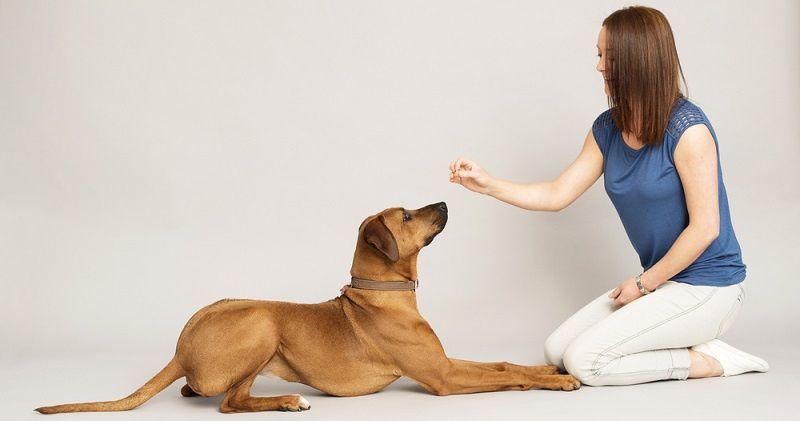
The dogs I help are not failing because they are stubborn. Usually, they have practiced excitement many times and need practice with a different response. I build reward-based habits in small pieces.
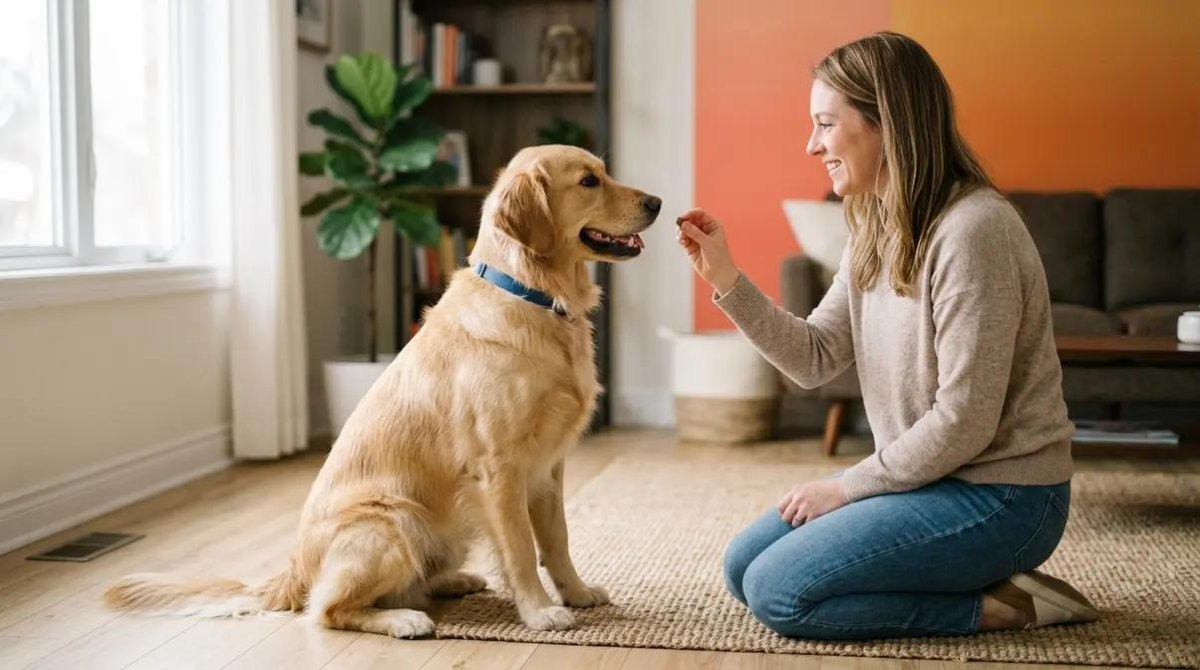
I teach behaviors like settling on a mat, checking in with a person, and responding under mild distractions. These skills take weeks or months, and setbacks are part of the process.
Reward-based training benefits
- Builds cooperation
- Supports confidence
- Strengthens communication
Things to avoid
- Trying to force calmness
- Punishing emotional reactions
- Expecting instant results
Add Exercise and Routine to Reduce Excitement
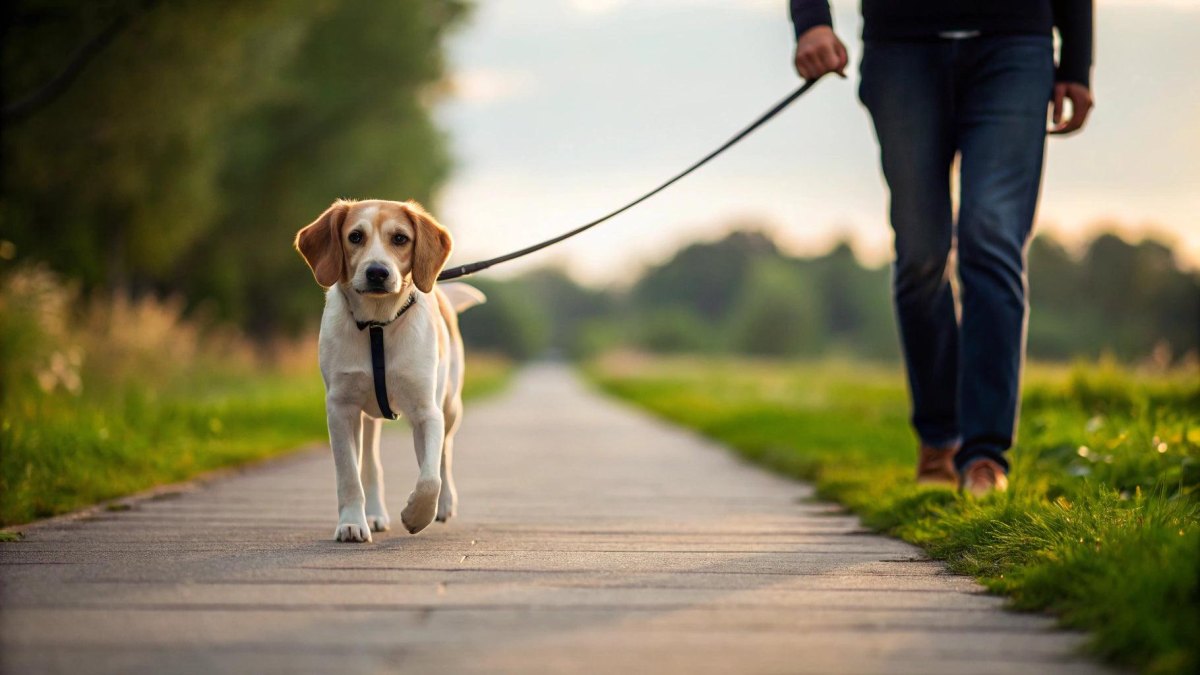
A dog who never gets appropriate outlets often carries that extra energy into every interaction. I like routines because they help dogs understand what comes next and create predictable daily rhythms.
Exercise is not a magic fix for every behavior issue, but walks, sniffing time, and suitable activities support overall wellbeing. If a sudden change appears, I always recommend checking with a veterinarian before assuming behavior is the only cause.
12 years
My training experience has taught me that routines often matter more than intensity.
Reward Relaxed and Quiet Moments
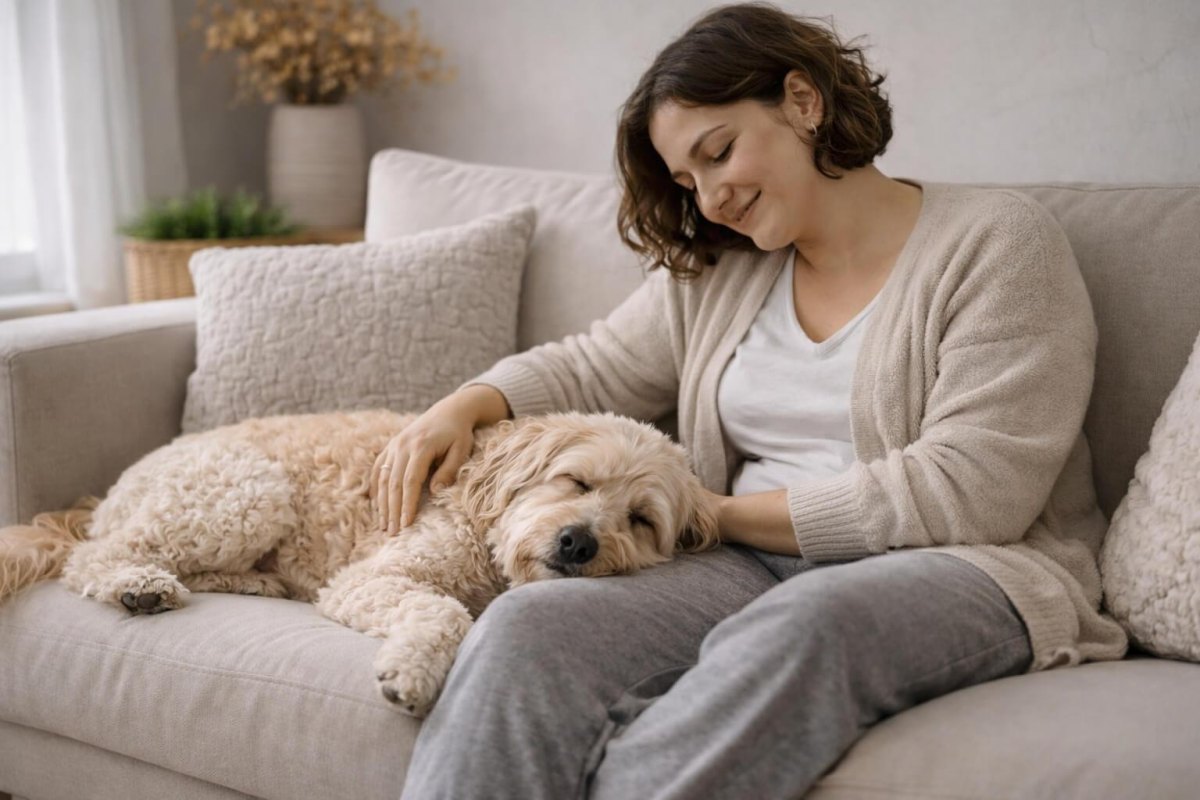
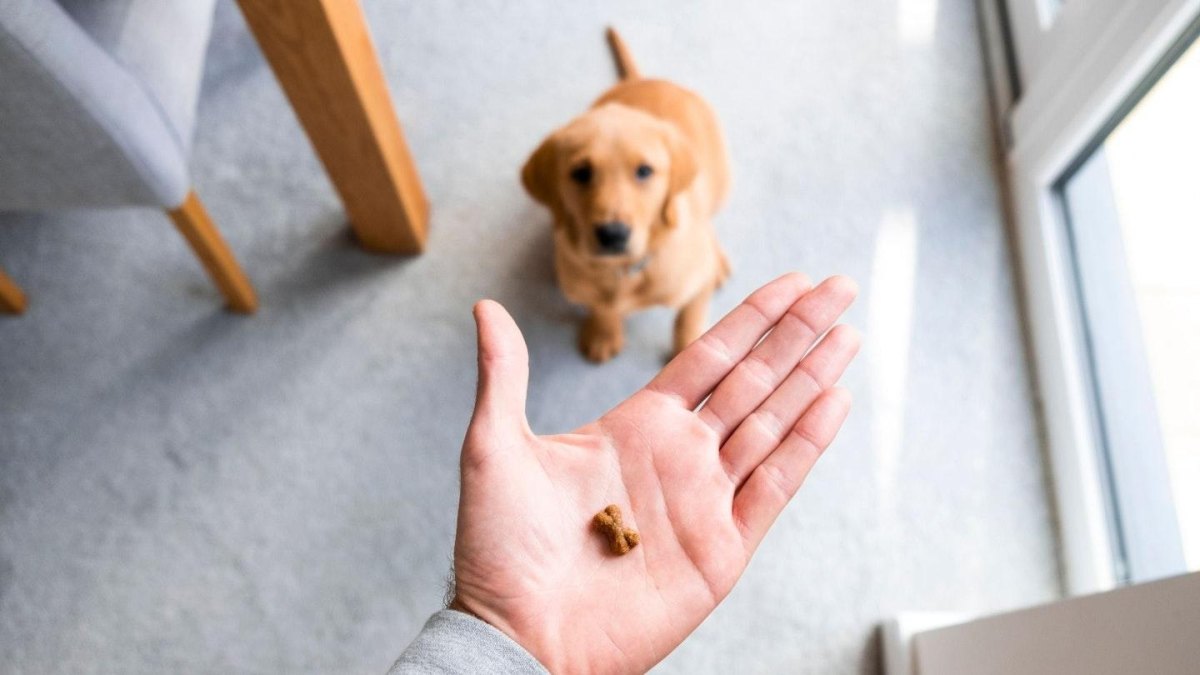
The final piece is one owners often miss: calm behavior needs attention too. If your dog lies down quietly, looks at you softly, or chooses rest, I want that moment to matter with timely reinforcement.
With Bruno, I learned that progress is not a dramatic before-and-after photo. It is the ordinary moments when a dog makes a better choice, and those small victories add up.
The calm moment I look for
I am celebrating the dog who can notice excitement and still return to balance. That recovery skill is what changes daily life.
More Pinterest Visuals