A reactive dog can make an ordinary Tuesday walk feel like a full expedition. I have been there with Bruno, and I know the feeling of being a capable person holding a leash while your dog has other plans. The goal is not a perfect dog; it is a dog who can cope better and a person who knows what to do next.
These are the steps I use with clients and with my own dogs. Expect progress measured in small changes, not overnight transformations.
Understand Your Reactive Dog’s Triggers
Start here
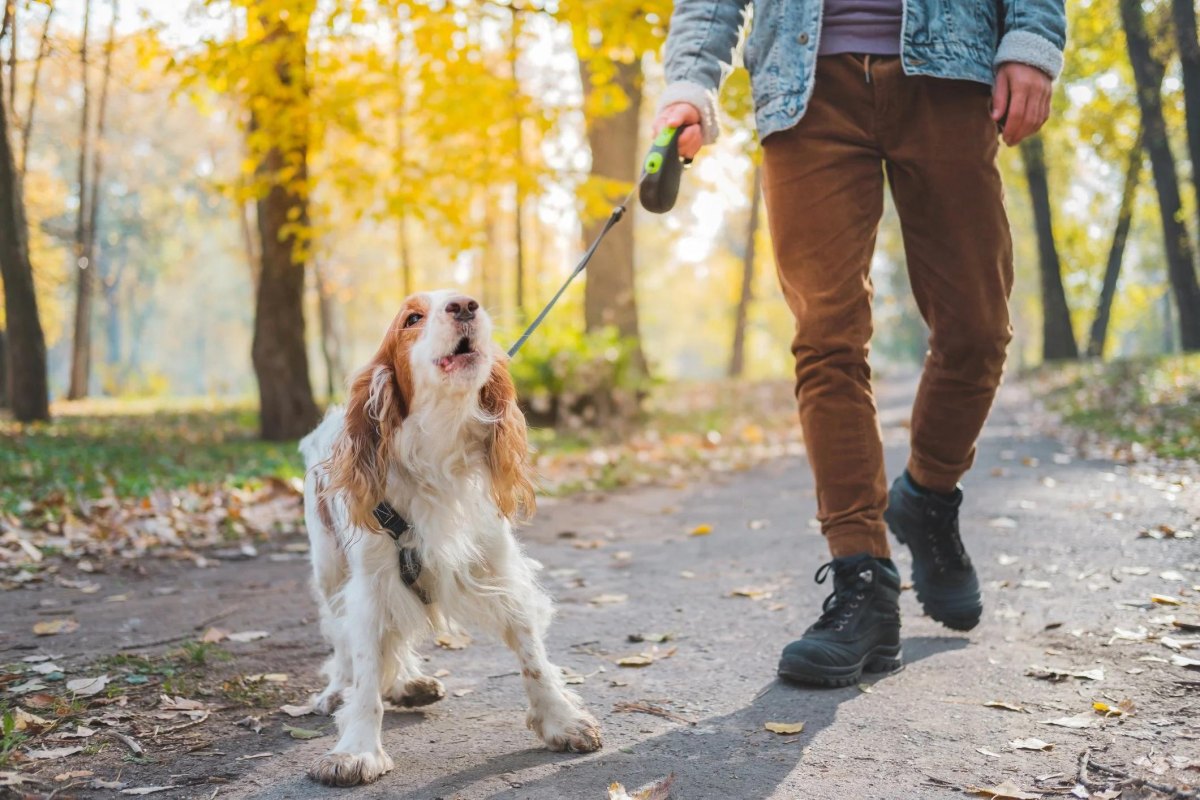
- Identify what your dog reacts to, how close it needs to be, and what your dog looks like before reacting.
- Management comes before training because rehearsal strengthens the habit.
The first question I ask is not “how do I stop the barking?” It is “what happened right before it?” A trigger might be dogs, strangers, bikes, sounds, or a combination. Finding the pattern gives us a training starting point.
I track distance, body language, and recovery time. If a dog suddenly changes behavior, especially with pain signs or other health changes, I send the owner to a veterinarian first.
Learn to Read Canine Body Language
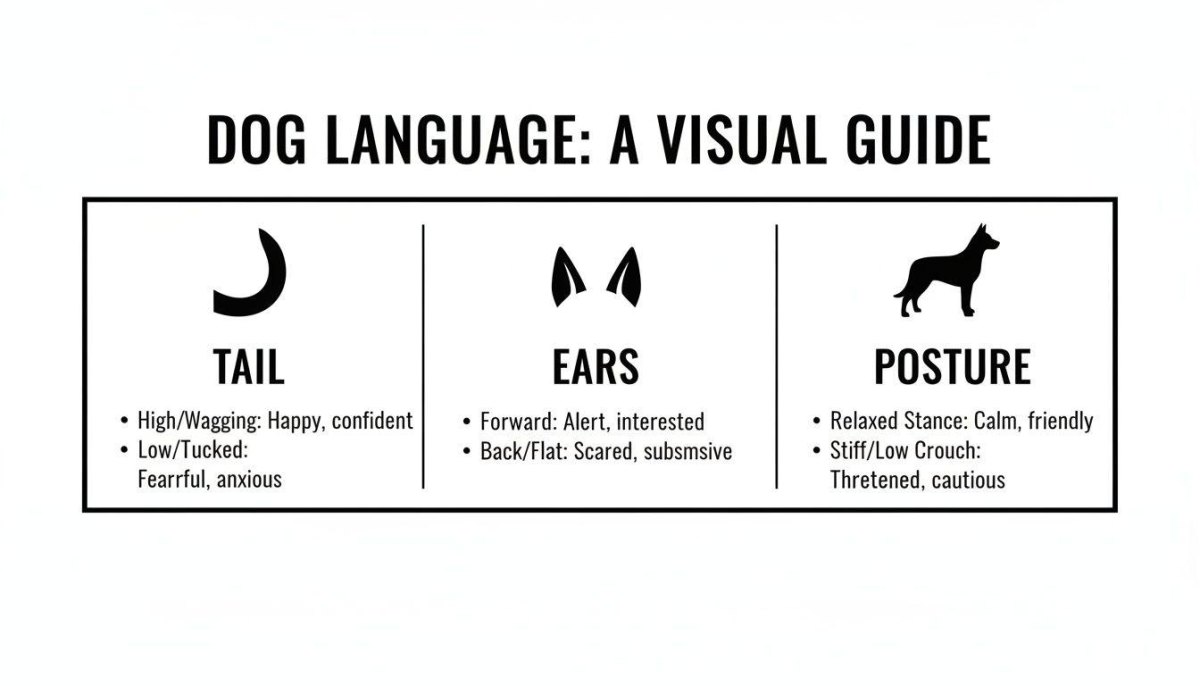
Most dogs do not go from calm to explosion without warning. I watch for tight mouths, weight shifting forward, hard staring, pinned ears, tail position changes, lip licking, and sudden stillness. Those details are the early warning signals.
My years in veterinary practice taught me that scared dogs often whisper before they shout. Learning those whispers helps you step in before your dog feels trapped.
Create Distance Before Your Dog Reacts
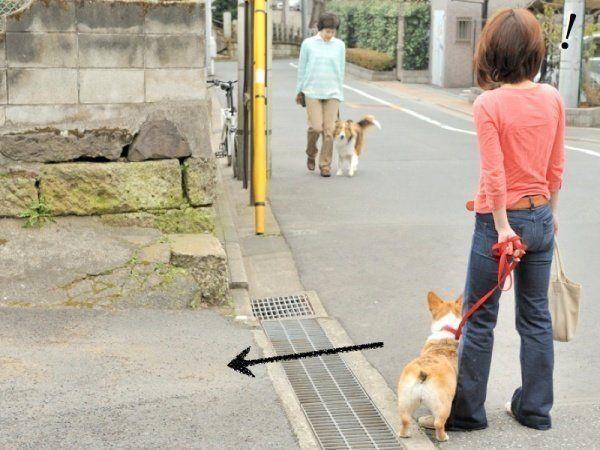
Distance is not failure. It is a training tool. I would rather see a client turn around calmly than drag a dog through a situation where it cannot think. A bigger gap creates a calmer learning zone.
For many dogs, the first few weeks are about changing routes, choosing quieter times, and preventing repeated reactions. This is management, not avoidance.
Use Positive Reinforcement Training Methods
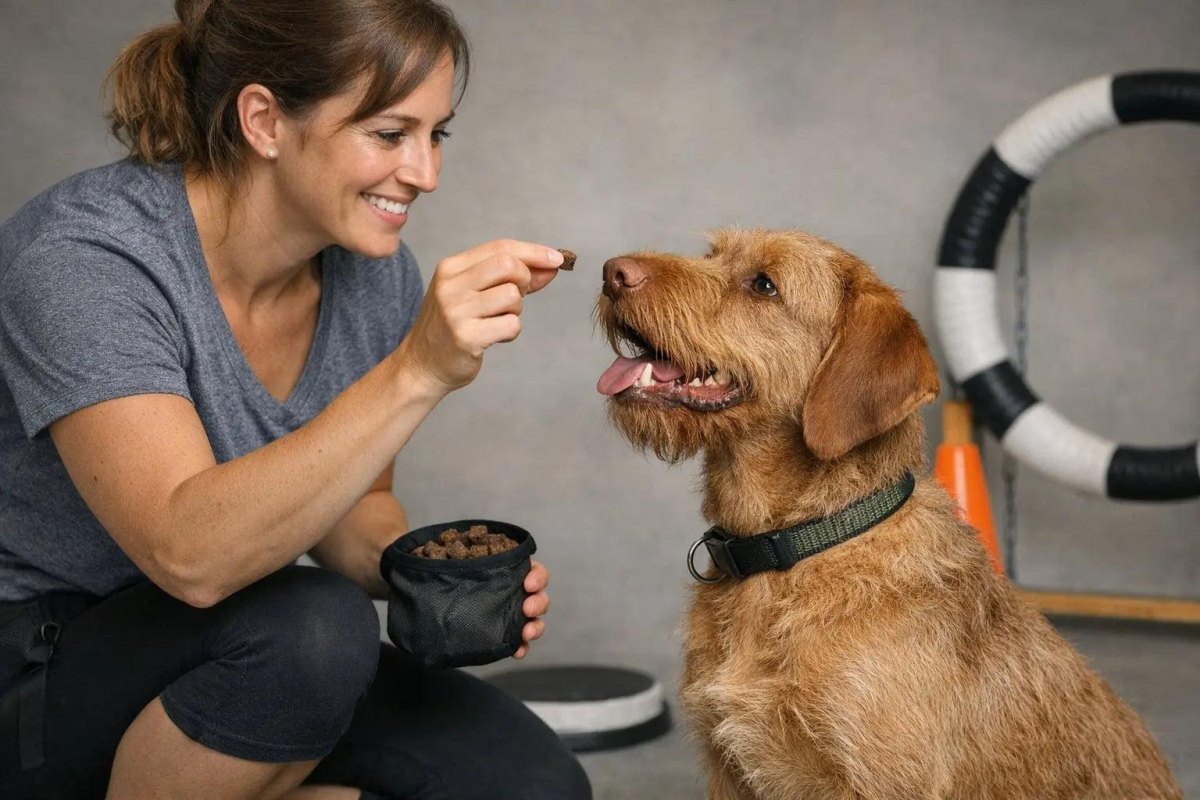
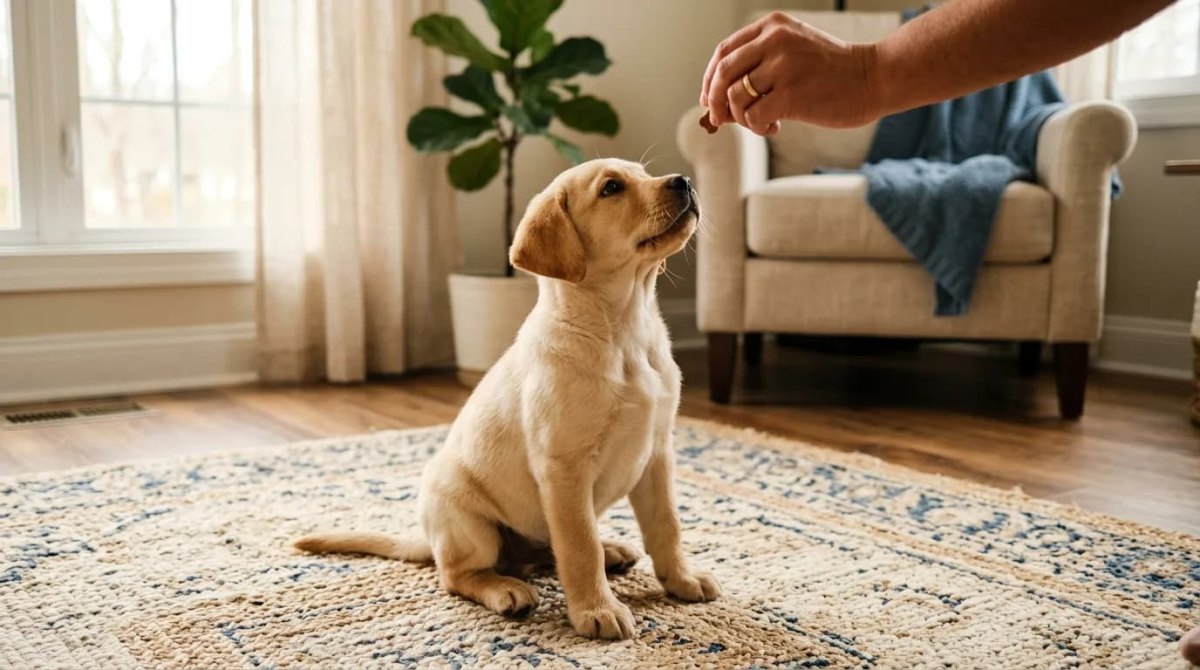
I teach dogs what to do instead of only telling them what not to do. Reward-based training helps build behaviors we actually want to see. Professional guidance increasingly emphasizes reinforcement-based methods for behavior change.
The reward does not have to be fancy. It has to matter to that dog in that moment, whether that is food, movement, praise, or another safe reinforcer.
Teach a Reliable Focus Command
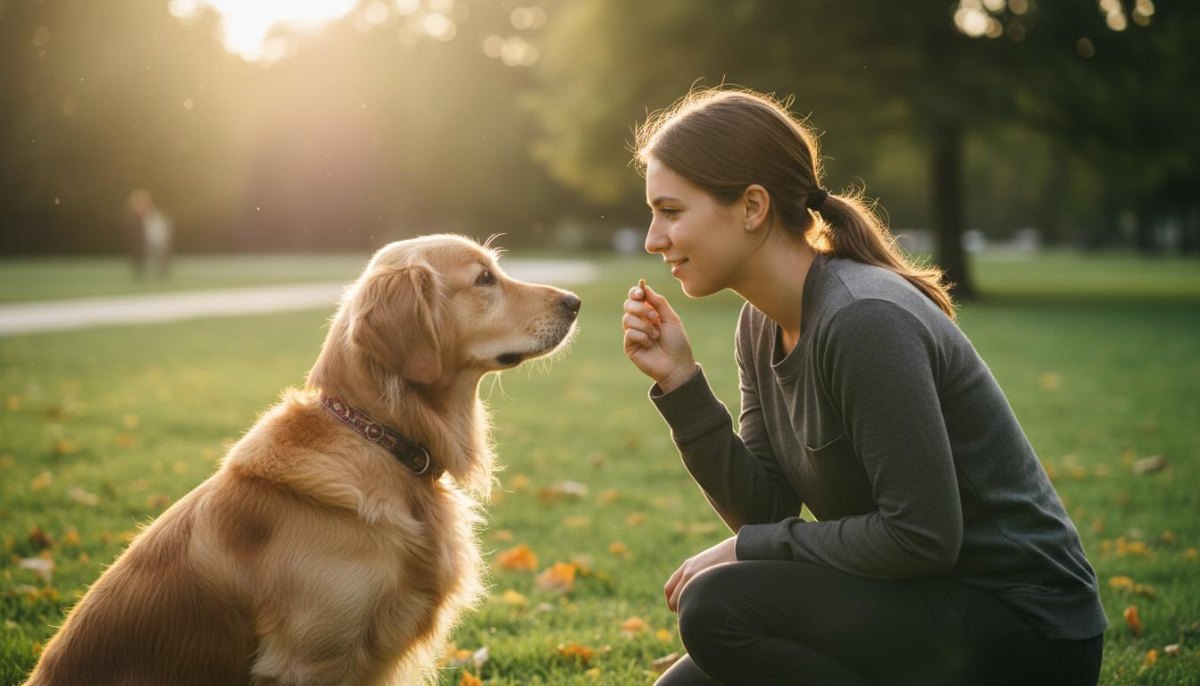
A focus cue is not magic. It is a practiced skill that gives your dog another option when the world becomes interesting. I build it first in boring places before expecting it around distractions.
The prerequisite is simple: your dog must still be able to think. A dog already over threshold cannot reliably offer attention on cue.
Practice Calm Leash Walking Skills
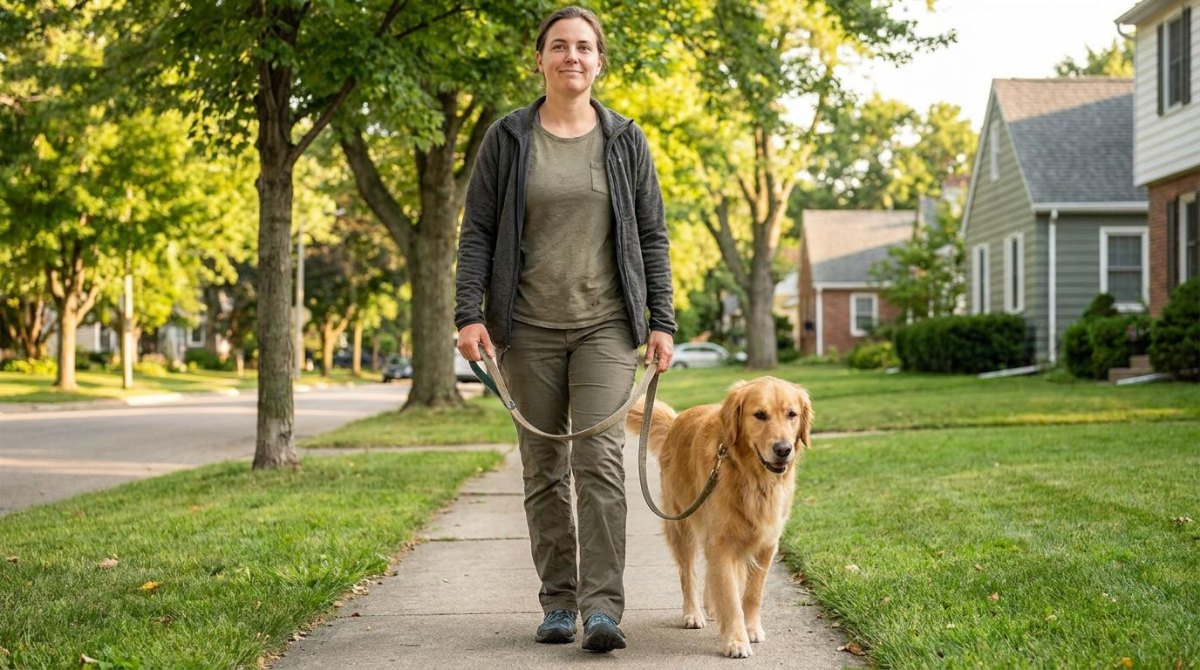
Reactive dogs often need leash skills rebuilt from the ground up. I reward check-ins, loose leash moments, and calm choices rather than waiting for the walk to fall apart.
Equipment can help with safety and comfort, but it does not replace training. The goal is a dog who understands comfortable walking habits.
Introduce Controlled Desensitization Exercises
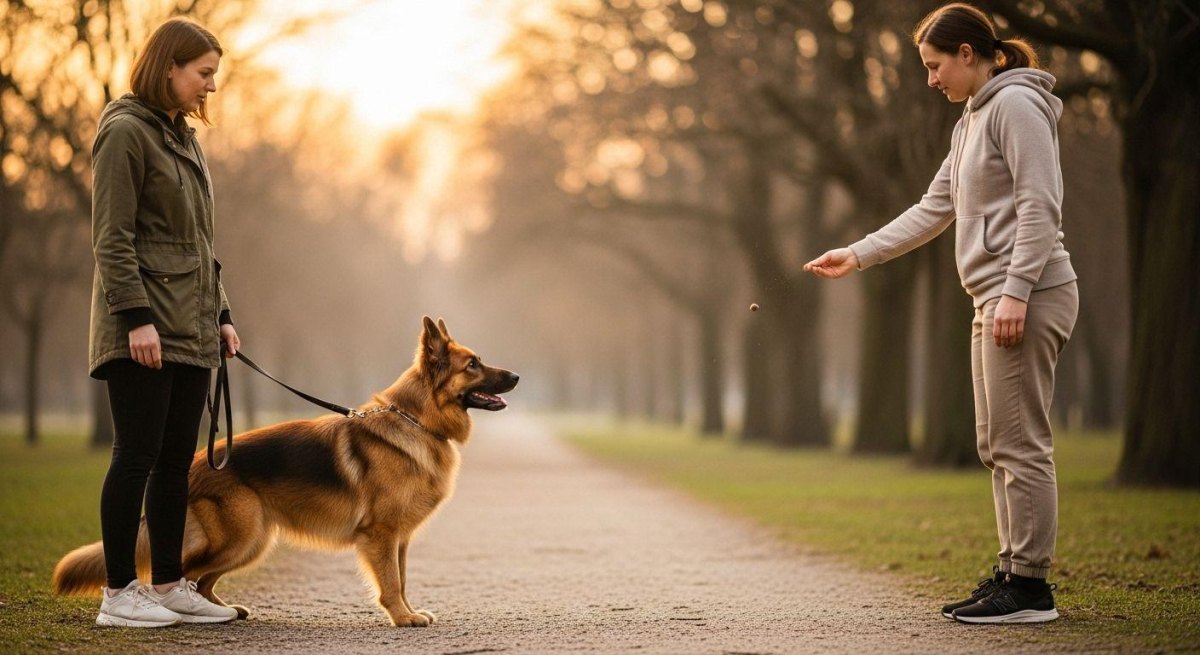
Desensitization means working below the point where your dog panics. The trigger starts small enough that your dog can notice it and remain calm. Veterinary behavior resources describe this as gradual exposure paired with careful observation.
I tell clients to think in months, not days. A setback means we adjust the plan, not that the dog has failed.
Use Counterconditioning to Change Emotional Responses
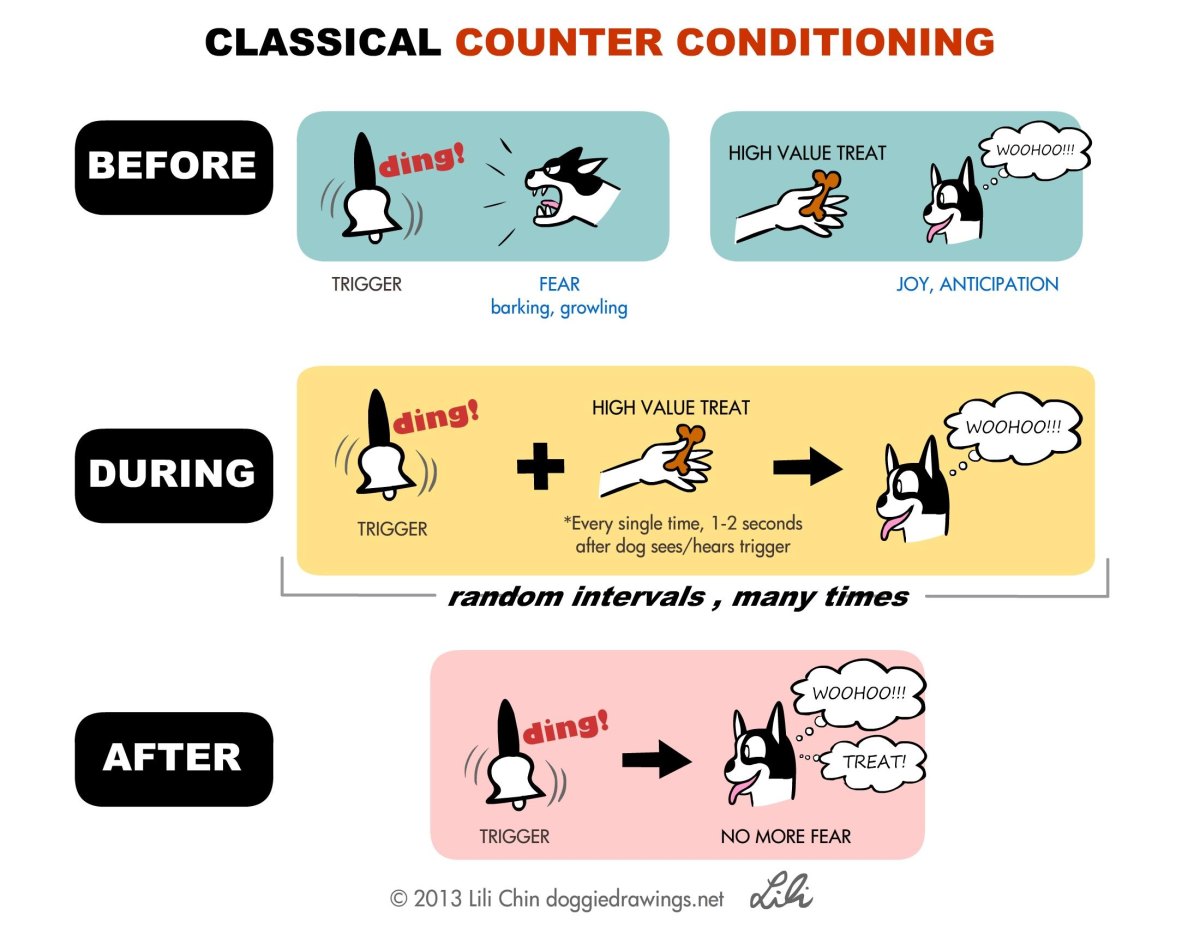
Counterconditioning changes what the trigger means to your dog. Instead of “another dog appears and something bad happens,” we build a new association: “another dog appears and good things happen.”
This works best when paired with distance and timing. The dog must stay under threshold for emotional change to happen.
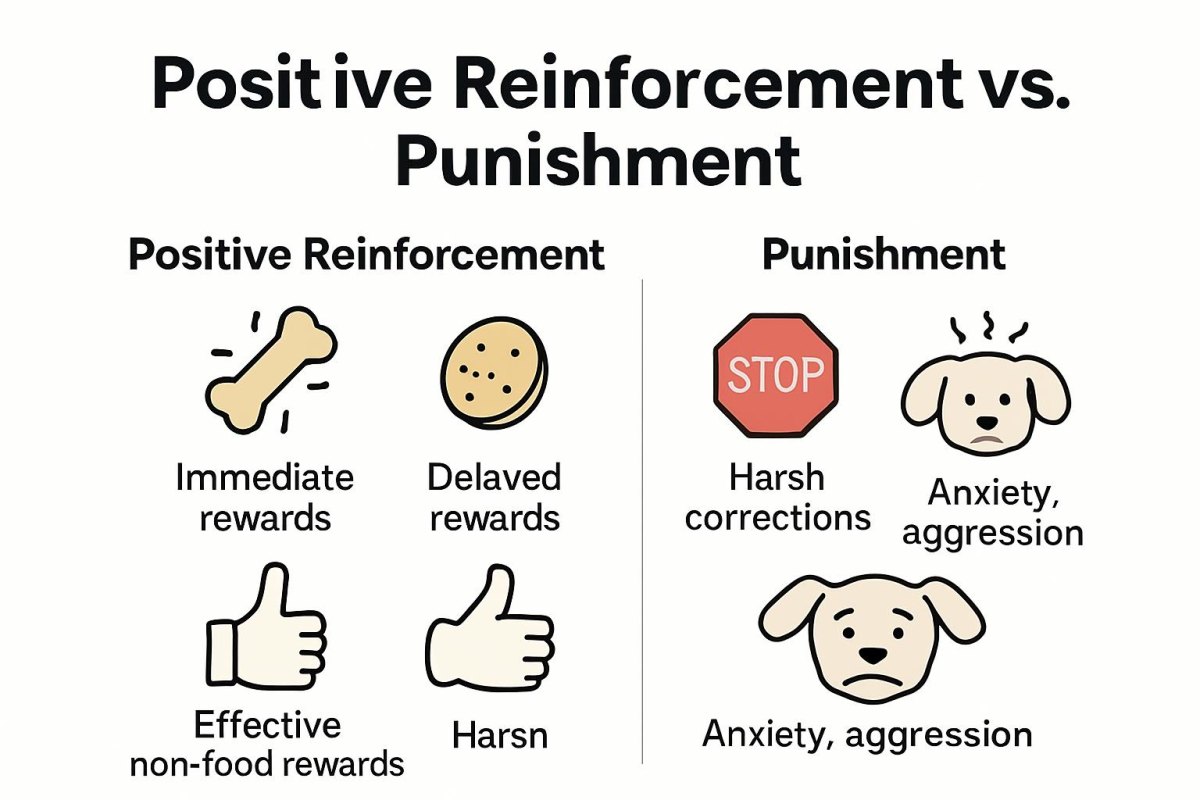
Avoid Punishment-Based Training Approaches
Important
Adding fear or pain to a fearful dog can make the emotional problem worse.
I used to believe some old-school advice because that was what I was taught. I learned better. I do not use prong, shock, or intimidation-based methods because I want dogs learning safe new responses.
Build Your Dog’s Confidence Through Enrichment
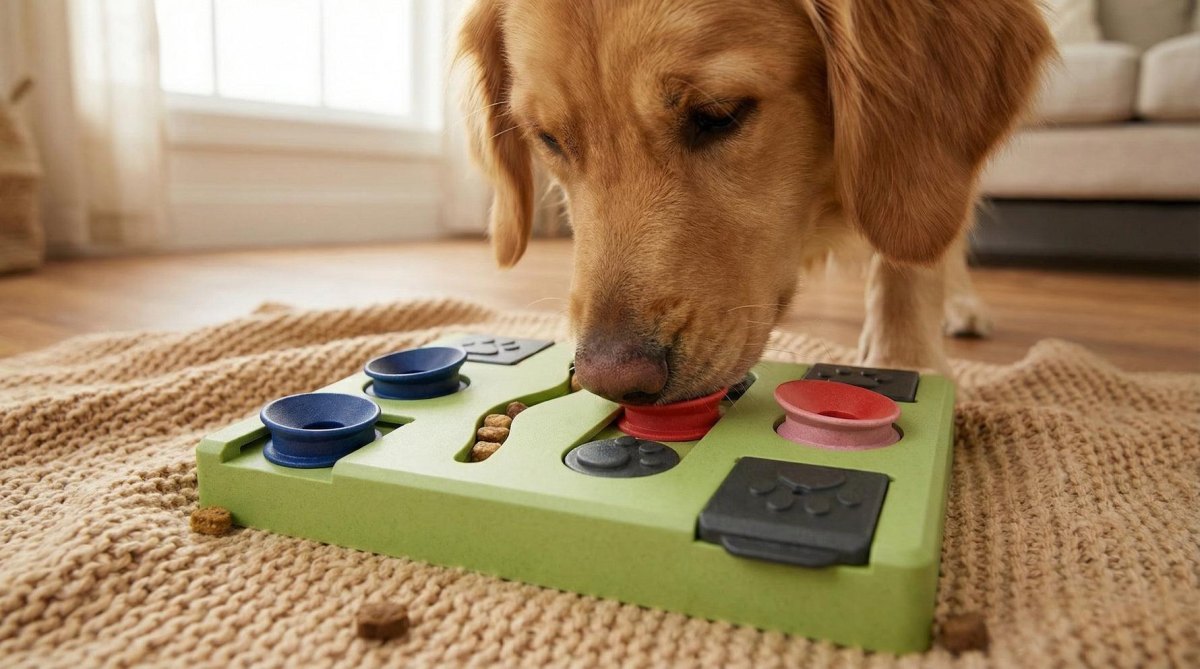
A reactive dog needs more than trigger practice. Sniffing, problem-solving games, rest, and appropriate activities help create a fuller daily life.
Confidence is built through successful experiences. I look for chances where the dog can say, “I handled that,” which creates real emotional resilience.
Manage Your Dog’s Environment Effectively
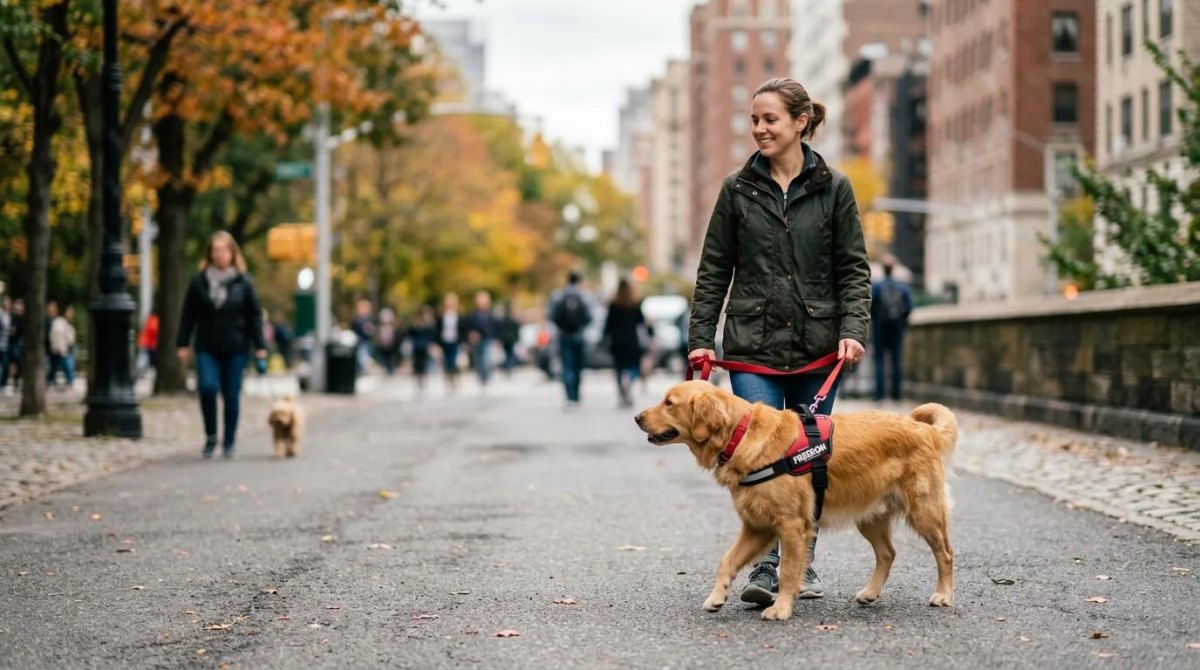
The boring parts of training are usually the parts that work. Preventing your dog from practicing the reaction gives the brain space to learn new behavior patterns.
Practice Emergency Redirect Techniques
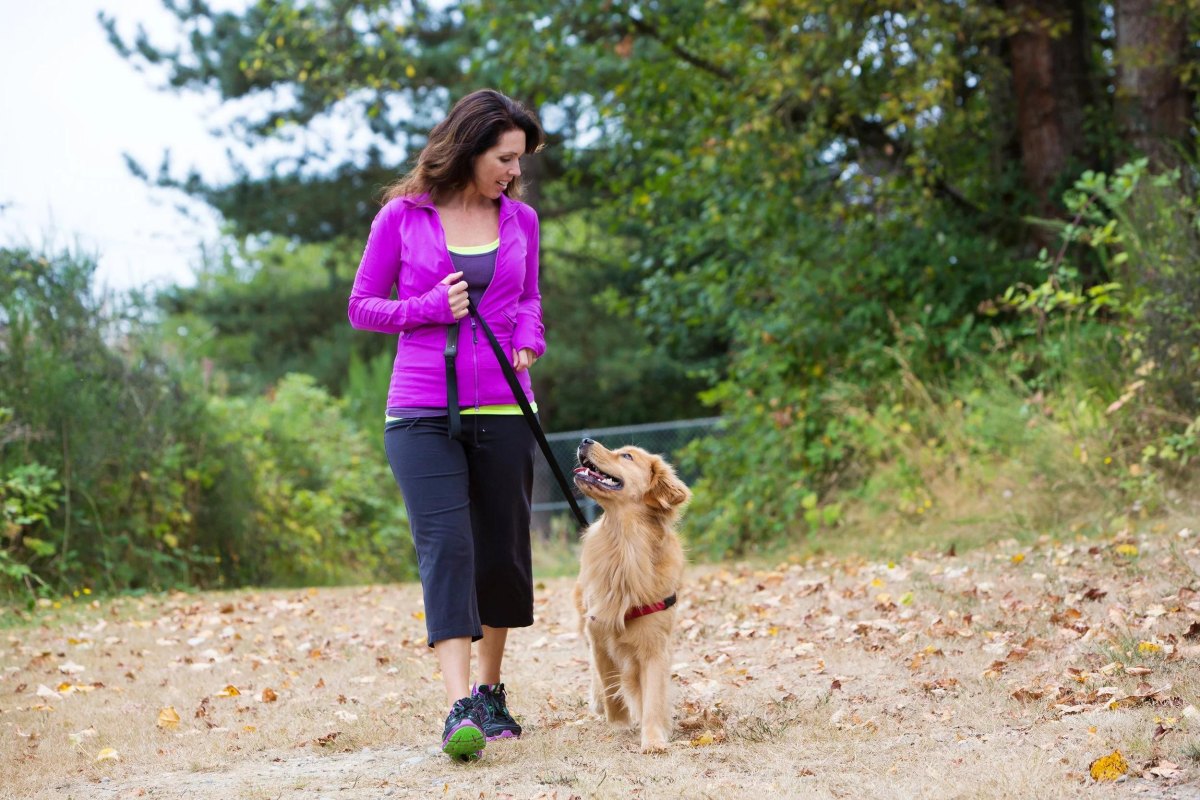
Every reactive dog owner needs a plan for surprise moments. I teach simple exits, cheerful turns, and practiced attention games before they are needed.
The goal is not a dramatic rescue move. It is having a familiar response when your dog needs a safer alternative.
Improve Your Timing and Training Consistency
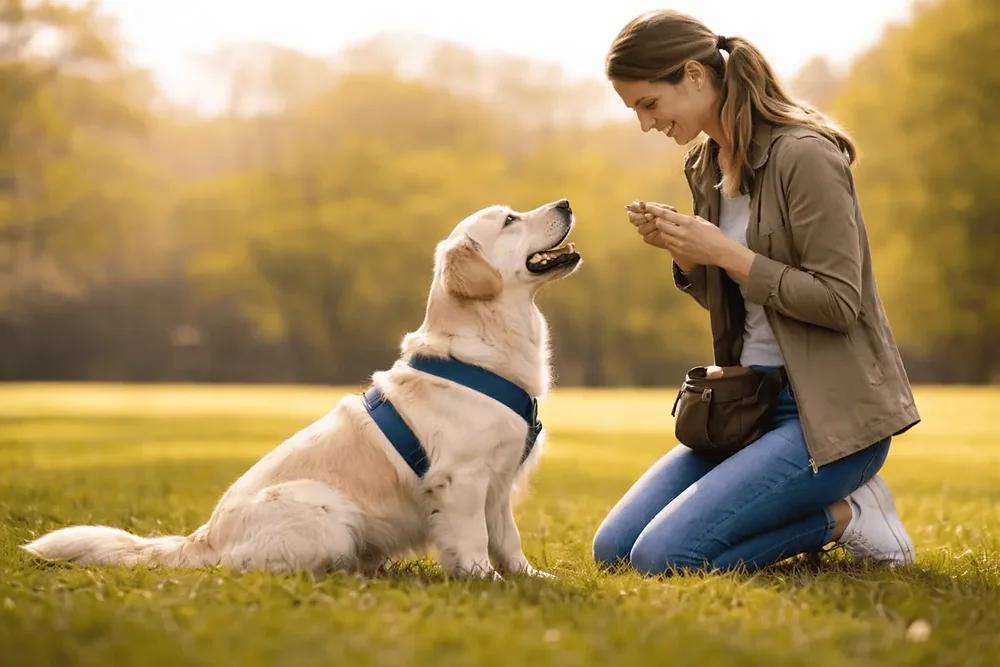
Dogs are excellent at noticing patterns. If rewards arrive too late, they may not understand what earned them. Clear timing makes training easier for both ends of the leash.
I recommend short, repeatable sessions because consistency beats occasional heroic efforts. Good plans fit into real daily routines.
Help Your Dog Relax Around Other Dogs
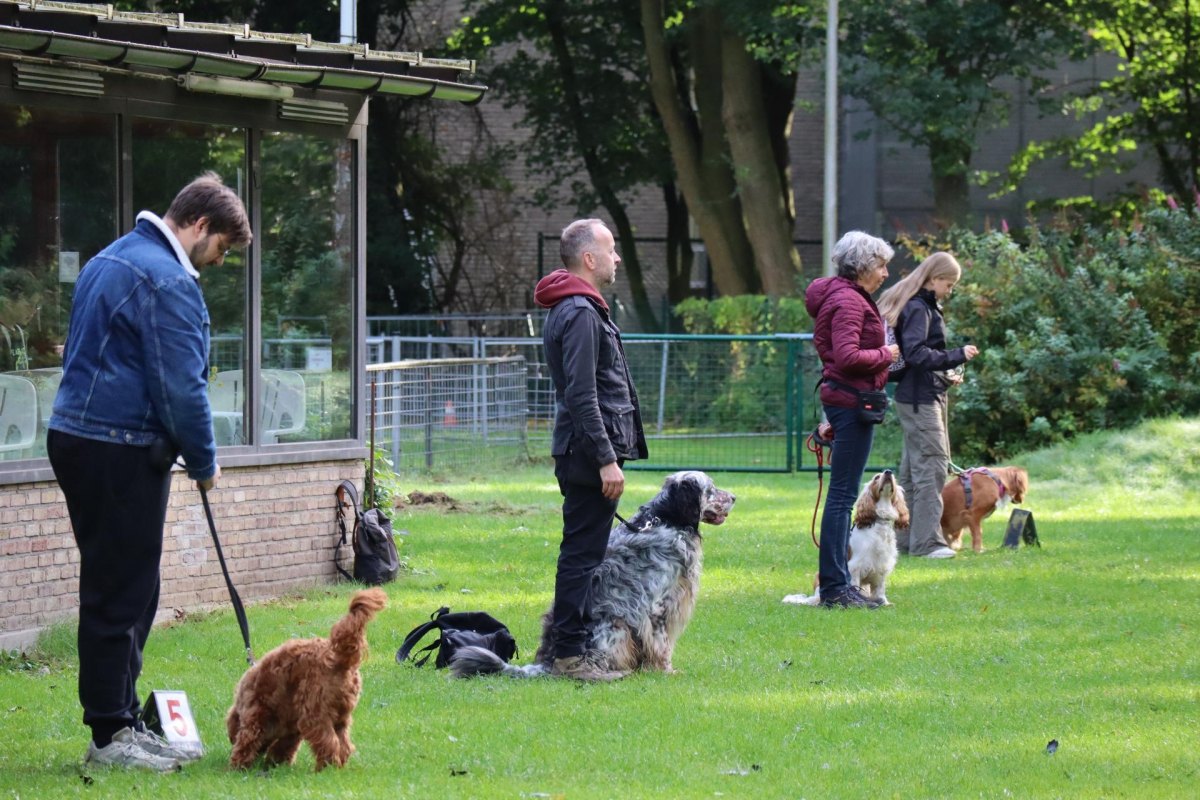
Some dogs will eventually enjoy passing other dogs. Some will simply learn to coexist peacefully. Bruno is much better now, but I would not take him to a crowded festival, and that is okay.
Success is personal. For many dogs, the win is calm observation and recovery, not becoming a social butterfly.
Handle Reactive Behavior at Home
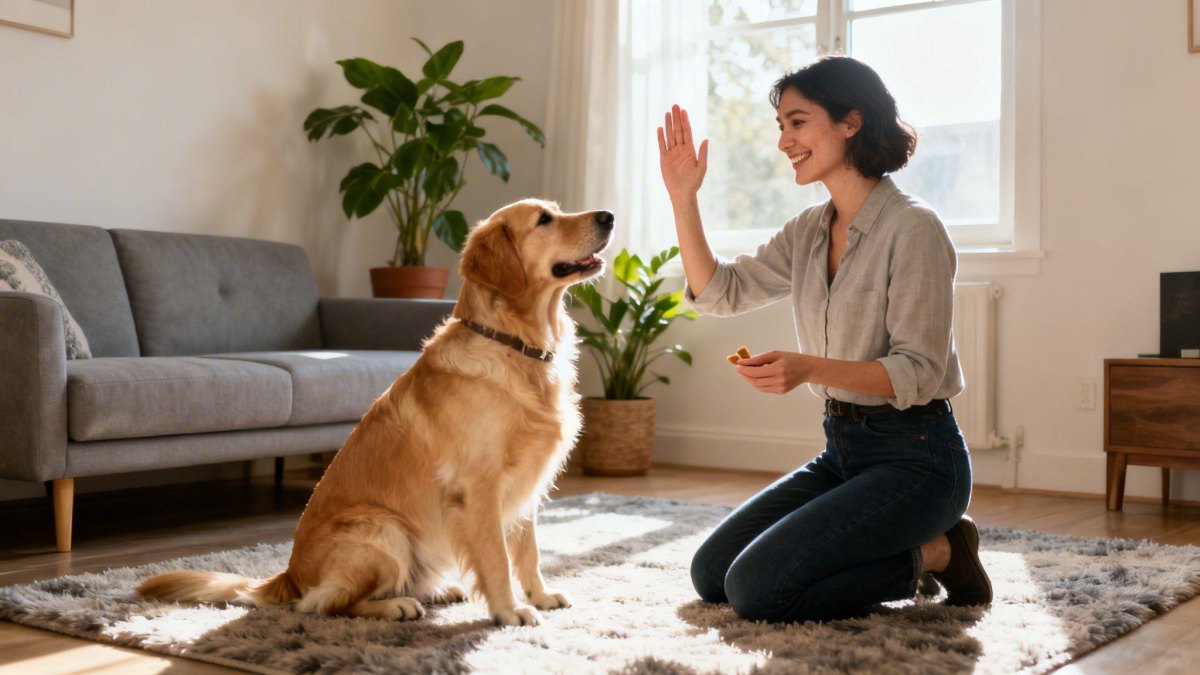
Reactivity does not only happen outside. Door sounds, windows, visitors, and household routines can create stress. I start by making the home easier to navigate.
Sudden behavior changes, aggression that appears unexpectedly, or regression should always include a veterinary check before assuming it is only training.
Know When to Work With a Professional Trainer
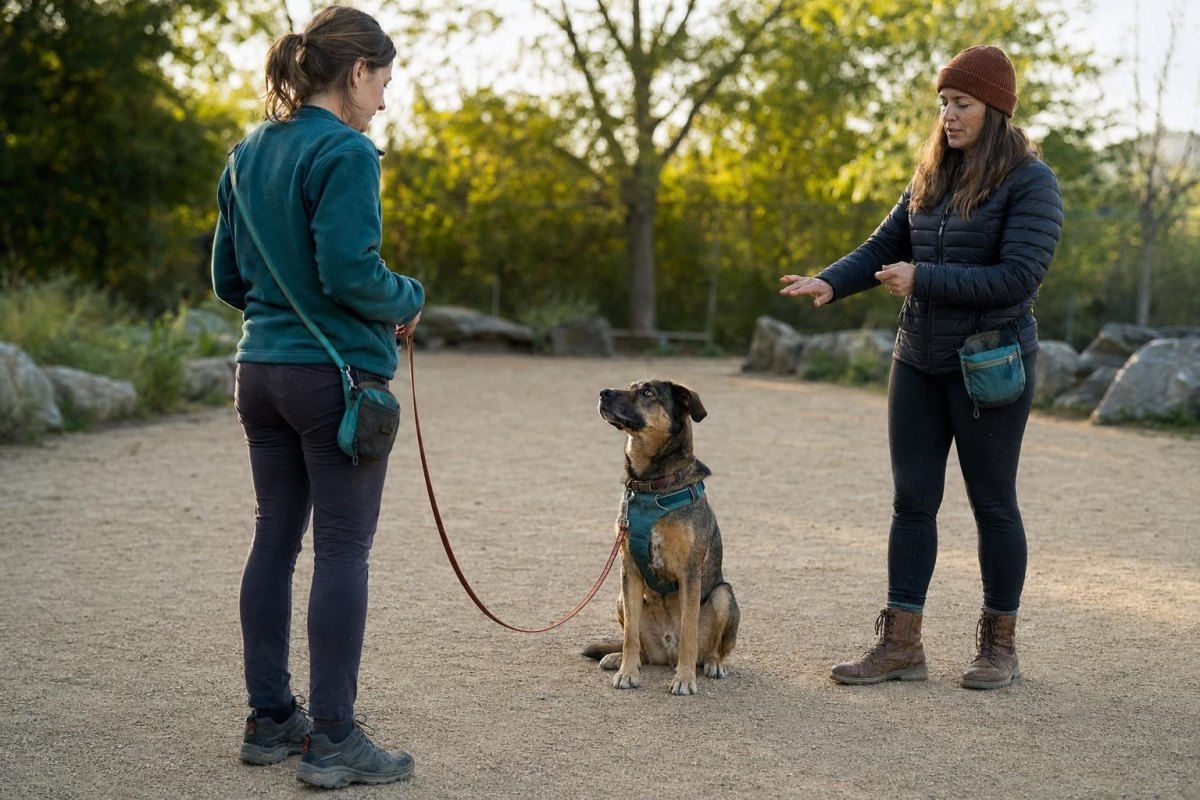
Some cases are beyond a blog post. If there are bites that break skin, aggression toward children, or serious safety concerns, I recommend working with a qualified professional in person and discussing referral options with your veterinarian.
A good trainer should welcome questions about education and experience. Credentials such as CPDT-KA show a commitment to tested knowledge and continuing education.
Track Progress and Celebrate Small Improvements
| Notice | Progress |
|---|---|
| Distance | Your dog stays calmer closer to triggers. |
| Recovery | Your dog settles faster after stress. |
I keep notes because memory is unfair during difficult weeks. A setback can make owners forget the dog who improved three months earlier.
Celebrate the quiet wins: the glance back at you, the loose leash, the recovery after a surprise. Those moments are the foundation of lasting change.

More Pinterest Visuals