I have sat with plenty of exhausted owners who arrive convinced their dog is being difficult when they leave the house. Usually, I find a dog who is overwhelmed, not stubborn. After years of training and watching behaviour unfold one Tuesday morning at a time, I have learned that separating facts from myths changes everything.
Separation anxiety is one of those topics where old advice hangs around long after we know better. These are the misunderstandings I hear most often, and what I look at instead when helping a dog feel safer alone.
Myth 1: Separation Anxiety Is Just a Dog Being Needy
A dog with separation anxiety is not simply asking for extra attention. I look for signs of true distress responses, such as frantic pacing, escape attempts, drooling, vocalising, or destruction that happens specifically when the dog is alone.
When I assess a case, I am watching the whole picture: the dog's breathing, body weight, mouth tension, and whether they can settle. A dog who cannot cope alone needs a gradual behaviour plan, not a lecture about independence.
What I want owners to know
- Attachment is normal; panic is something different.
- Separation anxiety is an emotional response, not a personality flaw.
Myth 2: Dogs With Separation Anxiety Are Trying to Get Revenge
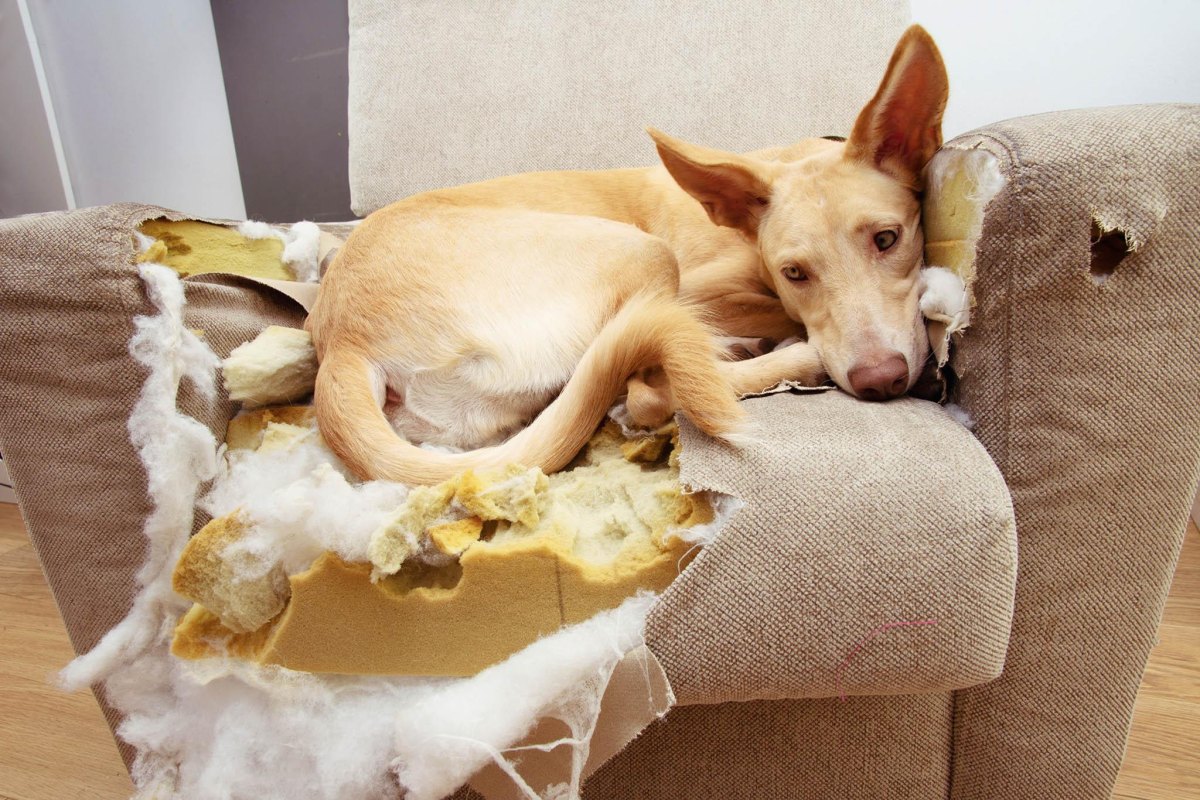
I have heard this one after a dog destroys a door or soils the floor, but dogs are not planning payback while their person is gone. The behaviour comes from panic and coping attempts, not revenge.
The important question is not "why is my dog mad?" It is "what happens inside my dog when I leave?" That shift helps us build a plan based on reducing fear signals instead of adding punishment.
A note from my training room
I always ask owners what the first five minutes after departure look like. That early window often tells us more than the damage we find later.
Myth 3: Separation Anxiety Happens Because a Dog Is Spoiled
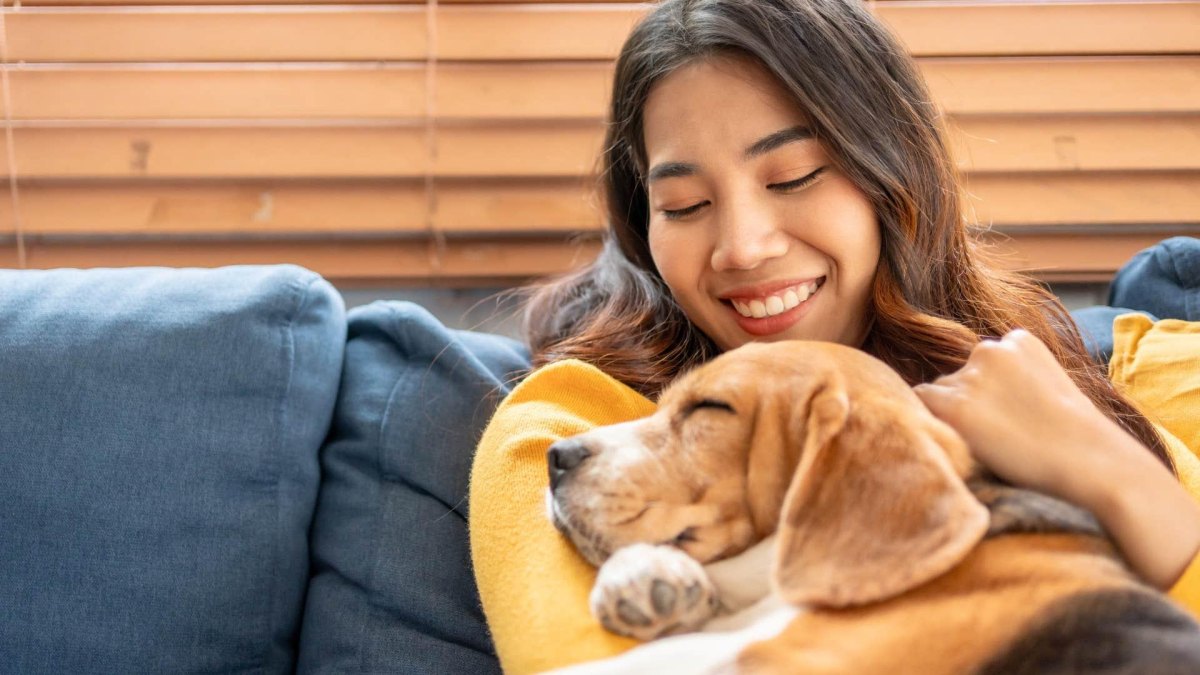
I work with many loving owners who worry they caused the problem by giving too much affection. Comfort and connection do not create separation anxiety. The issue is whether a dog can handle being apart safely.
My approach is never to remove kindness. Instead, I build small moments of confidence and teach the dog that short absences are predictable. Good training adds emotional security; it does not require less love.
Myth 4: A Second Dog Will Always Cure Separation Anxiety
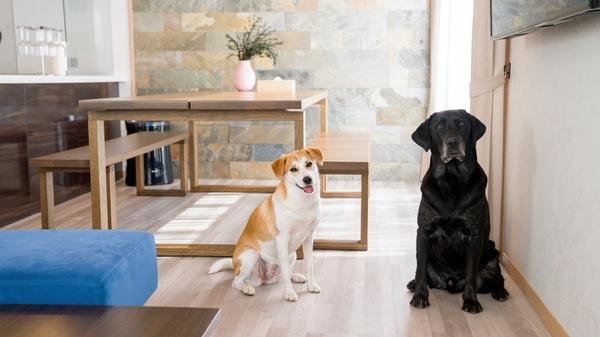
A second dog can be wonderful, but I never recommend getting another animal as a guaranteed fix. Many dogs with separation anxiety are distressed because of the absence of a particular person, so another dog may not solve the problem.
Before adding a second dog, I look at the actual cause of the anxiety. Bringing home another dog is a major household change, and I want it to be a choice made for the right reasons, not a desperate attempt at a quick solution.
Possible benefits
- Some dogs enjoy companionship.
- A stable household routine may help some individuals.
Possible problems
- The original anxiety may remain.
- A second dog adds new needs and responsibilities.
Myth 5: Punishment Stops Separation Anxiety Behaviors
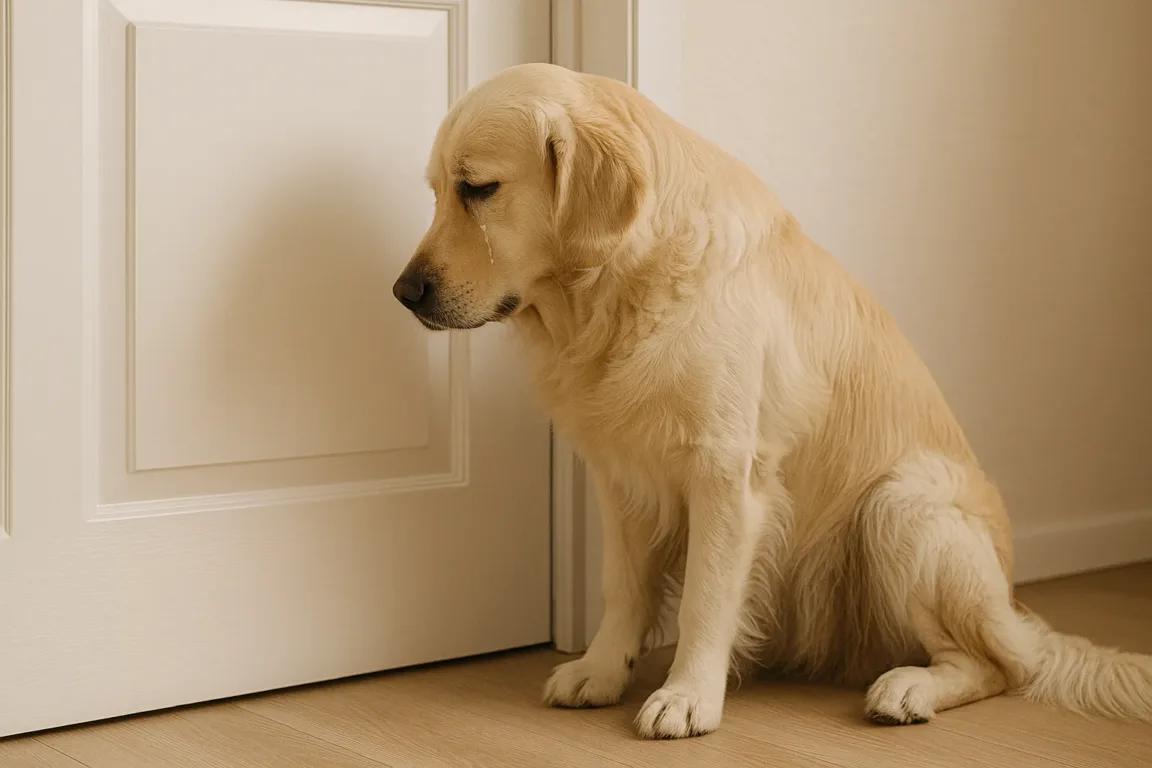
I understand why people try this. Coming home to a damaged couch is upsetting. I was raised around the rolled-newspaper era too. But punishment after the fact does not teach the dog what happened, and it can increase fear around your return.
I focus on preventing rehearsal and teaching calm responses through reward-based work. The goal is not to suppress behaviour; it is to change the dog's emotional response to being alone.
Avoid this mistake
Do not scold a dog for anxiety-related behaviour after you return home. The dog is showing distress, not making a choice to misbehave.
Myth 6: Dogs Grow Out of Separation Anxiety Without Help
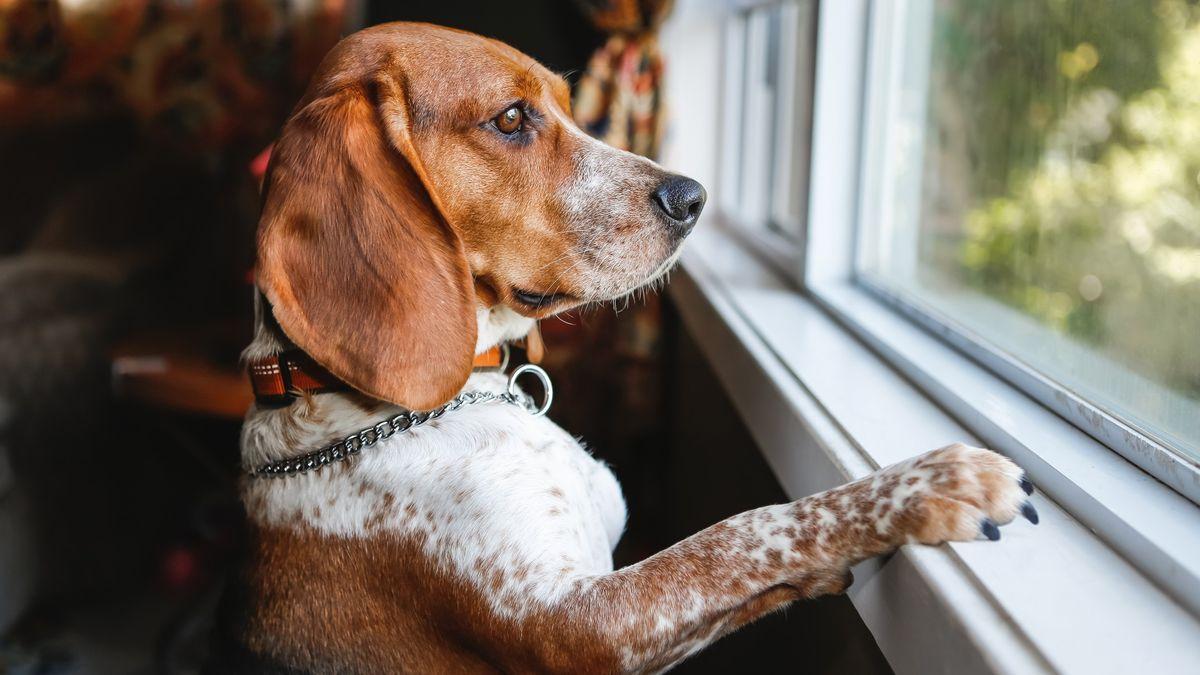
Some mild puppy struggles improve with maturity, but true separation anxiety usually needs a thoughtful plan. Waiting while a dog rehearses panic can make the pattern stronger over time.
In my cases, progress is measured in weeks and months, not overnight transformations. I start with management, then very small absences that keep the dog under threshold.
Myth 7: Leaving the TV On Fixes Separation Anxiety
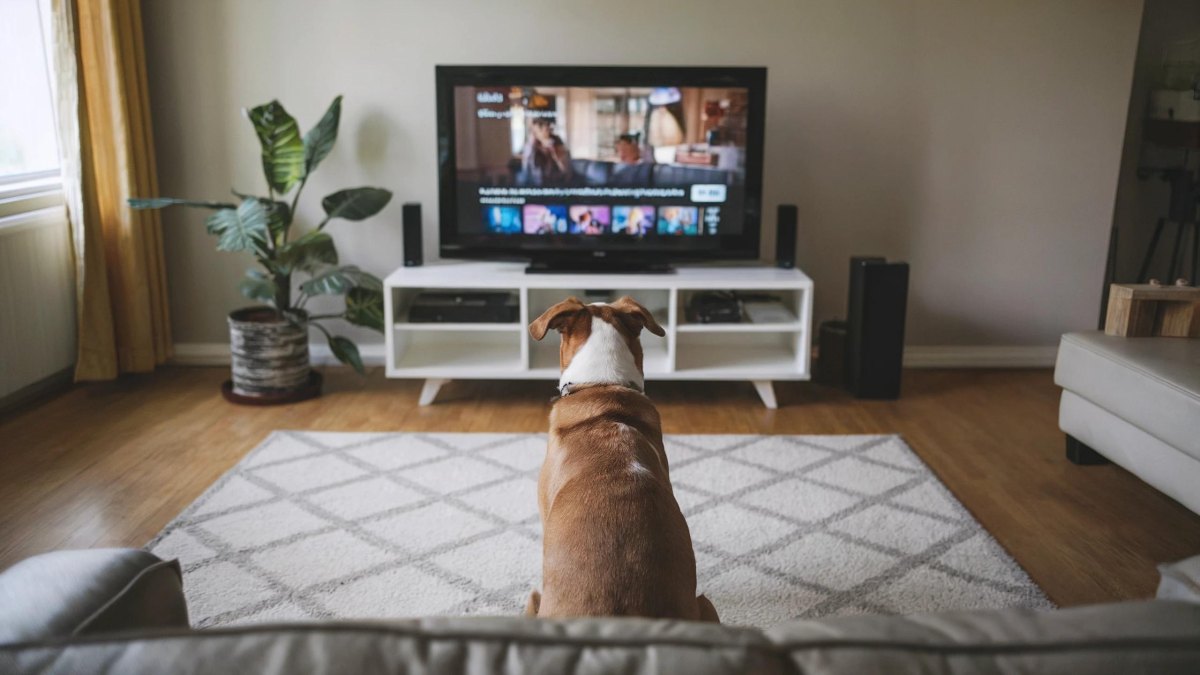
A television, radio, or white noise machine may make the room feel familiar, and I have no problem using those tools as management. But background noise does not treat separation-related panic.
I think of these tools as support, not the solution. The real work is helping the dog develop tolerance through a structured plan that respects their stress threshold.
| Tool | What it can do |
|---|---|
| TV or radio | Add familiar background sounds |
| Training plan | Change the dog's response to absence |
Myth 8: Crate Training Always Solves Separation Anxiety
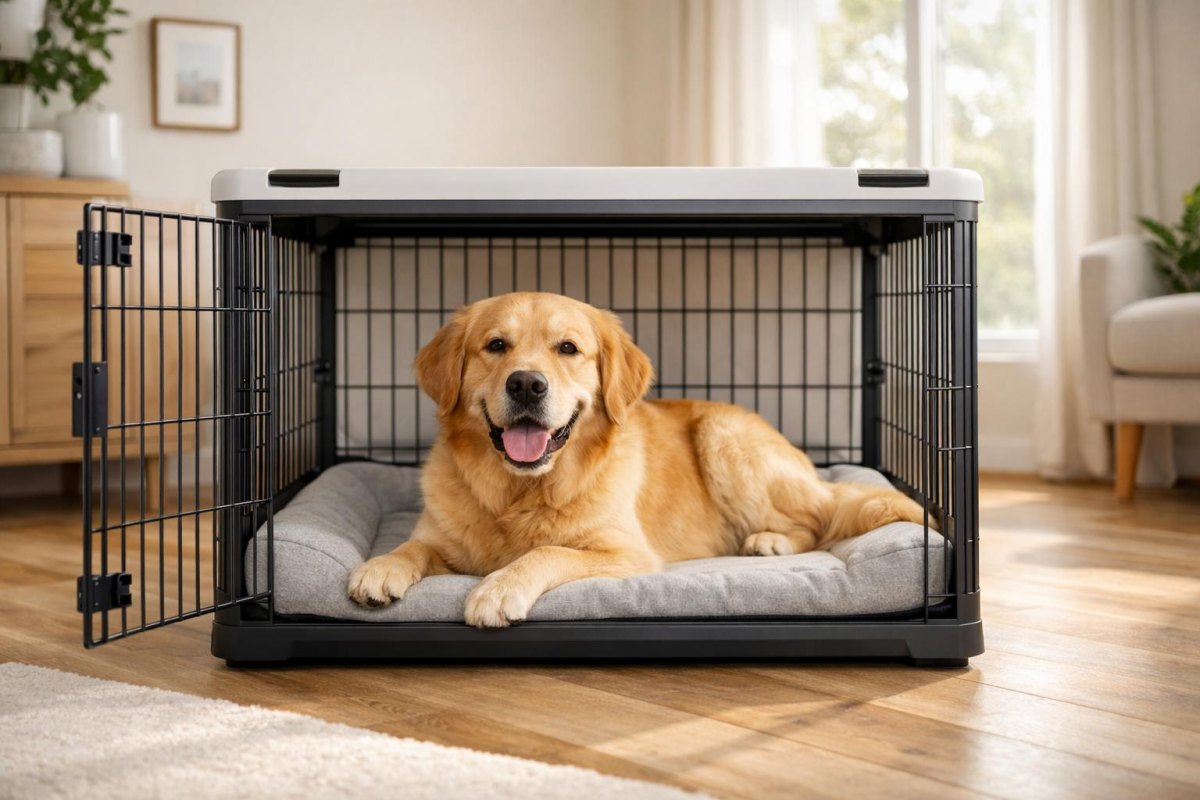
I love a well-trained crate when it suits the dog. Bruno has taught me that equipment is only useful when the dog actually feels safe. A crate is not automatically a treatment for separation anxiety.
Some dogs relax in a crate, while others panic more when confined. I watch for heavy panting, frantic escape attempts, freezing, or escalating vocalisation before deciding whether a crate is appropriate.
My practical tip
Train the crate as a comfortable resting place first. Never use it as a place where a frightened dog is expected to simply endure panic.

More Pinterest Visuals