Did your tiny furball just look you dead in the eye while squatting on your favorite rug? Welcome to puppyhood, where the cuteness is off the charts and your floors are constantly in danger.
Getting puppy potty training fast results isn't about magic tricks or crossing your fingers. It comes down to outsmarting a tiny bladder with a rock-solid routine, smart supervision, and the right timing. Ready to put away the paper towels and turn your pup into a house-trained superstar?
Fast Puppy Potty Training at a Glance
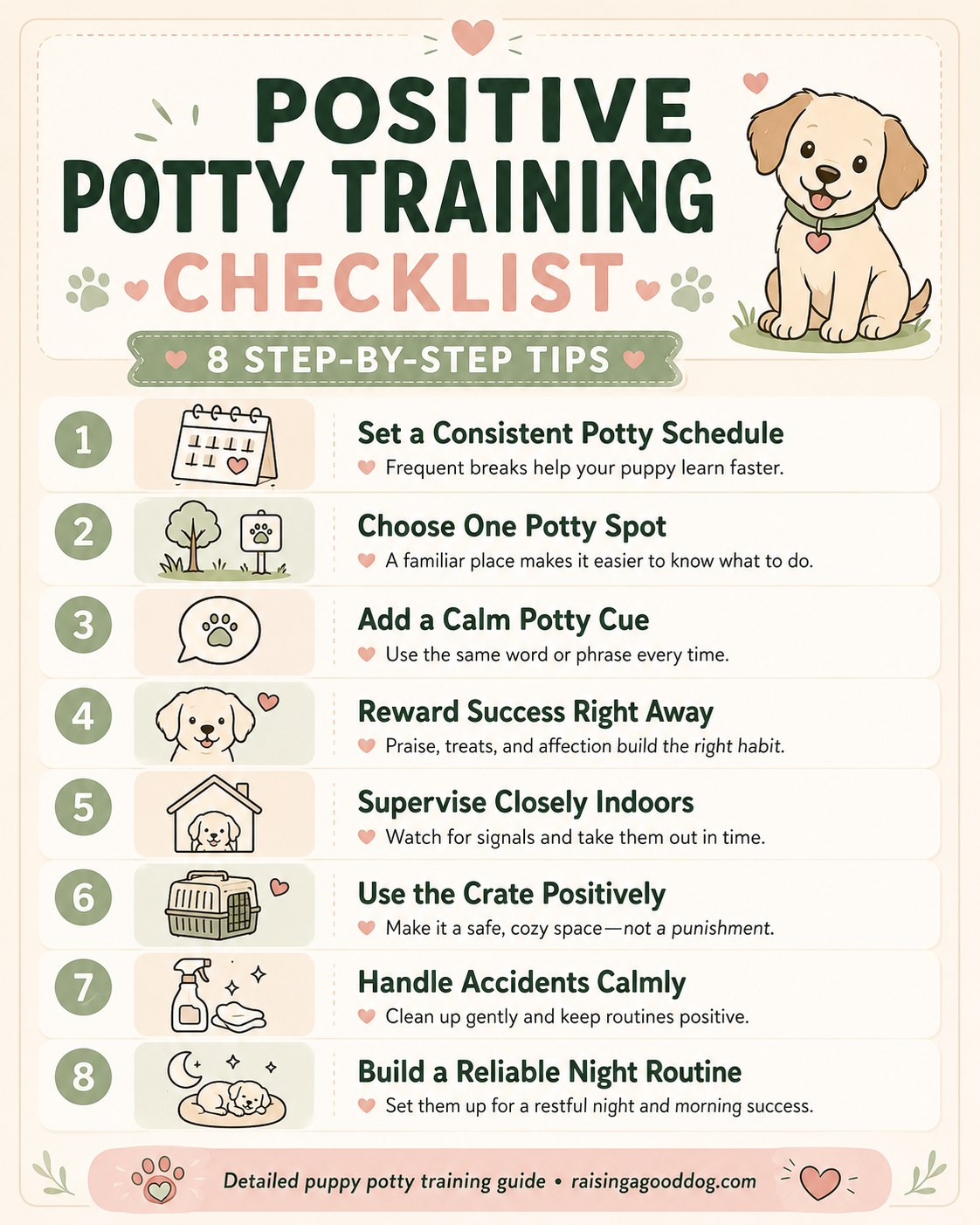
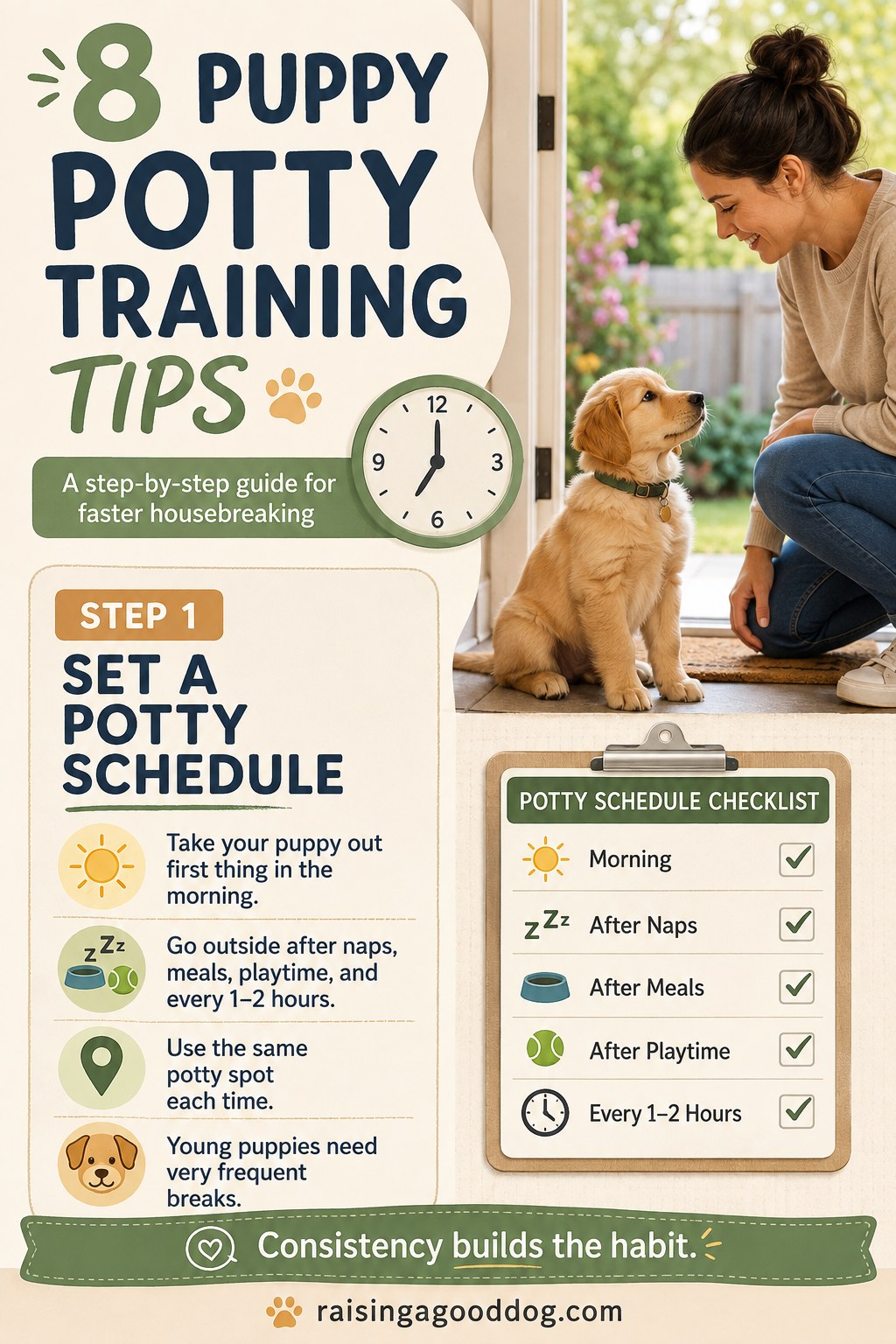
- Take your puppy outside every 1 to 2 hours and immediately after waking, eating, or playing.
- Deliver high-value treats within 3 seconds of your puppy finishing outside.
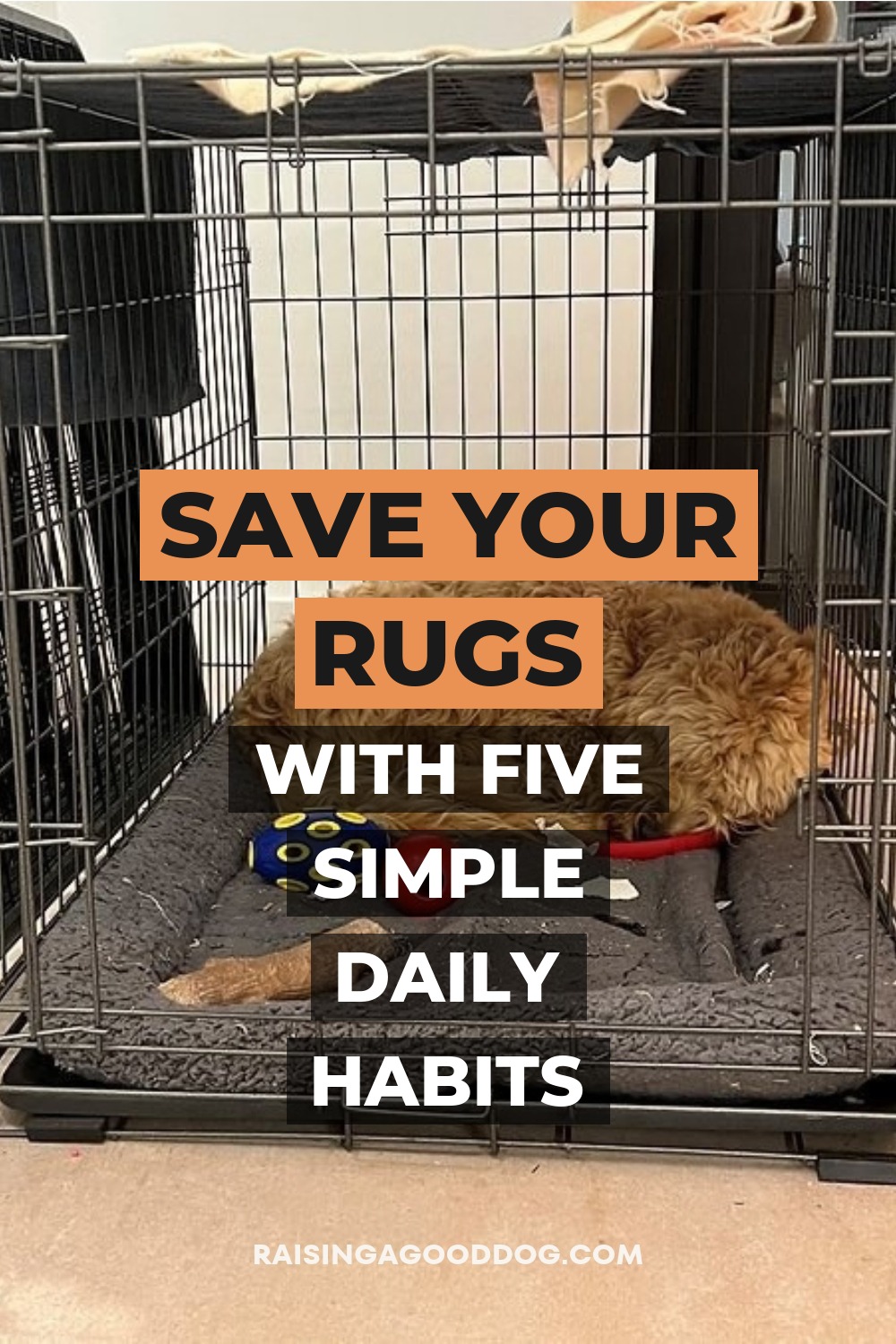
- Use a properly sized crate or indoor leash tether whenever you cannot actively watch them.
- Erase indoor accidents completely using an enzymatic cleaner so your pup doesn't return to the same spot.
1. Lock In the Golden Hour Schedule
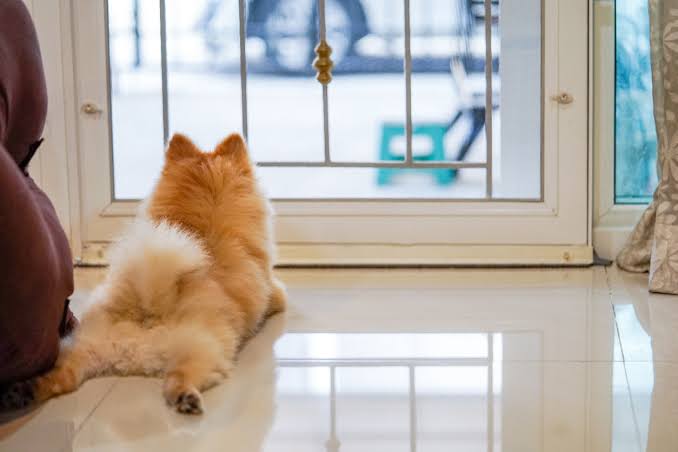
How long can a puppy actually hold it? The general rule of thumb is one hour for every month of their age, plus one extra hour at max capacity.
When you want fast results during the day, don't push their bladder to the limit. Take an 8-week-old puppy out every single hour, and never go longer than two hours between trips.
Set recurring alarms on your phone so you never lose track of time. Beyond the clock, you also need to rush them outside after every major transition in their day.
The 5 Non-Negotiable Potty Moments
- The exact second your puppy wakes up from a nap or overnight sleep.
- Right after finishing breakfast, lunch, or dinner (and 15 minutes after big drinks).
- Immediately following an energetic indoor play session or chew session.
- Before going into the crate for naptime or bedtime.
2. Claim One Boring Outdoor Bathroom Spot
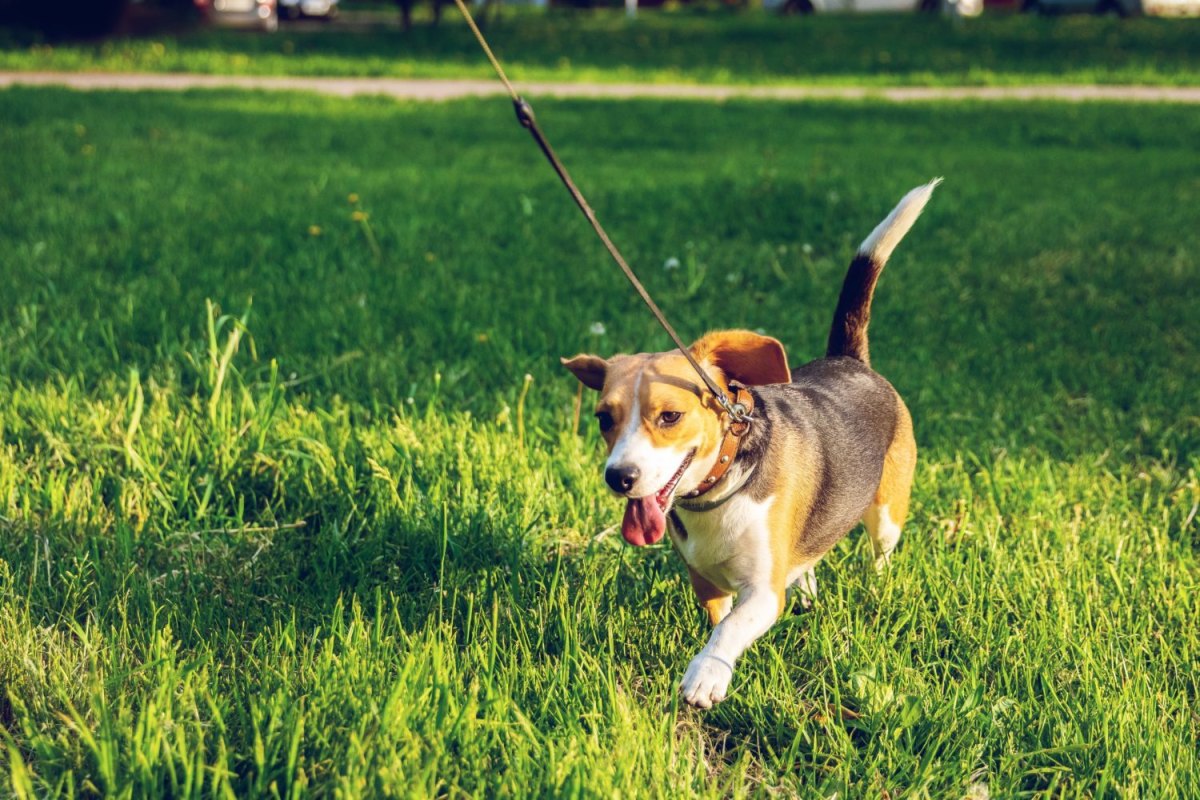
Where you take your puppy matters just as much as when you take them. Pick one specific patch of grass in your yard or outside your building and make it their official headquarters.
Why the exact same spot every time? The scent left behind from previous trips acts as a natural biological trigger that tells their brain what to do next.
Always clip on a leash for potty trips, even if you have a fenced backyard. Stand completely still like a boring tree for 5 minutes so your puppy learns that potty time is for business first, and play comes only after they finish.
Outdoor Grass Training
- Teaches your puppy from day one that bathrooms only exist outside the house.
- Eliminates the confusing transition phase of breaking a pad habit later.
Indoor Pee Pads
- Requires frequent trips up and down stairs if you live in a high-rise apartment.
- Demands midnight outdoor trips in the rain or snow during the first few weeks.
3. Master the 3-Second Reward Rule
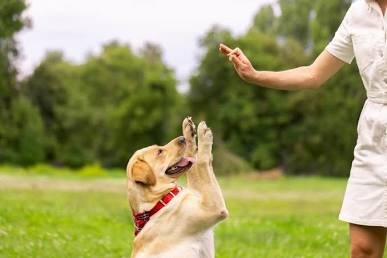
Are you giving your puppy a treat when they walk back through the kitchen door? If so, you are accidentally rewarding them for coming back inside, not for peeing on the grass!
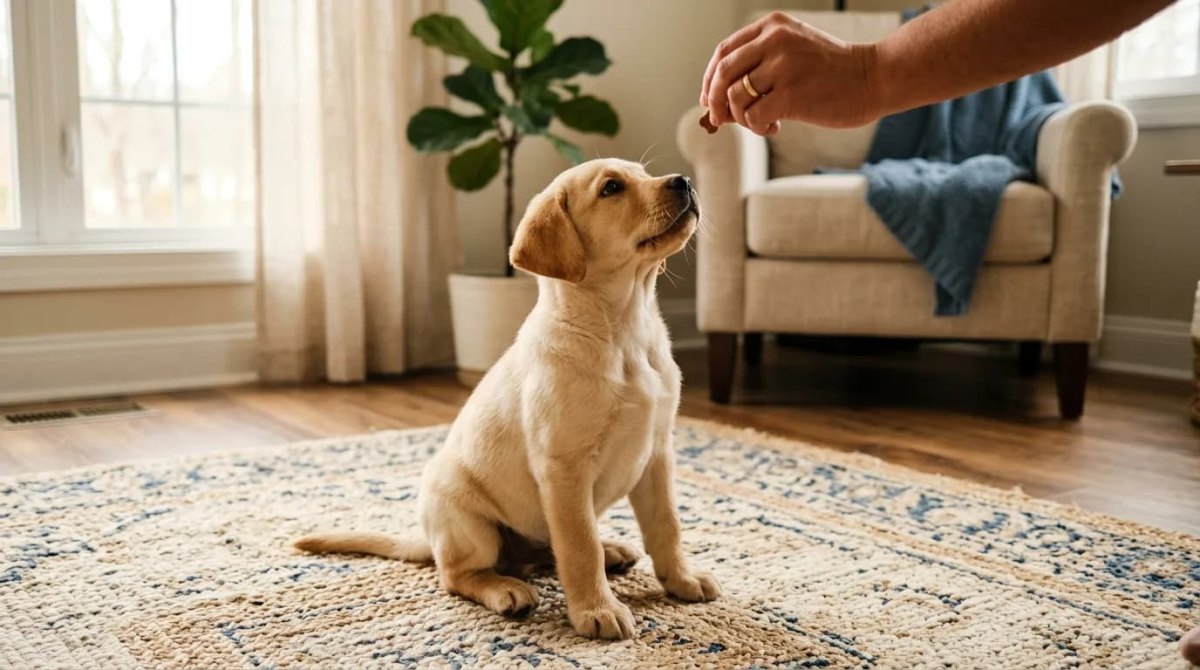
Puppies live entirely in the present moment. For the connection to click in their brain, your praise and high-value treat must hit their mouth within three seconds of them finishing outside.
Wait until they are completely done squatting before you celebrate, or your excitement might startle them into stopping mid-stream. As they start going, quietly say a cue phrase like go potty so they eventually learn to go on command.
A treat given at the back door rewards the walk inside, while a treat given on the grass builds a house-trained dog.
raisingagooddog.com editorial note
4. Put Mealtime on a Strict Clock
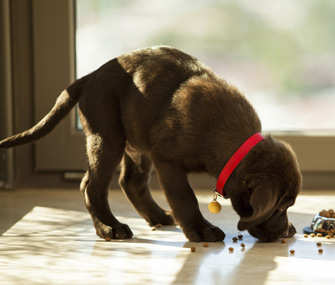
What goes into your puppy on a schedule comes out of your puppy on a schedule. If you leave a full bowl of kibble out all day for grazing, your puppy's digestive tract becomes completely unpredictable.
Serve three to four measured meals at the exact same times every day. Put the bowl down for 15 minutes, and pick up whatever they don't finish until the next scheduled mealtime.
Keep fresh water available all day, but pick up the water dish about two hours before bedtime. This simple tweak keeps their bladder manageable overnight without leaving them thirsty.
5. Use the Crate as Your Secret Accelerator
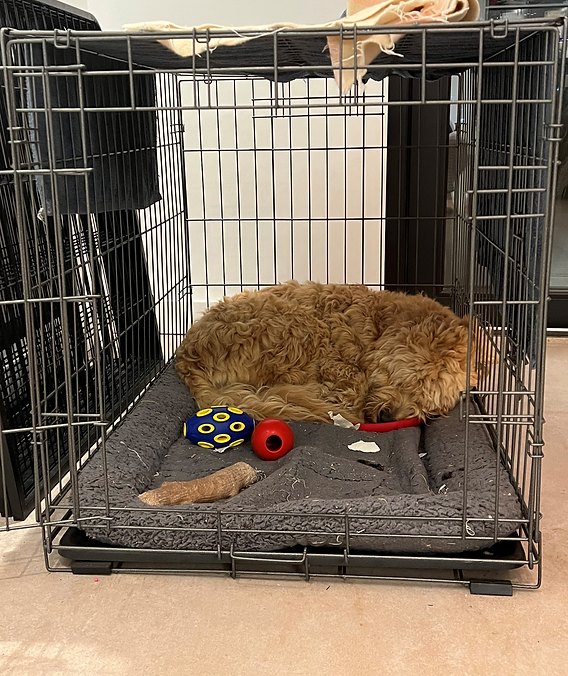
Why do professional trainers swear by crate training for fast housebreaking? Dogs have a strong natural instinct to keep their sleeping den clean, which motivates them to hold their bladder until you let them out.
Size is everything when picking a crate. Your puppy should have just enough room to stand up, turn around, and lie down stretched out—if the crate is too big, they will simply pee in one corner and sleep in the other!
Buy a crate that comes with a divider panel so you can expand the space as your puppy grows. Whenever your pup wakes up in their crate, carry them straight outside before their paws even touch the living room floor.
6. Try the Umbilical Cord Tether Trick
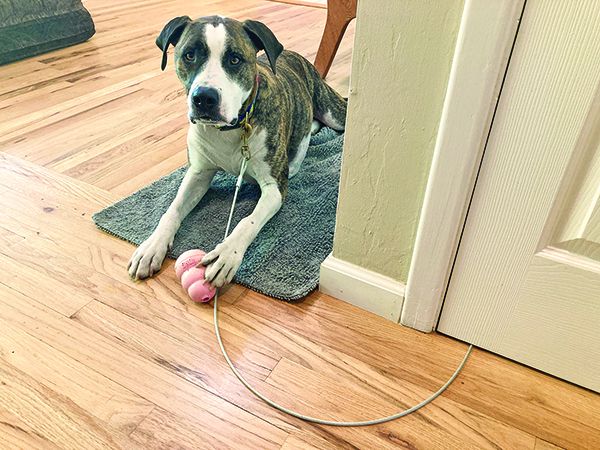
What happens when your puppy is awake, out of the crate, and you are trying to answer emails or cook dinner? Nine times out of ten, they wander behind the sofa and leave you a surprise.
Supervision is the ultimate fast-track shortcut. Clip a lightweight 6-foot leash to your puppy's harness and attach the other end to your belt loop or a heavy piece of furniture right next to you.
Known as umbilical cord training, this keeps your pup within your line of sight at all times. When they can't sneak off into an empty room, they can't practice bad habits behind your back.
Editor Spotlight: The Apartment Carry Trick
Live in an apartment with a long hallway and a slow elevator? Carry your young puppy in your arms all the way to the outdoor grass—puppies almost never pee while being held, saving your building's lobby carpet from disaster!
7. Decode Your Puppy's Pre-Potty Signals
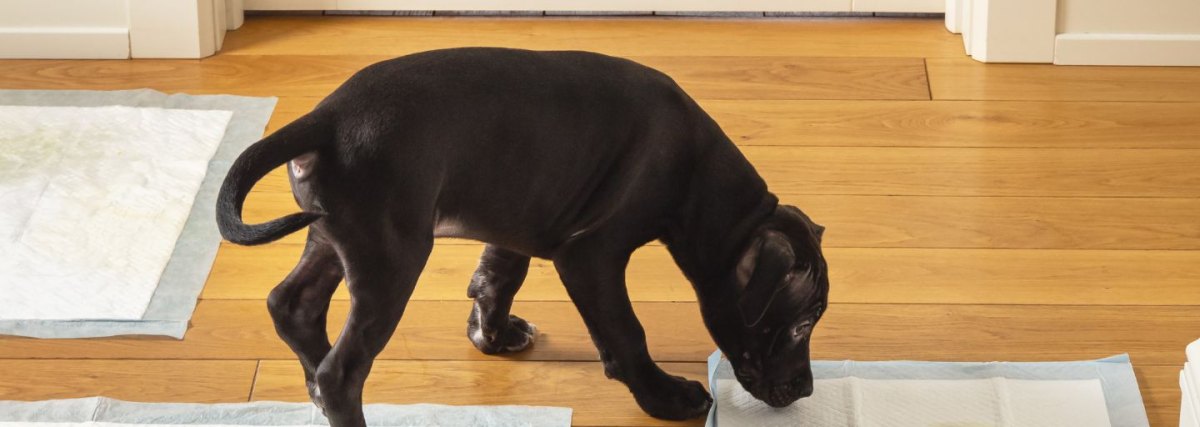
Your puppy always gives you a warning before having an accident—you just have to know how to read their body language. Have you noticed your pup suddenly abandoning their chew toy to sniff the floor intensely?
Intense floor sniffing, walking in tight circles, pacing restlessly, or wandering toward the edge of a rug are classic five-second warnings. The moment you see that nose drop to the floorboards, scoop them up immediately and head out the door.
If you catch them mid-accident, make a calm, neutral sound like oops! and gently pick them up to finish outside. If you find a puddle after the fact, silently clean it up and mentally note that you waited five minutes too long.
Never Punish an Indoor Accident
Yelling at your puppy or rubbing their nose in an accident never teaches them to go outside—it only teaches them to fear you and hide behind the couch the next time they need to pee.
8. Teach a Clear Door Signal with Bells
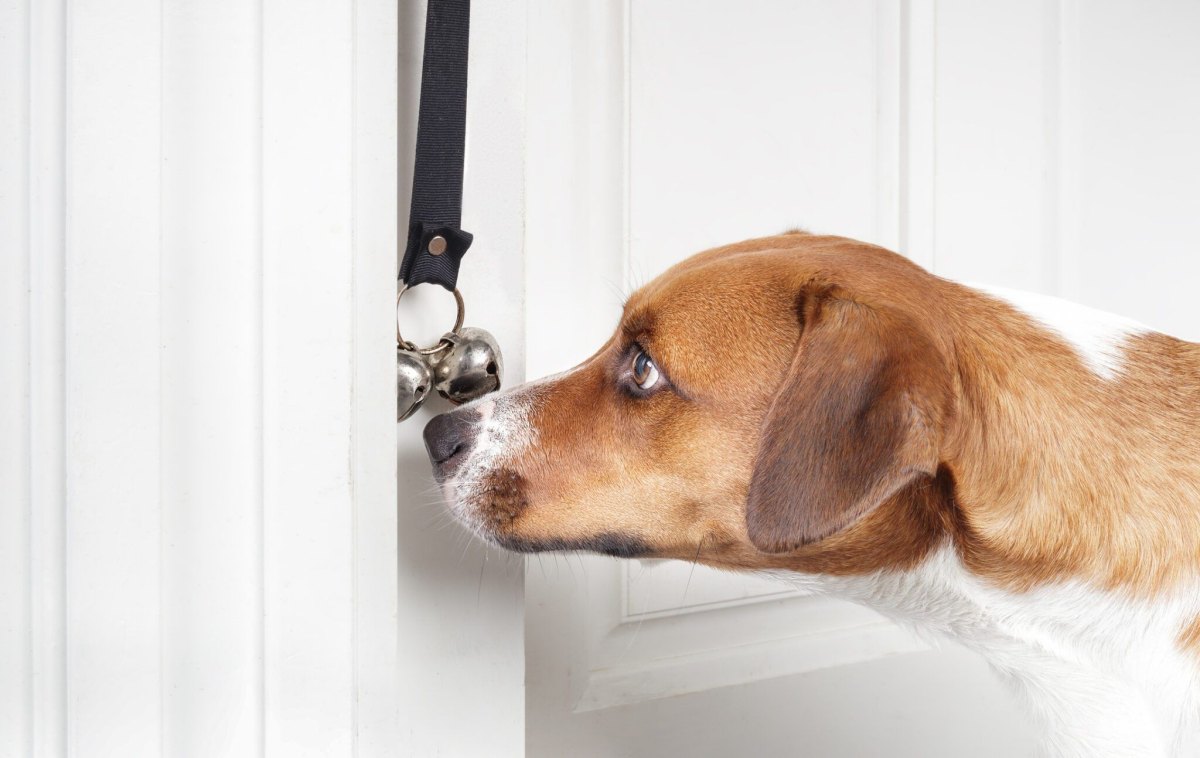
Wouldn't life be easier if your puppy could just tell you they need to use the bathroom? Many puppies try to signal by sitting quietly by the door, only to have an accident when nobody notices them.
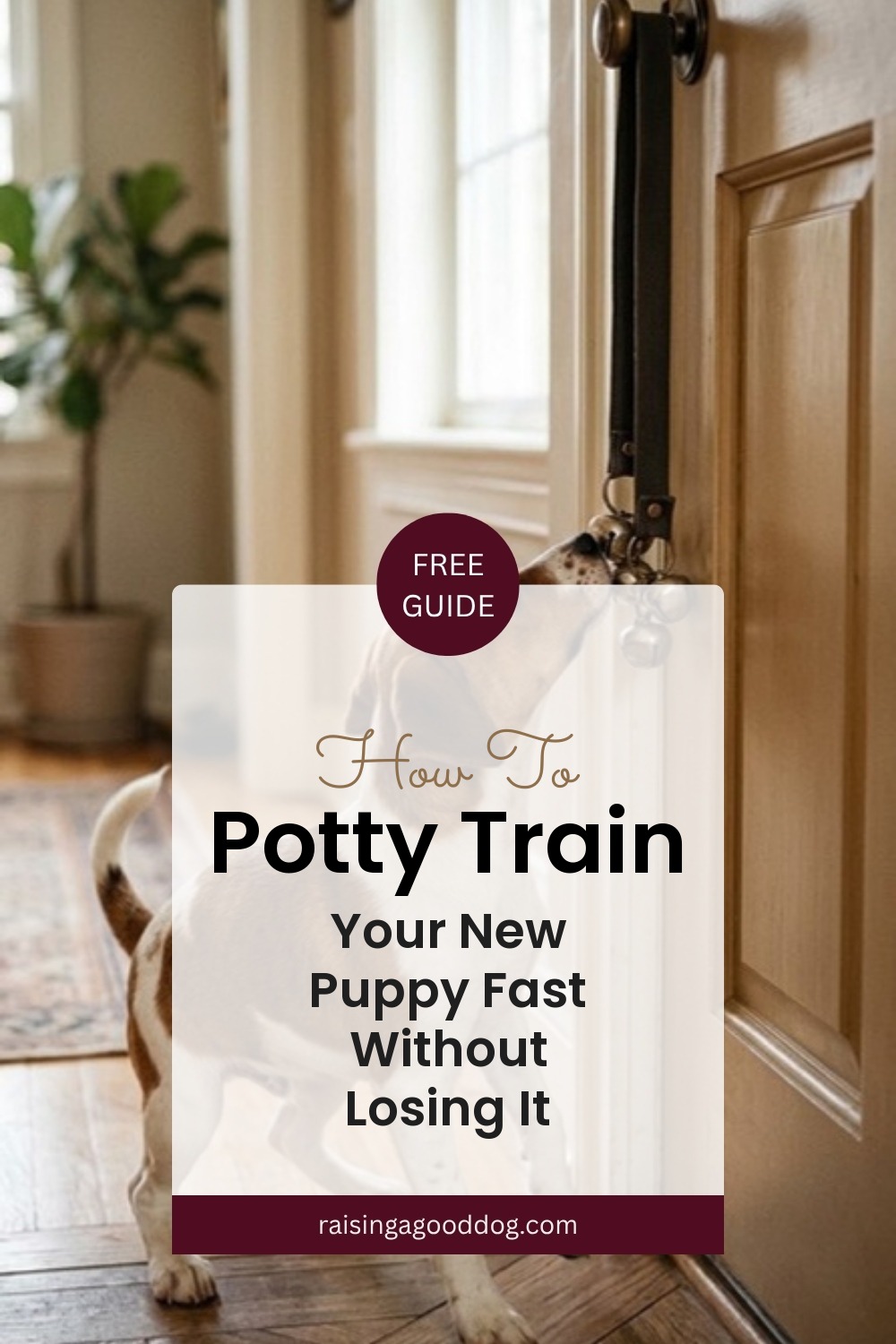
Hang a strap of sleigh bells on the doorknob you use for potty trips. Every time you take your puppy out, help them boop the bells with their nose right before you open the door and say outside.
Within a week or two, your puppy will connect ringing the bells with the door opening. Just remember to keep those trips strictly business so your clever pup doesn't ring the bell every ten minutes just to chase squirrels!
9. Erase Every Trace with Enzymatic Cleaner
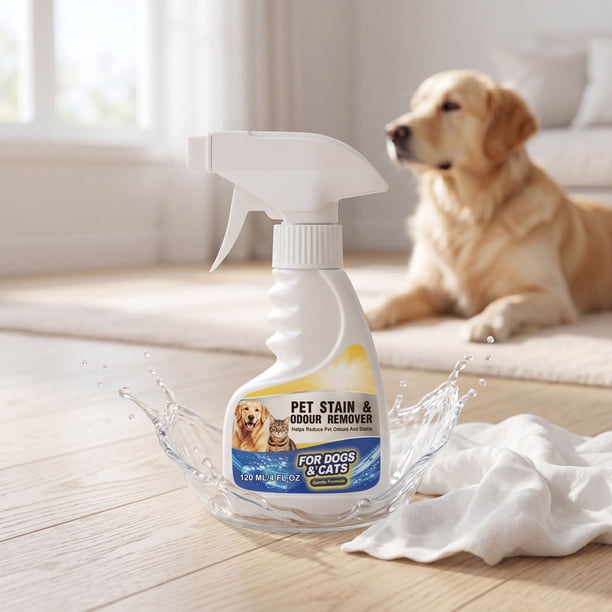
Why does your puppy keep peeing on the exact same corner of your living room rug? Even if a spot smells totally clean to your nose after using standard soap or vinegar, your puppy's super-powered nose can still detect the uric acid crystals.
To a dog, any lingering urine scent is a neon sign flashing Restroom Here! You need a specialized enzymatic pet cleaner that biologically breaks down and destroys the odor molecules at the source.
Blot up the liquid first, saturate the spot generously with the enzyme spray, and let it sit for the full 10 to 15 minutes listed on the bottle before air drying. While the spot dries, block it off with a laundry basket or baby gate so your puppy breaks the spatial habit.
10. Keep Nighttime Trips Strictly Boring
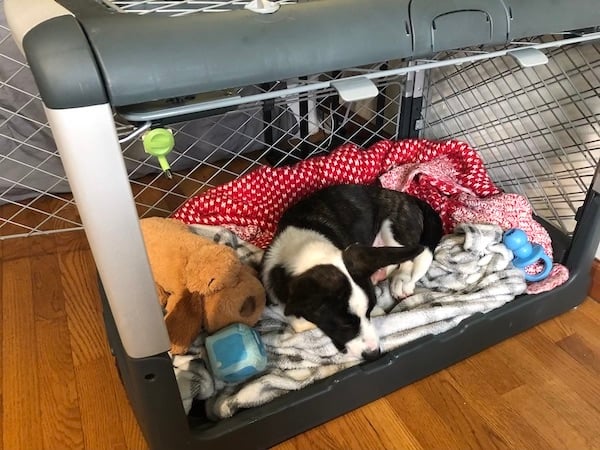
How do you survive the midnight wake-up calls without turning your puppy into a 2:00 AM party animal? Young puppies under 12 weeks usually need one quick middle-of-the-night bathroom break to make it to morning.
When you hear your puppy rustling or whining in their crate at night, keep the lights dim and your voice whisper-quiet. Carry them straight to their potty spot, whisper their cue word, and offer a tiny, calm reward once they finish.
Do not talk baby talk, do not play, and carry them right back into their crate afterward. When nighttime trips are completely boring, your puppy quickly realizes that waking up at night isn't worth the effort unless they genuinely have to go.
How long does it actually take to potty train a puppy fast?
With strict scheduling, crate training, and active supervision, most puppies grasp the core routine and have minimal accidents within 2 to 4 weeks, though full bladder maturity takes until 4 to 6 months of age.
What should I do if my puppy refuses to pee outside and then goes as soon as we come inside?
If your puppy doesn't go within 5 minutes outside, bring them inside and put them straight into their crate or keep them on a leash right next to you for 10 to 15 minutes, then take them right back outside to try again.
Are small dog breeds harder to potty train than large breeds?
Toy and small breeds have much smaller bladders and faster metabolisms, which means they need more frequent breaks (every 45 to 60 minutes early on) and closer confinement to prevent sneaky indoor accidents.
More Pinterest Visuals