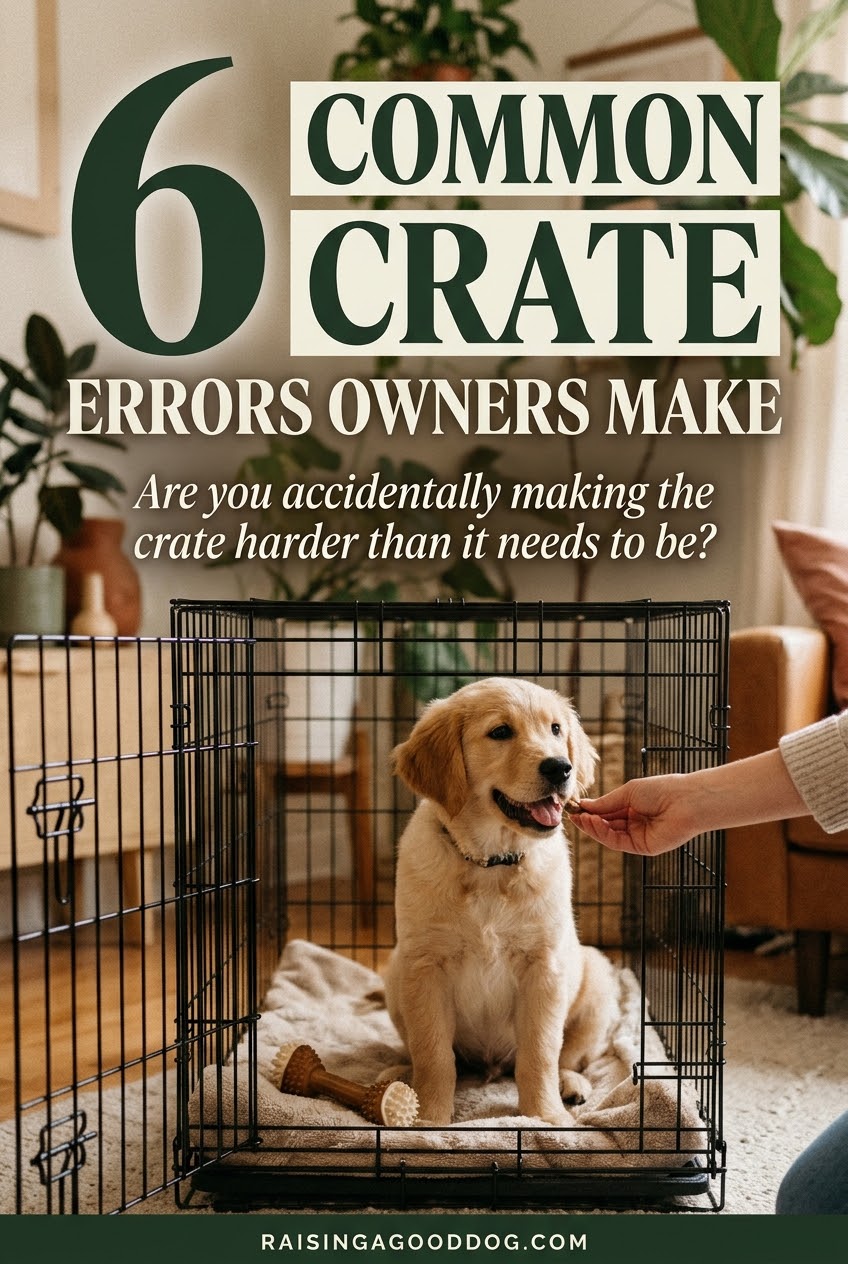
I have watched plenty of good people accidentally make crates harder than they need to be. The problem is rarely the crate itself; it is usually the pattern around the crate. A dog that learns the crate predicts safety, rest, and rewards has a very different experience from a dog who thinks it means isolation.
I made plenty of mistakes with Bruno when I first brought him home. I was trying to solve problems quickly, and dogs are wonderfully honest teachers when your shortcuts do not work. Here are the crate training mistakes I see most often and how I would fix them.
Using the Crate as a Punishment Tool
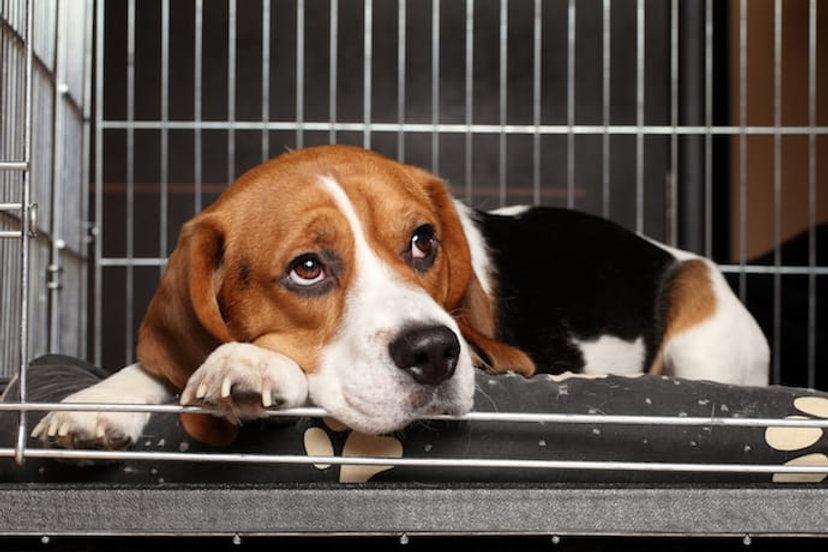
The fastest way to make a crate difficult is turning it into a doggy timeout room. I never want a dog to hear a crate cue and think, “I am in trouble.” The crate should be a safe resting place, not a consequence for mistakes.
Common mistake
Sending a dog to the crate after scolding teaches the dog that the crate predicts frustration, not comfort.
When I need management, I use calm barriers, supervision changes, or a planned rest period. I do not use the crate as an emotional reaction.
Choosing the Wrong Crate Size
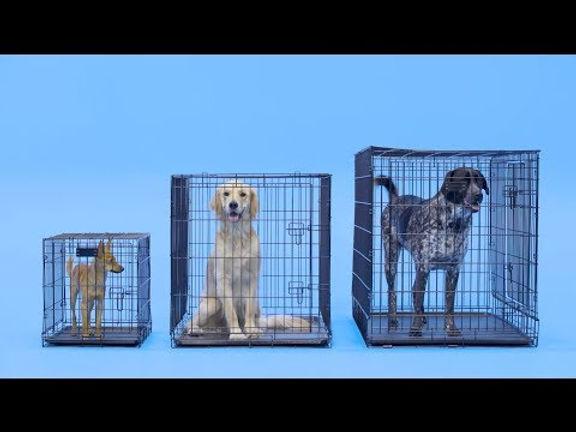
A crate should give your dog room to stand, turn around, and lie down comfortably. Too small is uncomfortable, but too large can create problems during early potty training because some puppies may use one side as a bathroom.
| Crate size issue | What I look for |
|---|---|
| Too small | Restricted movement or awkward posture |
| Too large | Extra unused space during puppy stages |
I prefer adjusting the space as a puppy grows rather than expecting a tiny dog to manage an adult-sized setup immediately.
Leaving a Puppy in the Crate Too Long
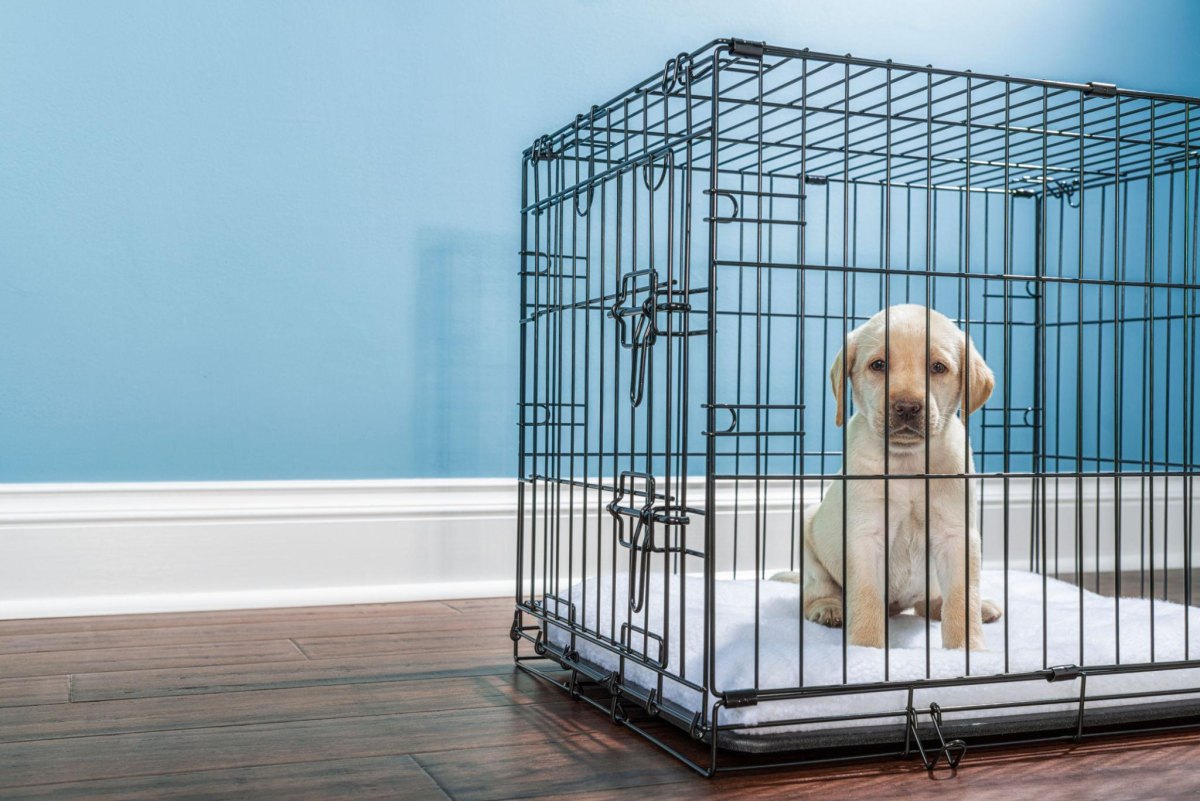
Puppies are not small adult dogs. Their bladder control, emotional regulation, and need for movement are still developing. One of the biggest crate duration mistakes is expecting a puppy to handle hours alone before they are ready.
If a puppy is struggling, I look at the schedule first. A wet crate is often a timing problem, not a training failure.
Skipping Gradual Crate Introduction
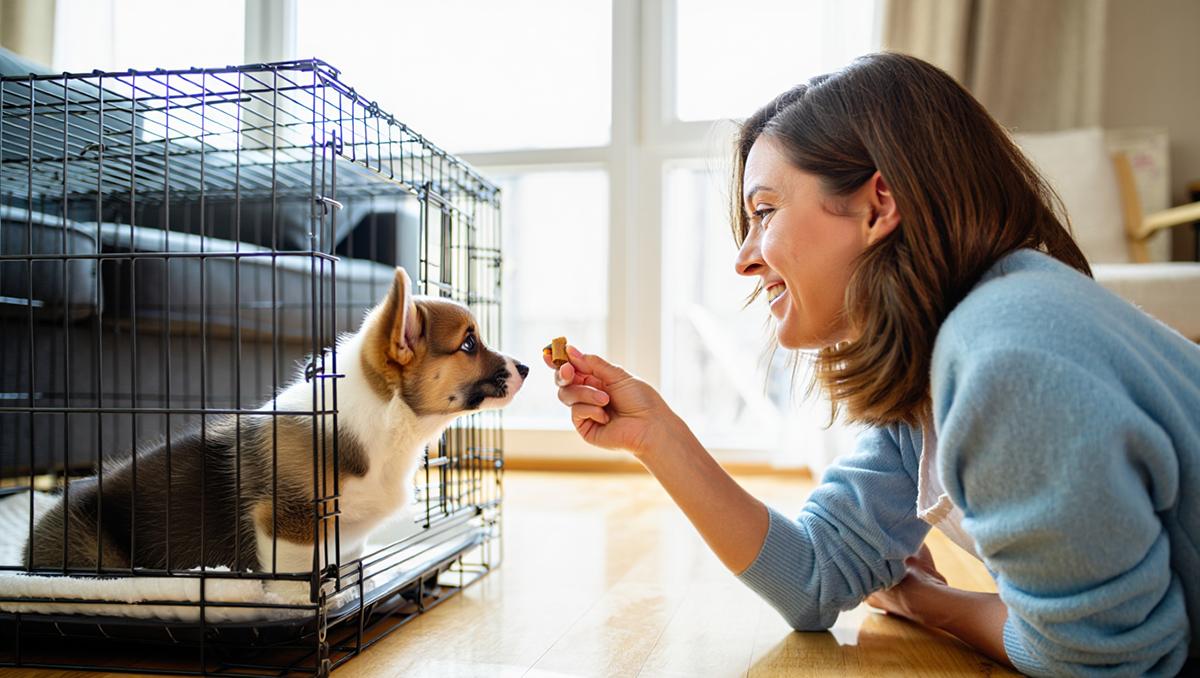
I rarely see dogs dislike crates because of the crate itself. More often, the introduction happened too quickly. Closing the door on day one and walking away skips the important step of building positive crate associations.
- Introduce. Let your dog investigate the crate without pressure.
- Reward. Pay for calm choices near and inside the crate.
- Build. Increase door time and distance slowly.
A dog who chooses to enter is learning a completely different lesson than a dog who is pushed inside.
Forcing Your Dog Into the Crate
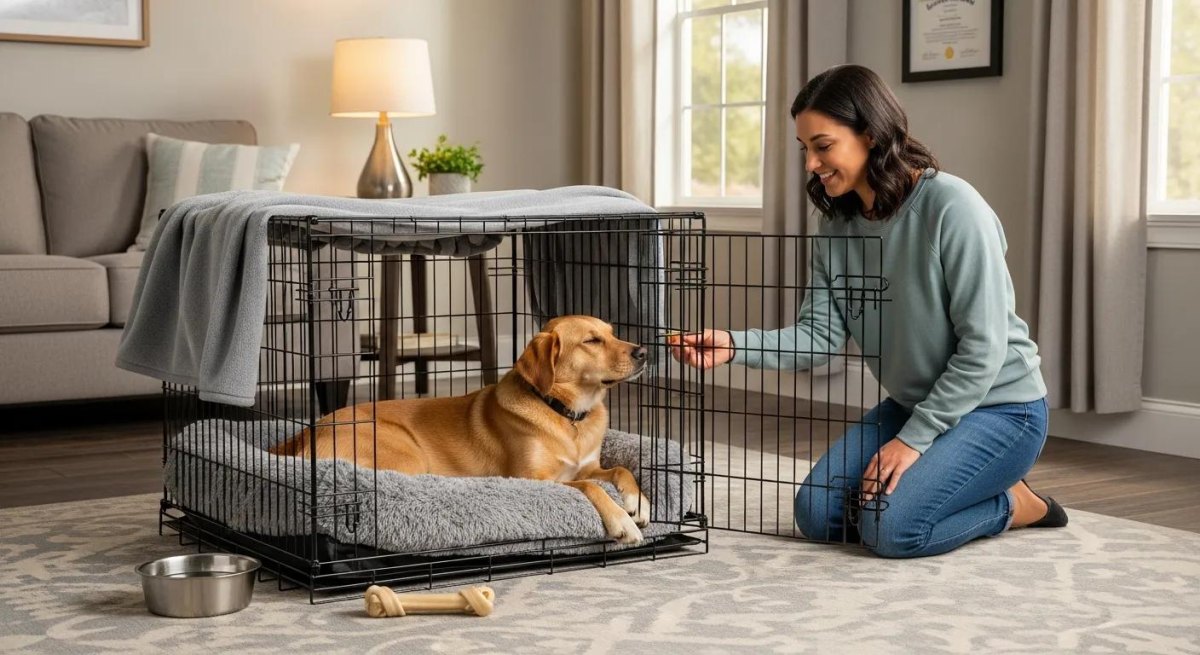
Dragging, pushing, or physically placing a worried dog inside may get the body into the crate, but it does not teach comfort. I want the dog to feel they have choice and control during the learning process.
Training tip
Reward small steps: looking at the crate, approaching it, putting in one paw, then entering fully.
If a dog suddenly refuses a crate they previously liked, I also check for pain, fear, or another change before assuming stubbornness.
Ignoring Your Dog’s Exercise Needs Before Crating
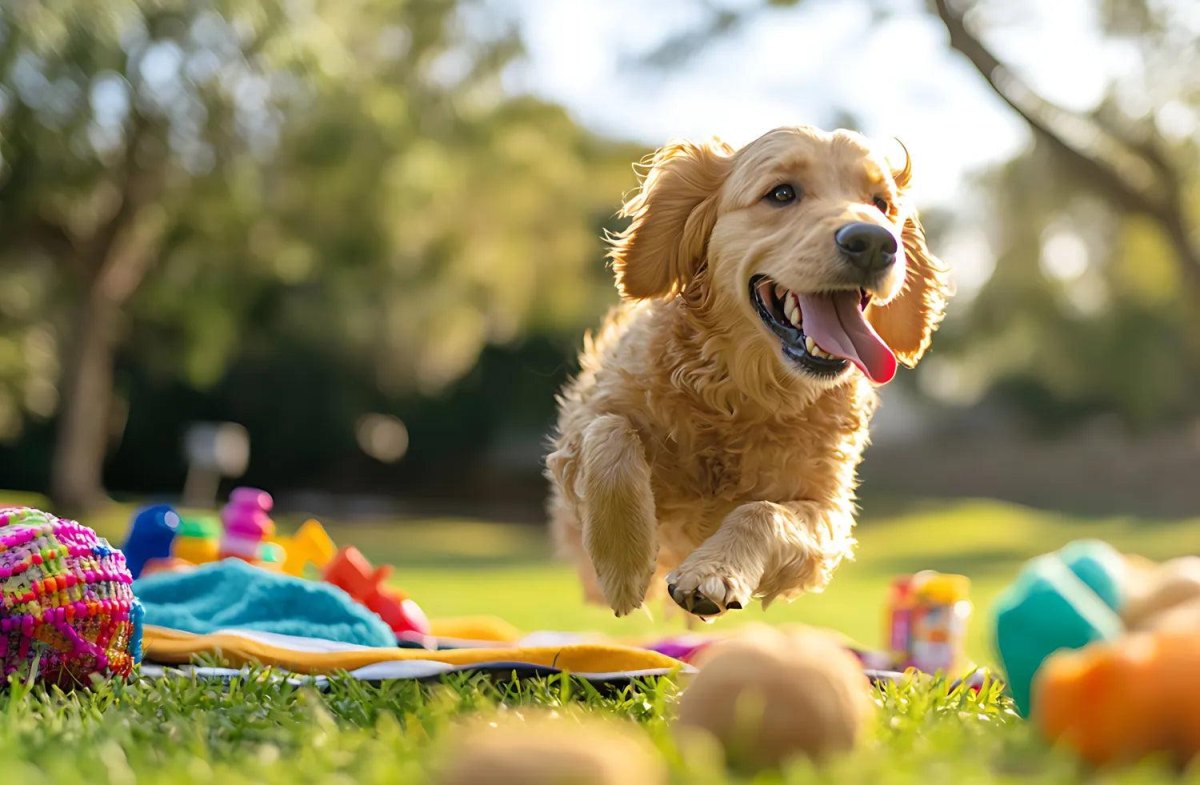
A crate is not a substitute for a dog's daily needs. I cannot expect a young, energetic dog to happily settle after spending the entire day with no enrichment. Meeting needs first makes calm crate time much easier.
- Movement: Offer appropriate exercise before longer rest periods.
- Brain work: Use training games and sniffing opportunities.
- Recovery: Give time to settle before crating.
With Bruno, a quiet trail walk before practice made a bigger difference than simply repeating the crate exercise over and over.
Creating a Negative Crate Environment
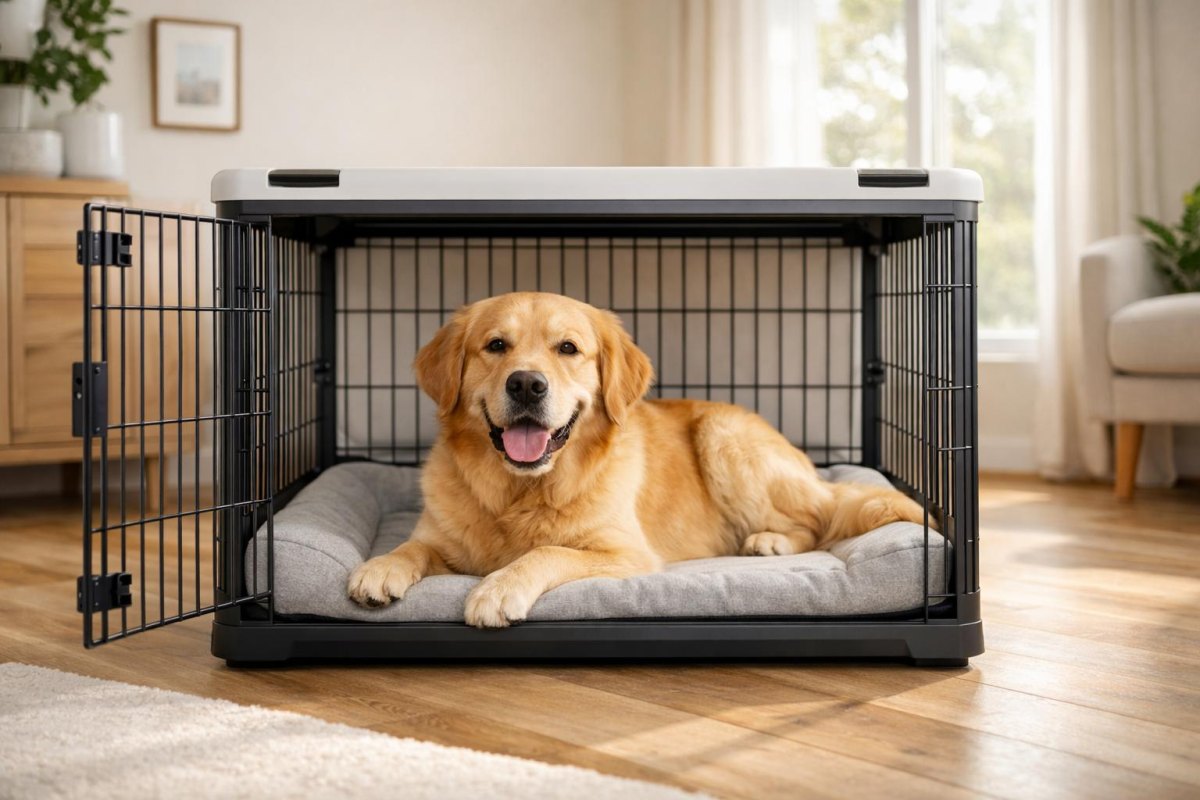
The crate environment matters. I want it to feel predictable, comfortable, and boring in the best possible way. A chaotic location or stressful routine can make the crate feel like a place to worry.
A better crate setup
- Choose a calm location
- Add safe comfort items
- Pair the crate with rewards
I also pay attention to body language: a frozen posture, tight mouth, repeated lip licking, or frantic movement tells me to slow down.
Rewarding Whining and Barking in the Crate
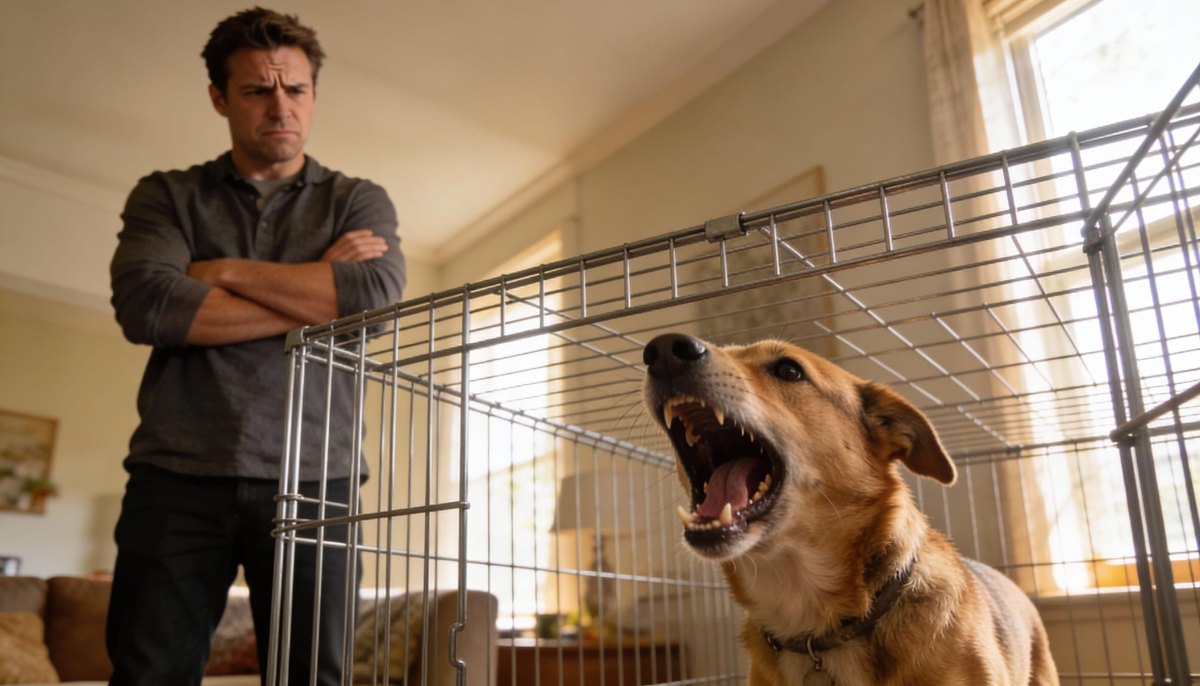
This one is tricky because most owners are responding out of kindness. A barking dog is hard to listen to. But if barking consistently opens the door, the dog may learn that noise makes things happen.
Important exception
A puppy whining because they need a bathroom break is different from a dog demanding attention. Meet genuine needs first.
If a dog is panicking rather than protesting, I do not push through it. Panic is information, and the plan needs to change.
Neglecting Proper Potty Break Timing
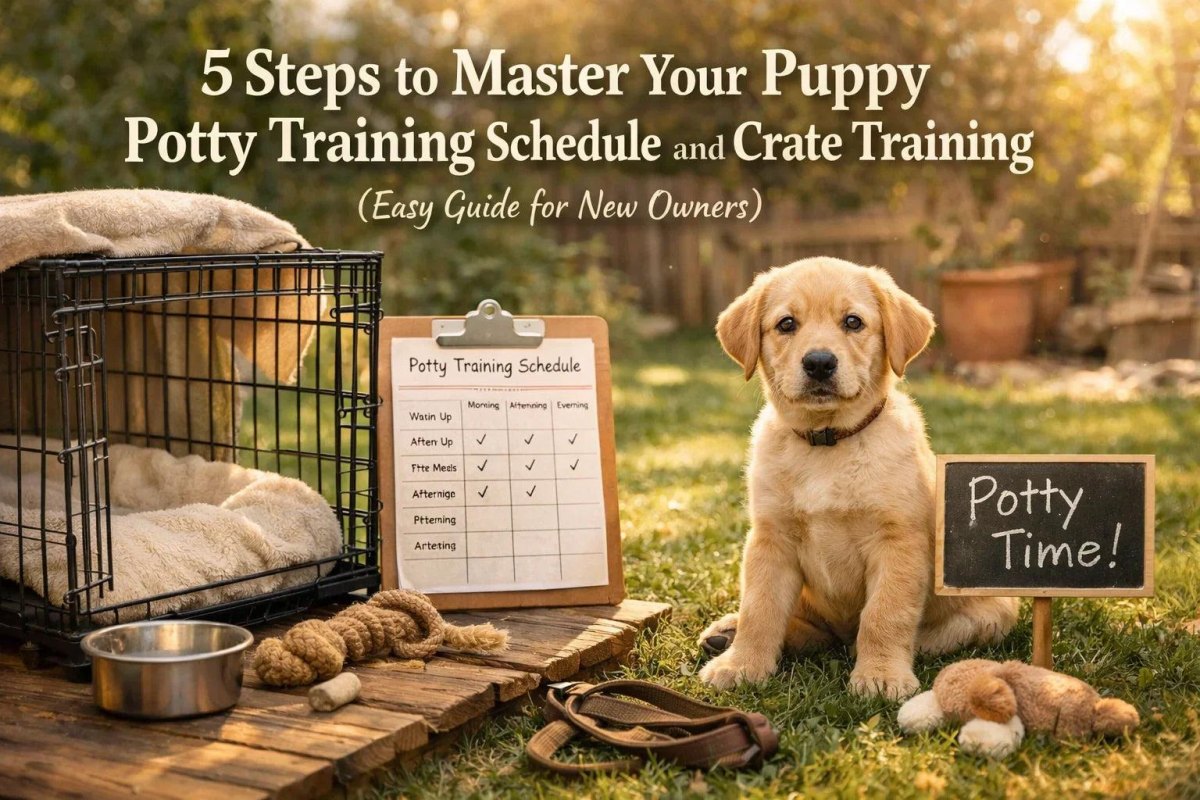
Many crate problems are actually potty schedule problems. Puppies cannot be expected to hold it beyond their physical ability, and accidents are often a sign that the routine needs adjusting. I focus on preventing accidents rather than correcting them.
House-training regressions or sudden changes in bathroom habits are also something I would discuss with a veterinarian before assuming it is only training.
Moving the Crate Too Often
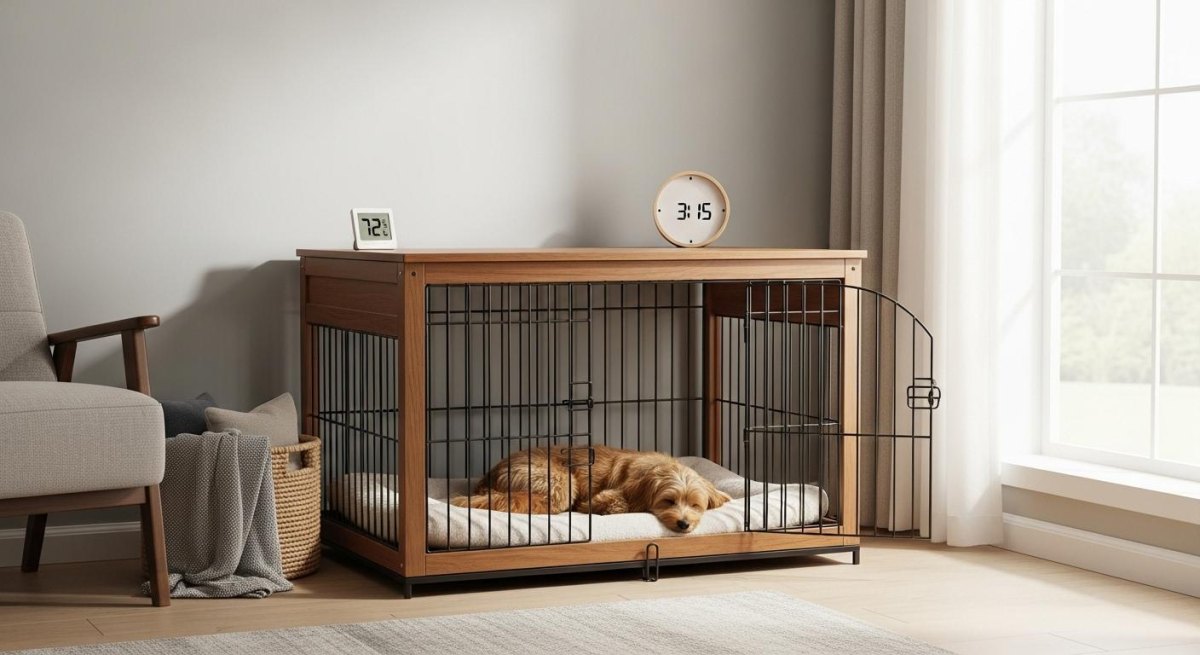
Dogs thrive on predictability. Constantly moving the crate can make it harder for a dog to understand that it is their consistent resting spot. I like choosing a practical location where the family spends time and keeping the routine steady.
What I recommend
Pick one location, build positive experiences there, and only move the crate when there is a real reason.
Training is easier when the environment is not changing underneath the dog. Small adjustments are fine; constant rearranging creates unnecessary confusion.
More Pinterest Visuals