A tight leash can turn a simple walk into a daily wrestling match. I have seen plenty of good dogs and tired humans stuck in this loop, and the fix usually starts with changing the setup before changing the dog. Loose leash walking is a skill we build slowly, not a button we press.
With Bruno, my German Shepherd, I learned that the first goal was not a perfect heel. It was a dog who could think while outside. These techniques focus on rewarding calm choices, preventing endless pulling practice, and making walks easier for both ends of the leash.
What this guide covers
- Choosing equipment that supports training
- Building attention and calm walking habits
- Handling distractions without force
Start With the Right Leash and Collar Setup
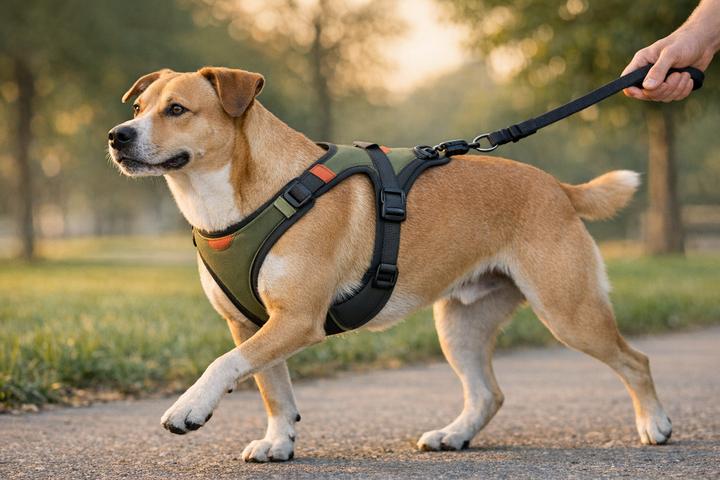
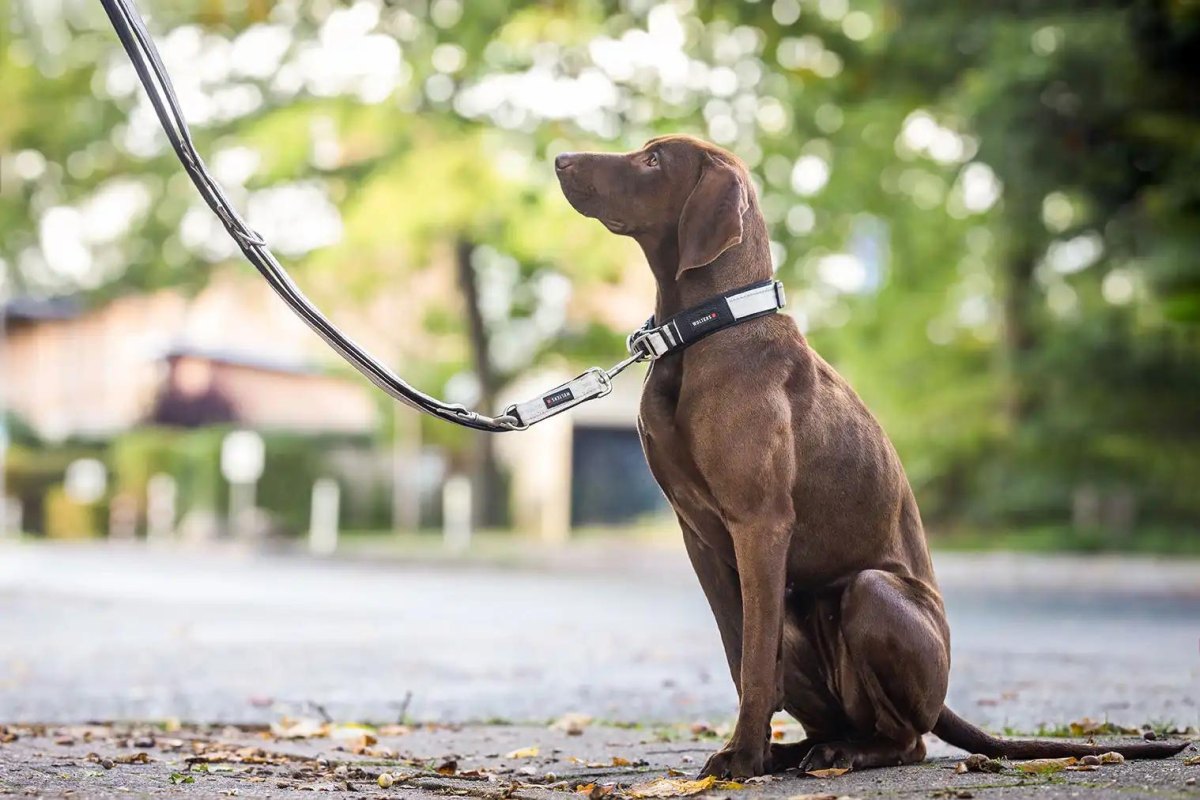
I always begin with equipment because a dog cannot learn comfortably if the setup is working against them. A properly fitted collar or harness and a standard leash give us a better chance to teach relaxed leash skills instead of managing a constant struggle.
I am not looking for a piece of gear that forces a dog into position. I want something safe that lets me reward the moment the leash becomes loose. Comfort comes first, especially for dogs who are already worried or overstimulated.
Teach Your Dog to Focus on You
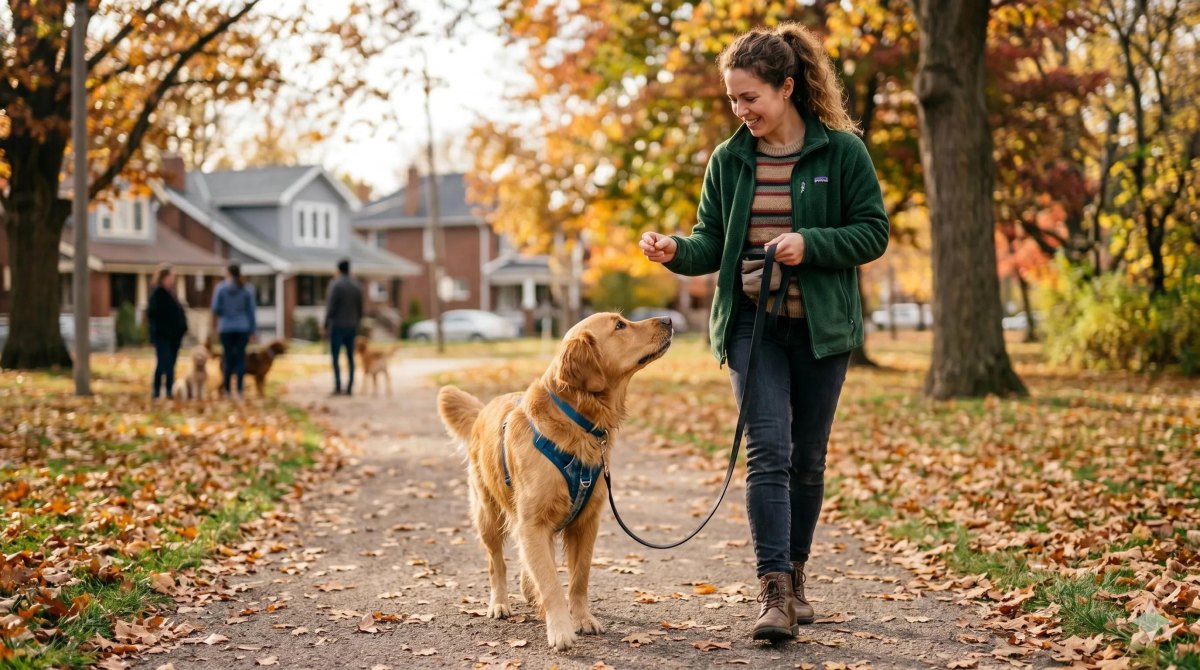
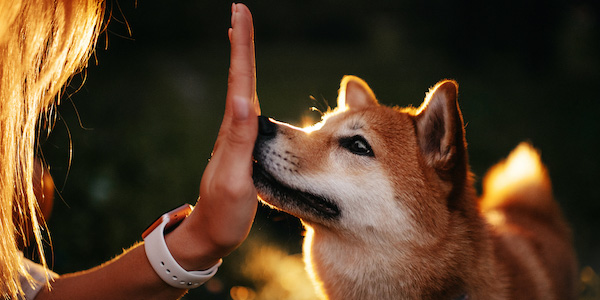
A dog who checks in with you is much easier to guide through the world. I teach this before expecting a beautiful walk because attention is a foundation skill, not something we magically get when a squirrel appears.
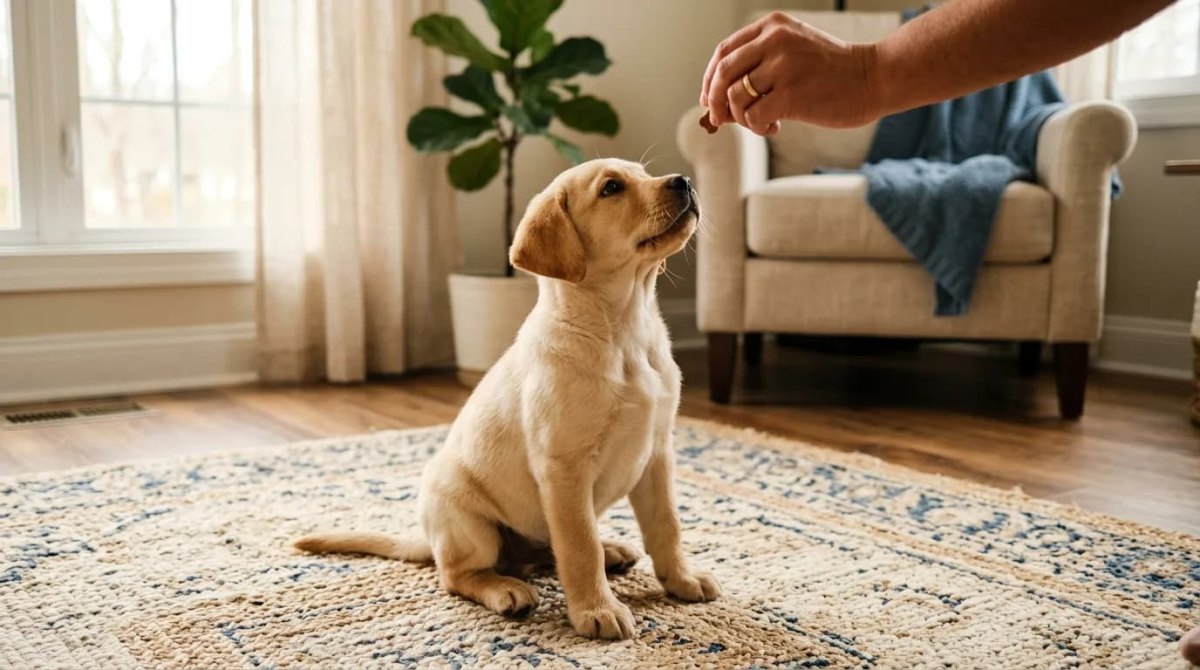
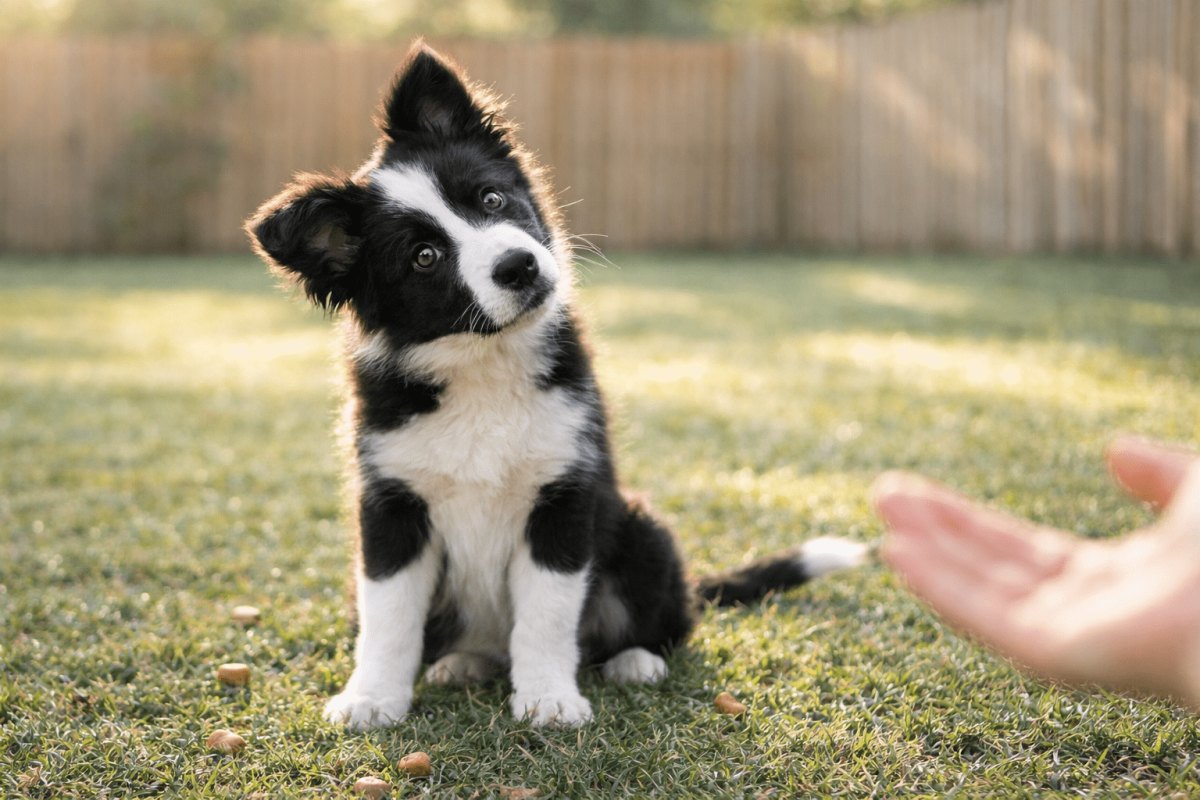
Start in a quiet place and reward small moments: a glance, a turn toward you, or walking beside you for a few steps. Those tiny choices are how we build a reliable connection over weeks of practice.
Reward Loose Leash Behavior Immediately
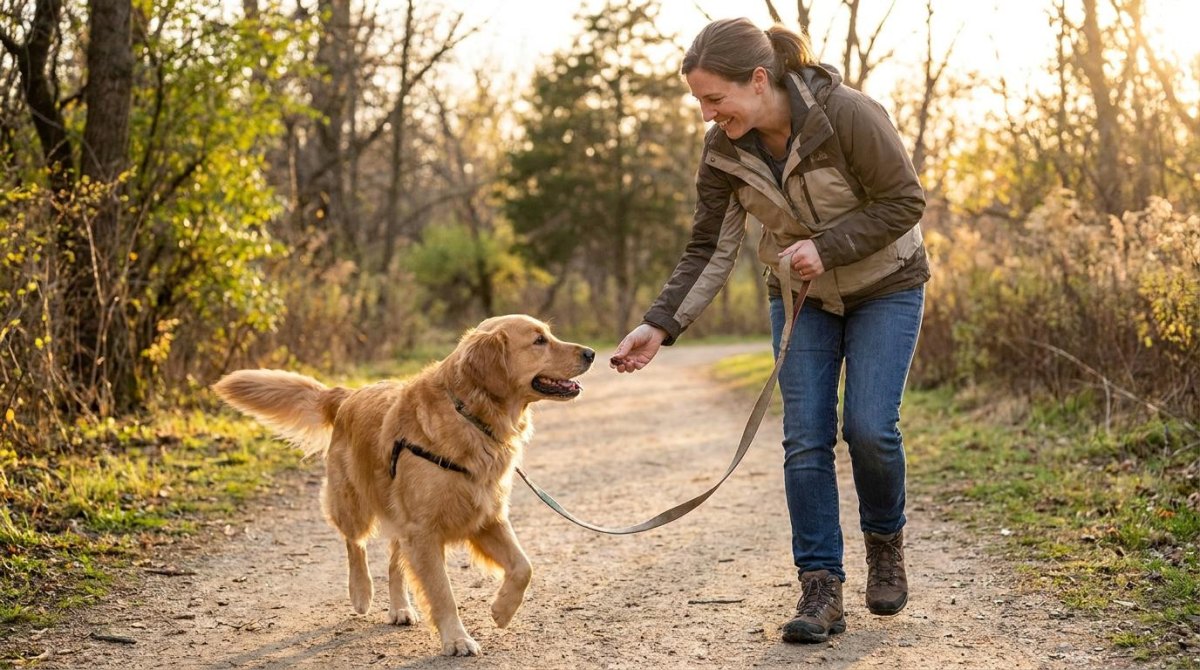
Most people notice pulling because it is annoying, but they miss the moments when their dog is already doing the right thing. I want owners to catch those moments and reward the behavior they want repeated.
The reward needs good timing. If your dog walks beside you for two steps, that is worth celebrating. Waiting for a ten-minute perfect walk often means we miss the learning opportunity. Small wins build habits.
Trainer tip
Deliver rewards near your side so your dog learns that staying close is valuable.
Practice Walking Beside You Indoors First
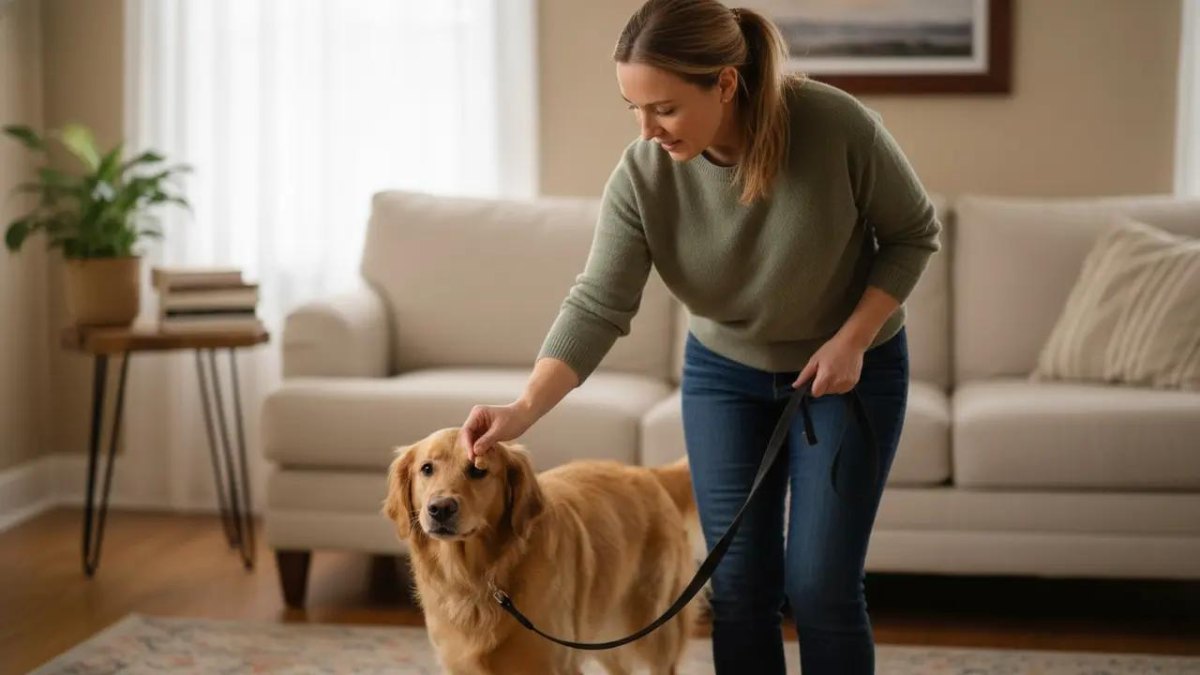
Outdoor walks are a hard exam. New smells, noises, people, and movement all compete for your dog's attention. I often make the first lessons boring on purpose because quiet practice creates confidence.
Walk around your home or training space, reward your dog for following, and only increase difficulty when your dog understands the game. This is especially helpful for puppies and dogs who find the outside world overwhelming.
| Location | Training goal |
|---|---|
| Living room | Follow and check in |
| Quiet yard | Handle mild distractions |
Stop Pulling by Changing Direction Calmly
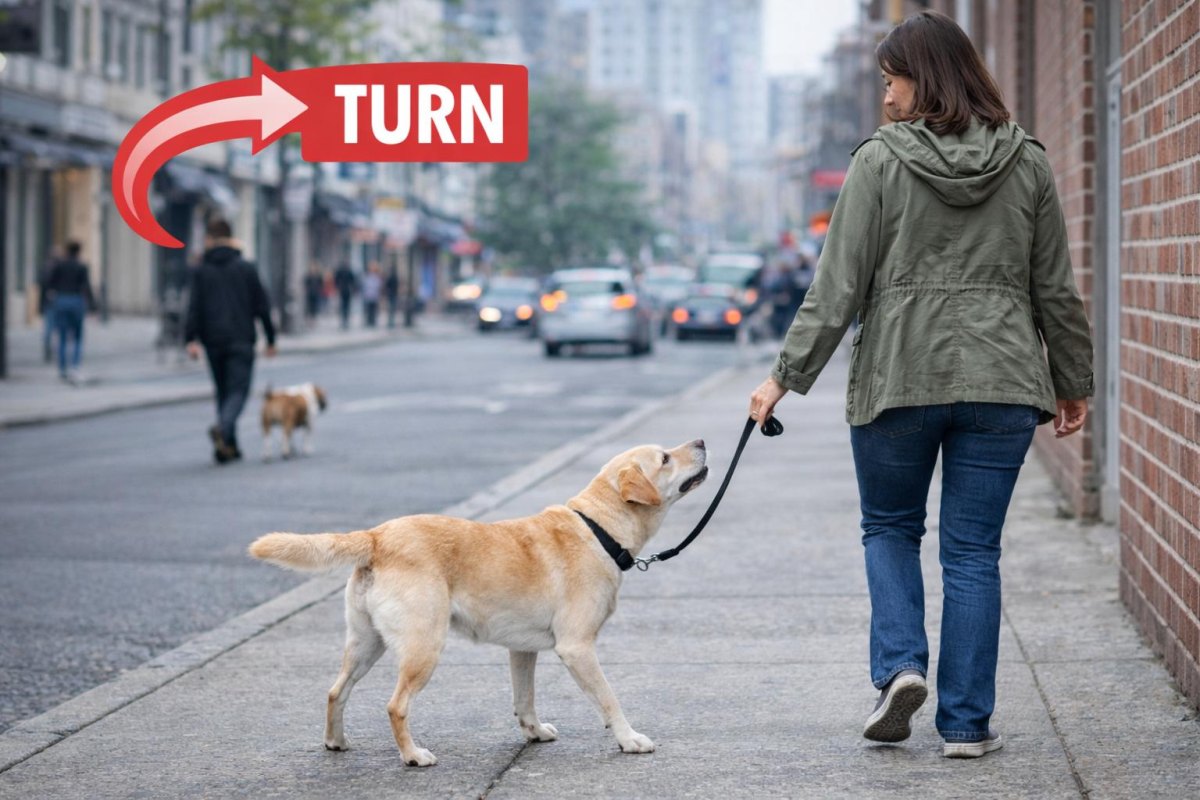
When a dog pulls, many people instinctively pull back harder. I understand the frustration because I have been that person, but a battle at the end of the leash rarely teaches the lesson we want. Calm direction changes can teach your dog to notice you instead.
When the leash tightens, I change direction without anger and reward when my dog reconnects. At first, progress may feel painfully slow. That is normal. The first few walks can be tiny because we are changing a practiced habit.
Avoid this mistake
Do not turn leash training into a series of leash jerks and corrections. The goal is learning, not intimidation.
Use Short Training Sessions for Better Results
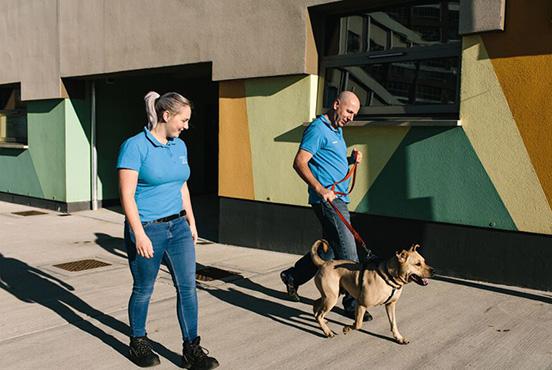
I would rather see someone practice five focused minutes than drag through a frustrated hour. Dogs learn best when they can still think, and short successful sessions protect motivation.
Watch your dog's body language. A tight mouth, freezing, frantic scanning, or sudden loss of interest tells me the difficulty is too high. Training improves when we adjust before the dog is overwhelmed.
Reduce Distractions During Outdoor Walks
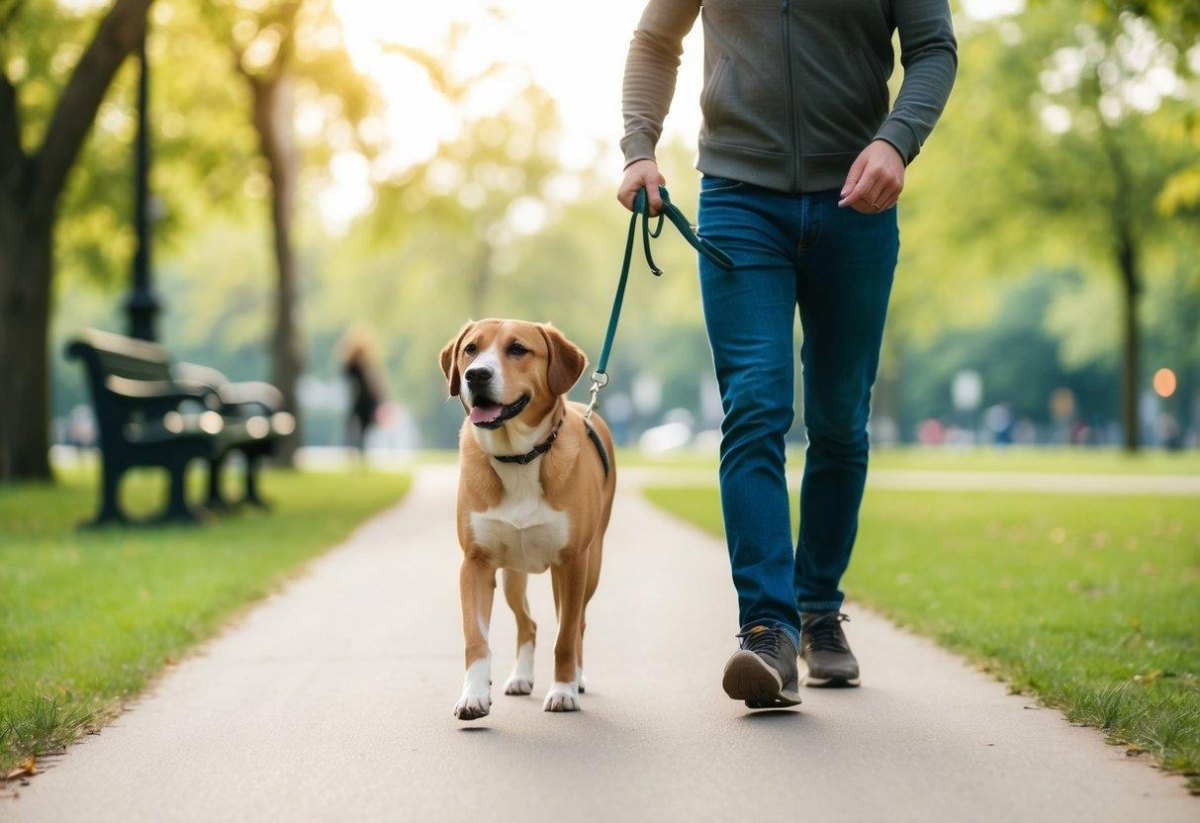
A distracted dog is not being stubborn; they are often simply over their thinking limit. My first move is usually management: choose quieter routes, increase distance, and prevent repeated rehearsals of pulling. Environment matters more than many owners realize.
Once your dog can succeed at a distance, we slowly bring back harder situations. This is how we build a walking skill that works outside the training room.
Remember
If your dog suddenly struggles with walking, pain or medical issues should be ruled out with your veterinarian.
Build Calm Walking Habits Around Other Dogs
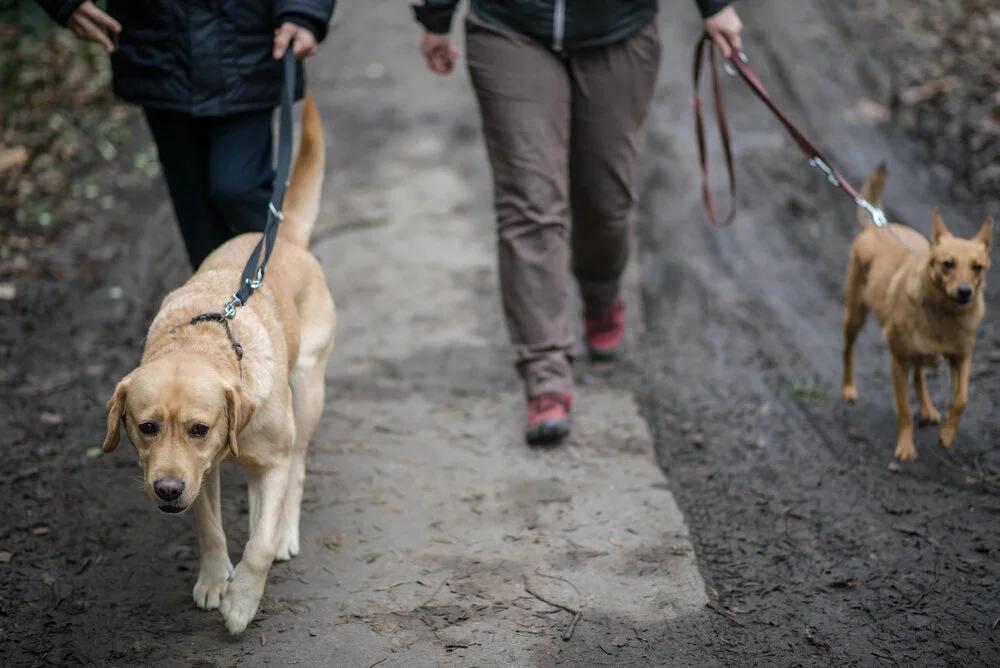
Passing another dog is one of the hardest leash skills because the leash removes many normal choices dogs use to create space. I teach owners that their dog does not need to greet every dog they see. Calm distance is success.
With Bruno, this was the difference between a stressful walk and a manageable one. We practiced seeing dogs without needing interaction, and I rewarded calm observation. Neutral is a wonderful goal.
Helpful choices
- Create distance
- Reward check-ins
Avoid
- Forced greetings
- Overwhelming situations
Stay Consistent to Maintain Loose Leash Skills
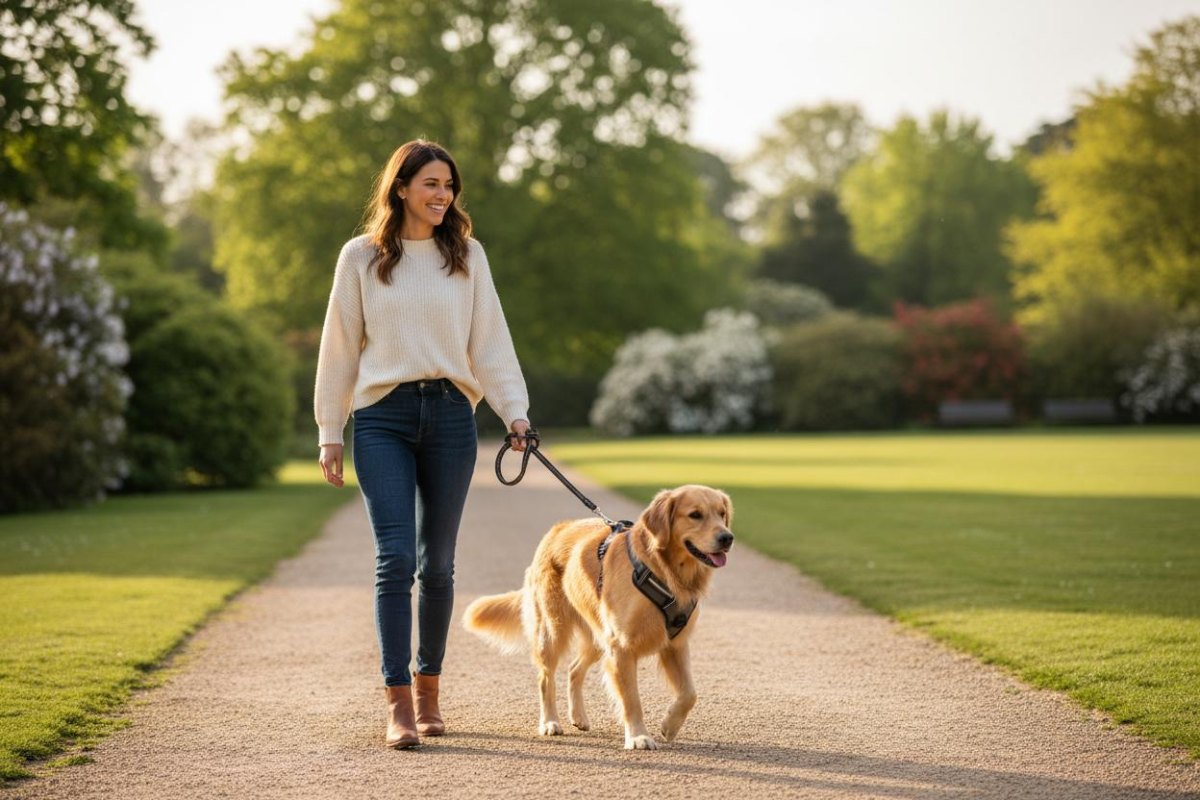
Loose leash walking is not something we install and forget. It is a habit that stays strong when we keep rewarding it in everyday life. Consistency beats intensity every time.
Expect uneven progress. A bad walk after several good ones does not erase learning. It simply tells me we need to look at the environment, the dog's stress level, and whether the challenge was too high. Better walks are built slowly.
Weeks to months
A realistic timeline for changing a pulling habit
More Pinterest Visuals