A barking dog is not a "bad" dog sitting there plotting your neighbour's downfall. I have met plenty of exhausted owners at the end of a leash, and the first thing I look for is the reason behind the noise. Barking is communication, and the solution starts by understanding what your dog is trying to say.
Before training, I change the setup so the dog gets fewer chances to practise the unwanted habit. That might mean closing blinds, changing walking routes, or adjusting the daily routine. Management comes first because learning cannot happen when a dog is already overwhelmed.
Lack of Exercise and Physical Stimulation

What I check first
- Daily physical activity
- Mental enrichment and problem-solving
- Opportunities to sniff and explore
When a dog has too much unused energy, barking can become the easiest job available. I often see this with bright, busy dogs who need more than a quick walk around the block. Enrichment matters because boredom can feed repetitive behaviours.
I do not aim to exhaust a dog into silence. I build a balanced routine with movement, rest, and training games that teach the dog what to do instead.
Attention-Seeking Barking

Some barking works because humans accidentally reward it. If barking gets eye contact, a conversation, food, or a thrown toy, the dog learns that barking gets results.
My training tip
Reward the quiet behaviour you want to see. A dog cannot learn "be calm" if calmness is never noticed.
I teach owners to create another communication route, such as sitting politely or bringing a toy, rather than simply asking for silence.
Fear and Anxiety Triggers

Fear barking is where I slow everything down. A dog with a tight mouth, weight shifted backward, pinned ears, or a worried stare is giving information before the bark happens. Body language comes first.
I start below the dog's threshold, where they can notice the trigger without exploding. This process takes weeks or months, not a weekend fix. Fear-related cases may need a qualified professional or veterinary behaviourist.
Territorial and Protective Behavior

The window is often the front line of a dog's imaginary security job. A person walks past, the dog barks, and the person leaves. From the dog's perspective, the barking worked.
I usually begin with management: block the view, reduce rehearsals, and then teach a calmer response at a distance. A dog should not spend all day practising neighbourhood patrol.
Separation Anxiety When Left Alone

True separation anxiety is not stubbornness. It is panic. Dogs may bark, pace, or become distressed shortly after an owner leaves. Alone-time training must be gradual, often over months.
Avoid this mistake
I do not recommend "cry it out" for separation anxiety. Panic is not a lesson a dog should practise.
Lack of Proper Training and Boundaries

Dogs do better when the rules are clear and predictable. I teach boundaries through reinforcement, not intimidation. Reward-based training builds choices that owners can actually maintain on a busy Tuesday.
Short practice sessions, clear cues, and consistent responses are usually more effective than occasional big training efforts.
Reacting to Sounds and Environmental Changes
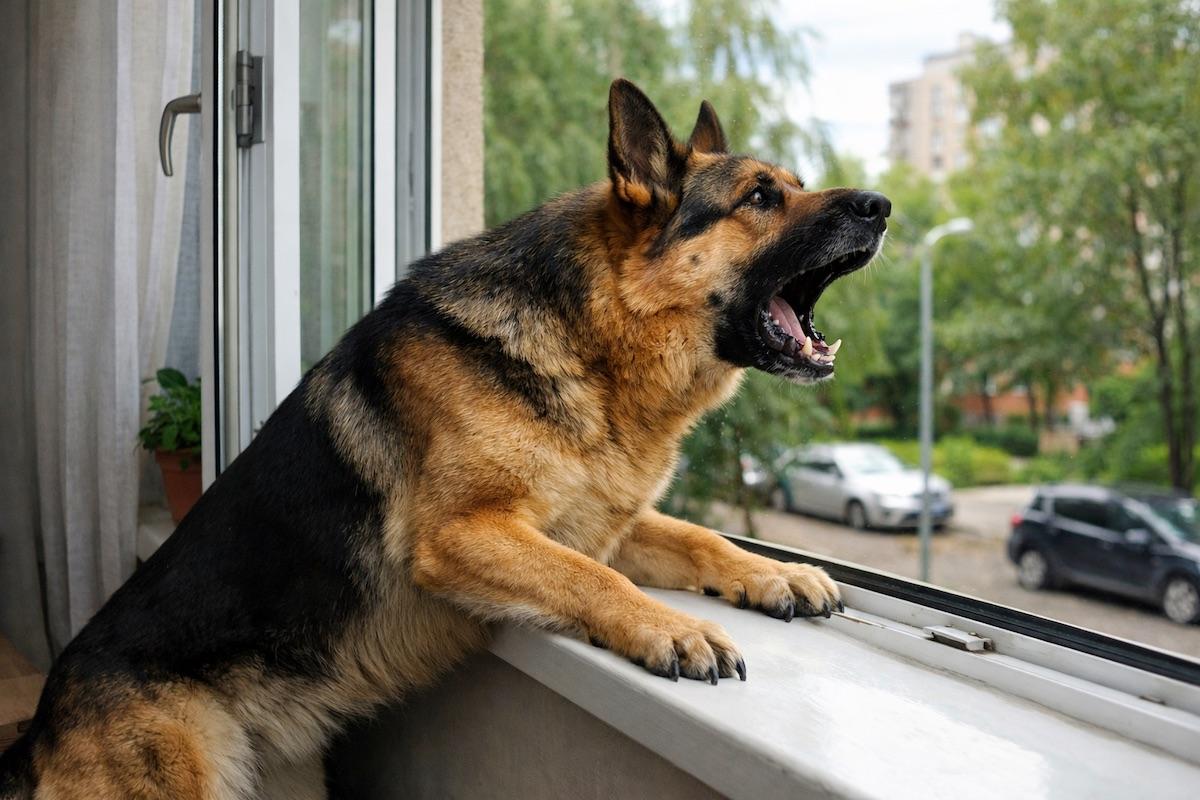
Some dogs are responding to things we cannot hear: footsteps, animals outside, doors closing, or neighbours moving around. I ask owners to track patterns because the trigger is often predictable.
Simple changes like blocking visual access, adding background noise, and rewarding calm observation can reduce repeated alarms.
Social Isolation and Loneliness

Dogs are social animals, and long stretches without interaction can create frustration. This does not mean every barking dog needs constant company, but daily connection matters.
I look at the whole day: walks, sniffing, training, rest, and meaningful time with people. A fuller routine often changes the volume in the house.
Medical Problems Causing Excessive Barking

A sudden behaviour change gets a vet visit before a training plan. Pain, sensory changes, and illness can show up as unusual barking. Rule out medical causes first before assuming it is a training issue.
I am a trainer, not a veterinarian, and knowing when to refer is part of good training.
Aging and Cognitive Changes in Dogs
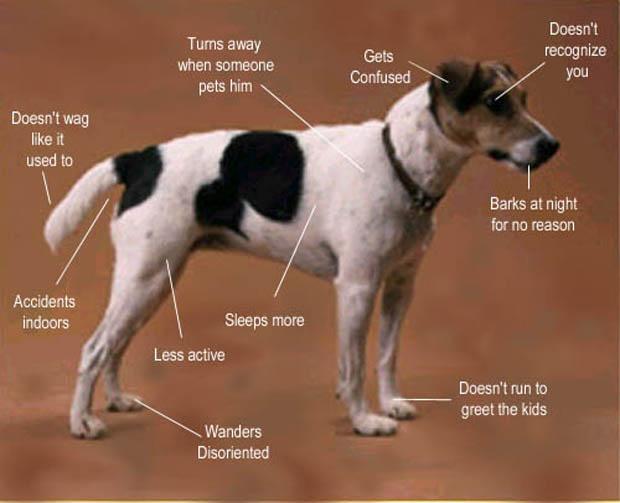
Older dogs may bark more because their world has changed. Hearing loss, discomfort, anxiety, or cognitive changes can affect behaviour. Senior dogs deserve investigation, not dismissal as simply "old."
A veterinary check helps separate normal ageing from problems that need support.
Excitement and Overstimulation
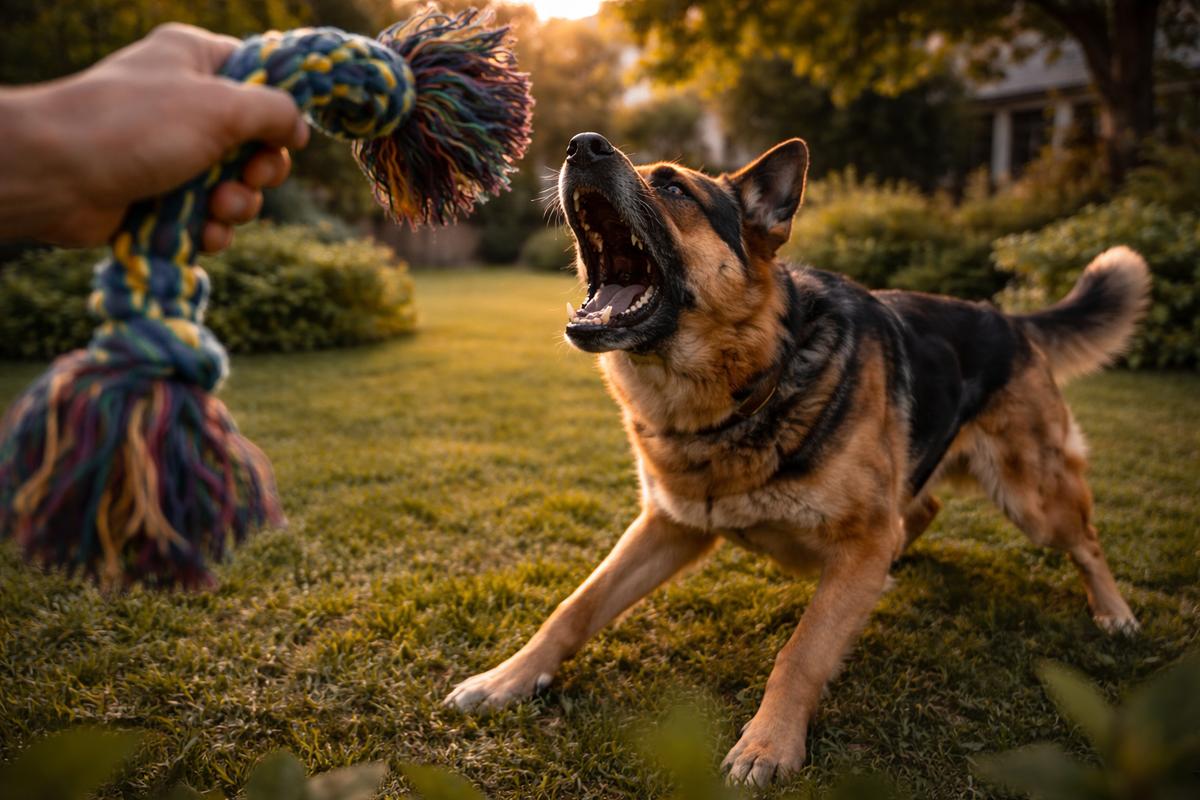
Some dogs bark because their emotions are running faster than their self-control. Visitors, play, or other dogs can push them over the edge. Arousal management helps because calm skills must be practised before the big moment.
I teach owners to notice early signs like faster breathing, frantic movement, and inability to take treats.
Breed Traits and Natural Vocal Behavior

Some dogs are simply more vocal by design. Breeds developed for alerting, hunting, or guarding may have barking built into their job description. Breed tendencies influence behaviour, but they do not remove the value of training.
My goal is not a silent dog. My goal is a dog who can communicate appropriately and settle when the message has been delivered.


More Pinterest Visuals