 14.10.2026
A puppy does not need a bucket list of terrifying adventures. They need small, safe wins that teach them the world is predictable. I look for positive experiences, not forced greetings, because confidence grows when a puppy feels in control.
The early months matter, but socialization is not just exposure. It is teaching your puppy that new people, places, sounds, and objects can be handled calmly. The American Veterinary Society of Animal Behavior recommends safe, appropriate social experiences during the first months of life rather than waiting until vaccinations are complete.
What I focus on with every puppy
- Short experiences that end before the puppy is overwhelmed
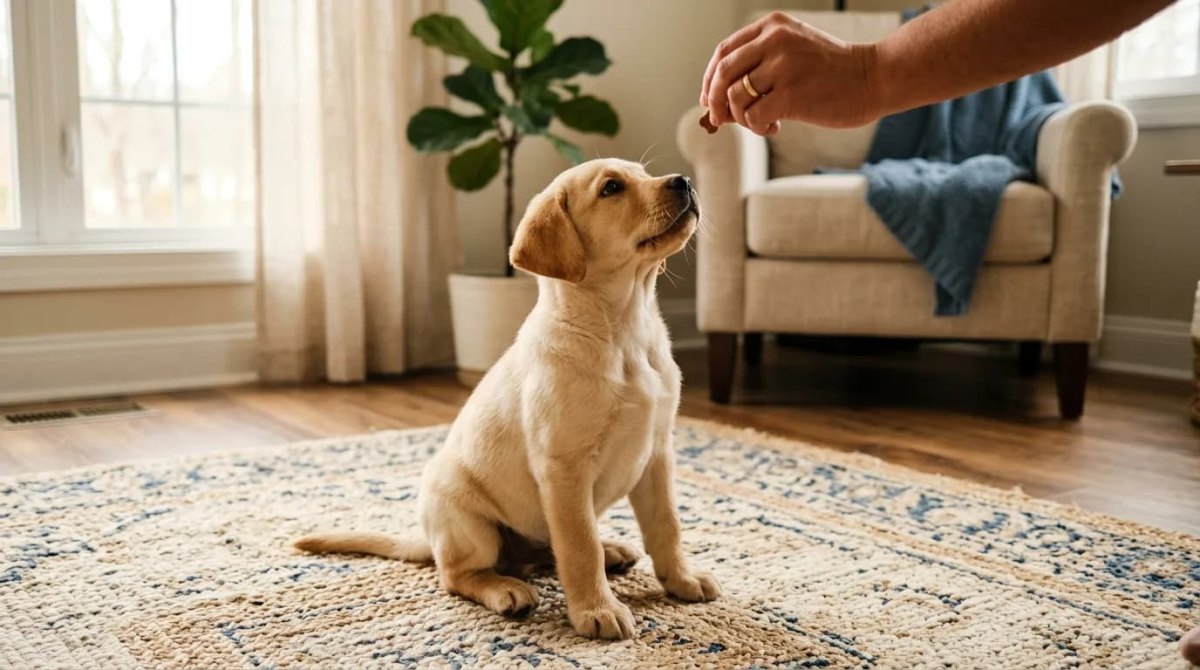
- Reward-based learning instead of pressure or punishment
- Watching body language before adding more difficulty
Meeting Friendly People and Gentle Strangers
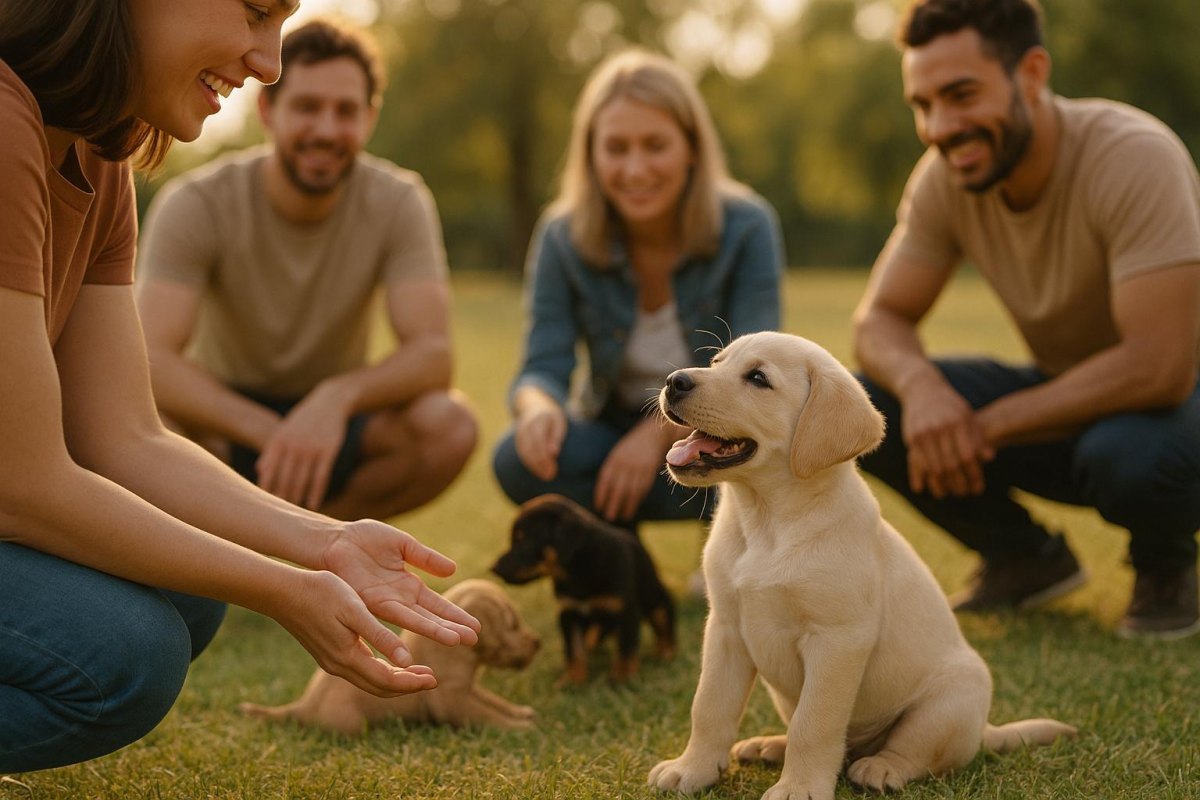
I start with people who understand that a puppy is not a stuffed toy. A stranger tossing a treat and looking away is often more helpful than someone rushing in for a hug. I want calm human interactions where the puppy can choose to approach.
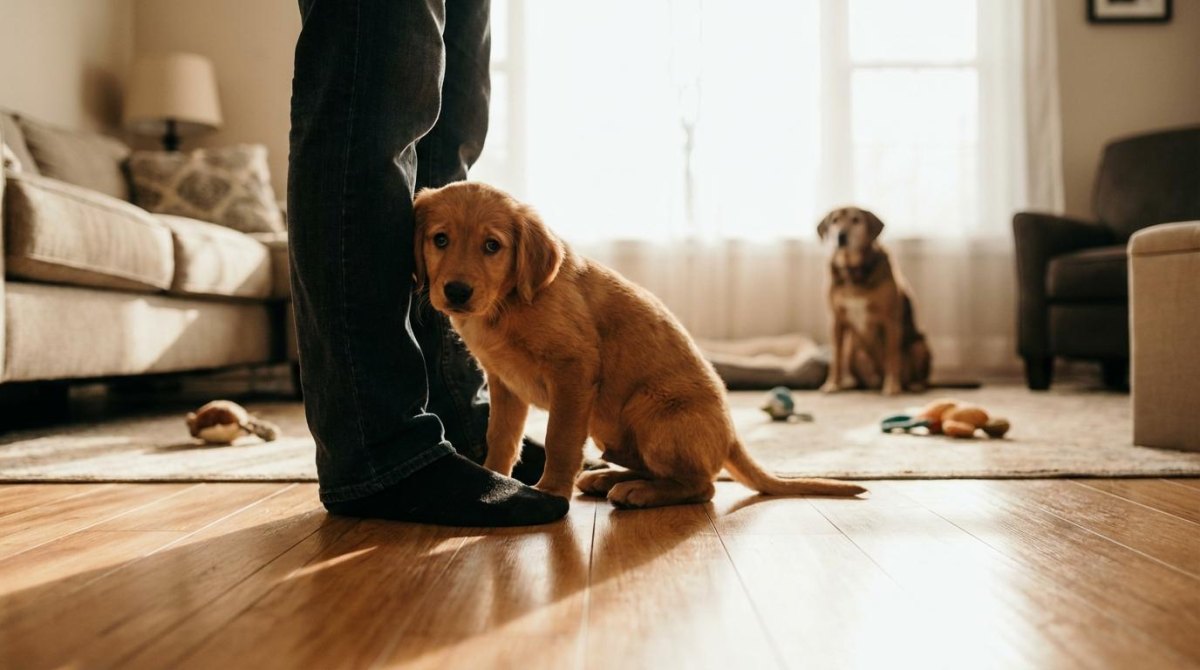
Before this activity, I check ears, mouth, weight shift, and tail position. A puppy hiding behind my legs is giving information, not being stubborn. I simply add distance and make the next attempt easier. Slow introductions create better habits than forced greetings.
Trainer tip
Ask visitors to ignore the puppy for the first minute. Many puppies become braver when nobody is reaching toward them.
Exploring Different Sounds and Noises
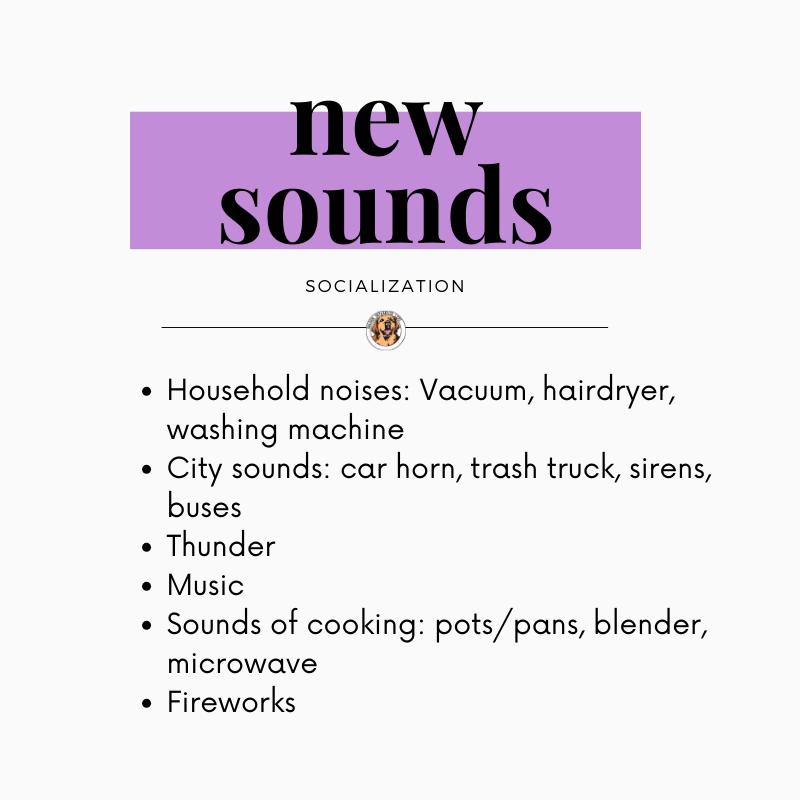
Vacuum cleaners, traffic, doorbells, and thunderstorms are normal parts of life, but they are enormous discoveries for a young dog. I introduce new sounds gradually at a volume and distance where the puppy can still eat treats and think.
I never test a puppy by playing scary noises loudly and hoping they get used to it. That can create fear. Instead, I pair sounds with something wonderful and watch for relaxed breathing and loose movement. Confidence around sounds is built through repetition.
Introducing New Surfaces and Textures
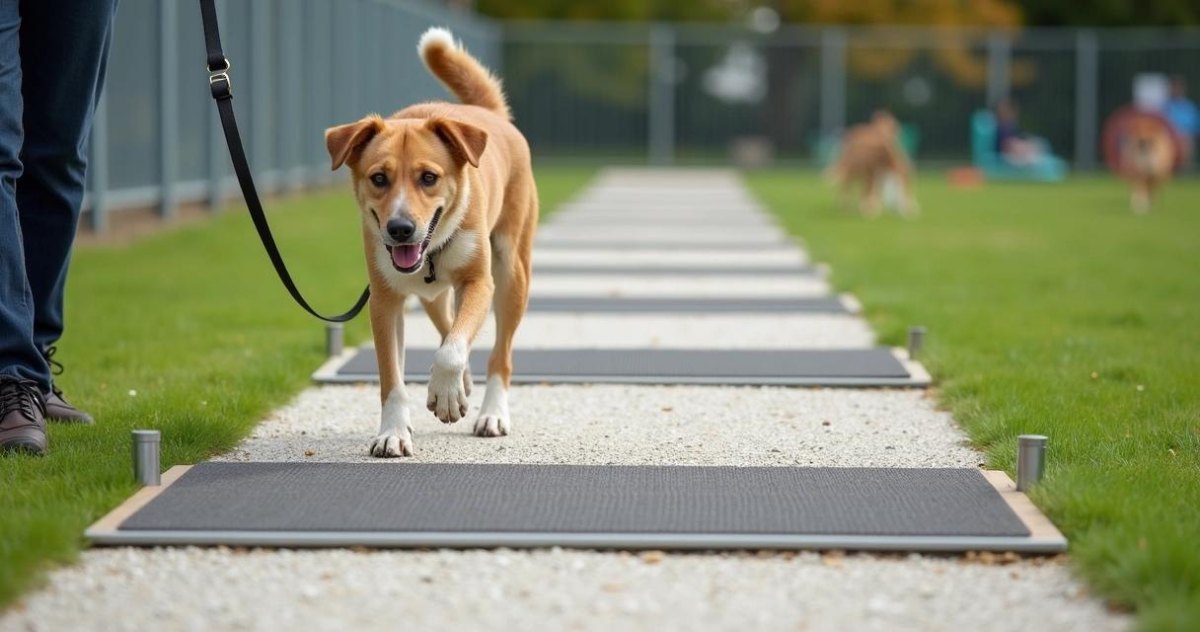
A sidewalk, metal grate, grass patch, carpet, and slippery floor can all feel strange to a puppy. I create little texture walks at home and outside using safe surface practice rather than pulling a puppy across something scary.
If a puppy freezes, I do not drag them forward. I make the surface easier, reward curiosity, and let confidence catch up. Experiences with different surfaces are part of the variety recommended in puppy socialization guidance.
Playing With Other Vaccinated Puppies
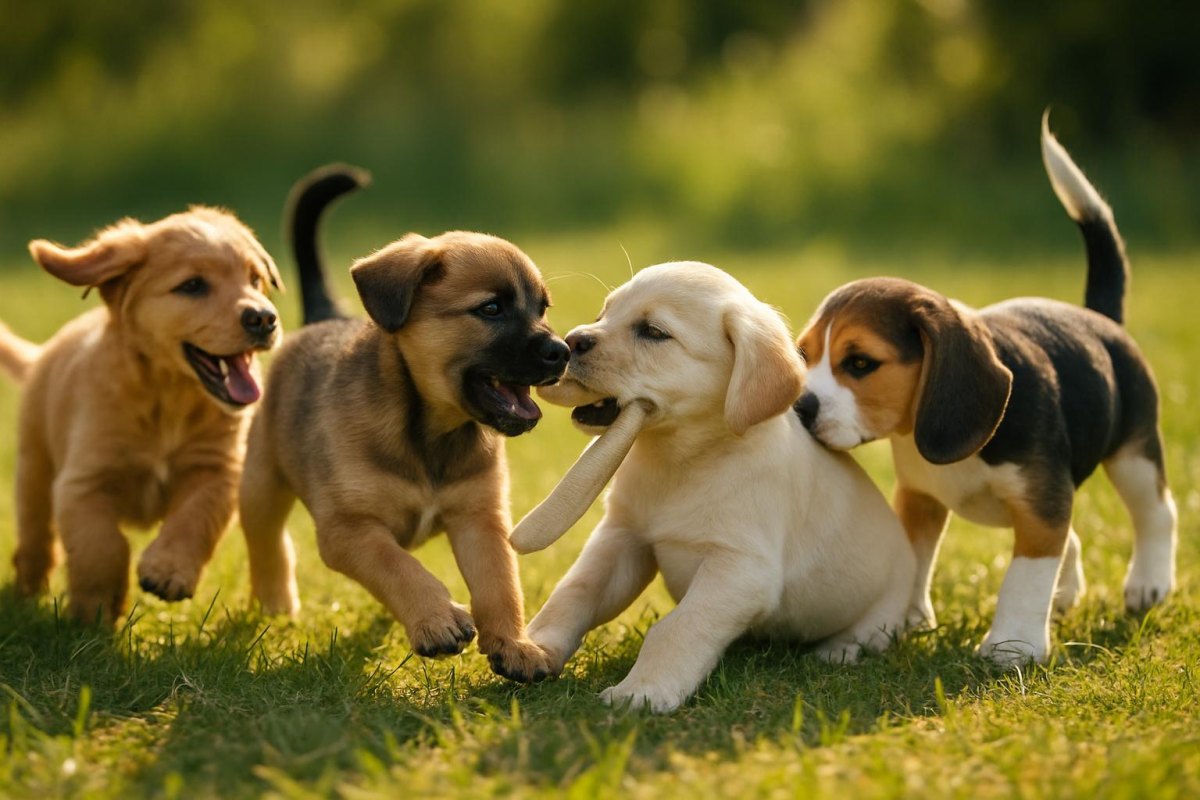
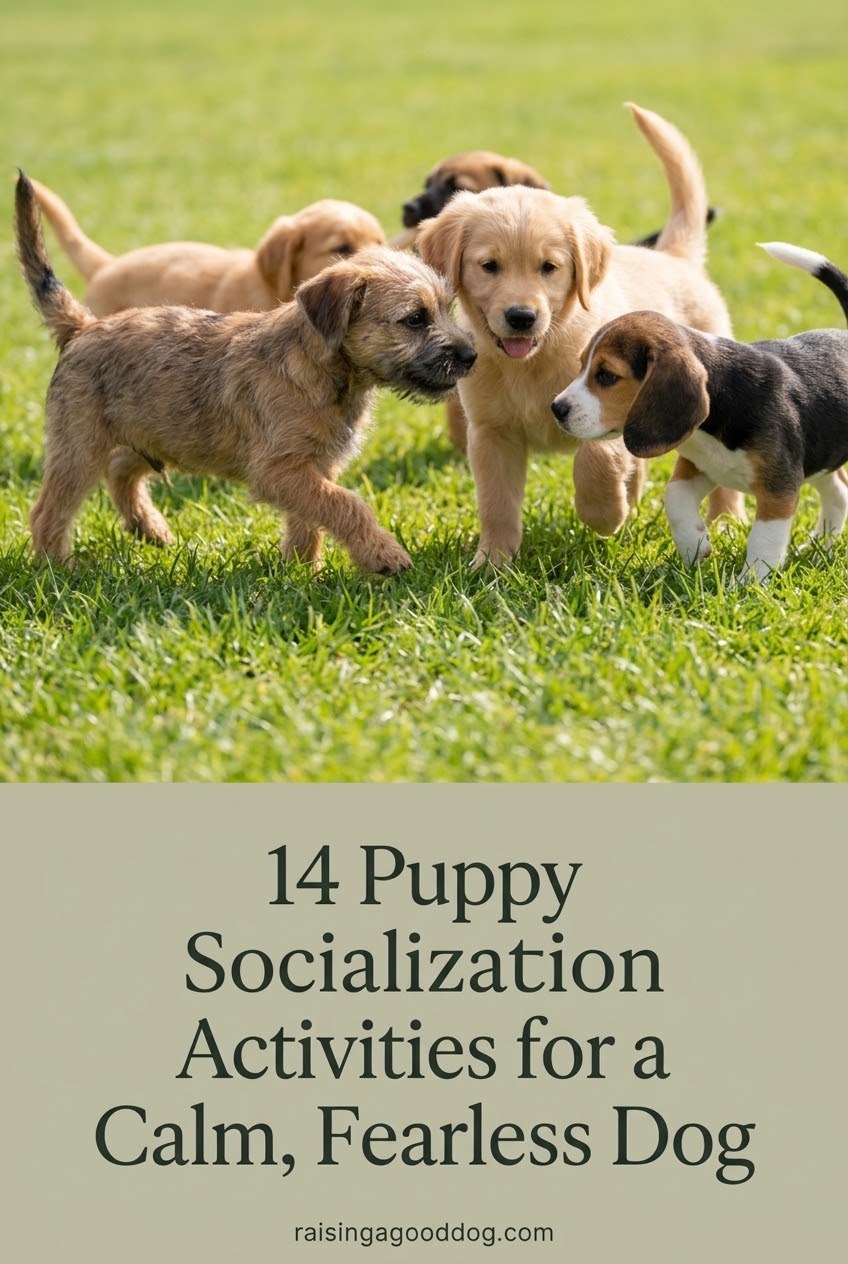
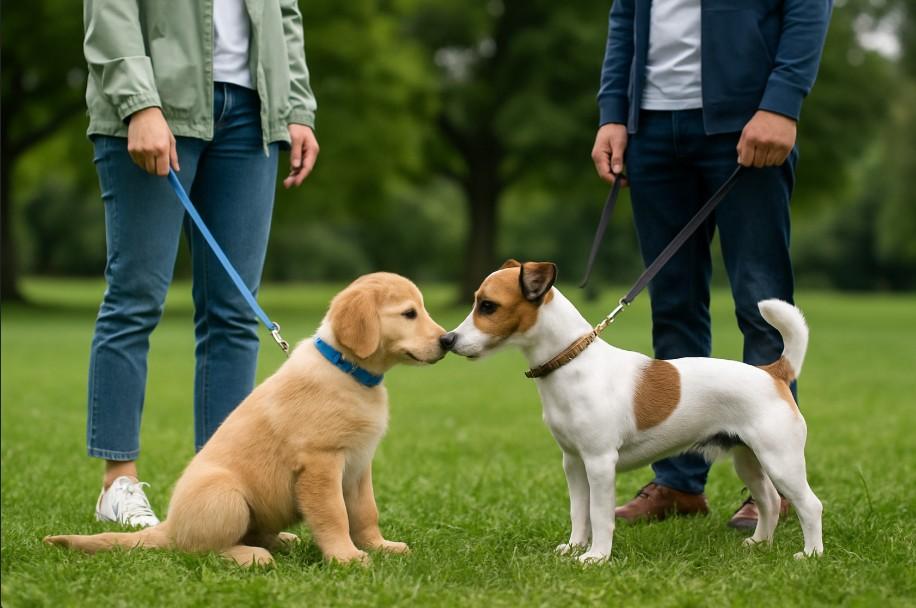
Good puppy play is not chaos. I look for puppies that can pause, take turns, and recover after excitement. Supervised play with healthy vaccinated puppies can teach valuable communication skills.
I avoid letting unknown dogs overwhelm a young puppy. A puppy that is constantly chased, pinned, or unable to escape is not learning confidence. Safe puppy classes can provide controlled practice when they follow health precautions.
Good play looks like
- Role switching
- Short breaks
- Loose body language
I interrupt
- Bullying
- Fearful hiding
- Repeated chasing
Practicing Calm Car Rides
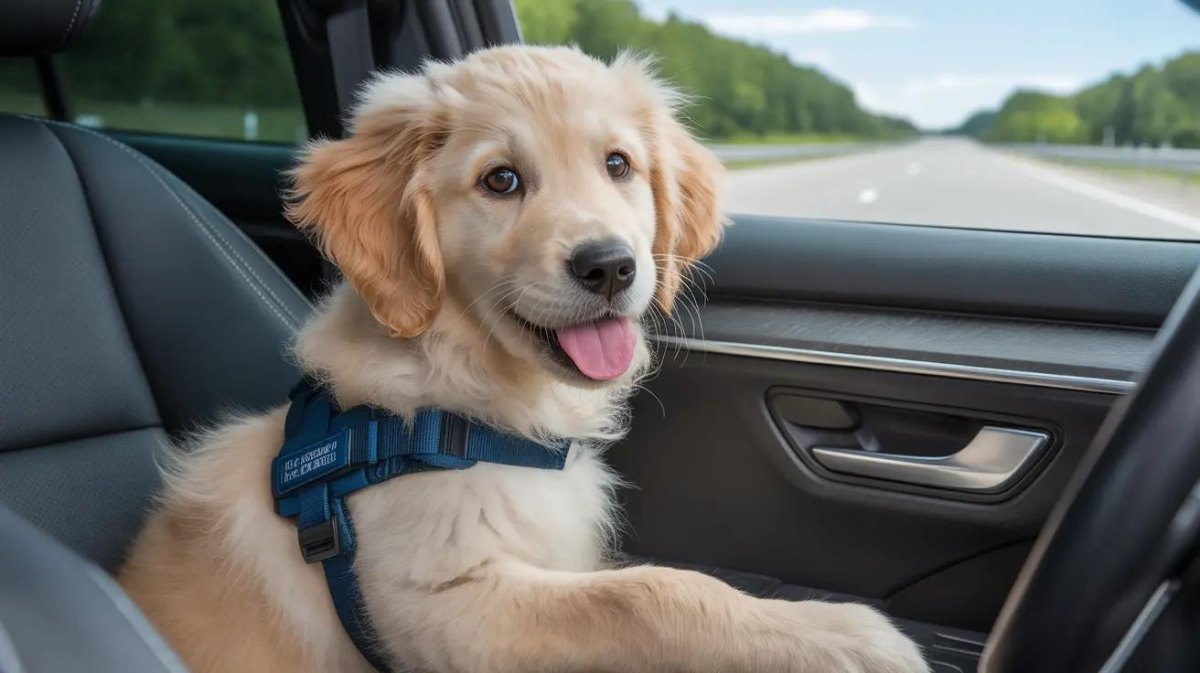
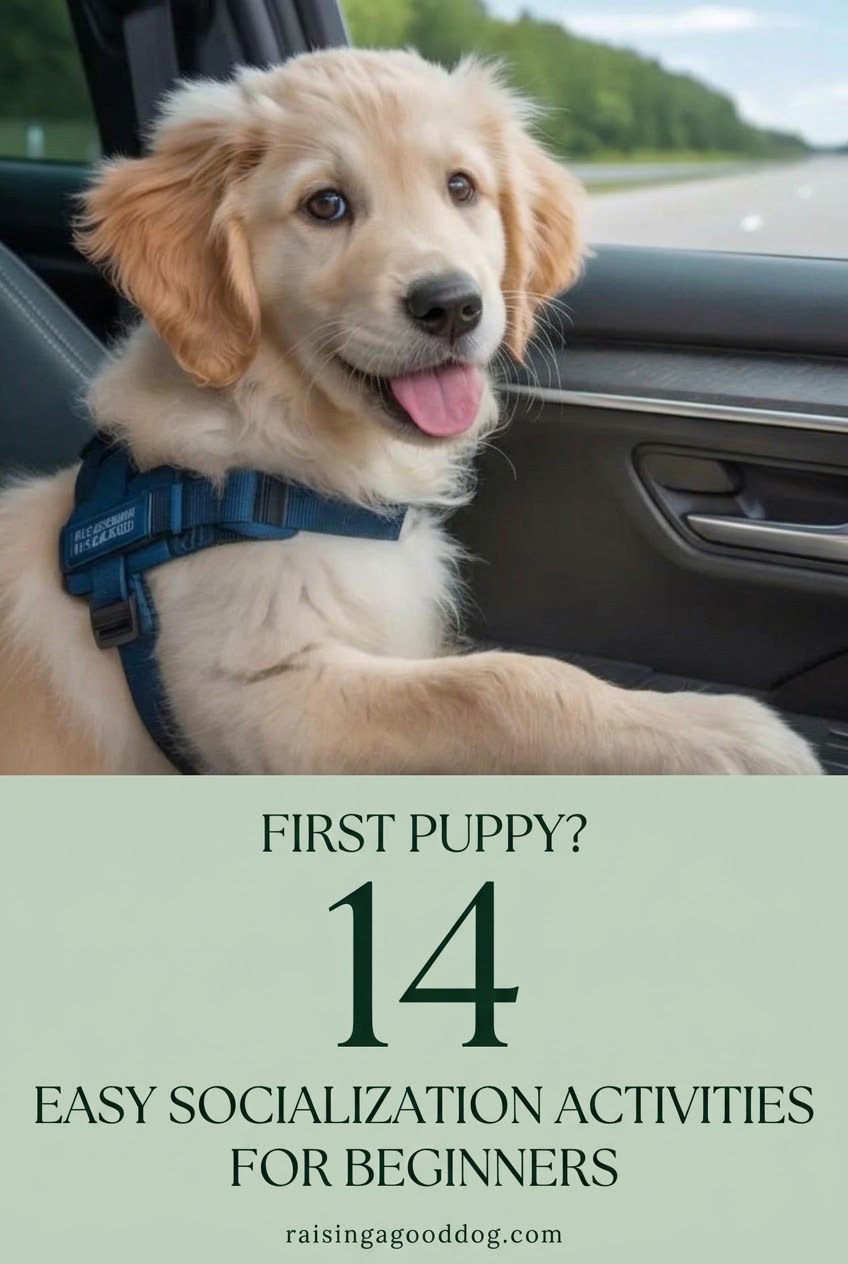
Some puppies love cars immediately. Others look at a vehicle like I have suggested a trip inside a washing machine. I begin with tiny car sessions: sitting inside, eating treats, then gradually adding movement.
A calm ride is a skill, not a personality trait. Short successful trips are more useful than one long stressful journey. I also avoid creating nausea patterns by planning carefully and asking a veterinarian about concerns. Positive travel habits take repetition.
5–10 minutes
is often enough for an early practice session
Visiting Pet-Friendly Public Places
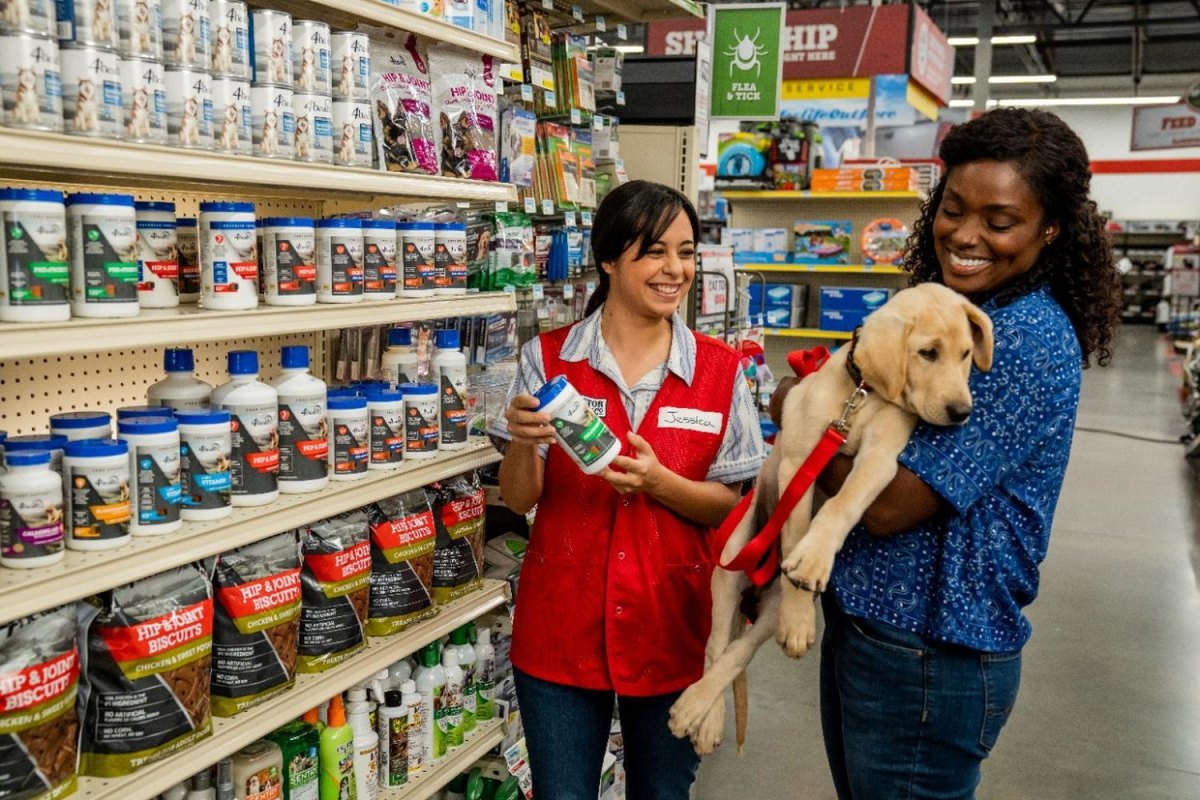
I like quiet observations before busy outings. A puppy sitting with me near a safe location can learn a great deal without being touched by everyone. Controlled public exposure teaches calm behavior.
Vaccination decisions should be discussed with your veterinarian because disease risk varies by location. Before full protection, I choose lower-risk options such as carrying a puppy or visiting approved settings rather than letting them walk everywhere.
Avoid this mistake
A crowded event is not automatically good socialization. Overwhelming a puppy can teach the opposite lesson.
Learning to Wear a Collar and Leash
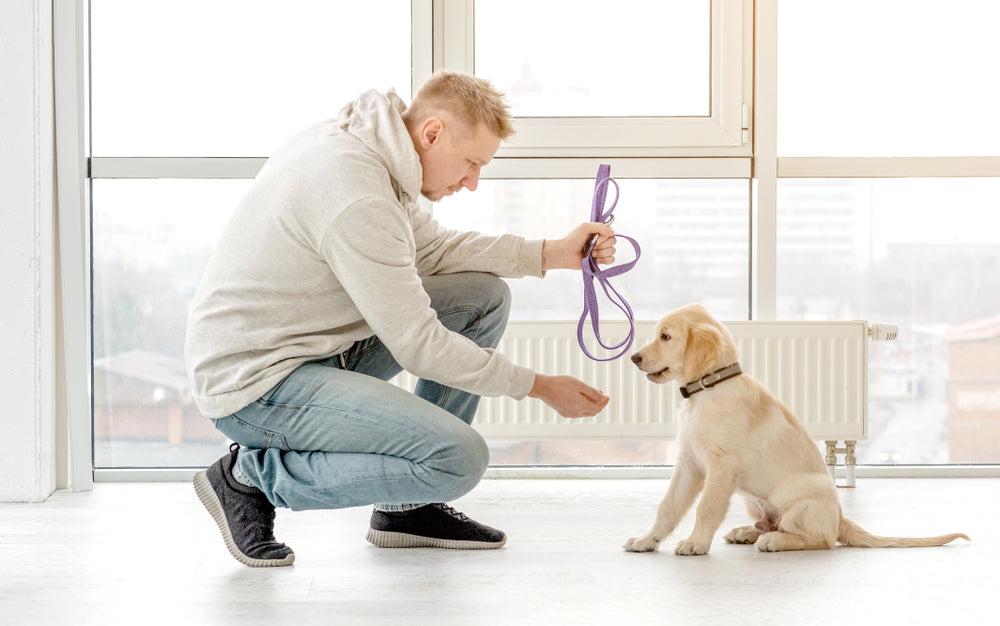
The leash should not appear only when something difficult happens. I make wearing equipment boring and rewarding with comfortable leash practice around the house first.
I watch for scratching, freezing, or frantic biting at the leash. Those are signs I need to slow down, not signs my puppy is being difficult. Equipment confidence makes future walks much easier.
Meeting People With Different Appearances
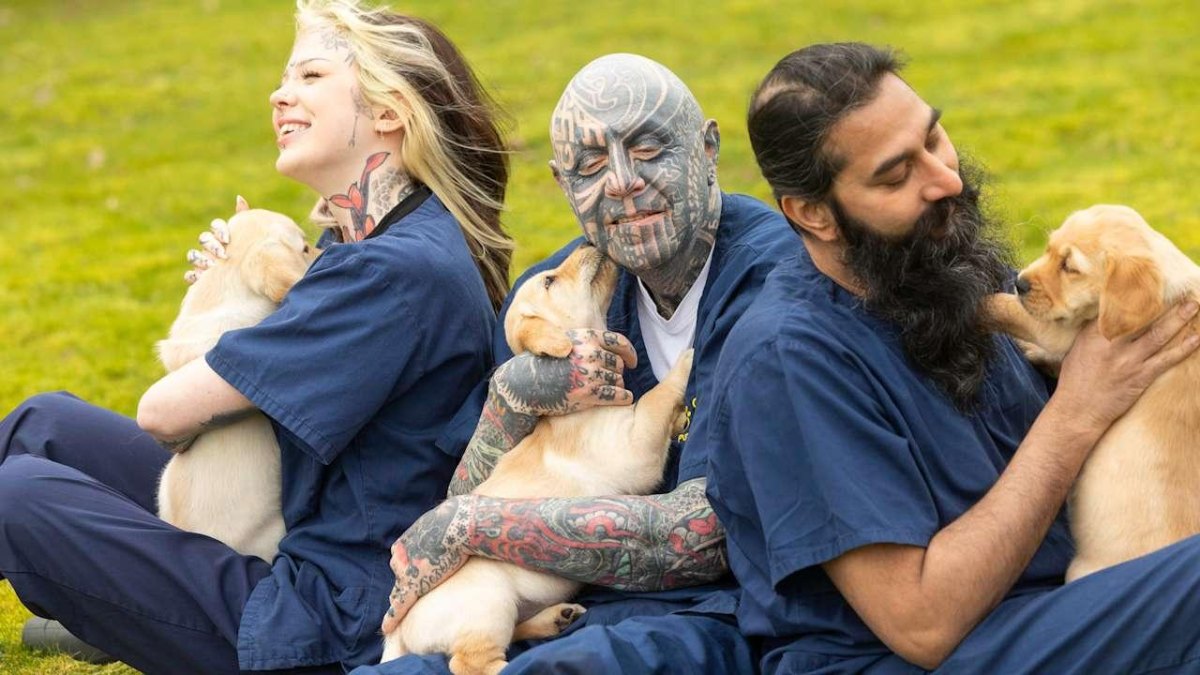
Dogs notice details we barely register: hats, umbrellas, uniforms, walking aids, beards, and unusual movements. I introduce these differences through gentle variety training instead of making them a surprise.
The goal is not that every puppy loves every person. The goal is that the puppy can notice differences and remain comfortable. Choice and distance are powerful training tools.
| Example | My approach |
|---|---|
| Person with hat | Treats at a comfortable distance |
| Wheelchair or cane | Observe calmly, no forced greeting |
Introducing Household Objects Safely
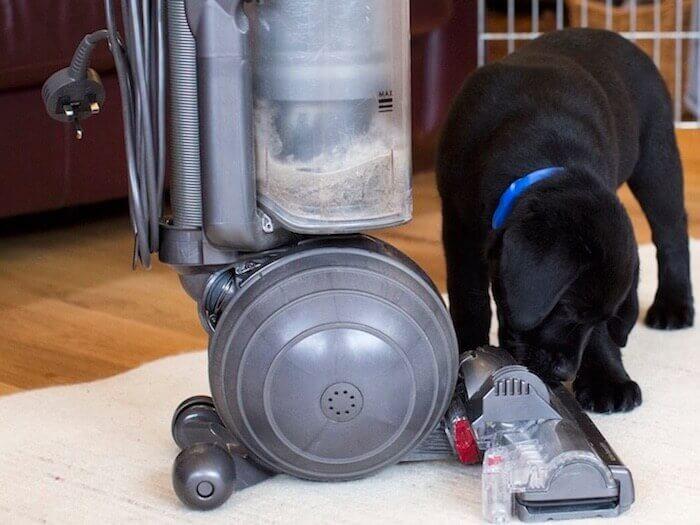
The mop, blender, laundry basket, and baby gate are ordinary objects to us and strange inventions to puppies. I create object confidence games by letting the puppy investigate without pressure.
I learned from my veterinary years that fear often appears before a big reaction. A tightened mouth or sudden stillness is information. I adjust the setup before the puppy feels trapped.
Building Confidence Through Puzzle Games
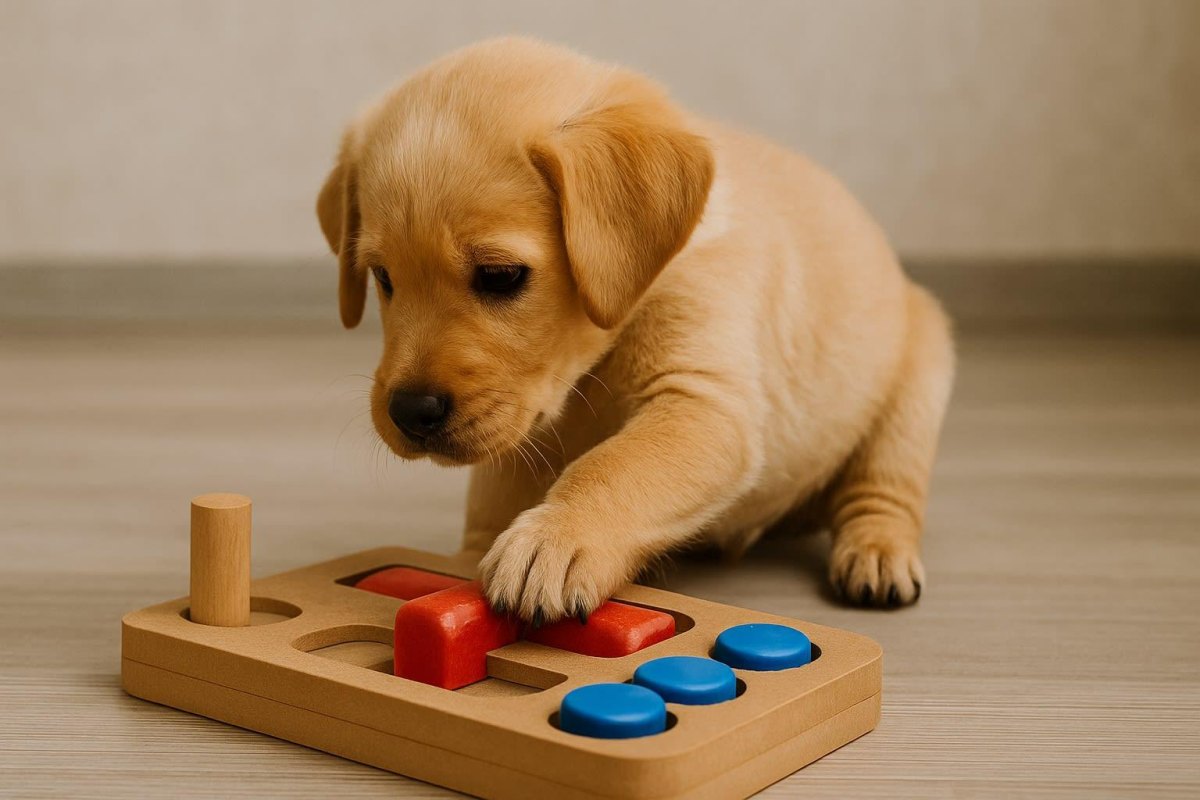
Puzzle games are not just entertainment. They teach puppies that trying new things pays off. I use simple enrichment that encourages problem solving skills without creating frustration.
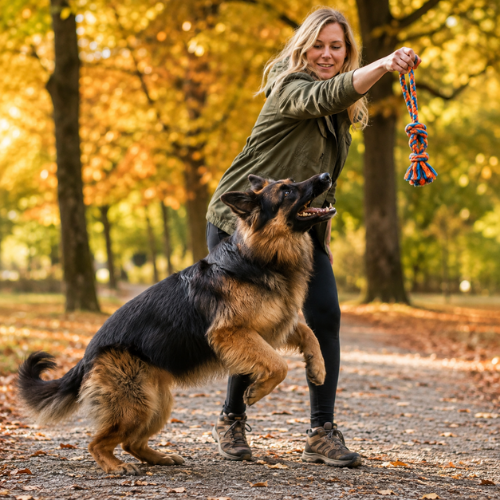
I choose puzzles based on the individual dog. Bruno, my German Shepherd, needed thinking games when he was younger because his brain was always three steps ahead of my plan. A confident puppy learns through success, not constant correction.
My favorite beginner goal
I want the puppy to think, “I can figure this out,” before I increase difficulty.
Practicing Handling and Grooming Exercises
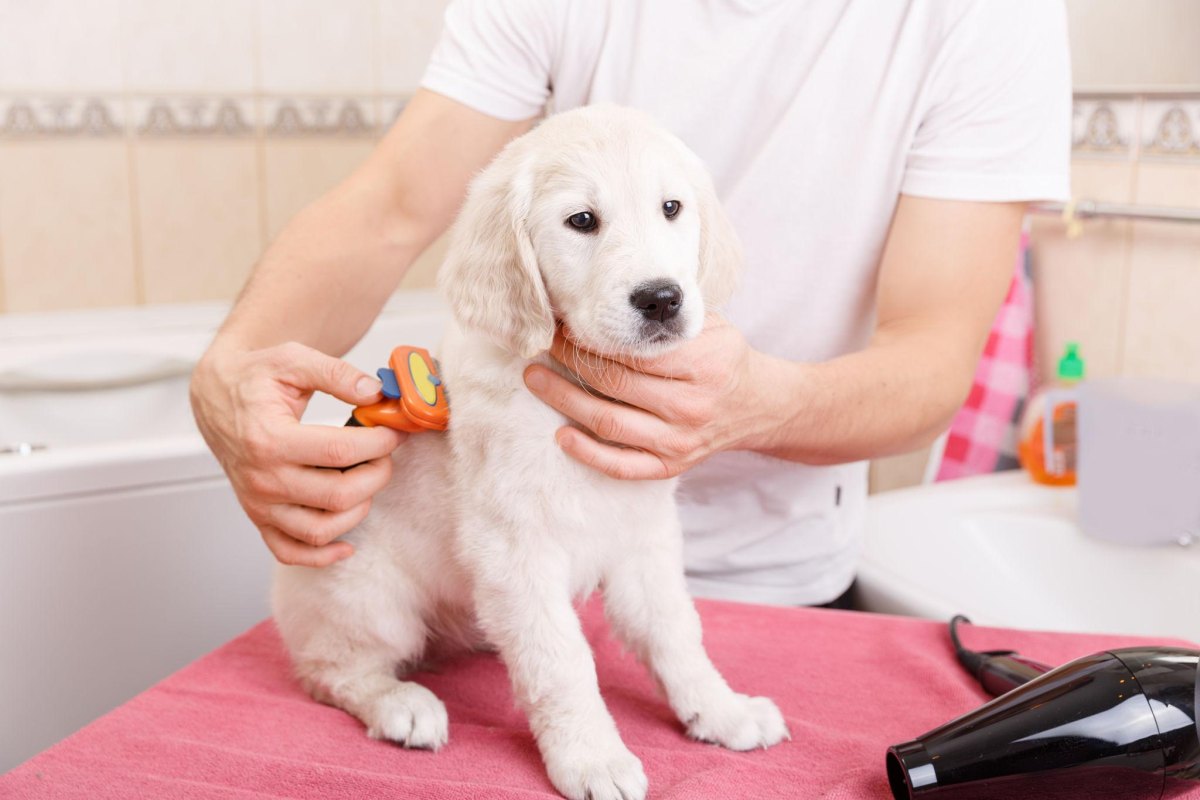
Handling practice prevents many future battles. I teach puppies that paws, ears, brushes, and collars predict good things through cooperative handling.
I never hold a struggling puppy down and call it training. If a puppy is worried about touch, I break the process into smaller pieces and sometimes recommend professional help. Fear around handling deserves patience.
Exploring Outdoor Environments
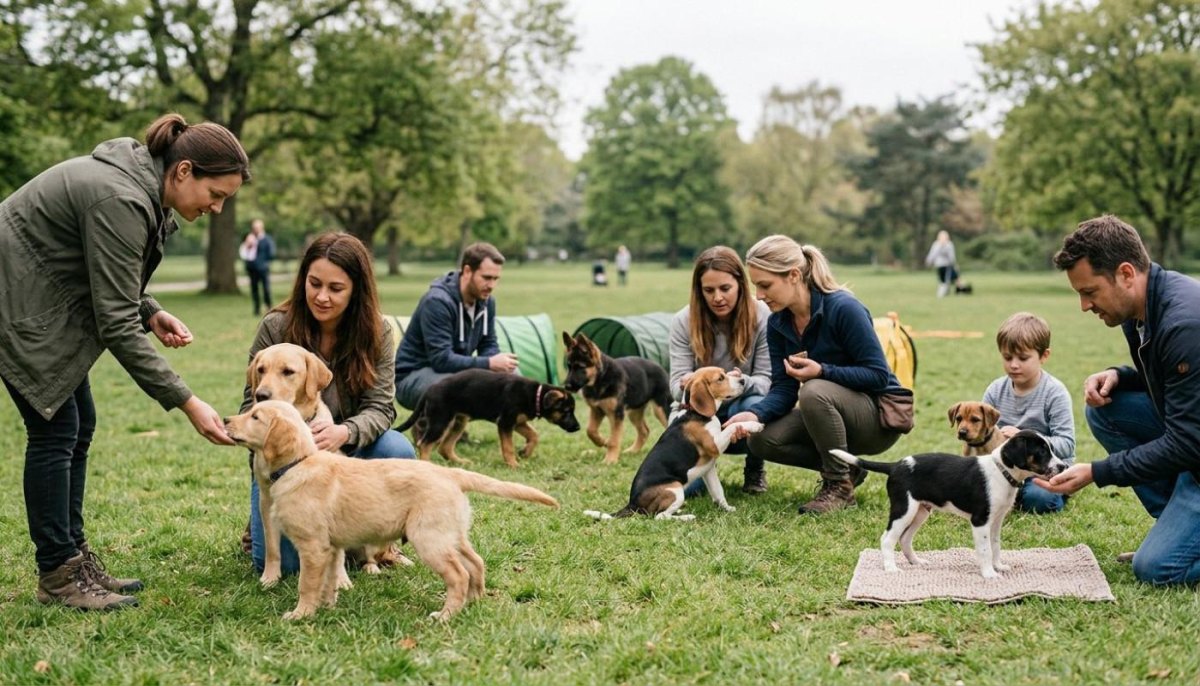
Outdoor exploration is where many puppies meet the biggest collection of sights, smells, and movements. I choose quiet routes first and build toward harder places with manageable adventures.
A puppy does not need to conquer every environment in one week. A five-minute successful trail walk can be more valuable than an hour of overstimulation. I look for curiosity, recovery, and relaxed body language.
Learning Calm Behavior Around Other Animals
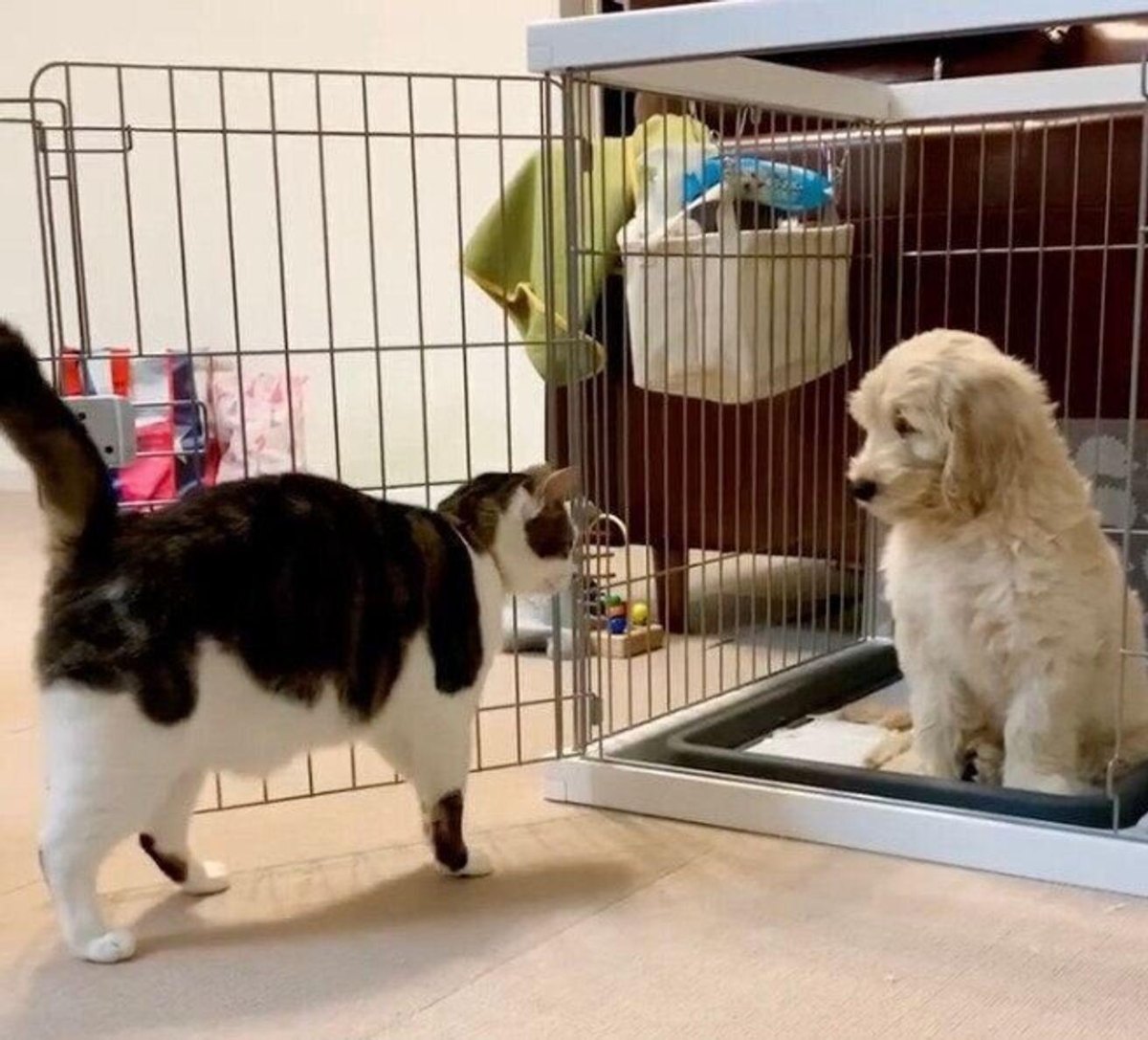
Not every dog needs to greet every animal they see. I teach puppies that calmly observing is a skill. Neutral behavior is often what makes adult dogs easiest to live with.
If another animal creates barking, lunging, or panic, I increase distance immediately. Management prevents rehearsal while training catches up. Serious aggression or bite risks need an in-person qualified professional, not a blog exercise.
Socialization is about teaching a puppy to be calm, relaxed, and comfortable with the world.
American Veterinary Society of Animal Behavior guidance
Creating Positive Vet Visit Experiences
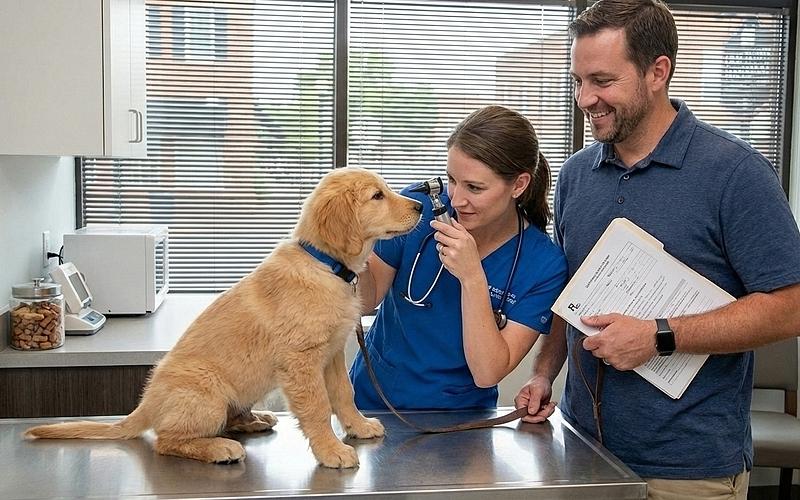
Because I worked in a veterinary clinic, I saw how quickly a frightened dog can learn that the building means bad news. I practice positive vet preparation with mock visits, treats, and calm handling.
Sudden behavior changes, pain-related reactions, or unusual fear should start with a veterinarian check. Medical causes come before a training plan. Early support protects both the puppy and the relationship you are building.
Small win
Visit the clinic just to say hello if your veterinarian allows it. Leaving after a happy minute counts.
More Pinterest Visuals