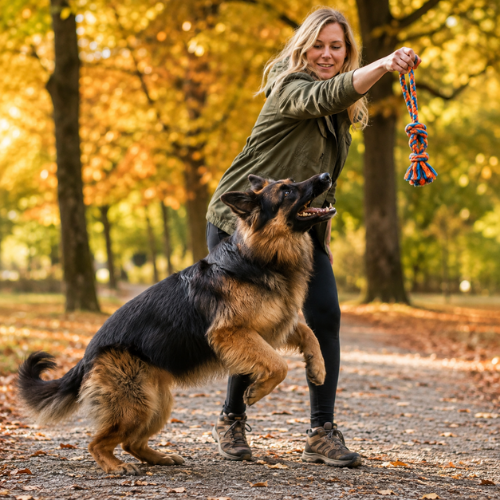
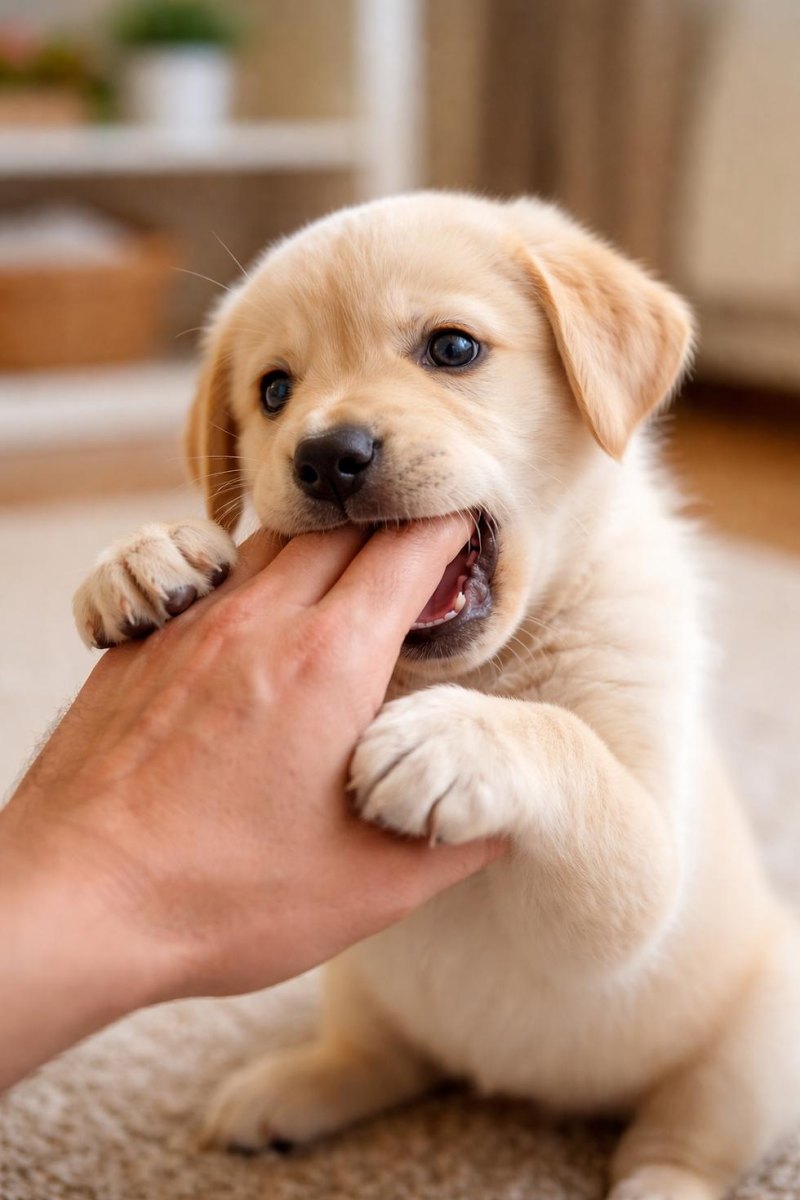
Puppy teeth on your hands, sleeves, and ankles are exhausting, especially at the end of a long day when your puppy suddenly becomes a tiny land shark. I focus on redirecting the mouth, not punishing the puppy, because biting is a normal developmental behavior that needs a better outlet. Research and veterinary guidance support using appropriate toys, enrichment, and positive reinforcement to teach puppies what they can chew.
What I look for in a puppy biting toy
- Safe materials matched to the puppy’s size and chewing style
- A toy that competes with hands, furniture, or clothing
- Enough mental or physical engagement to prevent boredom
Rubber Teething Rings for Puppy Biting
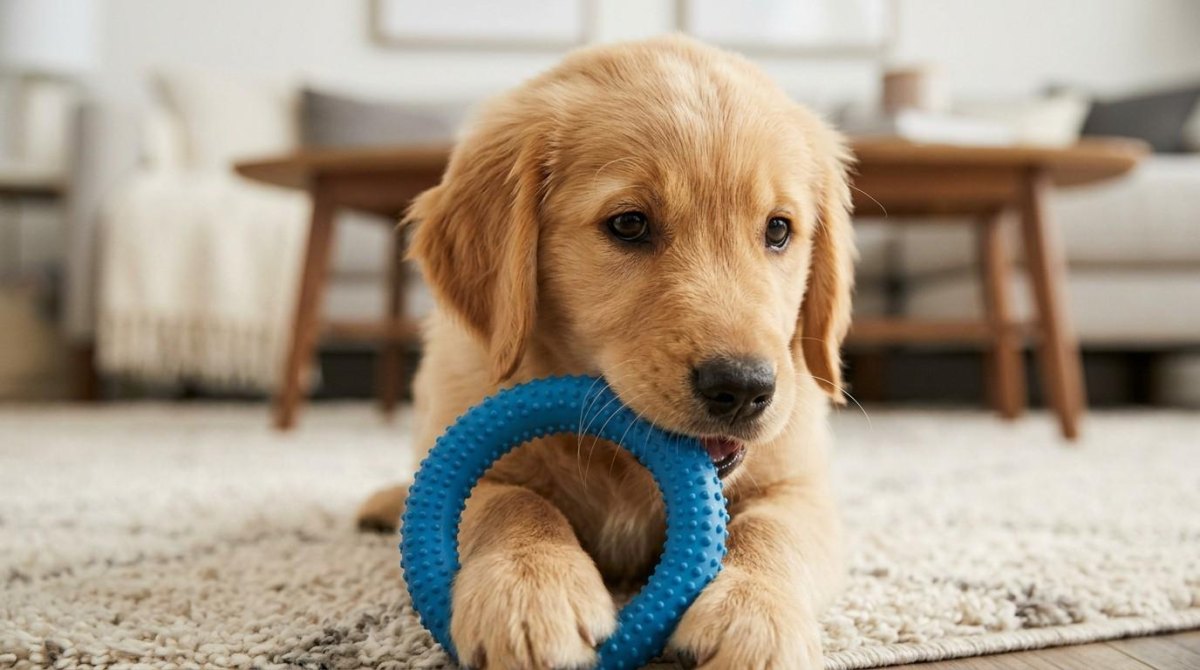
When puppies are teething, a rubber ring gives them a legal place to put that uncomfortable jaw pressure. I like soft puppy-safe rubber because it offers resistance without turning your fingers into the chew option.
I introduce it before the puppy is frantic. The best redirect happens when the puppy is still thinking, not already attached to your sock.
Rope Tug Toys for Redirecting Nipping
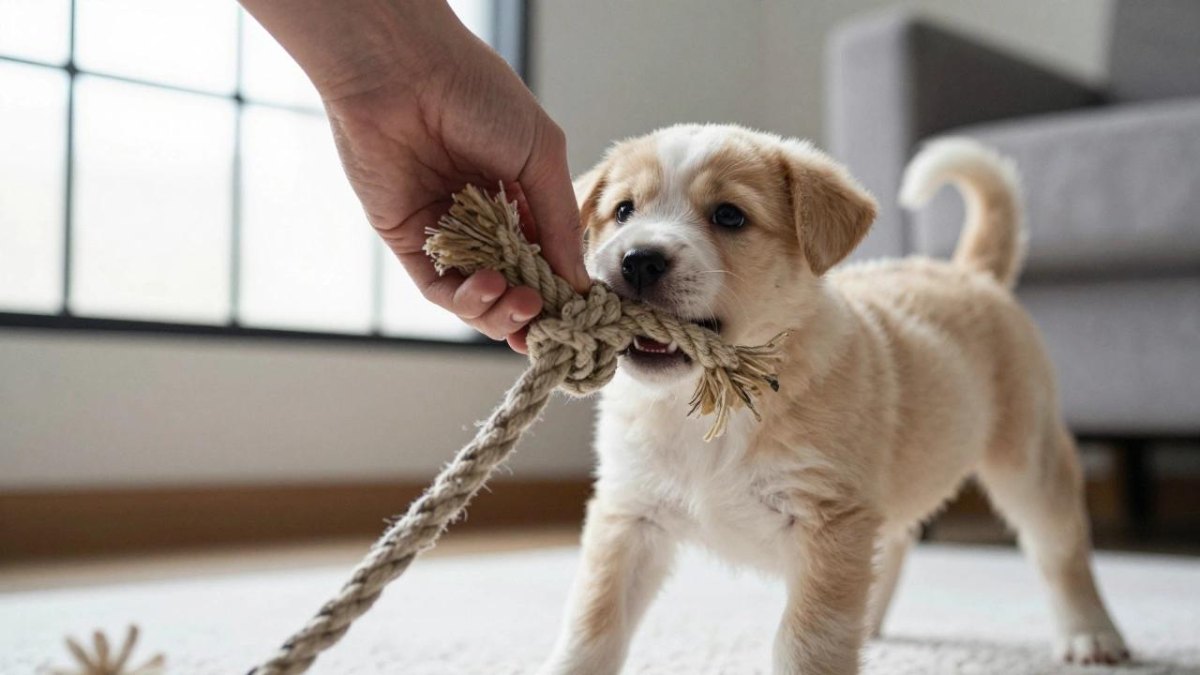
Tug toys are useful when a puppy wants interaction more than chewing. I teach a simple rule: toy in mouth means play continues; teeth on skin means the game pauses.
Supervise rope toys and remove them if strands start coming loose. A safe toy is one your puppy can enjoy without turning it into a swallowing project.
Durable Chew Bones for Teething Puppies
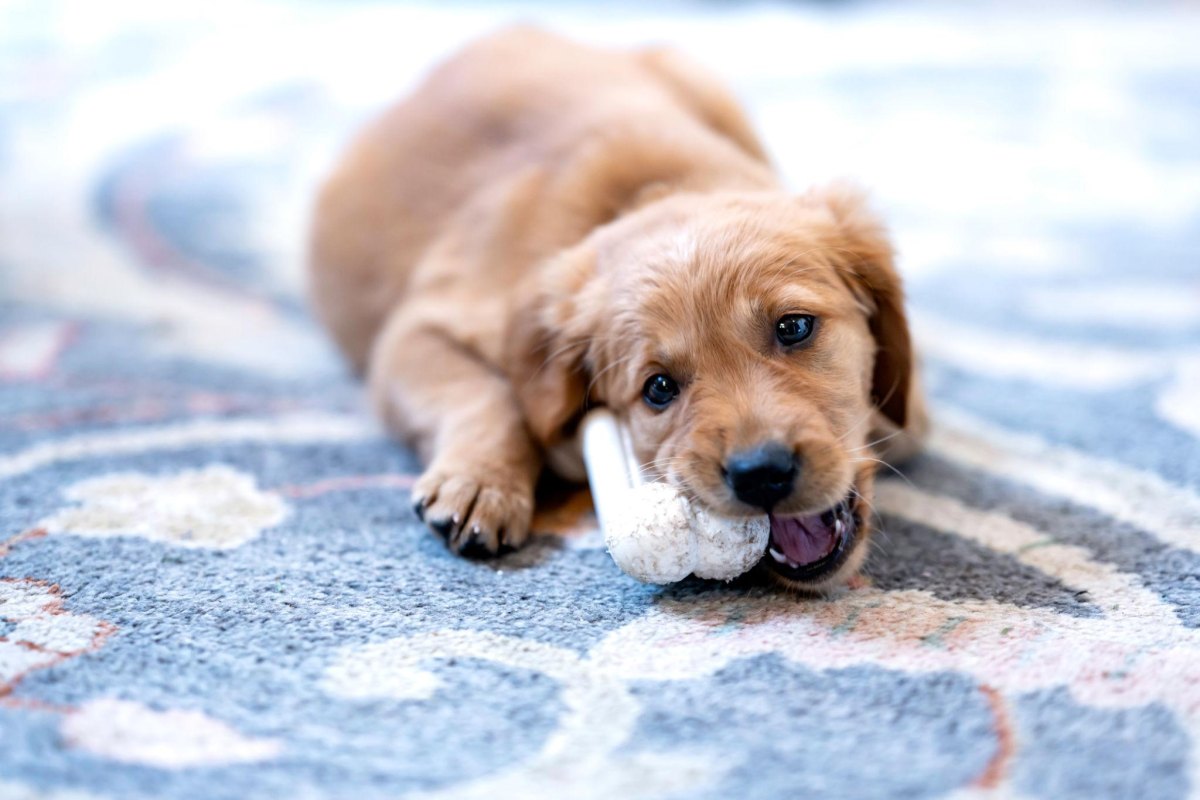
A chew bone can replace the chair leg, shoe, or human knuckle your puppy has selected. I choose based on chewing intensity and size, not because a label says it is indestructible.
I always check toys regularly because no chew item is completely risk-free.
Treat-Dispensing Puzzle Toys for Bite Control
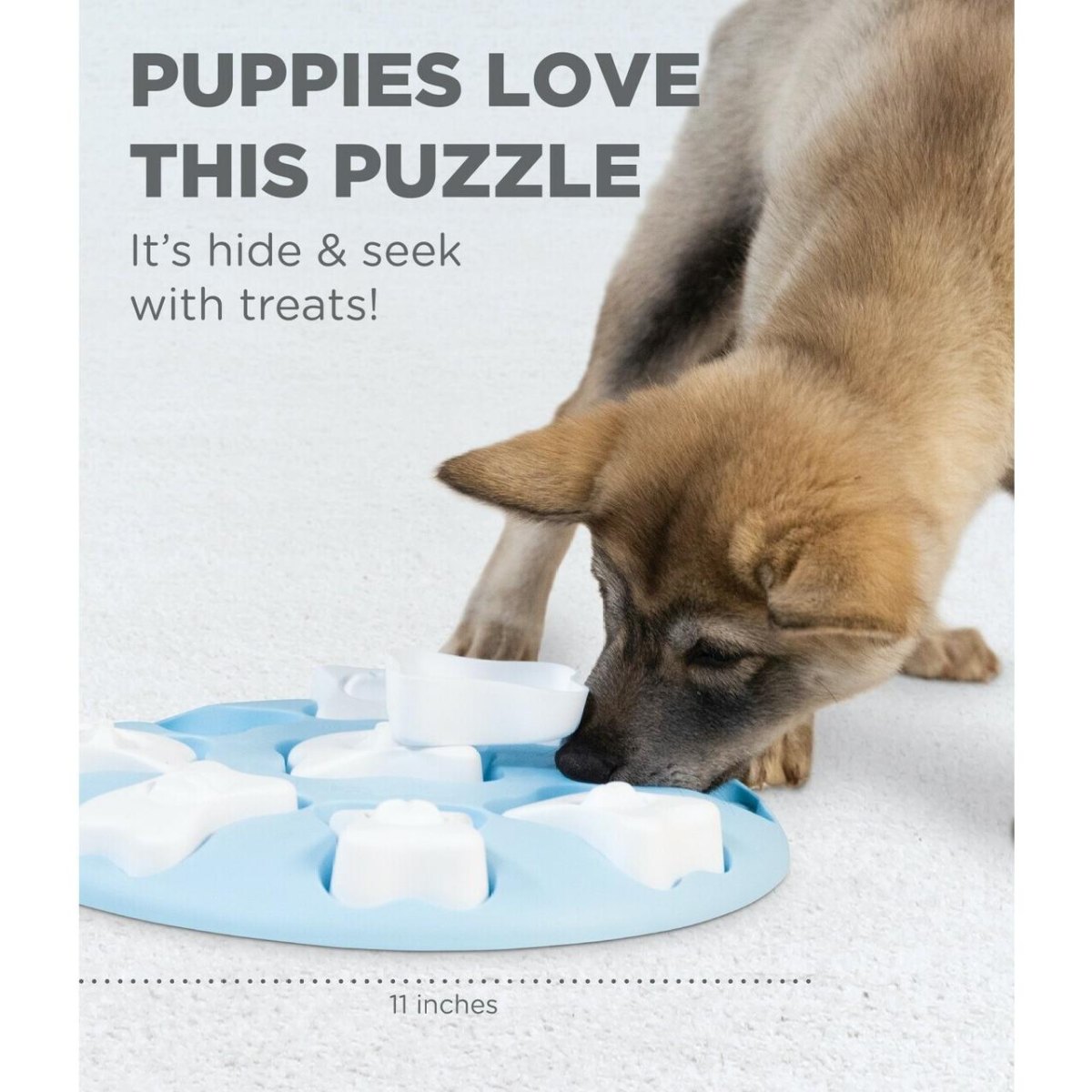
Some puppies bite because their brains are overflowing with energy. Treat-dispensing toys give that busy mouth a job while building problem-solving skills.
I start with easy puzzles. A frustrated puppy often abandons the puzzle and returns to your ankles.
Frozen Chew Toys for Sore Puppy Gums
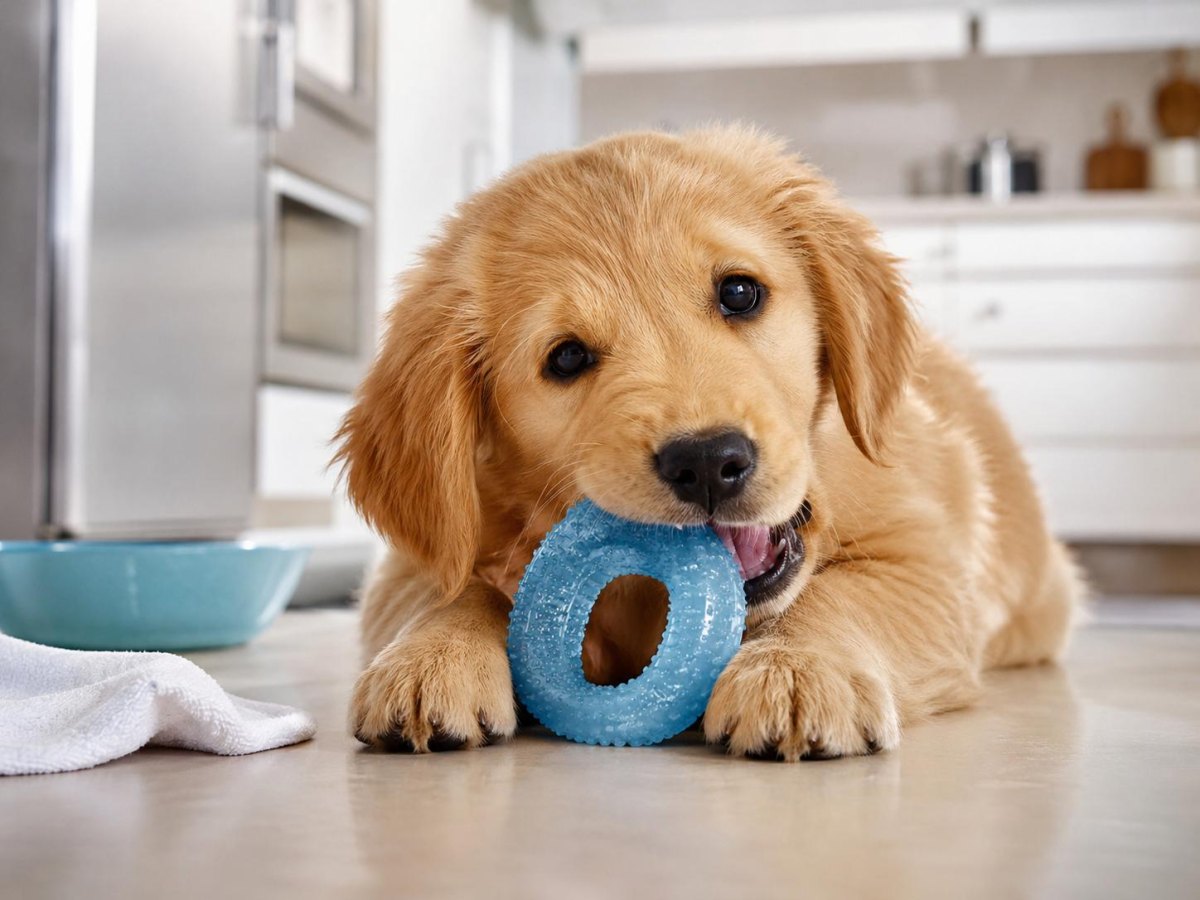
Cold chew toys can be especially helpful during teething because many puppies seek pressure and cooling for sore gums. I use short supervised sessions and watch how the puppy handles the toy.
If chewing suddenly becomes intense or unusual, I check with a veterinarian before assuming it is just a training issue.
Plush Toys Made for Gentle Chewing
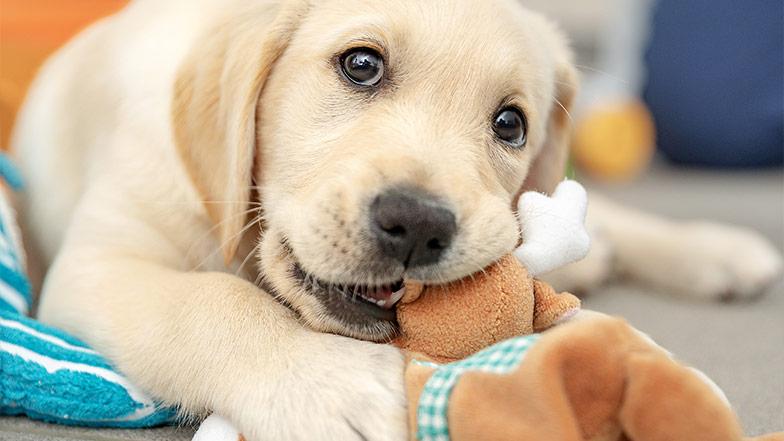
Plush toys are not for every puppy. My gentle chewers love them, but determined shredders need something sturdier. The key is matching toy strength to the individual dog.
I remove plush toys when stuffing becomes accessible because puppies rarely read the safety instructions.
Interactive Ball Toys to Reduce Biting
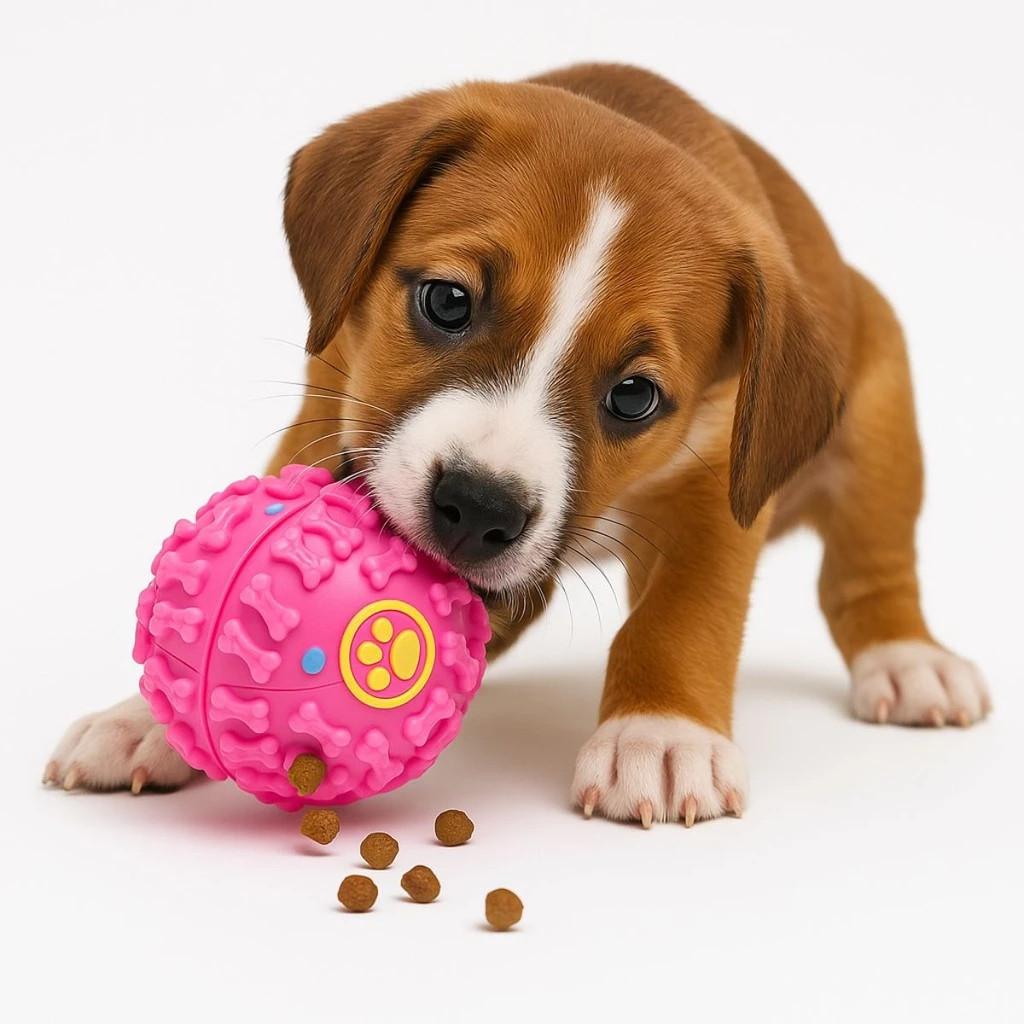
A ball can interrupt the hand-biting cycle by moving the puppy’s attention toward chasing and carrying. I use structured play sessions rather than endless frantic throwing.
Watch your puppy’s body language. A stiff body, frantic grabbing, or inability to disengage means the game needs a calmer reset.
Snuffle Toys for Redirecting Mouthy Behavior
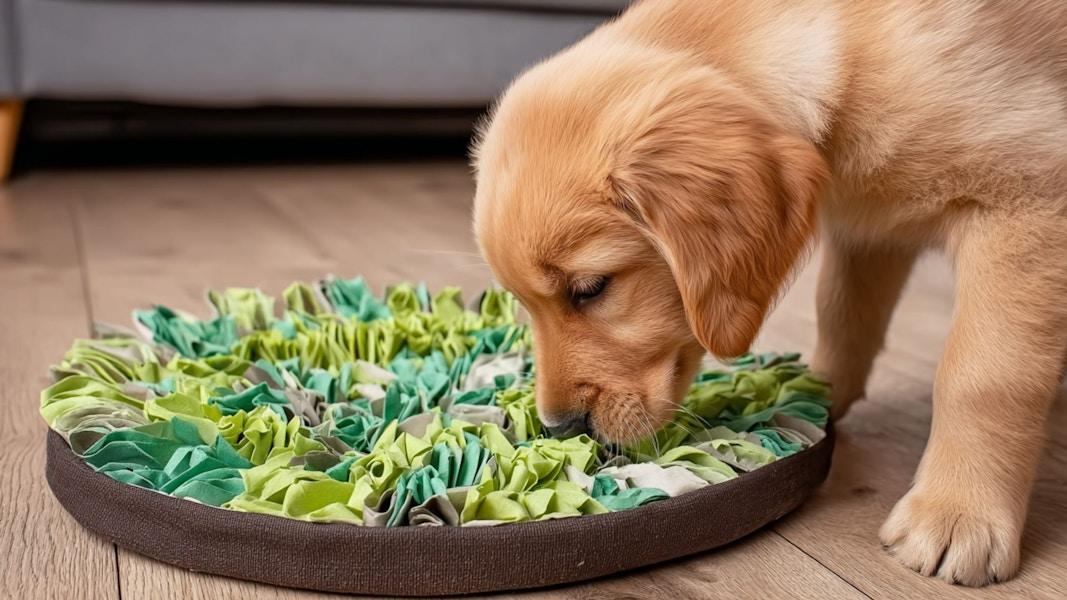
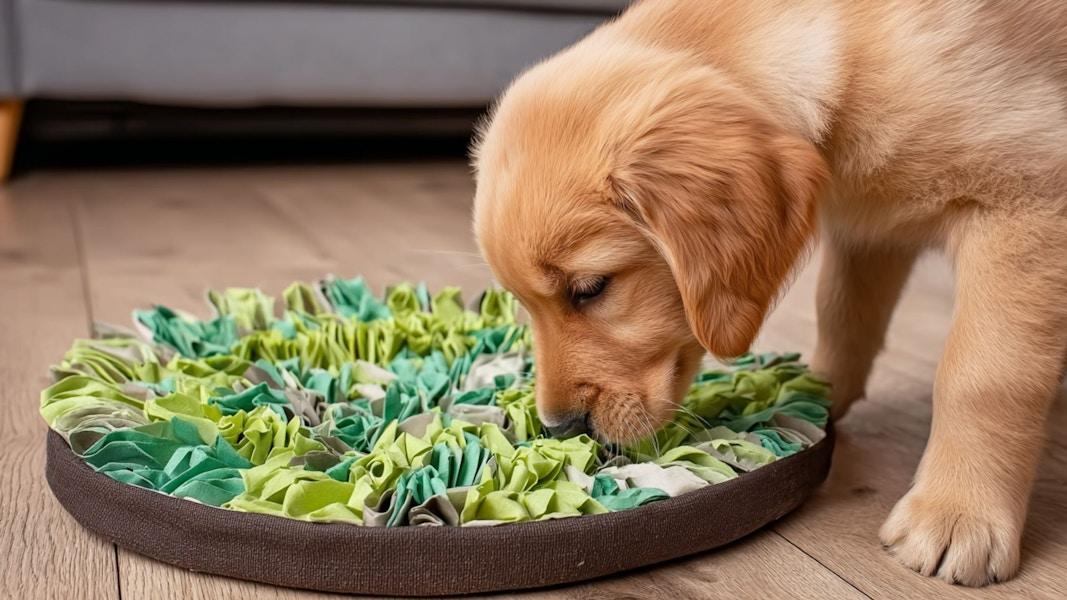
Snuffle toys give puppies a chance to use their nose instead of their teeth on us. Scent work is a wonderful way to provide mental enrichment without simply adding more exercise.
I often use these after exciting moments when a puppy needs help settling down.
Rubber Fetch Toys for Active Puppies
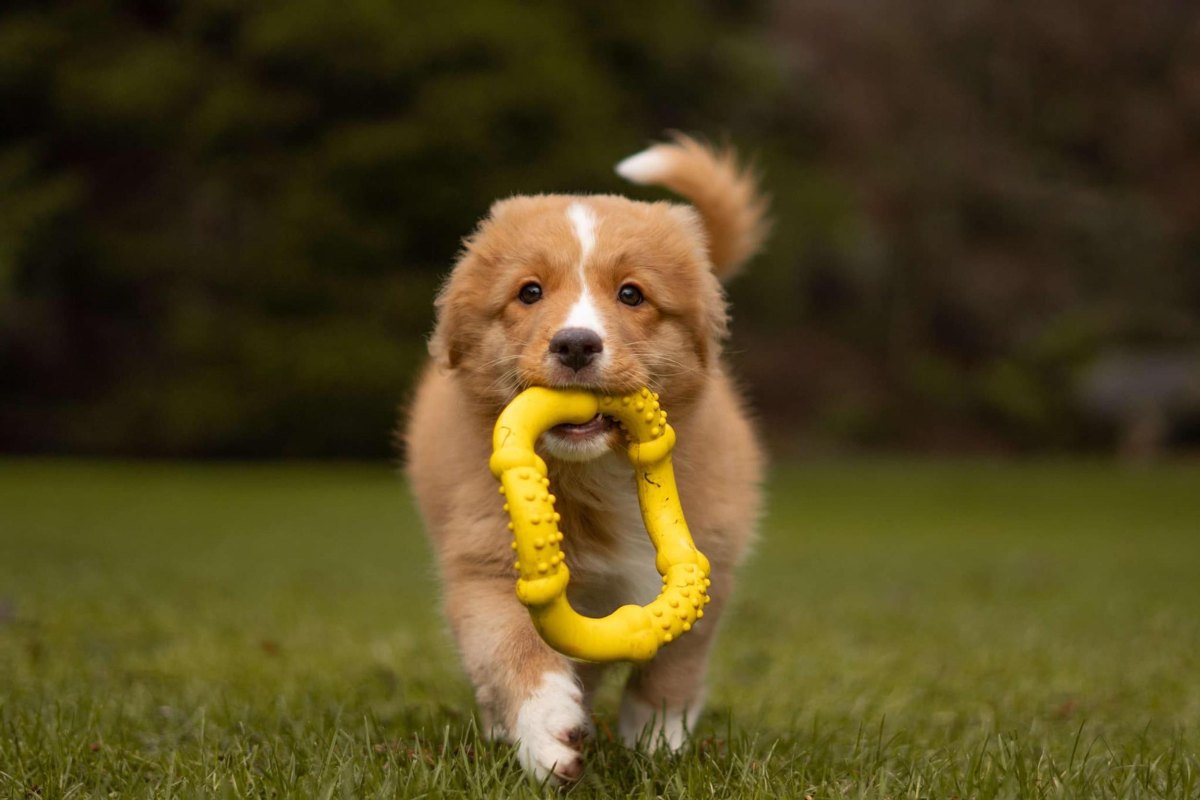
Active puppies often need an appropriate outlet before they can make good choices. Rubber fetch toys help create predictable play routines.
I avoid turning fetch into a constant adrenaline loop and include pauses, sniffing, and calm rewards.
Squeaky Toys for Positive Bite Redirection
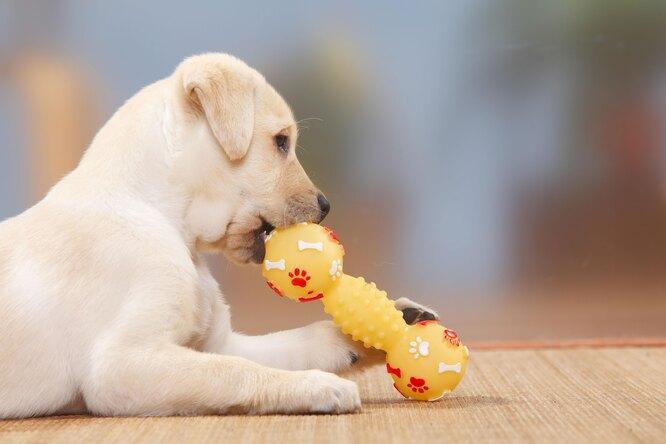
Squeaky toys can be useful for puppies who love interactive play. I use them to move biting toward a permitted object, not to wind the puppy up endlessly.
If the sound makes your puppy frantic, I switch to a quieter toy.
Lick Mats for Calming Puppy Chewing Urges
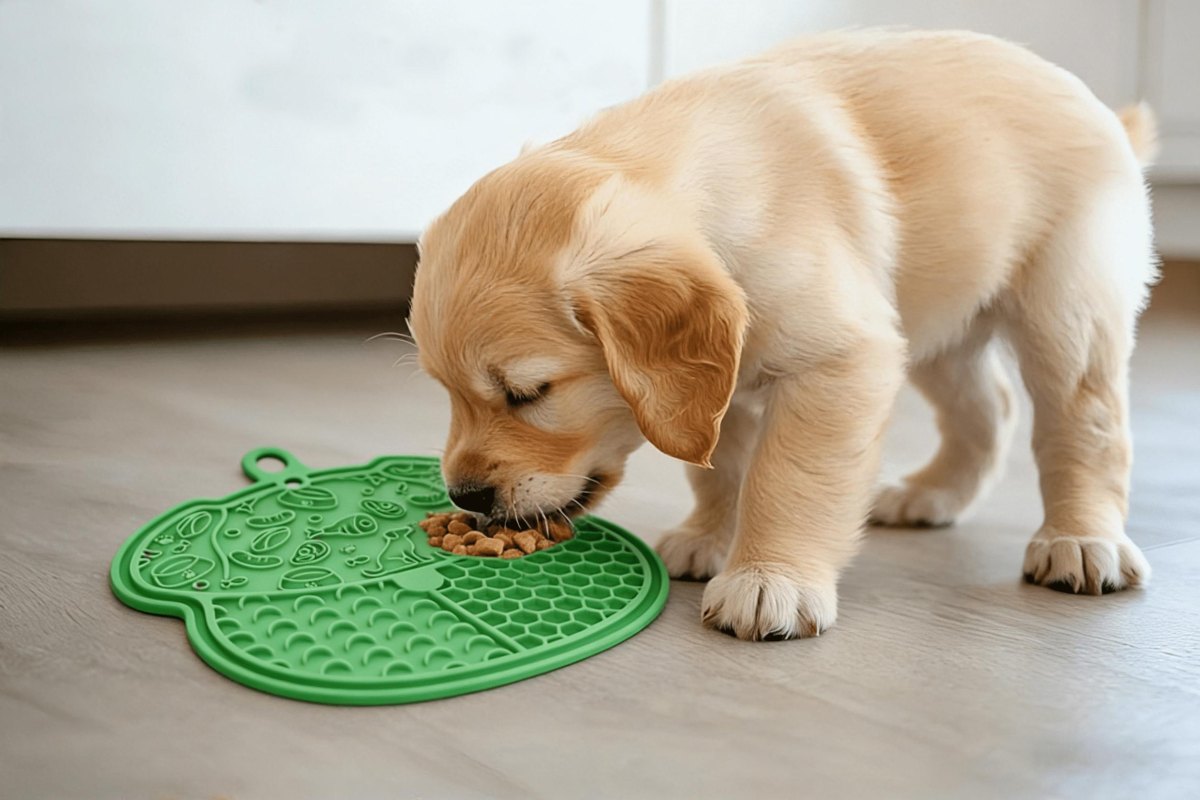
Licking is a different activity from chewing, but it can be a helpful calm-down tool. I use lick mats during quiet periods to encourage settled behavior.
Food enrichment should fit into the puppy’s daily diet, and new items should be supervised.
Puzzle Feeders to Keep Puppies Occupied
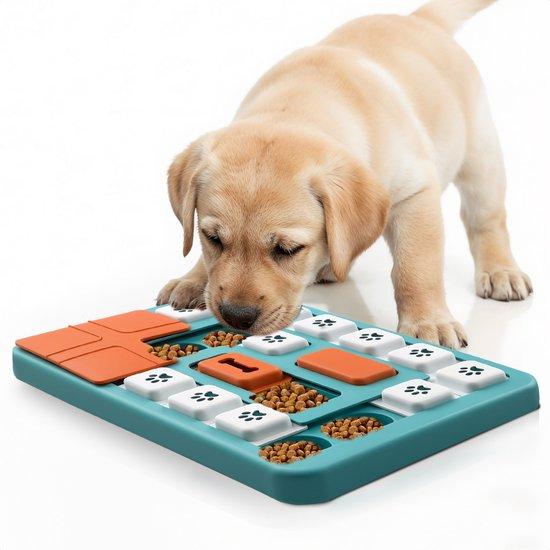
Puzzle feeders turn meals into a small thinking exercise. For puppies who bite because they are bored, this creates a productive routine.
I prefer simple beginnings. The goal is confidence, not making breakfast a graduate exam.
Teething Sticks for Safe Chewing Practice
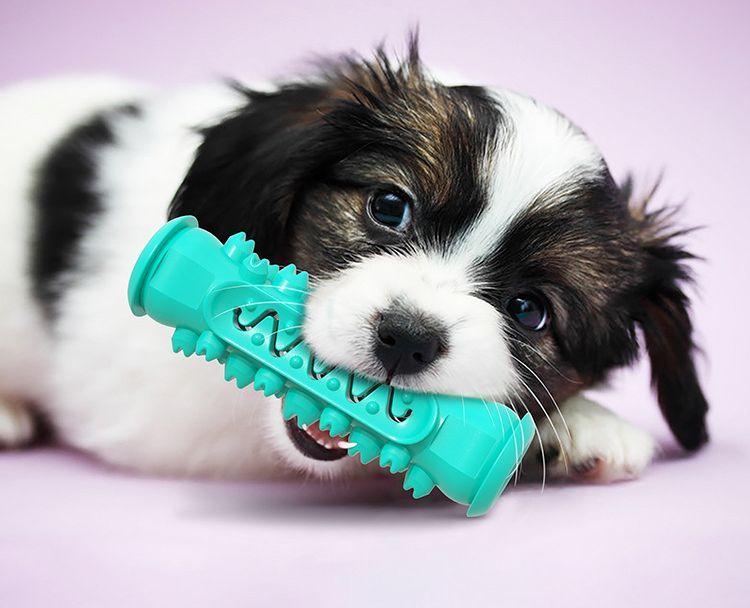
Teething sticks are useful because they give puppies a consistent chewing target. I introduce them when the puppy is calm so the toy becomes the obvious choice.
I replace damaged toys instead of hoping they survive another week.
Tug-and-Chew Combo Toys for Training
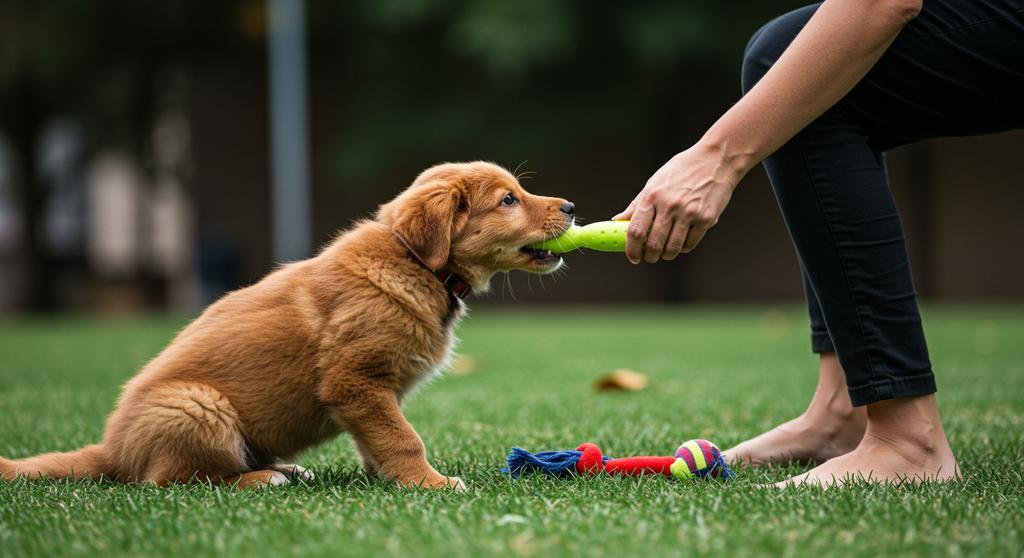
Combination toys work well for puppies who switch quickly between play and chewing. They help me practice appropriate mouth habits.
The prerequisite is simple: the puppy needs enough calm to notice the toy before grabbing skin.
Durable Rubber Discs for Bite Redirection Games
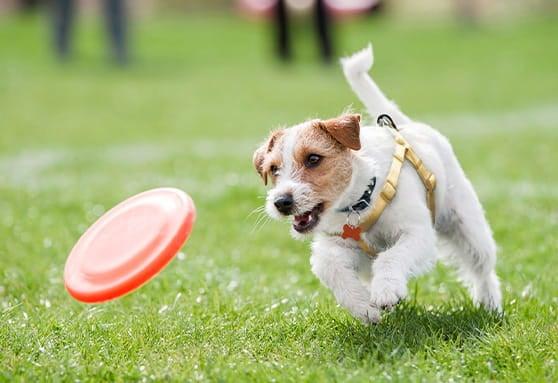
Rubber discs are useful for movement-loving puppies who need a safer target than clothing. I keep games short and reward good choices around the toy.
Not every puppy needs intense exercise. Some need more sleep and calmer enrichment.
Slow Feeder Toys for Mental Stimulation
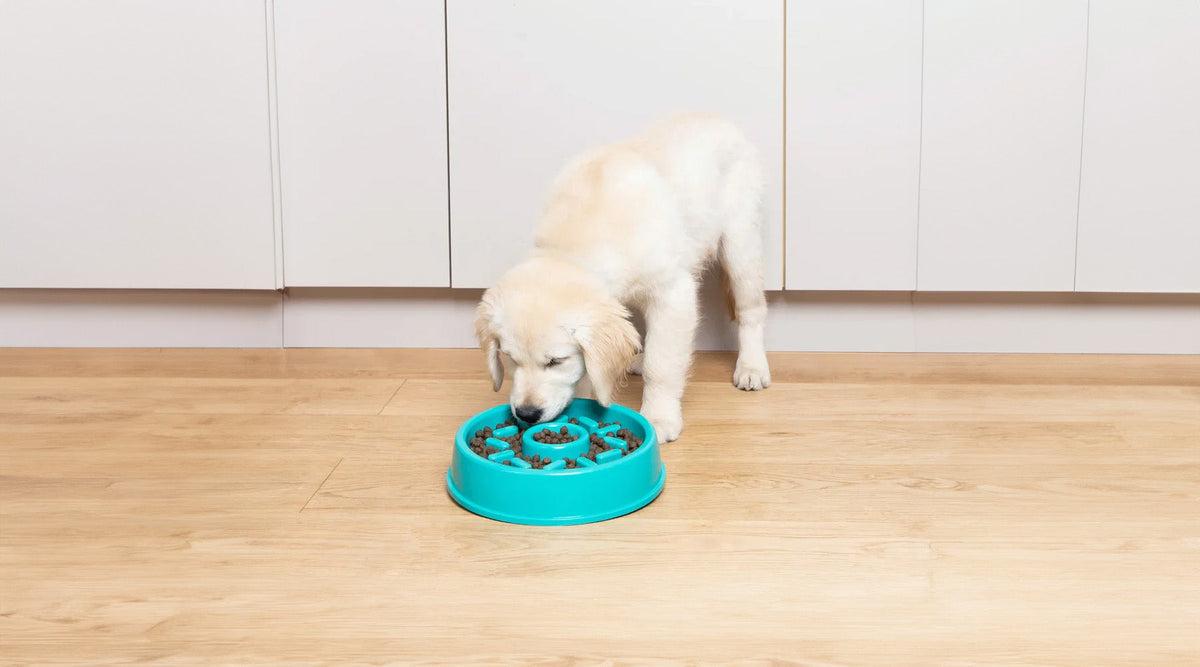
Slow feeders can reduce frantic eating and add a little thinking to mealtime. They are another way to replace random chewing with purposeful activity.
I adjust difficulty so the puppy stays engaged instead of giving up.
Rope Ball Toys for Healthy Chewing Habits
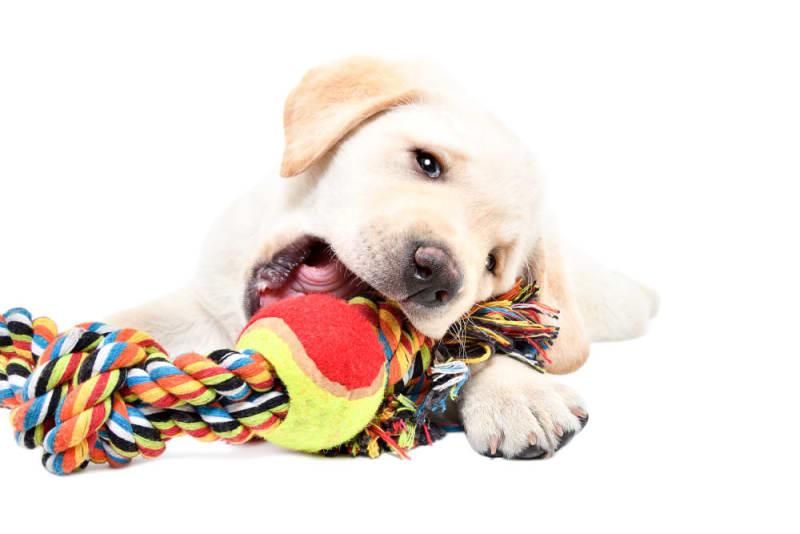
Rope balls combine chasing, gripping, and chewing in one toy. I like them for puppies who need several appropriate outlets during the day.
As always, supervision matters, especially with dogs who dismantle toys quickly.
Puppy Training Toys for Replacing Hand Biting
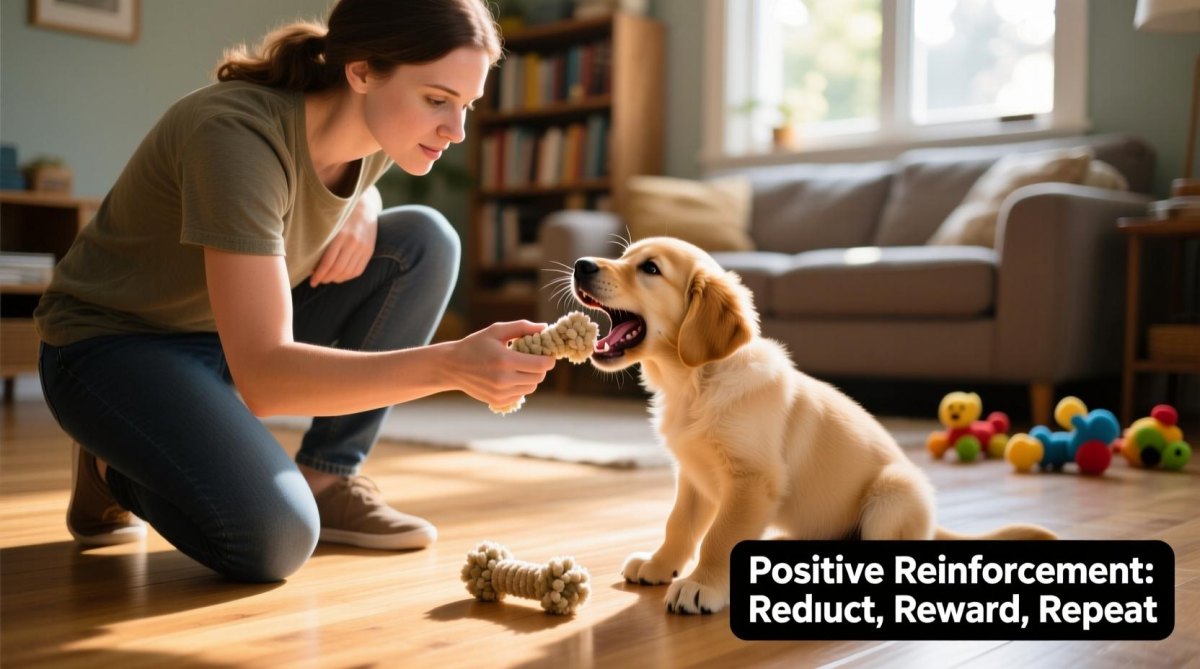
The best biting toy is the one you can actually offer before your puppy reaches your hands. I keep options nearby because timing beats frustration every time.
If biting is causing injuries, involves fear, or feels different from normal puppy mouthing, I recommend working with a qualified professional in person rather than trying to solve it from a blog post.

More Pinterest Visuals