Puppy teeth are tiny, sharp, and somehow always find the one spot on your hand that hurts most. I have worked with many mouthy puppies, and the first thing I tell owners is that nipping is normal puppy behavior, not a sign that they have a bad dog. Puppies explore, play, and learn through their mouths.
The goal is not to punish the puppy for using their mouth. My goal is to teach them where those teeth belong, prevent endless rehearsal, and build habits that still work when your puppy becomes a larger dog.
Identify Why Puppies Nip
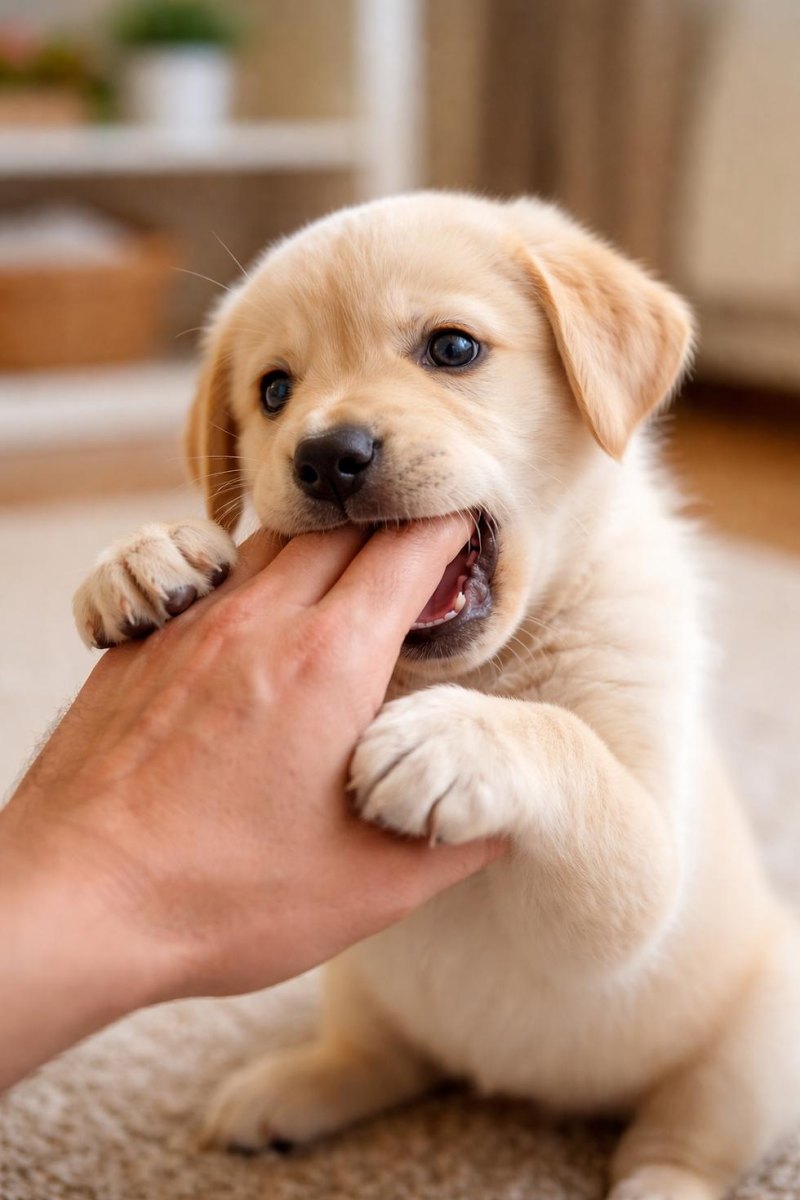
What I check first
- Play, exploration, teething, and excitement are common reasons puppies nip.
- Sudden changes or unusual biting deserve a closer look.
Before I change a puppy’s behavior, I look at what the puppy is getting from it. Nipping has a reason, whether that is play, curiosity, tiredness, or discomfort.
I also check the bigger picture: sleep, routine, stress, and body language. A puppy with a stiff body, tight mouth, or sudden behavior change may need more than a training adjustment.
Teach Bite Inhibition Early
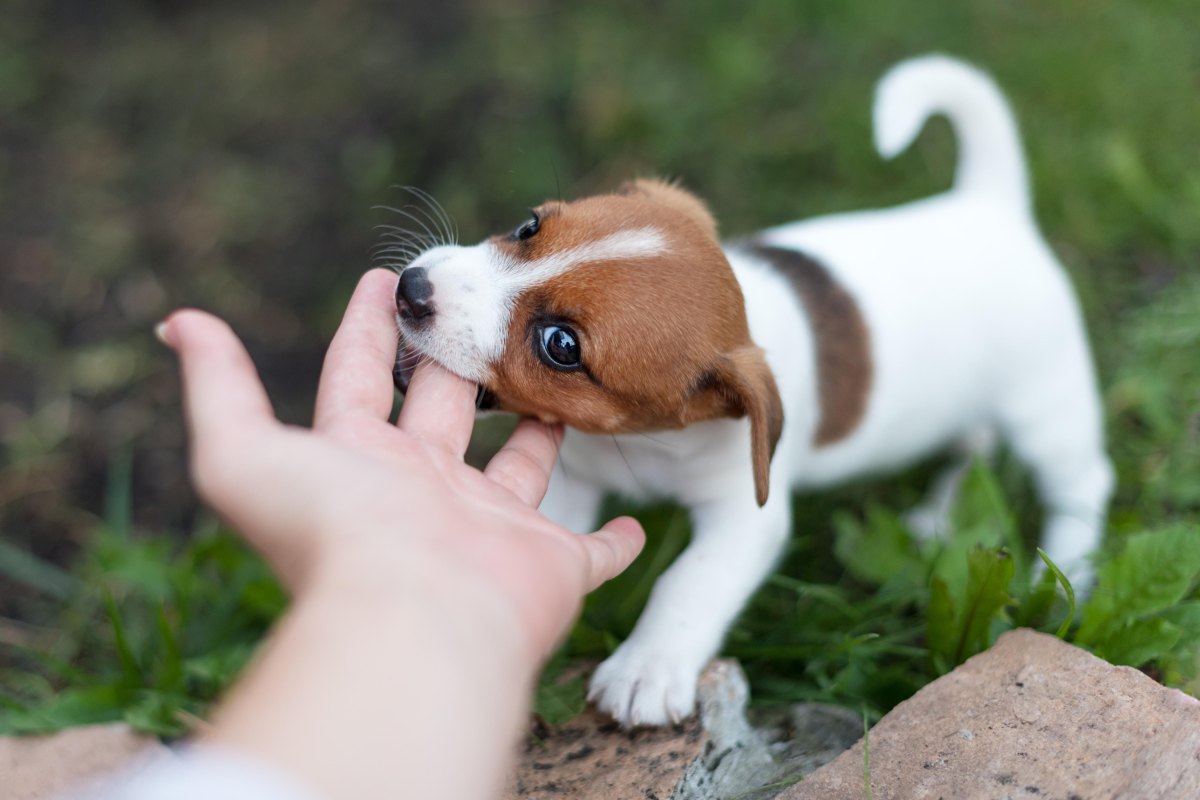
I focus on teaching gentle mouth skills rather than simply stopping all mouthing. Puppies naturally learn pressure control through play, and we can continue that lesson at home.
My approach is simple: teeth on skin make the fun pause, while calm choices make good things happen. Expect progress over weeks, not overnight.
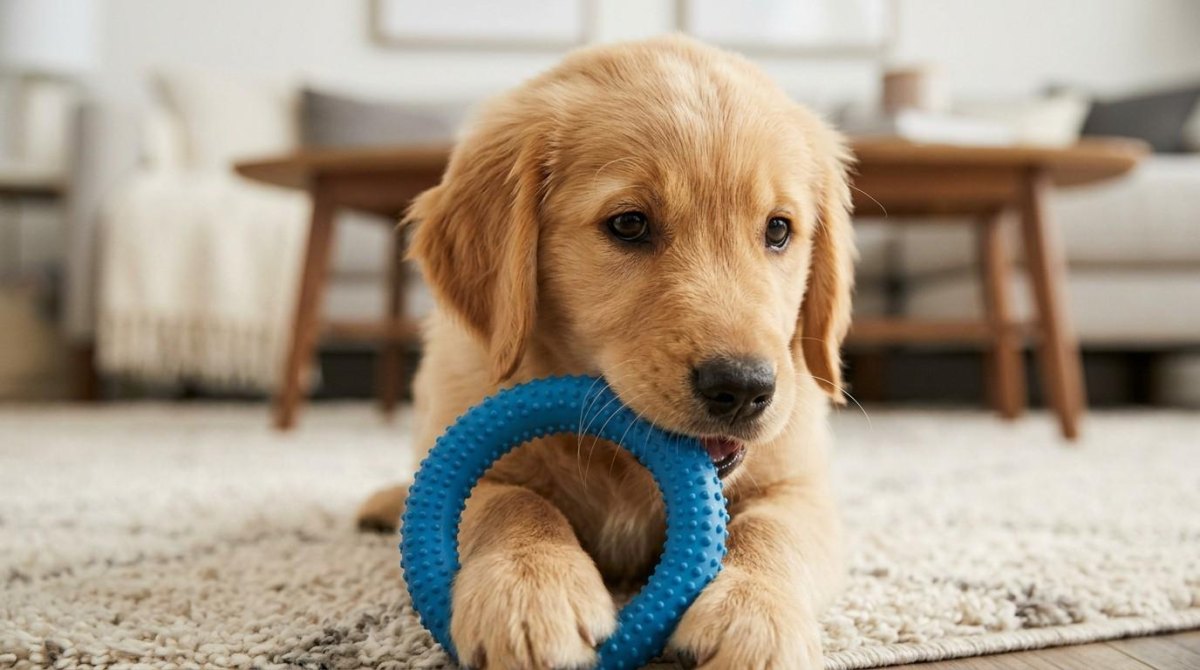
Redirect Biting to Toys
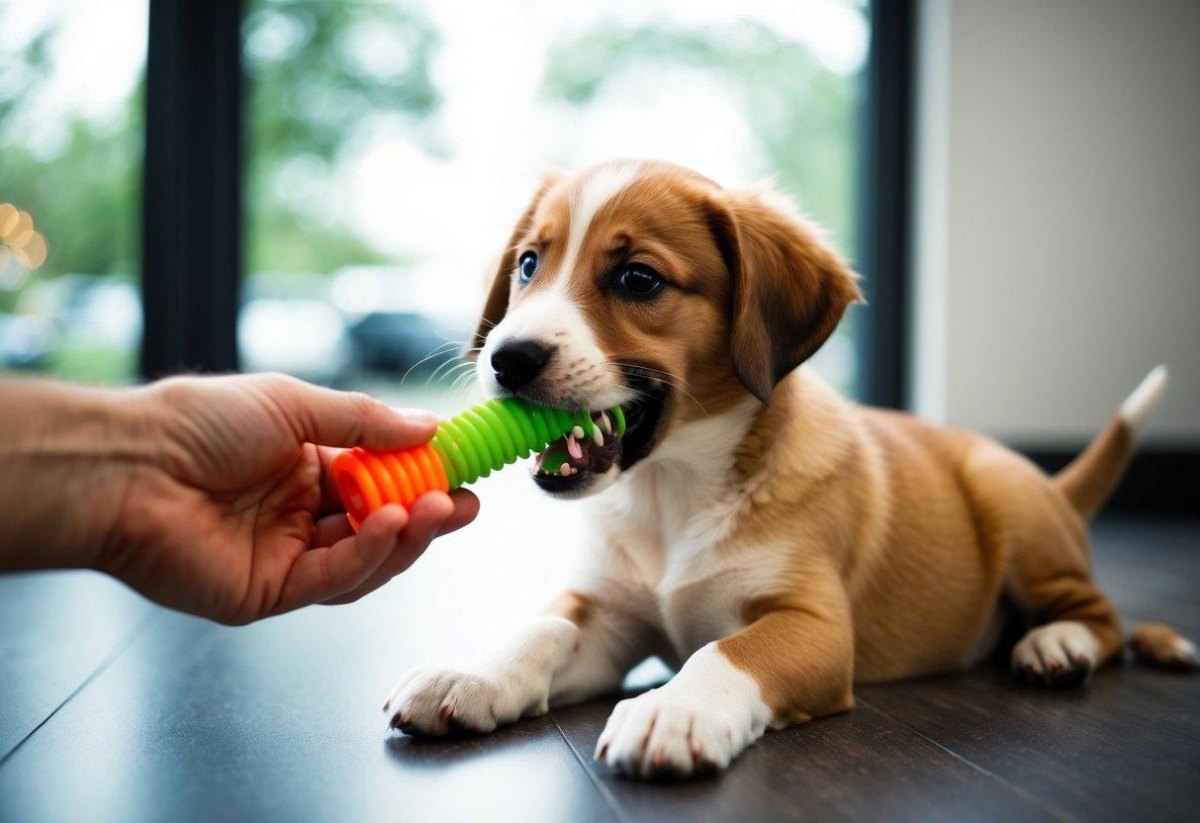
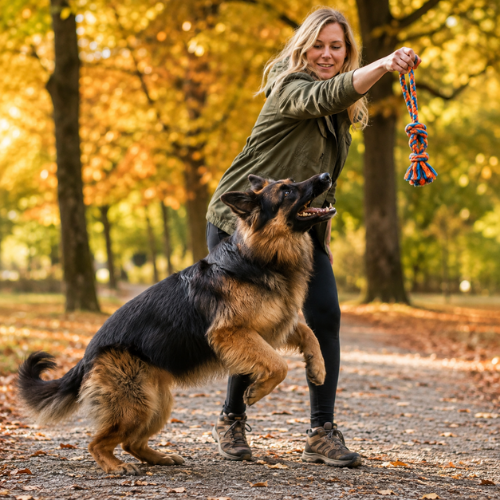
- Offer. Present a toy before your puppy reaches your hands.
- Reward. Praise when your puppy chooses the toy.
- Repeat. Build the habit every day.
I keep toys within reach because management matters. Fast redirection works better than waiting until your puppy is already latched onto your sleeve.
Use Consistent Training Cues
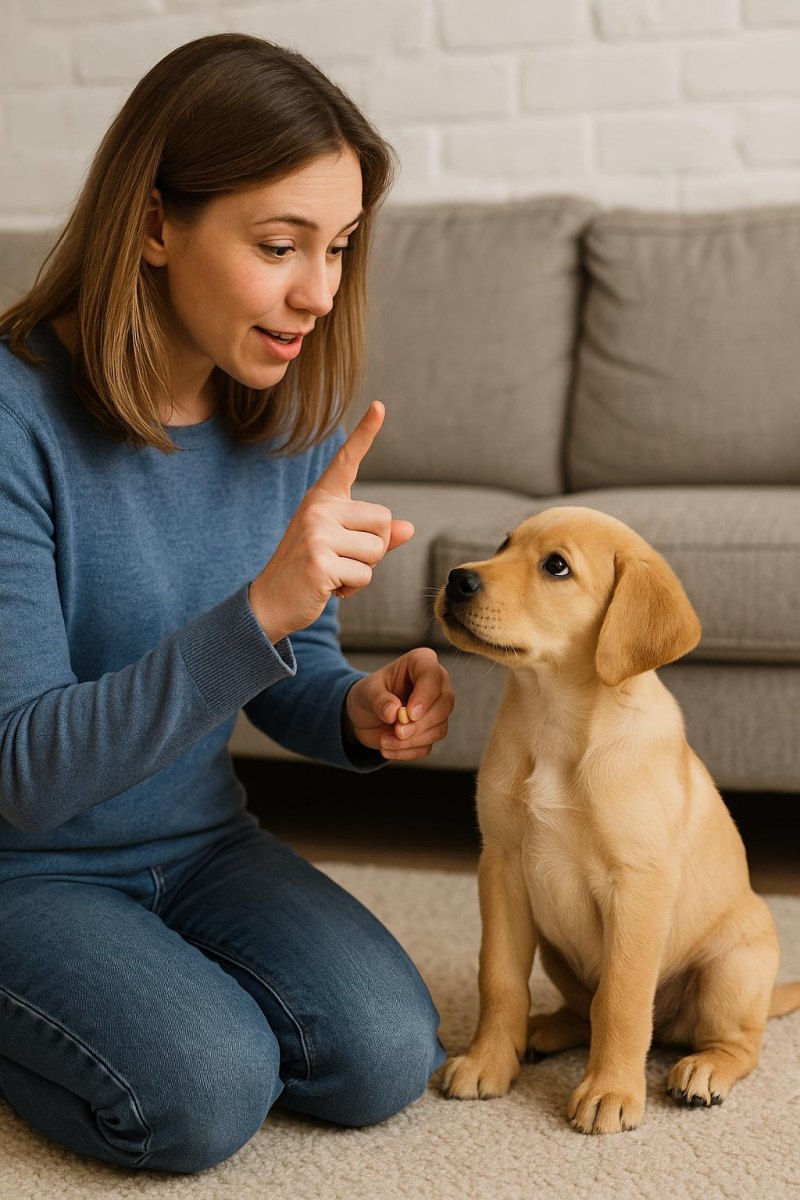
Everyone in the home needs the same response. If one person laughs at ankle biting and another stops the game, puppies get confusing information.
I prefer clear consistent cues paired with rewards. Training succeeds when the puppy can predict what happens next.
Avoid Encouraging Rough Play
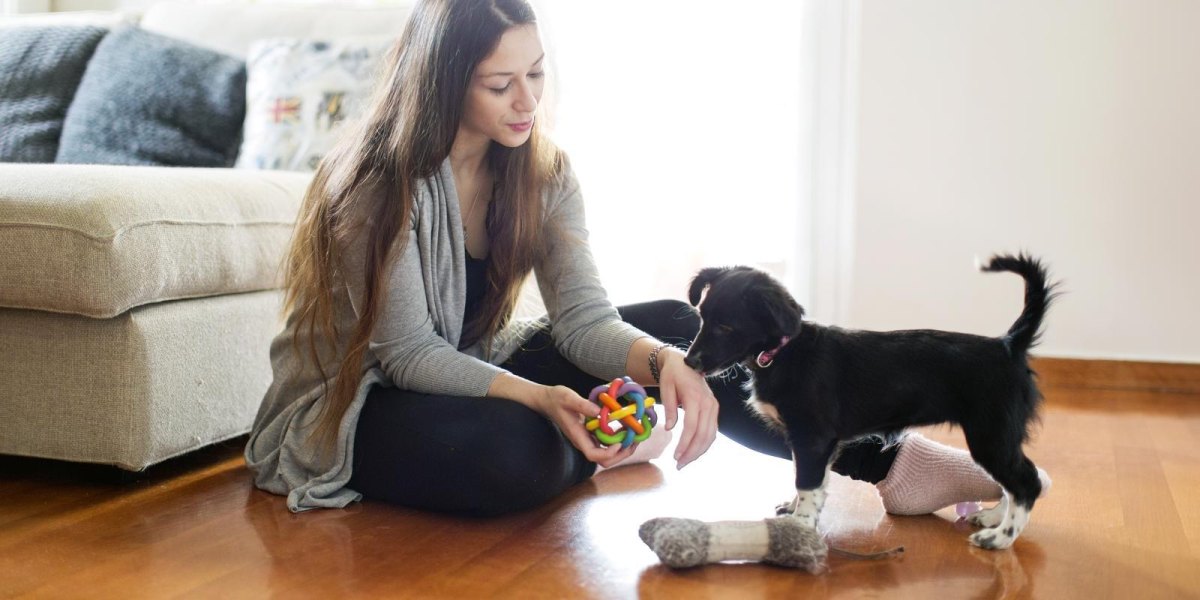
A mistake I see often
Using hands as wrestling toys teaches puppies that human skin is part of the game.
I avoid games that turn hands into chew targets. Appropriate play choices make it much easier for puppies to succeed.
Provide Enough Exercise and Playtime
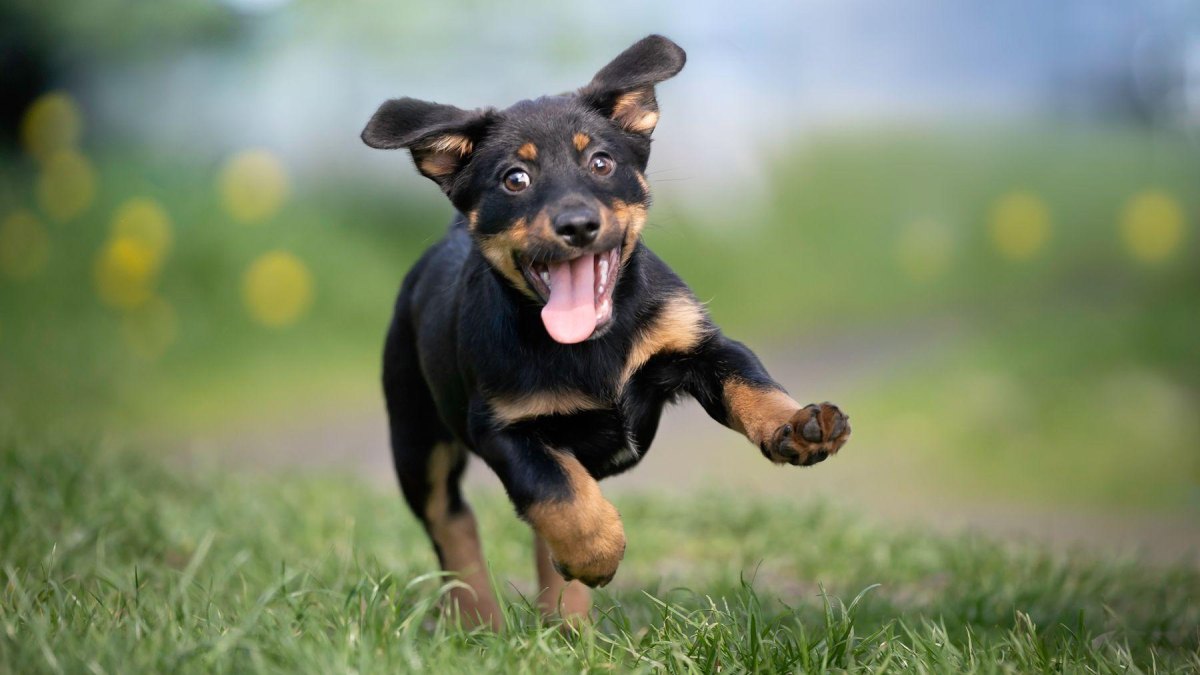
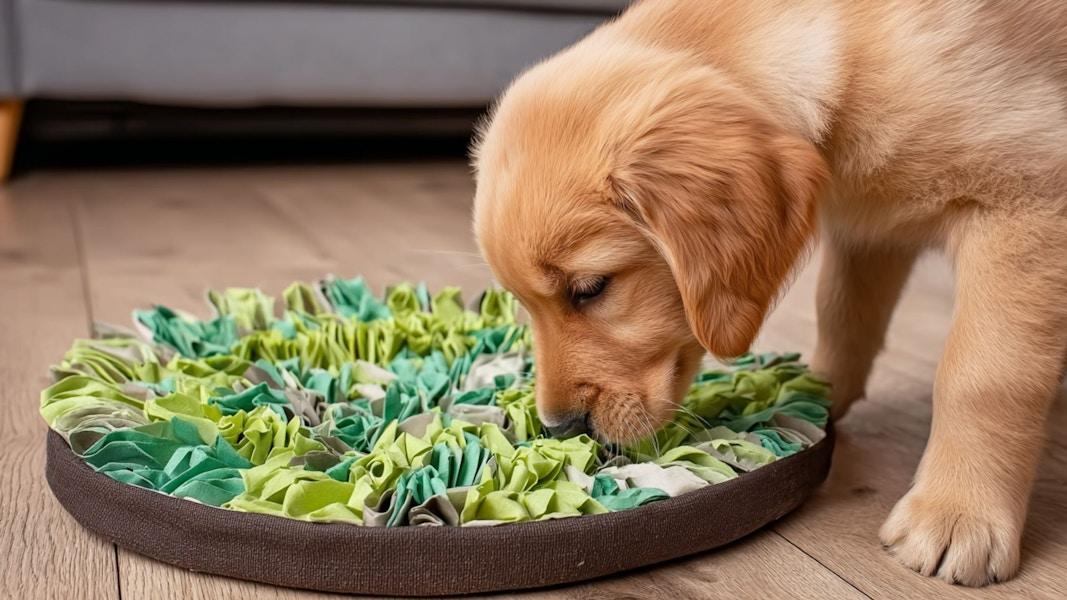
A puppy who has missed exercise, enrichment, or rest often becomes a tiny land shark by evening. I look at the whole routine, not just the biting moment.
Balanced daily activity includes play, sniffing, training, and sleep. Overdoing exercise can also create an overtired puppy who struggles to settle.
Manage Teething Discomfort
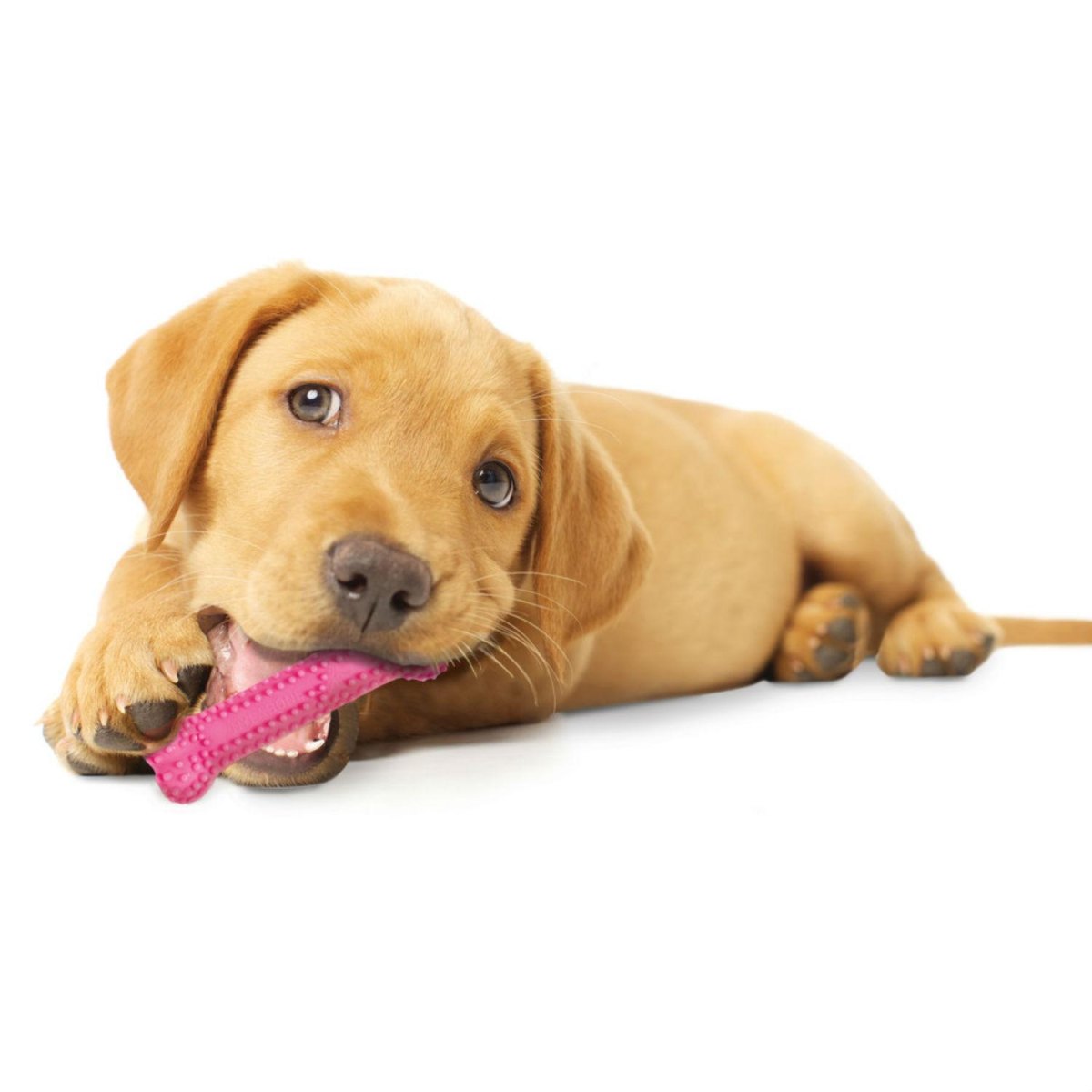
Teething can increase chewing because sore gums make puppies search for relief. I provide safe chewing options and watch the puppy’s preferences.
Teething support is about giving the mouth a better job than your fingers. Puppies commonly experience increased chewing during this developmental stage.
Recognize Overstimulation Triggers
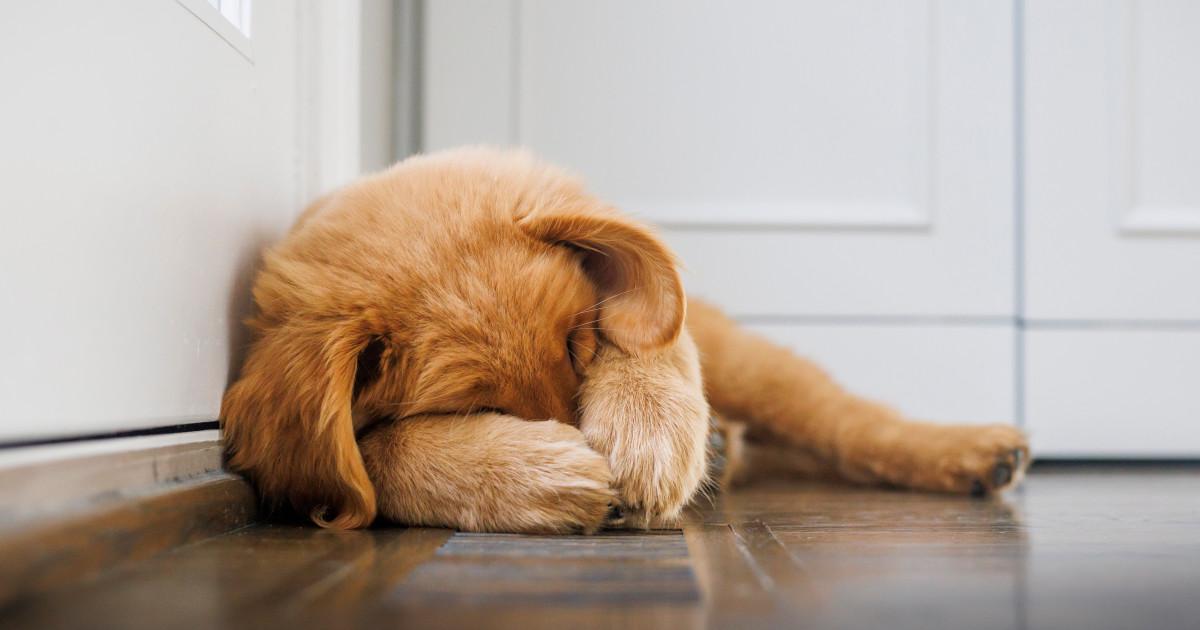
Many owners tell me their puppy suddenly becomes wild at night. Usually, the puppy is not being stubborn; the nervous system is overloaded.
I watch for early stress signals like frantic movement, grabbing clothes, ignoring cues, and difficulty settling.
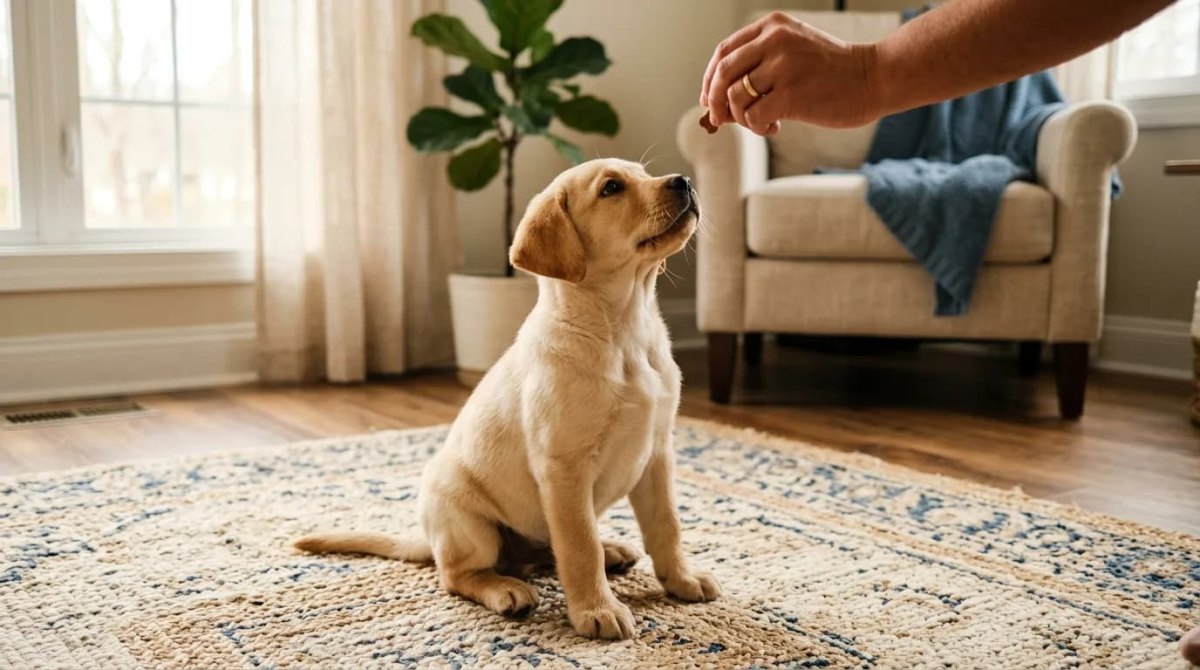
Reward Calm Puppy Behavior
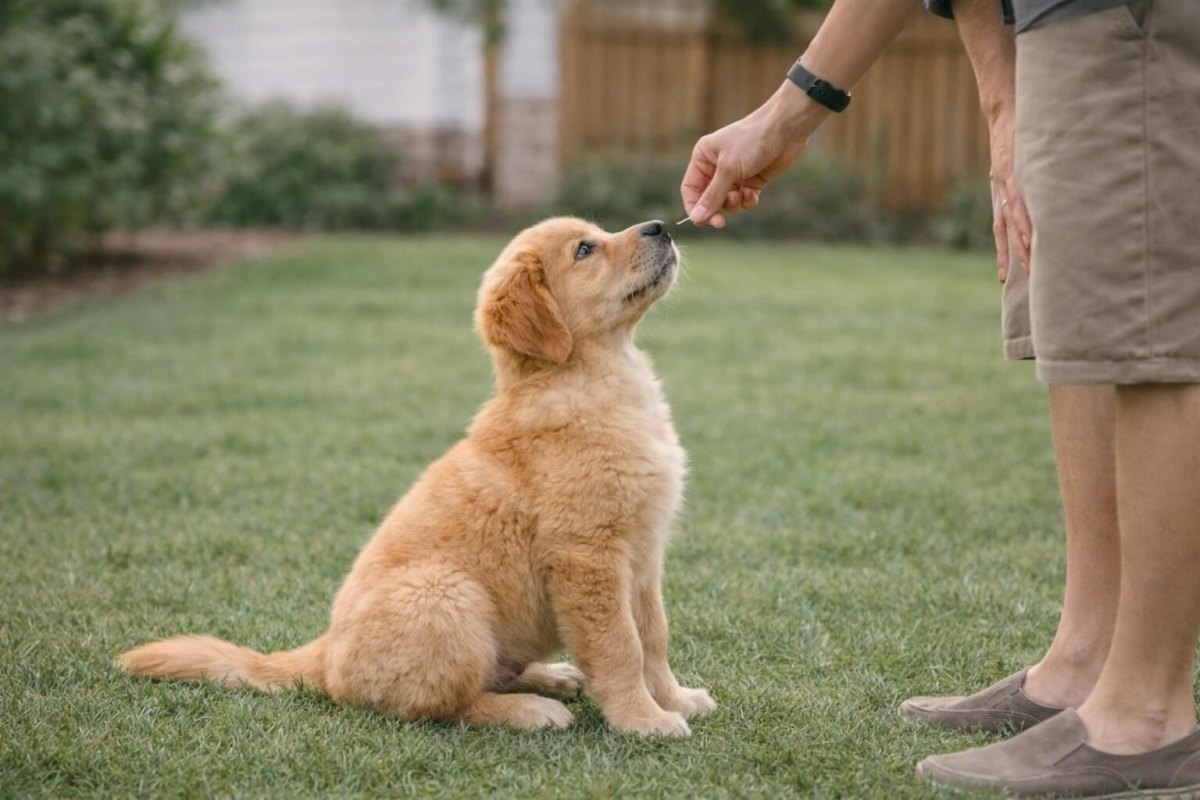
- Reward sitting quietly.
- Praise relaxed body language.
- Reinforce gentle interactions.
I want puppies to discover that calm behavior pays. Waiting until the puppy is already biting means I am always playing catch-up.
Create a Safe Puppy Environment
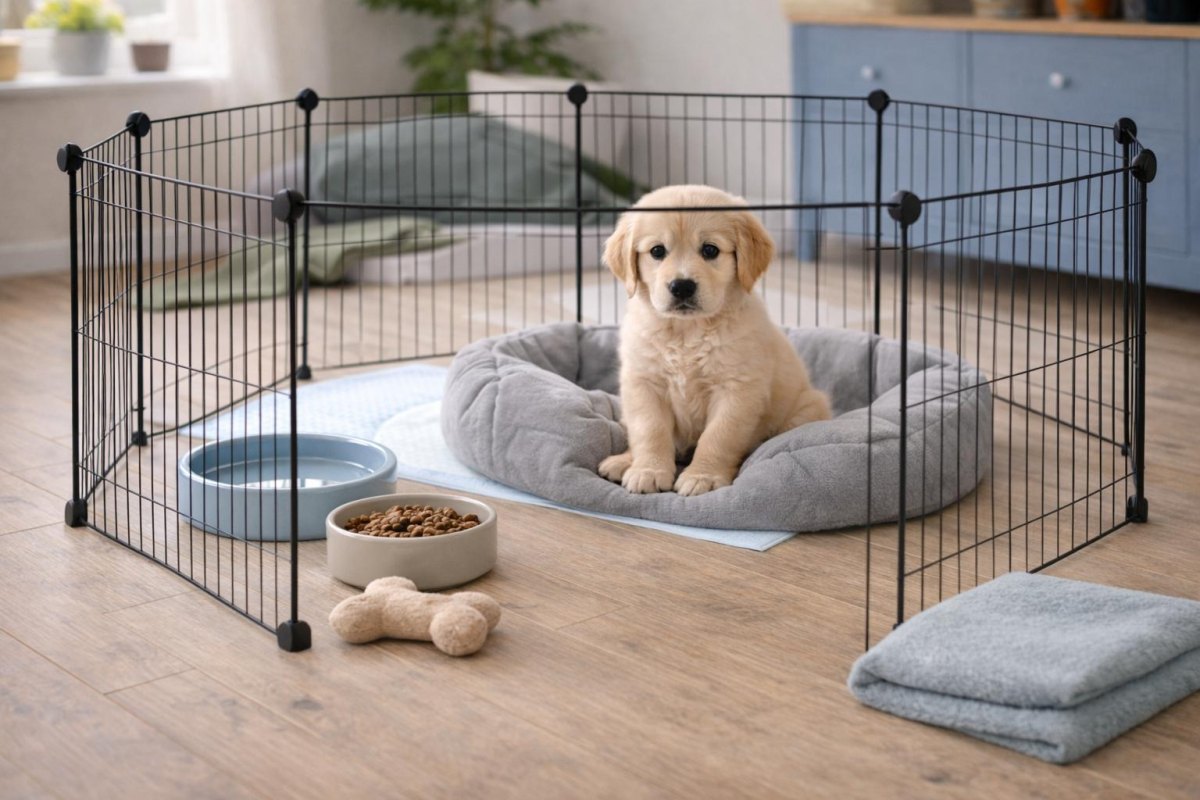
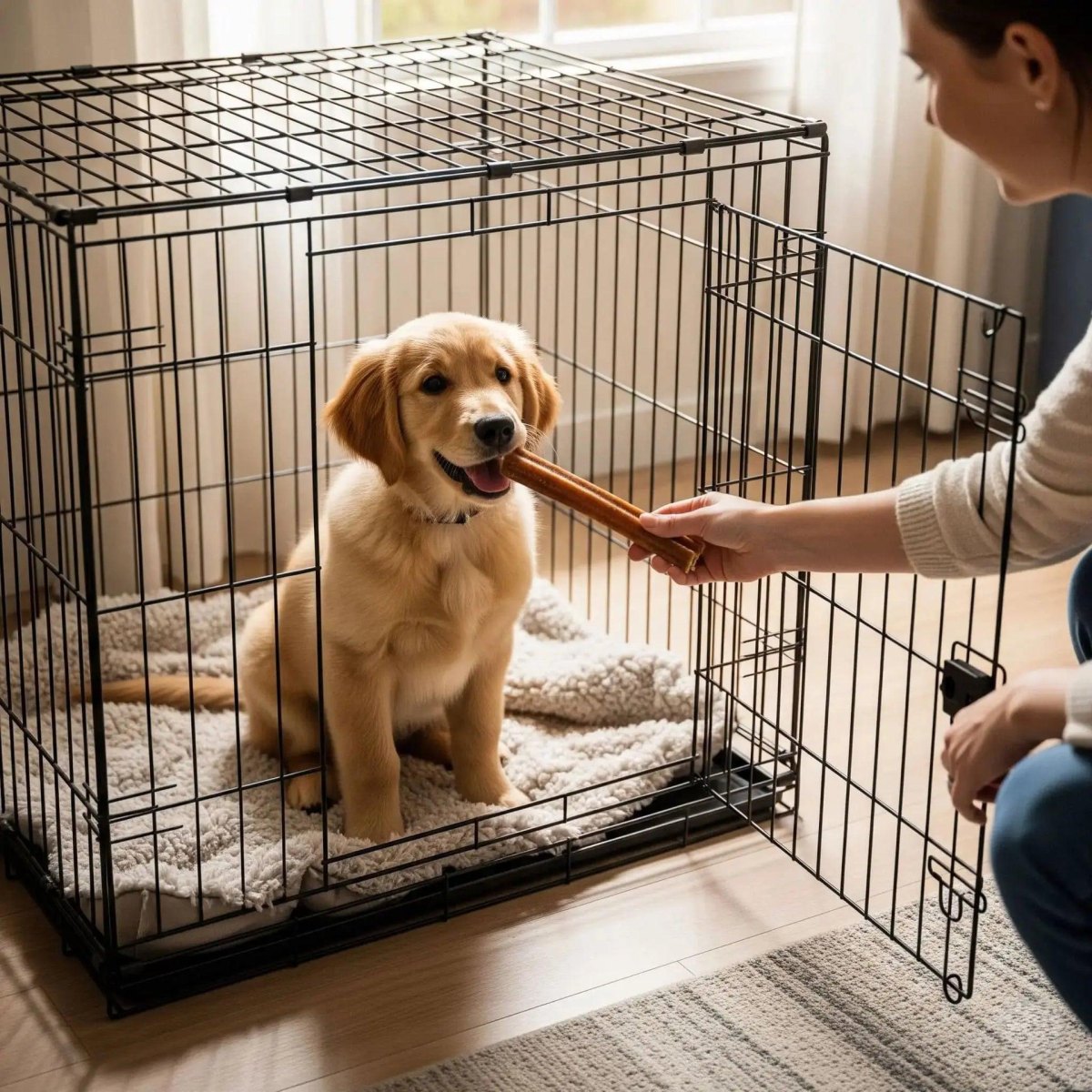
Before training starts, I remove opportunities for unwanted practice. Baby gates, toy stations, and safe spaces are not failures; they are smart management.
Preventing rehearsal gives the puppy more chances to practice the behavior we actually want.
Handle Nipping During Walks
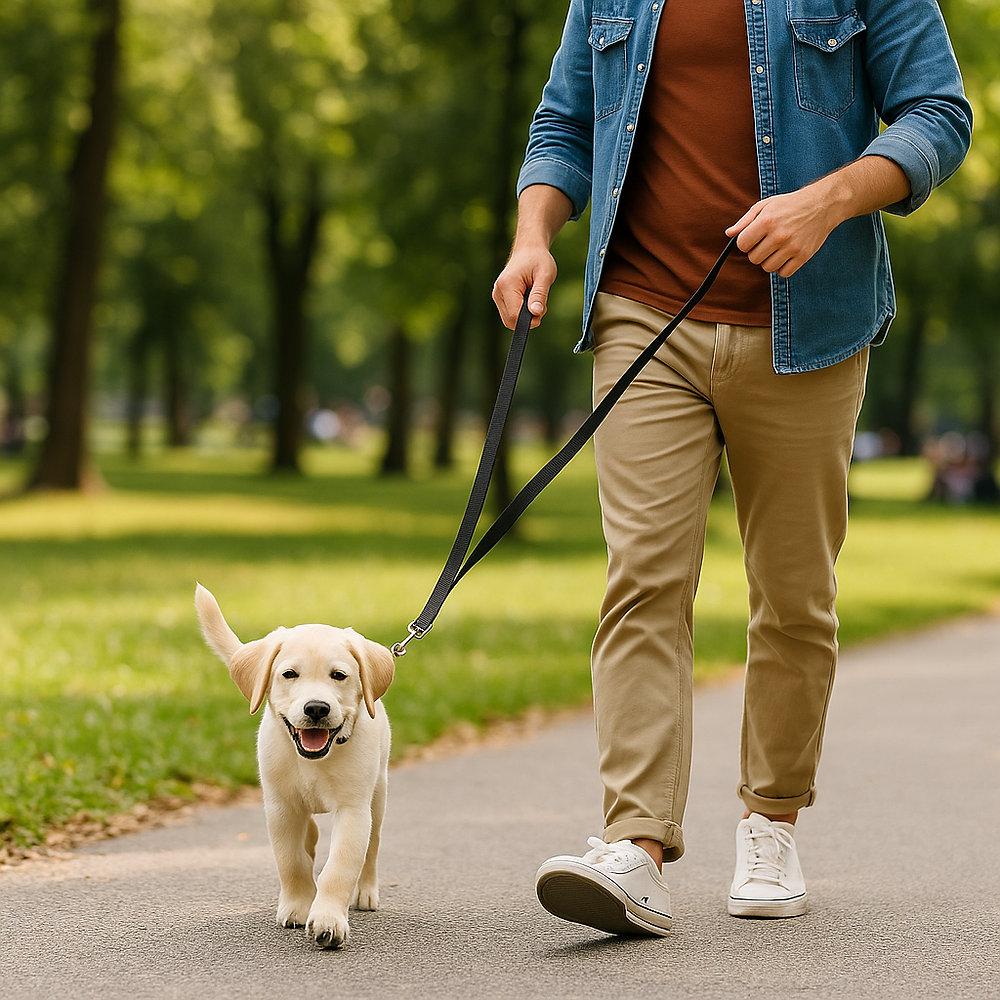
Ankle nipping on walks usually means the puppy needs a different plan, not a louder correction. I slow things down and prepare before the problem appears.
Walk preparation includes carrying rewards, choosing suitable routes, and noticing triggers early.
Stop Nipping During Handling
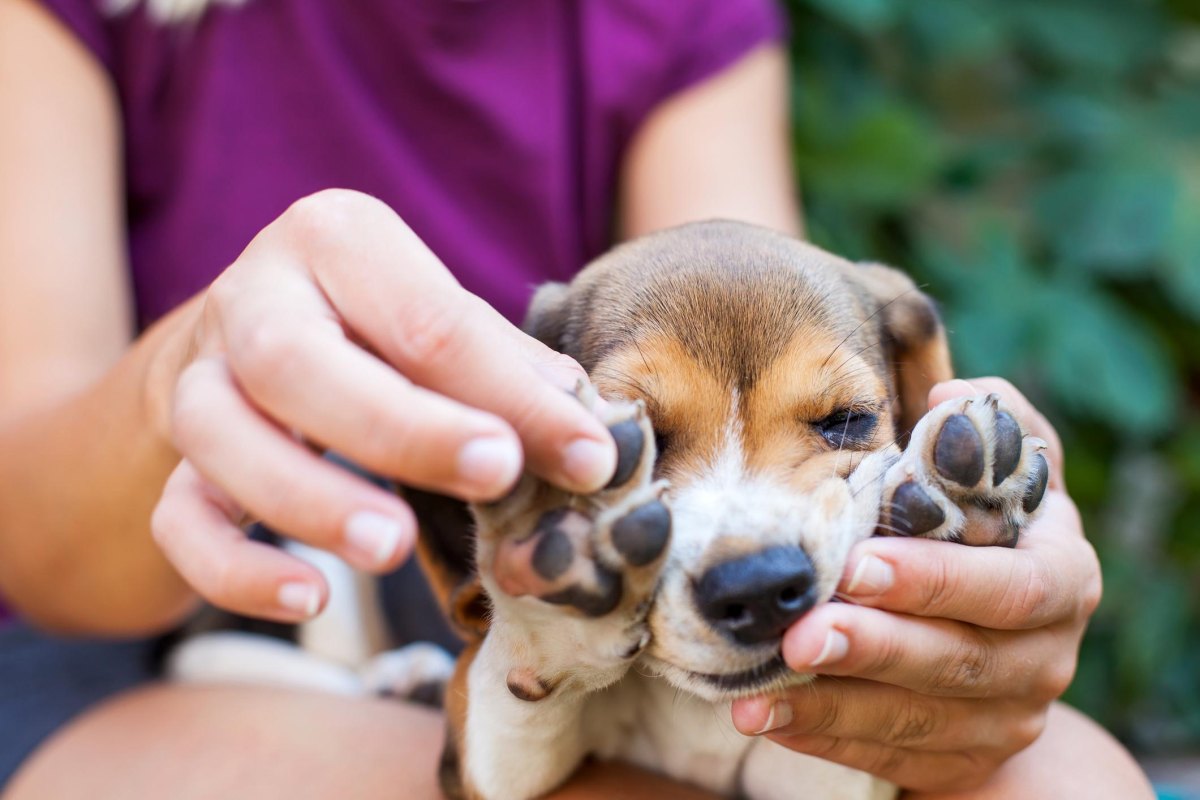
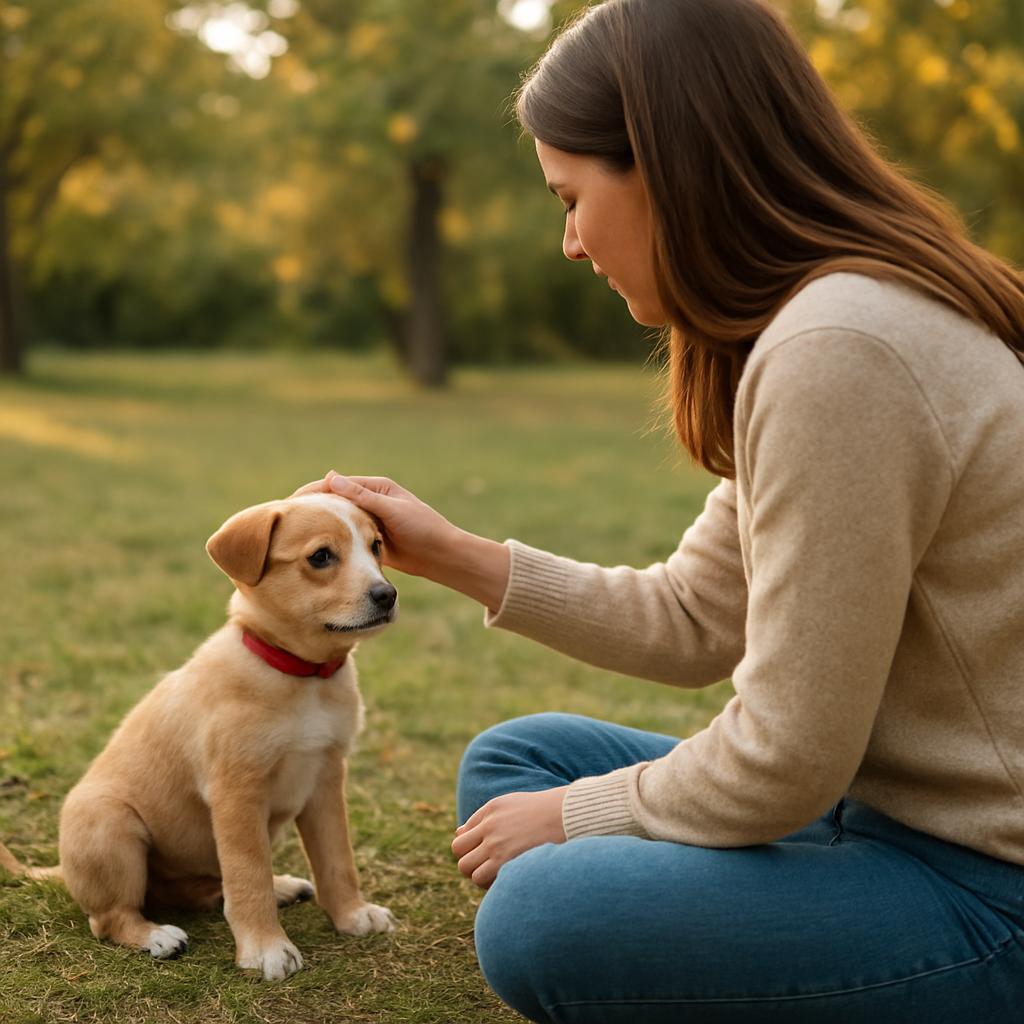
Handling practice should happen when puppies are relaxed. I teach tiny steps with paws, ears, and collars instead of forcing contact.
Positive handling skills make grooming, vet visits, and daily care much easier later.
Socialize Your Puppy Properly
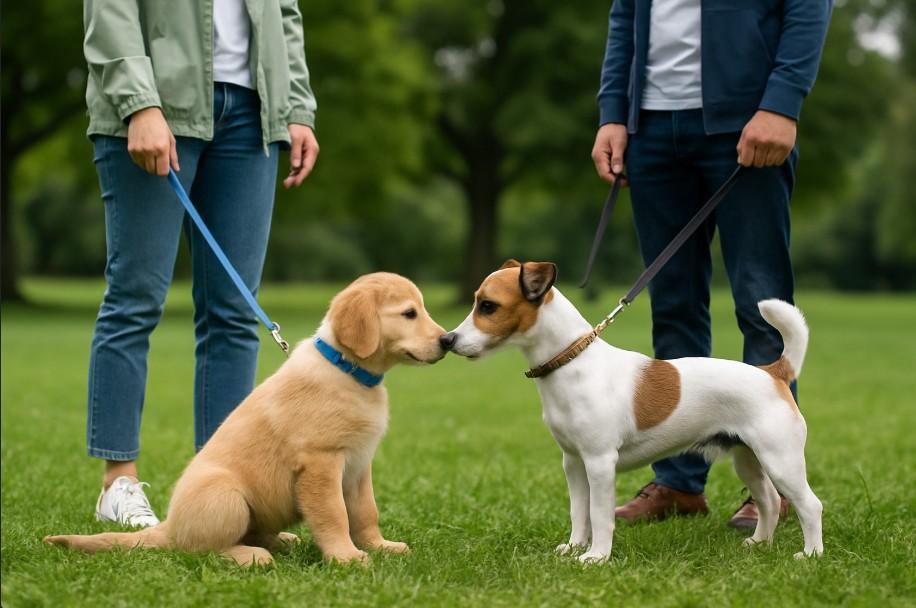
Good socialization is not throwing a puppy into every situation. I prefer controlled, positive experiences where the puppy can leave before becoming overwhelmed.
Quality exposure matters more than collecting as many experiences as possible.
Teach Children Safe Puppy Interaction
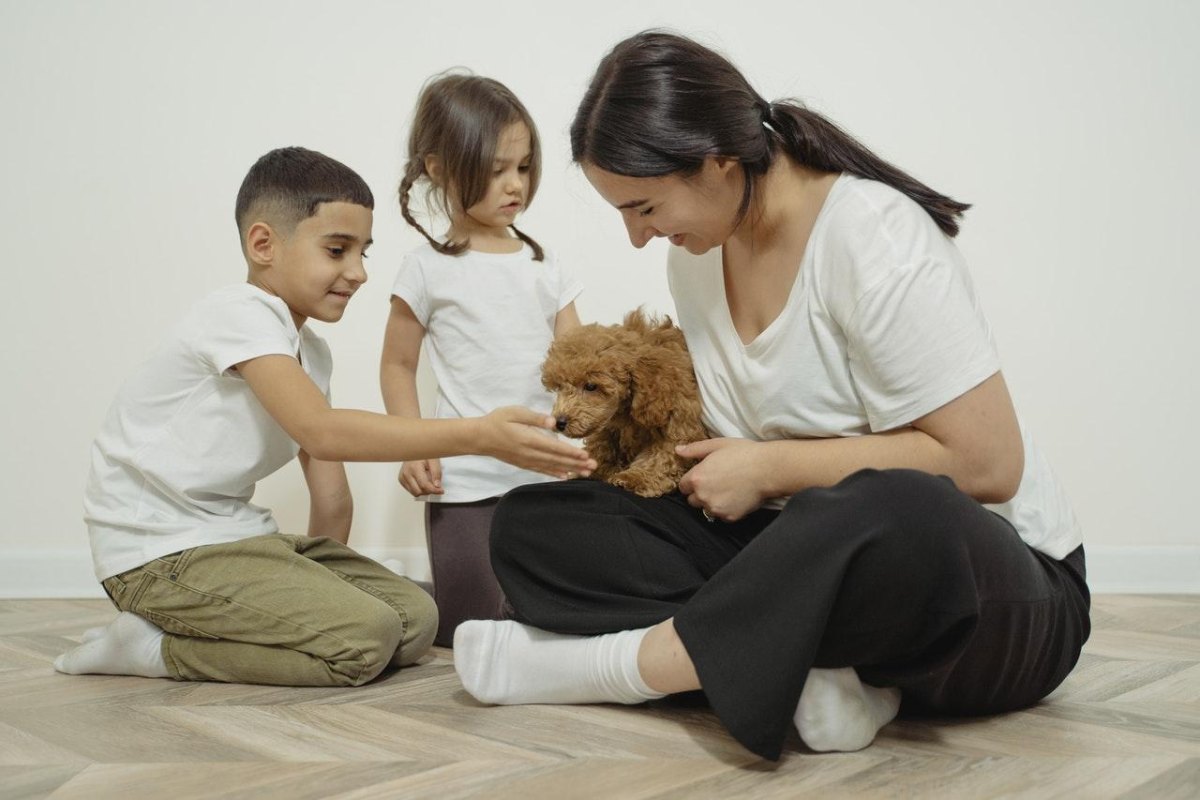
My family rule
Children and puppies need supervision because both are still learning.
I teach children to notice puppy body language and avoid chasing, grabbing, or encouraging rough games.
Track Progress With a Nipping Log
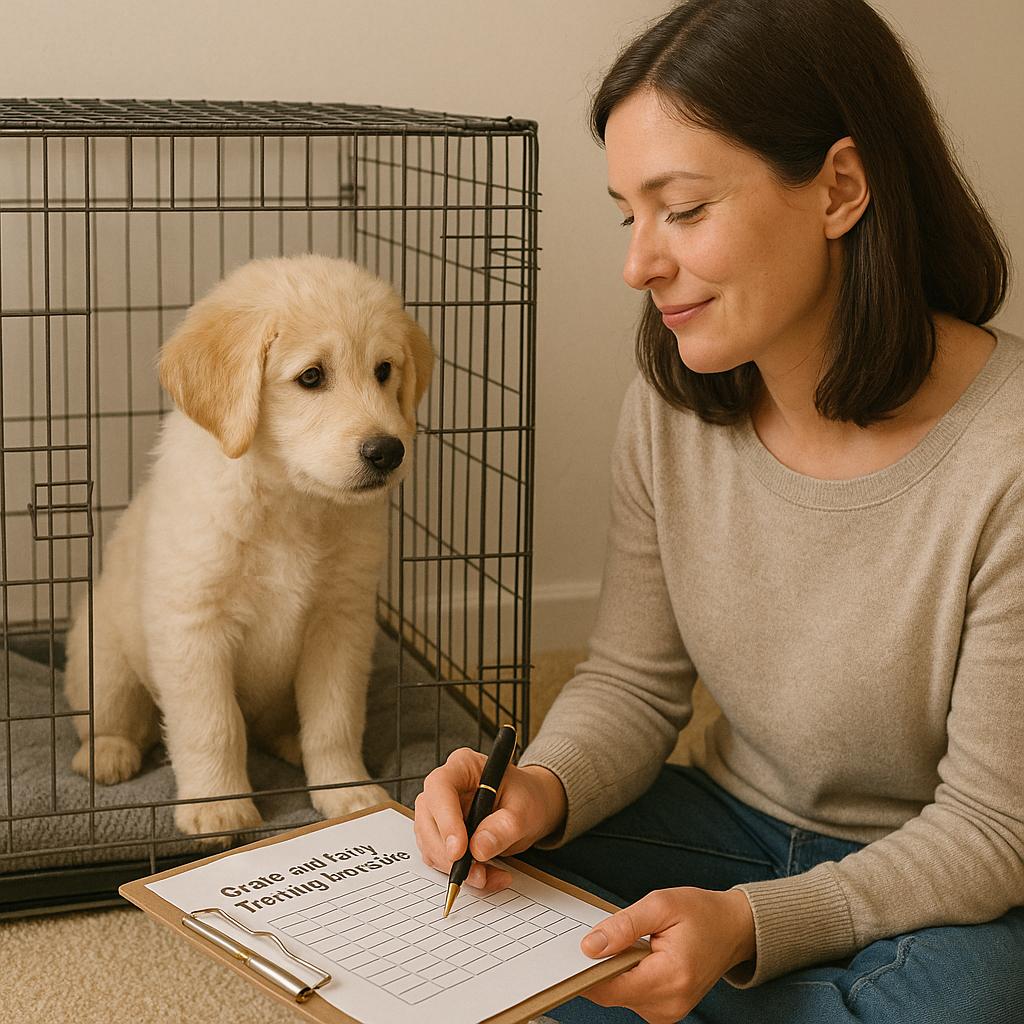
I like simple notes: time, trigger, what happened before, and what worked. Patterns appear quickly when they are written down.
A behavior log helps owners see improvement, especially during the frustrating middle weeks when progress feels slow.
Know When to Seek Professional Help
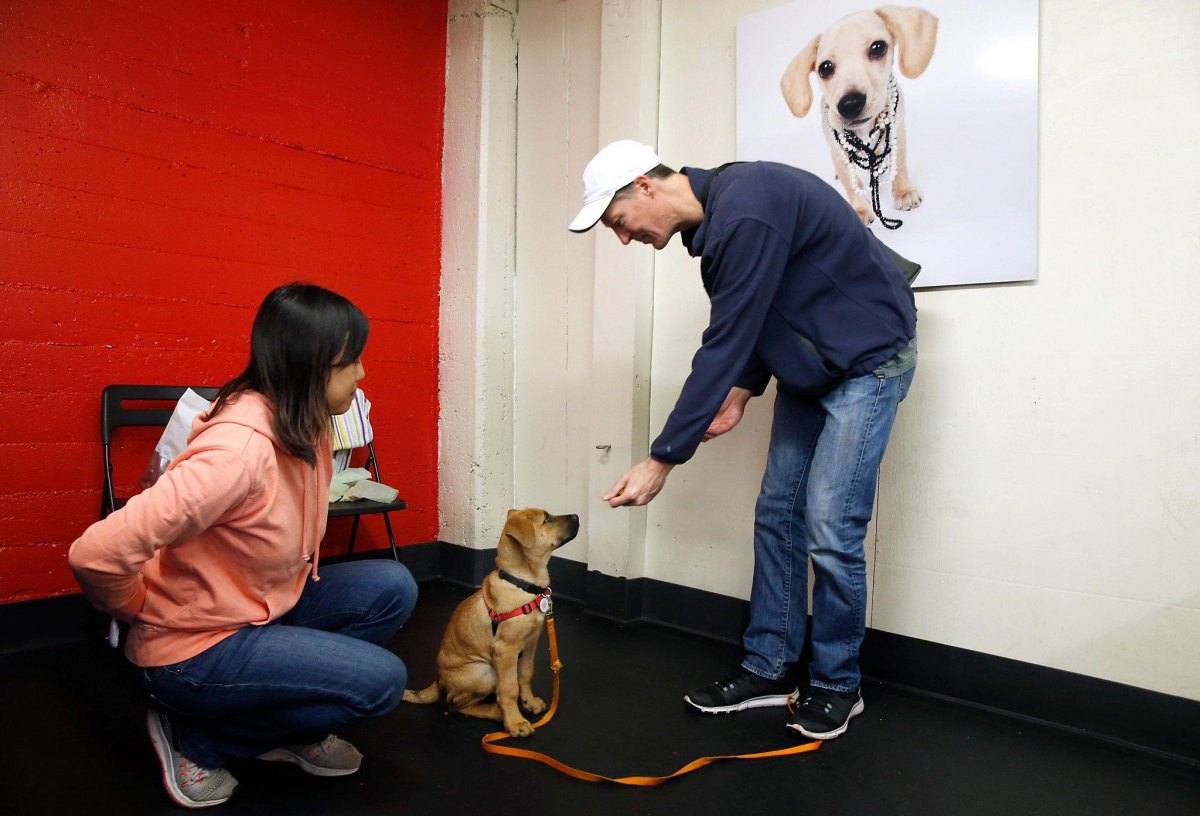
Most puppy nipping improves with consistency, but some situations need an in-person professional. I recommend help when bites break skin, fear is involved, or the behavior feels unsafe.
Professional guidance matters when safety is a concern. A veterinarian or qualified behavior professional can help rule out medical issues and create an appropriate plan.
More Pinterest Visuals