I have met plenty of puppies who look like they came with a built-in espresso machine. The jumping, spinning, barking and inability to settle are exhausting, especially when you are trying your best and your neighbour is watching from the porch. Calm behaviour is a skill, not a personality trait puppies either have or do not have.
In my training room in Asheville and out on the quiet trails where I work with dogs, I start with one question: what is making this puppy too overwhelmed to succeed? Lowering stress first gives us a puppy who can actually learn.
What this guide covers
- How to read puppy stress signals before behaviour escalates
- How to create a calmer daily environment
- How to teach relaxation with rewards and repetition
Understanding Puppy Triggers and Stress Signals
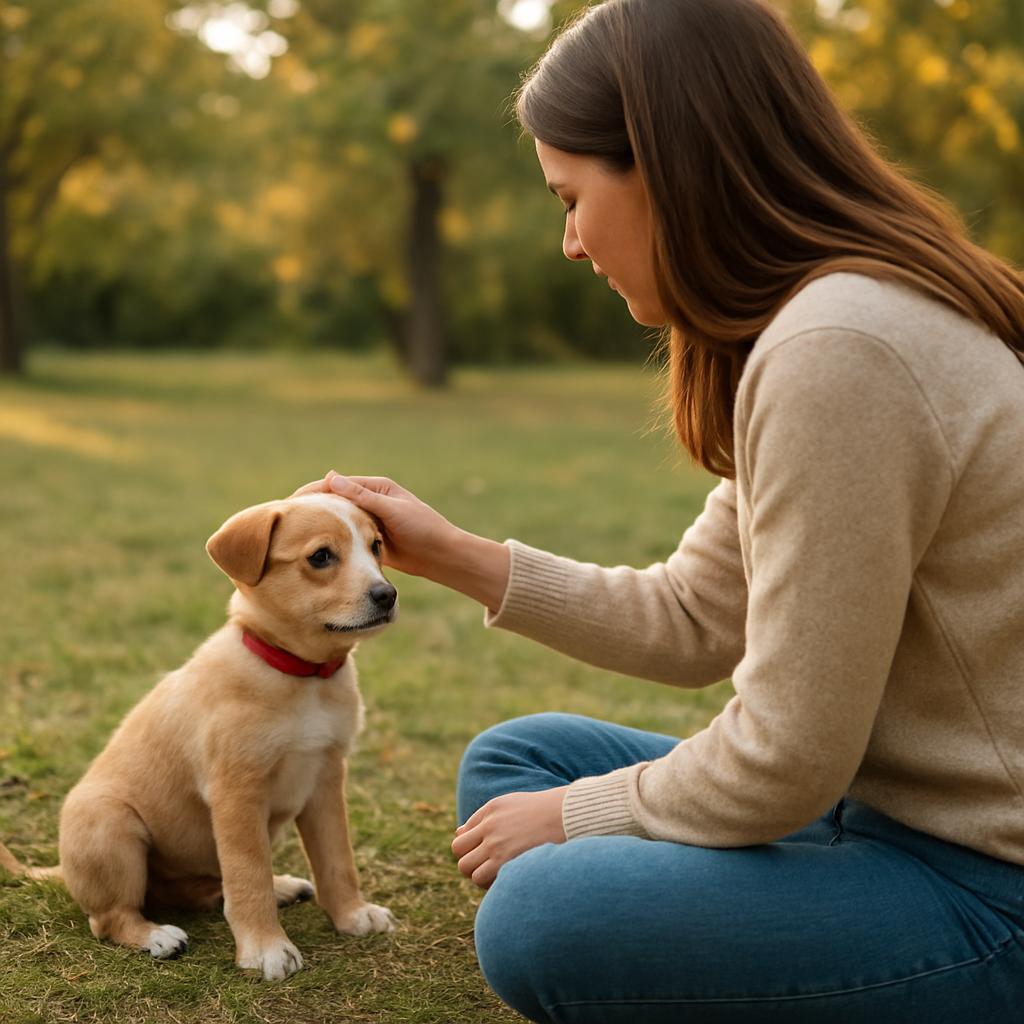
Before I teach a puppy to relax, I teach the human holding the leash to notice the tiny clues. A puppy rarely goes from peaceful to chaos with no warning. Body language comes first: watch for lip licking, tucked tails, ears pulled back, freezing, turning away, changes in breathing, or a sudden shift in weight.
I learned this during my years in veterinary practice. The dogs who looked 'difficult' often looked scared long before they growled or snapped. Stress signals are information, not bad behaviour. If your puppy suddenly changes behaviour, especially with possible pain, appetite changes, or sleep changes, I want a vet check before a training plan.
Trainer tip
Create distance early when your puppy is overwhelmed. Moving away is not giving up; it prevents your puppy from practising the reaction you are trying to change.
Creating a Calm Puppy Training Environment
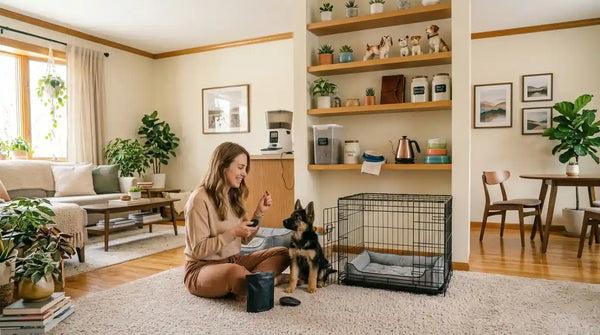
A puppy cannot learn relaxation in a constant storm of noise, excitement and interruptions. I start by managing the environment: quieter walking routes, predictable routines, rest periods and a safe resting area. Management prevents rehearsal, which is the unglamorous step that makes training possible.
In my own home, Bruno taught me this lesson the hard way. During his first difficult months, I spent too much time trying to train through chaos instead of reducing the chaos first. The environment is part of training, not something you deal with after training fails.
Teaching Relaxation Through Positive Reinforcement
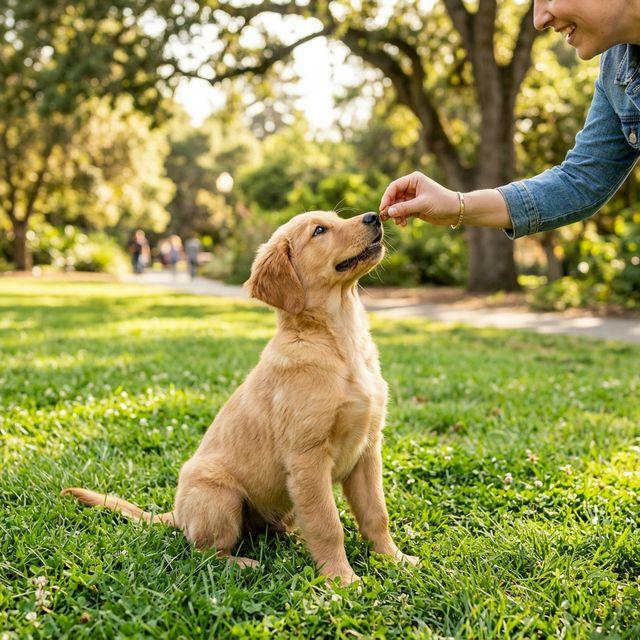
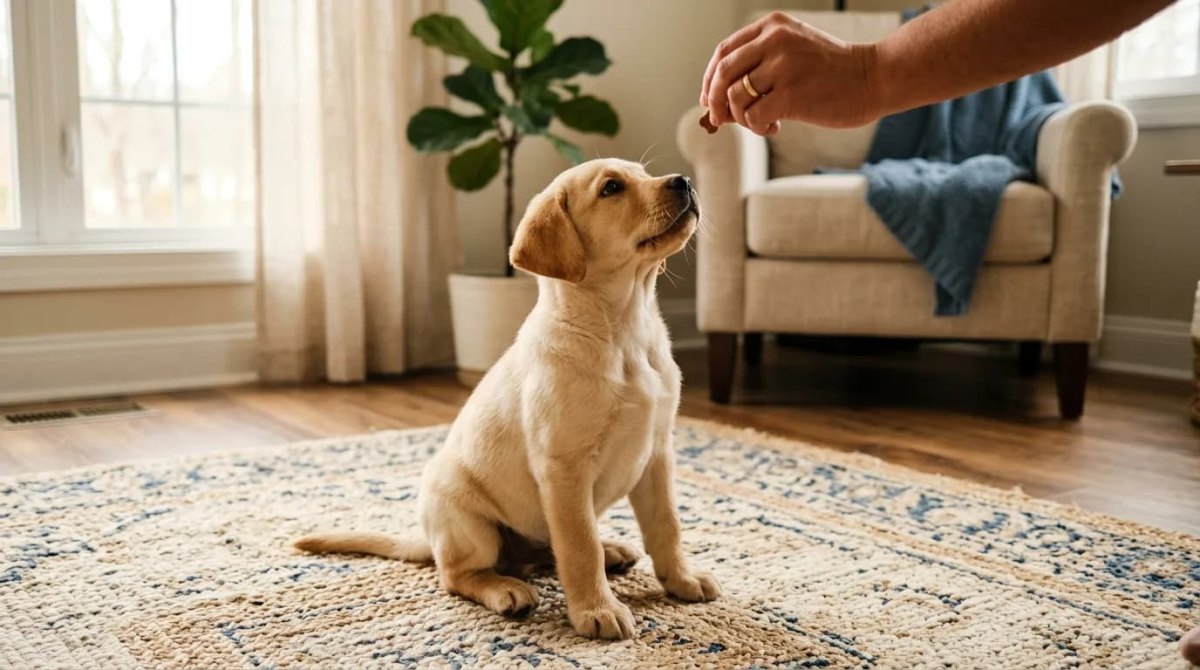
I do not wait for a puppy to magically become calm. I capture calm moments and make them valuable. When a puppy lies down, softens their body, or chooses to settle, I quietly reward that choice. Relaxation can be trained just like sit or recall. Reward-based relaxation exercises are commonly used to build calmer responses.
The prerequisite is simple: the puppy has to be calm enough to learn. If your puppy is barking, spinning and unable to eat a treat, the exercise is too difficult. Lower the challenge level, help the puppy succeed, and build slowly.
Building Impulse Control With Simple Exercises
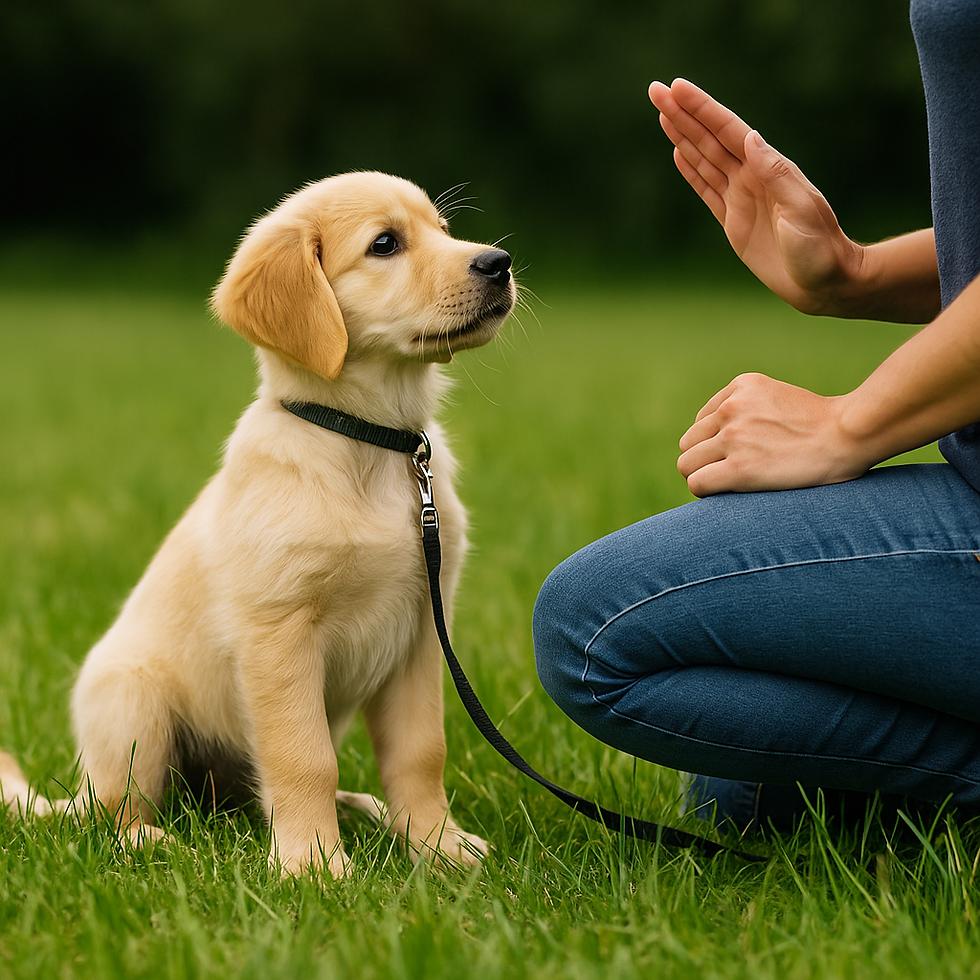
Impulse control is not about making a puppy obedient through frustration. It is about teaching the puppy that waiting and thinking work. I use simple exercises like waiting for food, pausing at doors and learning 'leave it.' Self-control grows gradually through successful repetitions.
I keep these sessions short because puppies have very small attention buckets. Five good repetitions beat twenty messy ones. Small wins build habits, especially for puppies who are naturally enthusiastic about absolutely everything.
| Exercise | Goal |
|---|---|
| Wait for food | Practise patience before access to rewards |
| Door pauses | Teach calm movement instead of rushing |
Helping Puppies Stay Calm Around Distractions
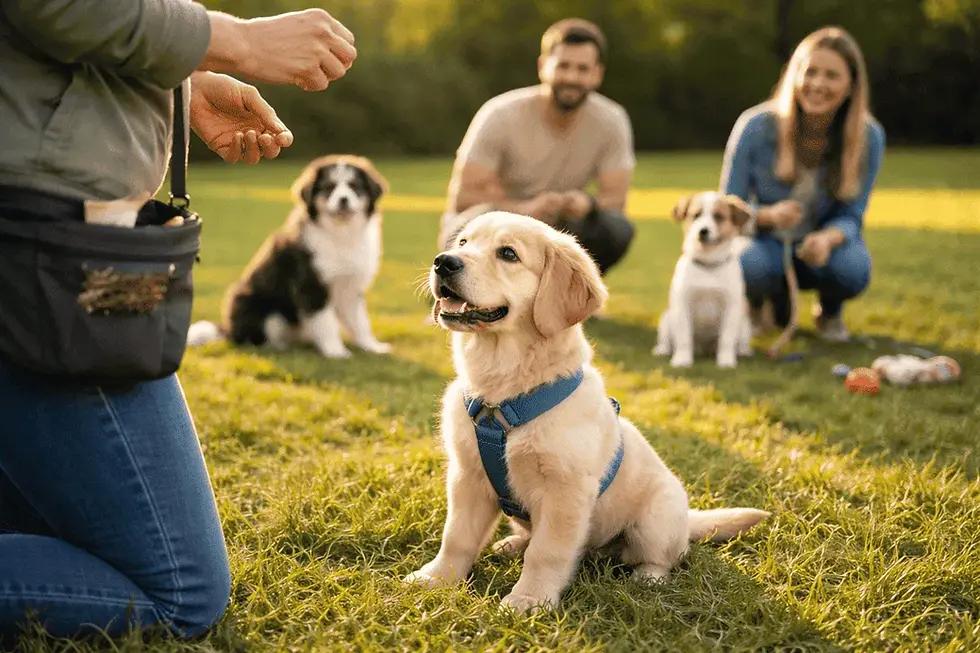
The puppy who sits beautifully in your kitchen may forget every lesson when a squirrel appears outside. That is normal. Distractions change the difficulty, and dogs need gradual practice with new environments. Build distractions slowly instead of testing your puppy at the hardest level immediately.
For puppies worried about people, dogs or new places, I use controlled exposure and positive associations. We work below the point where the puppy is panicking. Threshold matters more than forcing bravery, because a flooded puppy is not learning.
Avoid this mistake
Do not push through fear by forcing greetings or overwhelming situations. If a puppy cannot respond, eat or relax, increase distance.
Developing Long-Term Calm Behavior Habits
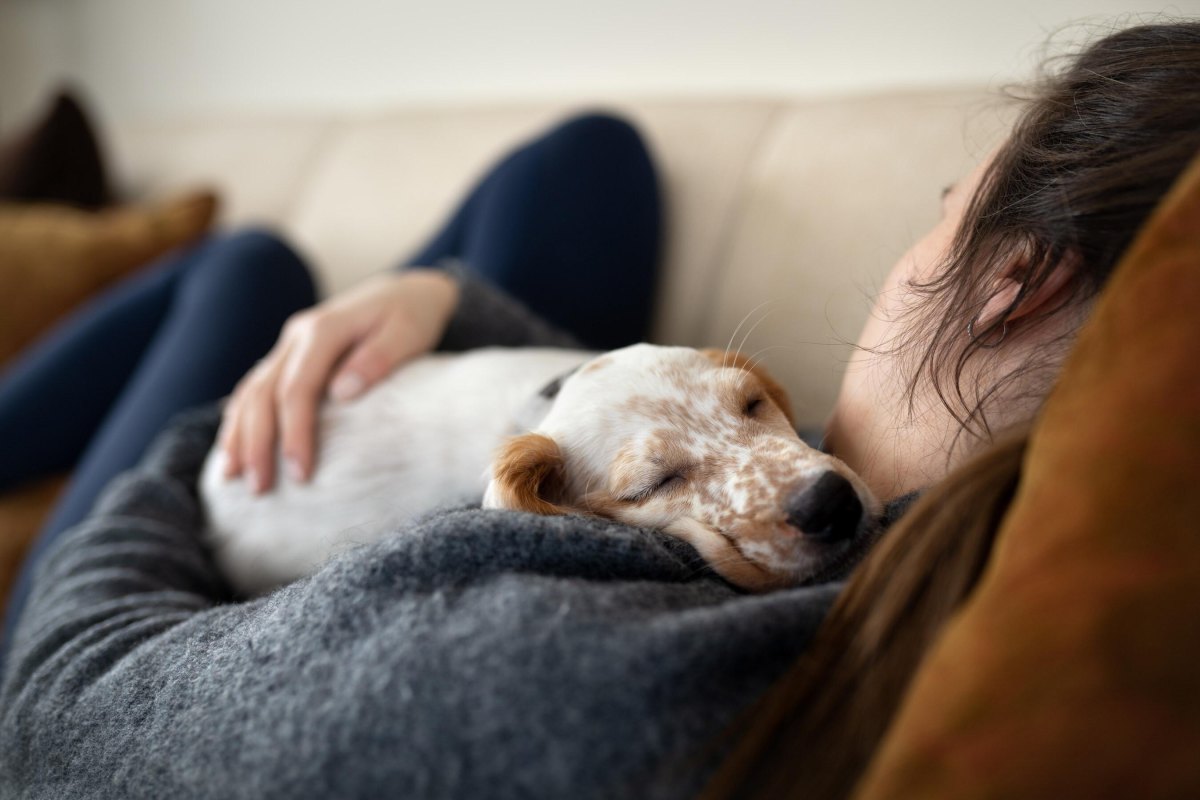
Calm puppies become calm adult dogs through thousands of ordinary choices, not one perfect training session. Socialisation, daily routines and positive experiences shape confidence, especially during early development. Quality experiences matter more than dragging a puppy through every possible situation.
I tell my clients that progress is measured in months, not magical weekends. Bruno is eight now and wonderfully improved, but he is still not my festival dog. Realistic progress lasts because it respects the individual dog in front of you.
A practical reminder
Consistency beats intensity. A few calm minutes every day will teach your puppy more than occasional exhausting training marathons.
More Pinterest Visuals