A leash pulling dog can turn a simple walk into a full-body workout you never signed up for. I've worked with plenty of dogs who were lovely at home and somehow transformed into tiny sled dogs the moment the front door opened. This checklist focuses on teaching calm leash skills while preventing the pulling habits your dog has already practiced.
Before training begins, I always look at the setup: the route, the equipment, the dog's stress level, and what happens before the pulling starts. Loose leash walking usually takes weeks of practice, not one magic afternoon, and setbacks are part of the process.
Loose leash walking checklist
- Choose comfortable equipment that does not create discomfort or fear.
- Practice where your dog can think before adding distractions.
- Reward the walking position you want to see more often.
- Build consistency with short, successful sessions.
Choose the Right Leash and Collar Setup
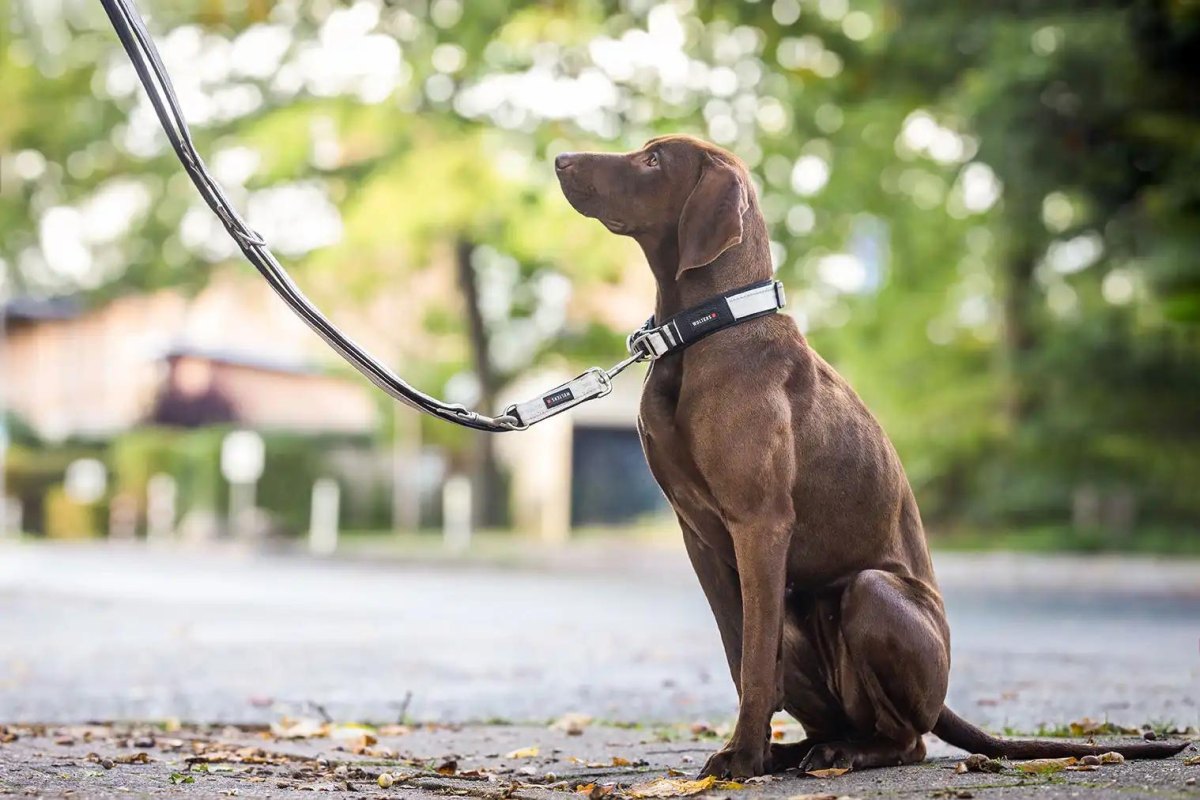
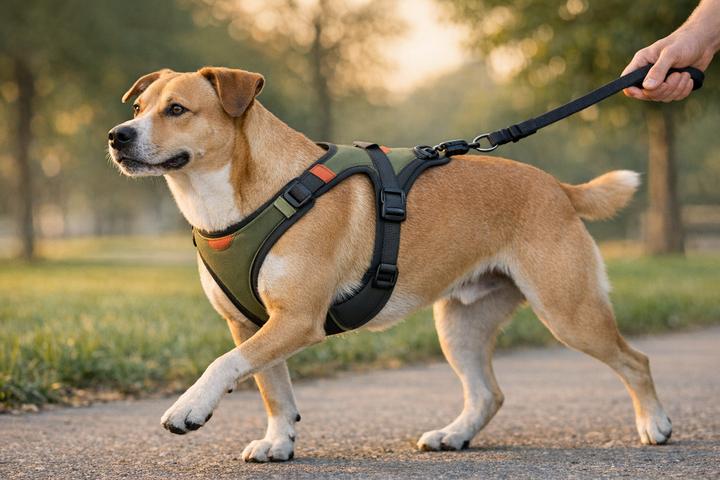
The first walk is often decided before the leash even clips on. I prefer simple, comfortable equipment that lets the dog move naturally and gives the handler control without causing pain. A standard leash, a well-fitted collar or harness, and pockets full of rewards are usually where I begin.
I avoid tools designed to cause discomfort or startle because they can add stress to an already difficult situation. Check that the equipment fits properly by watching for rubbing, restricted movement, or your dog's reluctance to put it on.
- Leash length allows relaxed movement.
- Harness or collar fits without rubbing.
- Your dog happily approaches the equipment.
Start Training in a Calm Environment
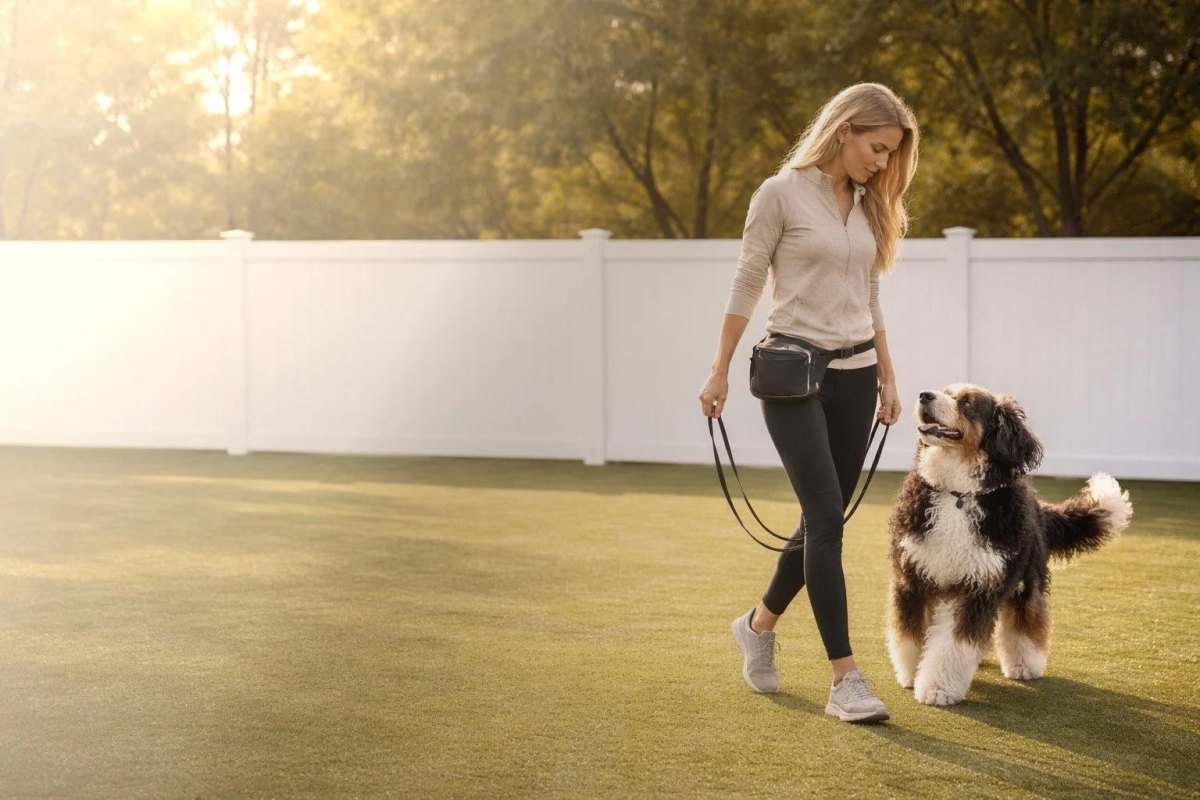
I rarely start loose leash work on a busy sidewalk. A dog surrounded by bicycles, barking dogs, and rushing people is often too overwhelmed to learn. I begin somewhere boring because boring is where the brain works best.
My 6 a.m. trail sessions exist for this exact reason. Fewer distractions give dogs a chance to practice successful choices before we ask for those choices near real-world chaos.
Trainer tip
If your dog cannot take treats, sniff normally, or respond to their name, the environment may be too difficult.
Teach Your Dog to Follow Your Position
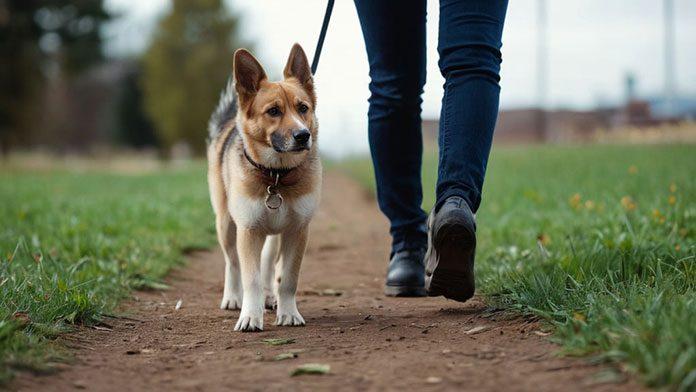
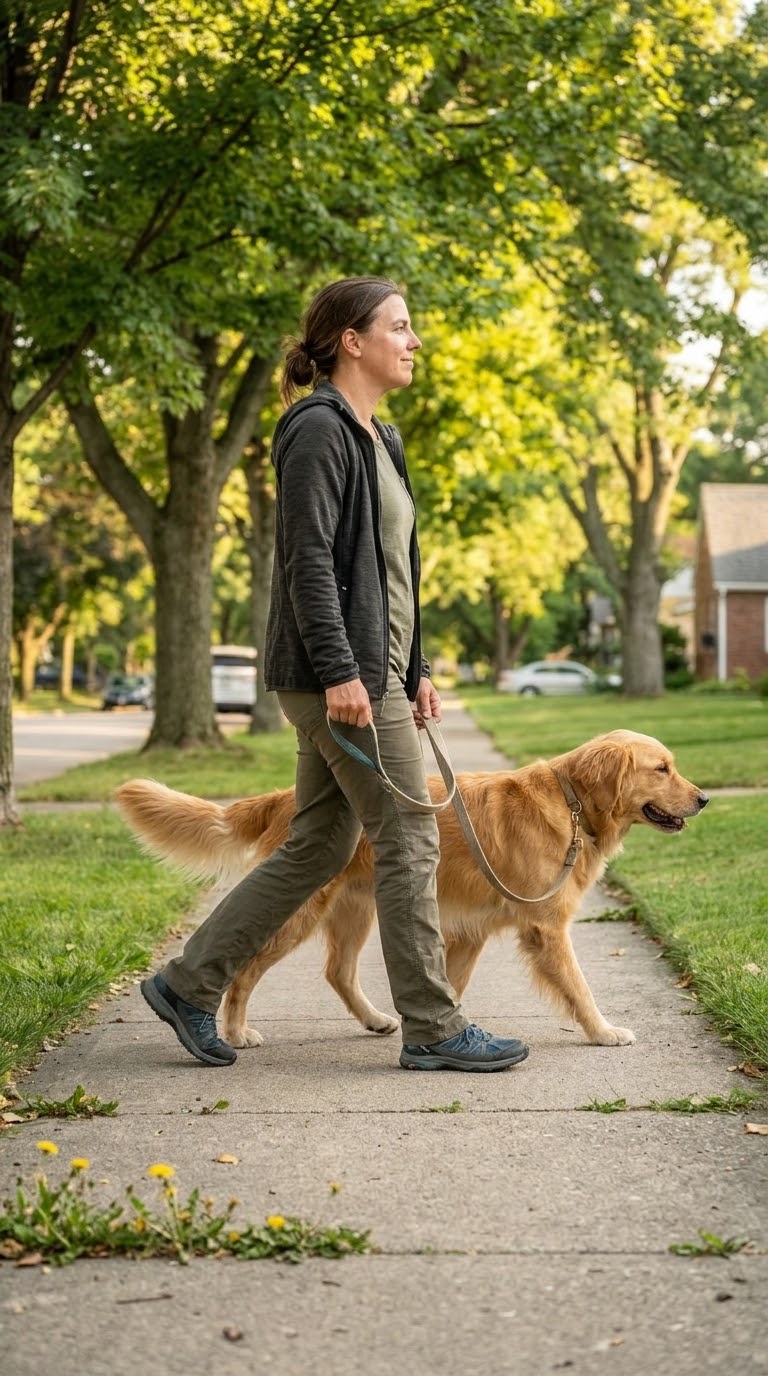
Loose leash walking is not about forcing a dog into a perfect marching position. I teach dogs that staying near me makes good things happen. The goal is a dog who chooses to walk with you, not one who is physically held there.
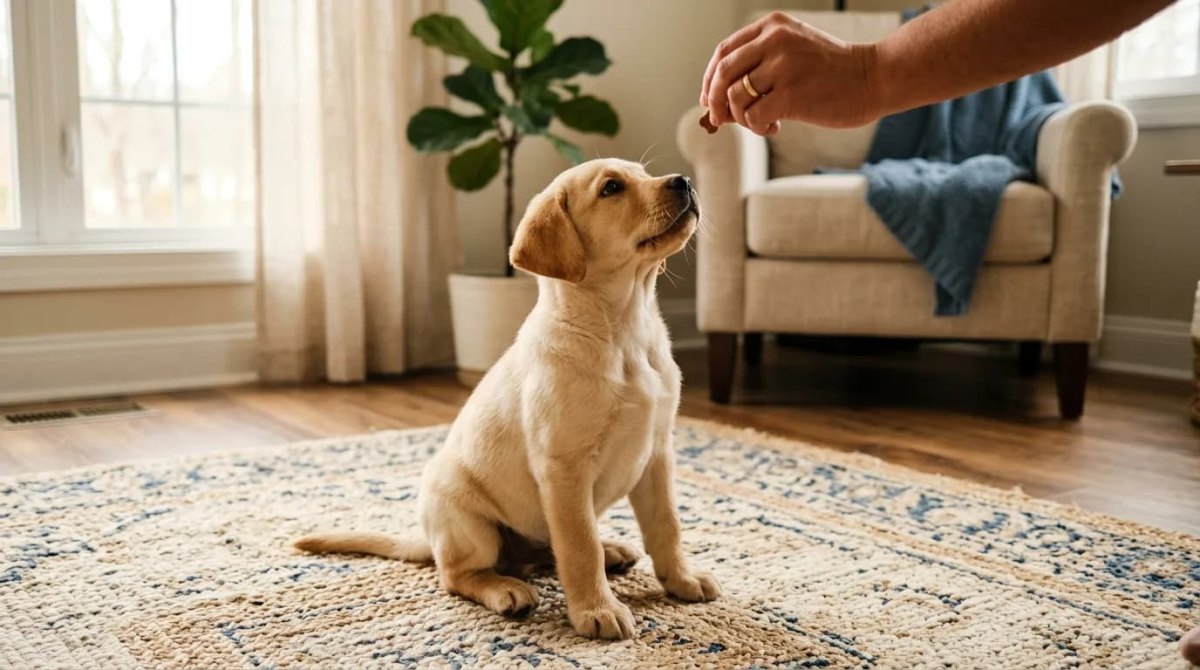
Start with a few steps beside you, reward generously, then slowly increase distance. Those tiny wins build reliable walking habits far better than expecting a long perfect walk immediately.
- Reward. Mark and reward when your dog is near your side.
- Repeat. Practice several short sessions.
- Expand. Add more steps gradually.
Reward Loose Leash Behavior
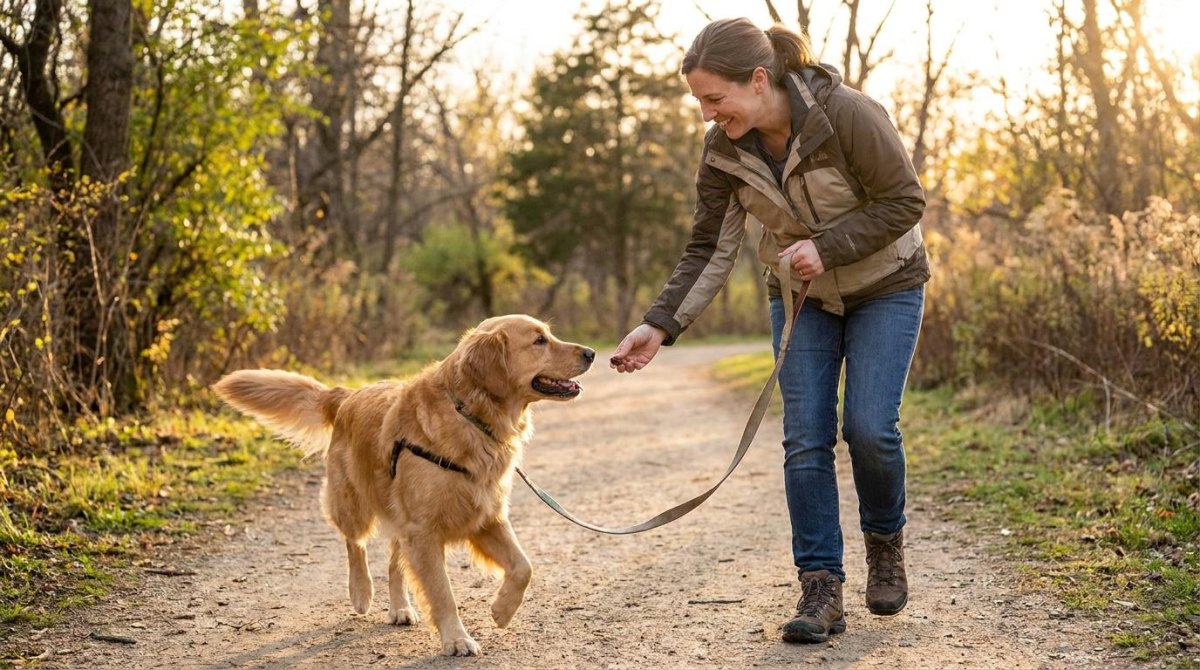
Most dogs repeat what pays off. If pulling gets them to the interesting tree, person, or smell faster, pulling becomes a successful strategy. My job is to make walking politely the better deal.
I reward the moments many owners miss: a relaxed leash, a check-in glance, or choosing to stay close. Those small moments are the foundation of reward-based training.
Remember
You are not bribing your dog forever. You are teaching a new habit, then gradually reducing rewards.
Practice Stopping When the Leash Gets Tight
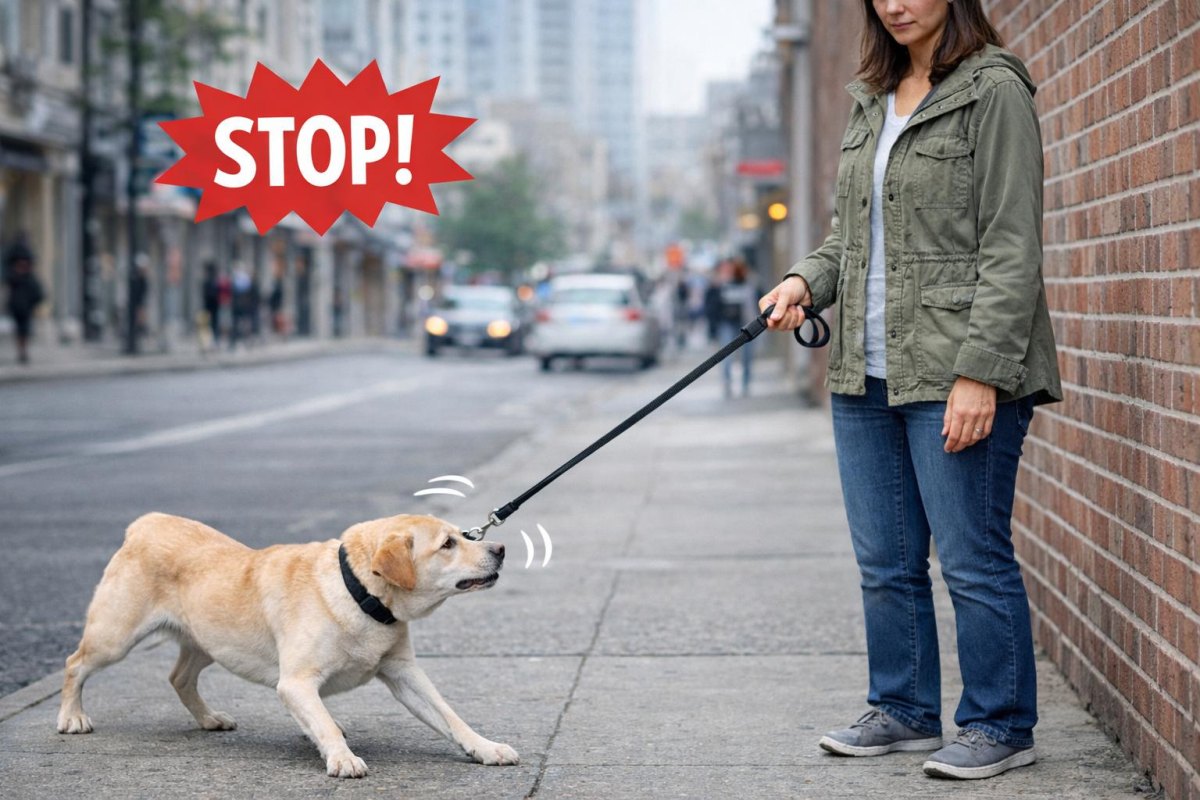
The moment the leash becomes tight is information. I stop moving forward rather than allowing pulling to become the engine that drives the walk. This is not a correction; it is simply removing the reward of forward motion.
Expect this to feel slow at first. The first few weeks of training can involve very short walks because your dog is learning a completely different pattern of movement.
| Leash moment | My response |
|---|---|
| Loose leash | Continue and reward |
| Tight leash | Pause and wait for slack |
Encourage Attention and Eye Contact
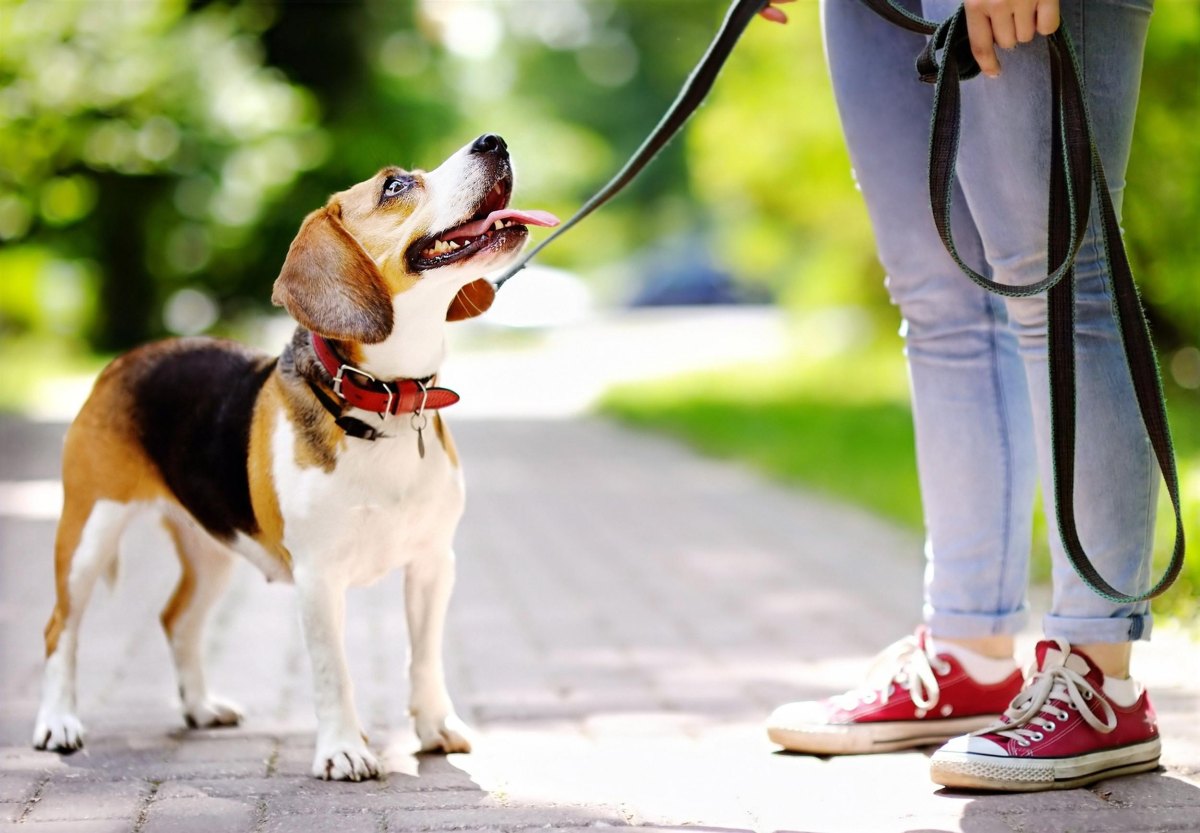
I love a dog who checks in during a walk because it tells me they are still connected to their person. I do not require constant eye contact, but I reward those voluntary moments of attention.
Watch the whole dog, not just the eyes. A stiff body, closed mouth, weight shifting forward, or a sudden freeze can tell you your dog is struggling before pulling begins.
Body language matters
Those ten seconds before a dog reacts are often where the best training opportunities live.
Use Direction Changes to Reduce Pulling
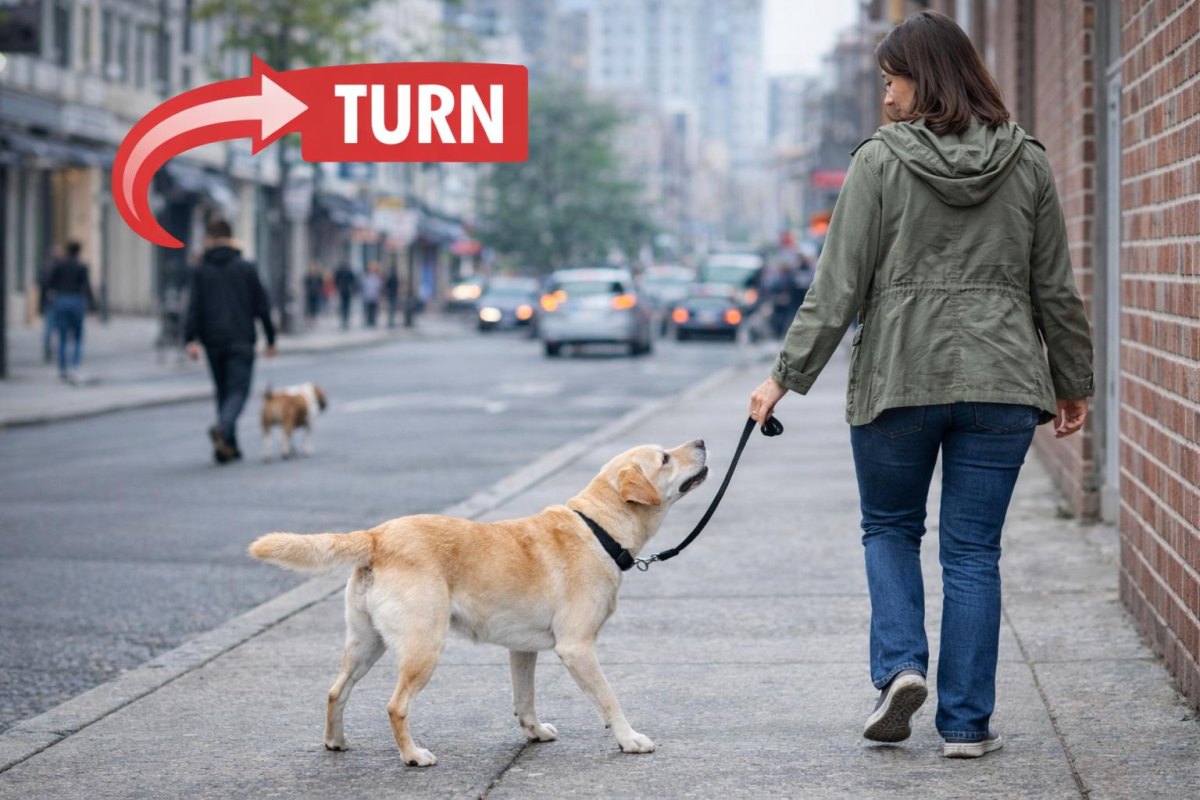
Changing direction teaches your dog that following you is worthwhile. I use gentle turns rather than sudden corrections, creating a habit of paying attention to where the walk is going.
This works best when paired with rewards and enough distance from distractions. A dog already over threshold cannot learn from a cheerful U-turn.
Avoid this mistake
Do not repeatedly change direction while your dog is panicking. Increase distance first.
Avoid Letting Your Dog Drag You Forward
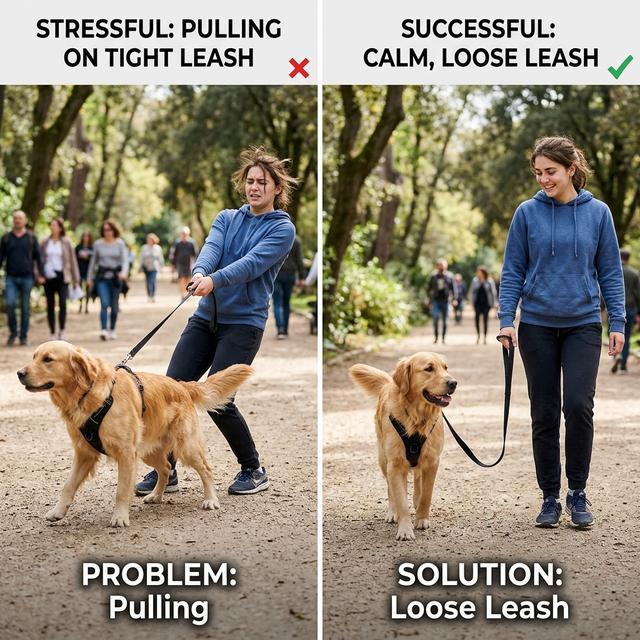
Every time pulling gets a dog somewhere interesting, that behaviour gets stronger. Management matters here: choose quieter routes, use appropriate equipment, and avoid practicing the exact behaviour you are trying to change.
I learned this lesson with Bruno during his difficult first months. I was a competent handler with a dog I could barely walk, and the biggest improvement came when I stopped rehearsing the problem.
Helpful choices
- Short training walks
- Quiet routes
- Frequent rewards
Things that slow progress
- Long stressful walks
- Repeated pulling practice
- Too many distractions
Increase Distractions Gradually
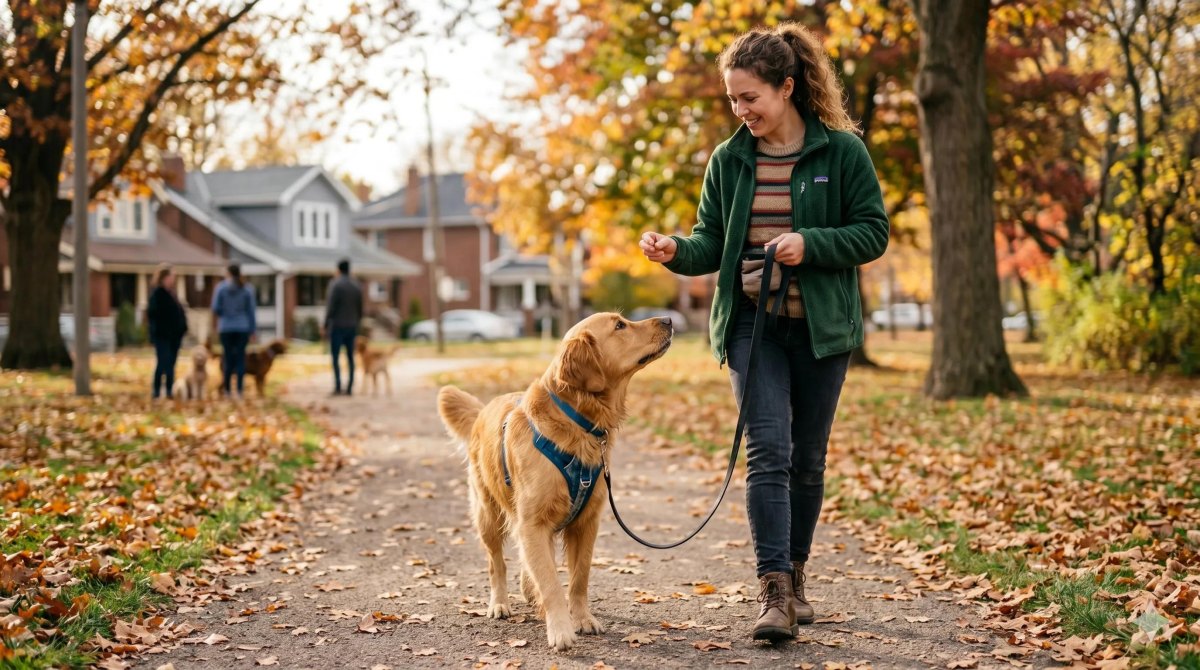
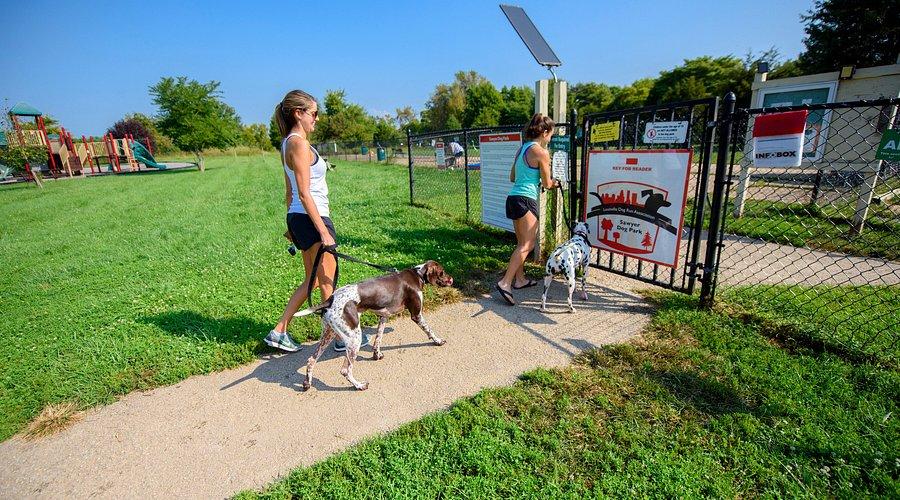
A dog who walks beautifully in your kitchen has not automatically learned to walk beautifully beside a playground. I increase difficulty one piece at a time: distance, movement, smells, then busy locations.
If your dog struggles, that is useful information. I step back to an easier version instead of pushing through a situation where the dog cannot succeed.
- Add. Introduce one new distraction.
- Observe. Watch body language.
- Adjust. Increase distance if needed.
Maintain a Consistent Walking Routine
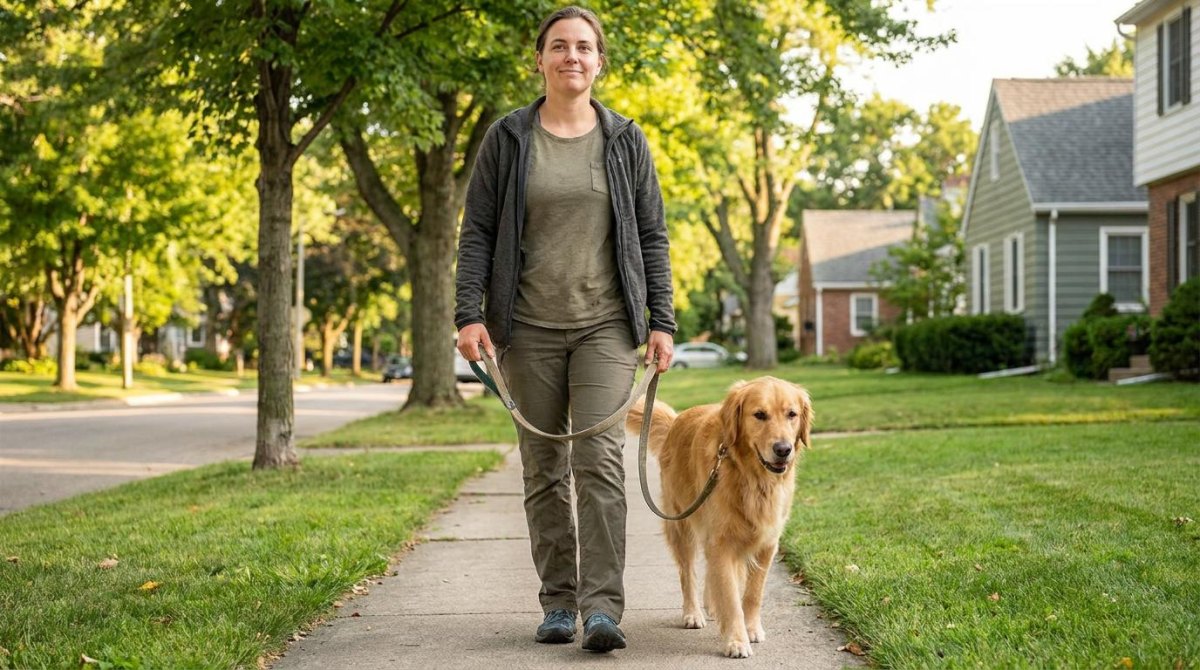
Consistency beats marathon training sessions. A few minutes of successful practice several times a week will usually outperform one exhausting walk where everyone loses patience.
I encourage clients to create predictable routines because dogs learn faster when the rules are clear. The routine itself becomes part of the calm walking foundation.
5 to 10 minutes
of focused practice can be more valuable than a stressful long walk
Manage Greetings with People and Dogs
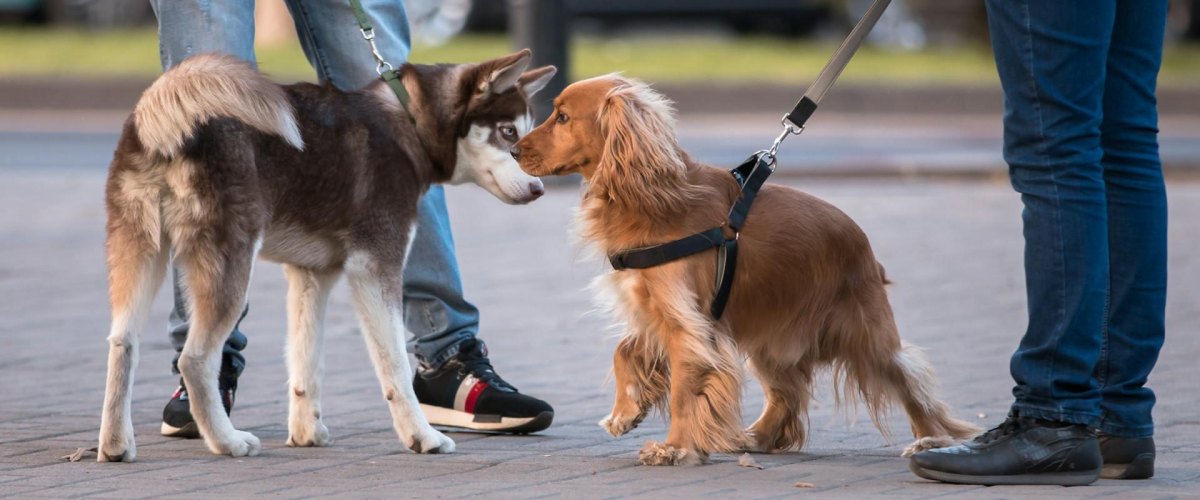
Not every dog needs to greet every person or dog they see. Many leash problems are created by allowing dogs to repeatedly rush toward exciting things while attached to a leash.
I teach polite alternatives: watching calmly, moving away, or checking in with the handler. For dogs with serious reactivity or bite history, I recommend working with a qualified professional in person rather than trying to solve it from a checklist.
Common mistake
Assuming a friendly dog is always comfortable with every greeting.
Track Progress and Adjust Training Steps
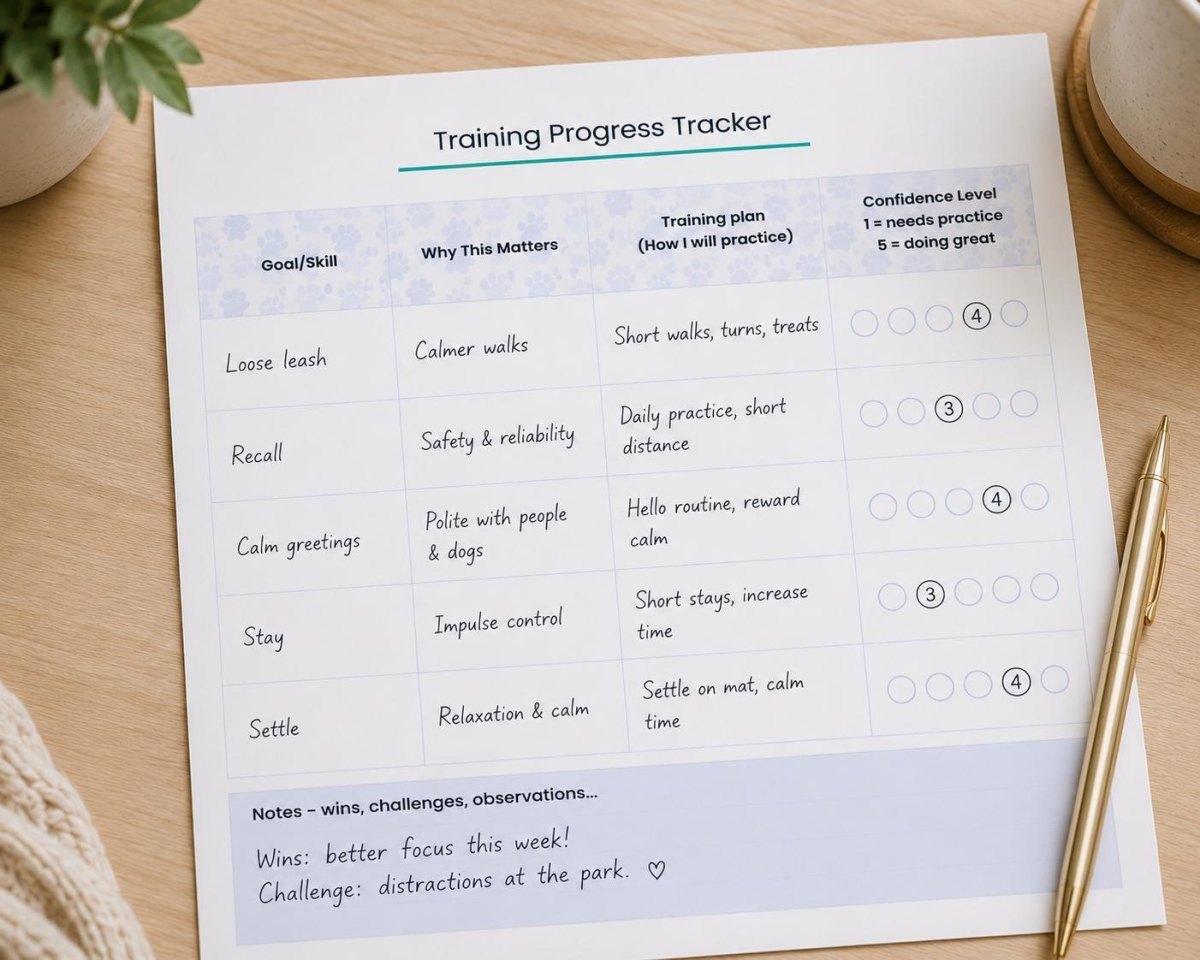
I keep notes because memory is a terrible training journal. Write down where your dog succeeded, what distractions were present, and what signs appeared before things became difficult.
Progress is rarely a straight line. A harder walk after a good week does not erase learning; it tells you where the next adjustment belongs.
- Record successful walking locations.
- Note early stress signals.
- Adjust difficulty gradually.
More Pinterest Visuals