I have watched plenty of puppies discover the world one surprising leaf, noise, and stranger at a time. Good socialization is not about dragging a puppy everywhere; it is about creating safe positive experiences while they still feel able to think, eat, and explore.
These are the games I use because they work in ordinary homes, parks, and Tuesday walks. Keep sessions short, watch body language, and remember that confidence grows over weeks and months, not overnight.
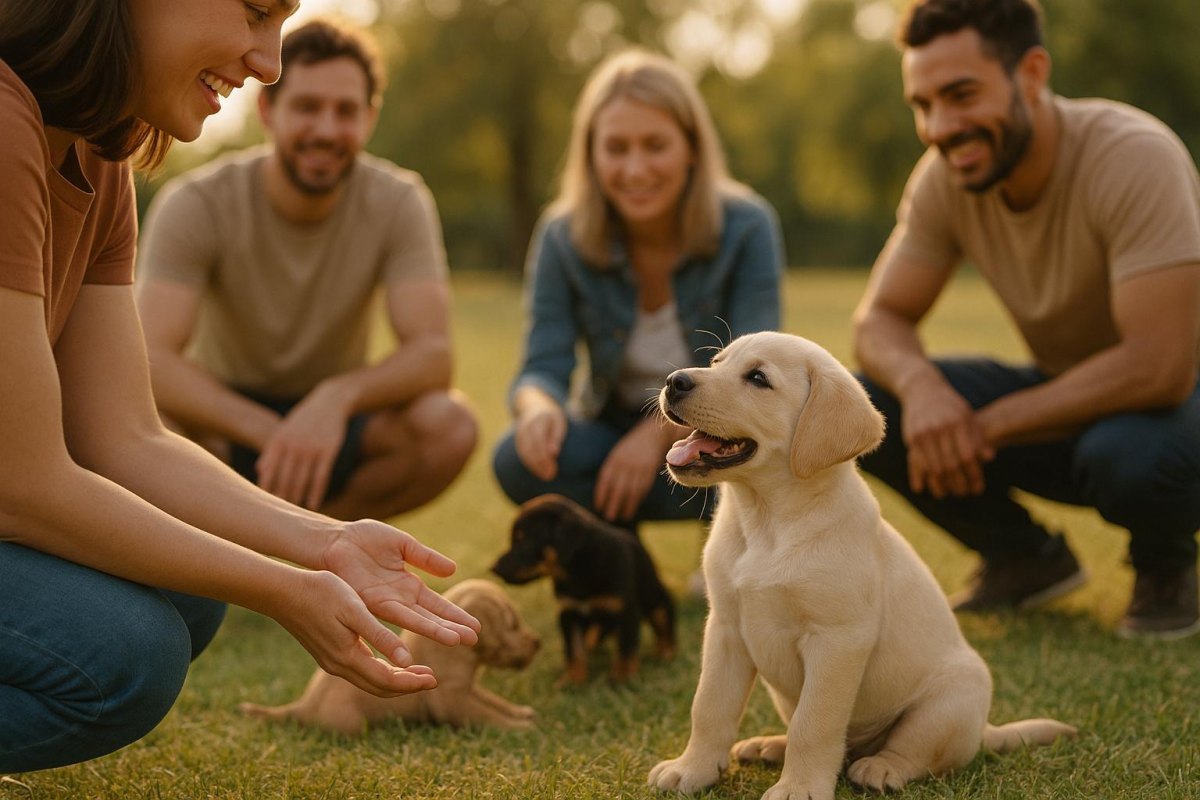
Puppy Meet-and-Greet Game
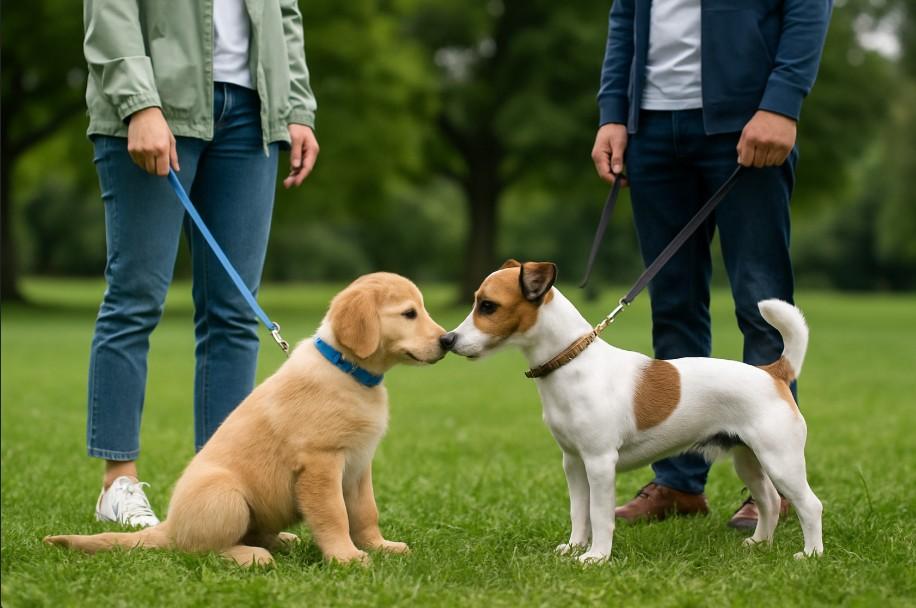
Game goal
- Teach puppies that meeting others can be calm and predictable.
- Reward relaxed choices instead of forcing greetings.
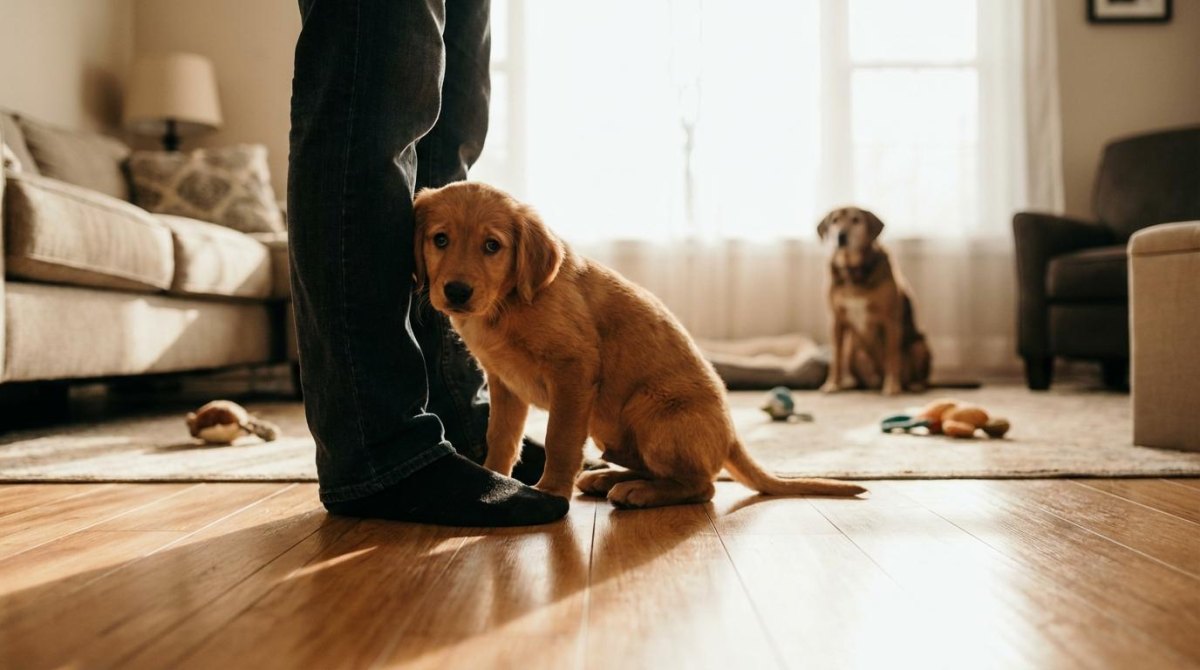
I start with distance. A puppy who can look at a new dog and still take a treat is learning calm social skills. If ears pin back, weight shifts away, or the mouth closes tightly, I create space.
Name Recognition Treasure Hunt
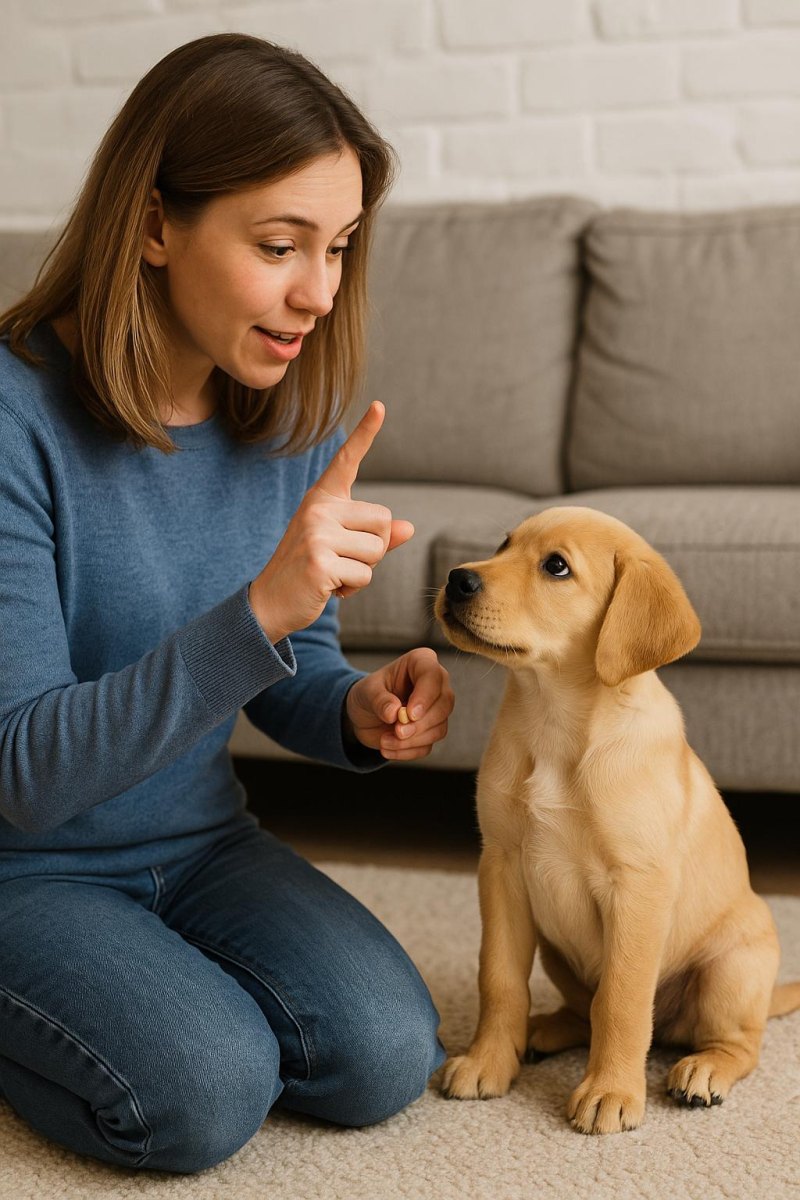
I hide treats around a safe room and pair the puppy’s name with finding me. The goal is not a perfect recall; it is building attention toward you.
Start easy, then add distractions slowly. If your puppy ignores the name, the environment is probably too difficult, not that your puppy is being stubborn.
New Sounds Exploration Game
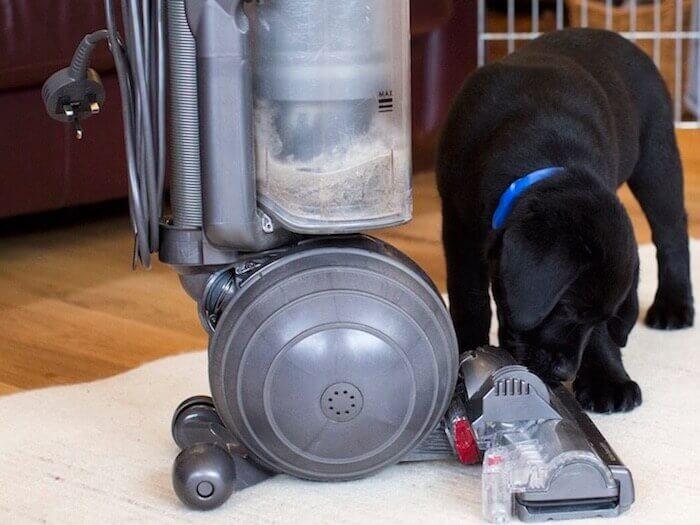
Training tip
Play unfamiliar sounds quietly while pairing them with food or play.
Vacuum cleaners, traffic, and doorbells become less alarming when introduced at a comfortable intensity. I never flood a puppy with scary noise.
Gentle Handling Practice Game
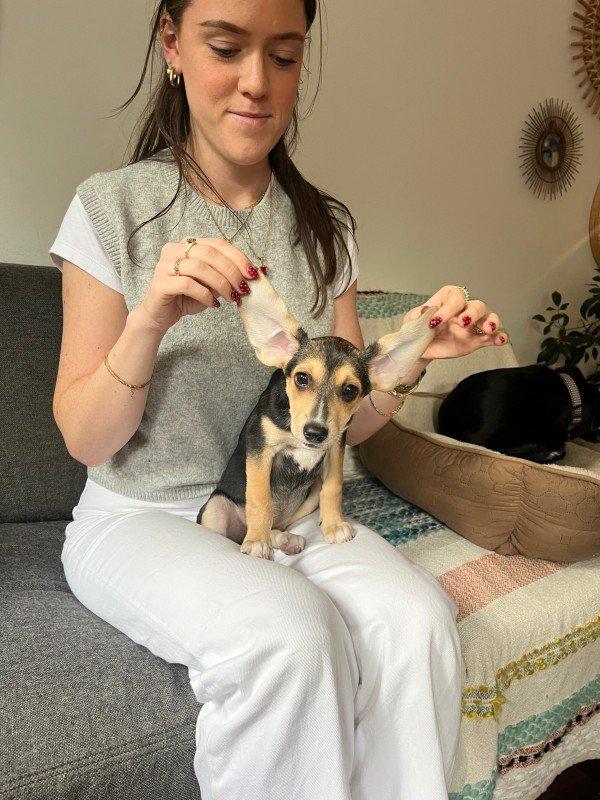
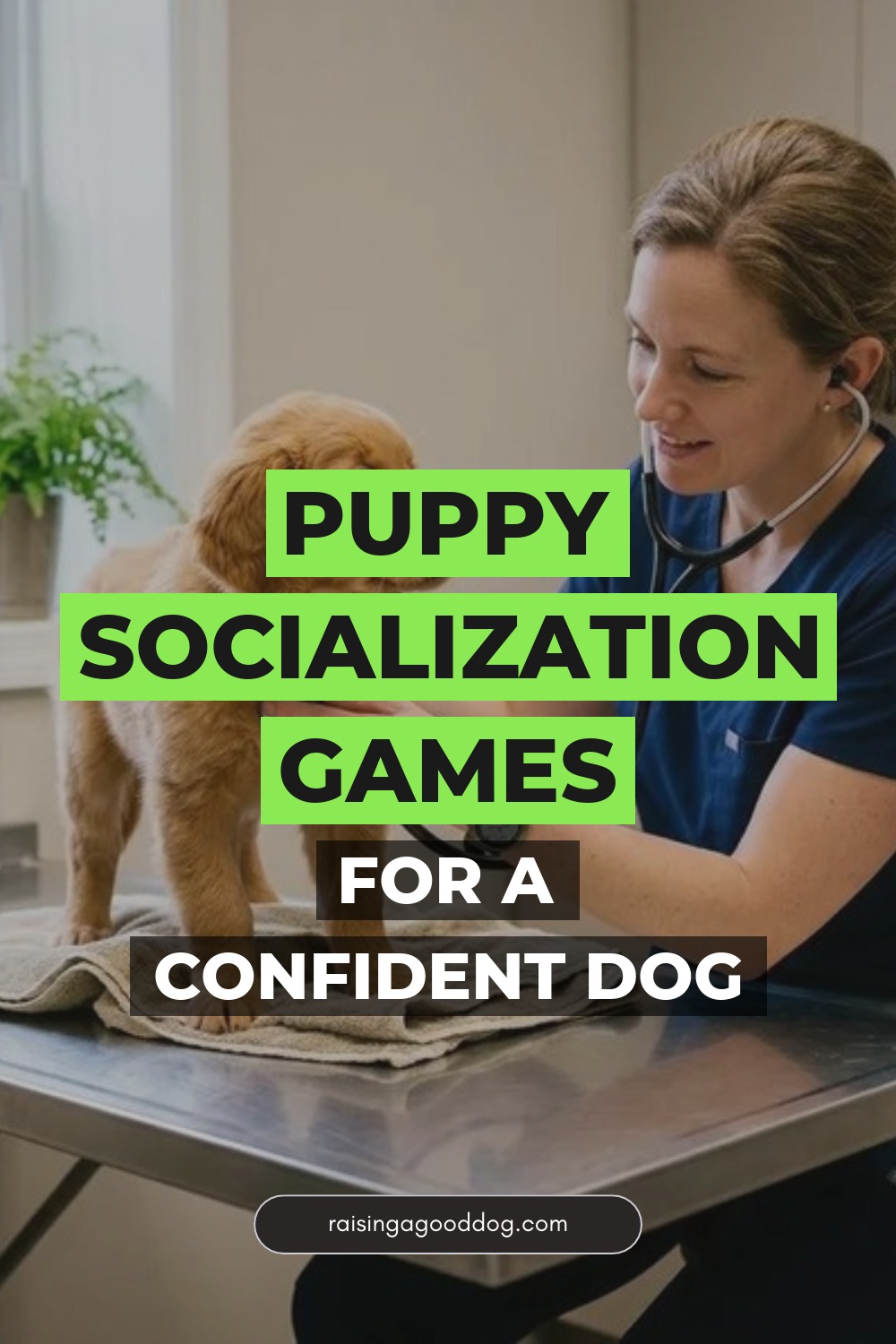
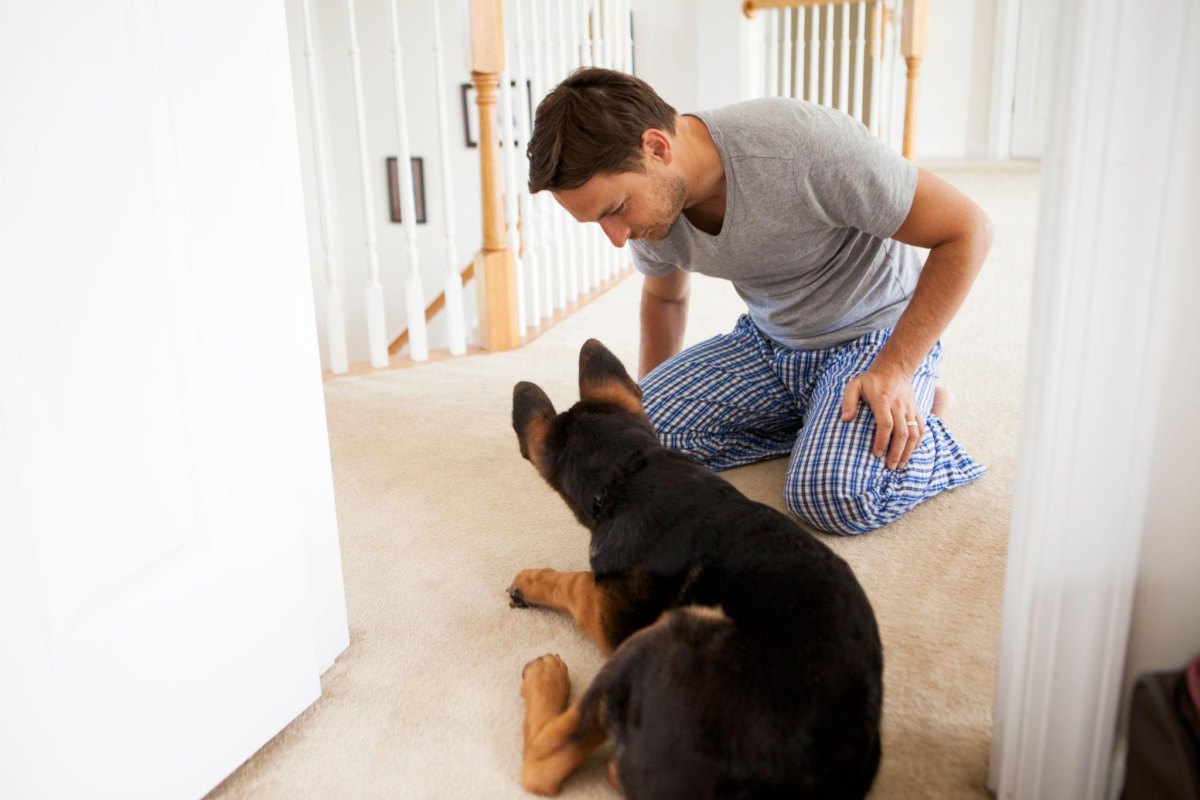
My veterinary assistant years taught me that tiny handling exercises matter. Touch a paw, check an ear, then reward the puppy for staying relaxed.
This creates a foundation for future care routines like grooming and vet visits.
Puppy Obstacle Course Adventure
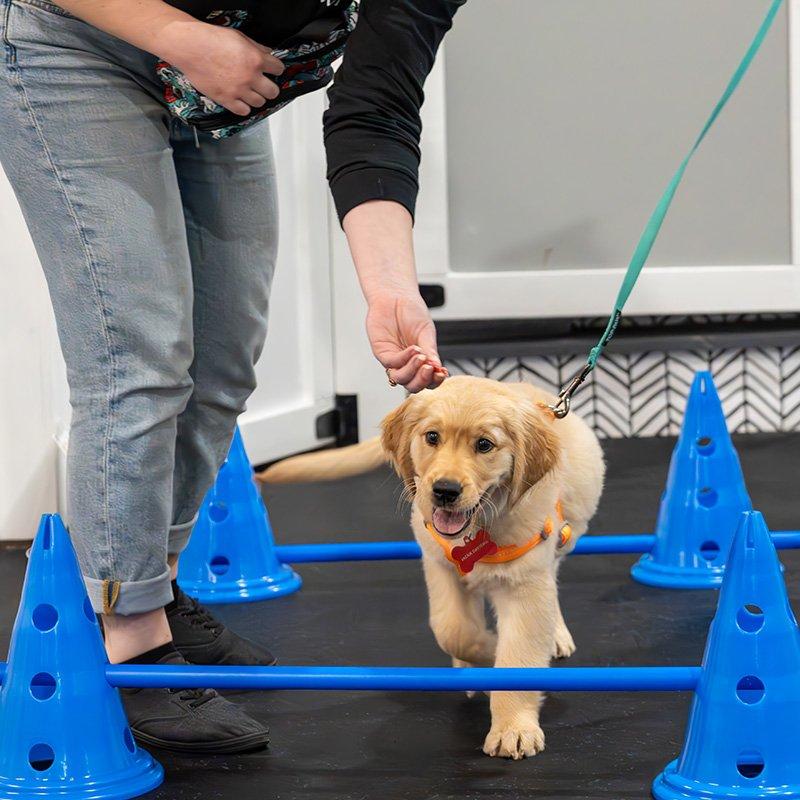
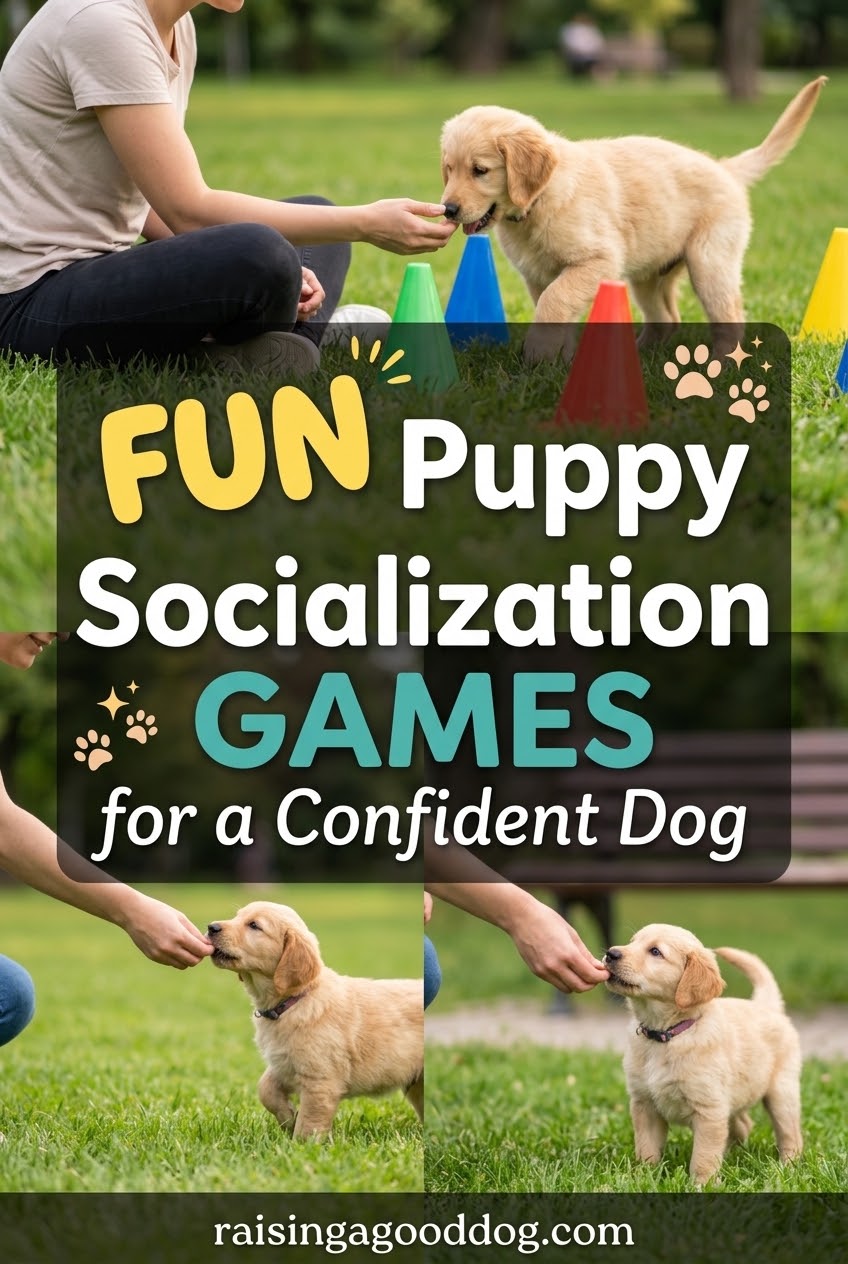
I build simple courses with cushions, poles, and safe surfaces. Puppies learn that new movement challenges can be fun.
The goal is confidence, not performance. Let your puppy investigate at their own pace.
Confidence-Building Box Game
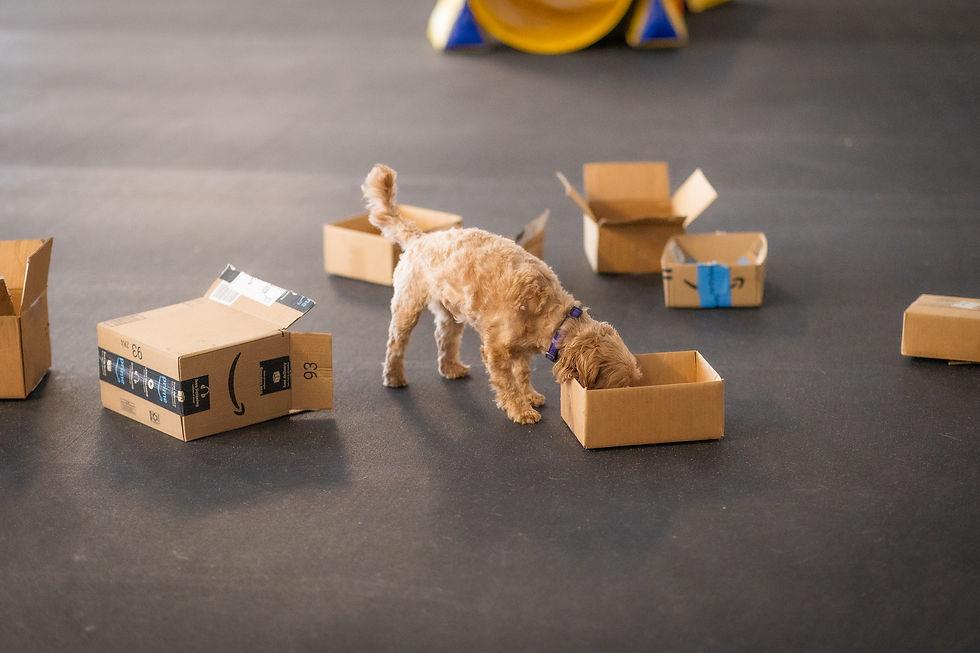
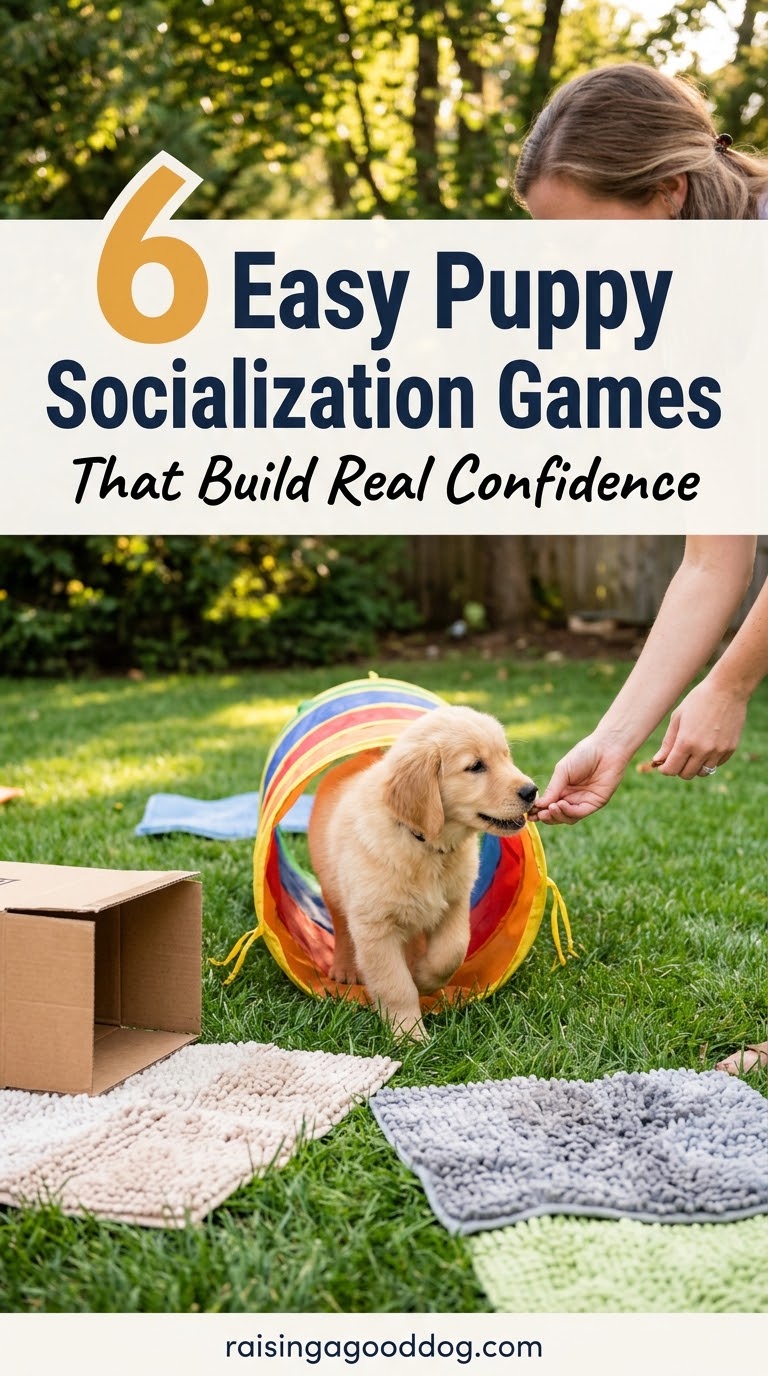
A cardboard box can become a wonderful enrichment tool. I let puppies sniff, step over, and explore without pressure.
Small successes build problem-solving confidence better than pushing through fear.
Safe Stranger Greeting Game
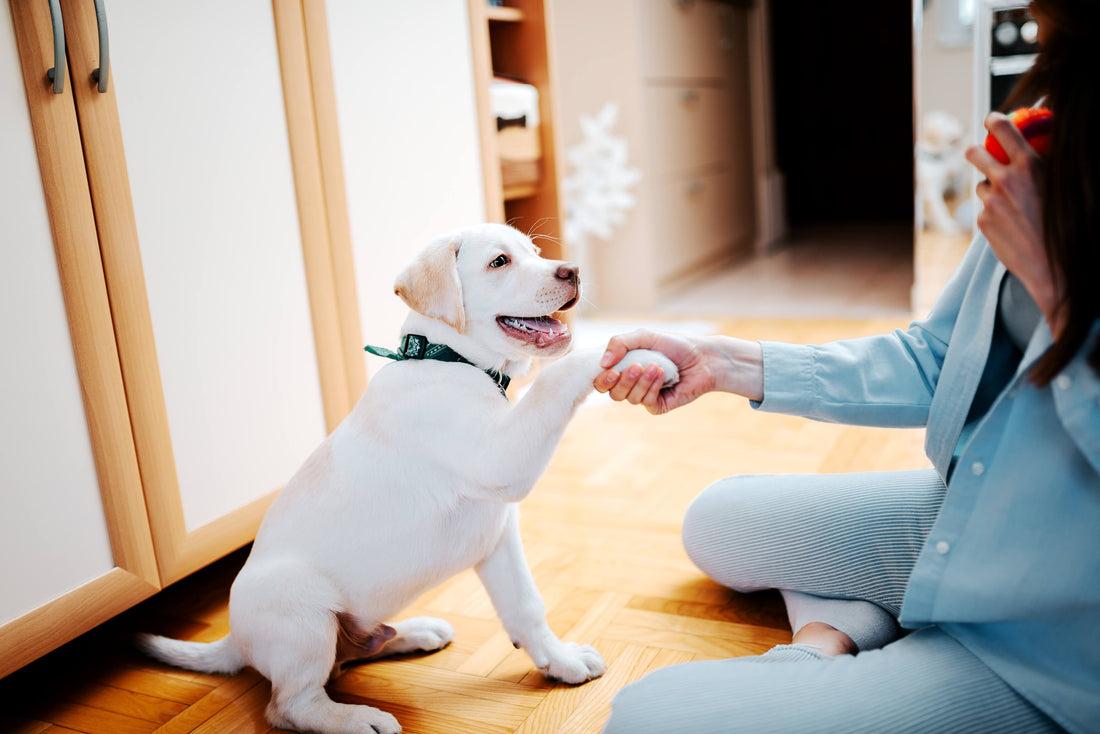
A stranger does not need to pet every puppy. Teaching choice around people prevents many uncomfortable greetings.
Texture Exploration Challenge
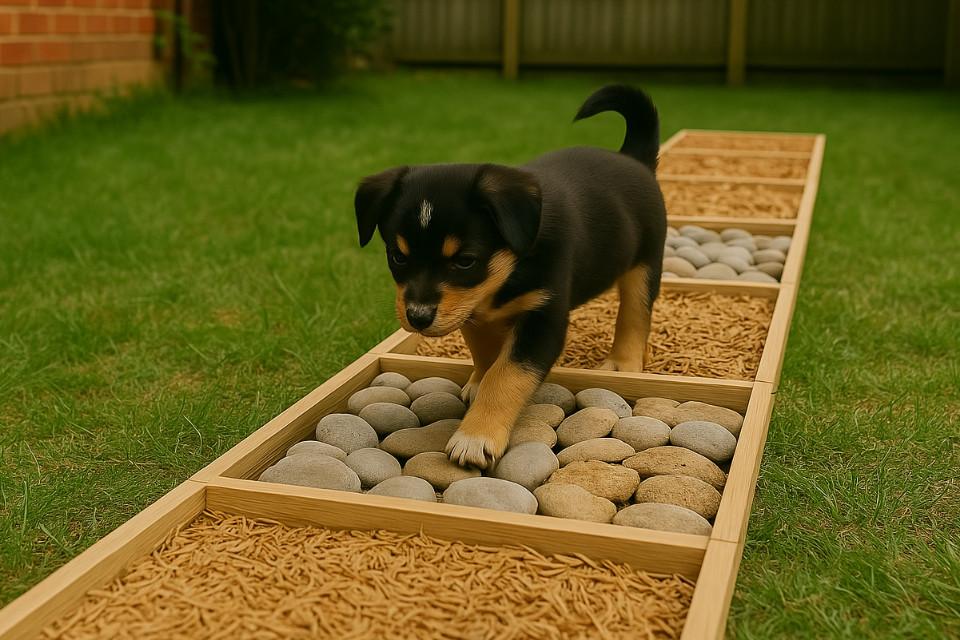
Grass, mats, wood, and pavement all feel different under puppy paws. I introduce surfaces gradually and reward curiosity.
Confidence comes from controlled exposure, not forcing a puppy across something scary.
Puppy Puzzle Toy Game
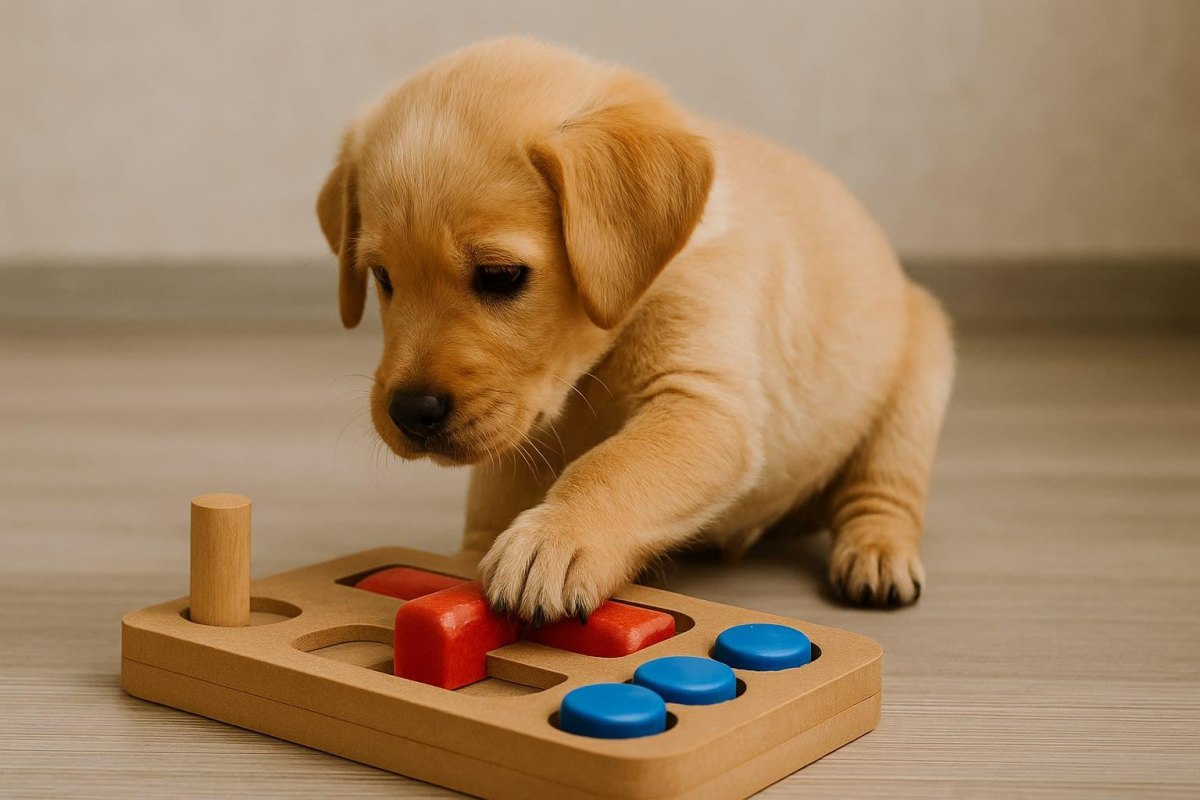
Puzzle toys give puppies a chance to think and work independently. I choose difficulty levels where success is likely.
Good enrichment builds healthy problem solving without creating frustration.
Leash Walking Discovery Game
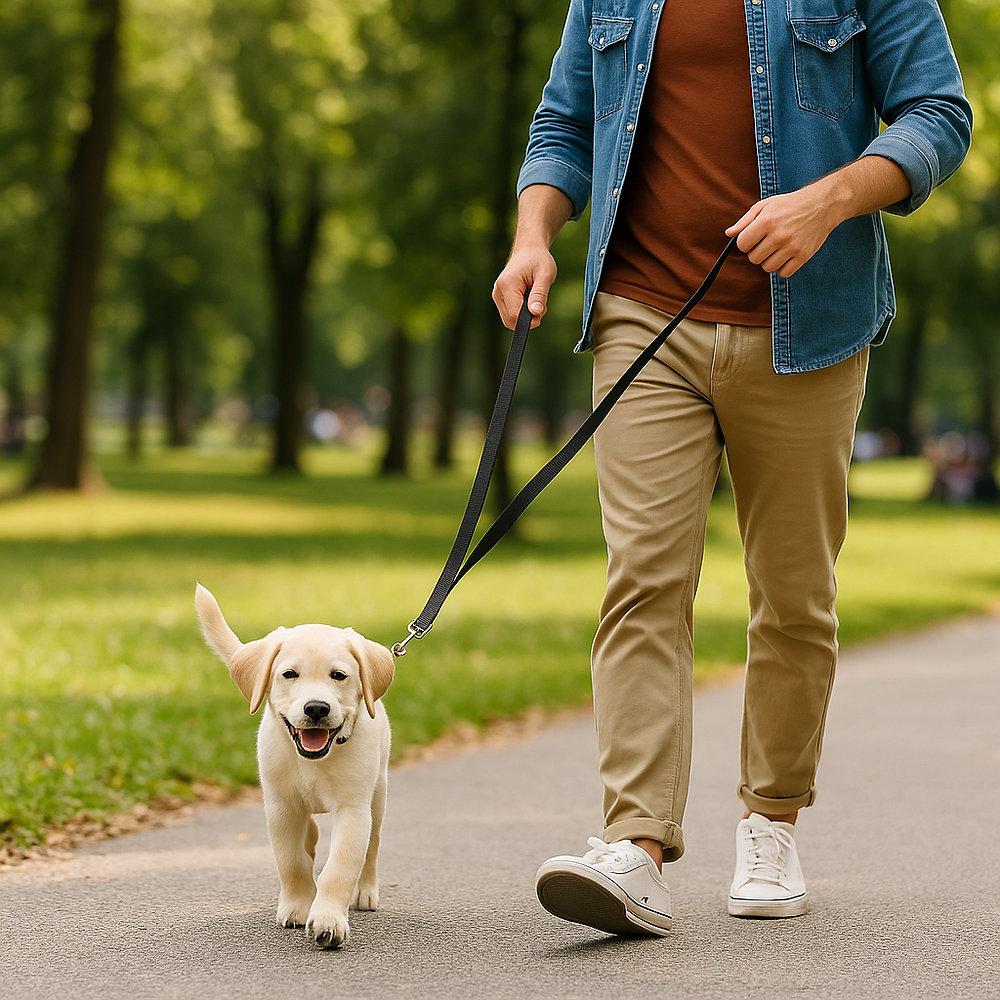
I begin leash games in quiet places before busy sidewalks. A puppy needs practice noticing the world while staying connected.
Short walks with rewards create comfortable leash habits.
Car Ride Comfort Game
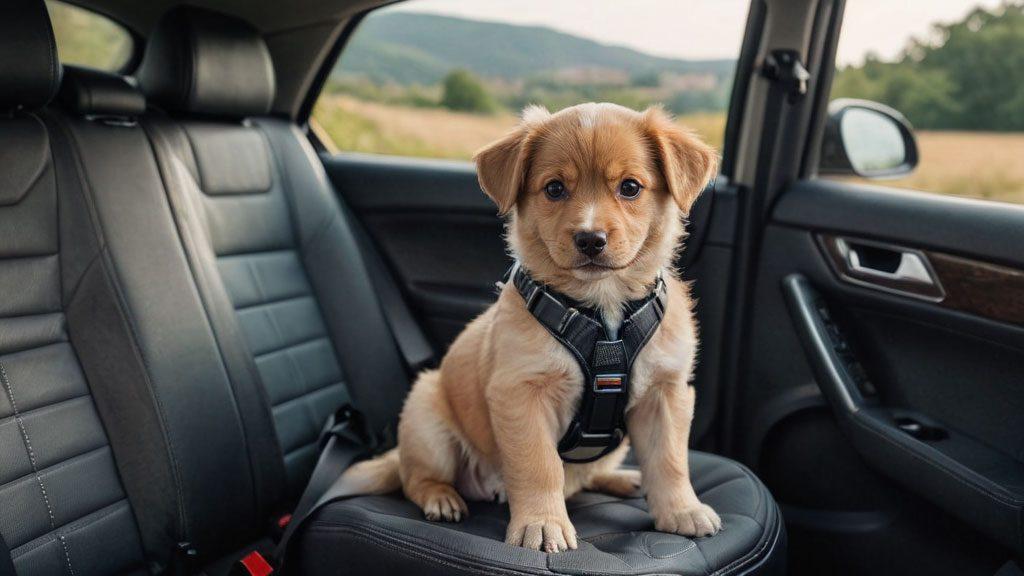
Car confidence starts before the first big trip. I reward calm behavior while the car is parked, then slowly add movement.
A gradual approach prevents travel-related stress.
Mirror Introduction Game
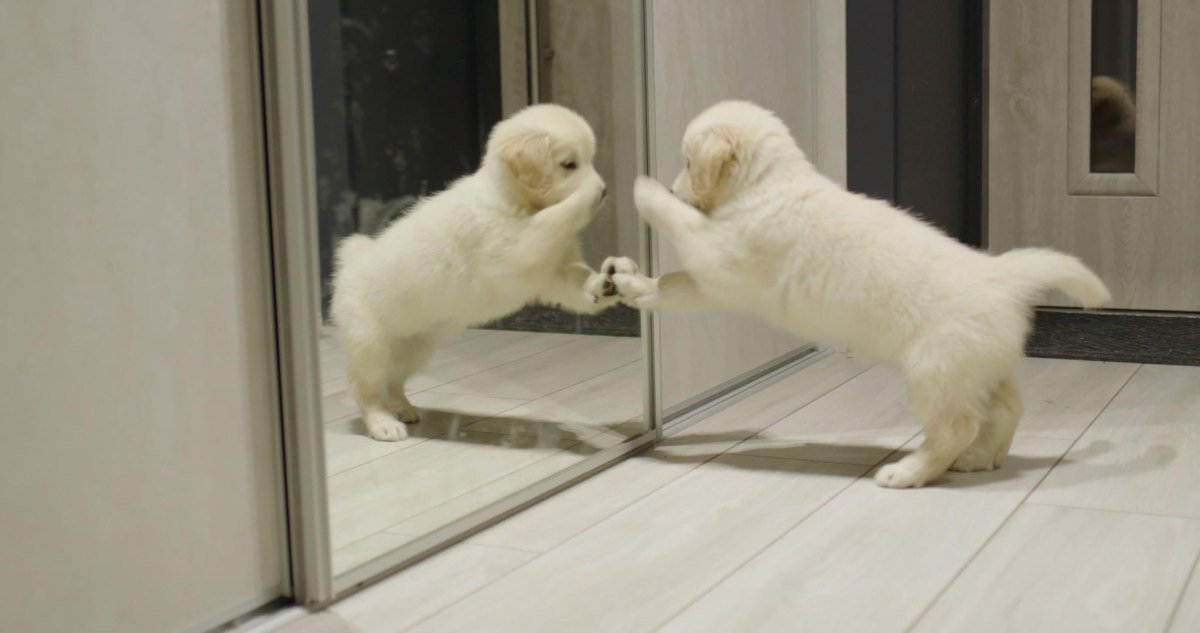
Some puppies investigate reflections while others ignore them. I simply allow curiosity without making the mirror a big event.
The lesson is that unusual things can be safe to explore.
Treat-Finding Scent Game
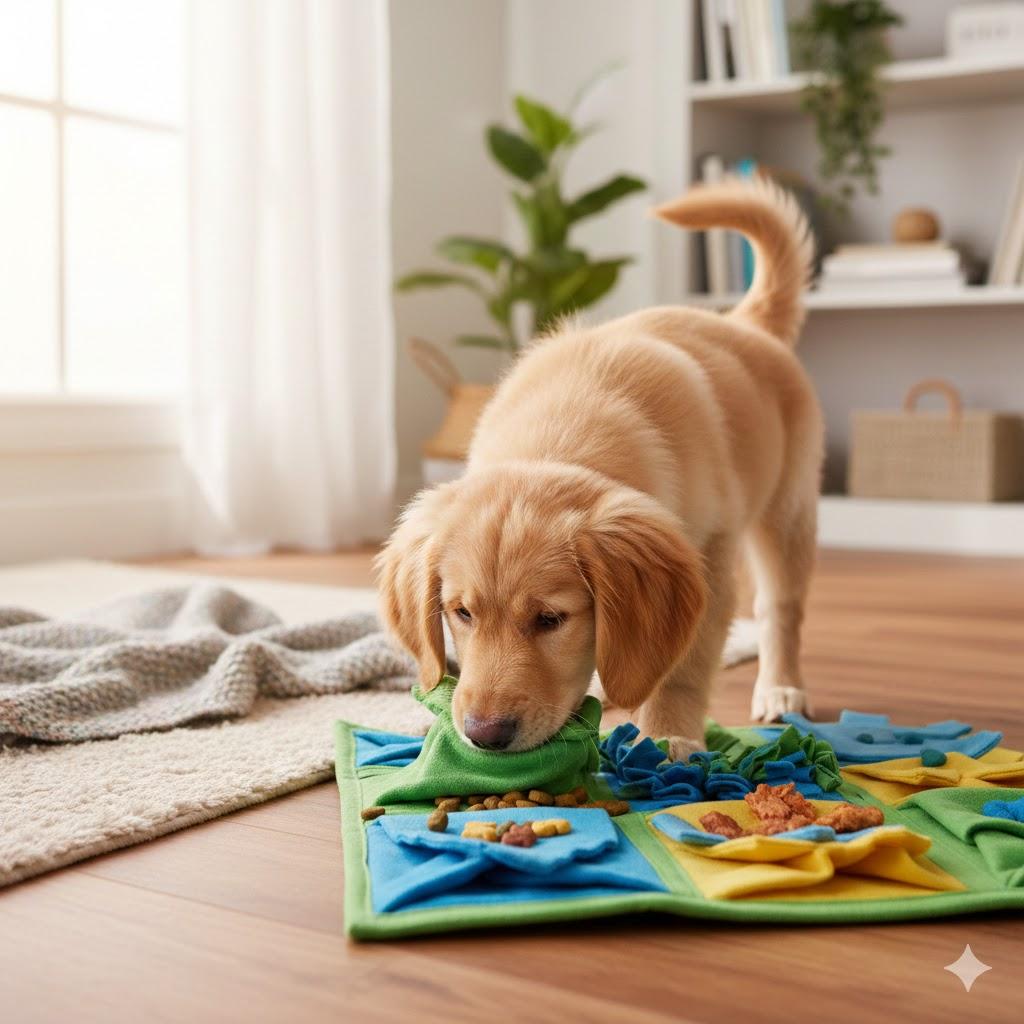
Nose work is one of my favorite confidence games. I scatter treats and let puppies search naturally.
Sniffing encourages calm mental exercise and gives puppies a job.
Water Play Confidence Game
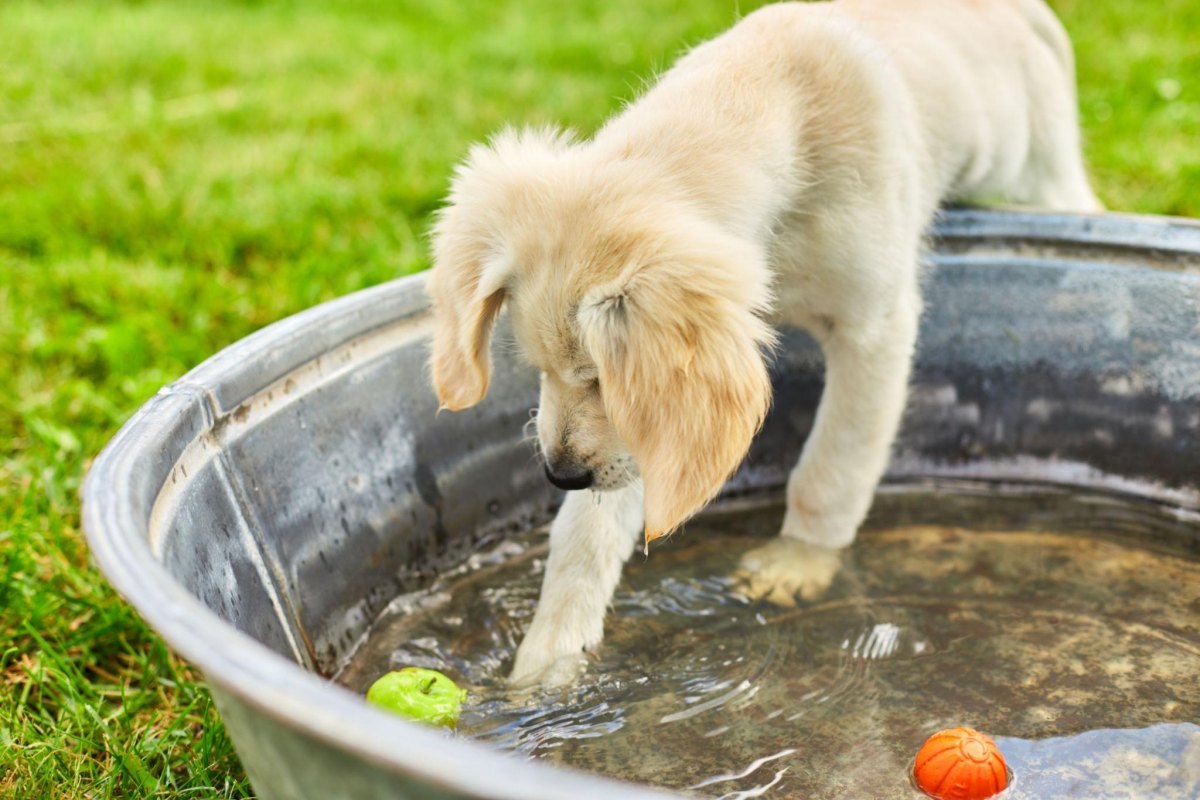
Some puppies love water immediately; others need time. I introduce shallow water with rewards and no pressure.
Respecting hesitation builds trust and confidence.
Calm Mat Training Game
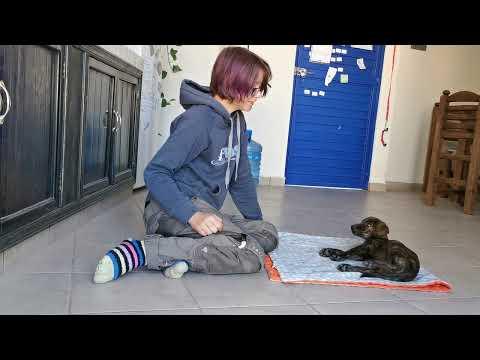
I teach puppies that a mat can predict relaxation. This is useful at home, cafes, and training classes.
The skill is creating settling behavior in different places.
Puppy Playdate Balance Game
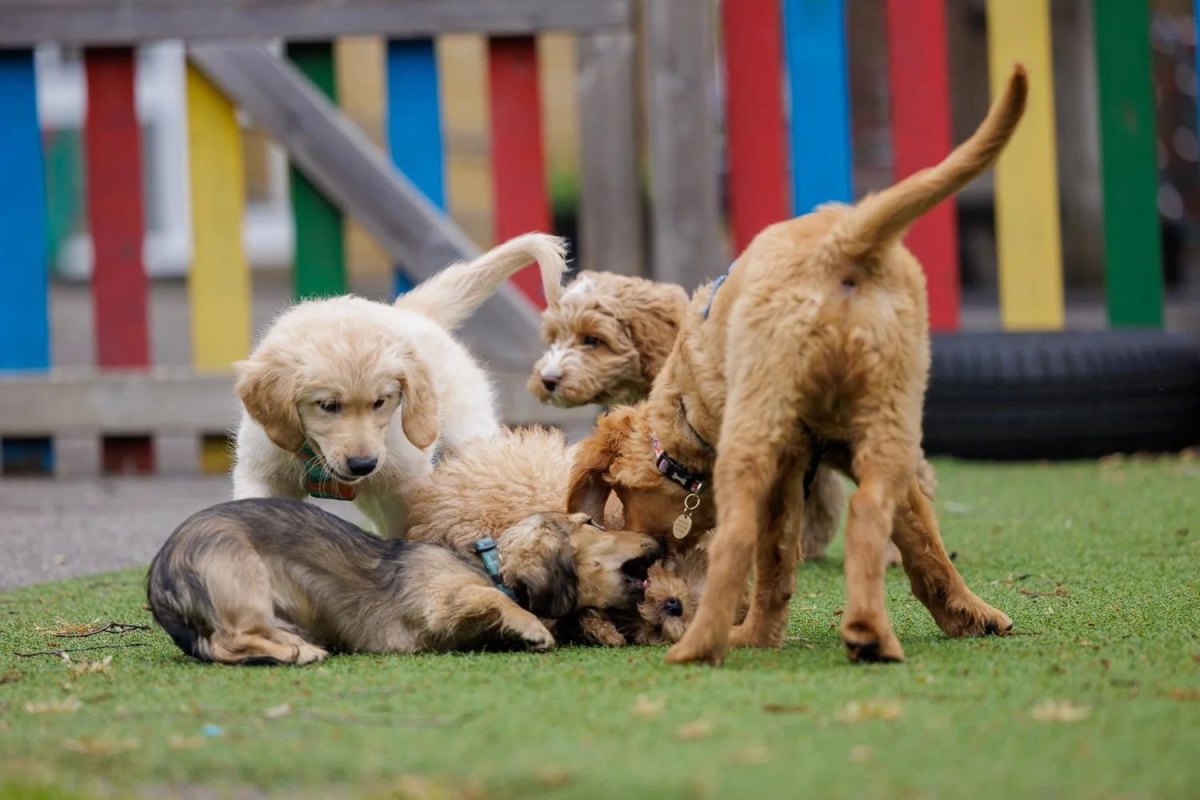
Good play is not chaos. I choose compatible puppies and interrupt before everyone becomes overwhelmed.
Reading pauses, movement, and body language creates better puppy friendships.
Vet Visit Preparation Game
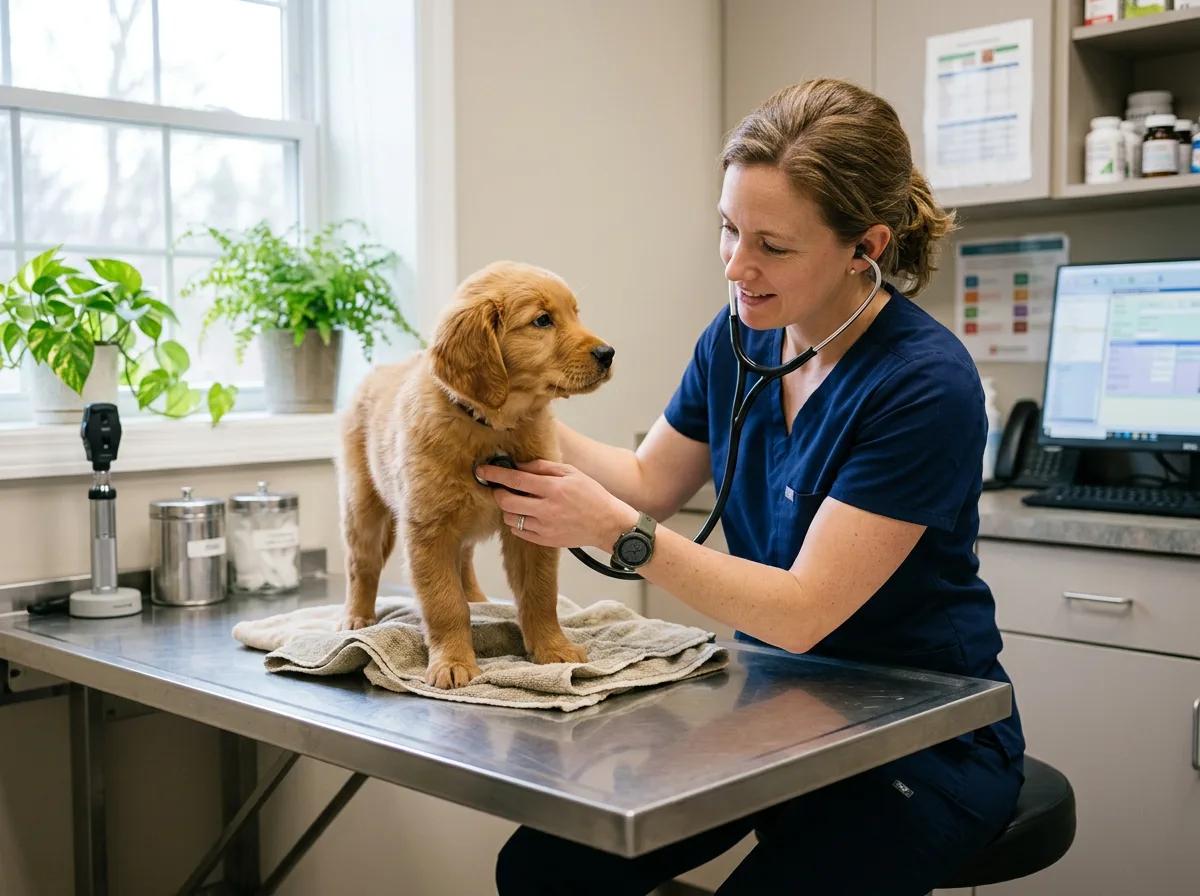
After years in veterinary clinics, I know preparation changes appointments. Practice gentle exams and rewards before the real visit.
These games create positive clinic associations. Sudden behavior changes still need veterinary attention first.
Clothing and Accessory Introduction Game
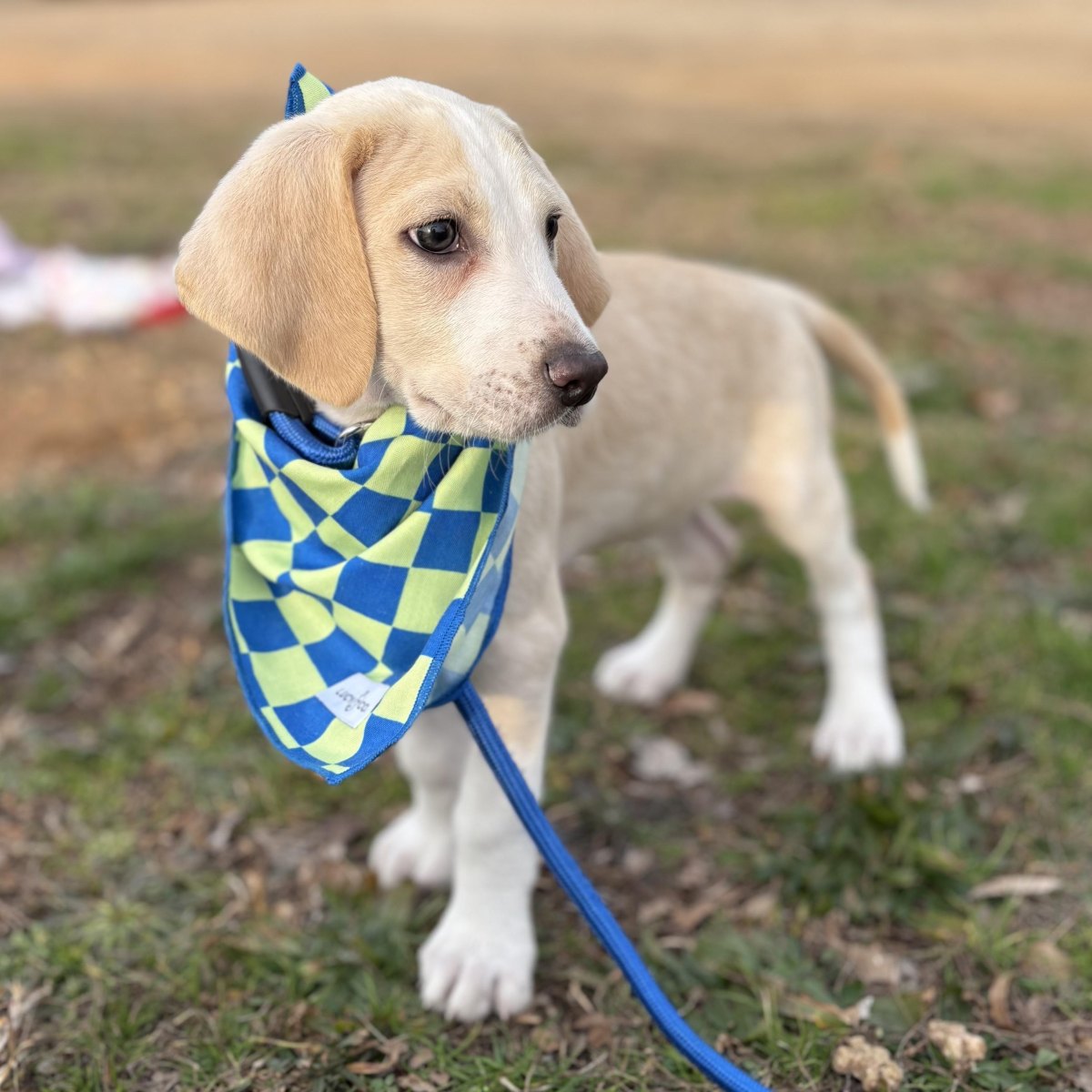
Harnesses, coats, and bandanas should arrive slowly. I reward curiosity instead of holding a puppy still through discomfort.
The goal is comfortable equipment use.
Everyday Objects Discovery Game
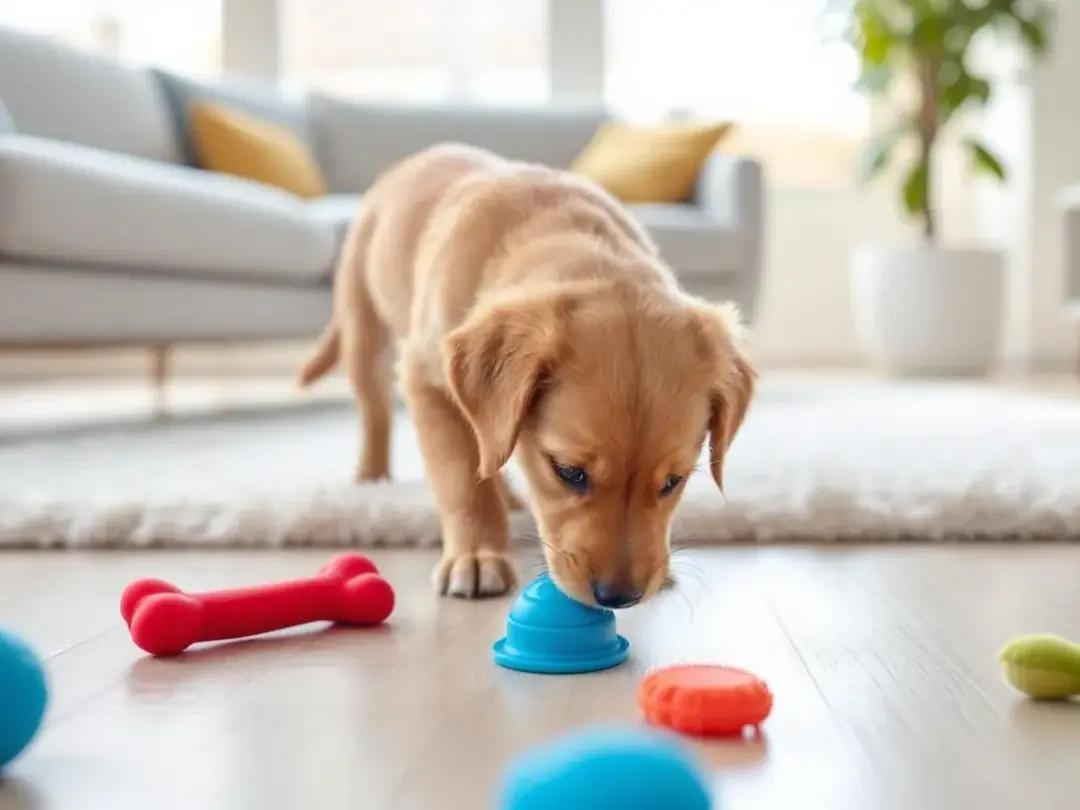
Umbrellas, bags, boxes, and household tools are all part of a puppy’s world. I introduce objects while keeping the puppy relaxed.
Every calm investigation adds life experience.
Confidence Walk Adventure Game
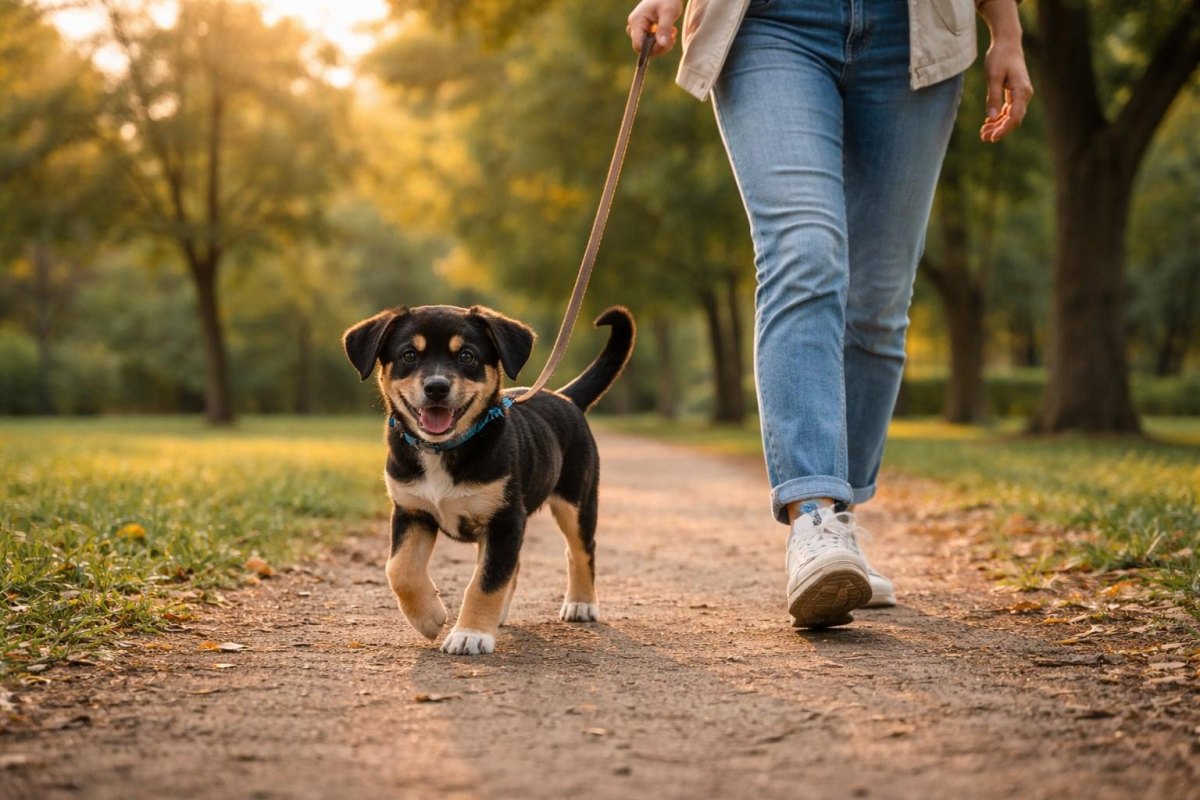
My favorite walks are slow exploration walks. We stop, sniff, watch, and let the puppy process the environment.
A confident dog is built through many small successful experiences, not one overwhelming adventure.
More Pinterest Visuals