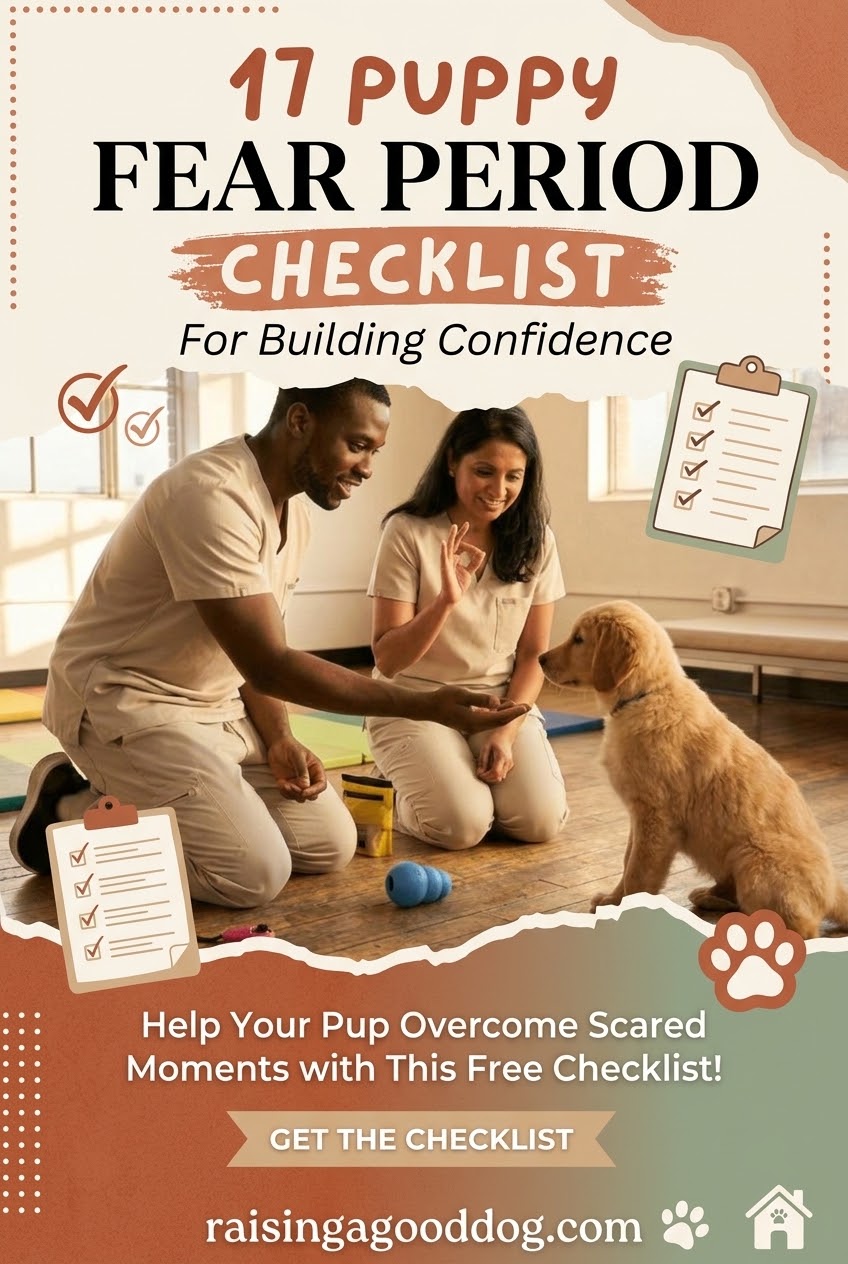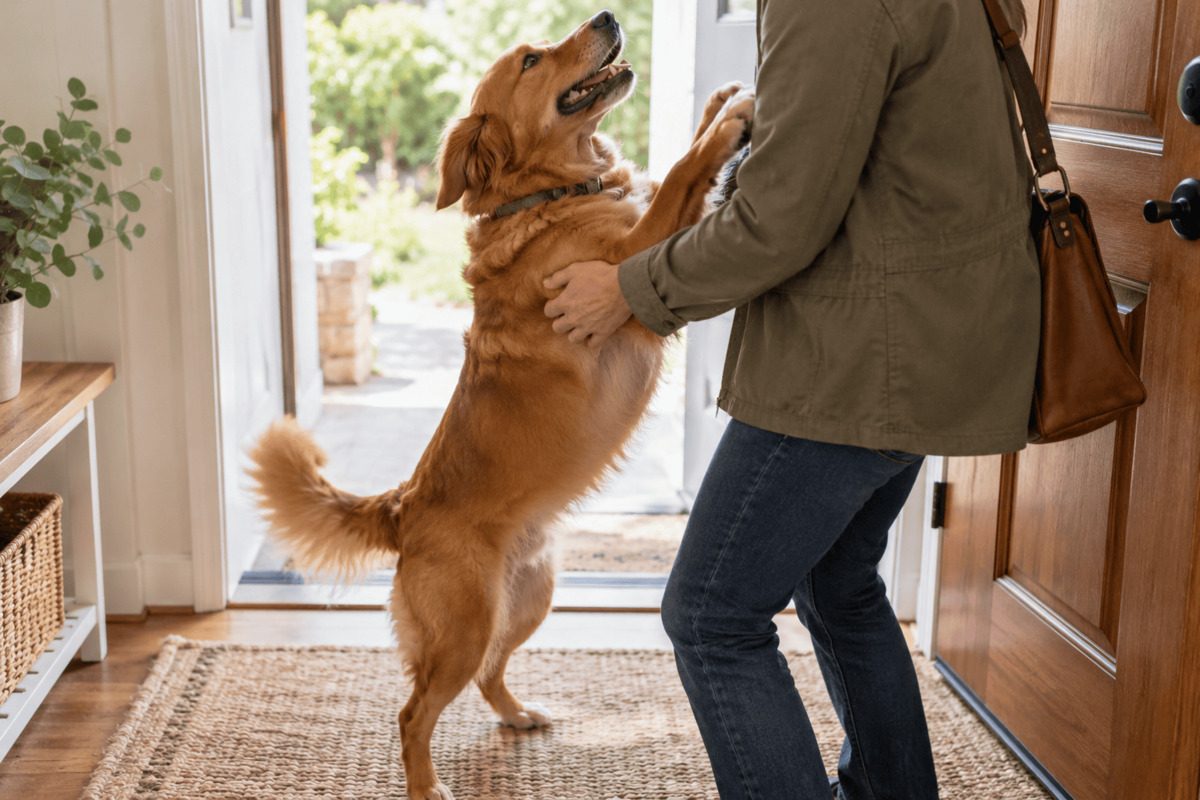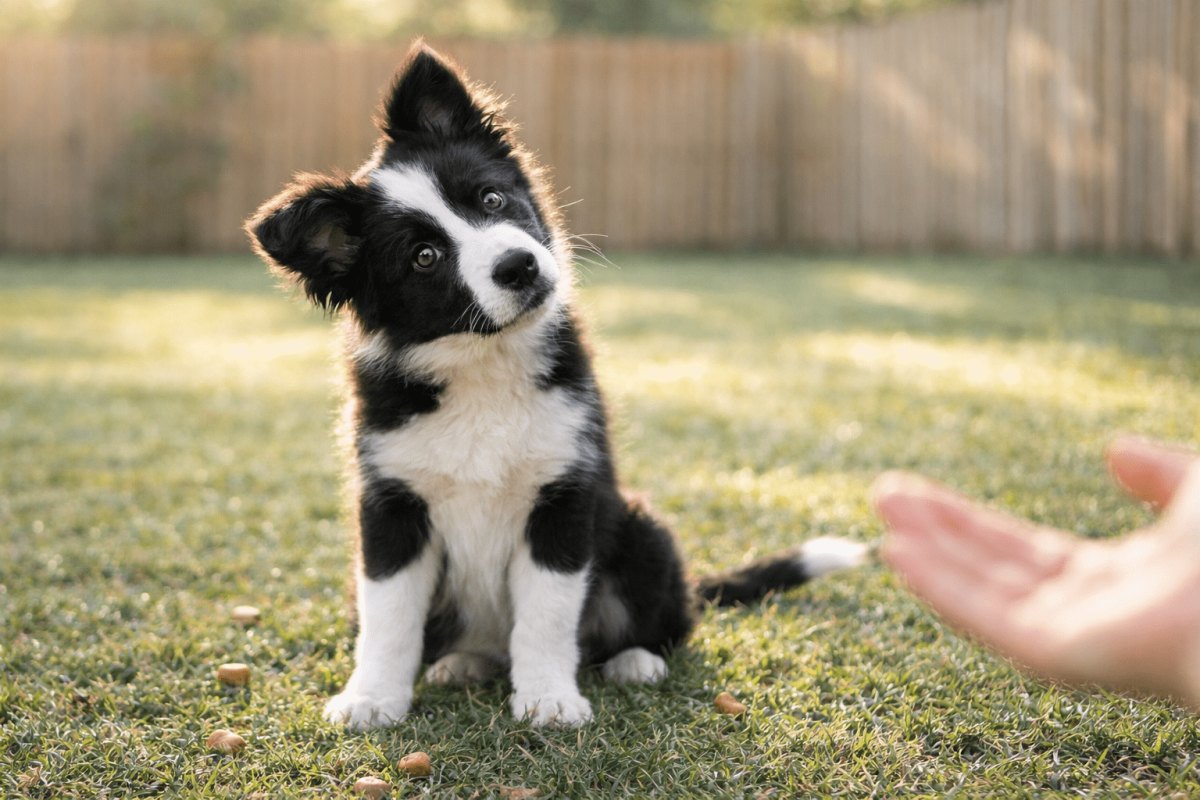
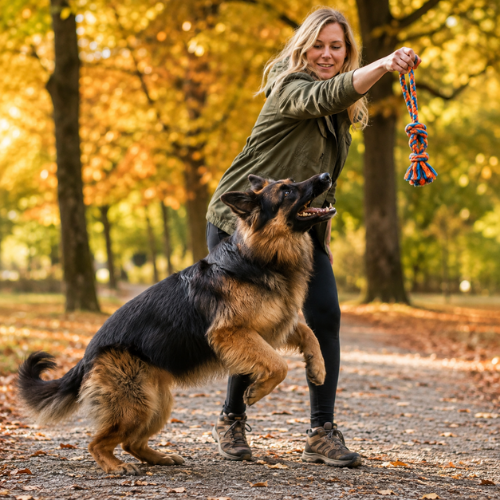
A puppy’s fear periods are not moments to fix but opportunities to guide. This visual checklist explores seventeen supportive approaches, each inspired by a different training scene, so owners can create calm experiences that build trust.
Create a safe first bond during early puppy fears
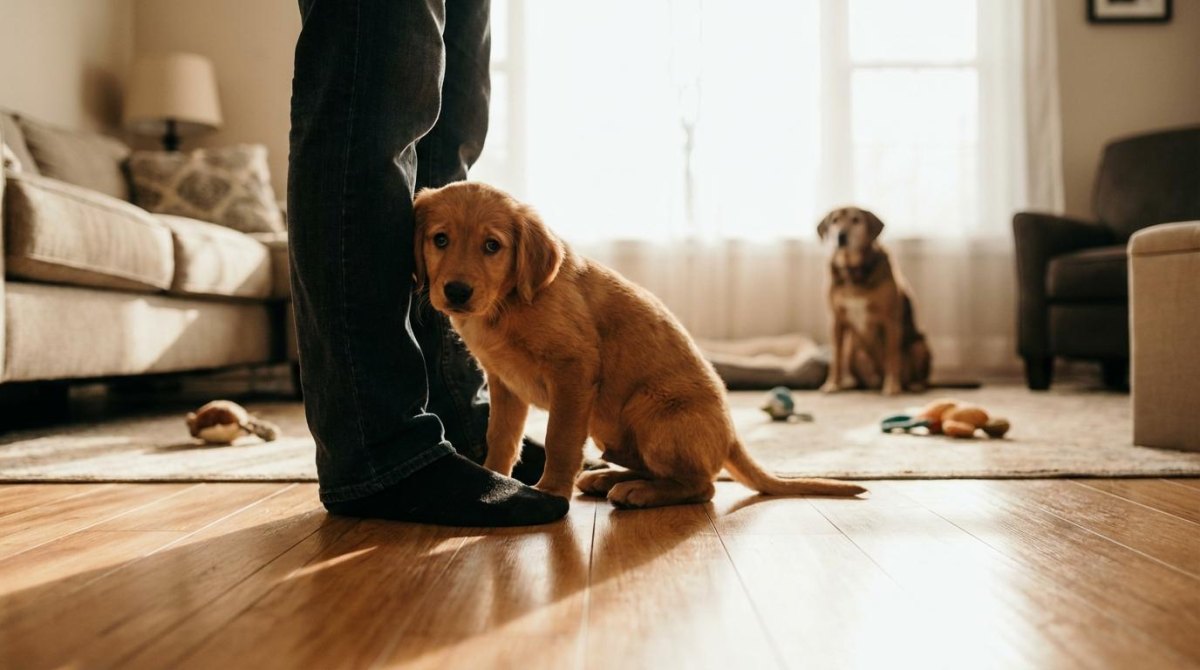
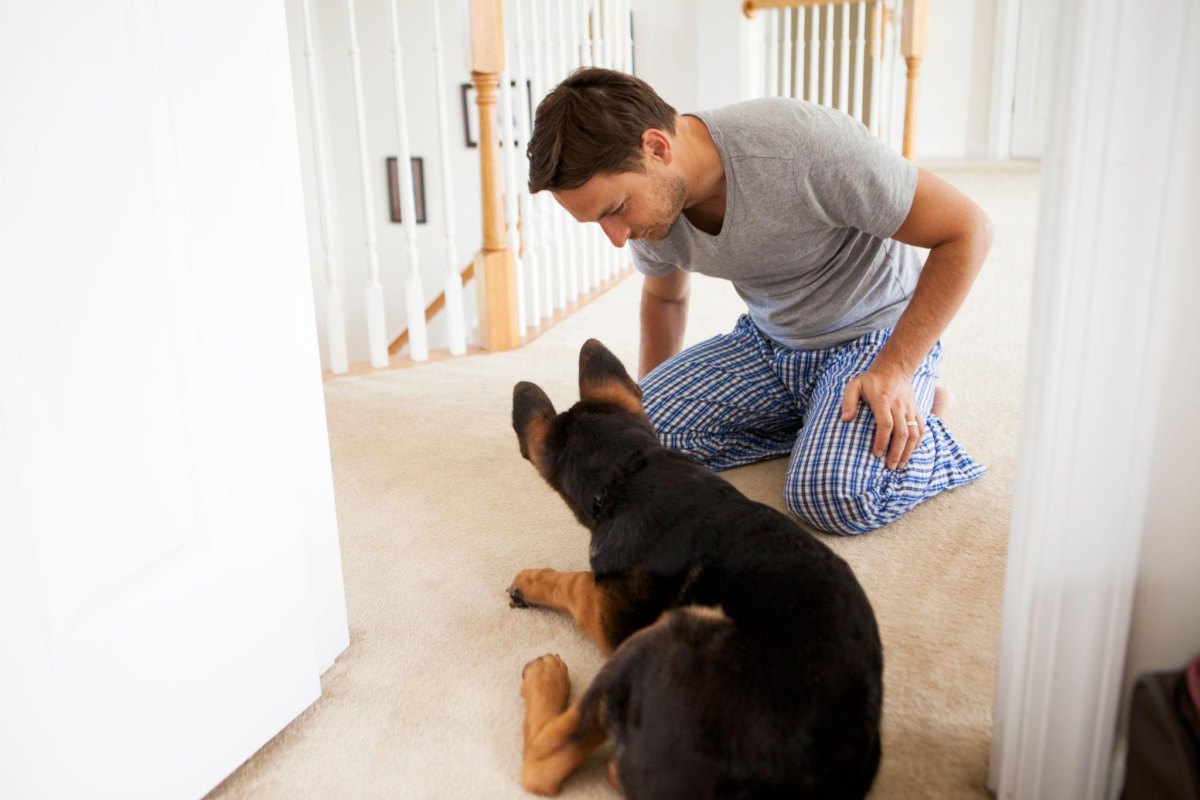
The foundation is security. A puppy meeting a trusted person learns that humans can predict comfort, food, and protection.
During early fear responses, avoid forcing contact. Let the puppy approach, reward curiosity, and keep your movements gentle.
Helpful habit
Allow the puppy to choose closeness instead of carrying it into unfamiliar situations.
Understand the puppy fear period timeline
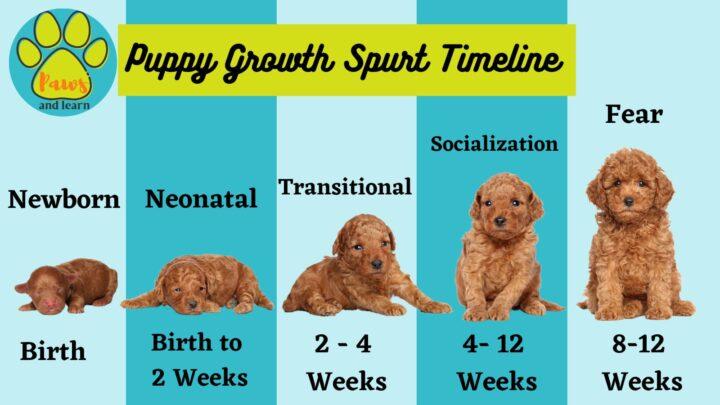
Timing changes everything. Puppies commonly experience sensitive developmental phases when new experiences can feel intense.
| Stage | Focus |
|---|---|
| Early weeks | Comfort and gentle handling |
| Socialization | Positive exposure |
A checklist helps owners respond calmly rather than accidentally rewarding panic.
Notice quiet signs of uncertainty
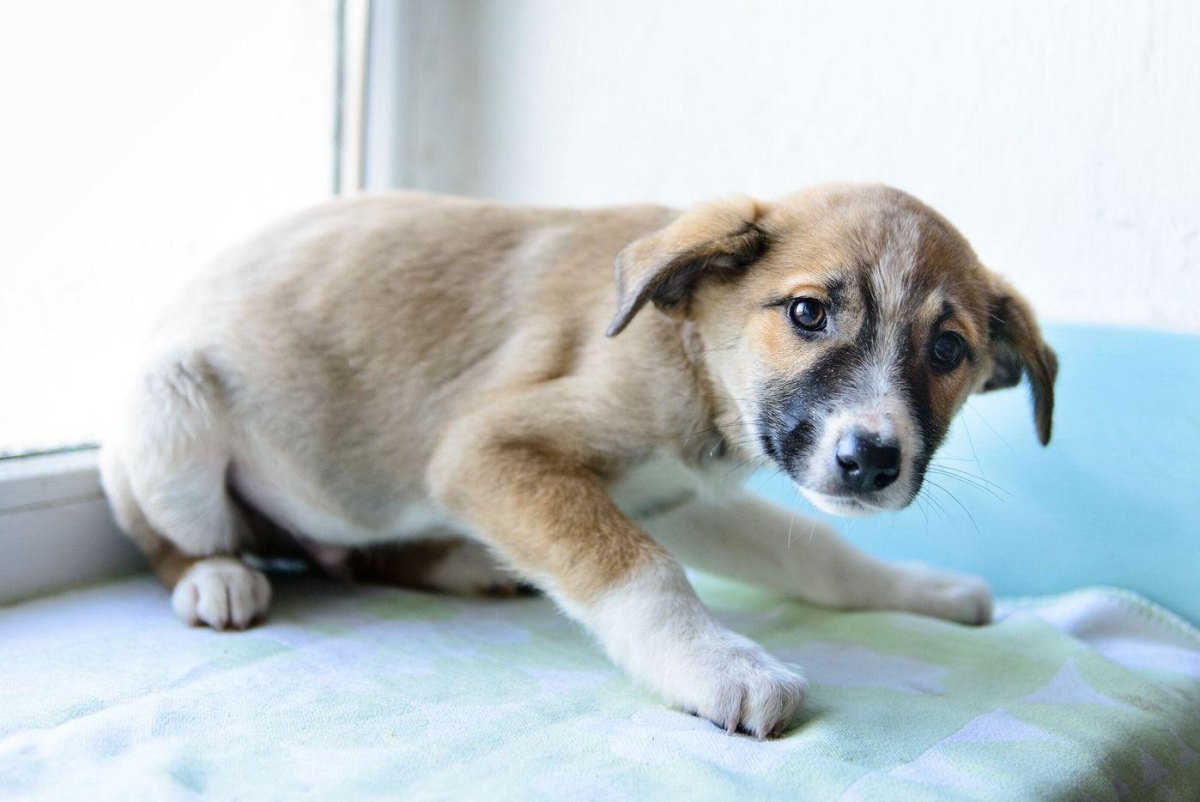
Body language comes first. A cautious puppy may lower its body, avoid eye contact, or hesitate before exploring.
- Pause when your puppy freezes.
- Reward calm investigation.
- Increase distance from overwhelming triggers.
Make rest part of fear period support

A rested puppy learns better. A comfortable sleeping area gives young dogs a predictable retreat after exciting experiences.
Keep the bed in a quiet location and avoid disturbing naps. Rest lowers stress and improves emotional regulation.
Use gentle rewards to build confidence
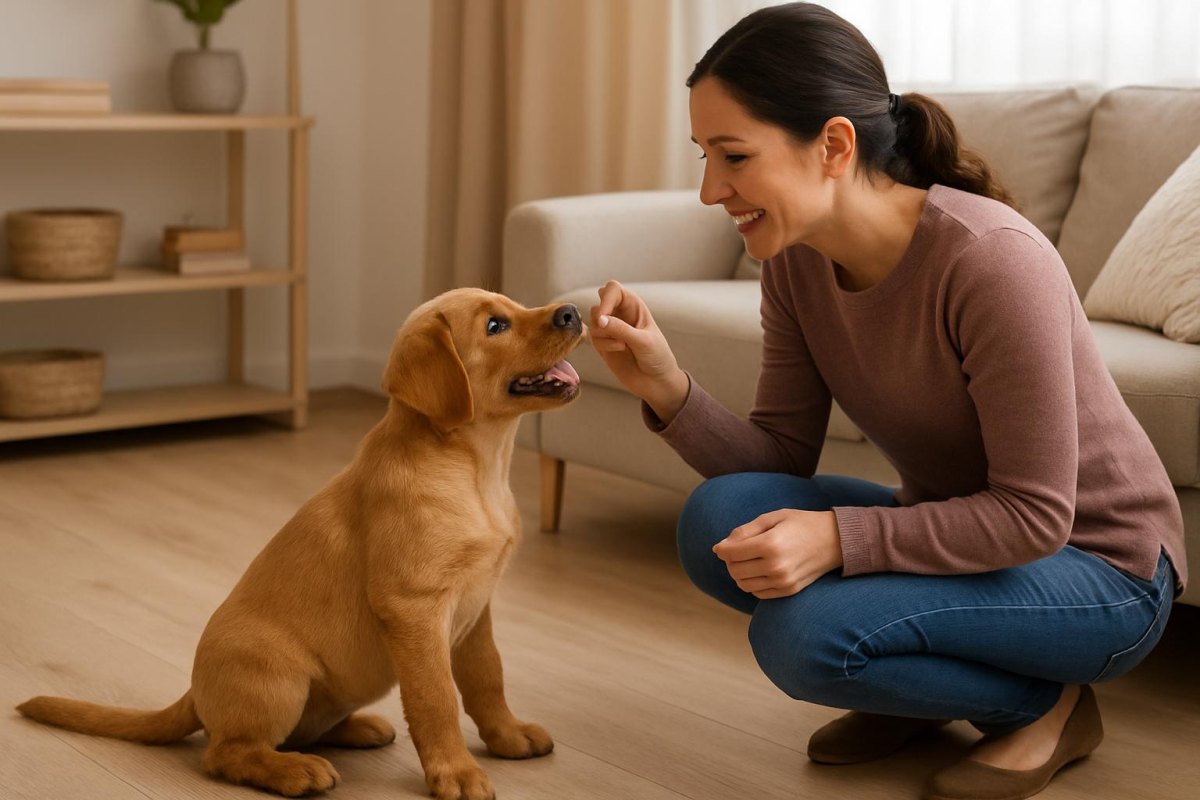
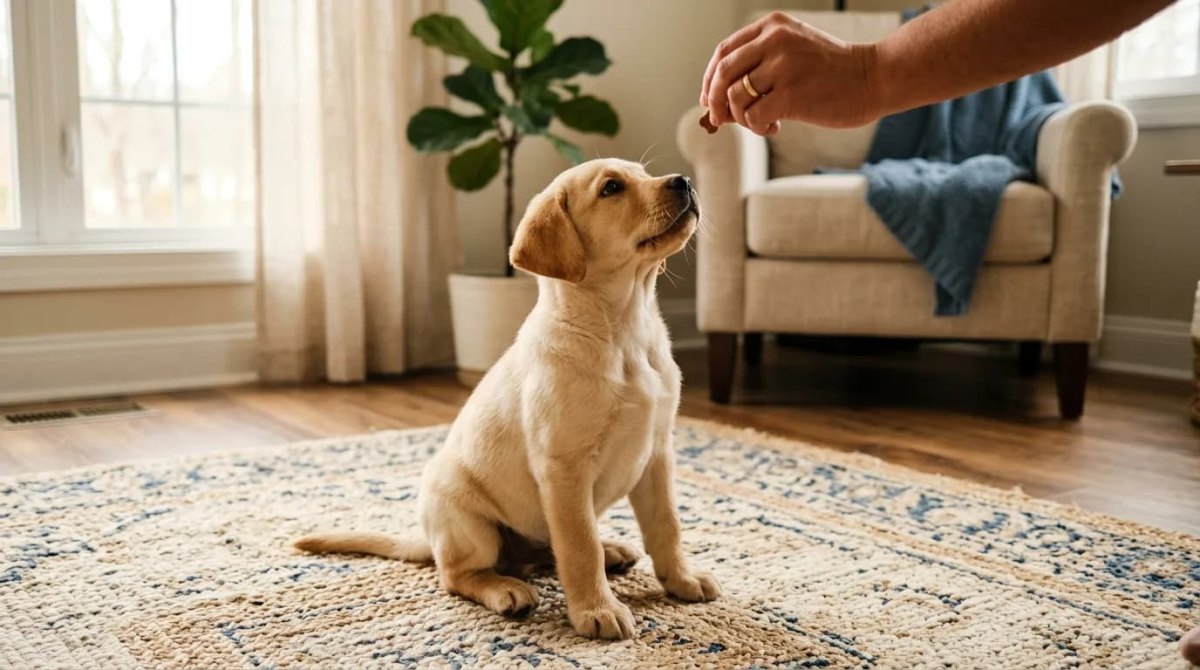
Positive reinforcement changes feelings. Pairing new situations with treats, praise, or play teaches puppies that unfamiliar things can be safe.
Confidence grows when a puppy controls the pace of discovery.
Puppy training principle
Practice calm introductions at home
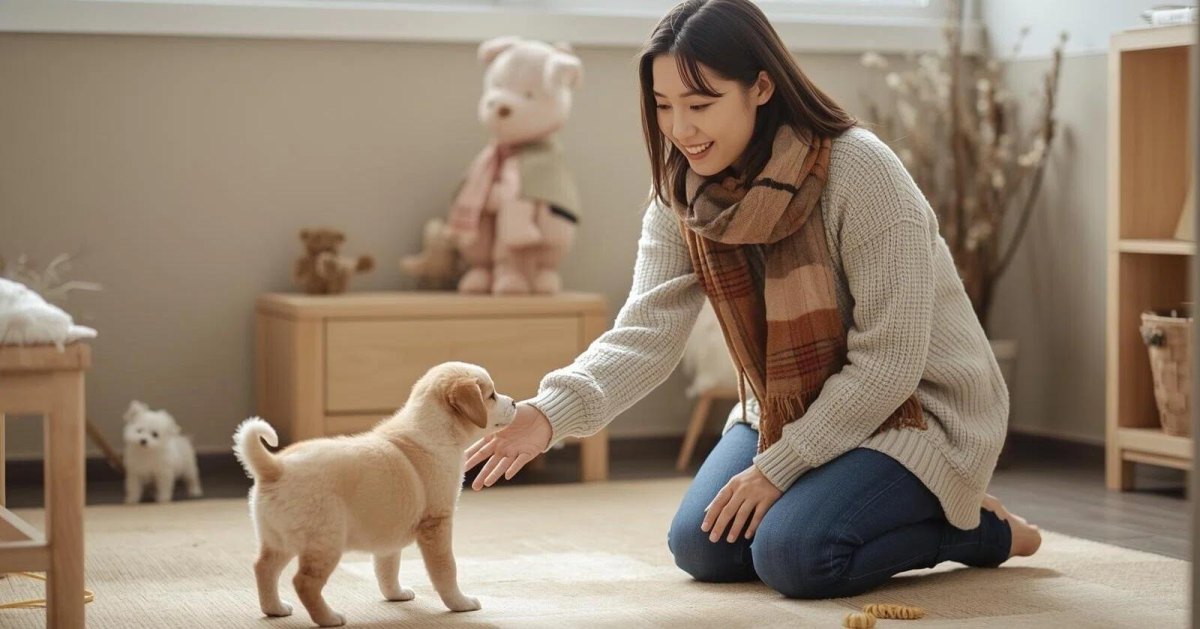
Home is the training ground. Introduce visitors, sounds, and objects gradually instead of creating a flood of new experiences.
Adaptation idea
Let your puppy observe first, then reward voluntary interaction.
Build confidence through outdoor exploration
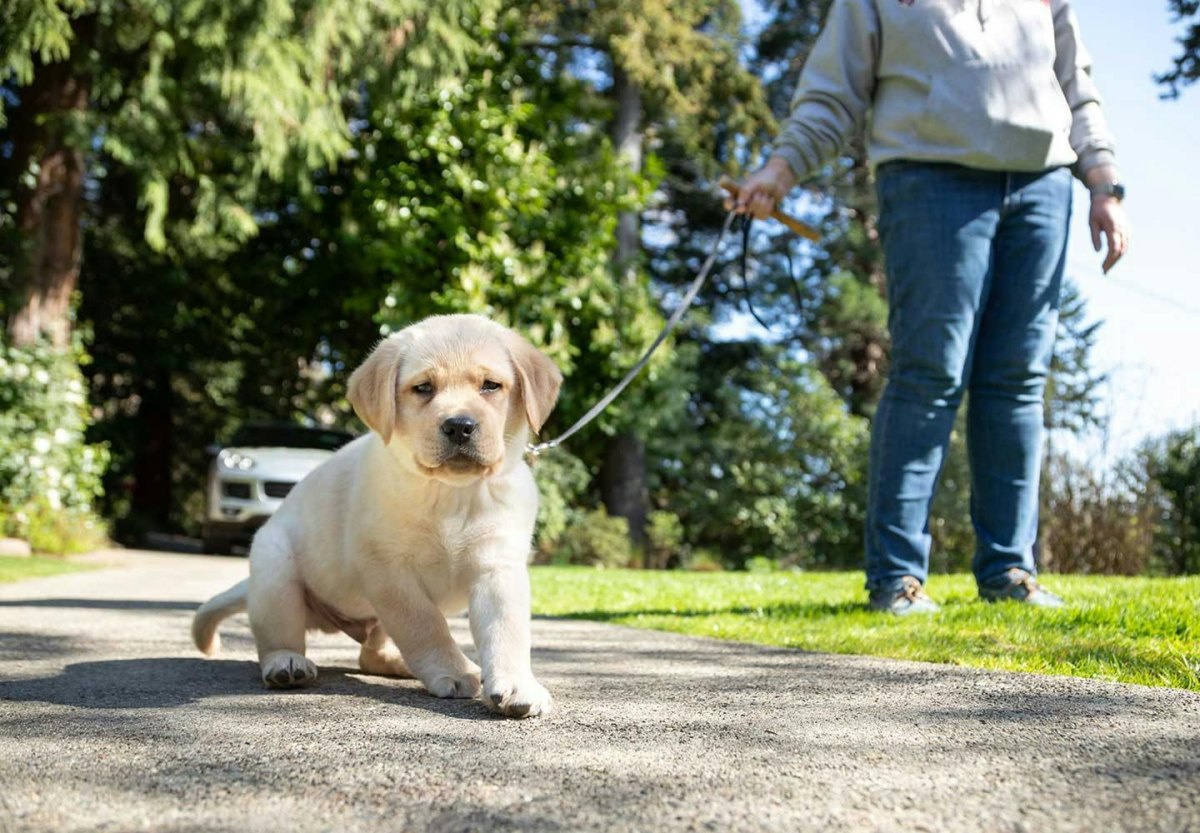
Small adventures matter. Outdoor exposure should be controlled, positive, and appropriate for your puppy’s vaccination and health situation.
Begin with short sessions where sniffing and watching are considered success.
Manage startling household experiences

Everyday noises can become lessons. Cleaning sounds, movement, and sudden activity should be introduced slowly.
Avoid this mistake
Do not trap a frightened puppy near a trigger to make it get used to it.
Keep training sessions playful and short
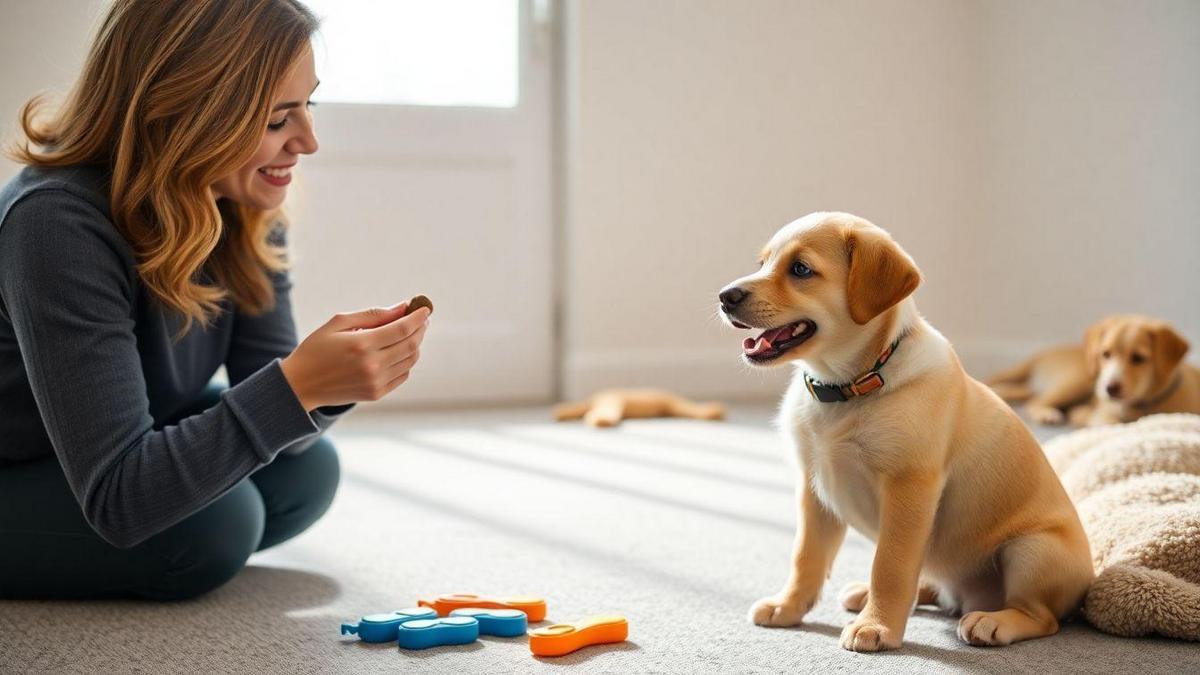
Play creates resilience. Simple games teach puppies to engage with people while building focus and confidence.
- Start. Choose an easy behavior.
- Reward. Mark relaxed choices.
- Finish. End before frustration appears.
Introduce new spaces with patience
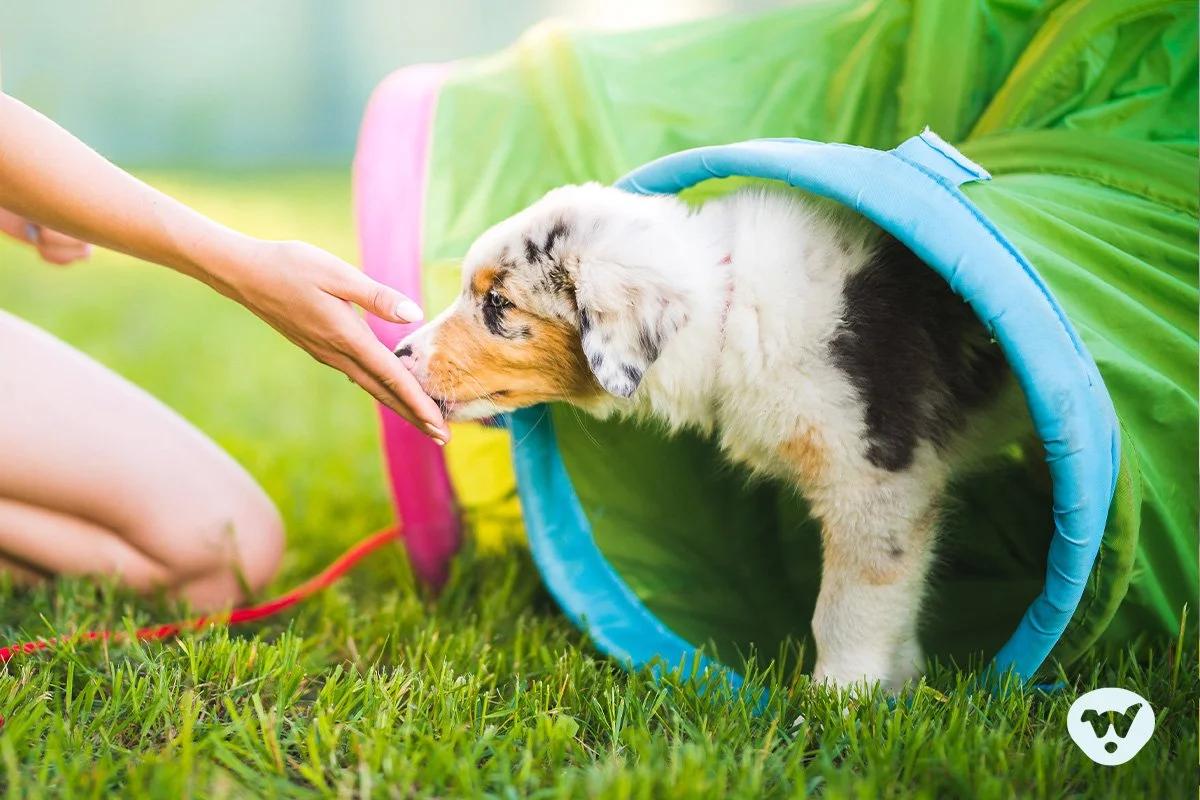
Curiosity needs room. A puppy exploring a tunnel, toy, or unfamiliar area should always have an exit option.
Confidence comes from repeated successful experiences, not from rushing through challenges.
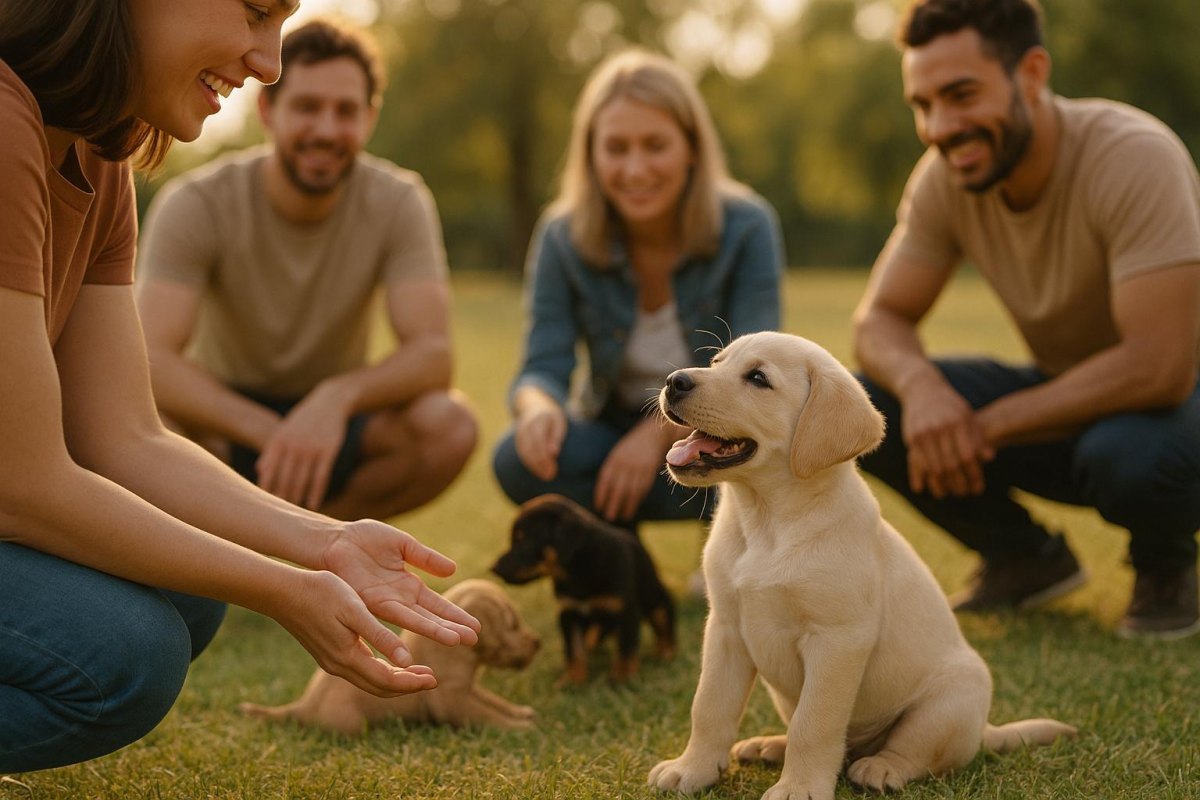
Support healthy puppy social meetings
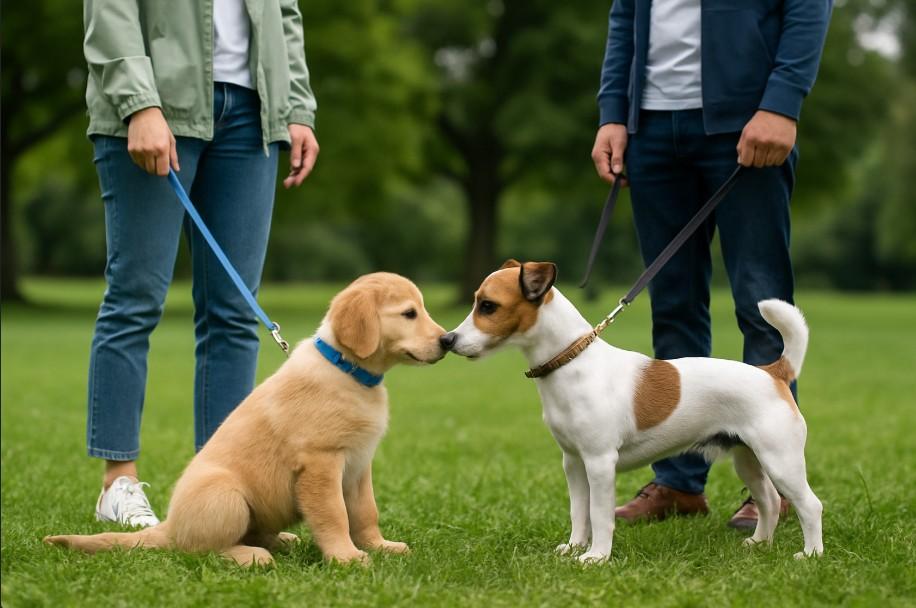
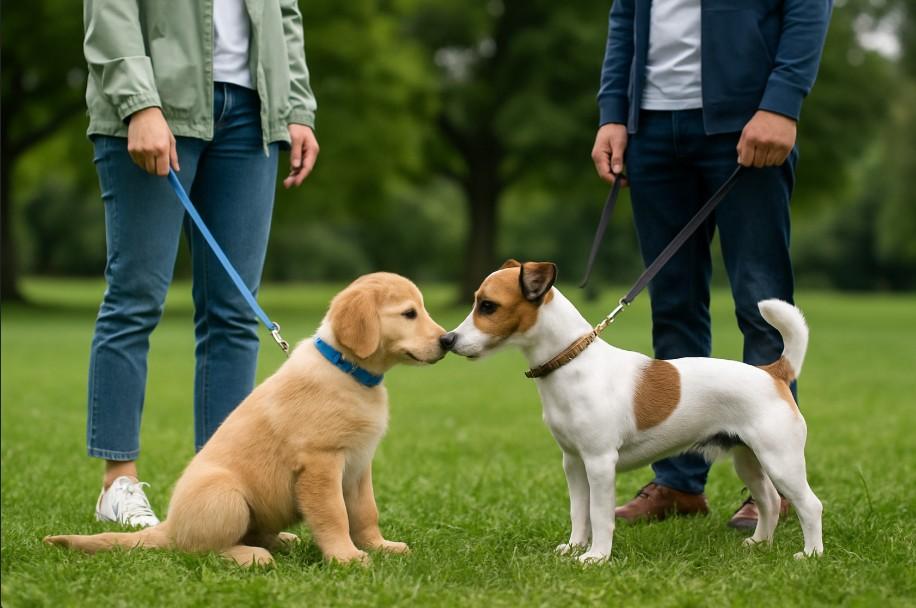
Quality matters more than quantity. Meeting stable, friendly dogs can teach valuable social skills.
- Choose: calm dogs with appropriate manners.
- Watch: body language from both animals.
- Stop: before either puppy becomes overwhelmed.
Read fear signals before they escalate
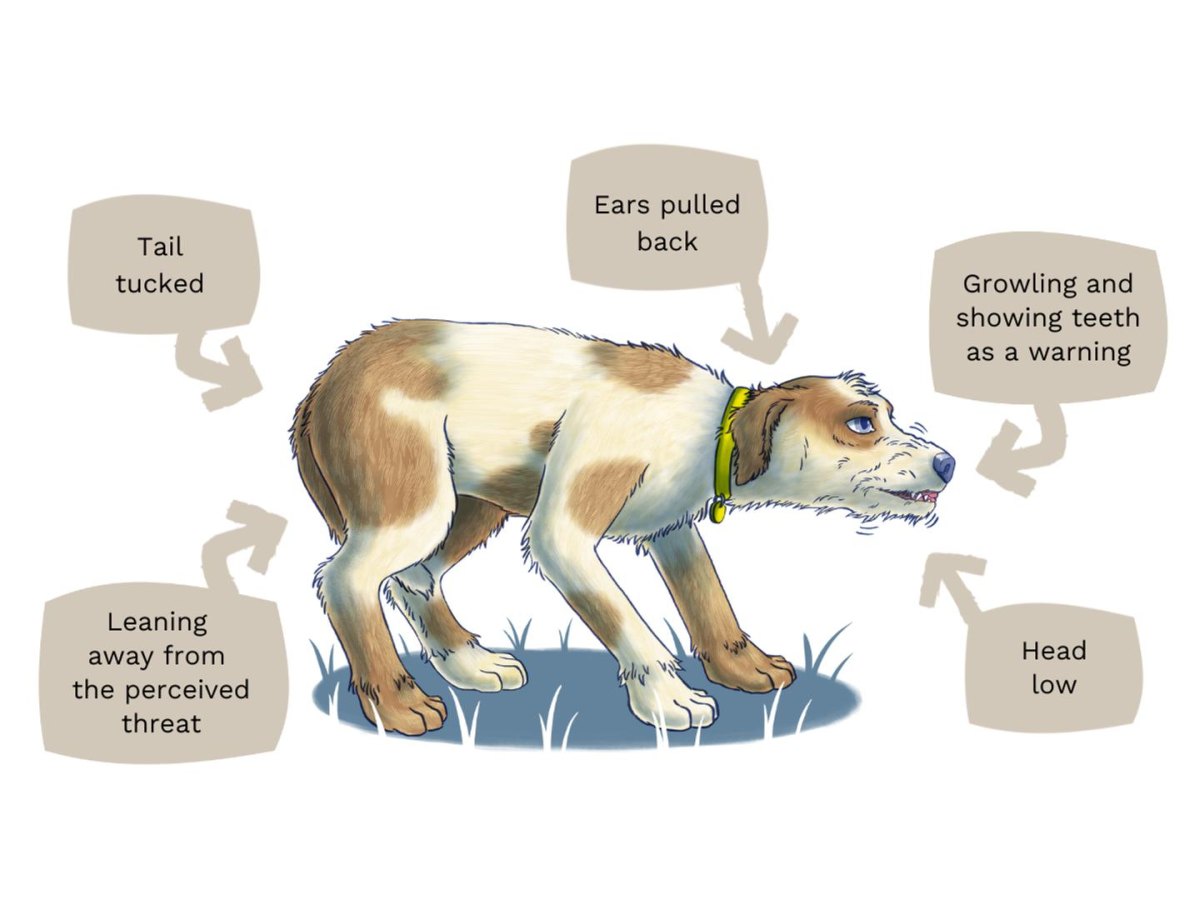
Communication prevents problems. A fearful puppy may tuck its tail, lean away, or show defensive signals.
Responding early protects trust and prevents a small worry from becoming a bigger reaction.
Create predictable feeding routines
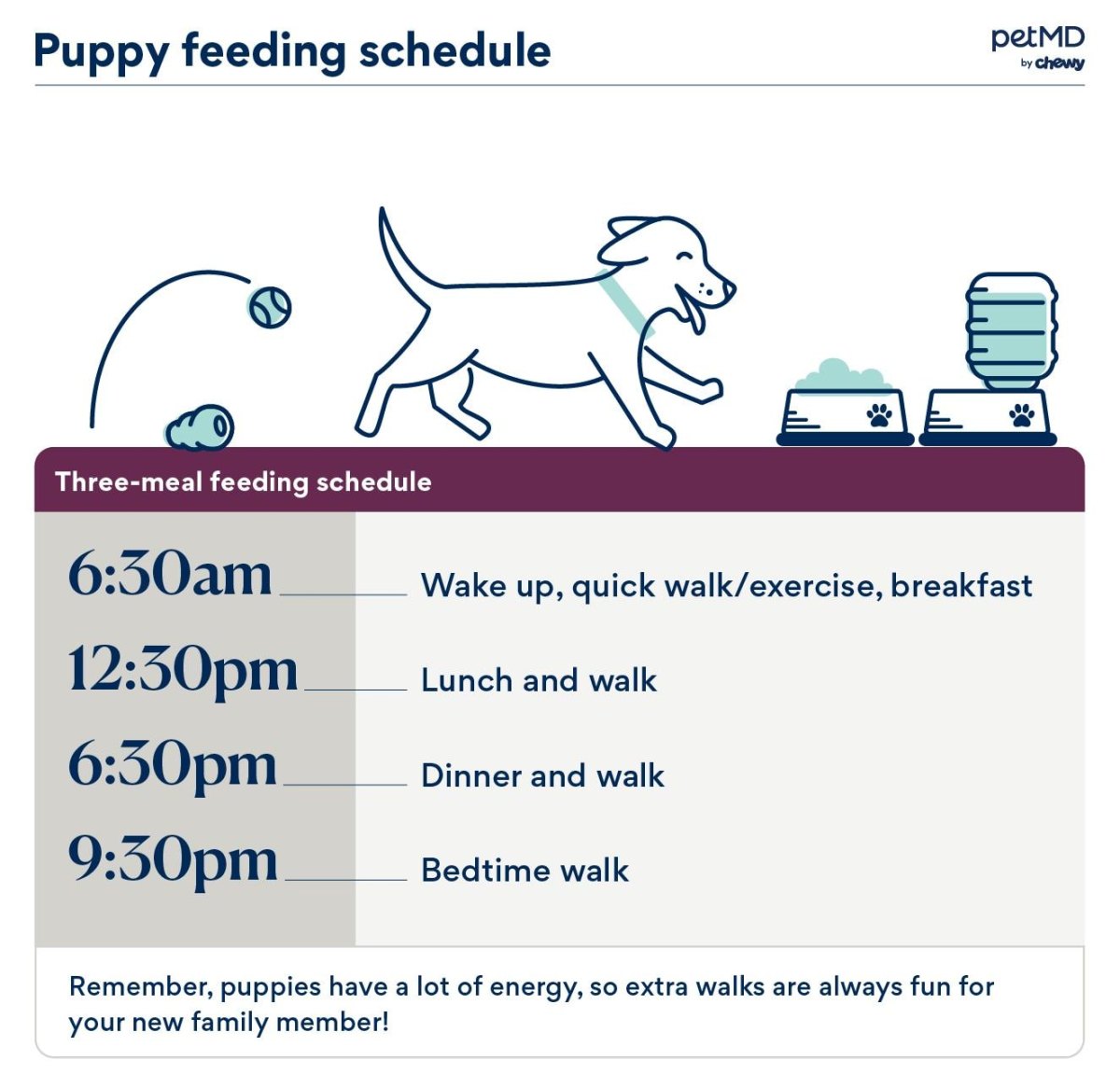
Routine reduces uncertainty. Regular meals, rest, and bathroom breaks help puppies understand their world.
Daily checklist
- Consistent meals
- Quiet recovery time
- Reward-based learning
Use comfort without reinforcing panic
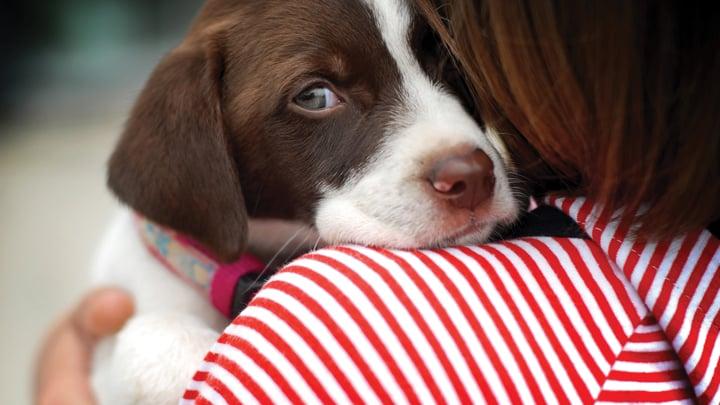
Support does not mean increasing fear. Stay calm when your puppy is worried and offer reassurance through presence and distance.
A confident owner helps a puppy discover that scary moments pass.
Know when professional guidance helps
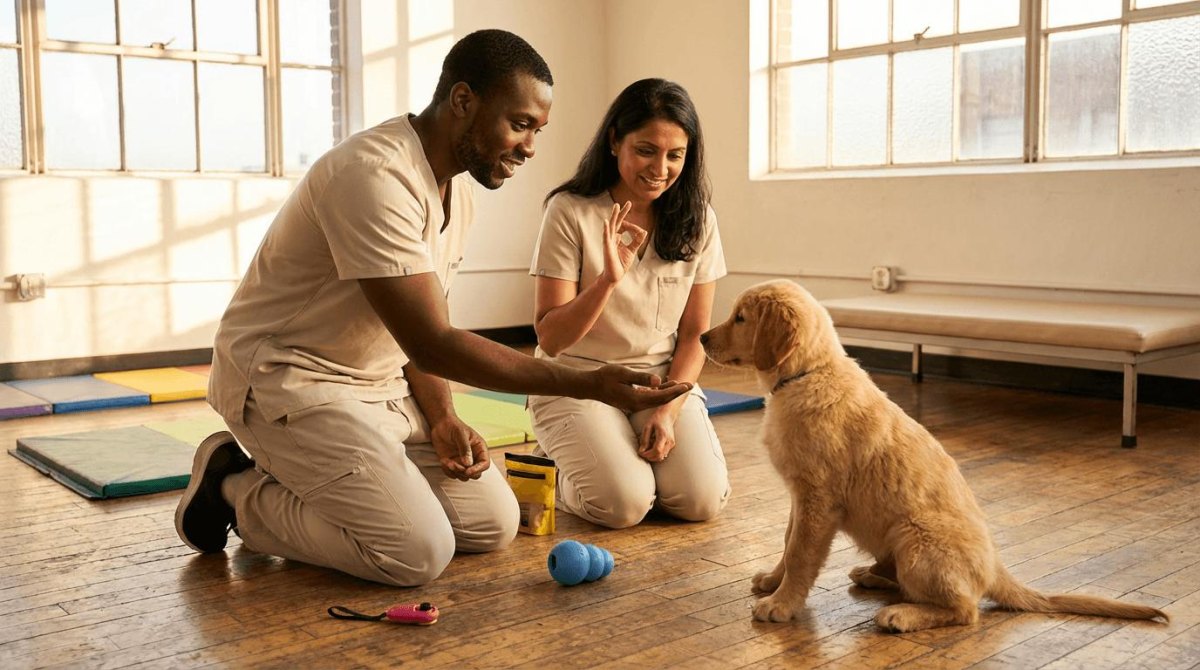
Early support is valuable. Trainers and veterinary professionals can help when fear responses are intense or persistent.
Training should focus on kindness, gradual exposure, and practical management.
Track progress with a puppy training journal
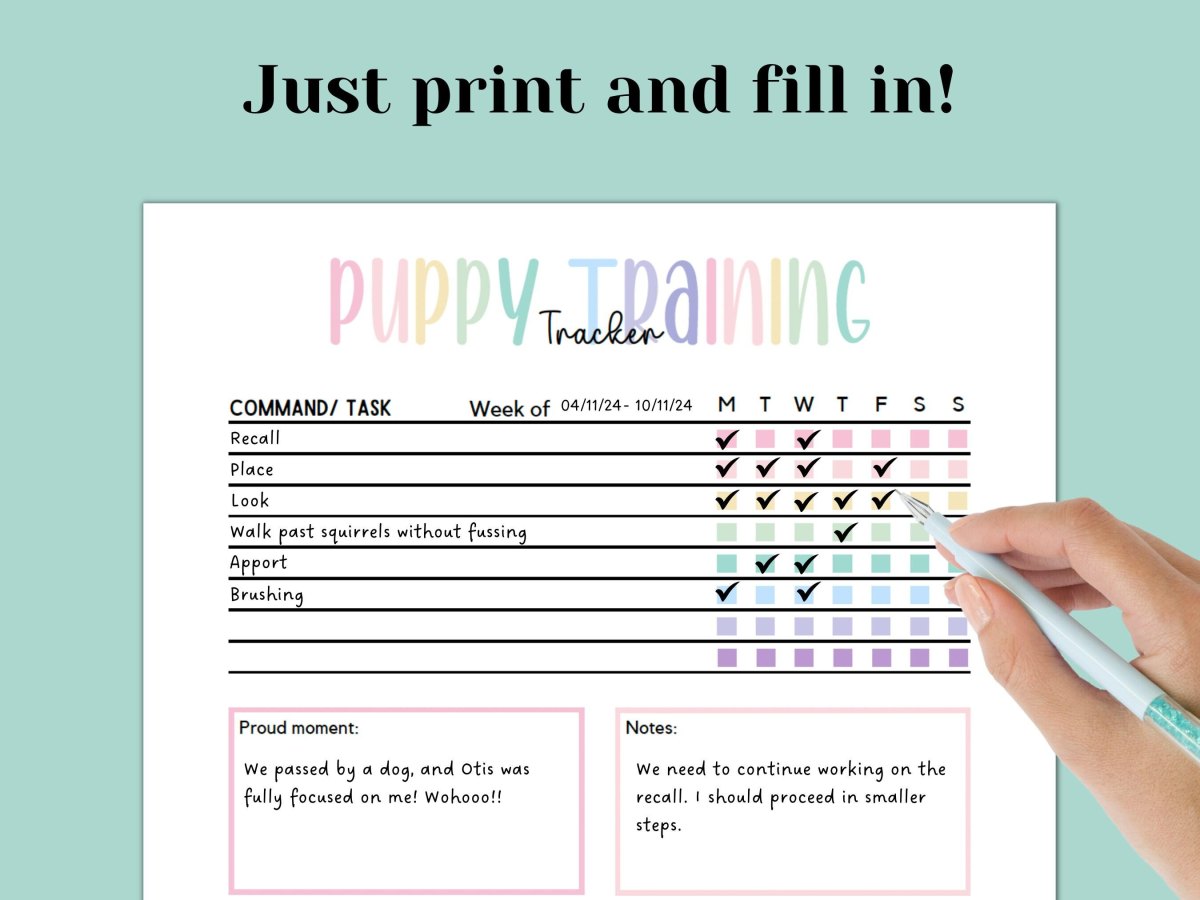
Small wins reveal patterns. Recording triggers, reactions, and improvements helps owners adjust their approach.
A simple weekly tracker can show which situations need more patience.
Celebrate the confident dog your puppy becomes
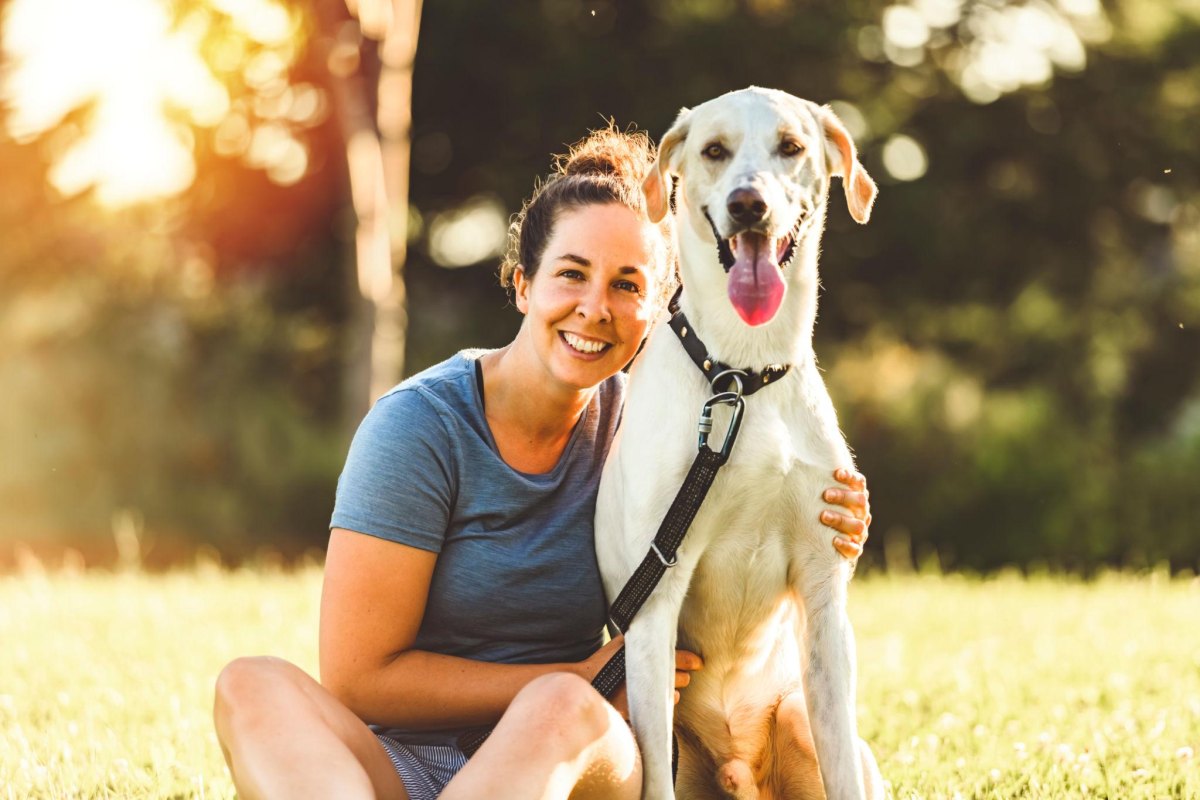
Confidence is built daily. The goal of a puppy fear period checklist is not a fearless dog, but a dog that trusts its people and can recover from uncertainty.
Continue rewarding curiosity, calm choices, and healthy communication throughout life.
A thoughtful puppy fear period checklist turns uncertain moments into training opportunities. With patience, observation, and consistent kindness, owners can help puppies develop lasting confidence.
Common Questions
What is the most important item on a puppy fear period checklist?
The most important item is creating positive, controlled experiences while allowing the puppy to choose its pace.
Should I comfort my puppy when it is scared?
Yes, provide calm support without forcing interaction or making the scary situation more intense.
When should I seek help for puppy fear?
Seek professional guidance if fear prevents normal activities or causes strong reactions that do not improve.
More Pinterest Visuals