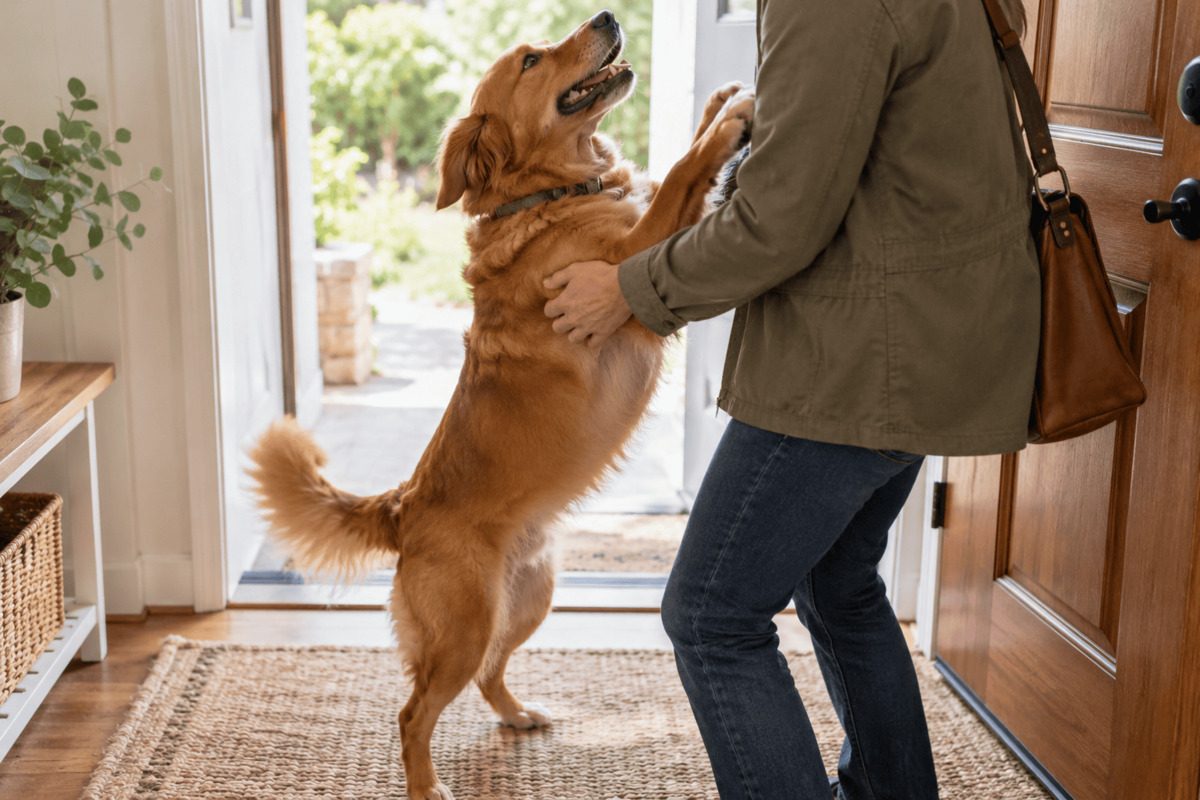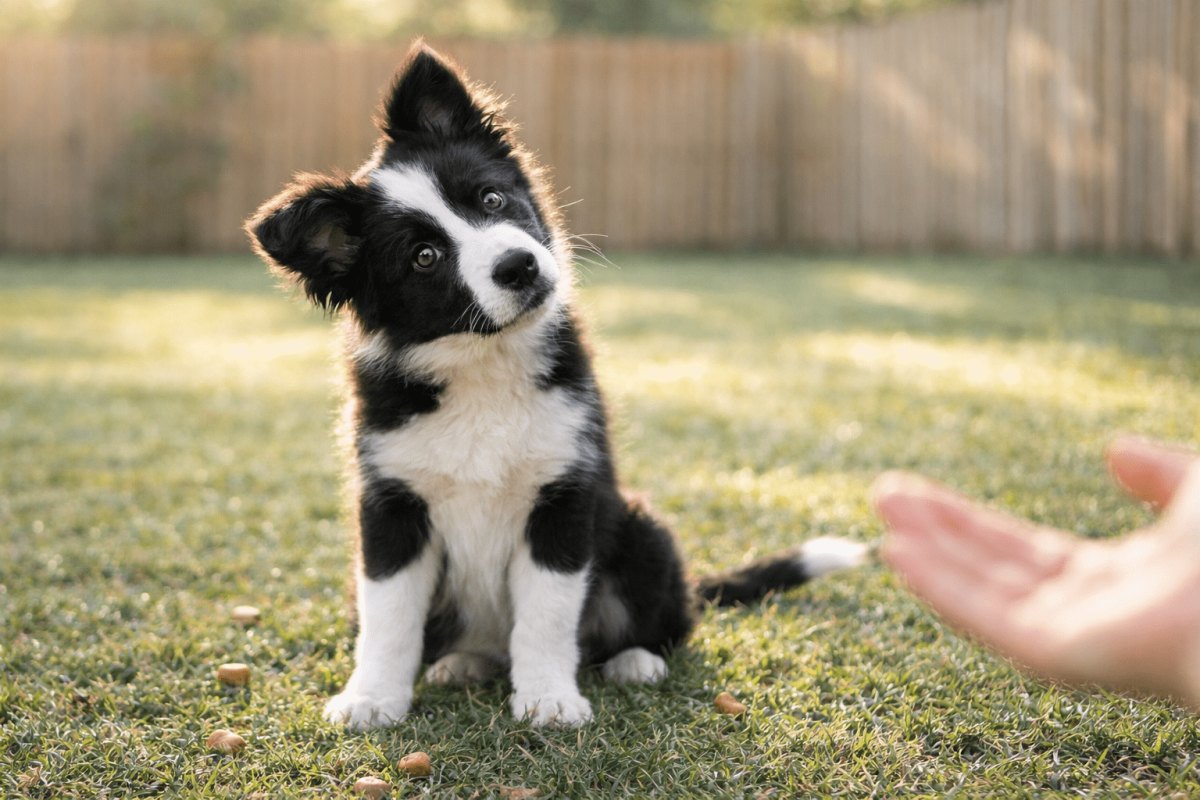
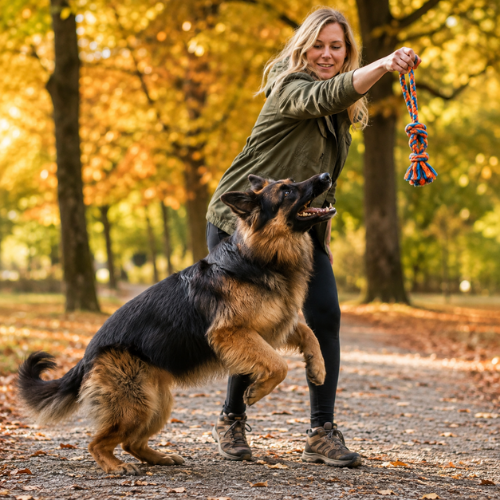
A German Shepherd puppy does not need a world tour. They need a series of small, safe experiences that teach them the world is predictable. I have seen plenty of owners rush socialization because they are afraid of “missing the window,” then accidentally overwhelm a puppy who was simply trying to cope.
This German Shepherd puppy socialization checklist is built around controlled exposure, positive associations, and watching the dog in front of you. Socialization is not forcing your puppy to greet everything. It is teaching them that new people, places, sounds, and routines can be handled calmly.
Introducing Your German Shepherd Puppy to Family Members and Visitors
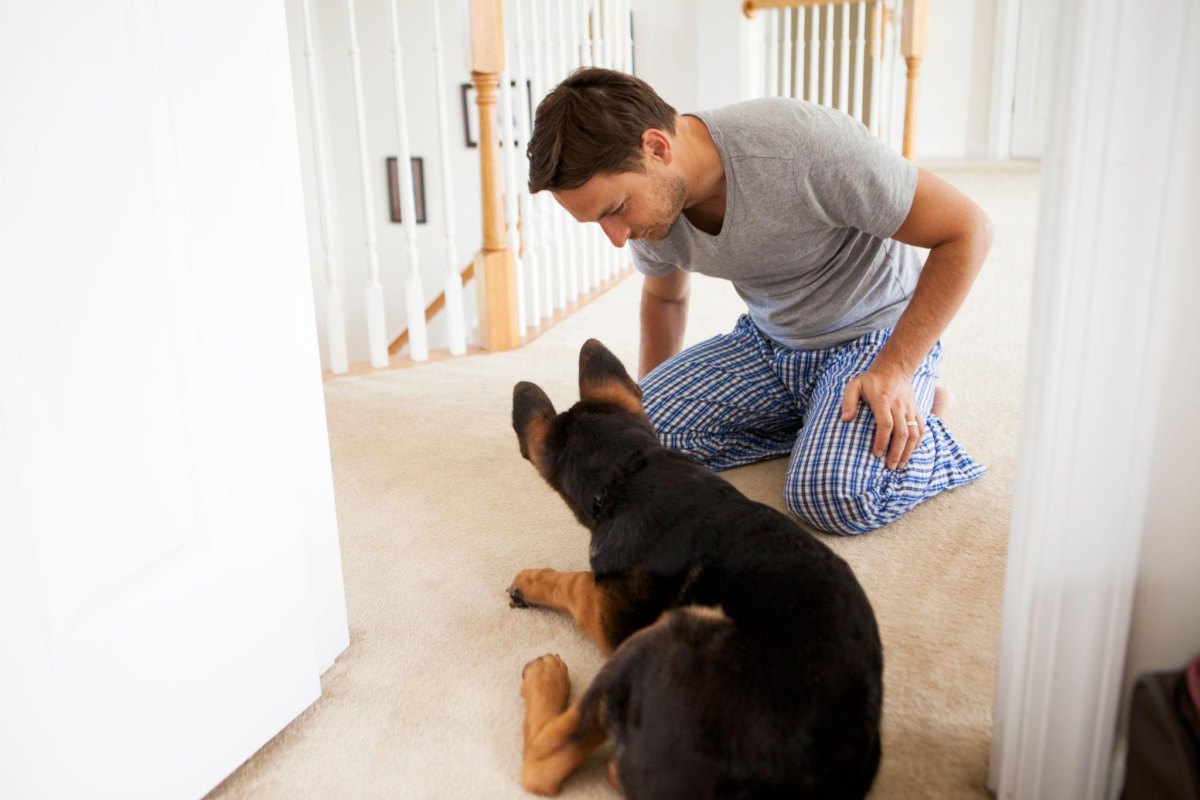
The first visitors your puppy meets shape a big part of their early expectations. With German Shepherds, I pay close attention here because a confident guardian is wonderful, but a worried guardian can become a dog who feels responsible for every person walking through the door. Early socialization helps puppies learn that friendly strangers are not automatically a concern.
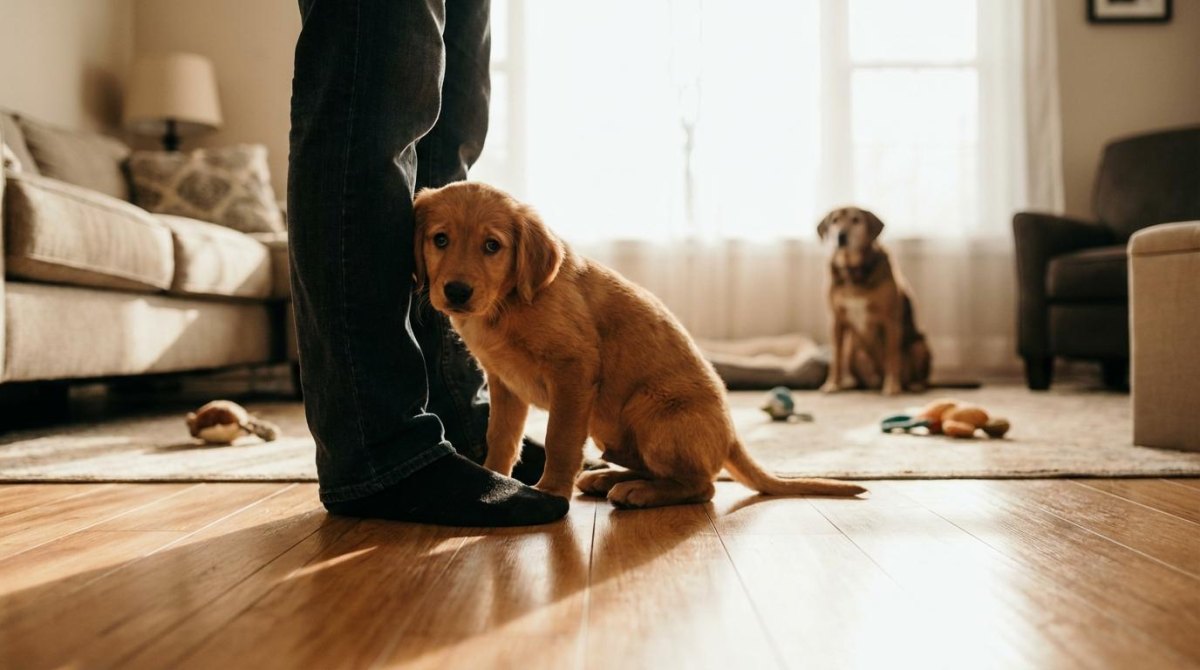
I ask visitors to ignore the puppy at first, avoid leaning over them, and let the puppy choose contact. A soft body, loose tail movement, normal breathing, and curiosity tell me the puppy is coping. A frozen posture, tucked tail, lip licking, or turning away means I need to slow things down.
My visitor rule
I would rather have five calm, positive greetings than twenty chaotic ones. Confidence grows from good experiences, not from being overwhelmed.
Teaching Positive Experiences With Different People
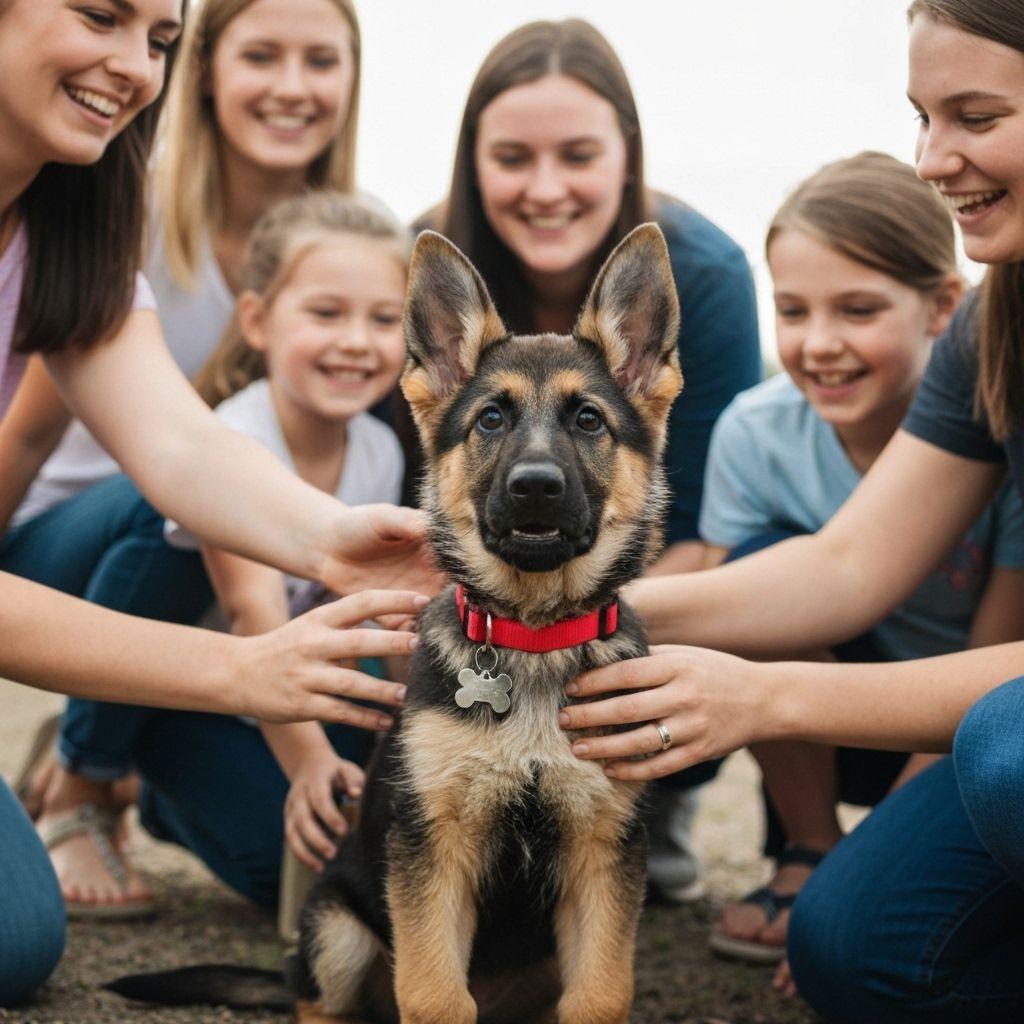
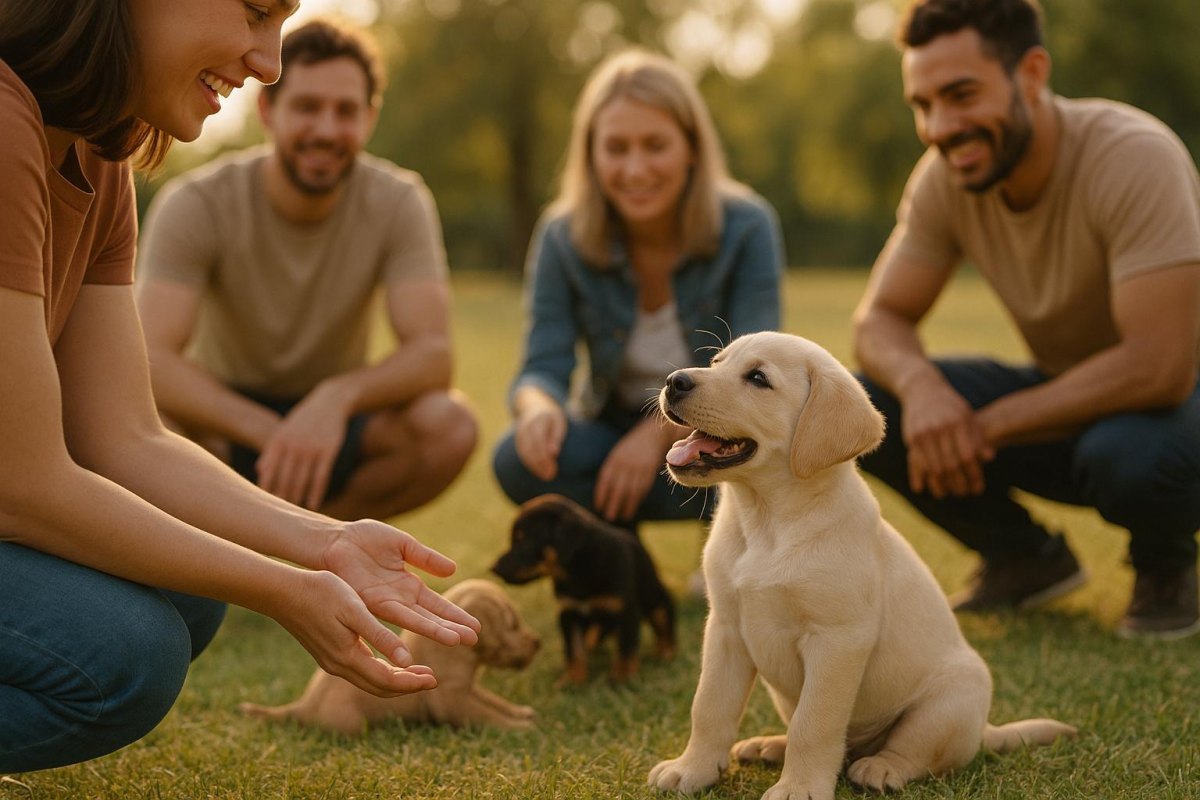
Socializing with people is not just about meeting your own family. I want puppies to see the variety of humans they will encounter for years: children, older adults, people walking slowly, people moving quickly, and people using mobility aids. The goal is positive exposure, not making your puppy tolerate every interaction.
I keep these meetings below the puppy’s stress threshold. If your German Shepherd is staring hard, leaning backward, closing their mouth suddenly, or unable to take treats, the answer is usually more distance, not more encouragement. Reward-based training is the approach recommended by current veterinary behavior guidance.
What I watch first
I watch the dog, not the person. A puppy telling me “I need space” is communicating successfully, not failing.
Exposing Your Puppy to New Sounds and Everyday Noises

The vacuum cleaner, traffic, doorbells, thunderstorms, and kitchen sounds become part of daily life whether we prepare for them or not. I prefer introducing new sounds slowly while pairing them with food, play, or something the puppy already enjoys.
Start with a low volume or greater distance. I am looking for a puppy who notices the sound and then returns to normal behavior. If Bruno taught me anything, it is that “he heard it” and “he is comfortable with it” are two very different things.
Avoid flooding
Turning up a frightening noise and waiting for a puppy to “get over it” can make fear stronger. Slow progress is still progress.
Building Confidence Around Other Dogs and Animals
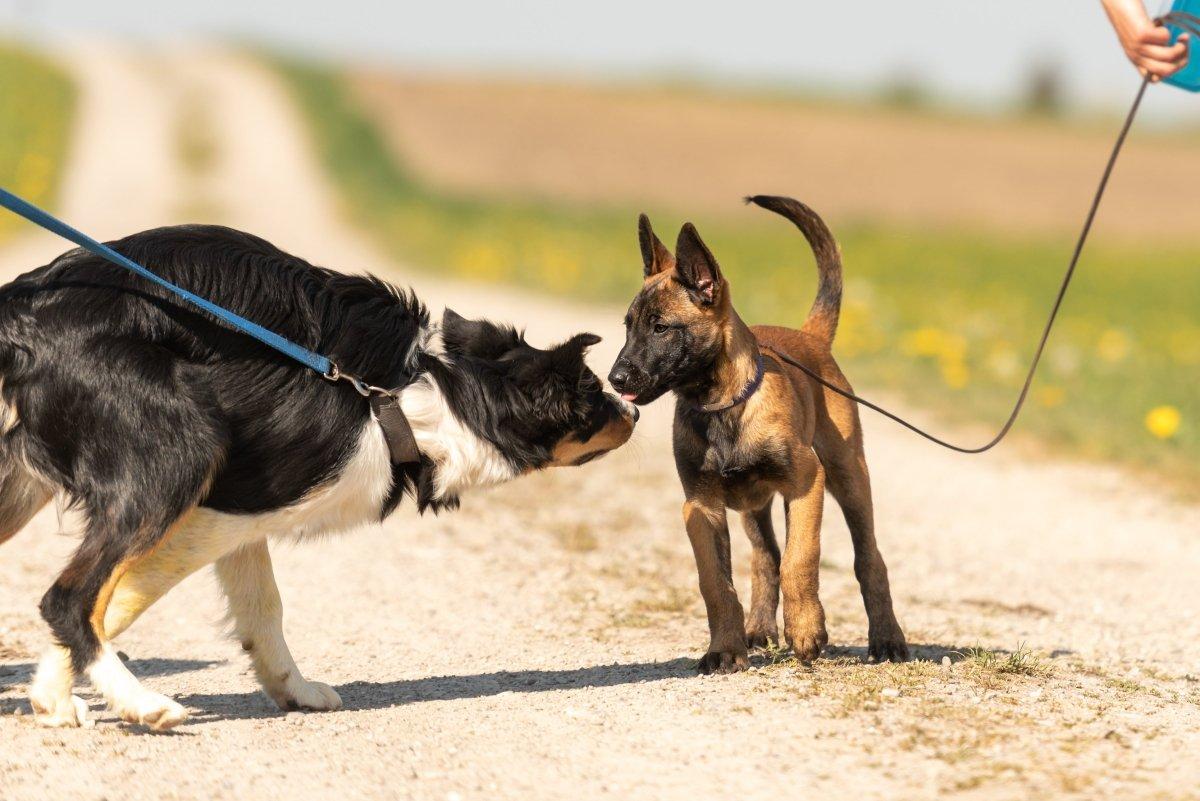
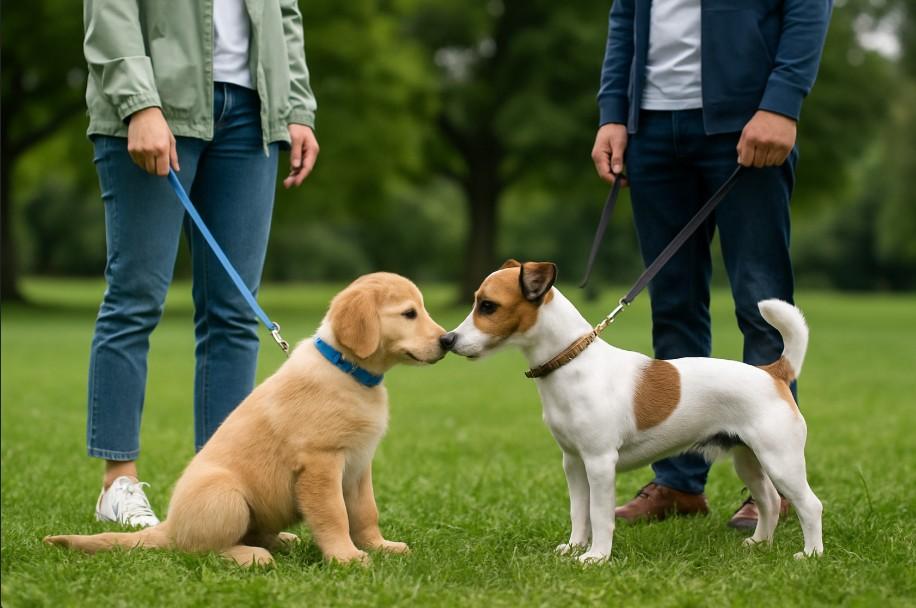
Not every socialized dog needs to play with every dog. That idea gets puppies into trouble. I teach owners that calm observation is a social skill too. A puppy who can see another dog and stay relaxed is learning something valuable.
Choose healthy, appropriate play partners and avoid chaotic situations where your puppy cannot escape. Socialization includes learning how to behave around other animals and environments, not simply collecting greetings.
| Experience | Goal |
|---|---|
| Calm adult dog | Learn polite communication |
| Dog walking nearby | Practice relaxed observation |
| Other animals at a distance | Build neutral responses |
Trainer tip
Pickle, my tiny terrier, has made a career out of being the “boring” dog in sessions. That is exactly why she is useful. Calm is the lesson.
Introducing Different Environments and Public Places
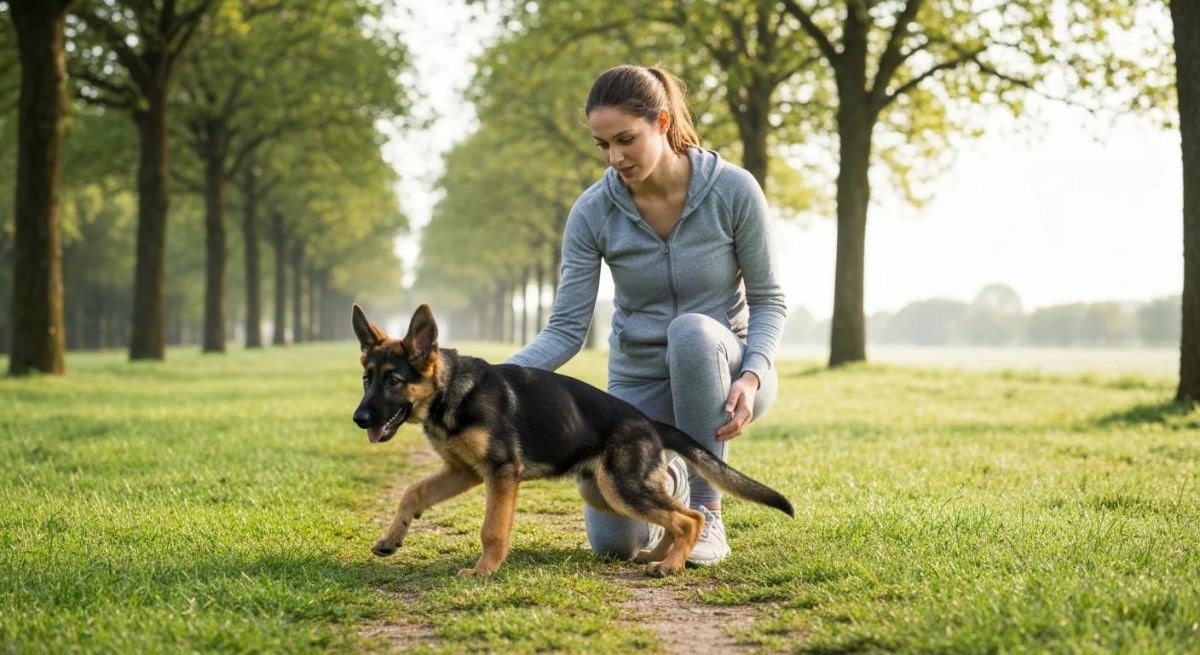
A confident German Shepherd needs practice outside the living room. I introduce new places gradually: a quiet park path, a parking lot, a friend’s yard, and eventually busier environments. The puppy does not need to interact with everything; they need to learn they can exist calmly in different settings.
Before public outings, I check vaccines and health recommendations with the puppy’s veterinarian. Safe socialization means balancing behavioral development with disease prevention.
3–14 weeks
Approximate early social development period often emphasized for puppy social learning
Helping Your Puppy Accept Handling and Grooming
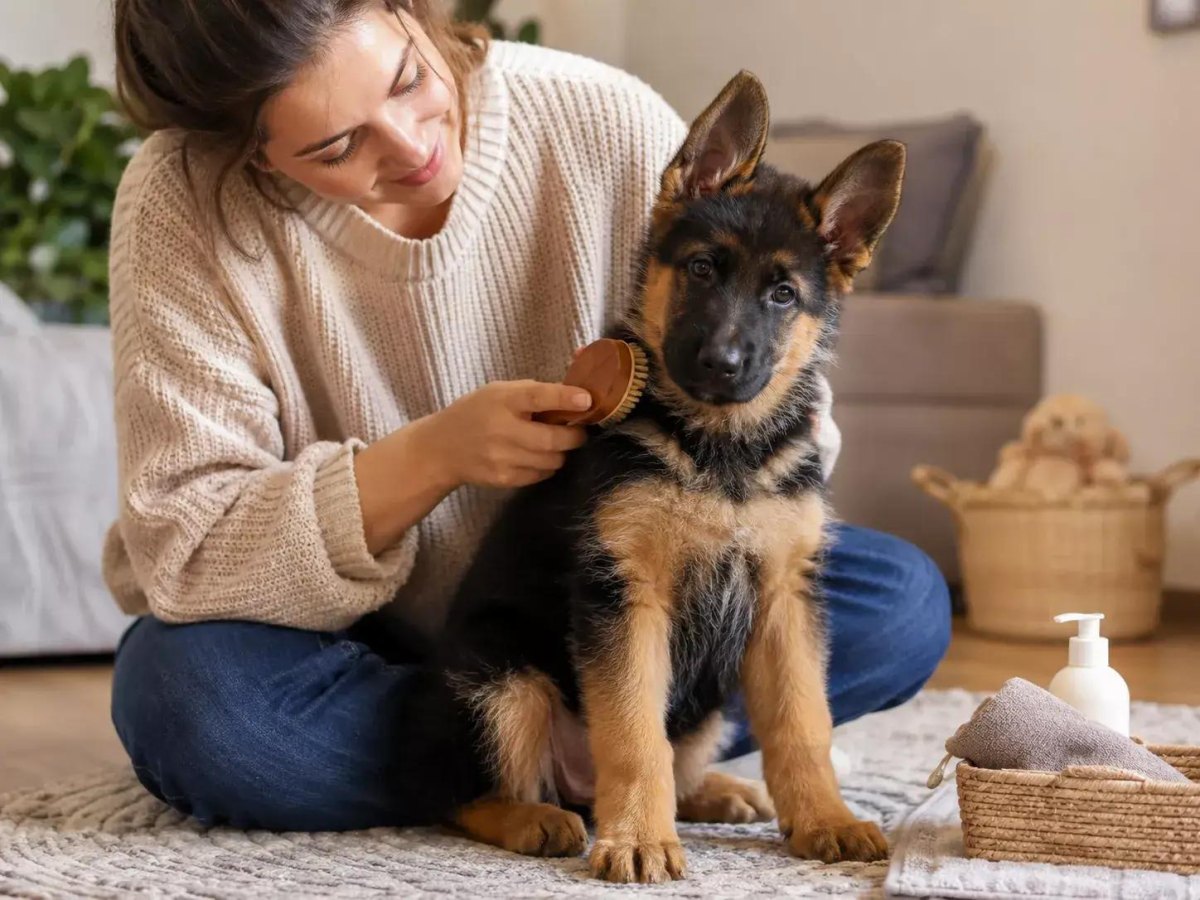
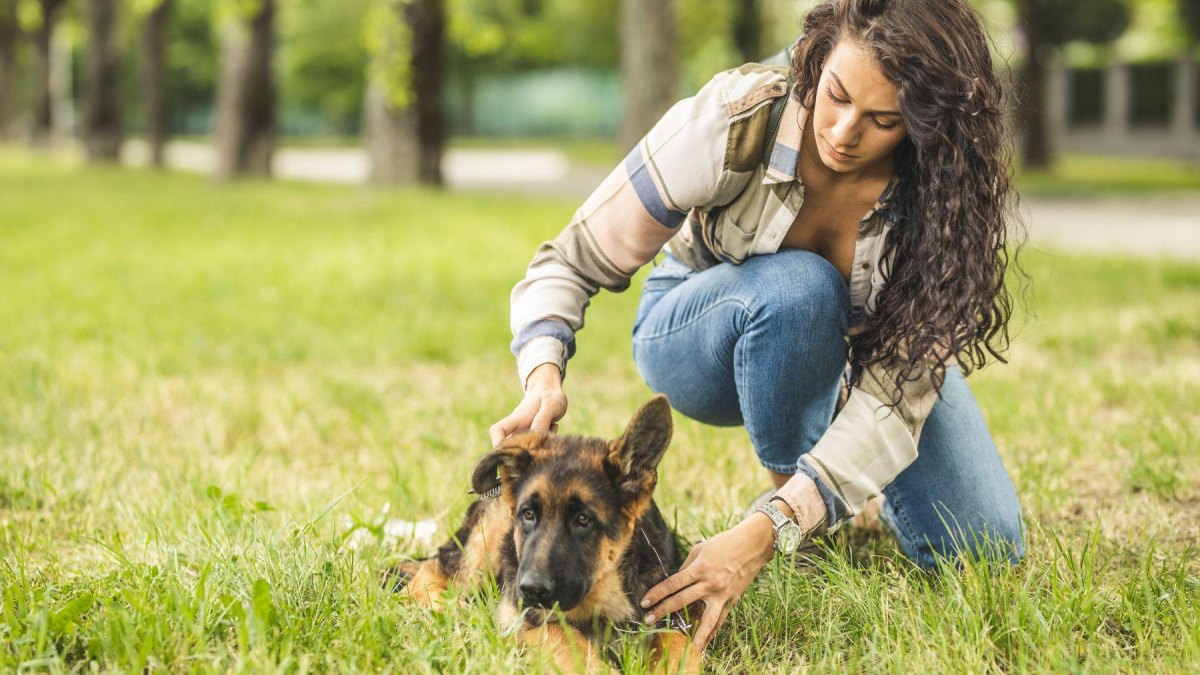
Your puppy will eventually need nail trims, brushing, ear checks, and veterinary handling. I start before there is a problem by teaching that gentle handling predicts good things. Cooperative care is about trust and choice, not holding a puppy still until they give up.
I practice for seconds at a time: touch a paw, reward, stop. Lift an ear briefly, reward, stop. A puppy who walks away is giving me useful information, not being stubborn.
Helpful habits
- Short sessions
- High-value rewards
- Predictable handling
Things I avoid
- Forcing restraint
- Rushing through fear
- Using grooming as punishment
Practicing Calm Behavior During Training and Daily Routines
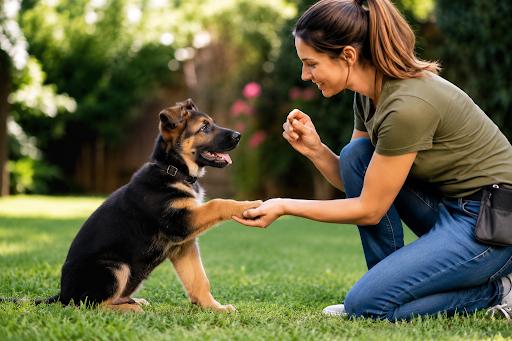
A puppy who only learns commands but never learns how to settle is exhausting to live with. I practice calm moments throughout the day because real life happens between training sessions. Doorways, meal preparation, visitors, and resting after play are all opportunities.
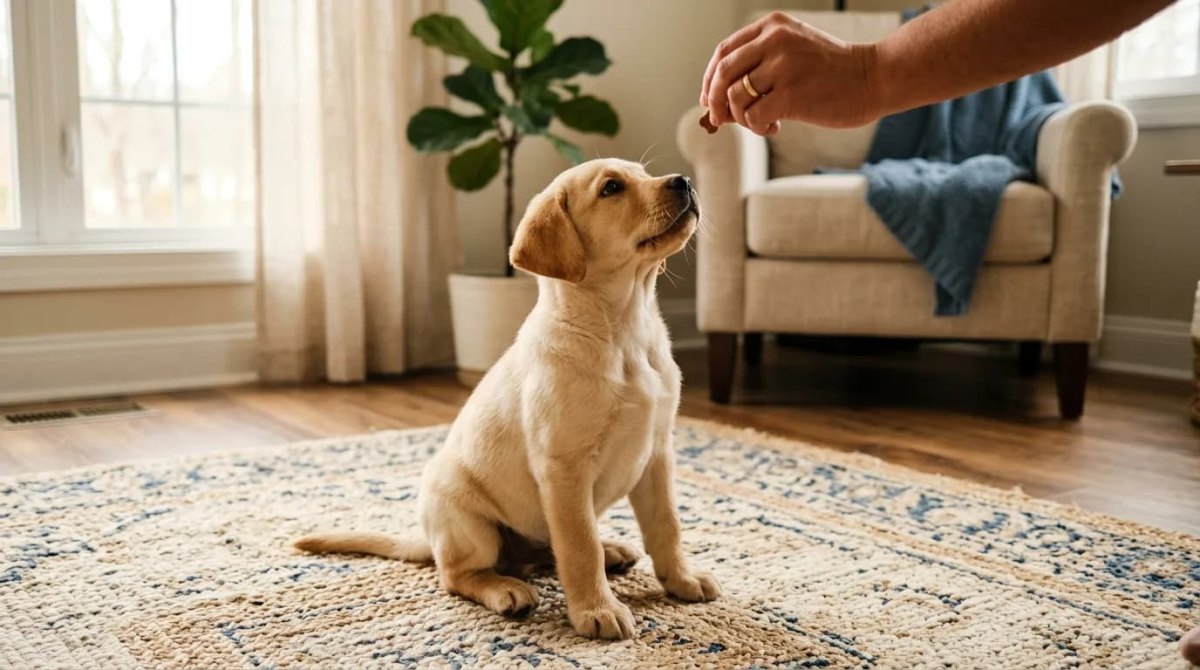
I reward the behaviors I want repeated: lying down, checking in, relaxing, and choosing not to launch at every exciting thing. Positive reinforcement works because the puppy learns which choices pay off.
Daily calm checklist
- Reward relaxed body language
- Practice short training sessions
- Protect sleep and downtime
- Prevent rehearsing frantic greetings
Common mistake
Many owners wait until the puppy is already wild before teaching calm. I start when the puppy is already doing something right.
Creating Safe Adventures for Lifelong Confidence
The goal of socialization is not a puppy who has seen everything. It is a dog who has learned how to handle the unfamiliar. I still make careful choices with Bruno, and he is eight now. Better does not mean unlimited; it means I know him well enough to set him up for success.
Safe adventures build confidence when they are appropriate for the individual dog. Watch for changes in breathing, posture, ears, tail carriage, and recovery time after new experiences. A puppy who needs a break is not ruining the adventure.
I keep a simple rule for my clients: if the puppy can learn, continue. If the puppy is just surviving, make the world smaller for a while.
More Pinterest Visuals