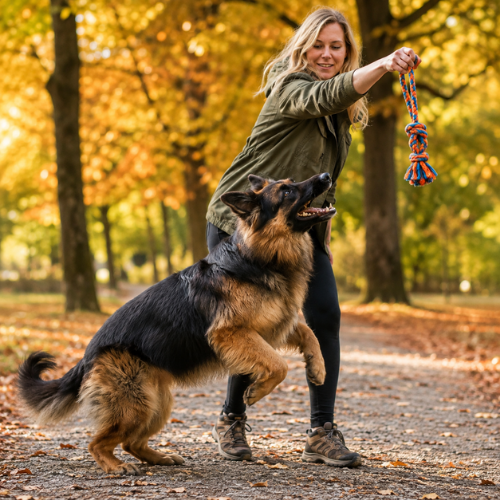
Potty training looks simple on paper: take puppy out, puppy goes, everyone celebrates. Then Tuesday arrives, it rains sideways, you are holding a leash in slippers, and your puppy pees five minutes after coming inside. I've been there with my own dogs and with plenty of client puppies.
The trick is building a routine your puppy can understand while preventing too many chances to practice the wrong habit. Consistency beats correction every time. Young puppies are still developing bladder control, so the goal is not perfection overnight but a clear pattern they can succeed with.
Summary
- Create predictable potty opportunities based on your puppy's age and routine.
- Reward the exact behavior you want to see again.
- Manage the environment so accidents become less likely.
Establish a Consistent Potty Schedule
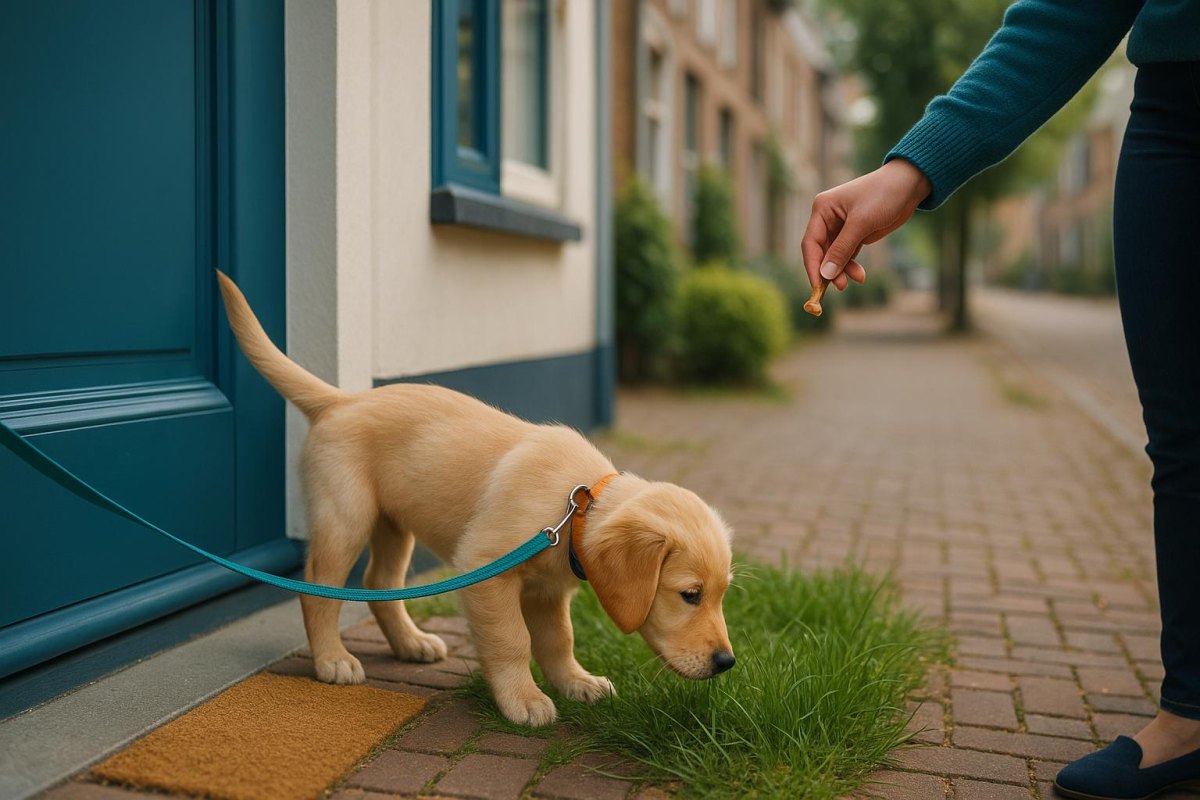
The first thing I do with a new puppy is stop guessing. A puppy who is taken out randomly has to make random choices, and those choices often include the corner behind the sofa. A predictable potty schedule gives your puppy repeated chances to succeed.
I plan bathroom trips around waking up, meals, drinking, play sessions, naps, and bedtime. Very young puppies may need many breaks throughout the day because their bladder control is still developing.
- Take. Bring your puppy to the potty area at the moments they are most likely to need it.
- Wait. Keep the trip boring until your puppy finishes rather than turning every outing into a play session.
- Reward. Mark the success immediately after your puppy eliminates in the right place.
Trainer tip
Keep a simple note of accidents for a few days. Patterns appear quickly, and those patterns tell you when your puppy needs help.
Choose a Designated Bathroom Area
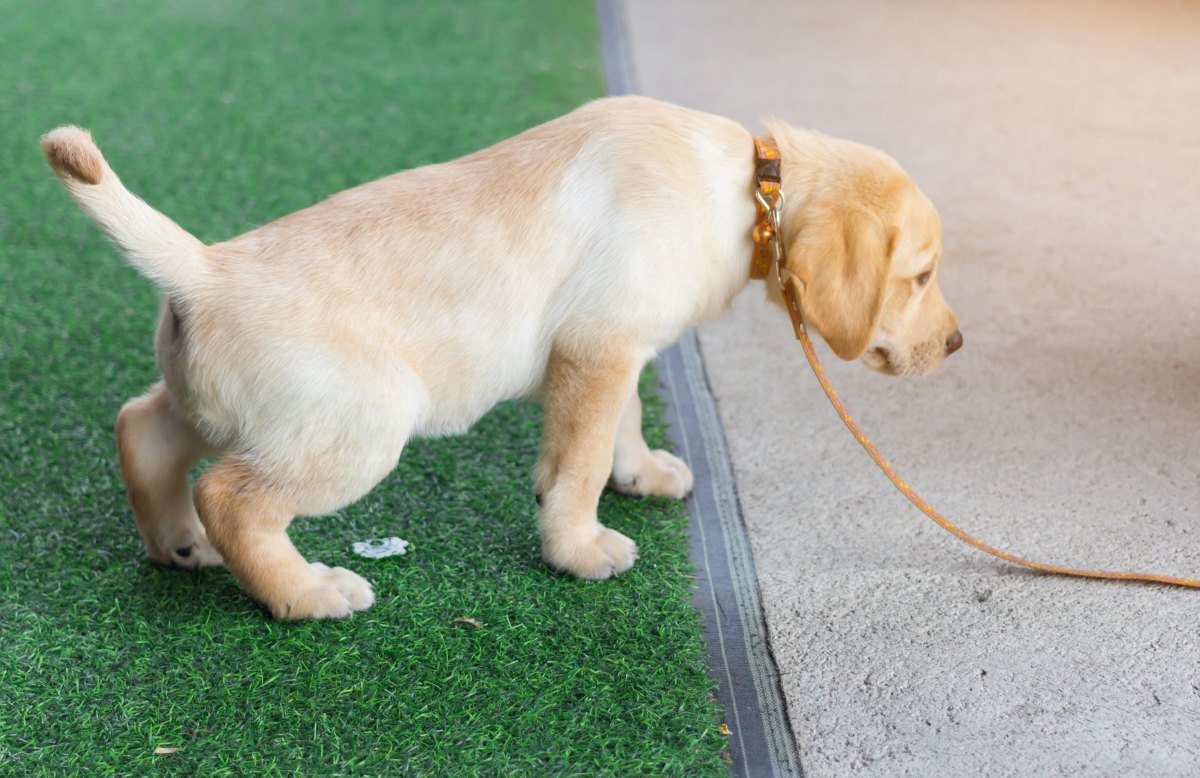
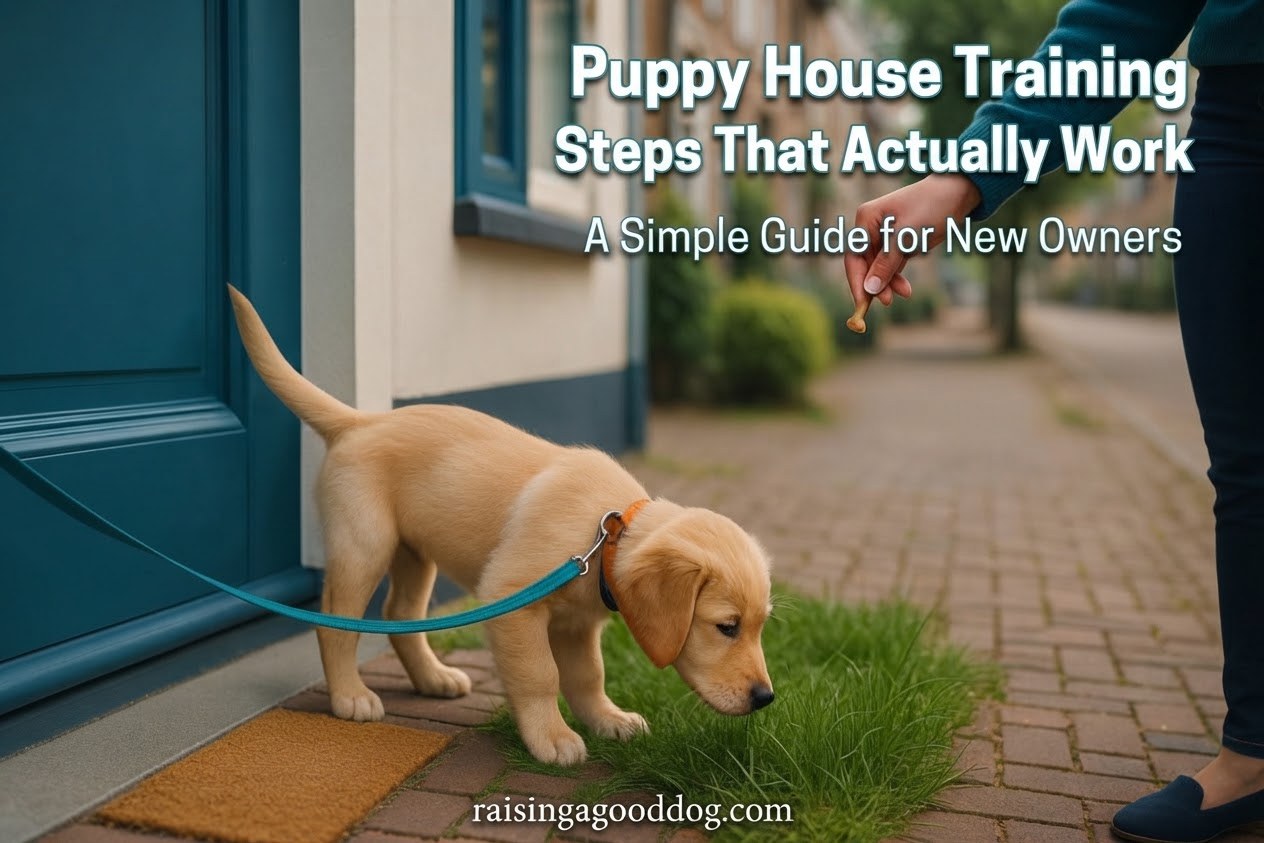
Puppies learn through repetition, so I like giving them one clear destination instead of wandering around the entire yard. A consistent spot helps them understand the job before they start exploring. The same bathroom area also makes your timing easier because you know exactly where to go.
When I worked in veterinary practice, I saw how much easier life became when owners stopped expecting puppies to magically know the rules. The environment teaches too. Choose a place that is safe, easy to reach, and not full of distractions.
- Location: Pick a quiet area where your puppy can focus.
- Routine: Visit the same spot during the learning stage.
- Cue: Use a simple phrase like “go potty” consistently.
Reward Good Bathroom Behavior
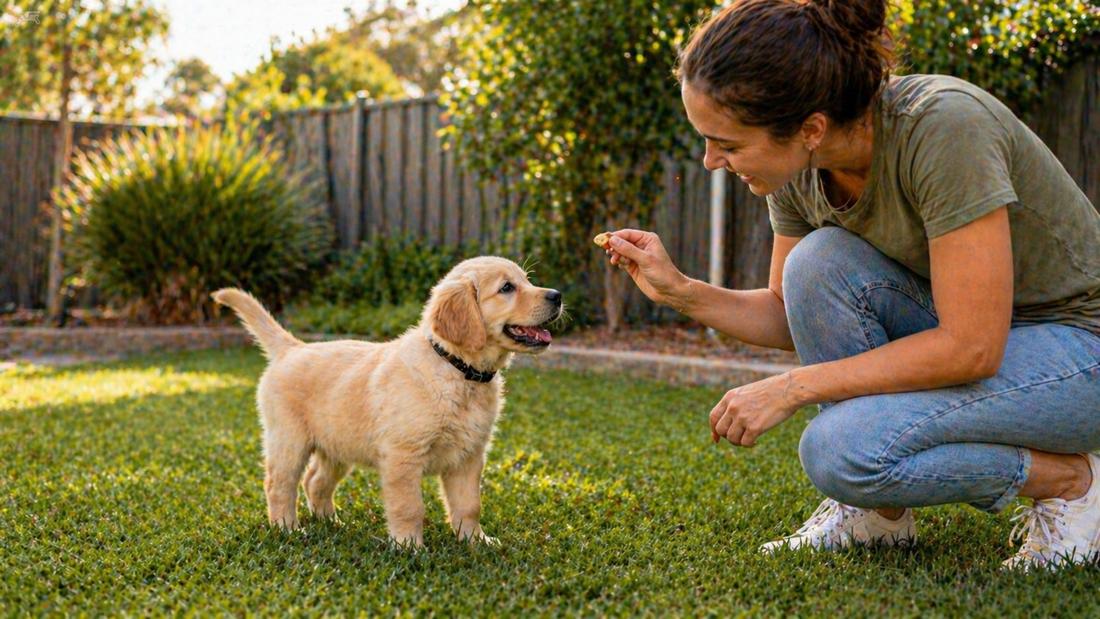
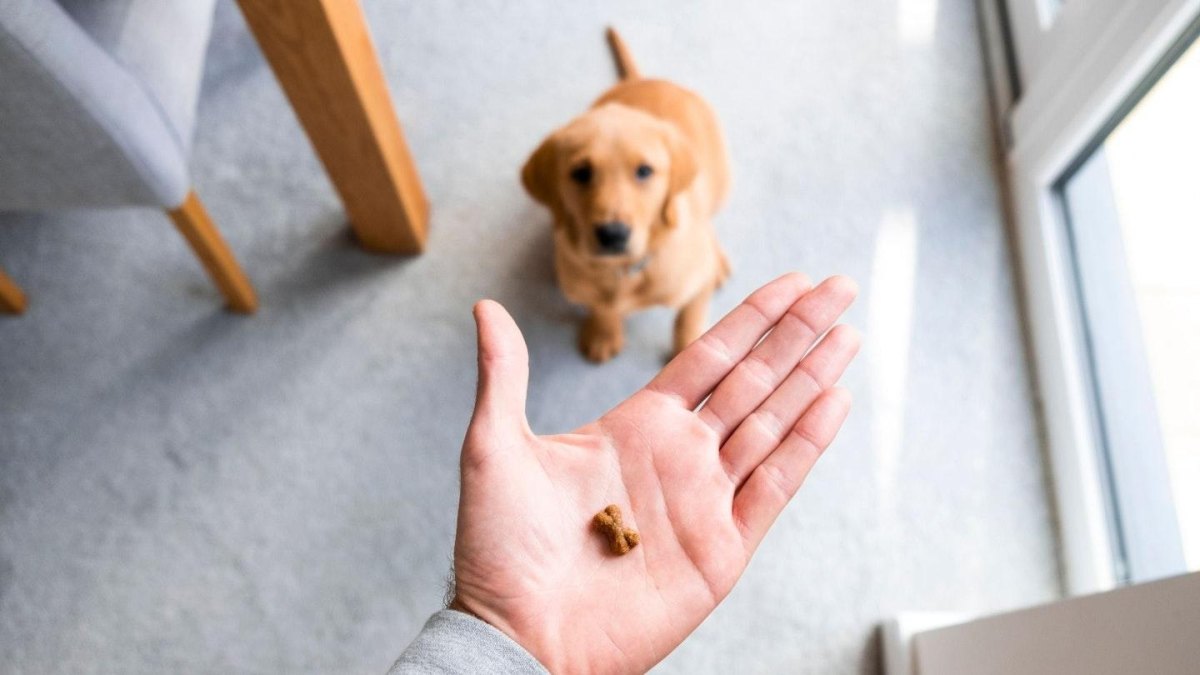
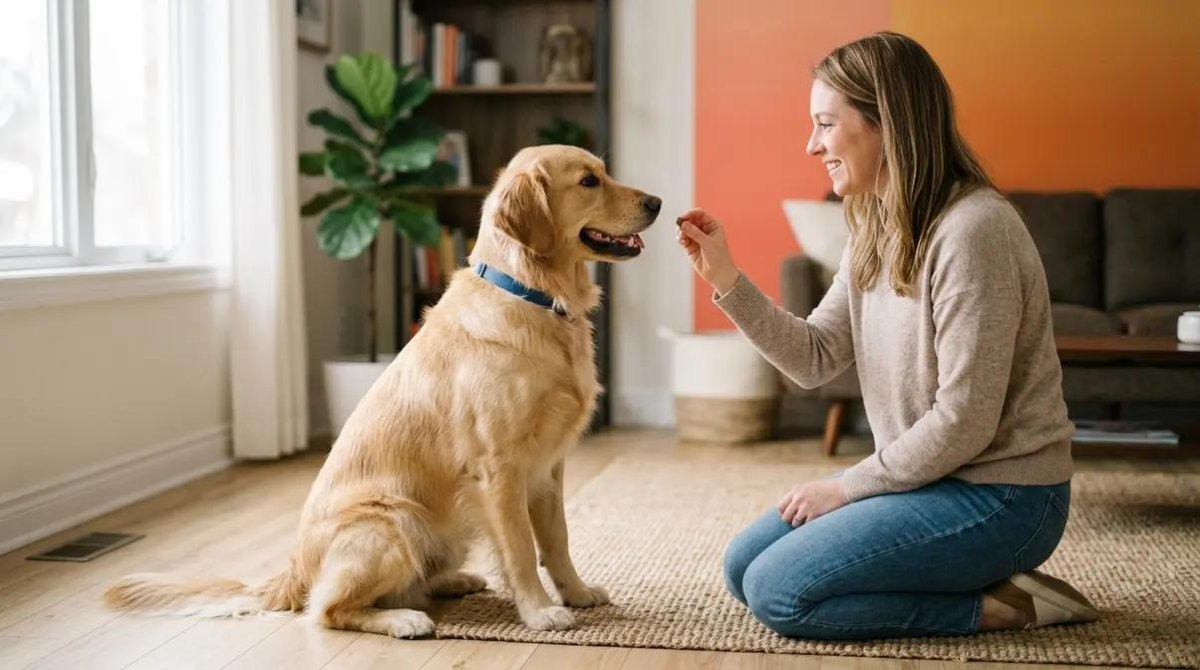
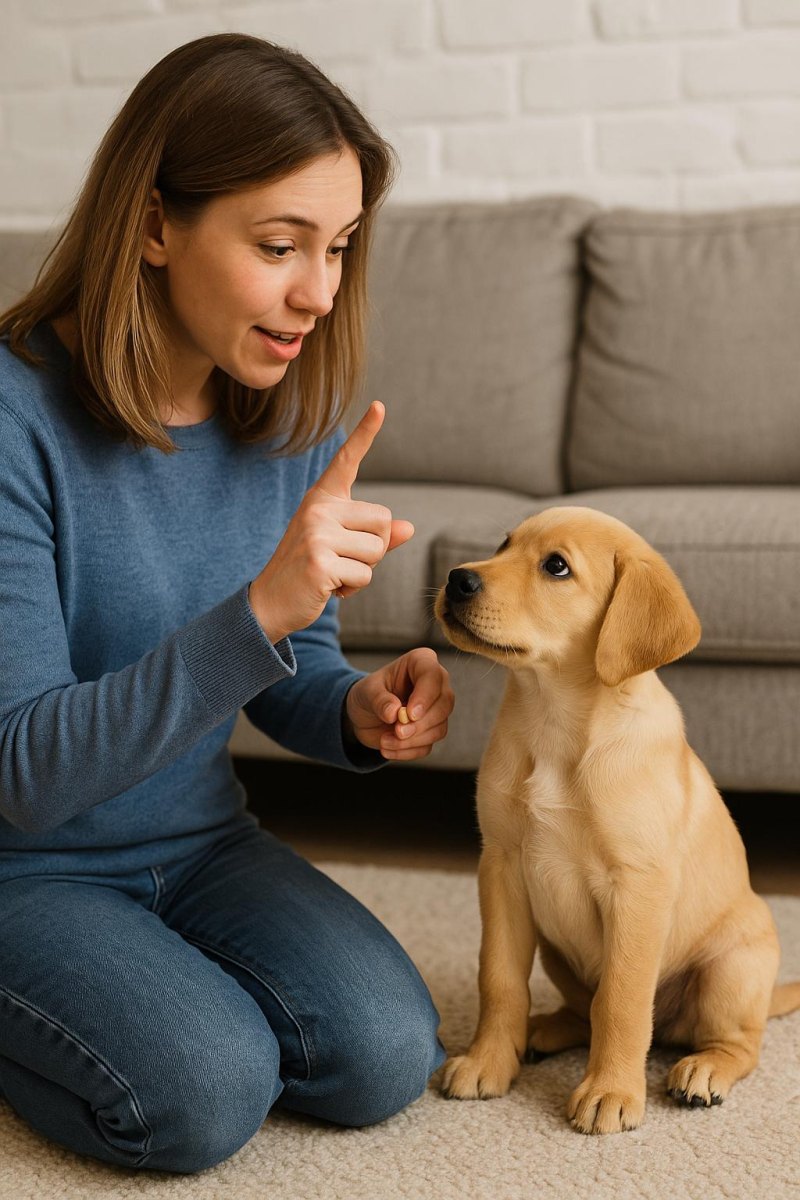
This is where many people accidentally wait too long. The reward needs to arrive while your puppy is still connecting the dots. Immediate positive reinforcement tells your puppy exactly which choice earned the good stuff.
I keep treats close to the door because I am human and have absolutely forgotten treats before. Bruno has seen me make plenty of mistakes, and he has never once offered to run my training business for me. Reward-based training works because dogs repeat behaviors that pay off.
Common mistake
Do not assume your puppy understands why you are happy once you are back inside. The timing of the reward matters.
Recognize and Prevent Accidents
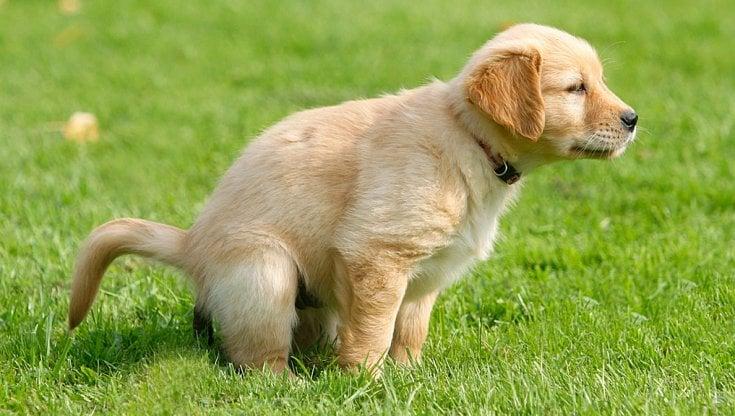
Accidents are information, not a personal insult from your puppy. I know that is easier to say when you are not staring at a wet spot on the rug, but your puppy is not being difficult. They are showing you that the current setup needs adjusting.
I watch for small body-language changes: intense sniffing, circling, wandering away, sudden restlessness, or a change in pace. Better supervision prevents rehearsals of the wrong habit.
When to call your vet
If a puppy who was doing well suddenly starts having accidents, especially with other changes in behavior, it is worth checking for medical causes before assuming it is a training problem.
Helpful responses
- Clean accidents thoroughly.
- Increase supervision.
- Adjust potty timing.
Unhelpful responses
- Punishing after the accident.
- Rubbing a puppy's nose in messes.
- Giving more freedom too soon.
Build Independence and Maintain Training
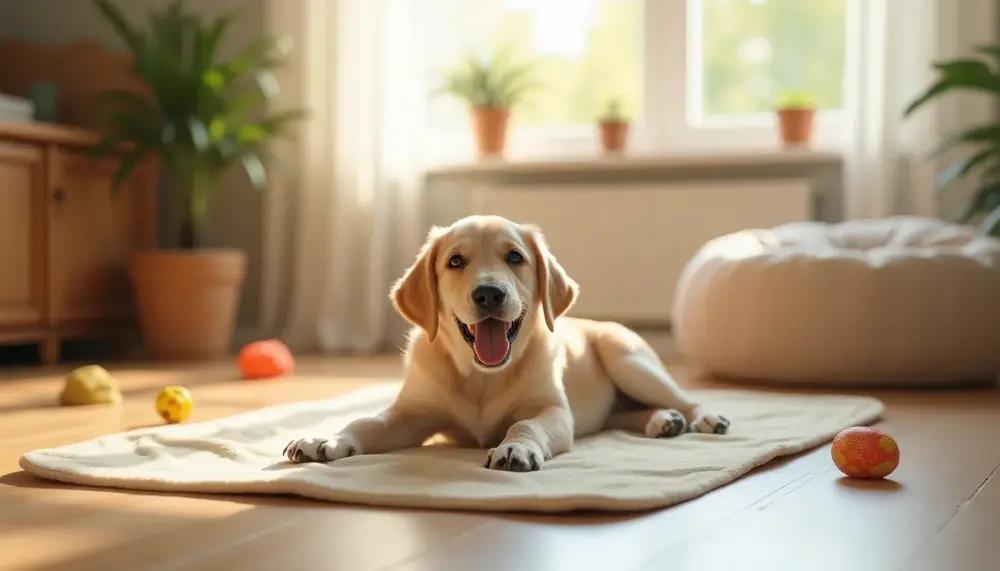
The final stage is where people often rush. A puppy has several good days and suddenly gets access to the whole house. Then everyone wonders why the training disappeared. I expand freedom slowly, based on the puppy in front of me, not a calendar.
House training is usually a process of weeks to months, with occasional setbacks along the way. Long-term reliability comes from continuing the habits that created success: supervision, routine, and rewards.
| Training stage | My focus |
|---|---|
| Early weeks | Prevent accidents and create routine. |
| Growing confidence | Gradually increase freedom. |
| Maintenance | Keep reinforcing good choices. |
Pickle, my elderly terrier mix, would like me to mention that she considers all puppy training beneath her professional standards. She is not wrong about the chaos, but she is wrong about puppies needing perfection. They need clear guidance and a patient person willing to walk outside one more time.
More Pinterest Visuals