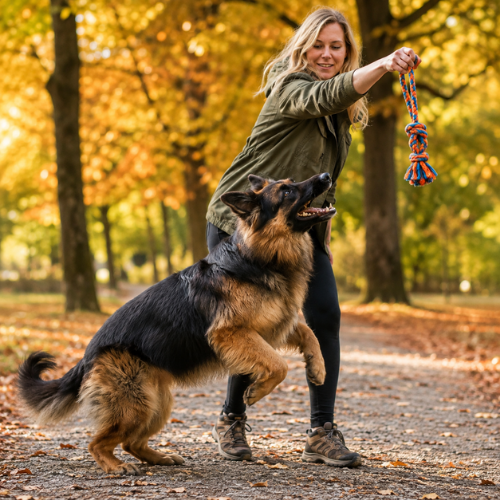
A confident puppy is not made by throwing them into every new situation and hoping they cope. I build confidence by giving puppies small wins they can understand, then slowly adding challenge. Confidence comes from choice, not from forcing a puppy through something scary.
Over the years, I have watched nervous puppies become curious dogs when we slow things down. The plan below is built around short sessions, careful observation, and reward-based training that helps puppies feel safe while learning.
Quick guide to puppy confidence exercises
- Start below your puppy’s stress threshold.
- Reward curiosity and calm choices.
- Increase difficulty gradually over weeks, not days.
Building Trust Through Gentle Handling
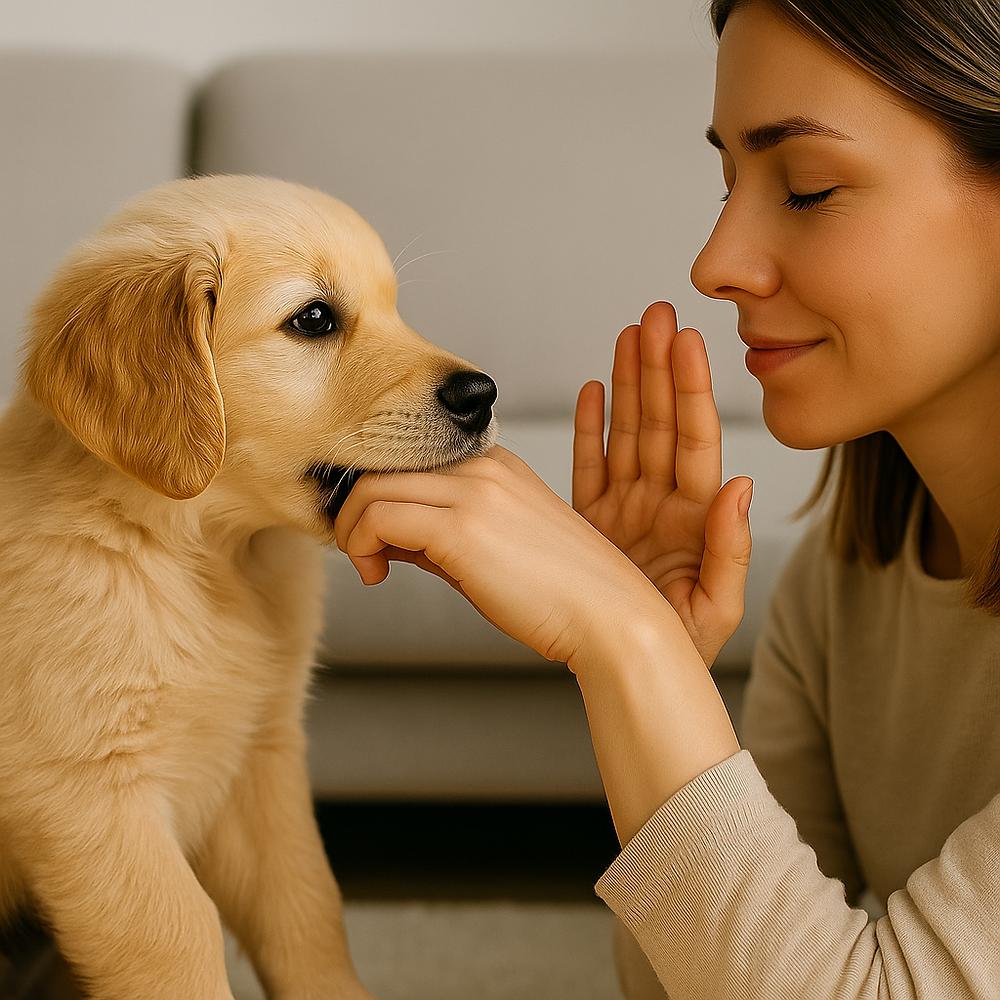
I start confidence work with handling because a puppy who trusts your hands has a much easier life. Brushing, checking paws, touching ears, and preparing for vet visits all become easier when we teach predictable gentle handling instead of surprising a puppy.
Before each session, I make sure the puppy is rested and relaxed. I watch for the tiny details I learned during my veterinary clinic years: a tightened mouth, weight shifting away, a frozen body, or ears moving back. Those are conversations, not stubbornness. Reward-based training is also the approach recommended by the American Veterinary Society of Animal Behavior for dog training.
- Touch. Briefly touch one area, then reward calm behavior.
- Pause. Let the puppy choose whether to continue.
- Repeat. Build comfort over many short sessions.
Exploring New Environments Safely
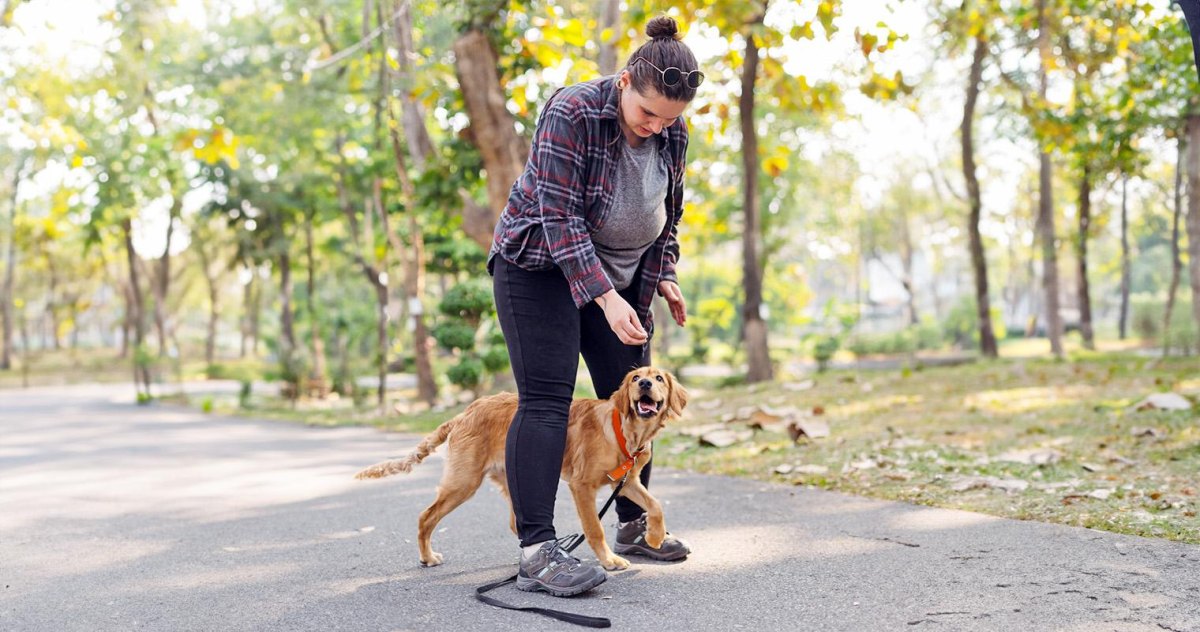
The first mistake I see is confusing socialization with exposure. A puppy does not need to meet everything immediately. Good socialization means creating positive controlled experiences where the puppy can observe, process, and leave feeling successful. AVSAB notes that socialization is more than simply exposing puppies to many things; the goal is calm, appropriate responses.
I often take puppies to quiet places first: an empty park path, a calm parking lot, or a different sidewalk. If your puppy cannot eat, sniff, or look away, the environment is too difficult. Distance is not failure; distance is how we create learning.
Training tip
End new experiences while your puppy is still comfortable. Leaving early can be the thing that builds confidence.
Practicing Confidence With Obstacle Courses
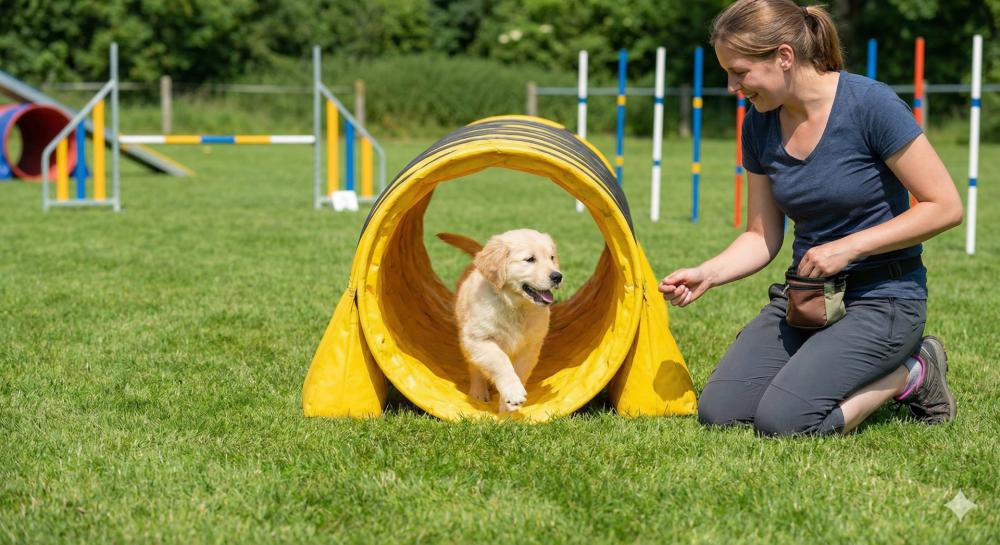
Small obstacle courses are one of my favorite confidence builders because they let puppies solve problems with their own bodies. A cardboard box, a low step, a textured mat, or a broom handle on the floor can become a lesson in trying new things.
I never drag a puppy over an obstacle. I want the puppy thinking, "I figured that out," because that feeling carries into other situations. Keep the challenge easy enough that your puppy can succeed.
- Easy: Walking across a different surface.
- Medium: Stepping over low objects.
- Advanced: Exploring a simple homemade course.
Using Positive Reinforcement for Brave Choices
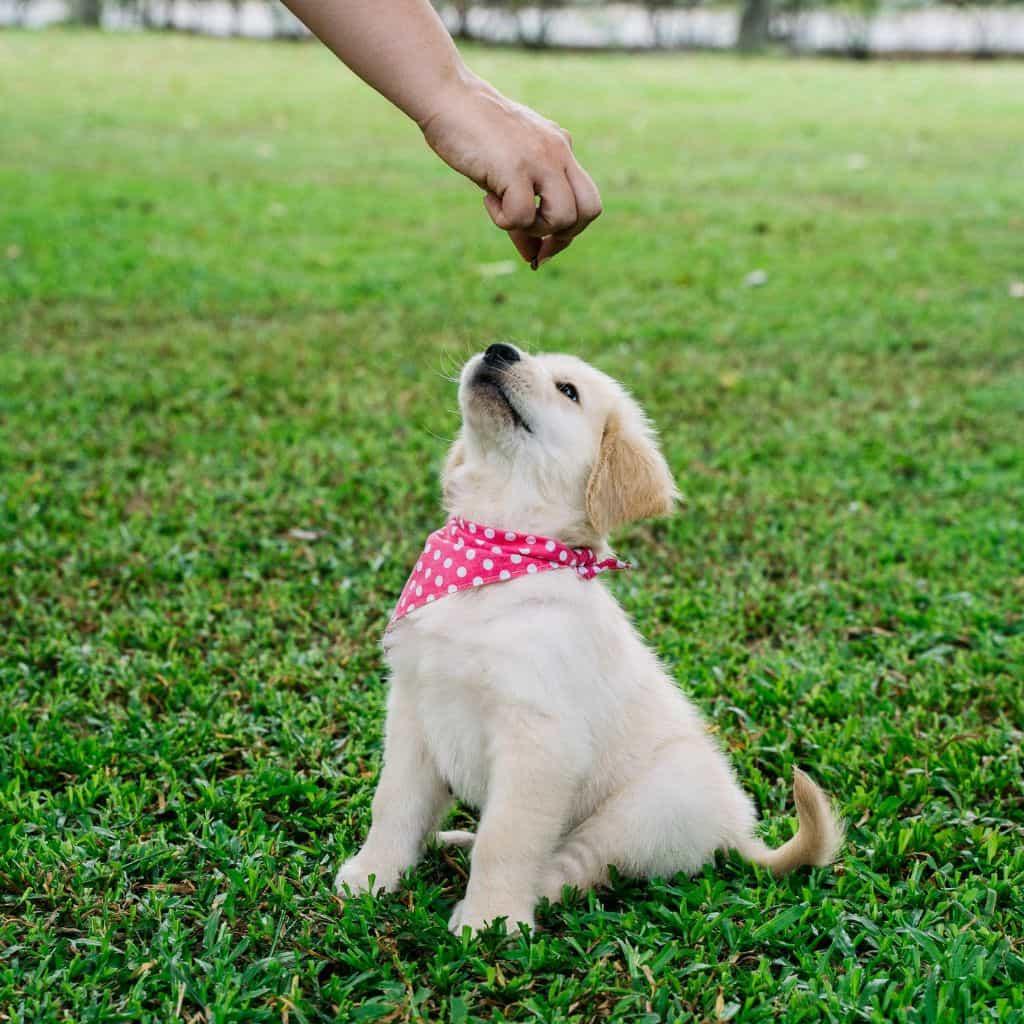
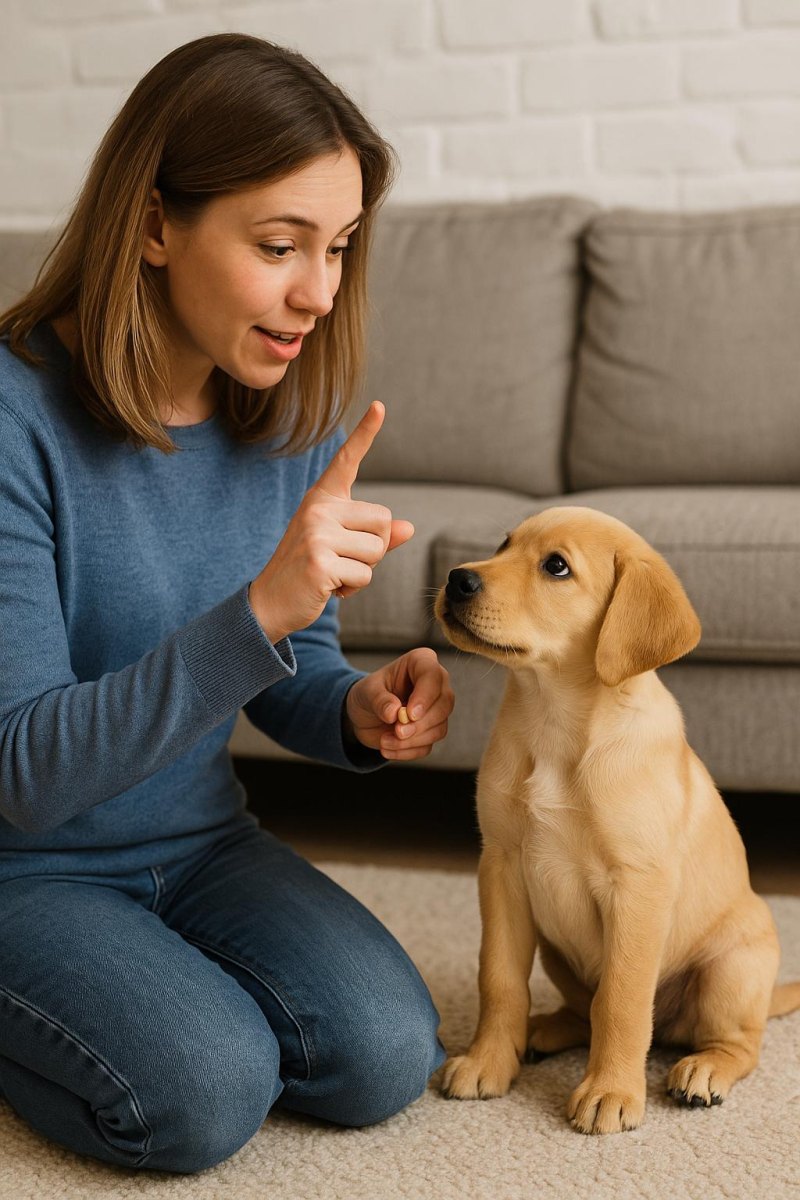
Confidence grows when puppies learn that their choices matter. If a puppy looks at something unfamiliar and chooses to investigate calmly, I want that moment to pay off. Rewarding brave choices teaches the puppy what behaviors work.
I use food, play, and praise depending on the individual dog. The important part is timing. The reward should arrive when the puppy makes the good decision, not several seconds later after they have moved on.
Common mistake
Do not lure a frightened puppy closer to something scary just to complete an exercise. Confidence cannot be rushed.
Teaching Calm Responses to Everyday Sounds
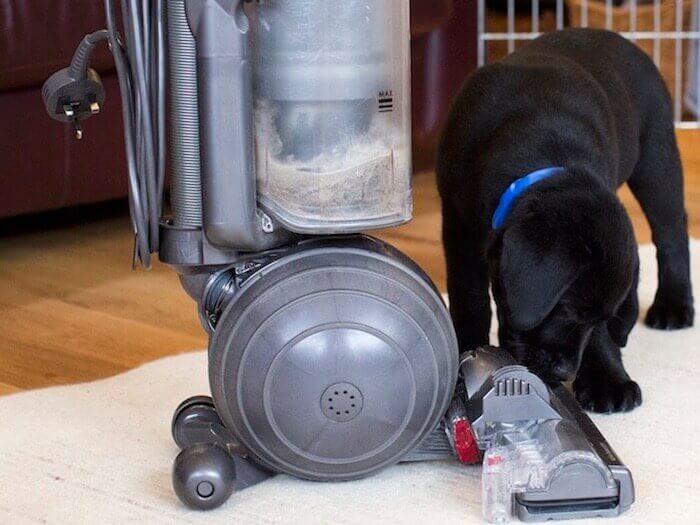
Doorbells, vacuum cleaners, traffic, and thunder can feel enormous to a young dog. I teach puppies that sounds predict good things by using gradual exposure and rewards. This is called desensitization and counterconditioning, and it works by changing the emotional response rather than forcing tolerance.
The volume, distance, or intensity has to stay low enough that the puppy remains relaxed. A puppy who is barking, hiding, or unable to eat is telling you the lesson is too hard.
- Start with a very low version of the sound.
- Pair the sound with something enjoyable.
- Stop before stress appears.
Building Independence With Short Alone-Time Exercises
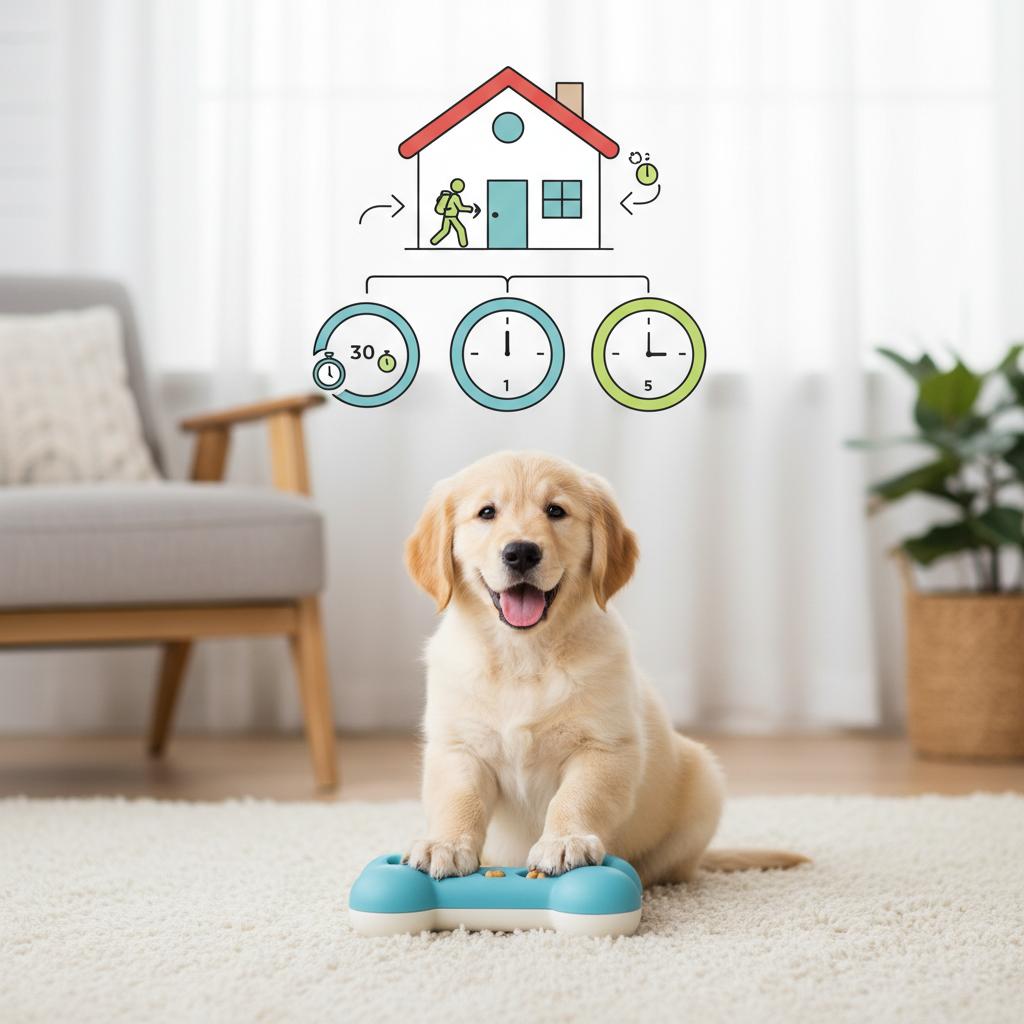
A puppy learning independence needs tiny, successful separations. I begin with moments that barely register: stepping behind a gate, moving to another room, or taking a few seconds to return. Calm alone time is built gradually.
True separation anxiety is different from a puppy who simply dislikes being alone. Panic behaviors need a careful plan and often professional support. The ASPCA notes that desensitization plans for separation issues must avoid overwhelming fear responses.
| Exercise | Goal |
|---|---|
| Brief distance | Teach calm waiting |
| Quiet return | Avoid making departures dramatic |
Improving Confidence Around New People
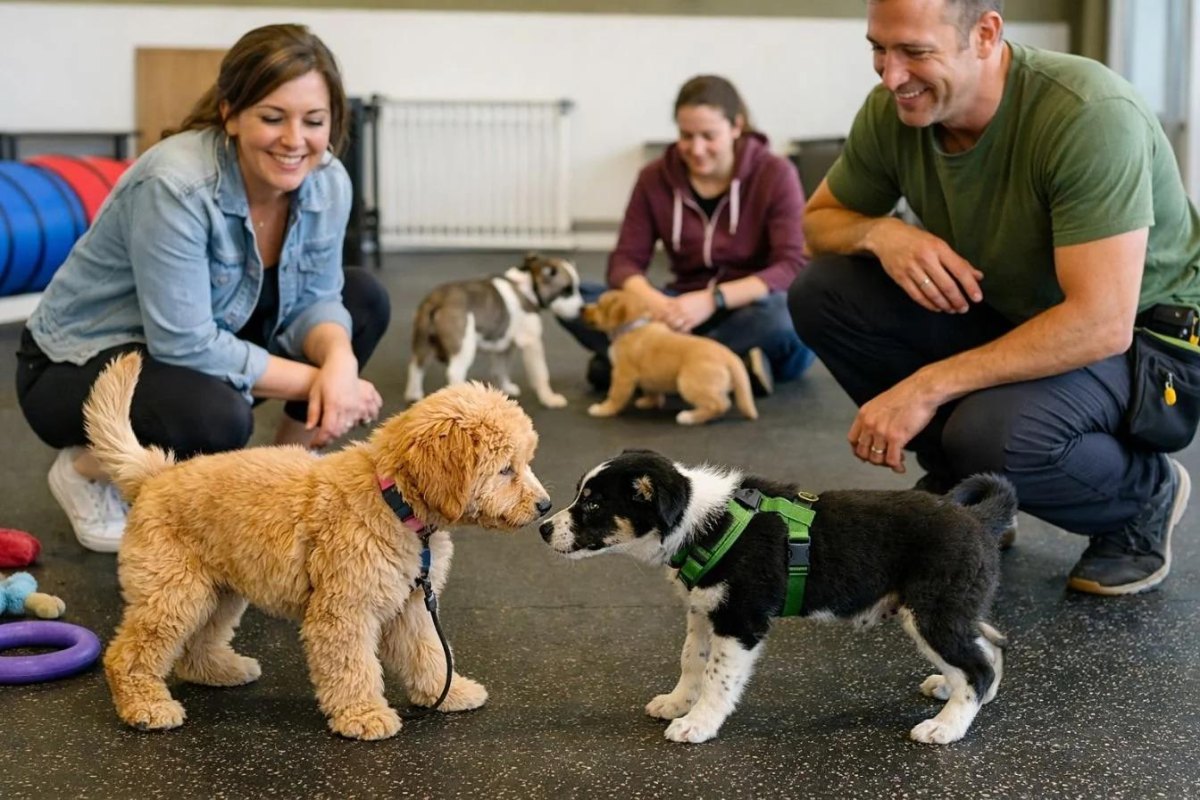
When puppies meet new people, I care less about the number of greetings and more about the quality. A puppy who learns they can observe strangers without pressure develops social confidence.
I ask visitors to ignore the puppy at first. Let the puppy approach, sniff, and walk away. If a puppy is nervous, forcing interaction can teach the opposite lesson from what we intended.
Watch for stress
Turning away, freezing, lip licking, tucked tails, and avoiding contact are signals to give the puppy more space.
Strengthening Focus With Name Recognition Games
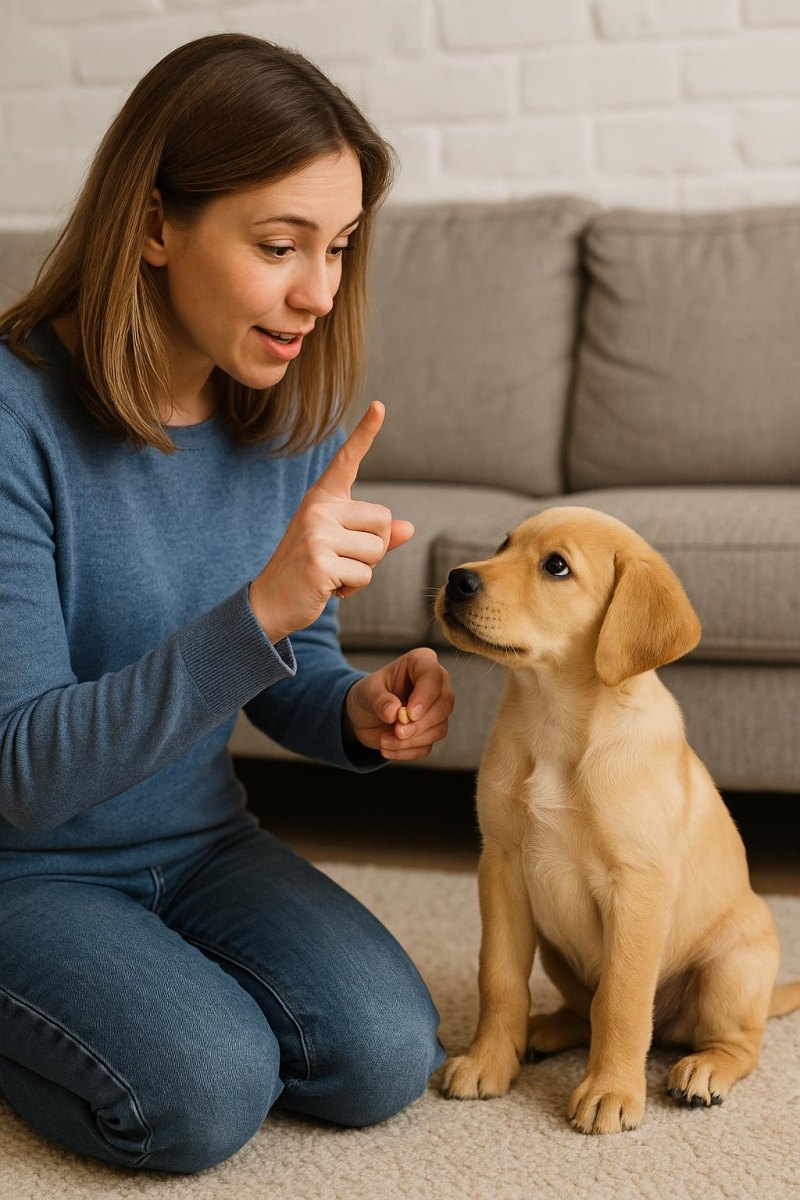
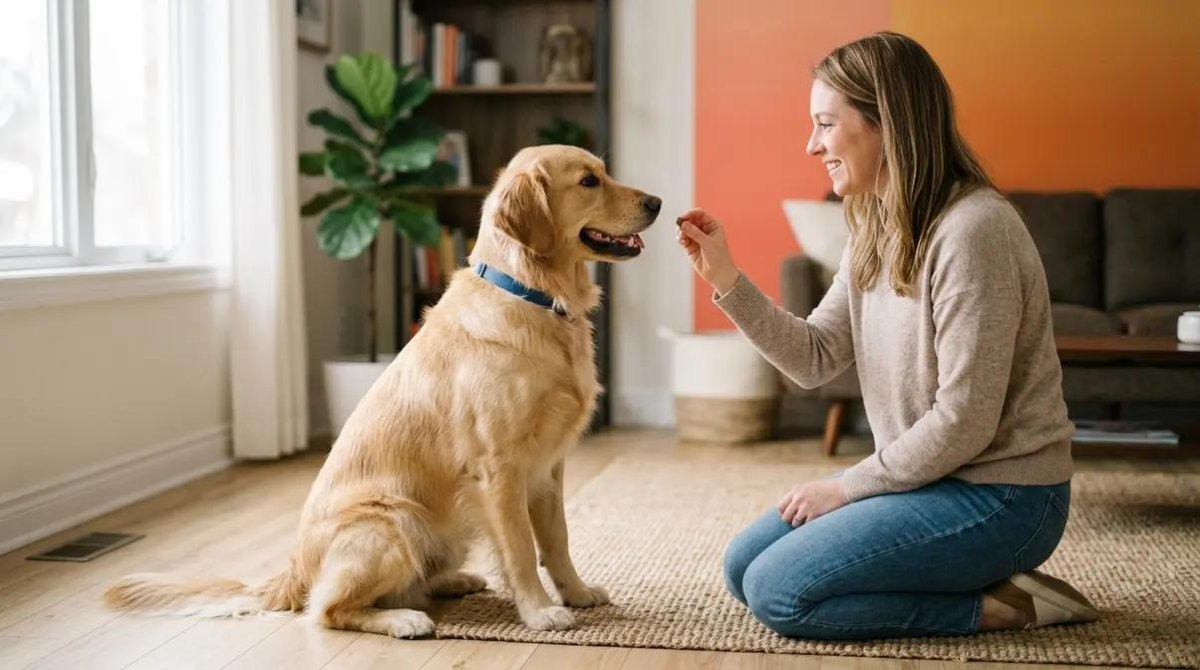
Your puppy’s name should mean something wonderful. I teach it as a simple attention game: say the name, reward the look, and repeat. The goal is not a perfect obedience response; it is building a reliable connection with you.
The American Kennel Club describes name training as teaching dogs to associate their name with positive outcomes and gradually adding distractions. I practice this in the kitchen before expecting it on a busy sidewalk.
- Say. Use the puppy’s name once.
- Reward. Mark the moment they look at you.
- Practice. Add small distractions slowly.
Encouraging Confidence During Leash Training
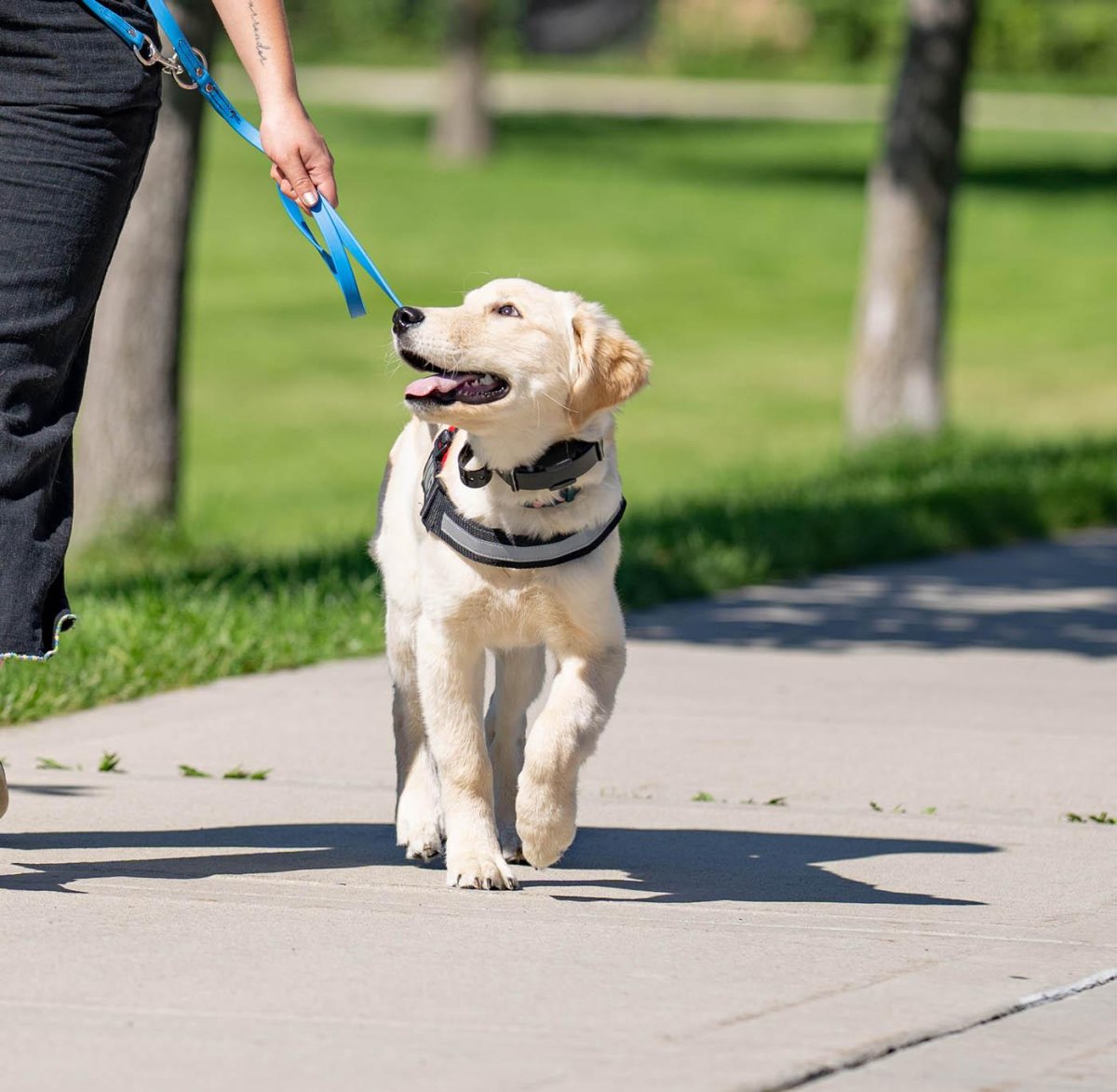
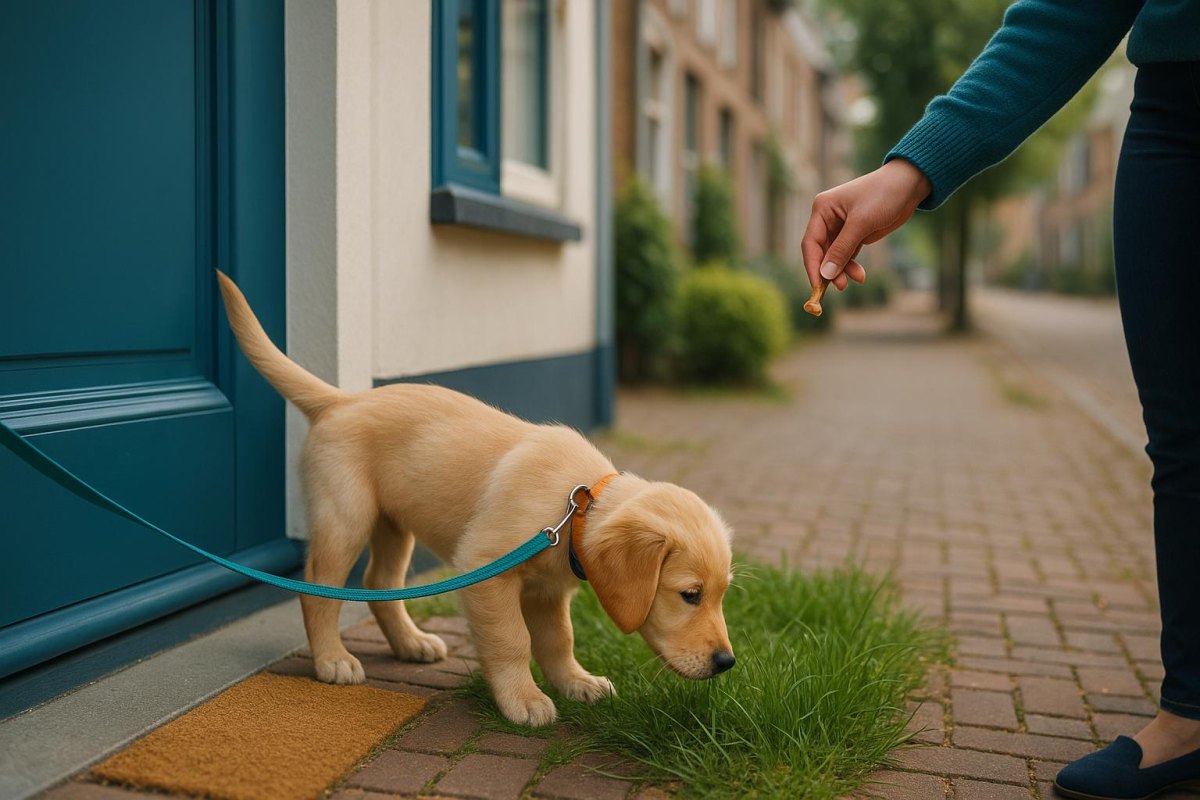
Leash confidence starts before the walk becomes a walk. I reward puppies for checking in, following movement, and choosing to stay near me. Loose leash skills are easier when the puppy already feels safe with the equipment and environment.
If the outside world is overwhelming, I reduce the difficulty. A quiet route at 6 a.m. is often more productive than a busy sidewalk where the puppy practices pulling and panic.
Helpful choices
- Short training walks
- Rewarding check-ins
- Comfortable equipment
Avoid
- Dragging a nervous puppy forward
- Overwhelming busy areas
Practicing Problem-Solving With Puzzle Games
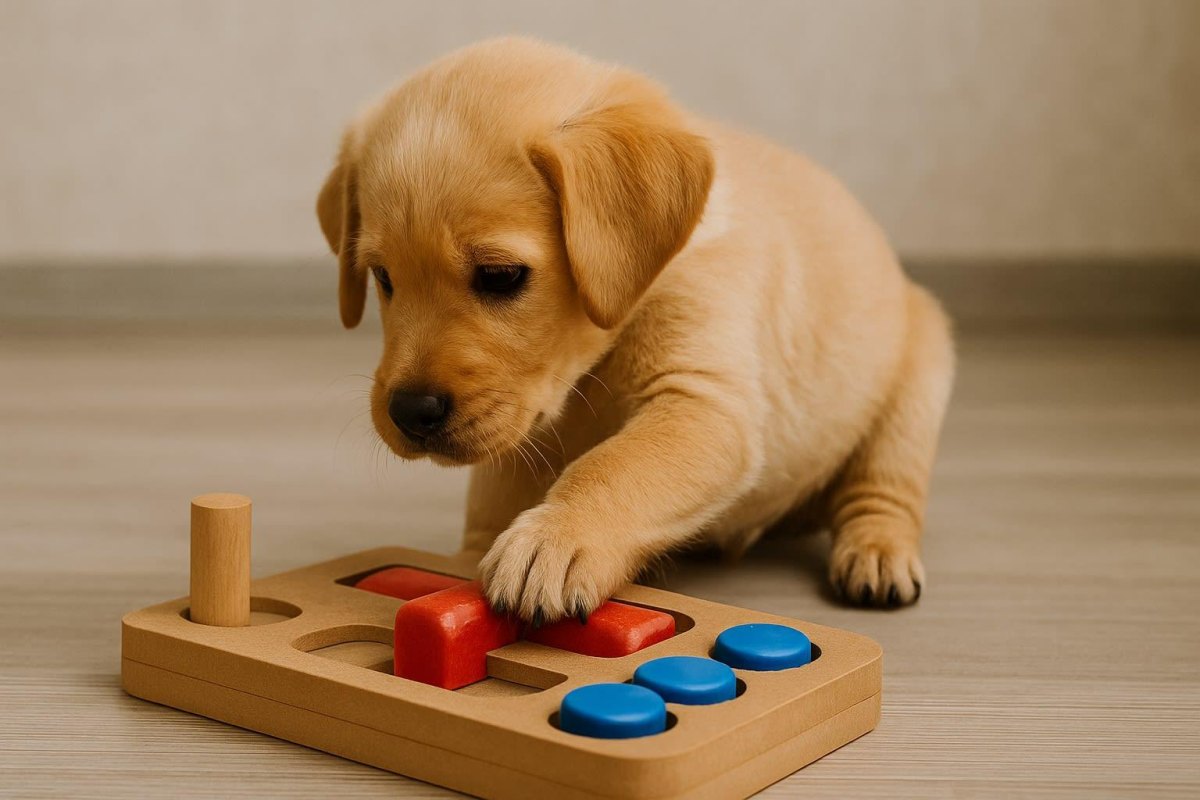
I love puzzle games because they let puppies practice thinking instead of just reacting. Finding treats, working out simple toys, and exploring enrichment activities can build mental confidence in a very natural way.
Organizations such as AAHA highlight cognitive enrichment, puzzle toys, and short training sessions as ways to support dogs’ mental wellbeing. I still keep these games appropriate for the puppy in front of me. A frustrated puppy does not need a harder puzzle; they need a smaller step.
A simple confidence game
Hide a few treats around an easy area and let your puppy search. Sniffing, exploring, and solving the problem independently are all wins.
More Pinterest Visuals