I have cleaned more puppy accidents than I can count, and the pattern is usually the same: the puppy is not being stubborn, the plan is missing a piece. Potty training mistakes are often small timing or management errors that are easy to fix.
I wrote this guide from the muddy floors, early mornings, and real homes where training actually happens. Reliable habits come from clear routines and prevention, not frustration.
Starting Potty Training Too Late
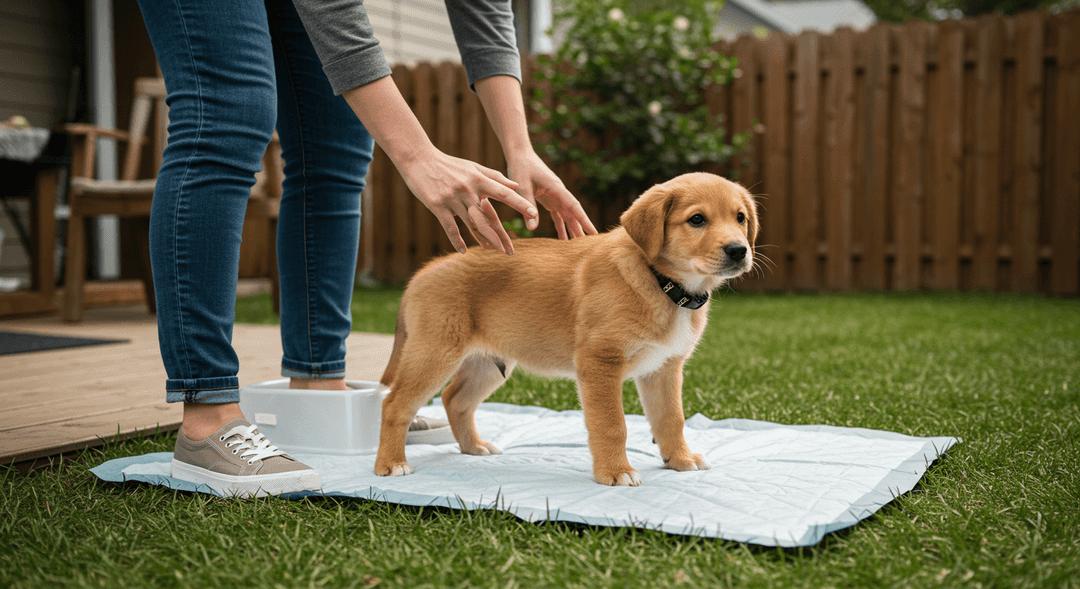
I like to start potty habits as soon as a puppy arrives home. Waiting often means the puppy has already rehearsed indoor habits. Early routine building gives them more chances to succeed.
That does not mean expecting perfection. Puppies develop gradually, and realistic expectations matter.
Inconsistent Potty Training Schedule
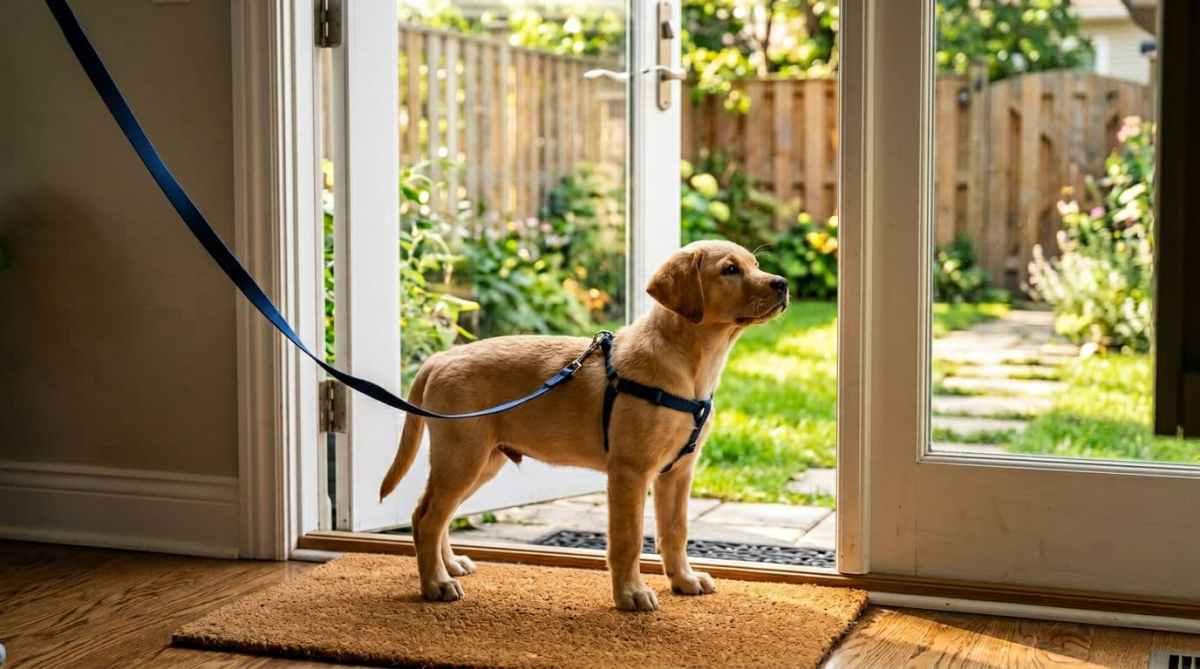
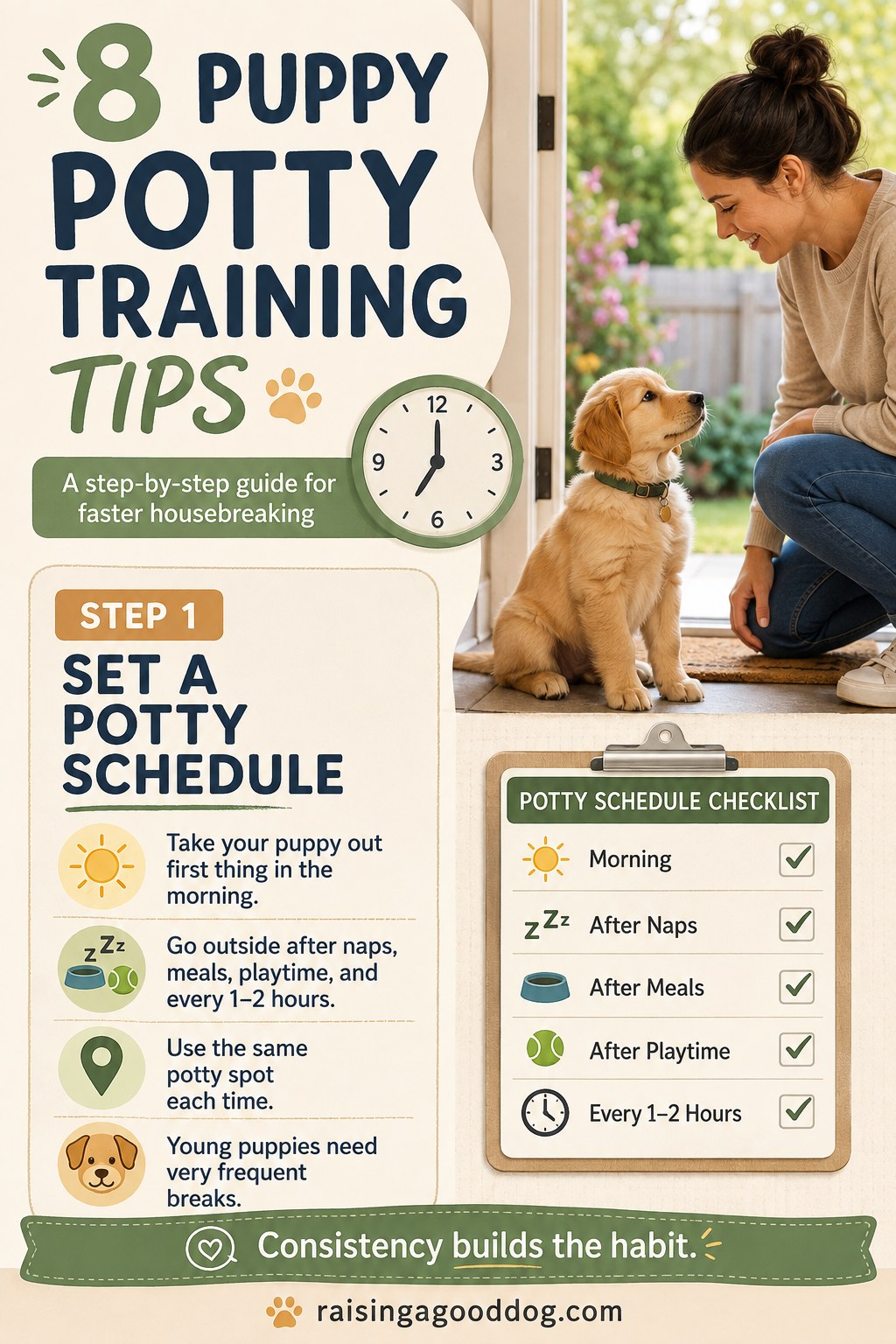
A puppy cannot follow a routine that changes every day. I focus first on predictable potty trips after waking, eating, drinking, and playing.
Consistency is not boring here; it is how the puppy learns the pattern.
Punishing Accidents Instead of Teaching
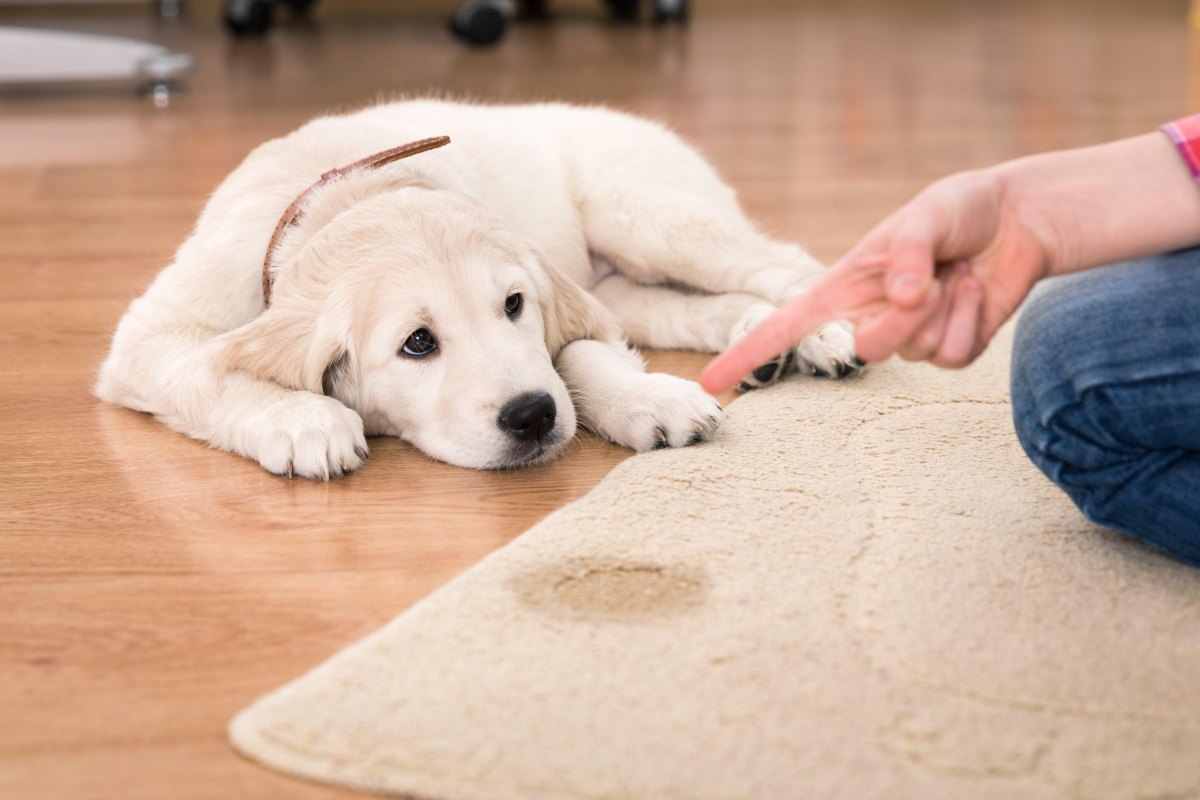
I was taught old-fashioned corrections too, but I no longer use them. Punishment after an accident does not teach the right location and can create stress. Reward-based teaching works better.
An accident is information about timing, supervision, or environment.
Not Taking the Puppy Outside Often Enough
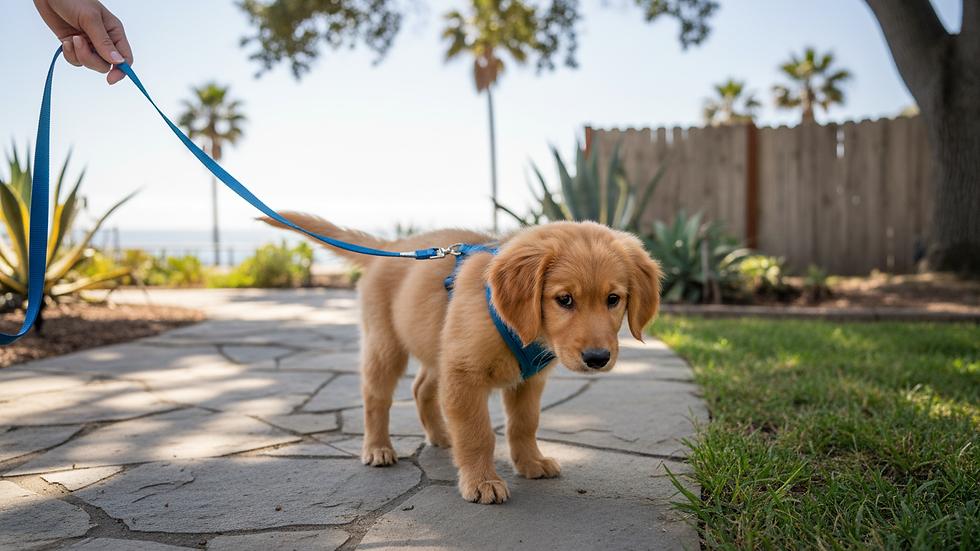
Young puppies have limited bladder control. I would rather create extra successful trips than ask a baby dog to hold it too long. Frequent opportunities prevent rehearsing mistakes.
The schedule should fit the individual puppy, not a perfect chart.
Ignoring Potty Training Signals
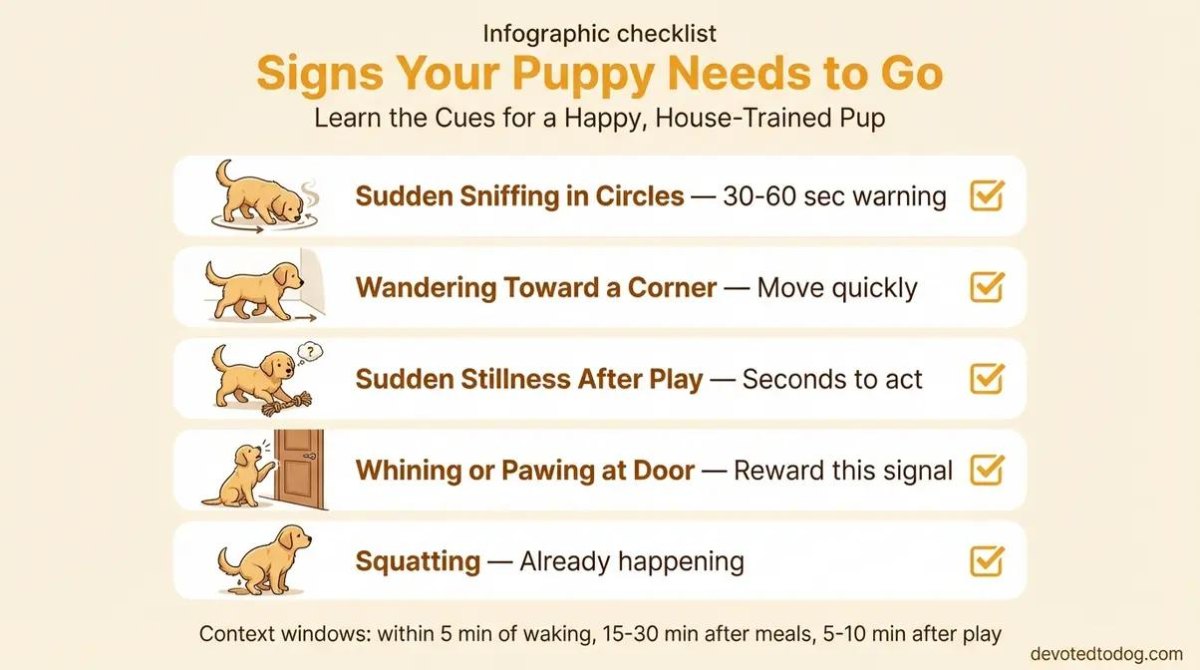
Most puppies whisper before they have an accident. Sniffing, circling, squatting, and sudden wandering are often early body signals.
I teach owners to notice the ten seconds before the problem.
Giving Too Much Freedom Too Soon
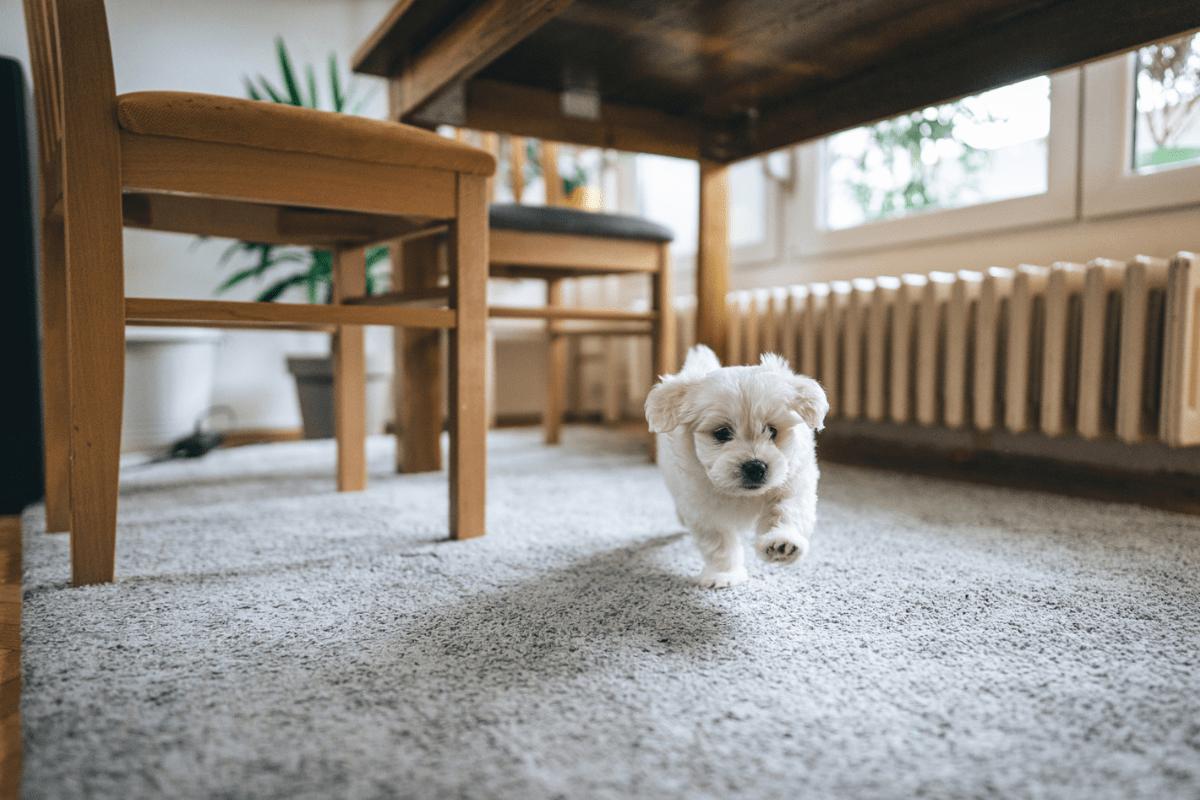
A puppy who has earned the kitchen has not automatically earned the whole house. Controlled freedom prevents hidden accidents while habits develop.
Management is not punishment; it is setting the puppy up well.
Using the Wrong Potty Training Rewards

The reward needs to arrive when the puppy succeeds, not five minutes later in the kitchen. Immediate reinforcement helps connect the action and outcome.
I keep rewards simple and easy to deliver outside.
Forgetting to Praise Successful Potty Trips
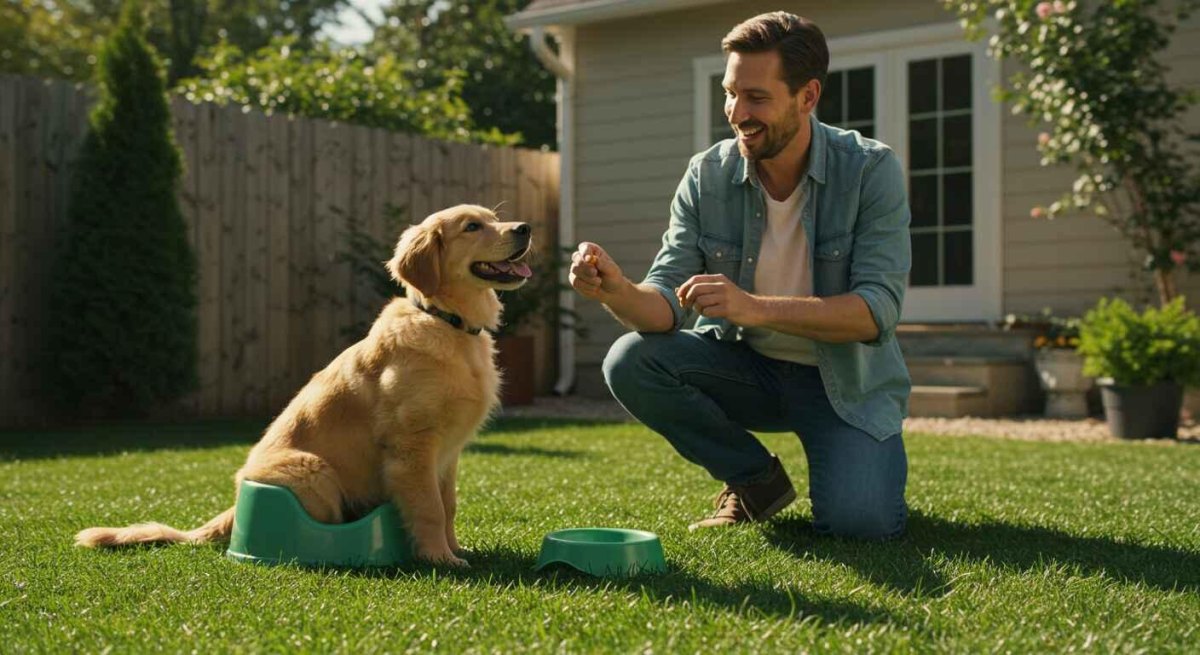
Many owners notice mistakes and forget victories. I want puppies to know exactly what worked through clear praise and rewards.
A tiny celebration outside can build a big habit.
Not Cleaning Accidents Properly
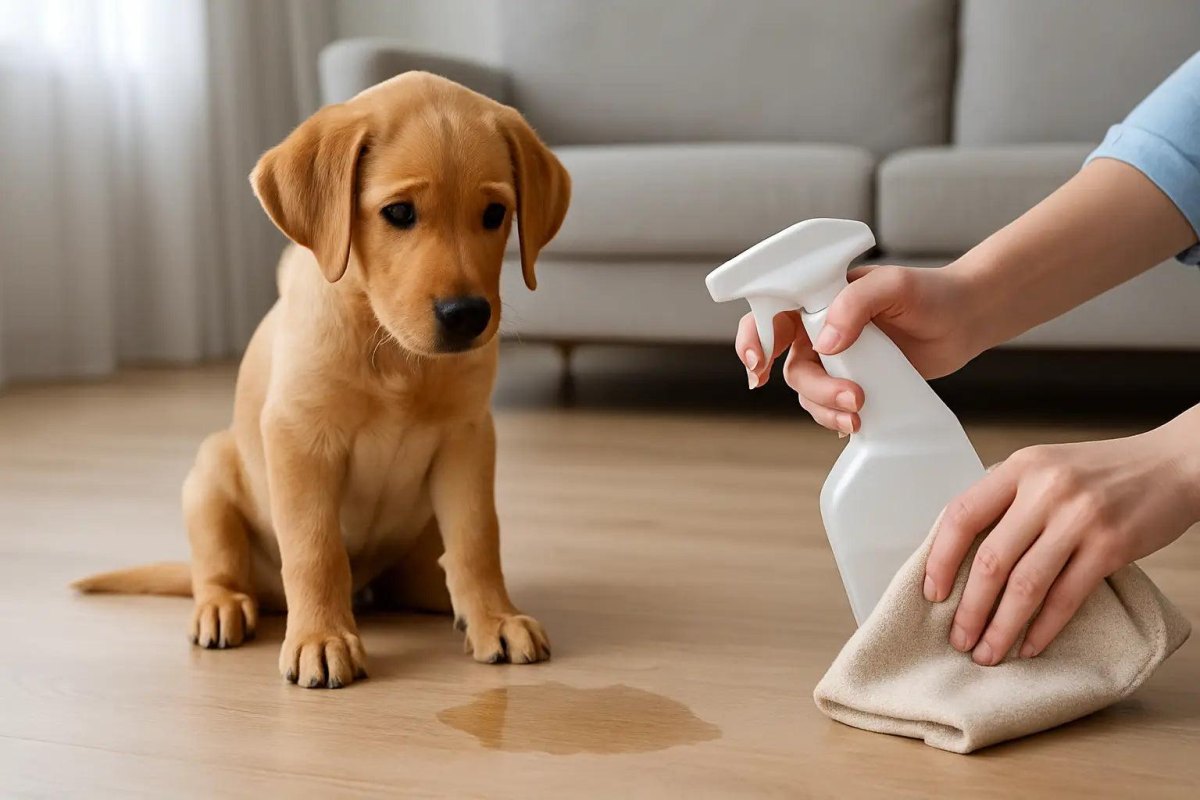
If a smell remains, the puppy may return to that spot. Thorough cleaning removes the reminder and supports better prevention.
I treat cleanup as part of the training plan, not an afterthought.
Changing Potty Locations Too Often
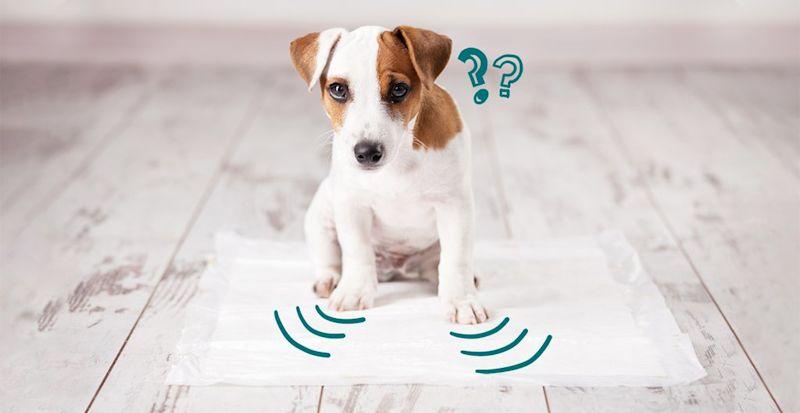
Puppies learn through repetition. I usually choose one clear bathroom area first because location consistency makes the lesson easier.
Once the habit is strong, we can generalize to new places.
Skipping Nighttime Potty Breaks
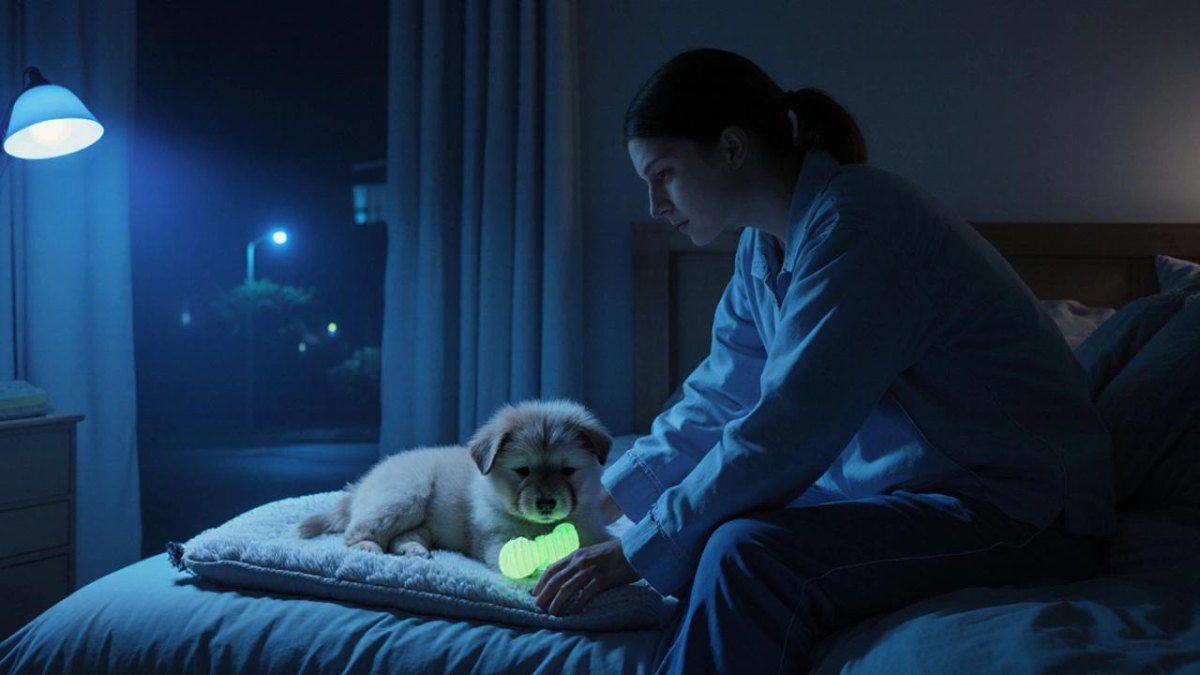
A young puppy waking at night is not being difficult. Their body may simply need help. Nighttime breaks are normal during early development.
Expecting adult control from a baby dog creates unnecessary frustration.
Expecting the Puppy to Learn Overnight
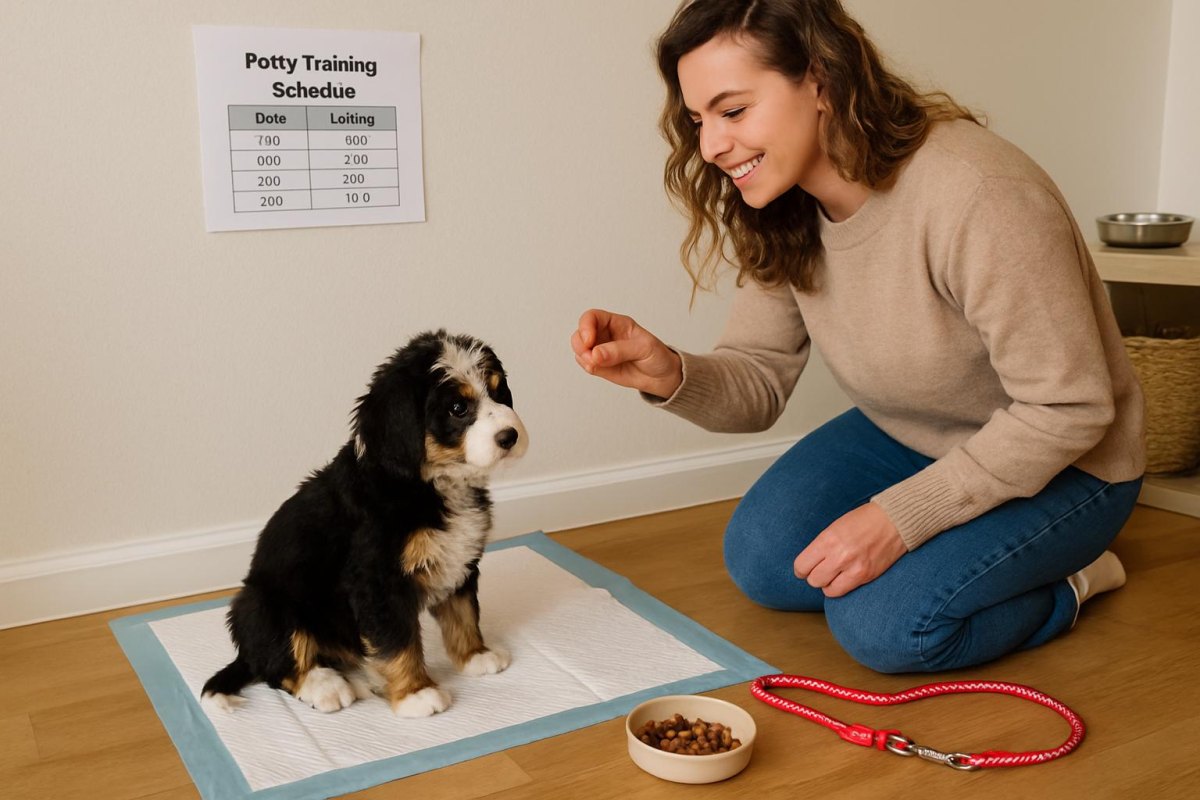
I have never met a puppy who reads a training manual while everyone sleeps. Reliable habits take repetition and realistic timelines.
Setbacks are part of learning, not proof that training failed.
Not Using a Crate Properly
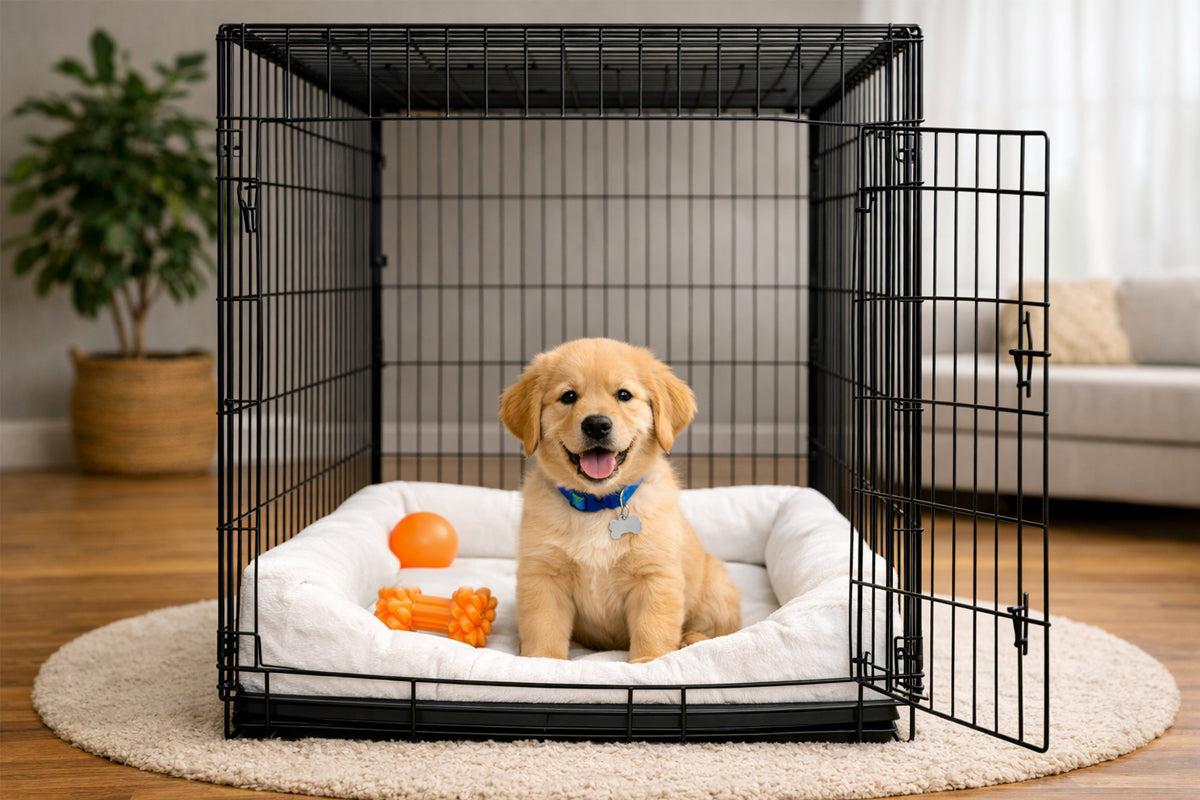
A crate can be a helpful management tool when introduced positively. It should be a safe place, never a punishment area. Positive crate training takes gradual steps.
Some dogs need different management options, and that is okay.
Feeding at Random Times
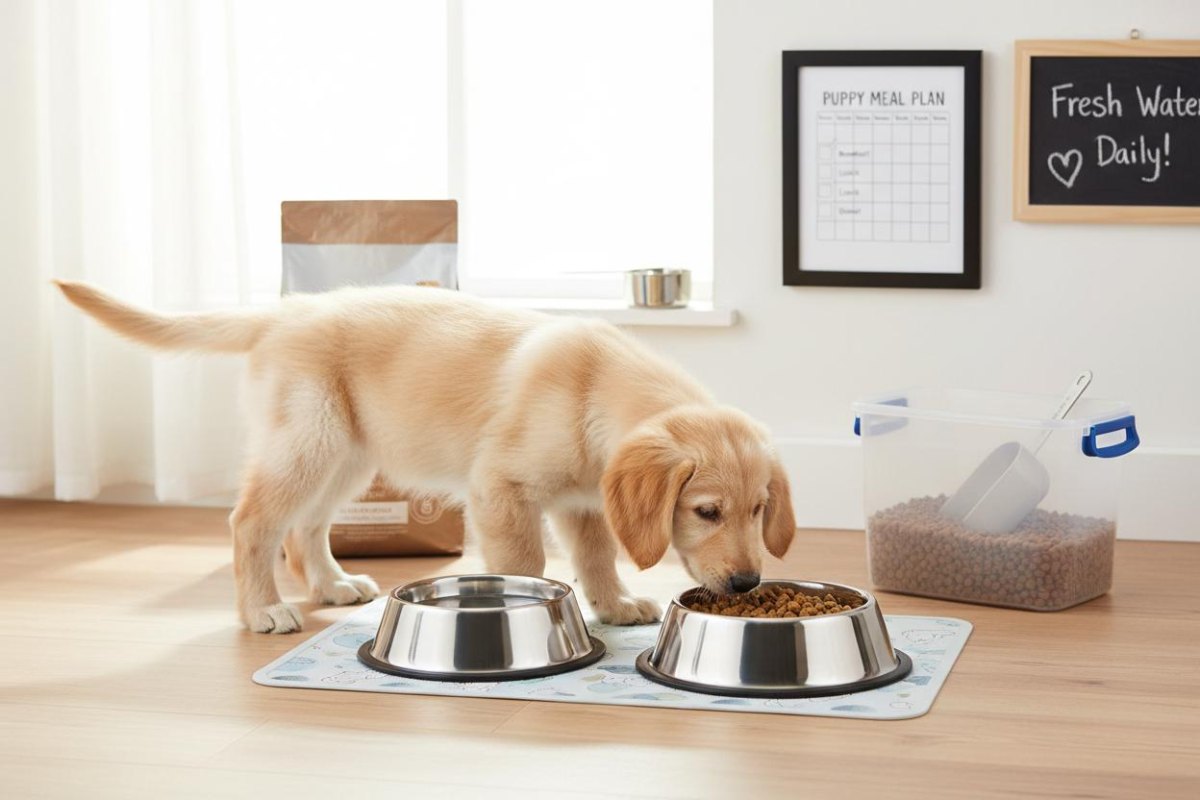
Food timing affects bathroom timing. A regular meal routine makes patterns easier to predict and supports successful scheduling.
I prefer adjusting the routine around the puppy rather than forcing a generic plan.
Missing Health Problems Behind Accidents
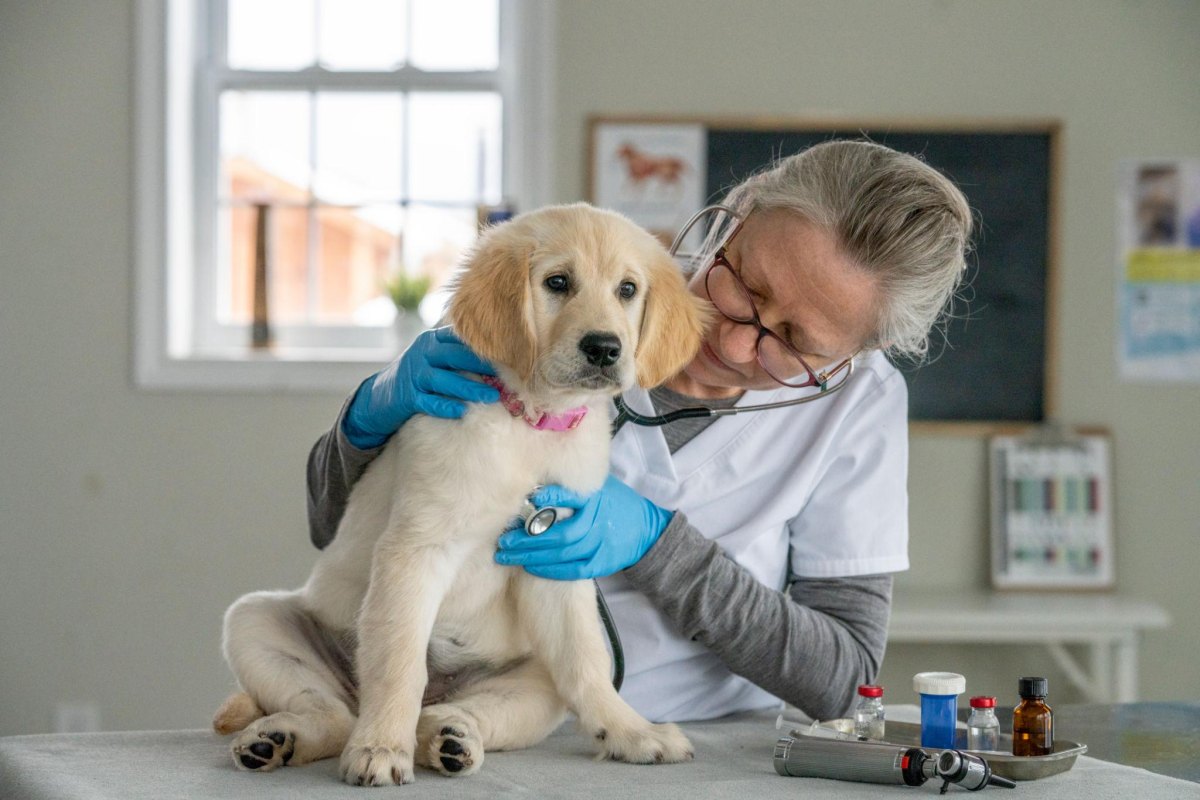
When a puppy suddenly regresses, I always consider health first. Frequent or unusual accidents deserve a conversation with a veterinarian because medical causes matter.
I am a trainer, not a veterinarian, and I never skip that step.
Training Without Patience and Consistency
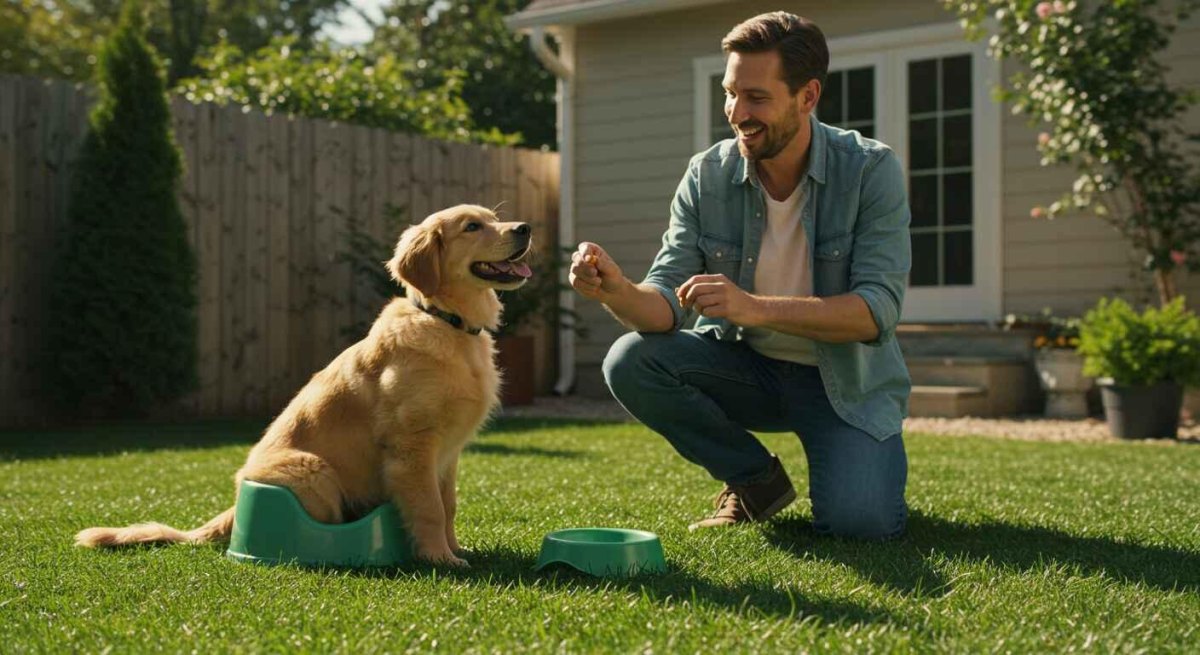
Potty training is repetitive, and honestly, it can be exhausting. The owners who succeed usually build steady daily habits rather than searching for a shortcut.
Your puppy is learning a skill, not trying to annoy you.
Stopping Training Too Early
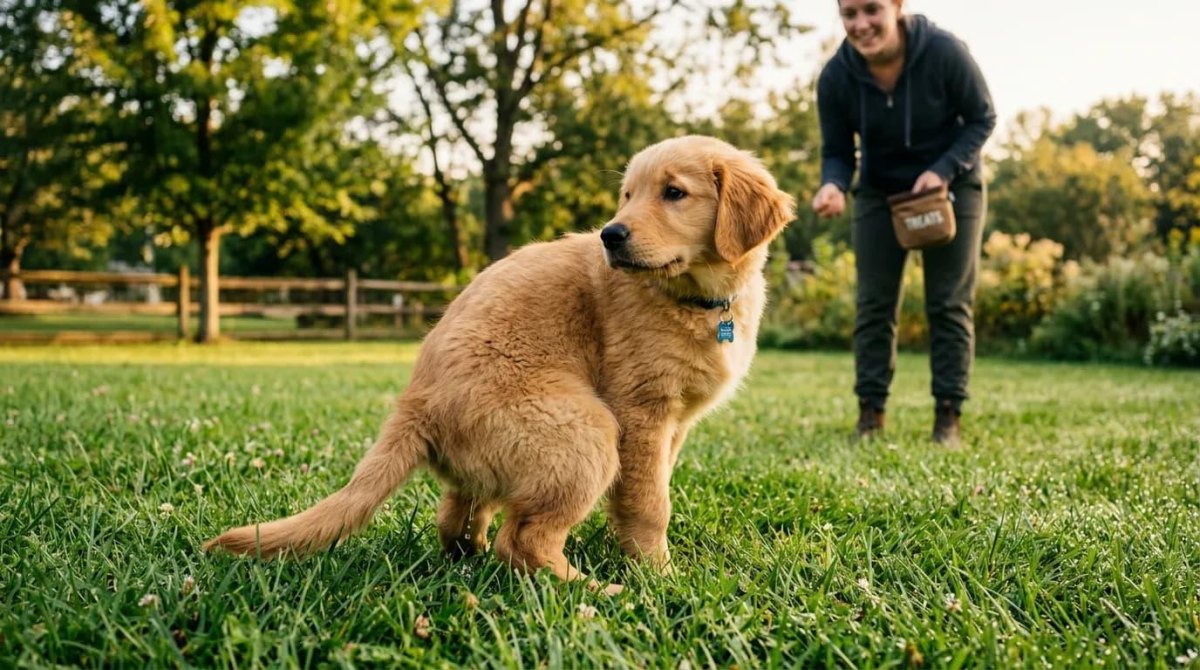
A few good days do not always mean the habit is finished. I slowly expand freedom after consistent success, not after one lucky week.
The final stage is helping the puppy maintain the skill in real life.
More Pinterest Visuals