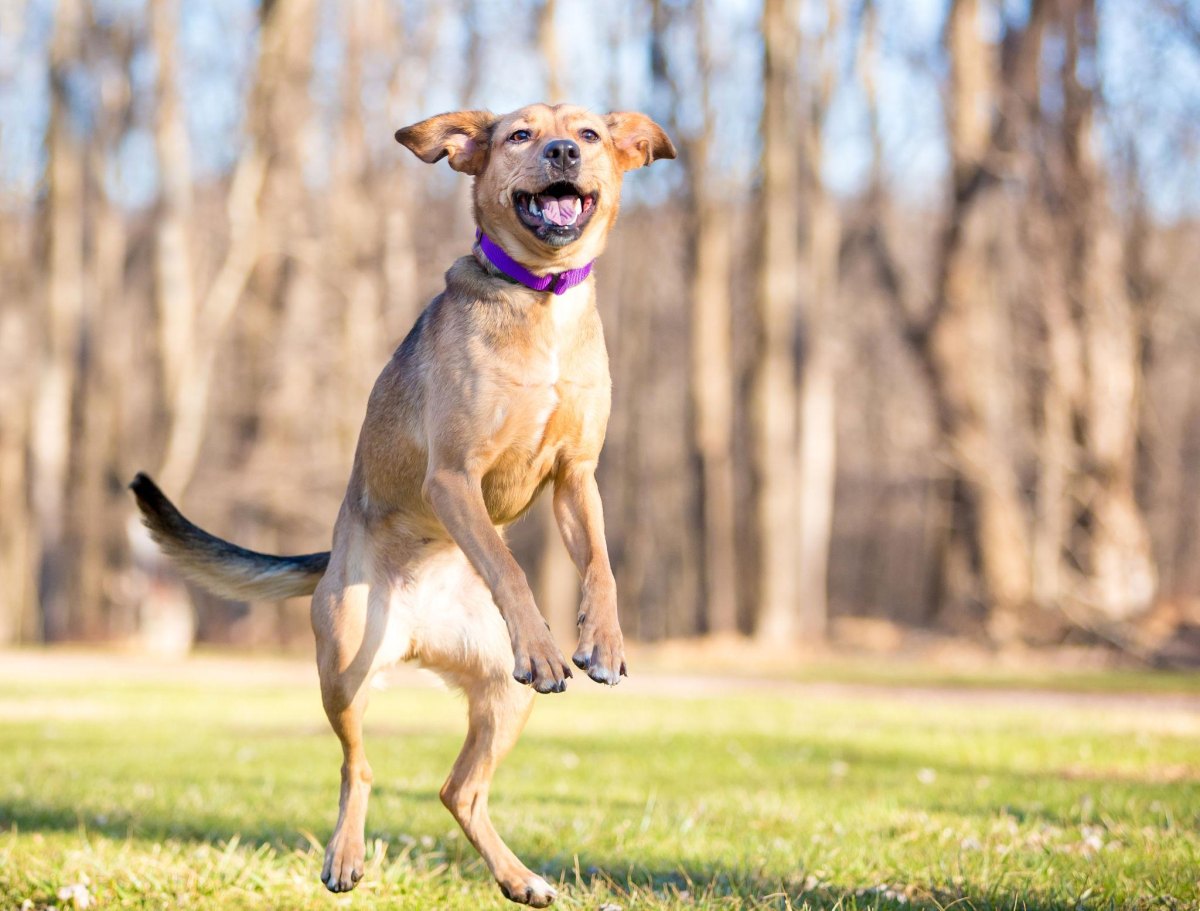
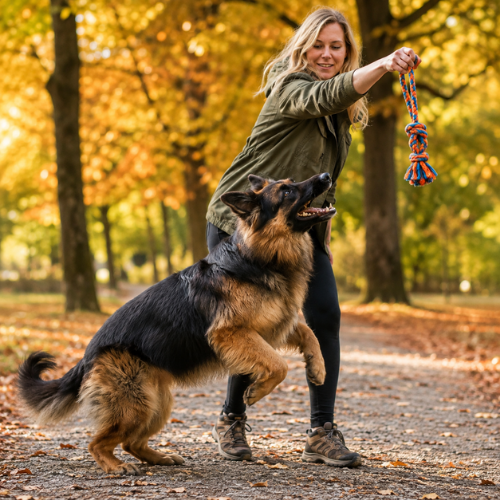
A new puppy does not arrive knowing how to fit into your Tuesday morning. They arrive with a tiny bladder, a busy brain, and a remarkable ability to find the one thing you forgot to move off the floor.
The most successful new puppy training routine I see is not built around marathon sessions. It is built around small moments repeated every day: before breakfast, during a walk, after a nap, and when your puppy chooses the right behaviour without being asked.
A simple puppy routine should include
- Short training sessions that match your puppy’s attention span
- Consistent daily habits for potty breaks, rest, and play
- Positive reinforcement and plenty of management to prevent unwanted habits
Establishing a Consistent Daily Schedule
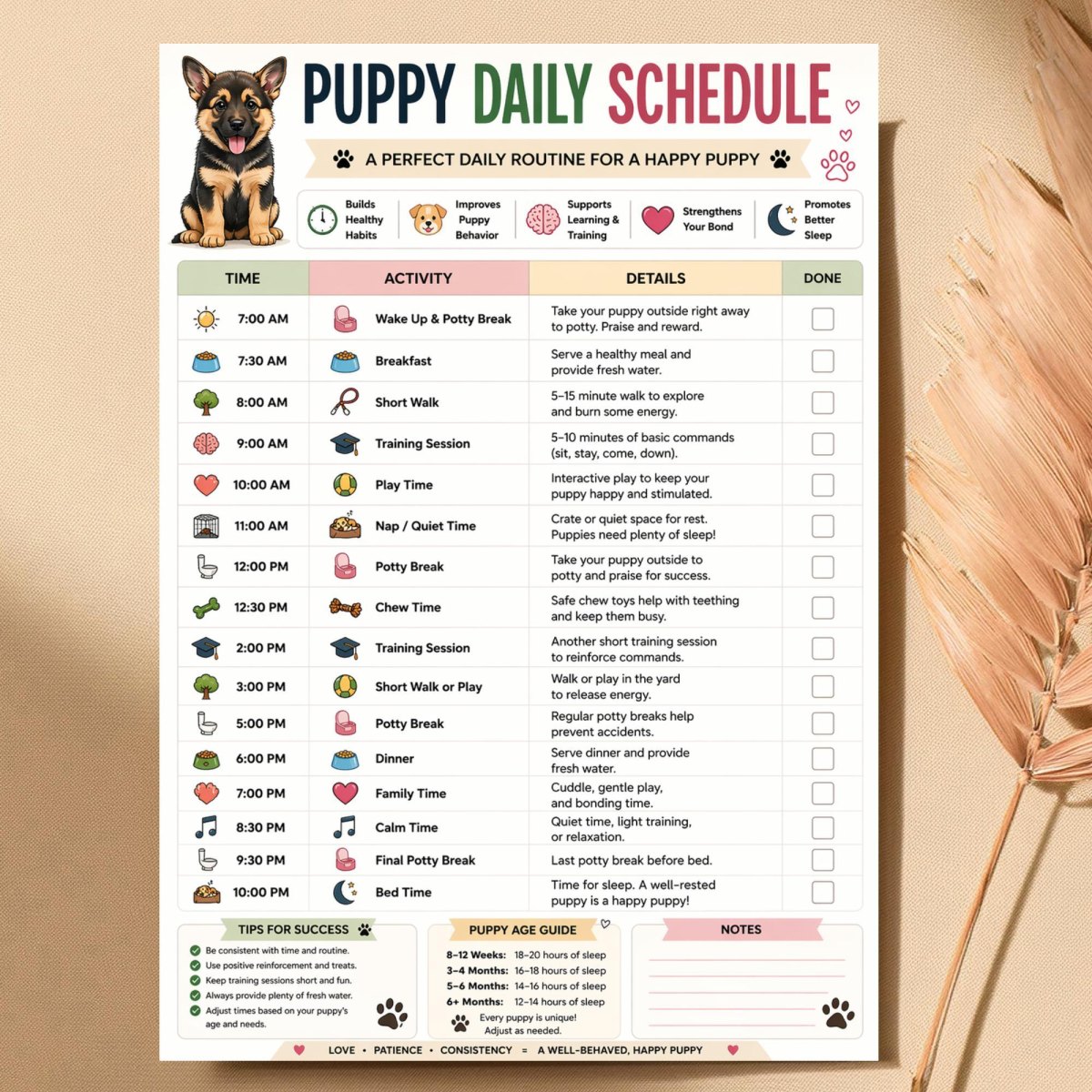
The first thing I set up with a puppy family is not a list of commands. It is the rhythm of the day. Puppies learn from repetition, and a predictable schedule lowers the guesswork for everyone.
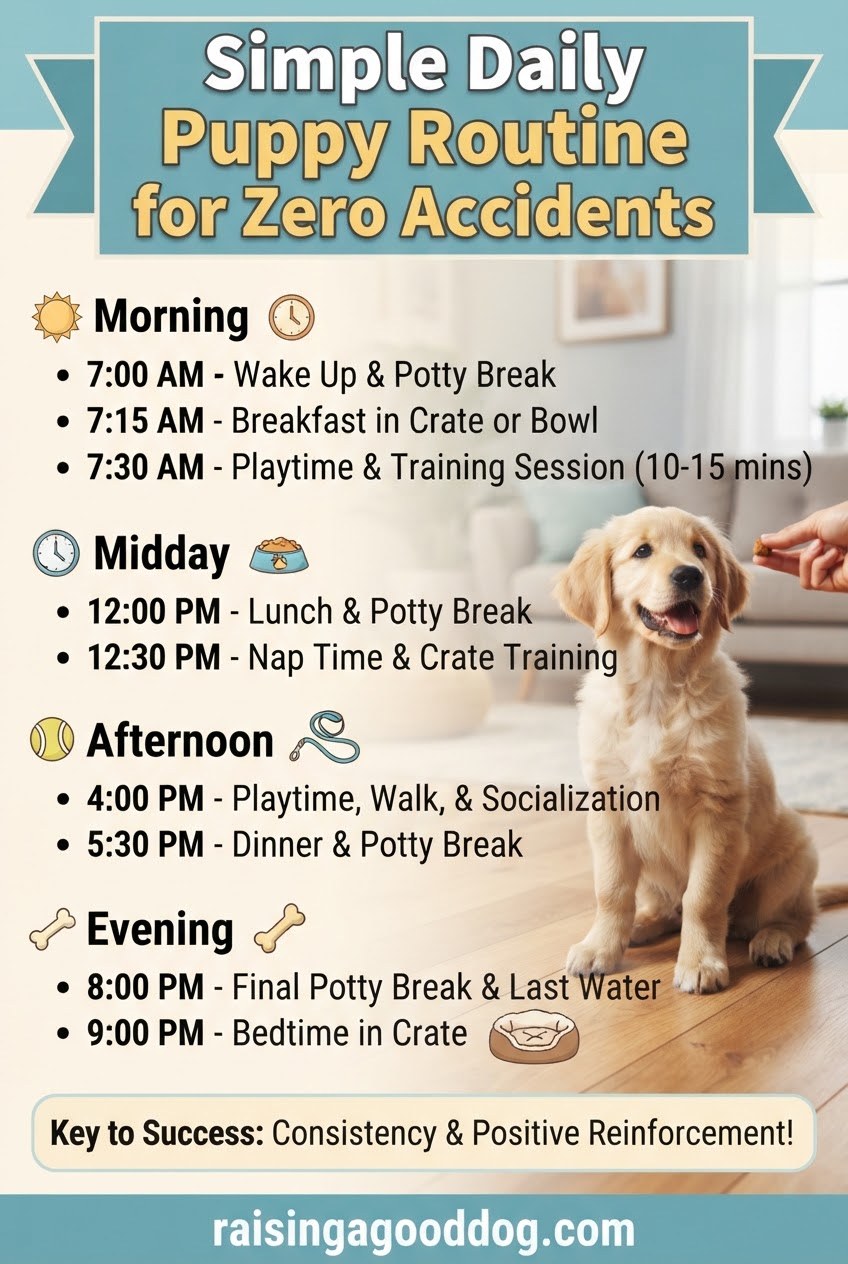
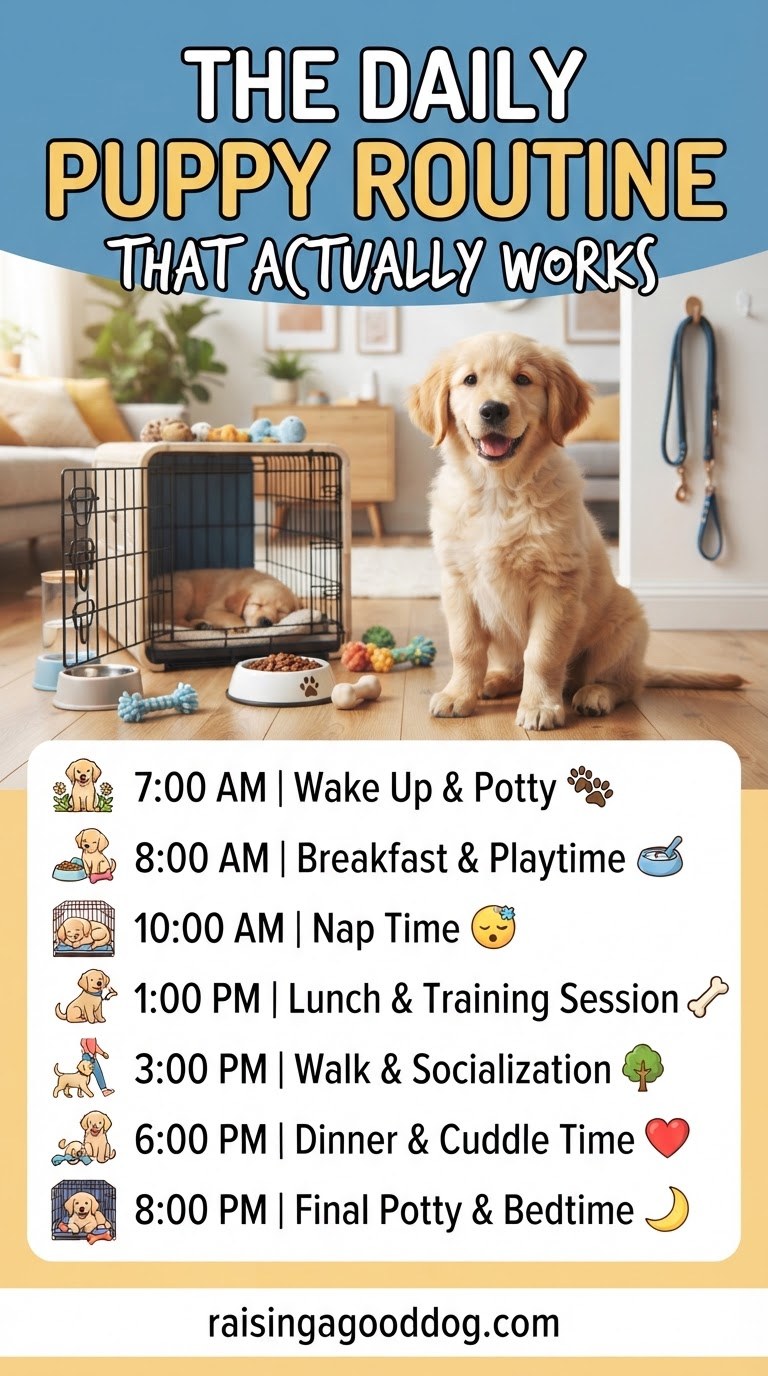
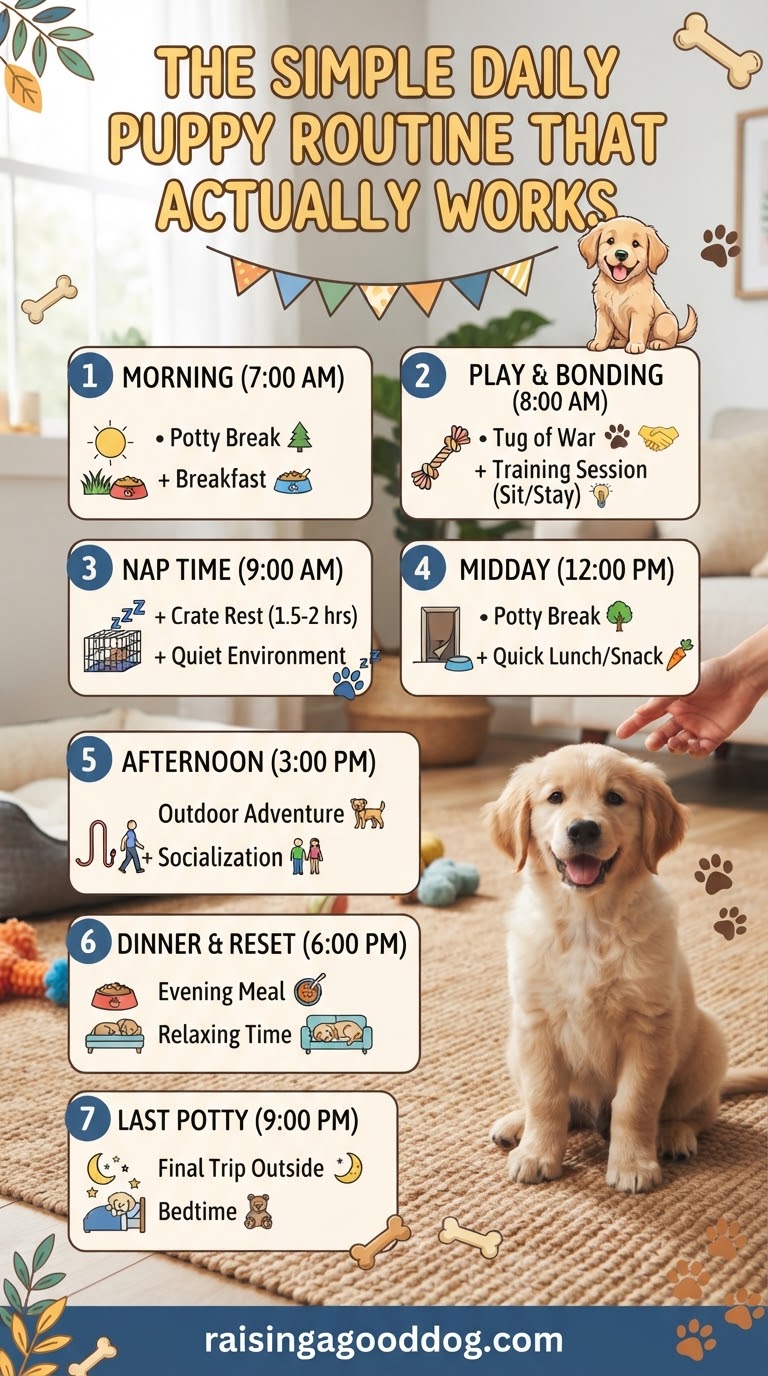
A realistic day might include a potty trip after waking, breakfast followed by a few minutes of training, a nap, playtime, another bathroom break, and calm time. The exact clock times matter less than the pattern.
My practical tip
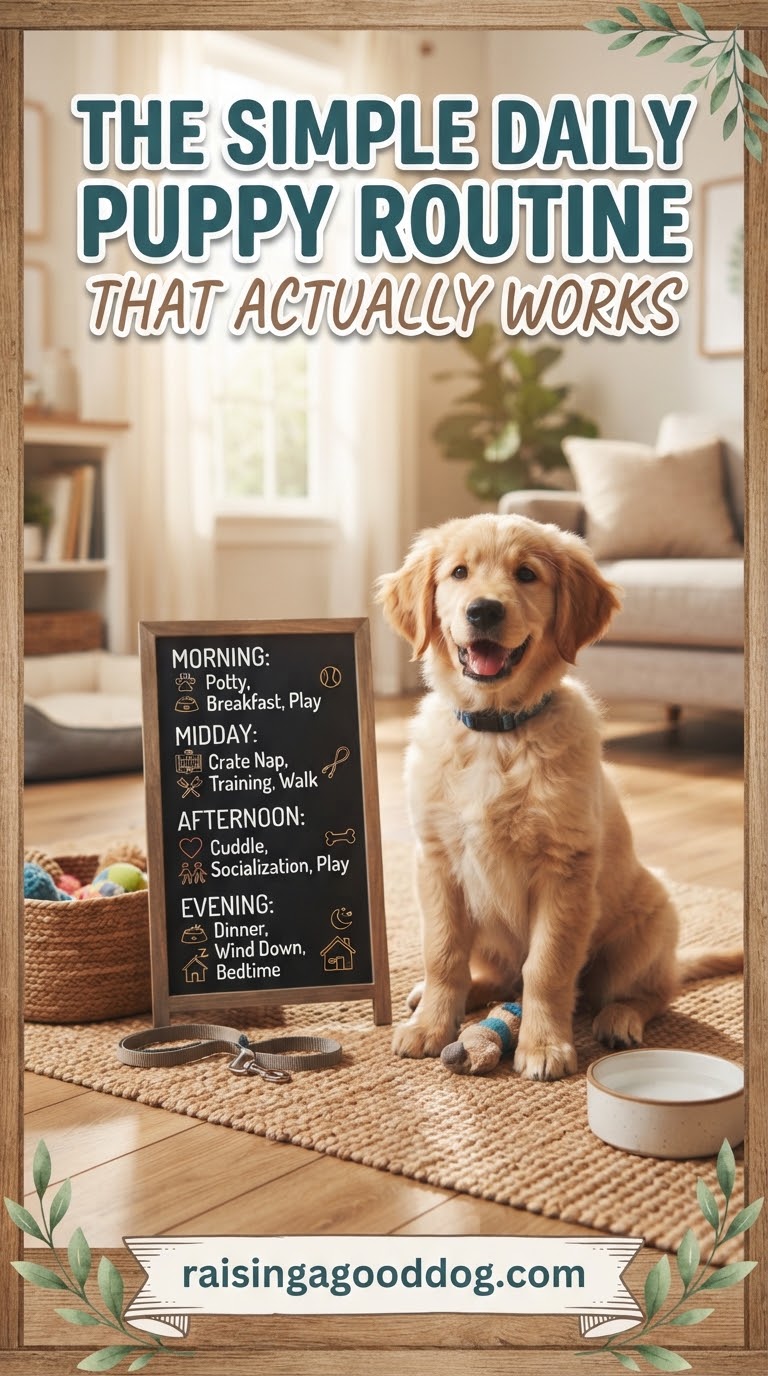
Write the routine somewhere visible. I still use a whiteboard in my training room because tired brains forget things, and puppy owners are usually running on less sleep than they admit.
Expect adjustment periods. The first few weeks are about building habits, not creating a perfectly trained dog overnight.
Teaching Basic Commands and Good Manners
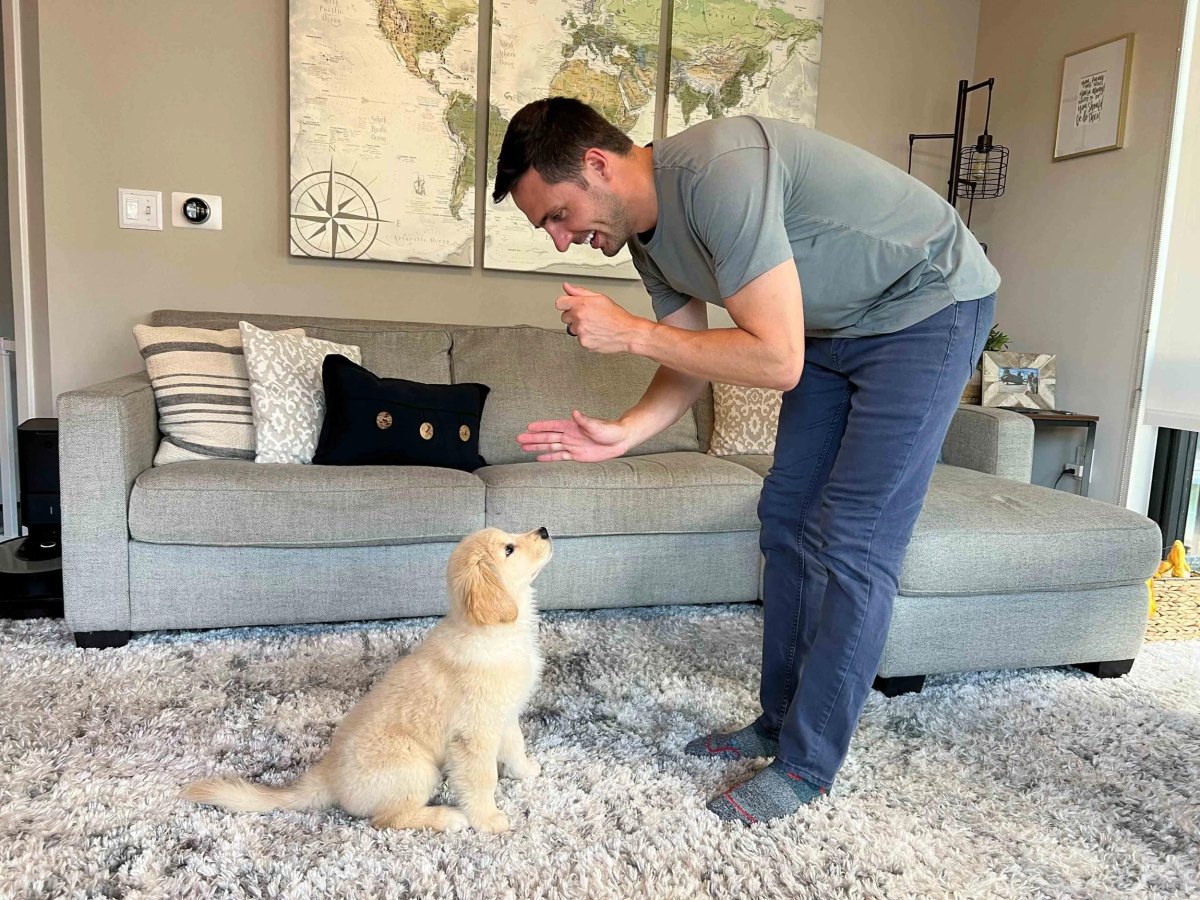
I teach puppies that listening to people is rewarding before I worry about making the response perfect. A puppy who happily checks in with you is easier to guide everywhere else.
Start with simple skills like their name, coming when called indoors, sitting politely, and giving attention. Keep sessions brief because a puppy's brain fills up quickly.
- Reward. Mark the behaviour you like immediately so your puppy understands the choice that earned attention.
- Repeat. Practice in easy environments before asking for the same behaviour around distractions.
- Increase. Add difficulty slowly rather than testing your puppy before they are ready.
I avoid using intimidation or corrections for puppy mistakes. They are still learning the rules of a very strange human world.
Potty Training and Bathroom Habits
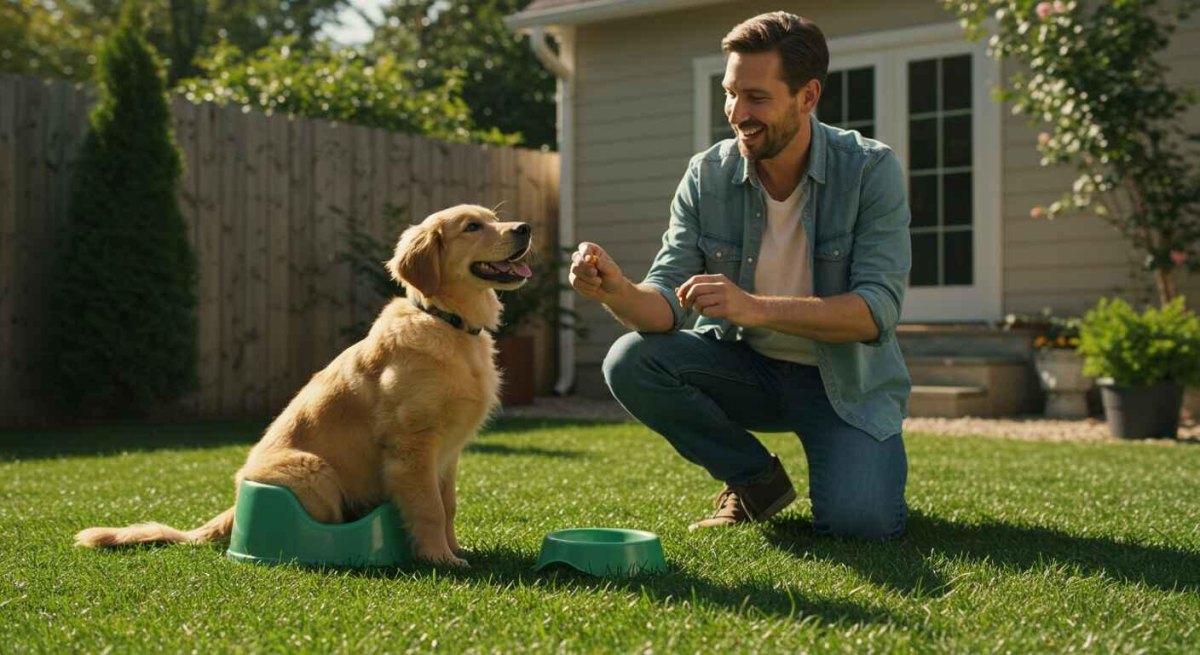
Potty training is mostly a management project. The more often a puppy gets the chance to rehearse going in the right place, the faster the habit develops.
I take puppies out after sleeping, eating, drinking, and active play. Accidents are information, not a reason to punish a puppy who does not understand the rule yet.
When I want a vet check
If a puppy who was reliably house trained suddenly starts having accidents, I recommend checking with a veterinarian before assuming it is a training issue.
Most puppies need weeks of consistency, and some need longer depending on age, environment, and previous experiences.
Socialization and Confidence Building
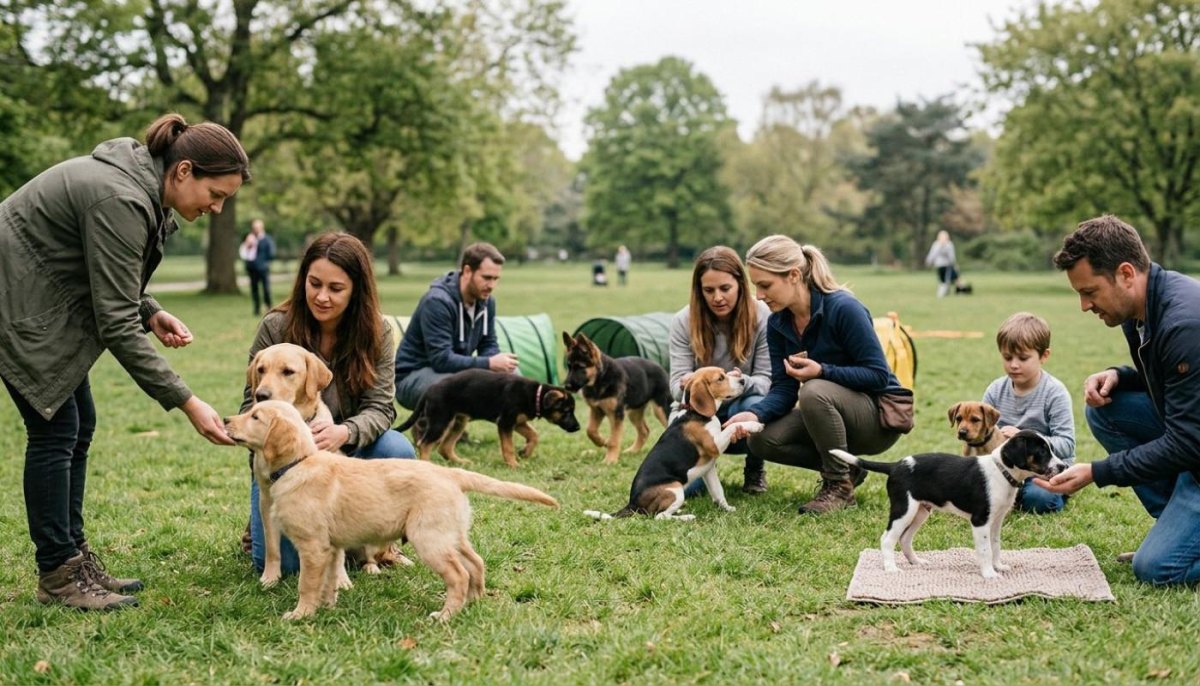
Good socialization is not about making a puppy greet every person and dog they see. It is about helping them feel safe while experiencing the world at their own pace.
I look for relaxed body language: loose movement, normal breathing, a soft mouth, and a puppy willing to explore. A frozen body, tucked tail, lip licking, or turning away tells me we need more distance.
- Let your puppy observe new things without forcing interaction
- Pair unfamiliar experiences with rewards and calm encouragement
- Follow your veterinarian’s advice about safe exposure before full vaccination
Socialization is a process that continues beyond puppyhood. Confidence comes from many small successful experiences.
Crate Training and Rest Time
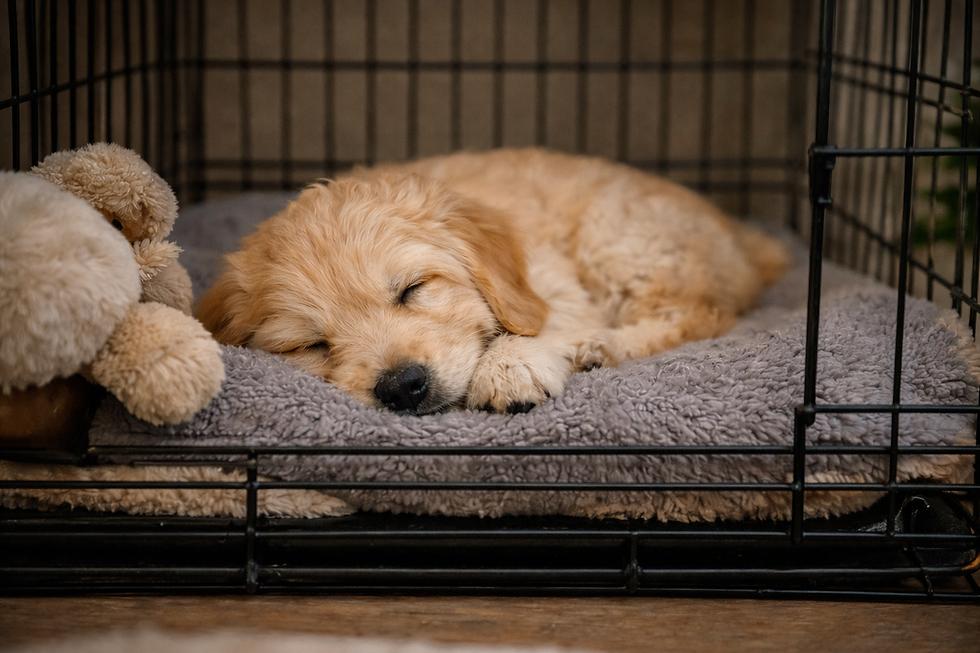
A puppy that never rests is usually a puppy who becomes much harder to train. Sleep is part of learning, not a break from it.
I introduce a crate as a safe resting area, never as a place where a puppy is sent after making a mistake. The door opening should predict good things, not isolation.
A common mistake I see
People often increase crate time faster than the puppy can handle. Stress signals like frantic scratching, heavy panting, or panic are information that the plan needs adjusting.
Some dogs love crates and some do not. A puppy can learn calm alone time in other safe spaces too.
Exercise, Play, and Mental Stimulation
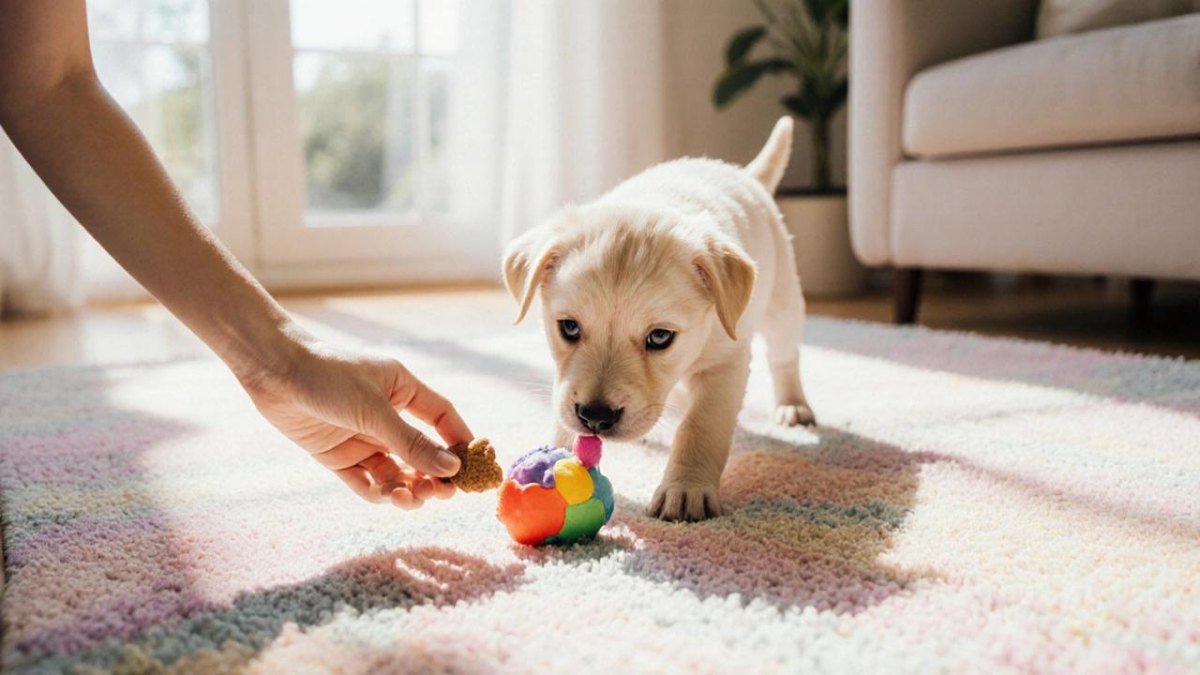
Puppies need movement, but they also need their brains worked in ways that do not wind them up all day. The goal is a puppy who can play and then settle.
I use simple activities like sniffing games, food puzzles, gentle training games, and exploring safe environments. Mental work often tires a puppy more effectively than endless physical activity.
- Play: Builds confidence and teaches appropriate interaction.
- Training: Strengthens communication between you and your puppy.
- Sniffing: Gives your puppy a natural way to process the world.
The routine does not need to be perfect. It needs to be repeatable. The puppy who struggles on week two is not failing, and neither are you. You are both learning the same new language.
How long should puppy training sessions be?
I usually recommend several short sessions rather than one long session. Young puppies learn best when training stays easy and rewarding.
What should I do if my puppy is not improving?
Look at the environment first. Too many distractions, too little sleep, or expectations that move too quickly can make a good plan fail.
When should I ask a trainer for help?
If you see fear, aggression, severe distress, or behaviour that feels unsafe, work with a qualified professional in person. A blog post cannot replace an individual assessment.
More Pinterest Visuals