Bring home a cute ball of fluff, they said. It will be fun, they said. Yet here you are at 6:00 AM, standing barefoot on a suspiciously warm puddle of pee while a tiny land-shark chews on your favorite sweatpants.
Surviving puppyhood does not require superhuman patience or a degree in animal behavior. What you actually need is a dead-simple, clockwork puppy training routine that tells your dog what comes next before they have time to invent a new felony. Ready to turn the chaos into calm?
Puppy Routine At A Glance
- Follow the golden cycle of potty, play, train, and enforced nap all day long.
- Keep formal training sessions under 5 minutes by using daily meal kibble.
- Enforce 18 to 20 hours of sleep daily so an overtired pup does not turn into a biting gremlin.
1. The 7:00 AM Morning Dash (Potty First, Coffee Second)
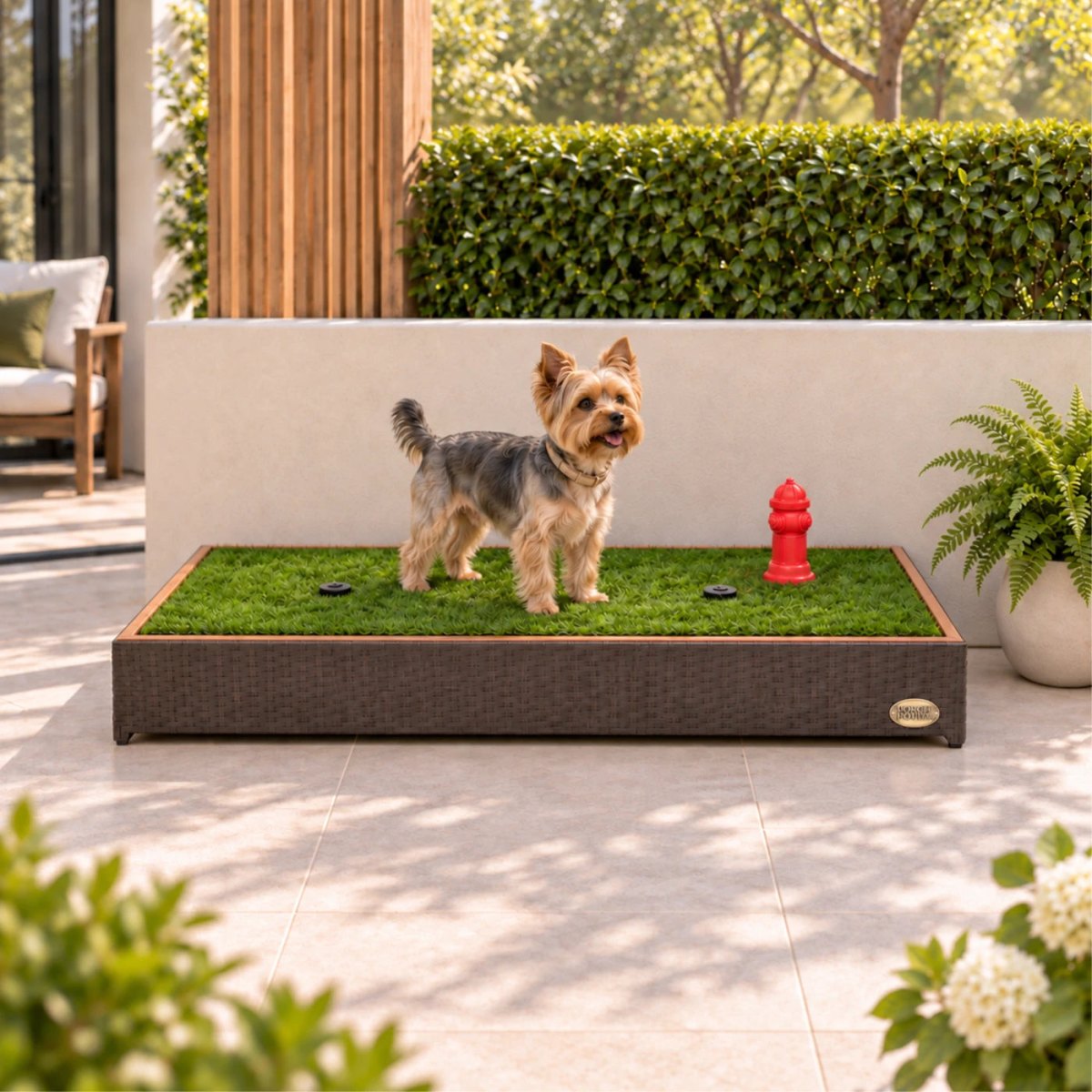
Do not stop to check your phone, and definitely do not make eye contact with the coffee maker yet. The moment your puppy stirs in their crate, scoop them up and carry them straight to their designated potty spot outside.
If you make them walk on their own four paws, gravity and a full bladder will win before you even reach the back door. Once they do their business on the grass, throw a quiet praise party and hand over a high-value treat within three seconds so they connect the location with the reward.
The Foolproof Morning Potty Run
- Open the crate door and pick your puppy up immediately before their paws hit the floor.
- Carry them directly to the exact same patch of grass and set them down on a leash.
- Stand completely still like a boring tree until they pee, then praise softly and hand over a treat right away.
2. The 7:15 AM Breakfast Brain Game (Ditch the Food Bowl)
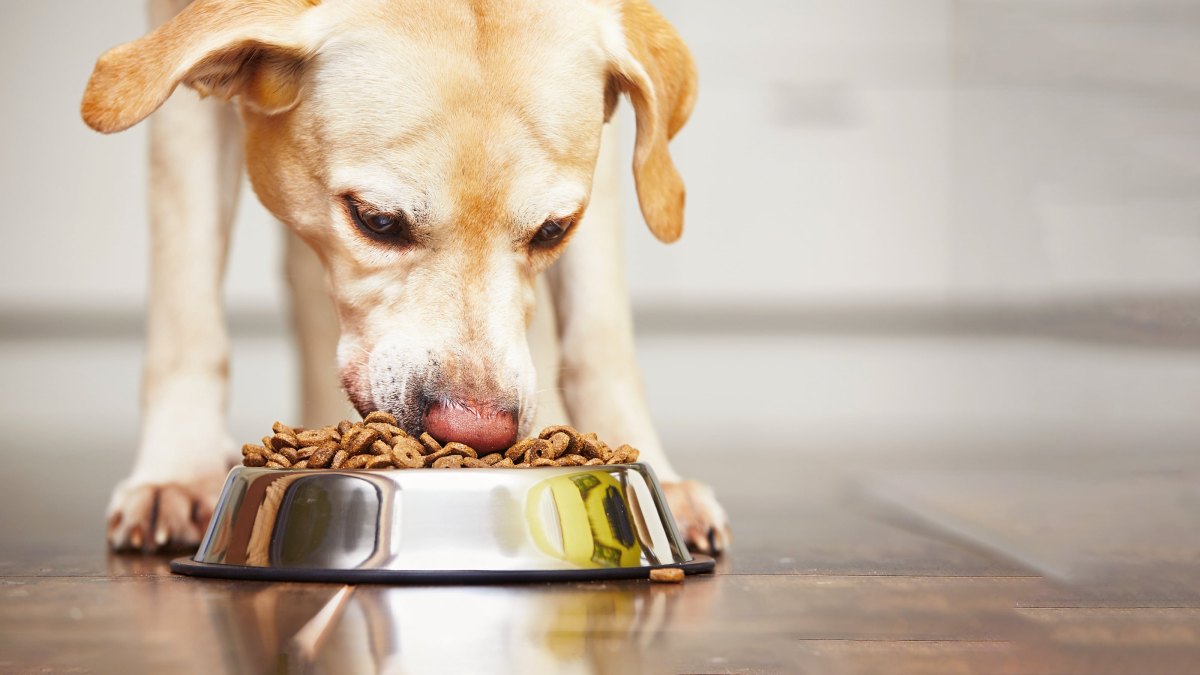
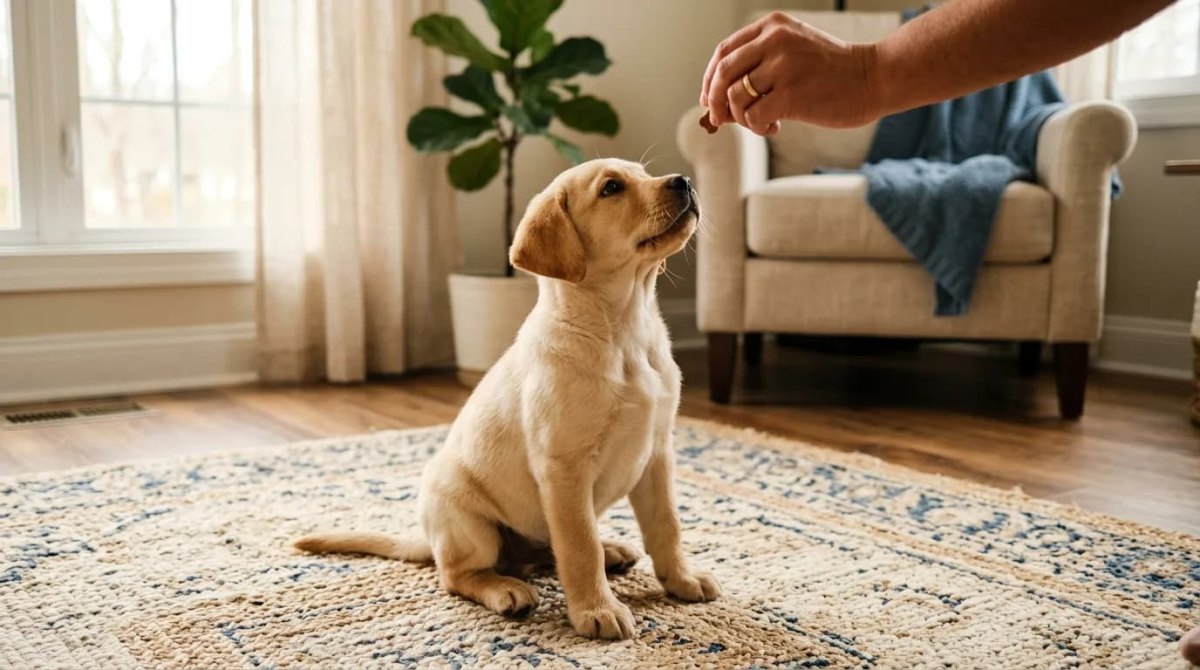
Why hand over a free bowl of kibble when that breakfast can buy you 20 minutes of peace and quiet? Measure out your puppy's morning ration and use half of it for a quick five-minute training session right on the kitchen floor.
Work on simple foundations like responding to their name, offering eye contact, and sitting politely. Put the remaining half of their breakfast inside a stuffed puzzle toy or a knotted towel so their brain has to work for the rest of the meal while you finally brew that coffee.
3. The 8:00 AM Playtime And Post-Meal Potty Break
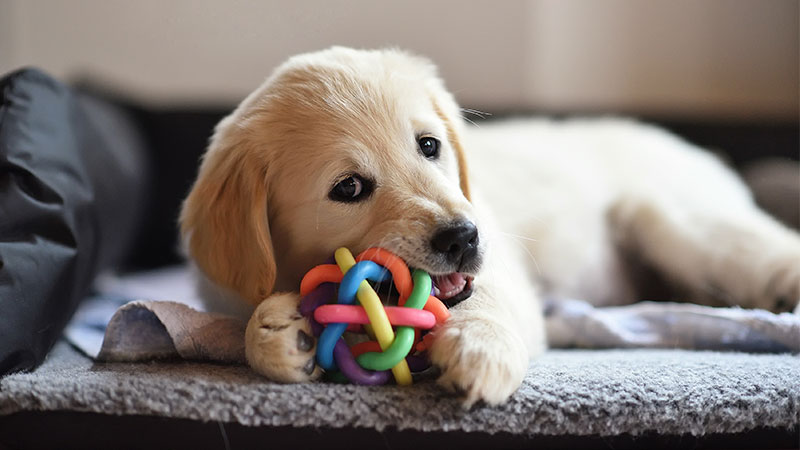
Once breakfast is conquered, your puppy's digestive tract is officially on the clock. Take them outside for a quick potty trip about 15 minutes after they finish eating, then dive into 20 minutes of structured play like tug-of-war or chasing a soft toy across the living room.
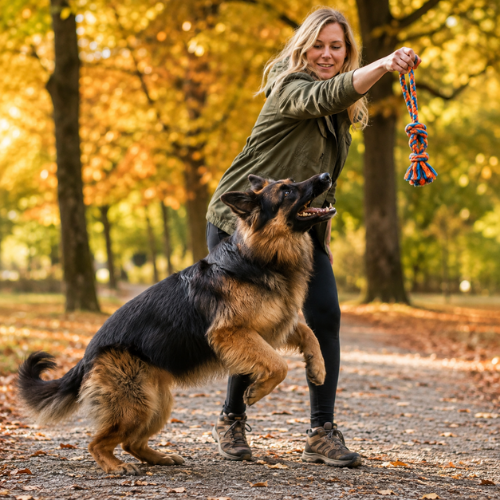
Are you accidentally letting your puppy use your hands as chew toys during play? Always keep a long rope toy between your fingers and their teeth so they learn early that human skin is completely off-limits.
The Golden Rule Of Puppy Bladders
A puppy can generally hold their bladder for one hour per month of age, plus one extra hour, though active play makes them need to go every 20 to 30 minutes!
4. The 9:00 AM Enforced Crate Nap (Your Secret Weapon)
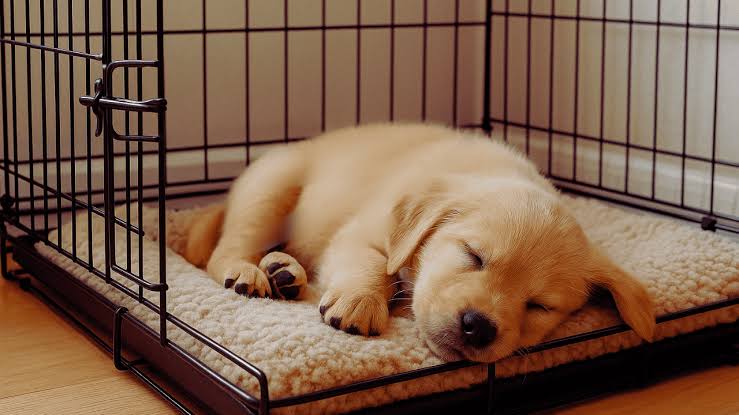
Here is the plot twist most new dog owners miss: puppies need 18 to 20 hours of sleep every single day. When your puppy starts zooming around the sofa like a caffeinated demon and biting your ankles, they do not need more exercise—they are desperately overtired.
After an hour of being awake, guide your pup into their crate or playpen with a safe chew item and cover the crate with a breathable blanket. Follow the 1 hour awake, 2 hours asleep rhythm all day long to prevent witching-hour meltdowns and build rock-solid independence.
Enforced Crate Naps
- Prevents overtired biting fits and destructive chewing
- Speeds up potty training by tapping into natural den instincts
Free-Roaming Naps
- Requires ignoring a few minutes of protest whining at first
- Takes up floor space in your living room or bedroom
5. The 11:30 AM Midday Socialization Stroll

When your puppy wakes up from their mid-morning snooze, repeat the immediate potty trip before launching into a socialization adventure. Socialization is not about letting every strange dog and neighbor maul your puppy on the sidewalk.
True socialization means teaching your puppy to stay neutral and relaxed while watching the world go by. Sit on a park bench, let them hear garbage trucks, watch joggers from a distance, and reward them with tiny bits of cheese every time they look at a scary sight and then look back at you.
Ideal Daily Schedule By Age
- 8 to 10 Weeks: Potty every 45-60 mins awake, 1 hour up / 2 hours nap
- 12 to 16 Weeks: Potty every 90-120 mins awake, 1.5 hours up / 2 hours nap
- 4 to 6 Months: Potty every 2-3 hours awake, 2 hours up / 1.5-2 hours nap
6. The 1:00 PM Lunchtime Leash Manners And Quiet Time
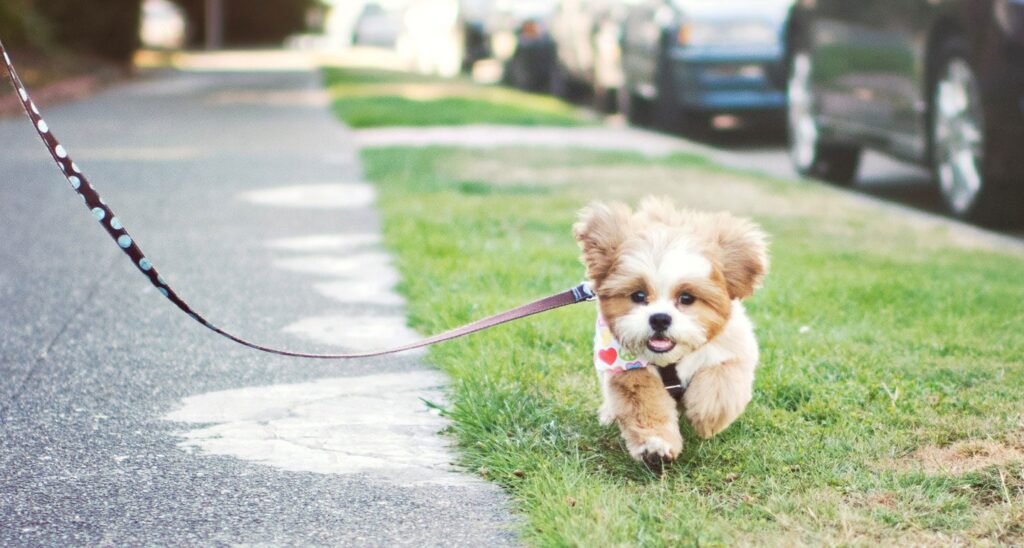
Lunchtime follows the exact same blueprint as the morning routine because predictability is what makes a puppy feel safe. After their midday potty break and a scatter-feeding session in the grass or on a snuffle mat, practice three minutes of loose-leash walking right inside your hallway.
Why practice leash walking indoors where there are zero squirrels? If your puppy cannot walk next to you in a boring hallway without pulling, they have zero chance of doing it outside where leaves are blowing across the pavement.
7. The 4:30 PM Afternoon Impulse Control Session
As the afternoon rolls around and another nap wraps up, channel your puppy's fresh energy into impulse control games. Teach leave it by holding a piece of kibble in a closed fist and waiting for them to pull their nose away before you open your hand and reward them with the other hand.
Practice having them sit and wait for two seconds before you set their water bowl down or open the back door. Building these tiny pauses into everyday life teaches your dog that patience unlocks everything they want, whereas lunging gets them nothing.
The Capture Calm Trick
Keep a small jar of kibble on your kitchen counter all day. Whenever you catch your puppy lying down quietly on their own without being asked, silently drop a treat between their paws so they learn that chilling out is the best-paying job in the house.
8. The 7:00 PM Evening Wind-Down And Witching Hour Survival
Between 6:00 PM and 8:00 PM, almost every puppy experiences the dreaded witching hour, where their remaining brain cells log off for the night. Beat the chaos before it starts by feeding dinner inside a frozen toppl or lick mat around 6:00 PM.
The repetitive motion of licking releases calming hormones in your puppy's brain and naturally lowers their heart rate. Pair the evening with calm sniffing games rather than high-speed fetch so you are winding their nervous system down instead of revving it up before bed.
Bedtime Prep Checklist
- Remove the water bowl 60 to 90 minutes before final lights-out.
- Keep the final 10:00 PM potty trip completely silent and boring.
- Set a calming white noise machine or fan near the crate.
- Place a warm blanket or heartbeat toy inside the sleeping area.
9. The 10:00 PM Final Lights-Out Routine
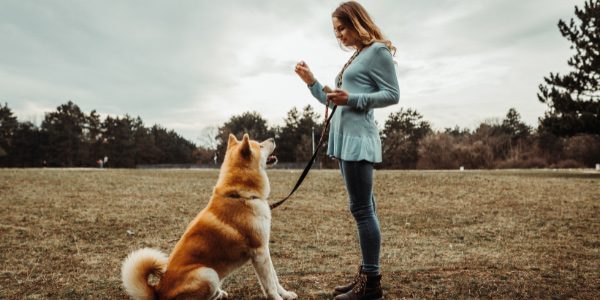
Right before you head to bed, take your puppy out on a leash for one last boring potty trip under the stars. Keep the lights dim, do not play, and whisper a gentle good potty before carrying them straight back to their crate for the night.
For the first few weeks, set an alarm for 2:30 AM so you can take them out before they have to whine and wake you up in a panic. Why wait for them to cry when preempting the whine teaches them that staying quiet in the crate works?
So, which part of your puppy's day is currently the wildest—the 6:00 AM wake-up call or the 7:00 PM zoomies? Pick just one block from this routine to tighten up today, and watch how quickly your little whirlwind starts settling into a rhythm!
How long does it take for a puppy to learn a daily routine?
Most puppies start anticipating their daily schedule within 7 to 10 days of consistent timing, though full bladder control and reliable habits take several months to mature.
What should I do if my puppy cries during enforced crate naps?
Make sure all their physical needs (potty, water, mental stimulation) are met first, then sit quietly near the crate for a few minutes to help them settle without letting them out mid-tantrum.
Can I adjust the wake-up and bedtime hours to fit my work schedule?
Absolutely—the exact clock times matter much less than keeping the repeating cycle of potty, play, train, and nap consistent every single day.
More Pinterest Visuals