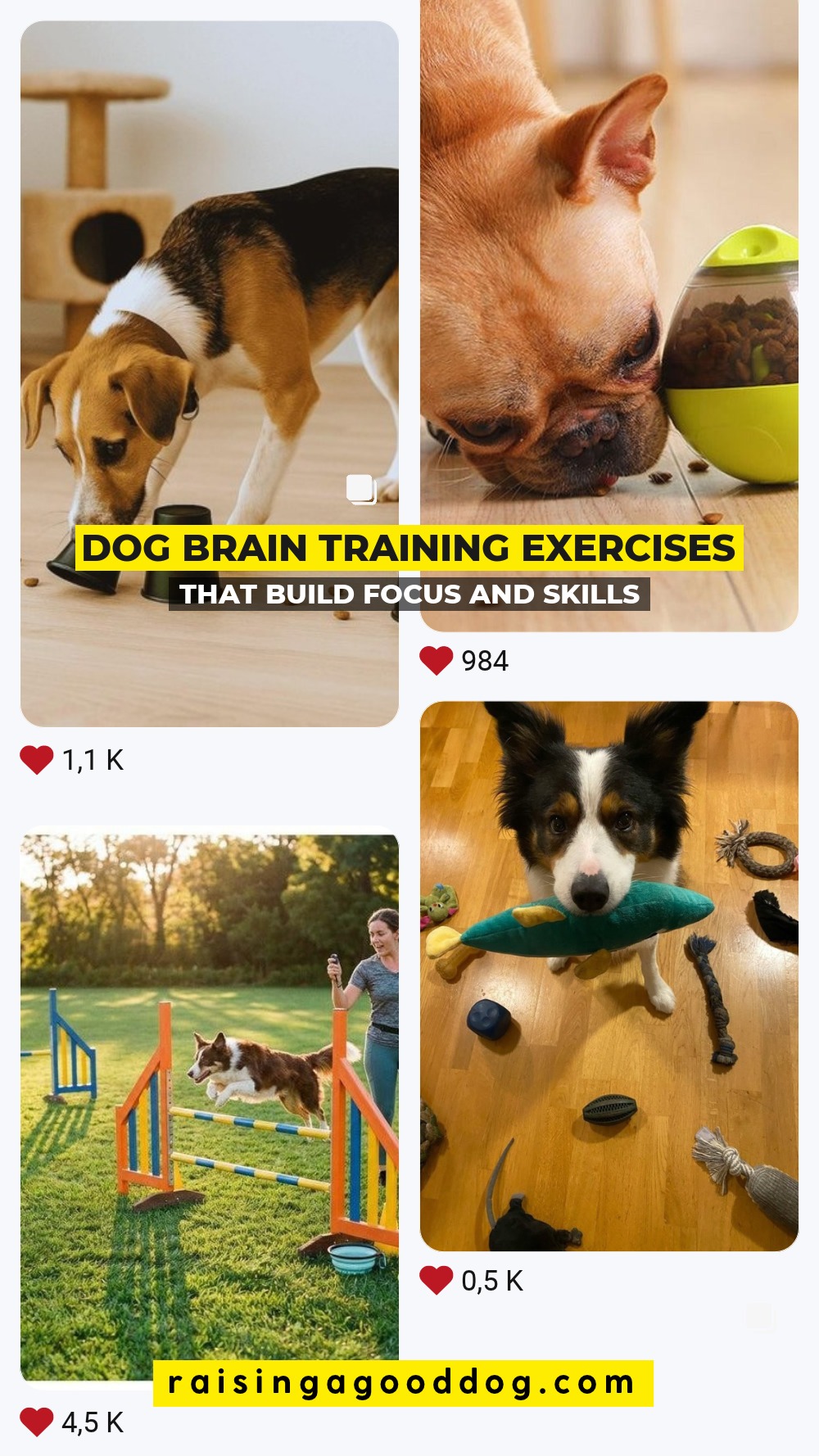
I used to think a tired dog was simply a dog that needed a longer walk. Bruno taught me otherwise. After those first exhausting months when every walk felt like a negotiation, I learned that mental exercise matters just as much as physical movement. The right brain games help dogs make choices, build confidence, and communicate with us more clearly.
I use these exercises with my own dogs and with clients who need practical activities that fit into real life. These are not magic fixes for behaviour problems, but they are excellent ways to give your dog healthy work to do. Start where your dog can succeed, keep sessions short, and watch the little details: a tight mouth, a weight shift, or a sudden pause can tell you when your dog needs an easier step.
What you will learn
- Brain games that encourage sniffing, thinking, and problem-solving
- Training exercises that strengthen your communication with your dog
- Ways to add enrichment without overwhelming your dog
Teach Your Dog the “Find the Treat” Nose Work Game
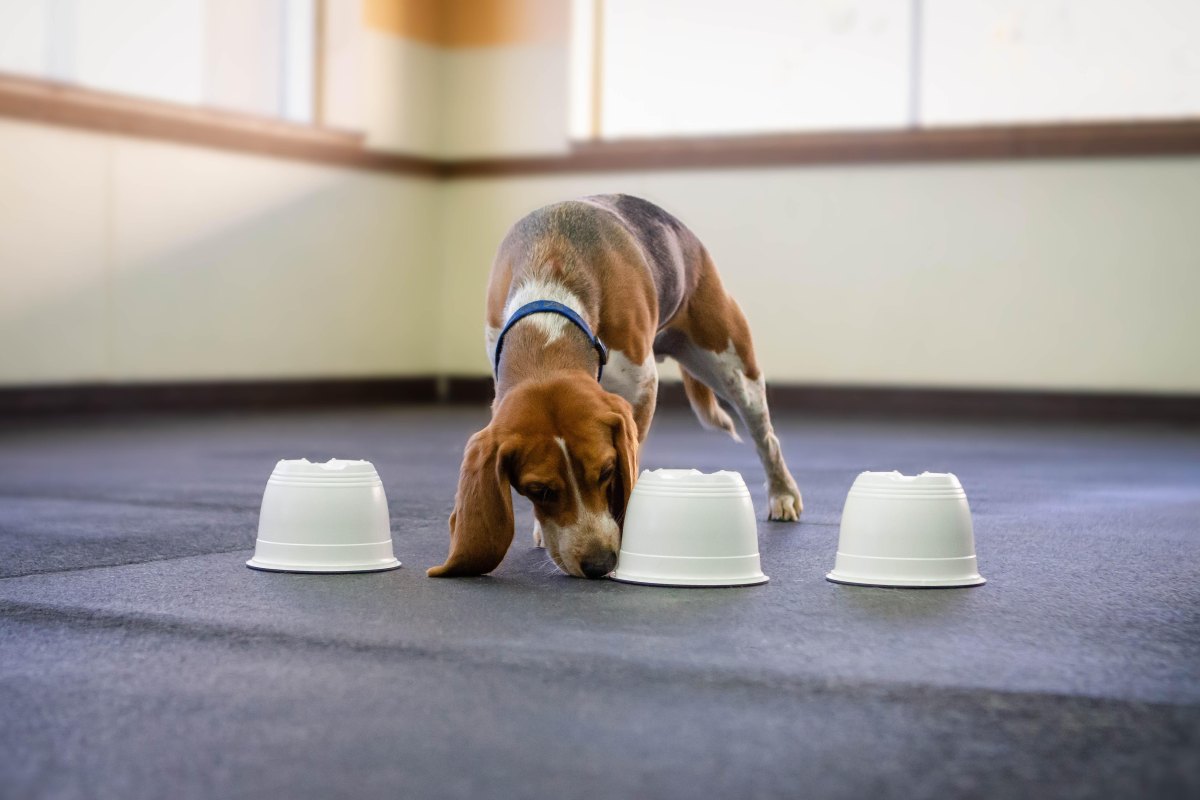
I start many dogs with a simple sniffing game because it lets them use a natural skill instead of asking them to perform on command. Nose work can provide a rewarding mental workout, and research has explored links between scent training and canine executive function.
Before starting, remove distractions and make the search easy enough that your dog does not give up. Hide a treat nearby, let your dog sniff it out, and slowly increase the challenge over several weeks.
- Hide. Place a treat where your dog can find it easily.
- Search. Encourage your dog to use their nose without rushing them.
- Increase. Add distance and more hiding places gradually.
Use Puzzle Toys to Improve Problem-Solving Skills
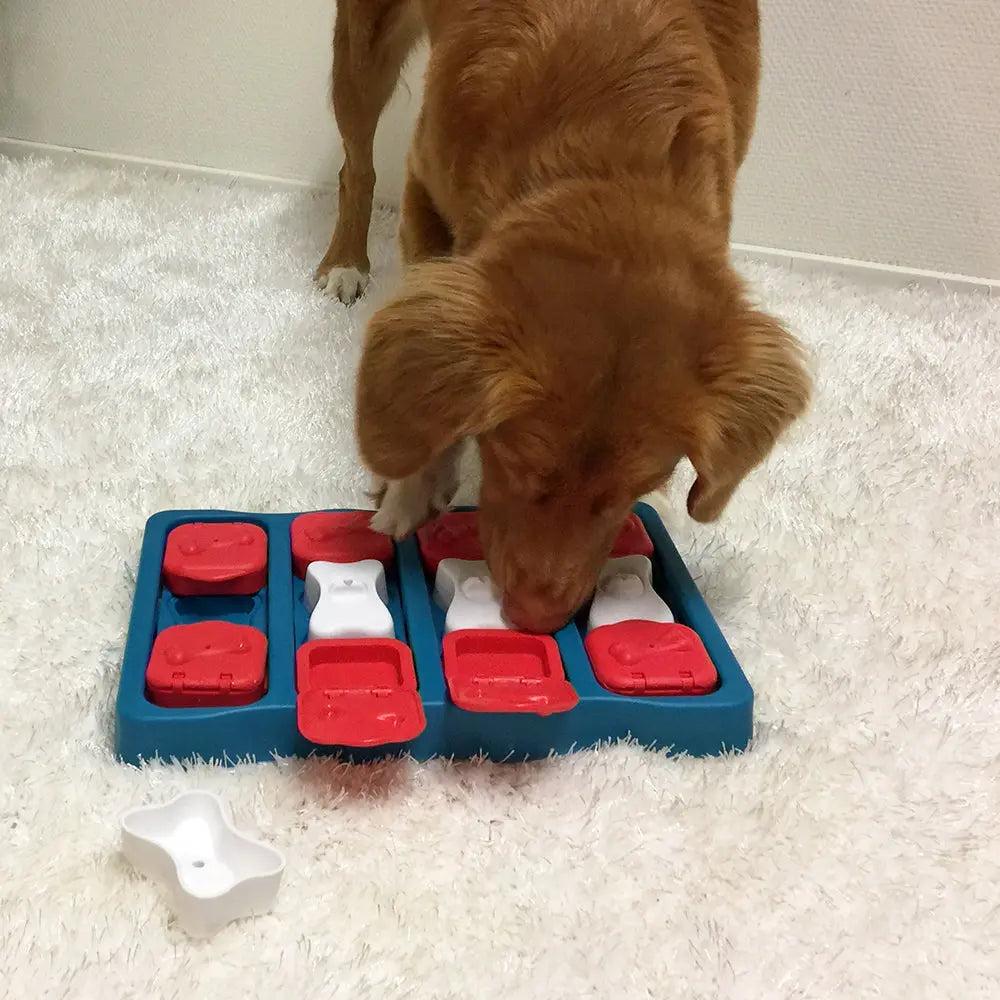
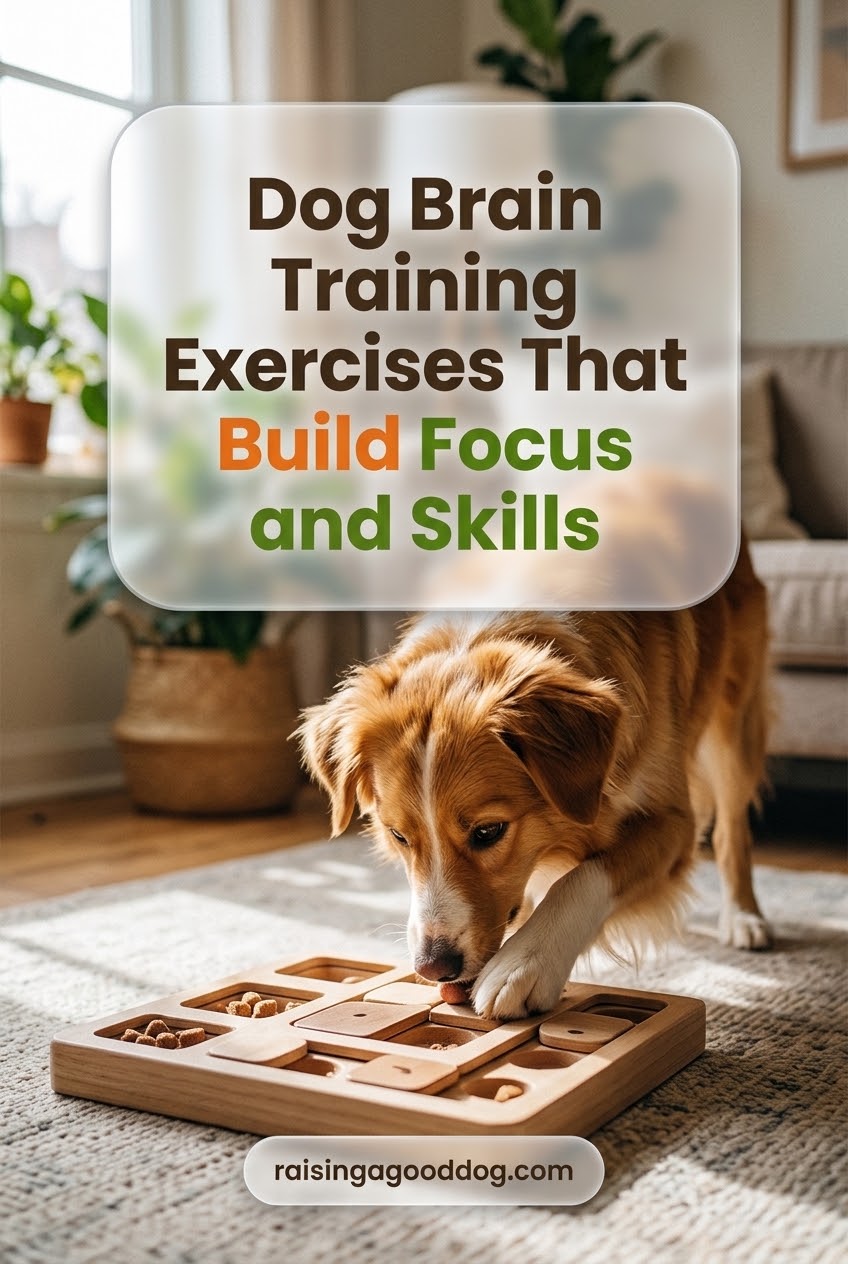
Puzzle toys are useful because they give dogs a safe problem to solve. I like them for rainy Asheville mornings when a long outdoor session is not realistic. Enrichment activities such as puzzle toys encourage independent thinking and can help prevent boredom.
The important part is matching the puzzle to the dog. A beginner puzzle that your dog solves happily is better than a complicated toy that leaves them frustrated.
Trainer tip
Use part of your dog's normal daily food allowance in enrichment toys when possible, and supervise new items until you know how your dog uses them.
Practice Basic Obedience Commands for Mental Stimulation
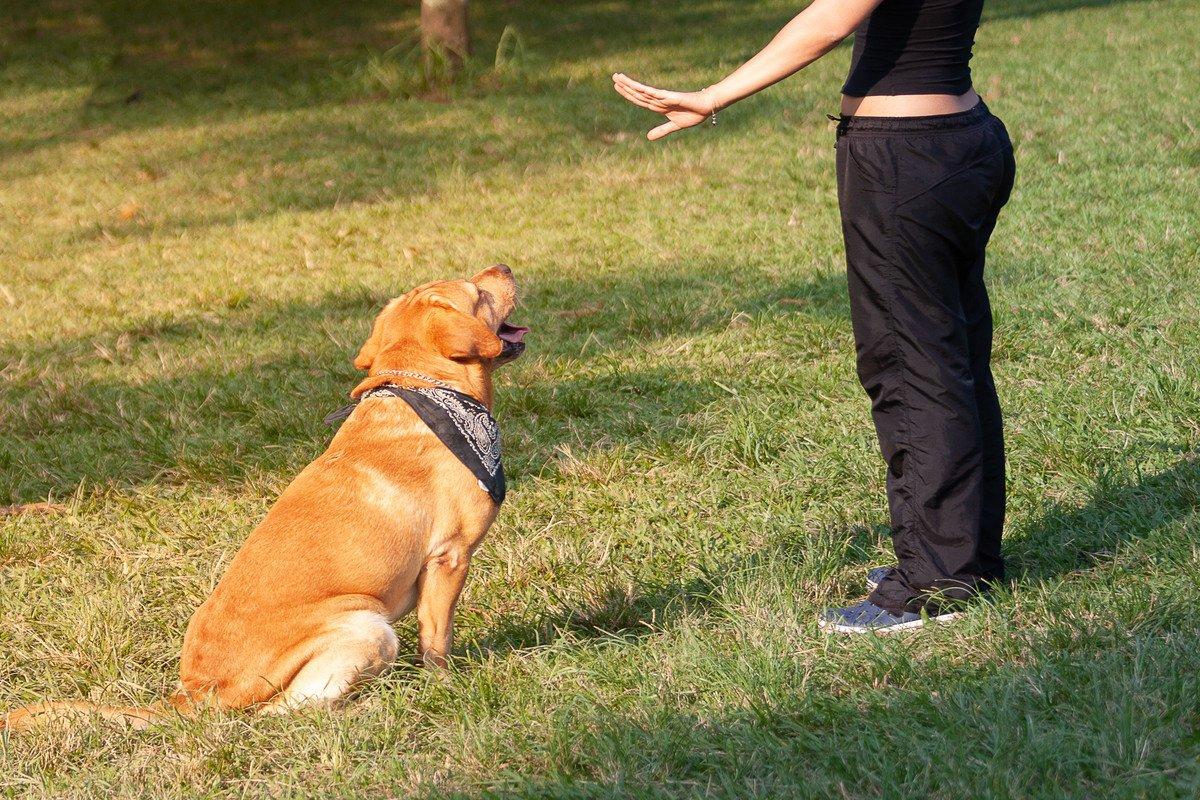
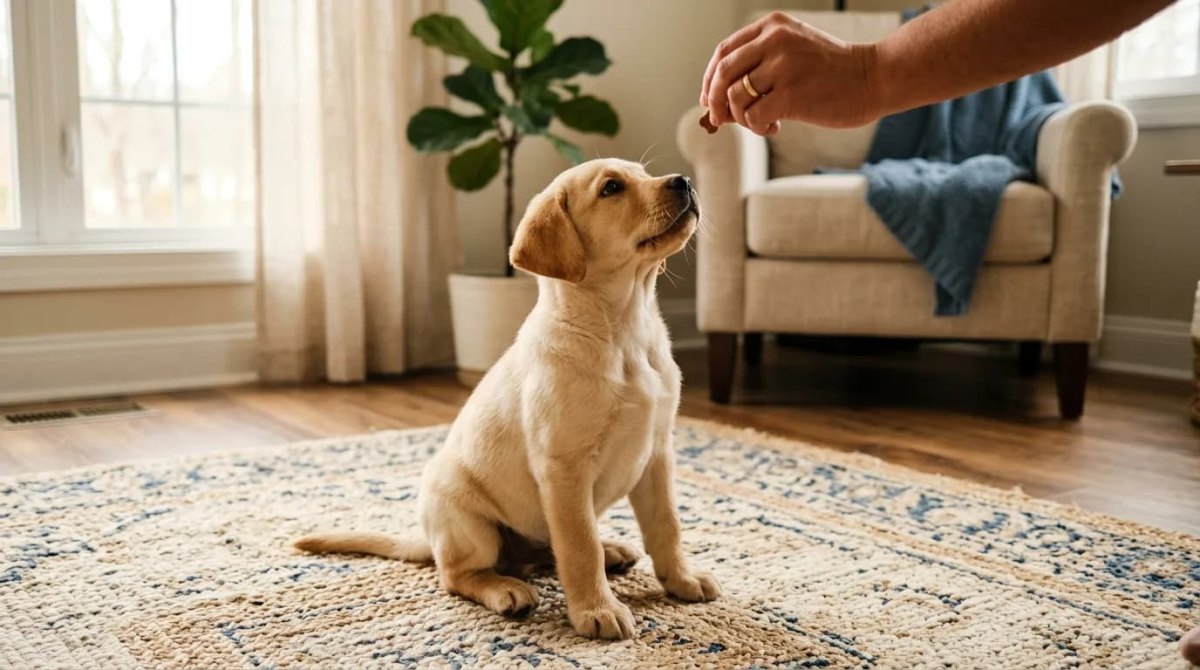
Obedience is not about creating a robot who sits perfectly. I use basic cues as a way to build clear communication between dog and person. Short sessions of rewarding training give dogs a chance to think and make good choices.
Start with cues your dog already understands, then slowly add distractions. If your dog stops responding, I do not assume stubbornness; I assume the environment became too difficult.
- Choose a quiet training area
- Reward correct choices quickly
- End while your dog is still enjoying the game
Create a DIY Dog Treasure Hunt at Home
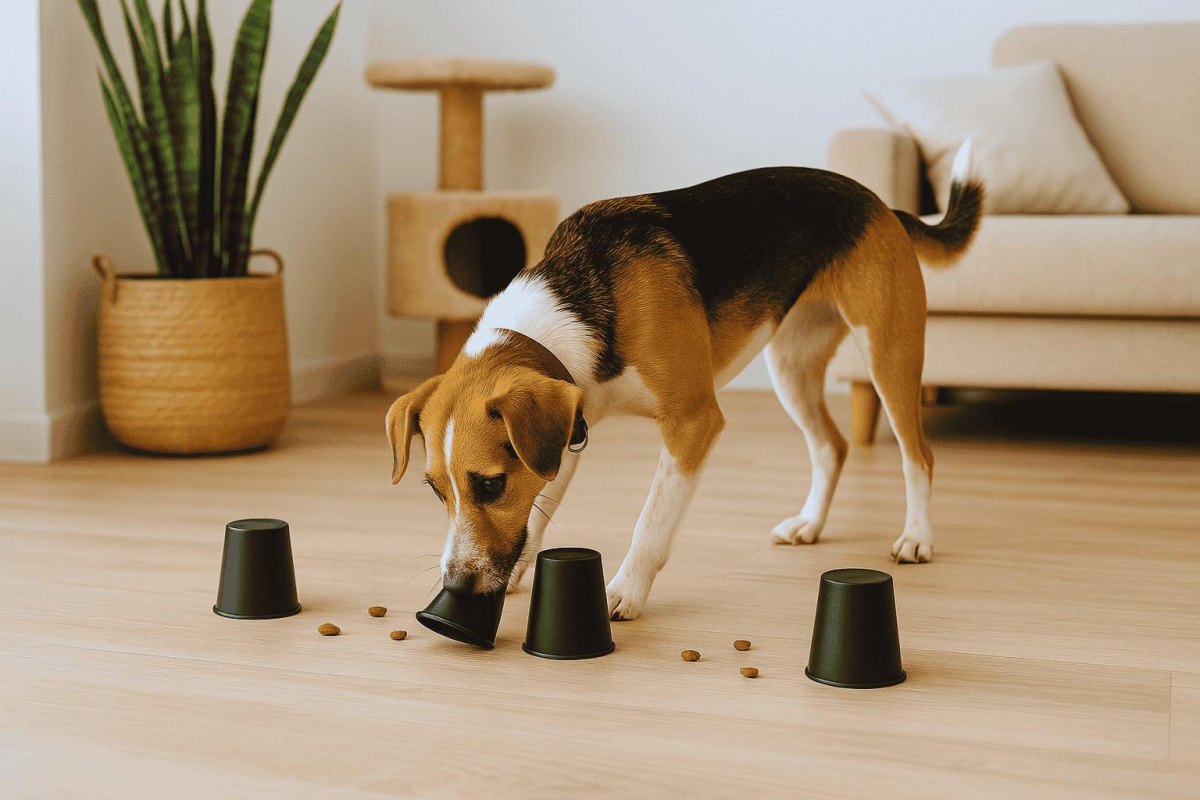
A treasure hunt is one of my favourite low-cost enrichment ideas. Dogs are built to investigate, and hiding treats around a room turns ordinary space into a searching adventure.
I begin with obvious hiding spots, then make the game harder only when the dog understands the rules. Remember that success builds confidence; frustration does not.
Common mistake
Do not make the first version of the game so difficult that your dog wanders away. The goal is problem-solving, not a test they fail.
Train Your Dog to Recognize Names and Objects
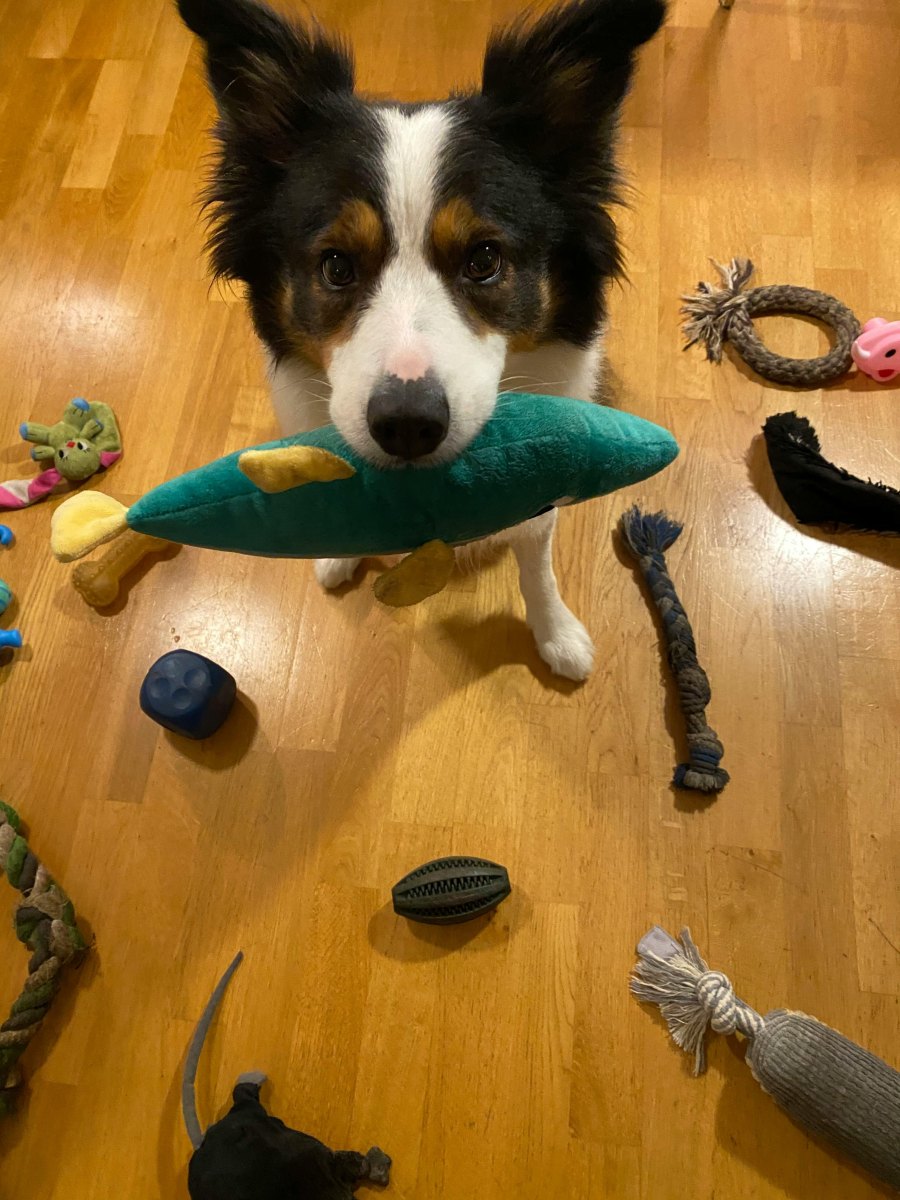
Teaching object names is a wonderful brain game because your dog has to listen, remember, and choose. Some dogs are especially talented with vocabulary, but every dog can practise object recognition at their own level.
I start with one favourite toy. Say the name, reward interaction with that toy, and slowly build toward choosing between two objects. This is a thinking exercise, not a competition.
- Begin: Use one familiar object.
- Repeat: Keep the same word for the same item.
- Expand: Add new objects only after success.
Introduce Clicker Training for Faster Learning
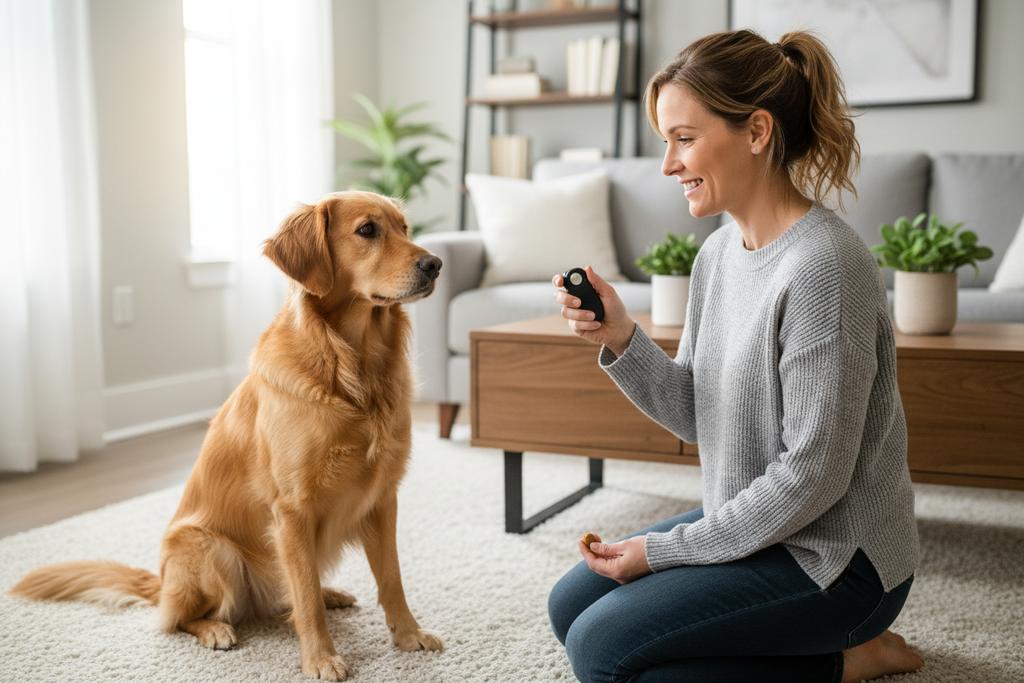
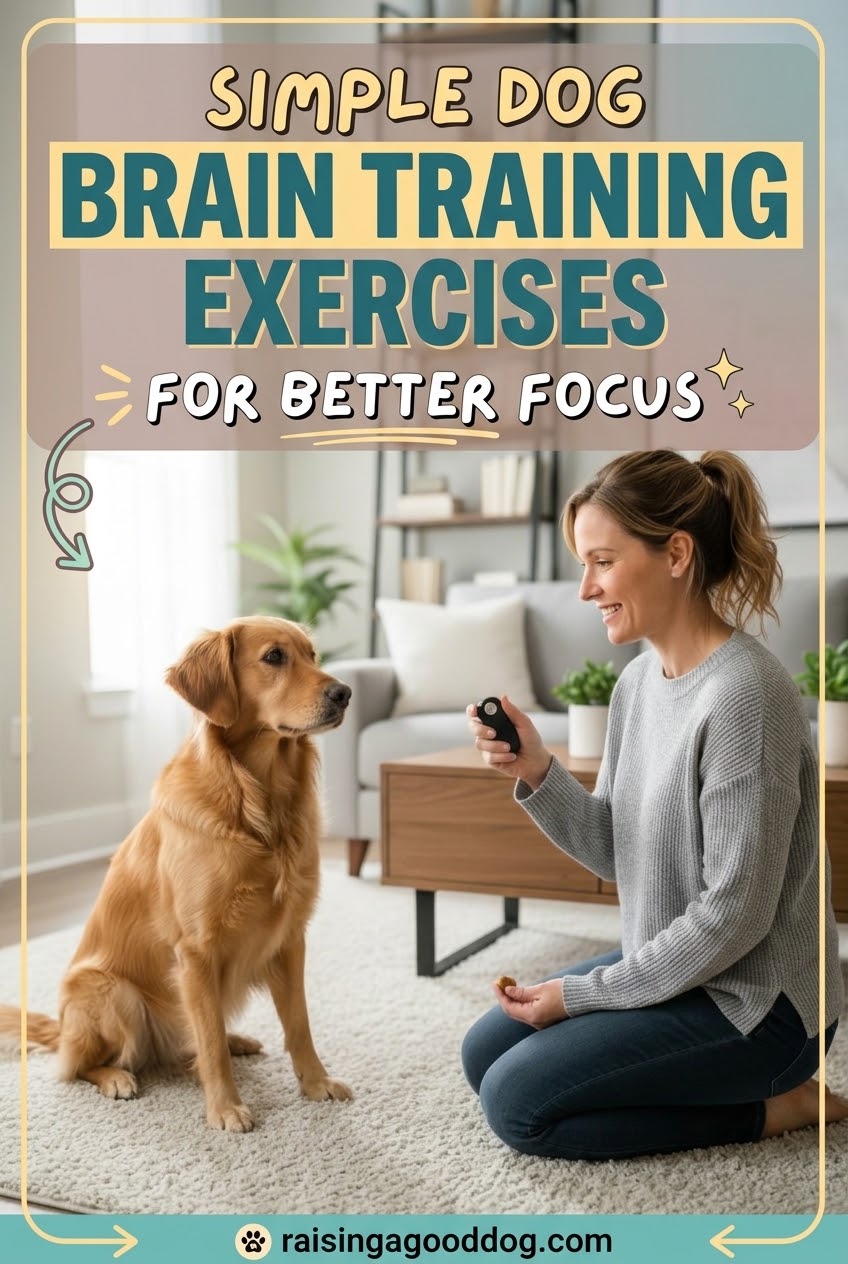
A clicker is not a trick device; it is a precise way to tell your dog, “yes, that exact moment.” I use marker training because it creates clear feedback during reward-based learning.
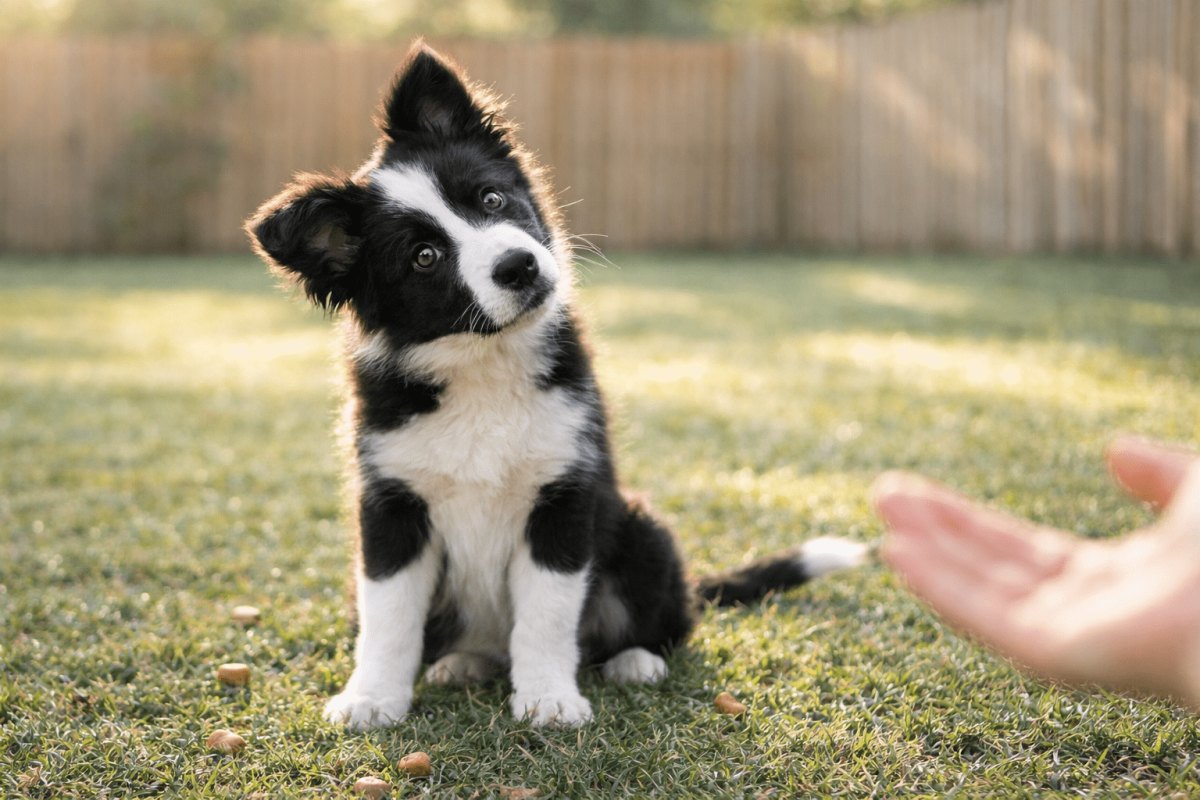
The prerequisite is simple: your dog should understand that the click predicts something good. Keep sessions short and stop before your dog loses interest.
The click marks the moment you are going to reward.
AKC clicker training guidance
Teach Fun Tricks to Build Focus and Confidence
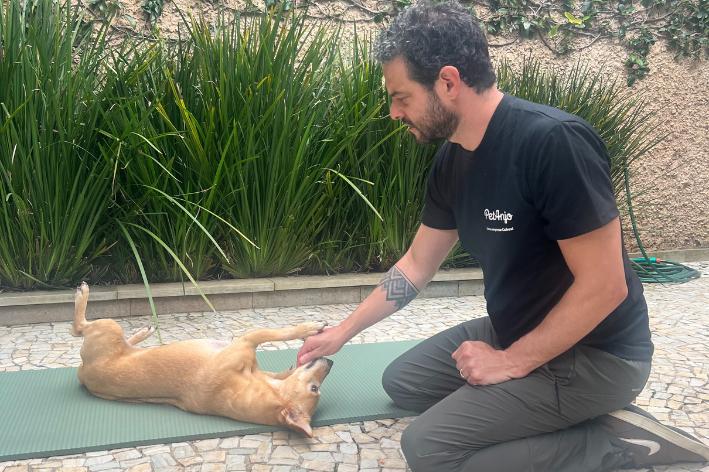
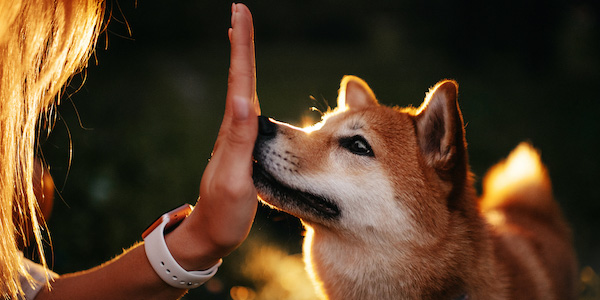
Trick training gives many dogs a confidence boost because there is no pressure to be perfect. A simple trick like touch, spin, or paw can become a confidence builder when taught with patience.
With nervous dogs, I avoid rushing. A dog who offers a behaviour voluntarily is learning, not simply coping with pressure.
Benefits
- Builds communication
- Encourages focus
Watch for
- Sessions that are too long
- Frustration signals
Play Interactive Games Like Hide and Seek
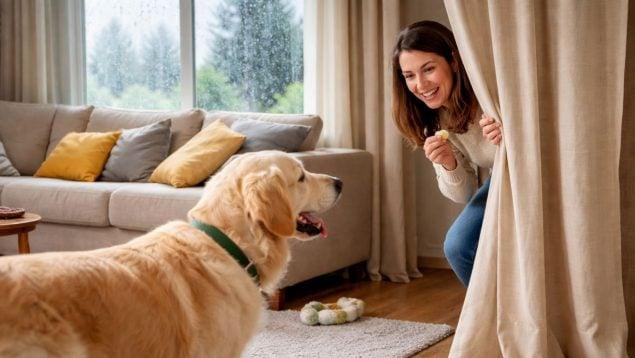
Hide and seek turns your relationship into part of the game. Your dog learns that finding you is rewarding, which builds engagement with people instead of simply chasing entertainment elsewhere.
Start indoors with easy hiding places. If your dog struggles, make your hiding spot obvious again. Good training often looks almost too easy at first.
Use Food Dispensing Games to Encourage Thinking
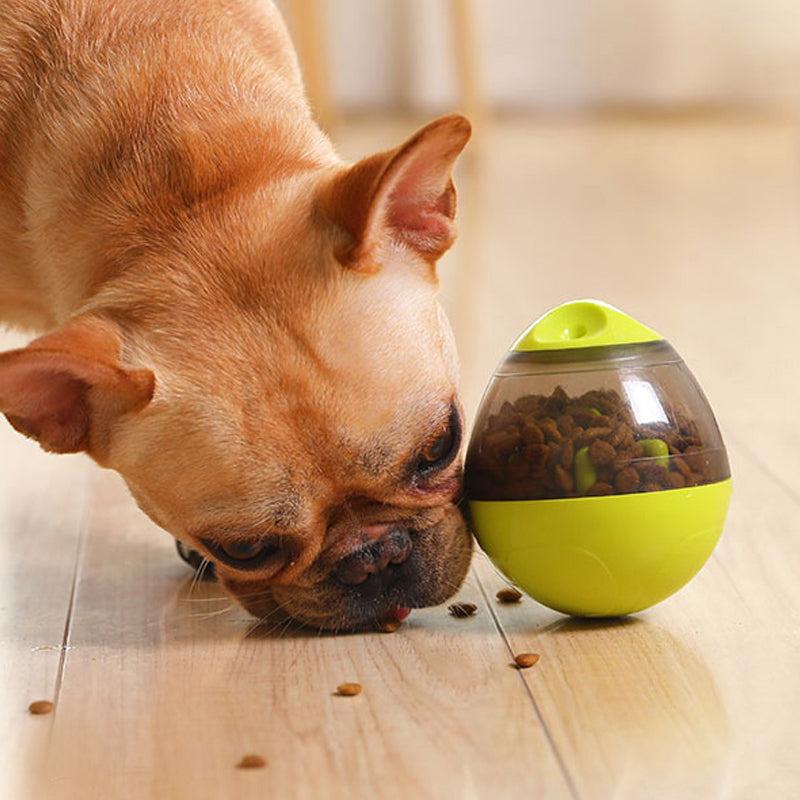
Food dispensing toys are a practical way to turn part of a meal into a thinking activity. Dogs often enjoy working for food, and this type of enrichment can support natural foraging behaviour.
Choose safe toys that match your dog's size and chewing style. I also count enrichment food as food, because nobody needs a dog who solves puzzles and accidentally gains ten pounds.
5–10 minutes
A useful starting length for many enrichment sessions
Practice Impulse Control Exercises for Better Self-Control
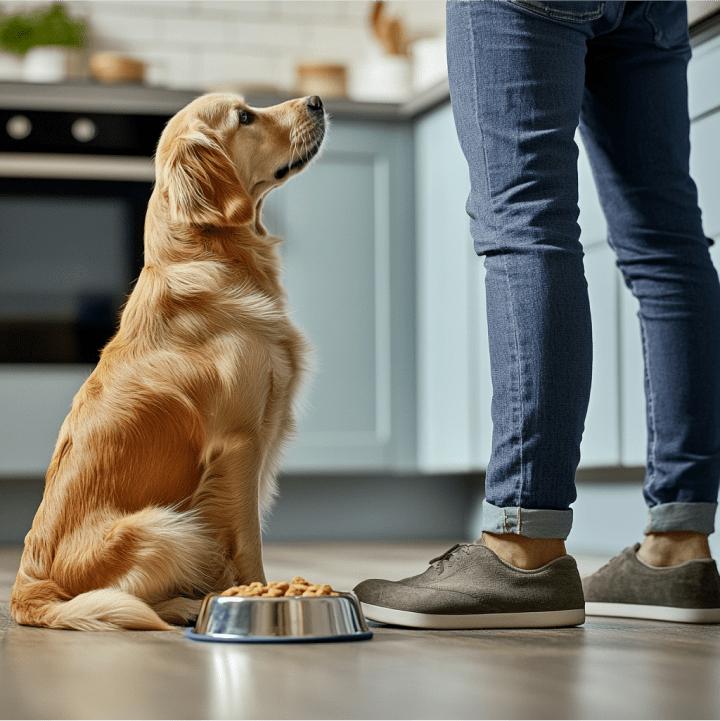
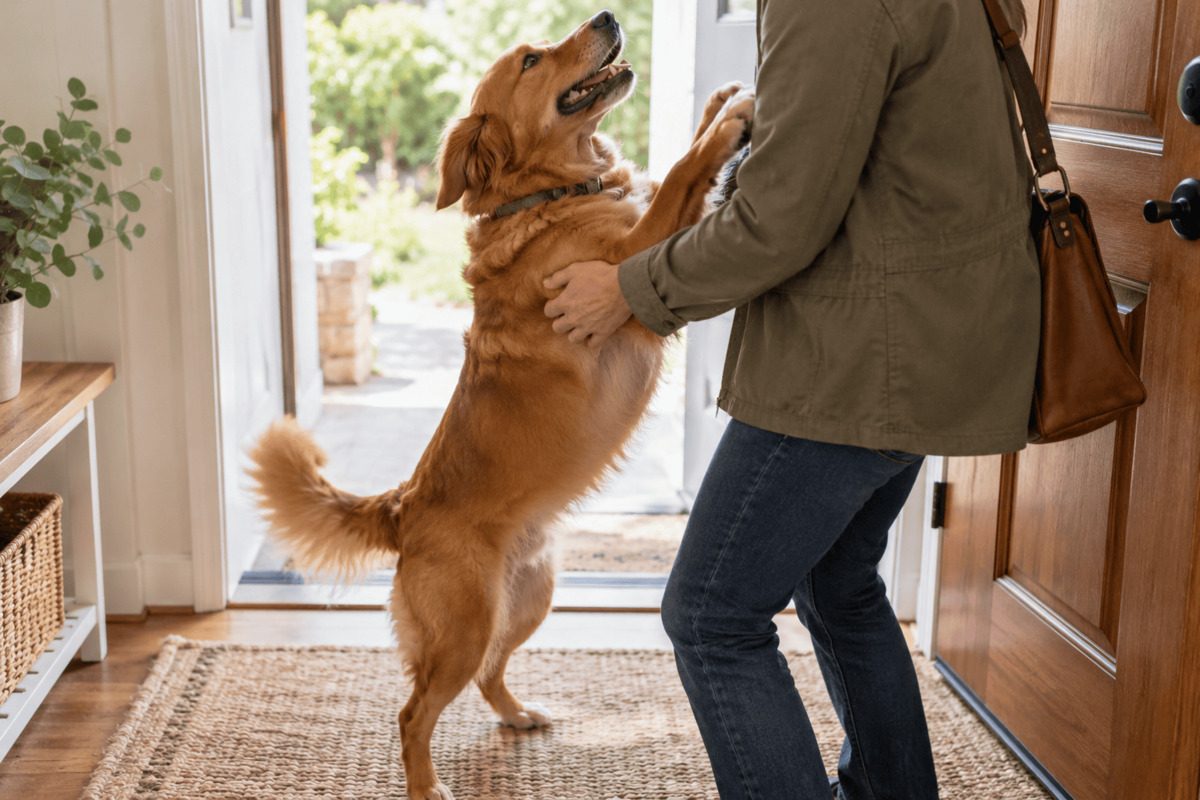
Impulse control is not about making a dog suppress every instinct. I teach dogs that waiting can make good things happen. Games like wait, leave it, and polite greetings build self-control skills through rewards.
Begin with situations where your dog can succeed. If your dog is already overexcited, the environment is teaching faster than you are.
- Pause. Reward calm behaviour.
- Repeat. Practise in easy situations.
- Generalize. Add distractions slowly.
Add Agility Training for Physical and Mental Challenges
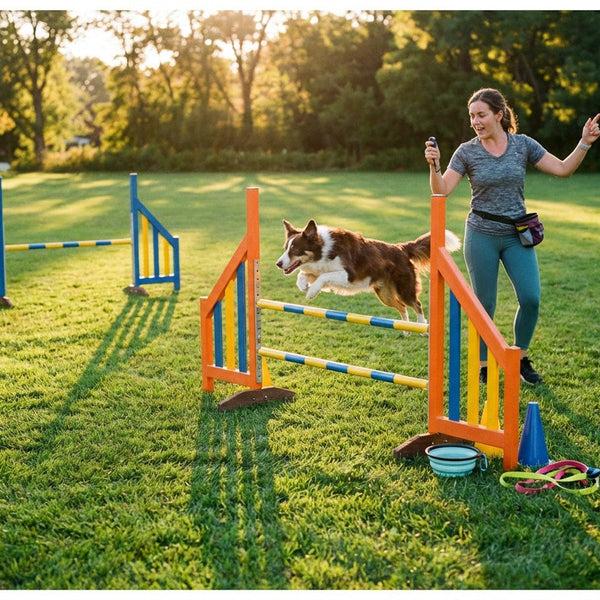
Agility is more than jumping over obstacles. Done thoughtfully, it asks dogs to listen, navigate, and solve movement problems. I like it for dogs who enjoy structured challenges, not because every dog needs a competition goal.
For puppies, senior dogs, or dogs with health concerns, check with your veterinarian before adding physically demanding activities.
Rotate New Training Activities to Keep Your Dog Engaged
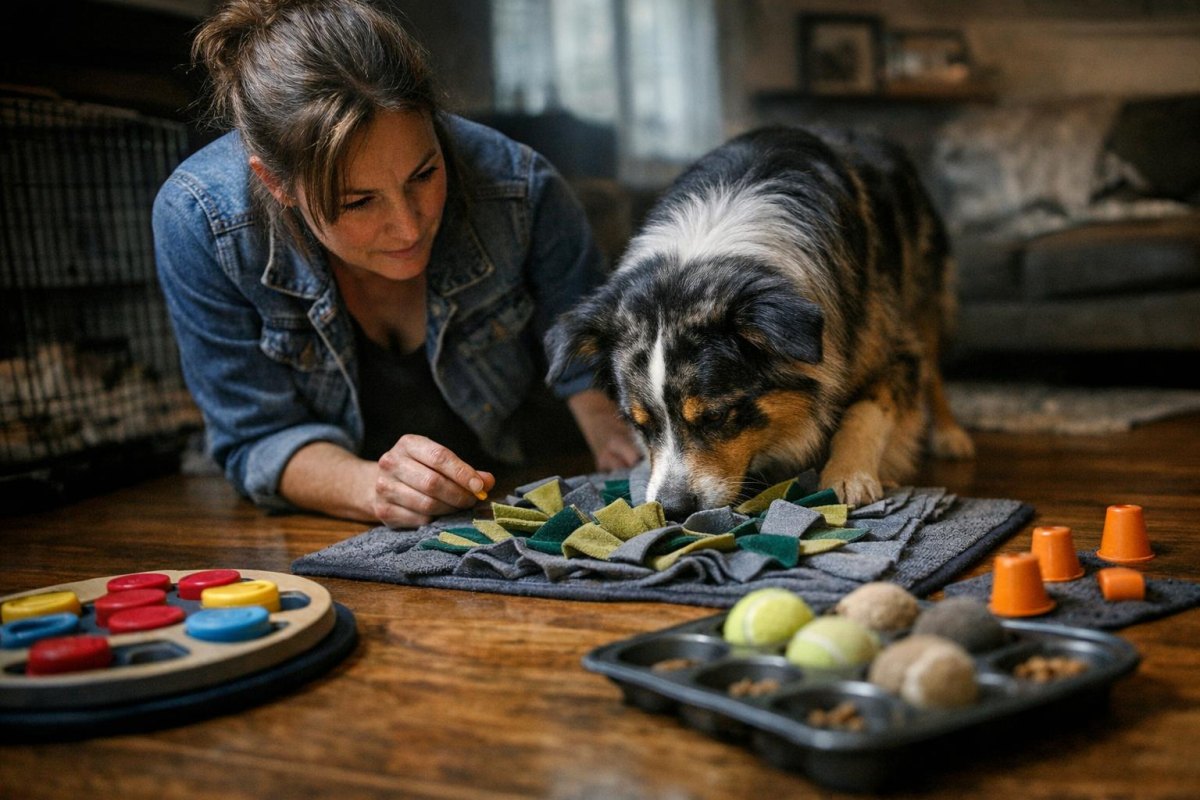
Dogs do not need a cupboard full of new gadgets. They need variety and thoughtful use of what they already have. Rotating activities can keep enrichment fresh and prevent the same routine from becoming background noise.
My own Pickle would like it noted that she considers most “new activities” unnecessary unless they involve snacks. She is old, wise, and deeply unimpressed. A simple rotation of sniffing, training, play, and rest usually works beautifully.
| Day | Activity |
|---|---|
| Monday | Nose work game |
| Wednesday | Trick training |
| Friday | Puzzle toy |
More Pinterest Visuals