A dog crying after you close the door can pull at your heart in a way few sounds can. I've sat with plenty of tired owners who say, "I only left for ten minutes," while their dog acted like they had disappeared forever. The first thing I look at is not how to stop the noise, but what the dog is trying to communicate.
Some dogs are bored. Some are frustrated. Some are genuinely panicking. Those situations look similar from the hallway, but they need very different plans.
What I want you to know first
- Crying when alone is usually communication, not stubborn behaviour.
- True separation anxiety requires a gradual plan and often takes months, not days.
- Management comes before training because every panic episode rehearses the problem.
Why Dogs Cry When They Are Left Alone
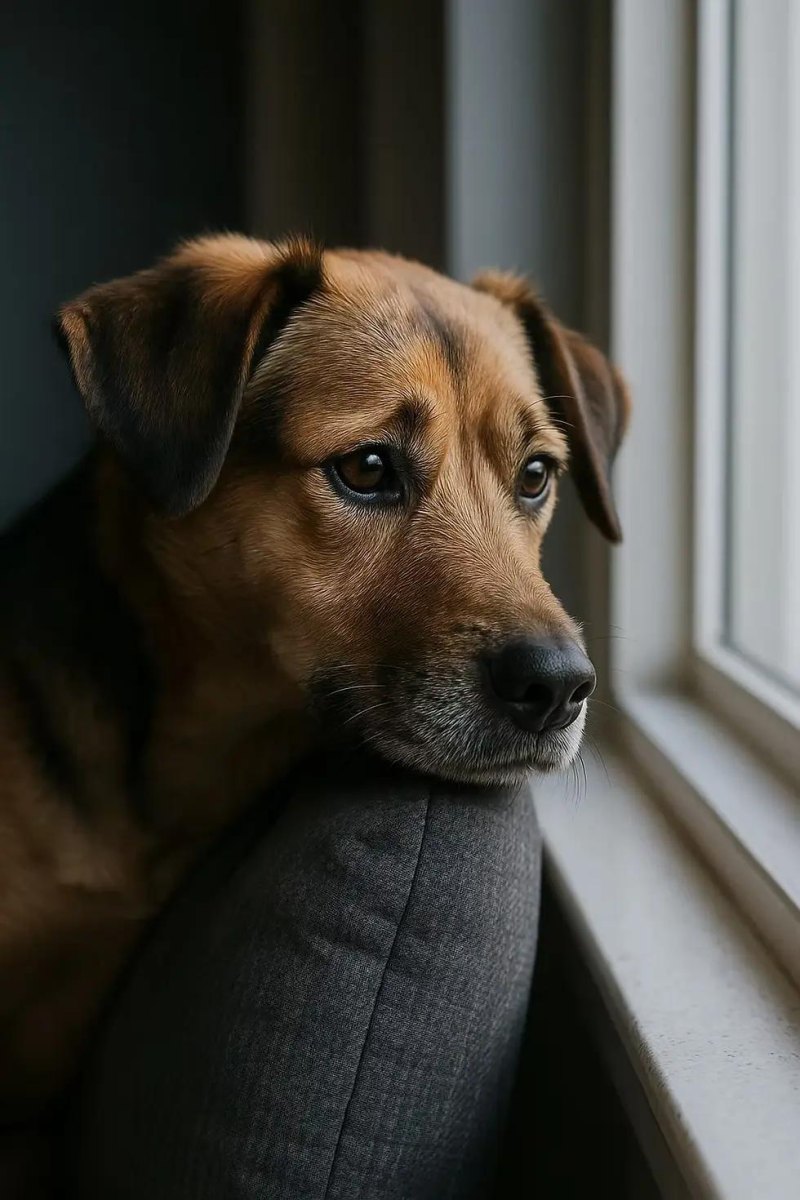
When a dog cries after being left alone, I start by asking what happens before, during, and after the crying. Dogs do not wake up one morning and decide to make the neighbours miserable. The crying is usually connected to an emotional response.
For some dogs, the trigger is the departure itself: keys, shoes, a coat, or the sound of the door closing. For others, the problem is that being alone feels unfamiliar or unsafe.
I saw this often during my veterinary clinic years. People would come in exhausted because they thought their dog was being difficult, when the dog was actually struggling to cope.
My first check
Record your dog when you leave. The first five minutes often tell you more than what you hear when you return.
Signs of Separation Anxiety in Dogs
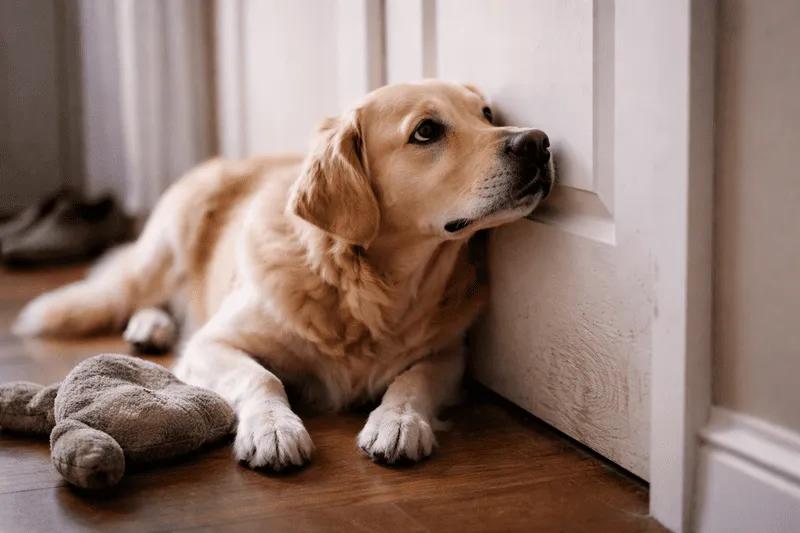
Separation anxiety is different from a dog who simply dislikes being alone. It is a panic response, and the details matter. I look closely at the dog's body language because they often tell us they are struggling before the crying begins.
Watch for tight facial muscles, repeated pacing, frantic movement toward exits, heavy panting when the room is cool, drooling, trembling, scratching at doors, or a sudden inability to settle.
- Whining, crying, barking, or howling soon after departure
- Following you constantly before you leave
- Trying to escape through doors or windows
- Ignoring food or toys they normally enjoy
A dog who cannot eat a favourite treat while alone is often telling us their stress level is too high for training to work yet.
Common Triggers That Make Dogs Cry Alone

Before I change a behaviour, I look for what is setting it off. The trigger is not always obvious. A move, a new work schedule, a family member leaving, or a frightening event can change how a dog feels about being alone.
Sometimes the issue is simply that the dog has practised the crying routine many times. Every long, stressful absence gives the behaviour another rehearsal.
- Routine changes: A different schedule can remove the predictability a dog relies on.
- Under-stimulation: A dog with unmet needs may struggle more with quiet time.
- Fear: Sounds, unfamiliar spaces, or past experiences can affect confidence.
- Sudden changes: New behaviour should always make us consider a veterinary check first.
How to Help a Dog Feel Calm When Alone
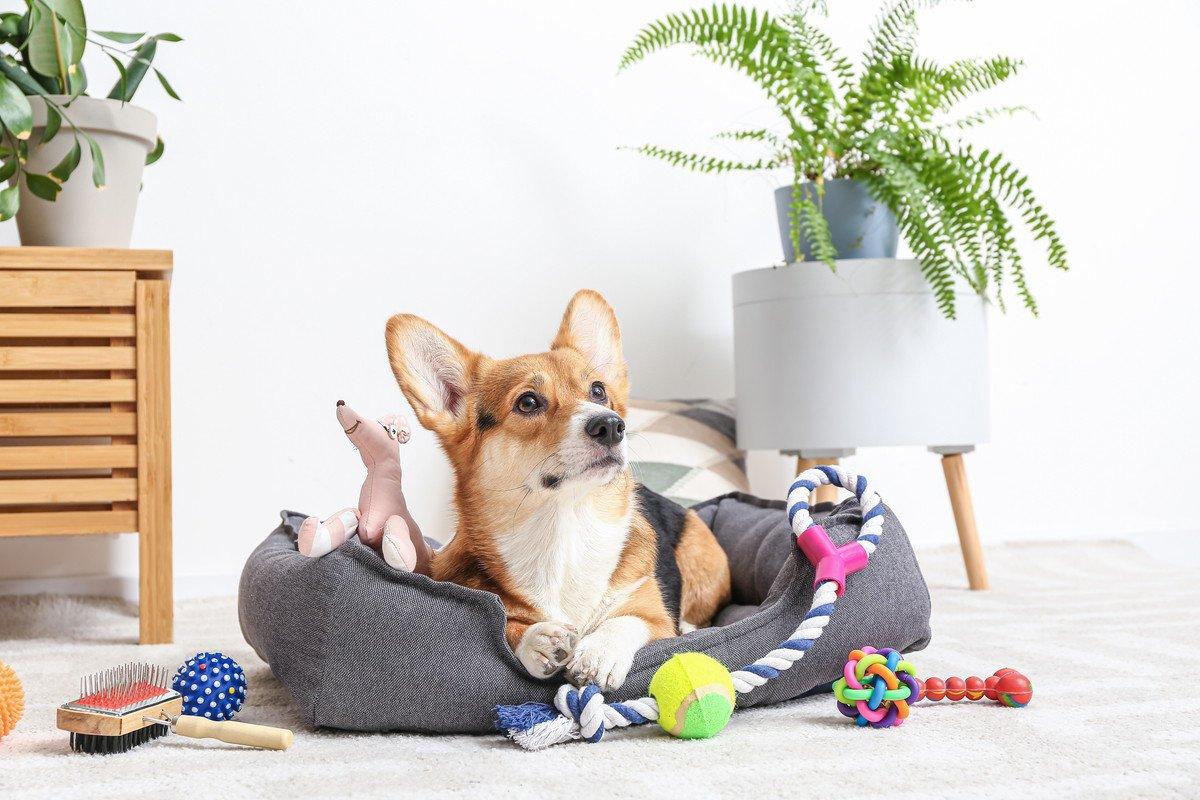
The first step I take is preventing the dog from repeatedly practising panic. If a dog cannot handle two hours alone, we do not start with two hours. We build from where the dog can succeed.
- Create. Set up a safe area where your dog can rest without being disturbed.
- Reduce. Avoid unnecessary long absences while you build the skill.
- Practise. Start with very short departures that stay below the point where your dog panics.
- Reward. Teach that calm behaviour brings good things.
This process usually takes weeks to months depending on the dog. A bad day does not mean the plan failed. Behaviour change is rarely a straight line.
A mistake I see often
Letting a dog "cry it out" can make true separation anxiety worse because the dog is practising distress, not learning independence.
Training Tips to Reduce Crying When Left Alone
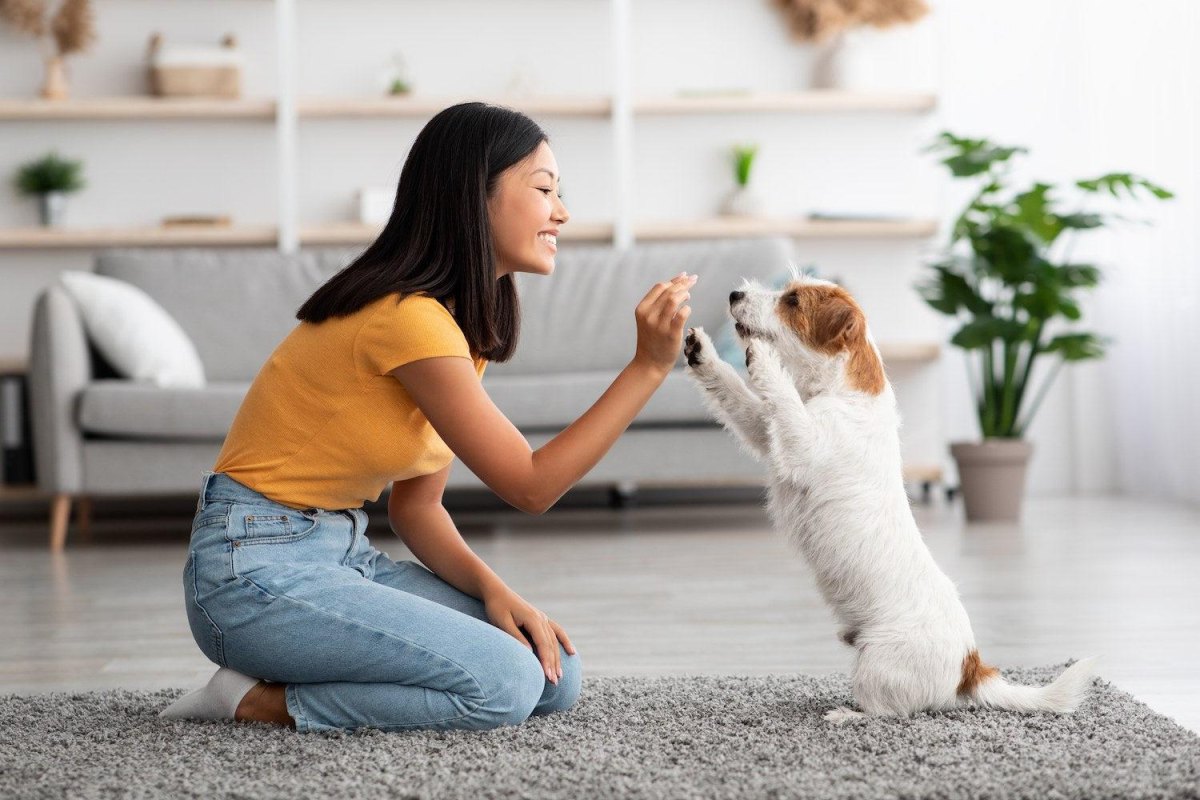
I teach alone-time training in tiny pieces. The goal is not to prove that a dog can survive your absence. The goal is to teach the dog that your absence is safe.
Before starting, I check the basics: sleep, exercise, enrichment, and whether the dog is already stressed before the owner leaves. A nervous dog cannot learn well when they are already over their limit.
- Practise. Step away briefly and return before distress begins.
- Increase. Add time slowly only when your dog remains relaxed.
- Observe. Watch breathing, posture, ears, and movement instead of waiting for crying.
I've worked with dogs where the first week was simply walking to the door and back. It felt ridiculously small to the owners, but those tiny wins were the foundation.
Difficulty level
Separation anxiety cases are often challenging and usually benefit from a structured plan rather than guesswork.
When to Seek Professional Help for a Crying Dog
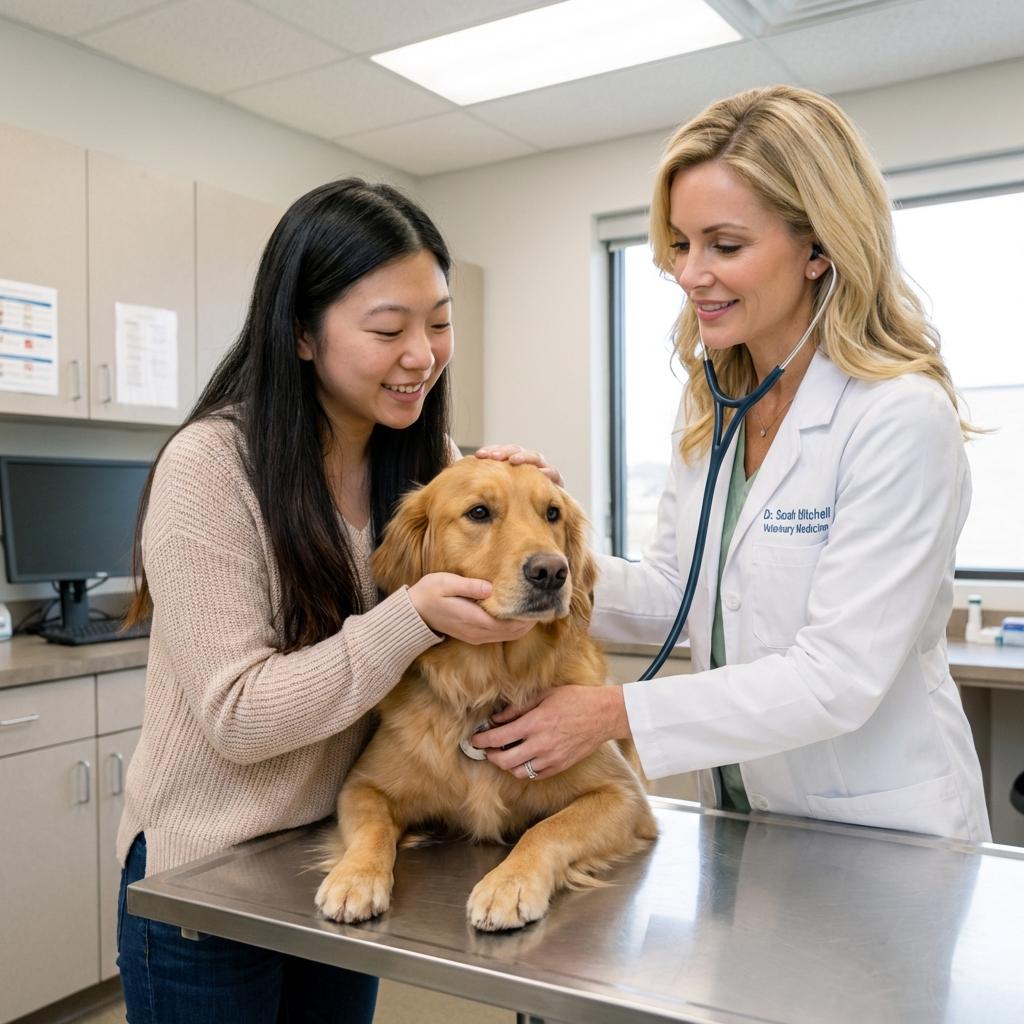
There is a point where a blog post is not enough, and I am very comfortable saying that. If your dog's distress is intense, lasting, or getting worse, bring in support.
Sudden changes always deserve a veterinary conversation first. Pain, illness, and other medical issues can affect behaviour, and those need to be ruled out before assuming it is a training problem.
I also recommend an in-person certified professional when a dog is injuring themselves trying to escape, cannot cope with even very short absences, or the situation is affecting the household's safety and wellbeing.
Frequently asked questions
Is my dog crying because they are upset with me?
No. Dogs are not crying to punish us or make a point. They are responding to how they feel in that moment.
How long does separation anxiety training take?
It varies widely. Many dogs need weeks or months of gradual work, and setbacks are part of the process.
Should I leave my dog alone until they get used to it?
For a dog experiencing panic, repeated overwhelming absences usually do not teach confidence. A gradual plan is kinder and more effective.
The dog who cries when you leave is not giving you a hard time. They are showing you that alone time feels hard right now, and that gives us something useful to work with.
More Pinterest Visuals