I see a lot of dogs who are getting plenty of walks but still look for trouble at 7 p.m. on a rainy Tuesday. Enrichment activities give dogs appropriate ways to sniff, solve problems, chew, play, and explore.
I use these games with clients and with Bruno because a fulfilled dog is usually easier to live with than a dog who has spent the day inventing his own job. Mental stimulation does not replace exercise, but it adds something different that many dogs need.
What I look for in good enrichment
- Activities that match the individual dog
- Safe opportunities to use natural behaviours
- Short sessions that end before frustration starts
Puzzle Feeders for Mental Stimulation
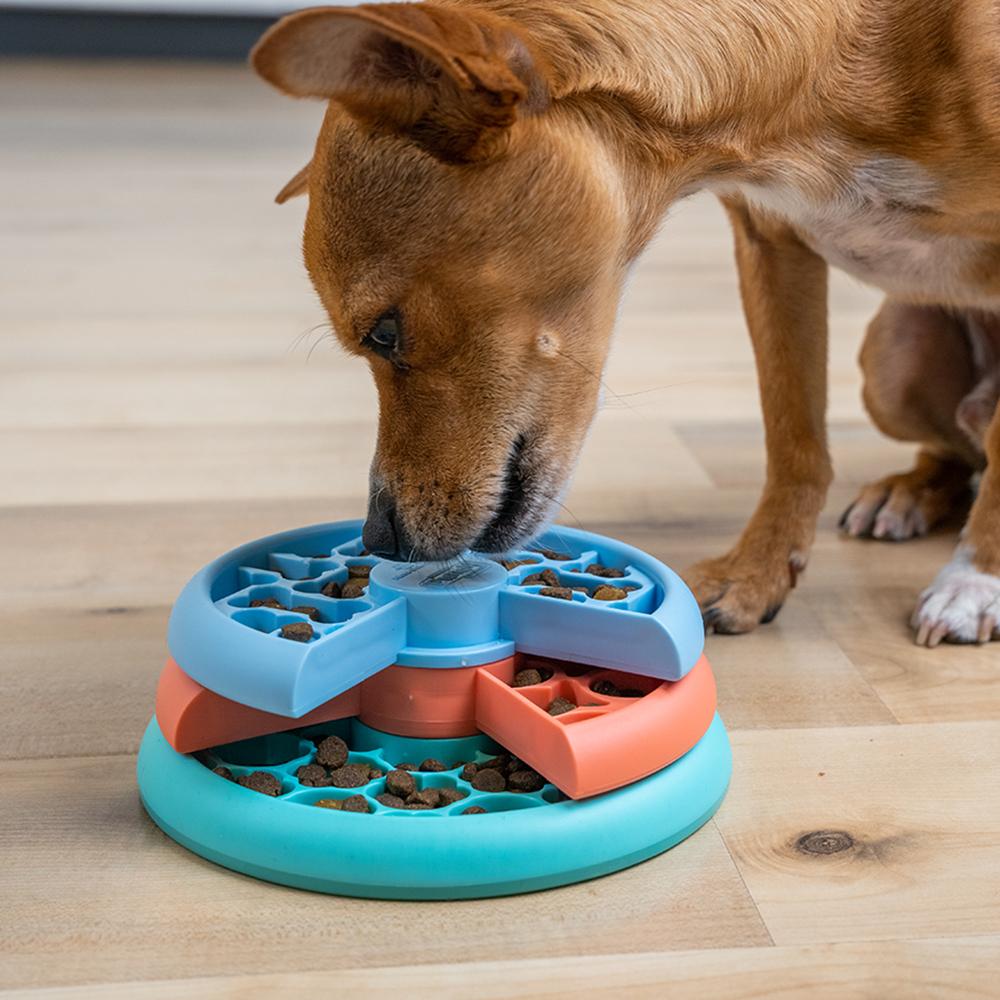
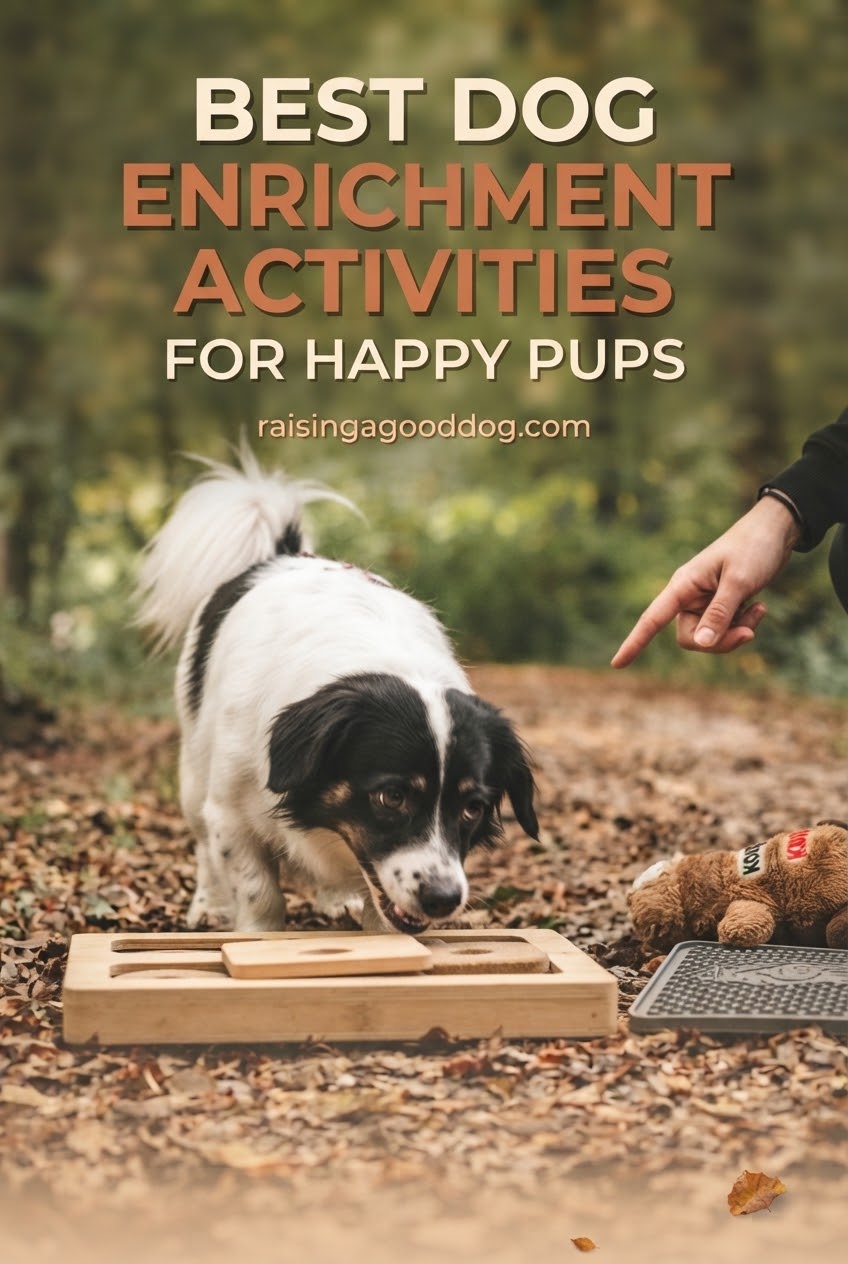
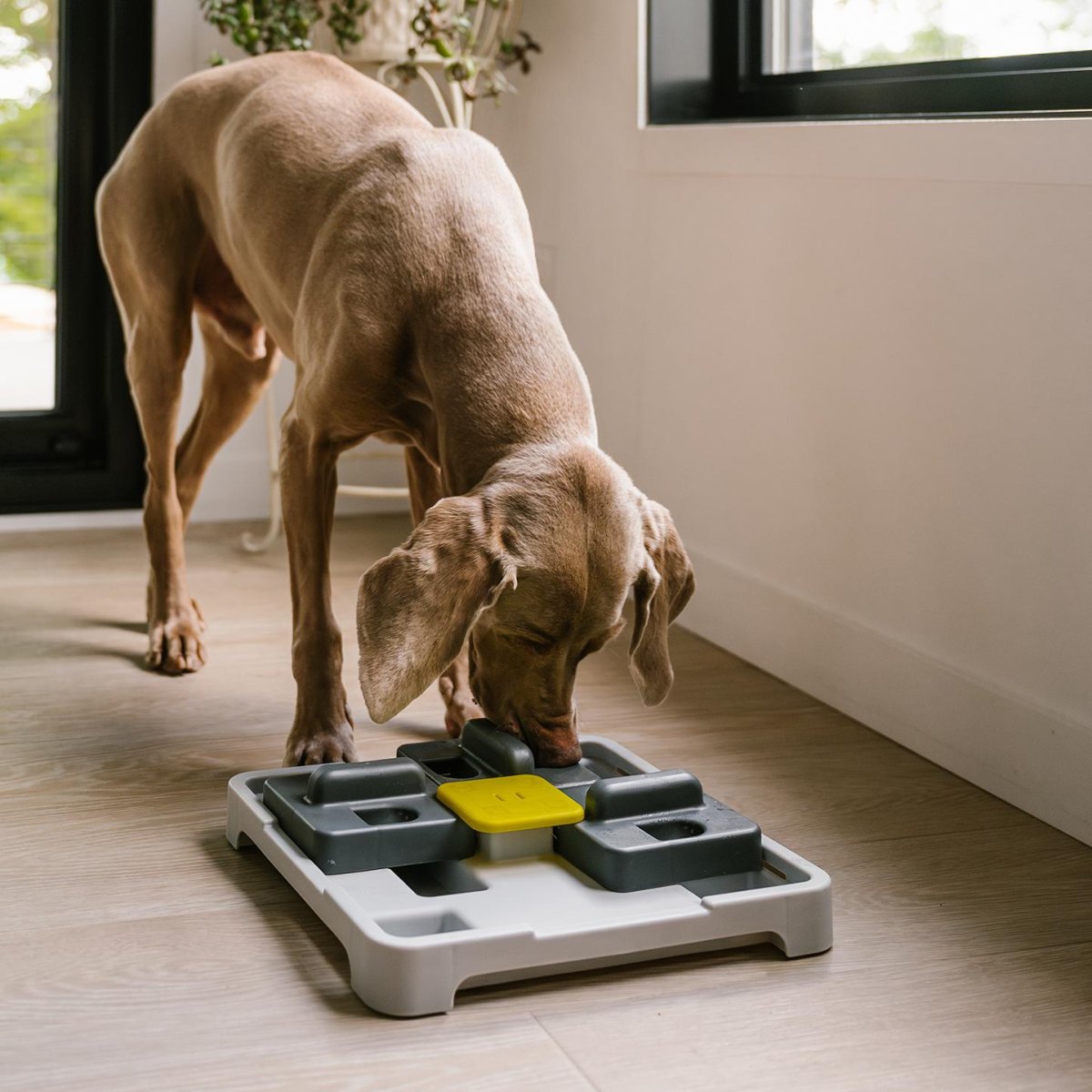
I love puzzle feeders because they turn a quick meal into a thinking exercise. Problem solving gives dogs a chance to work for food instead of simply inhaling a bowl.
I start easy and watch body language. A dog who paws frantically, freezes, or walks away may need a simpler version.
Snuffle Mats for Nose Work
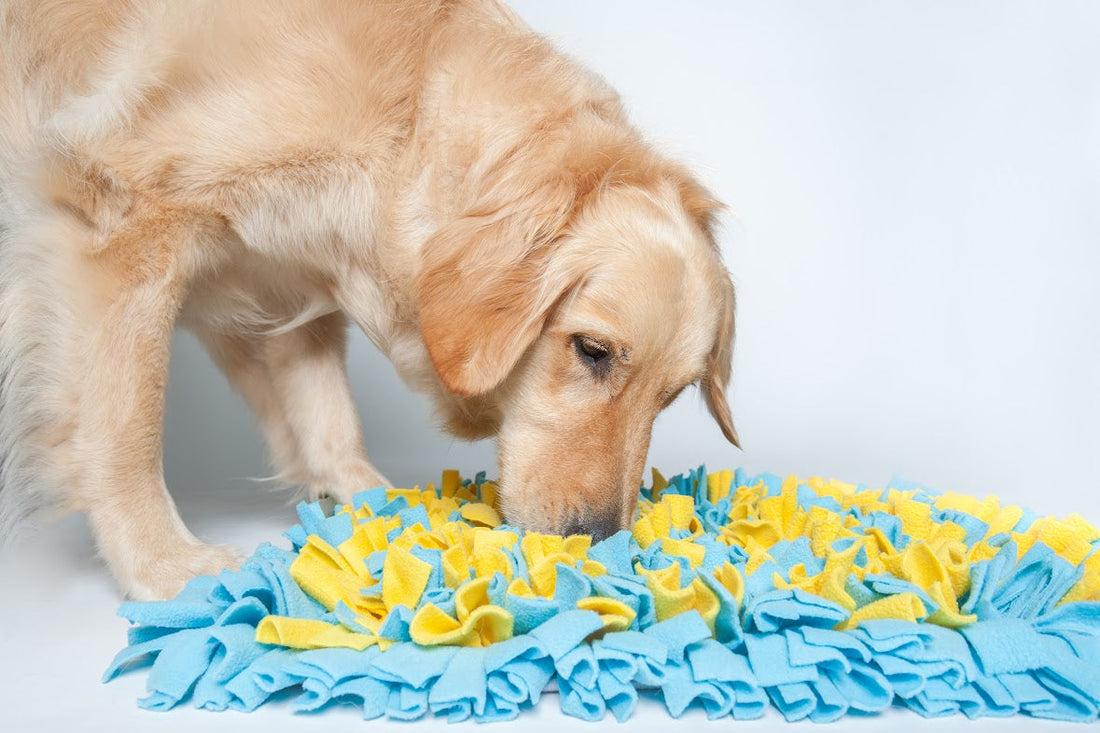
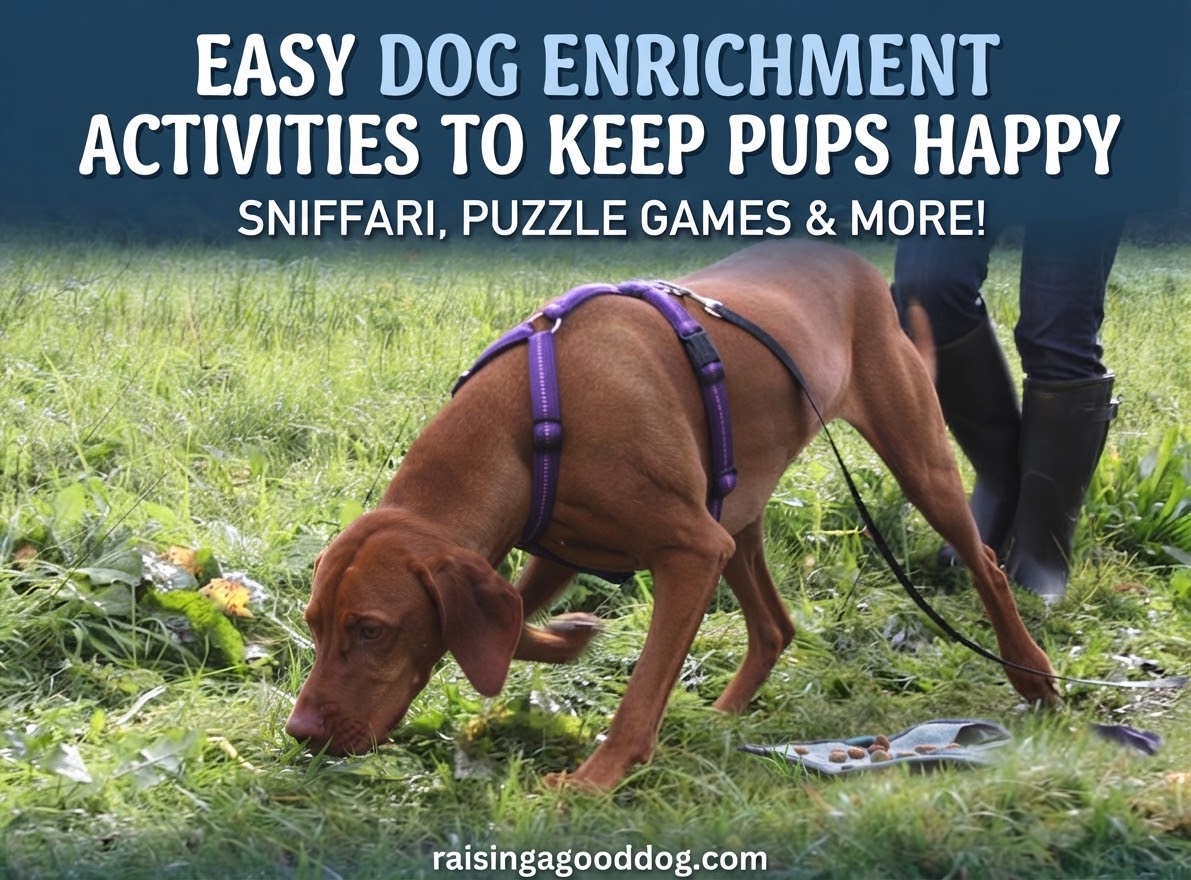
Snuffle mats are one of my favourite rainy-day tools because sniffing is a real job for dogs. Nose work games let them forage in a controlled way.
I supervise first, especially with dogs who like to shred fabric instead of search through it.
Treat-Dispensing Toys for Problem Solving
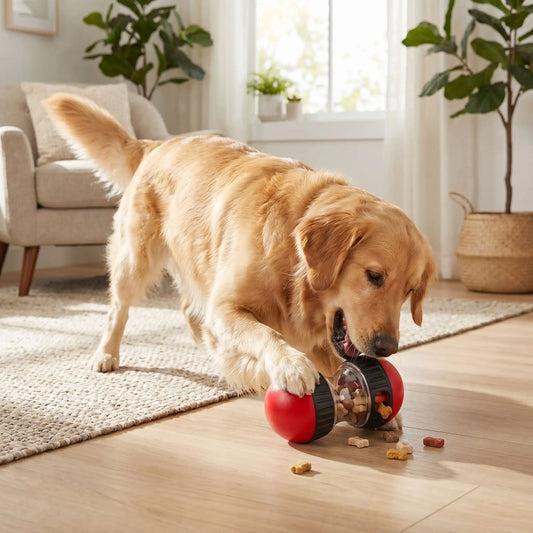
Treat-dispensing toys create a small challenge that can occupy busy dogs. Food enrichment works best when the difficulty matches the dog.
I prefer gradual progress over a toy so difficult that the dog gives up.
Hide-and-Seek Games with Your Dog
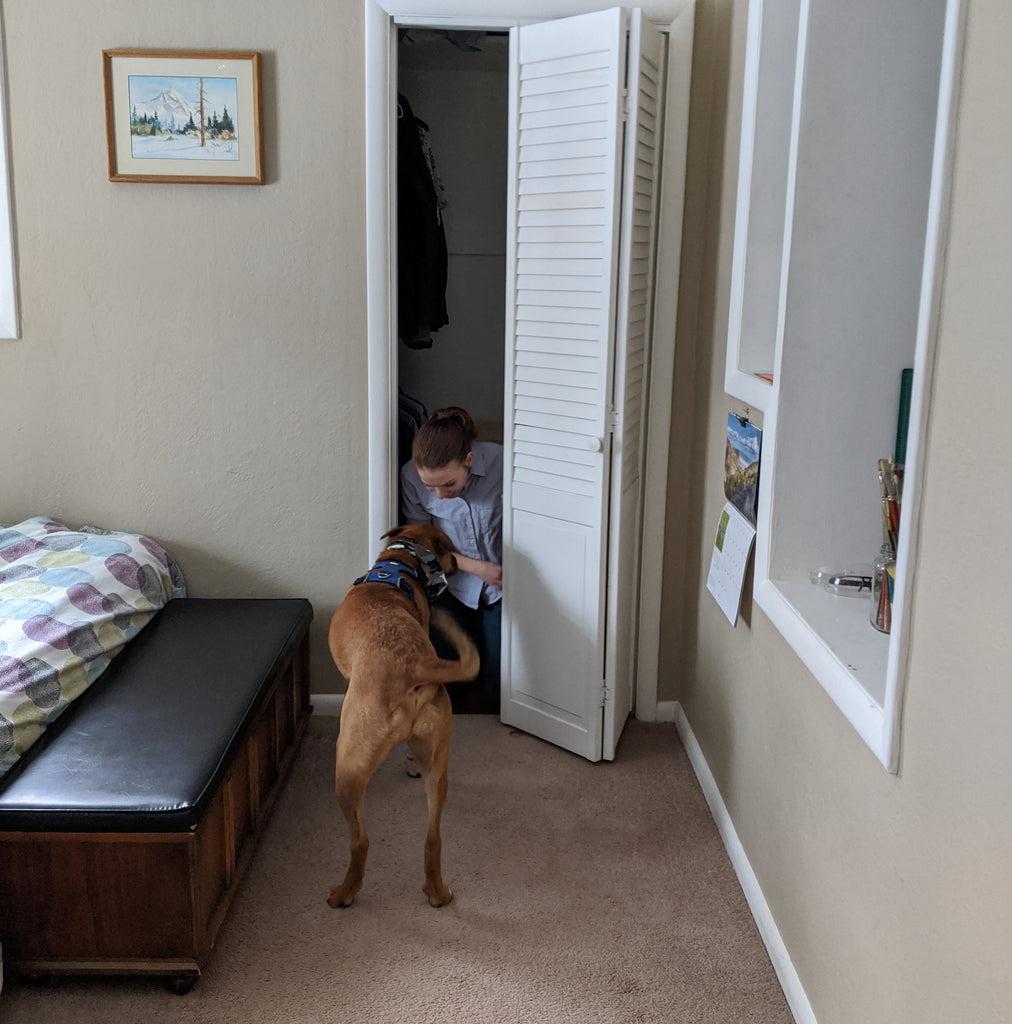
Hide-and-seek is simple and surprisingly powerful. I hide nearby and let the dog use scent and searching skills to find me.
Start in a familiar room before making the game harder outdoors.
Scent Tracking and Nose Games
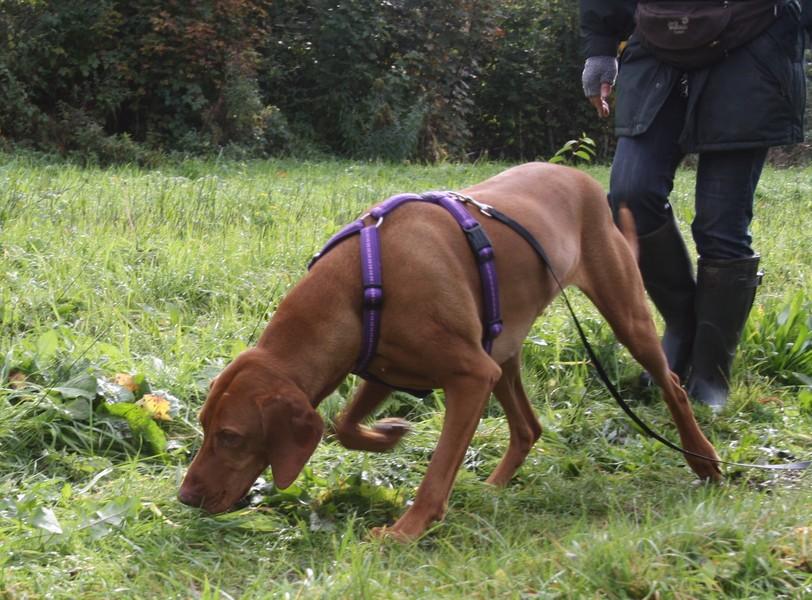
A dog’s nose is built for exploration. Scent tracking gives many dogs a calm outlet for curiosity.
I often use simple treat trails before asking for more advanced searches.
DIY Cardboard Enrichment Activities
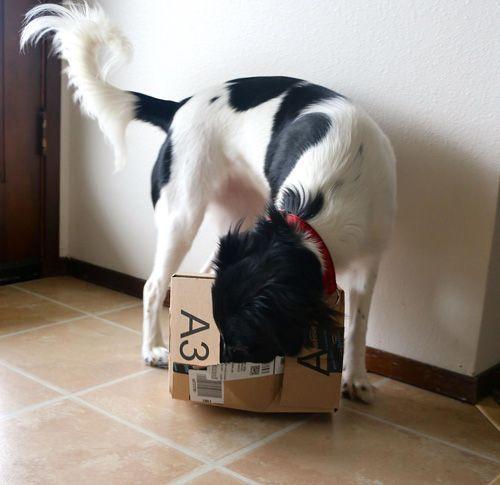
Cardboard boxes have saved many boring afternoons in my house. DIY enrichment does not need expensive equipment.
Remove tape and unsafe pieces, then let your dog investigate safely.
Frozen Treats and Ice Enrichment
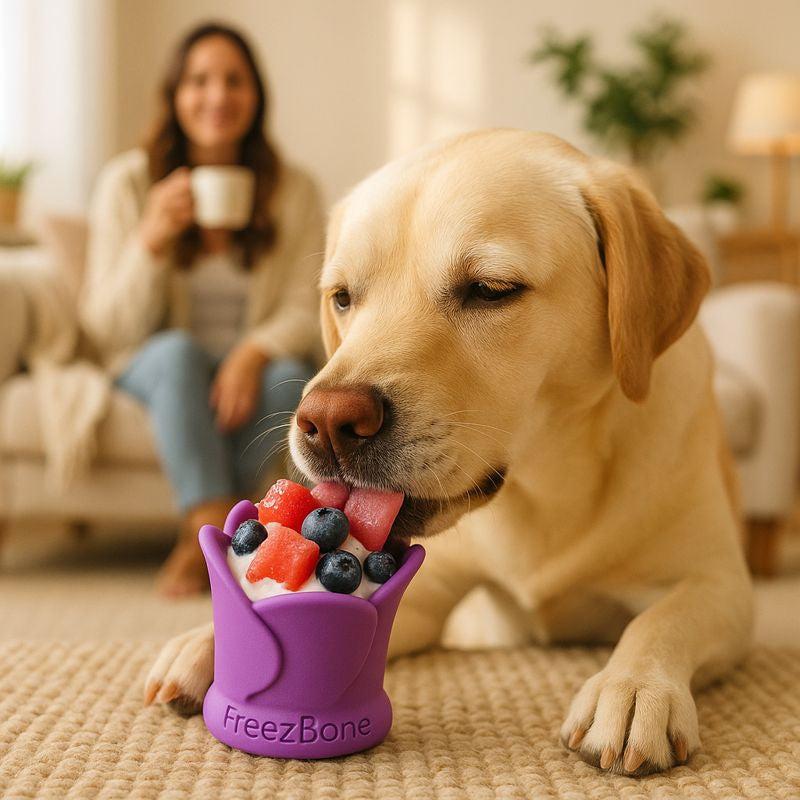
Frozen food toys can stretch out an activity when your dog needs something slower. Longer-lasting enrichment can be useful during quiet indoor days.
I count these portions as part of the daily food amount.
Interactive Tug Games
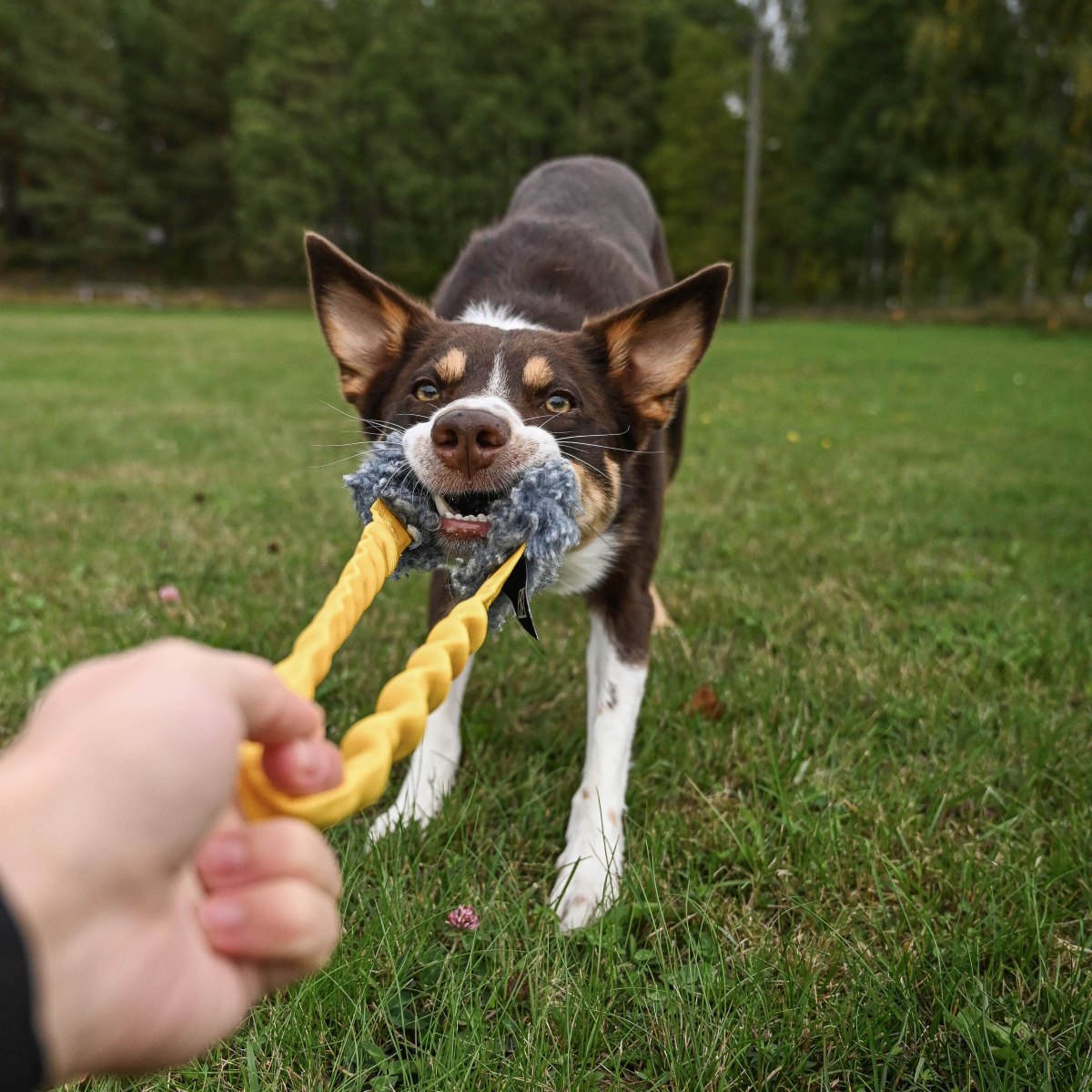
Tug is not a battle for control; it is a cooperative game. Interactive play builds engagement when rules are clear.
I teach dogs to release the toy and restart calmly.
Fetch Variations for Physical Exercise
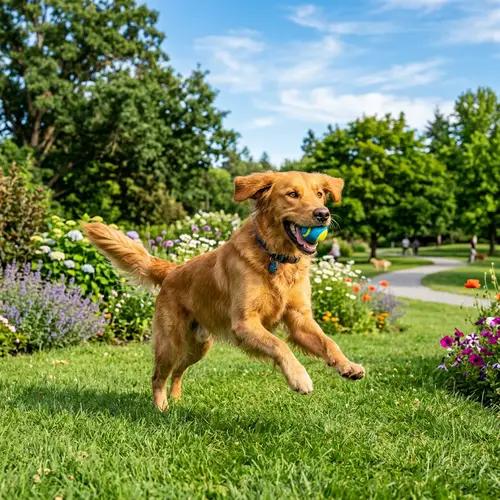
Fetch becomes more interesting when I change the routine. Creative fetch games can include searching, waiting, and changing directions.
I avoid repetitive throwing for dogs who become over-aroused or hard on their joints.
Obstacle Courses at Home
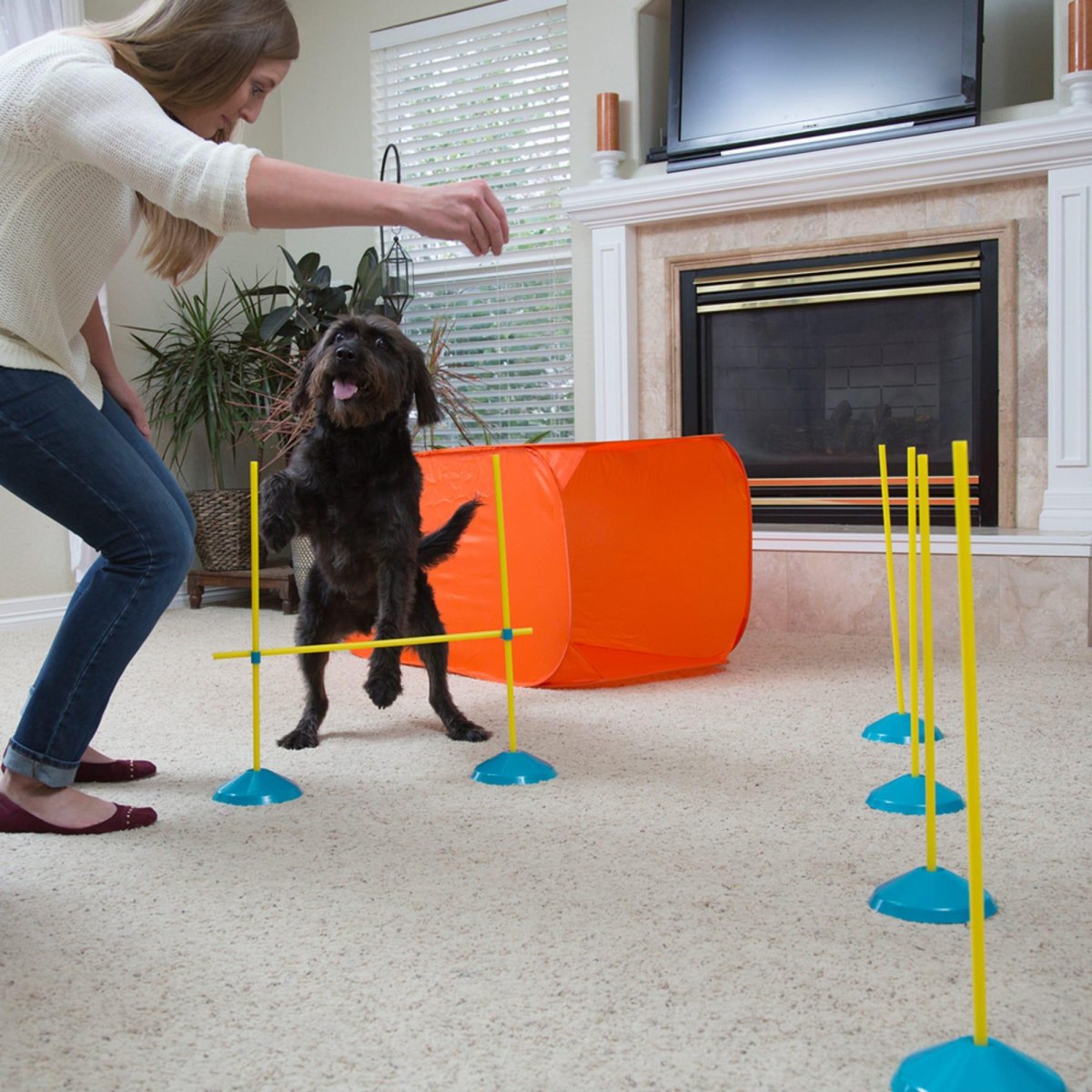
A homemade obstacle course can challenge body awareness. Confidence building matters as much as physical movement.
I use stable, low obstacles and never force a nervous dog through something scary.
Training New Tricks and Commands
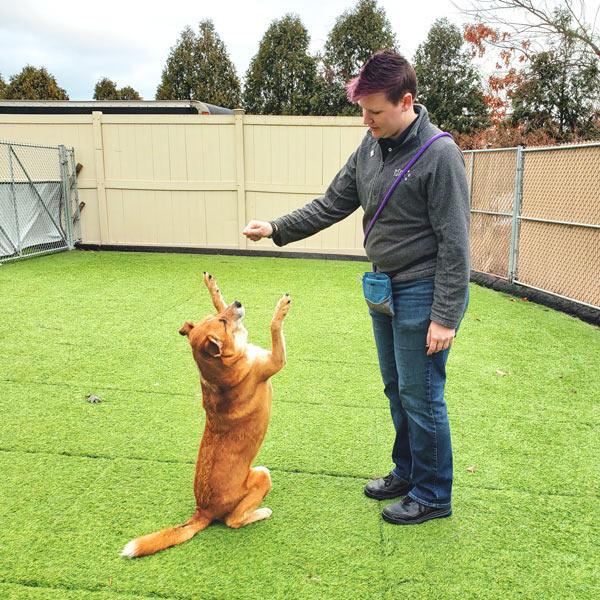
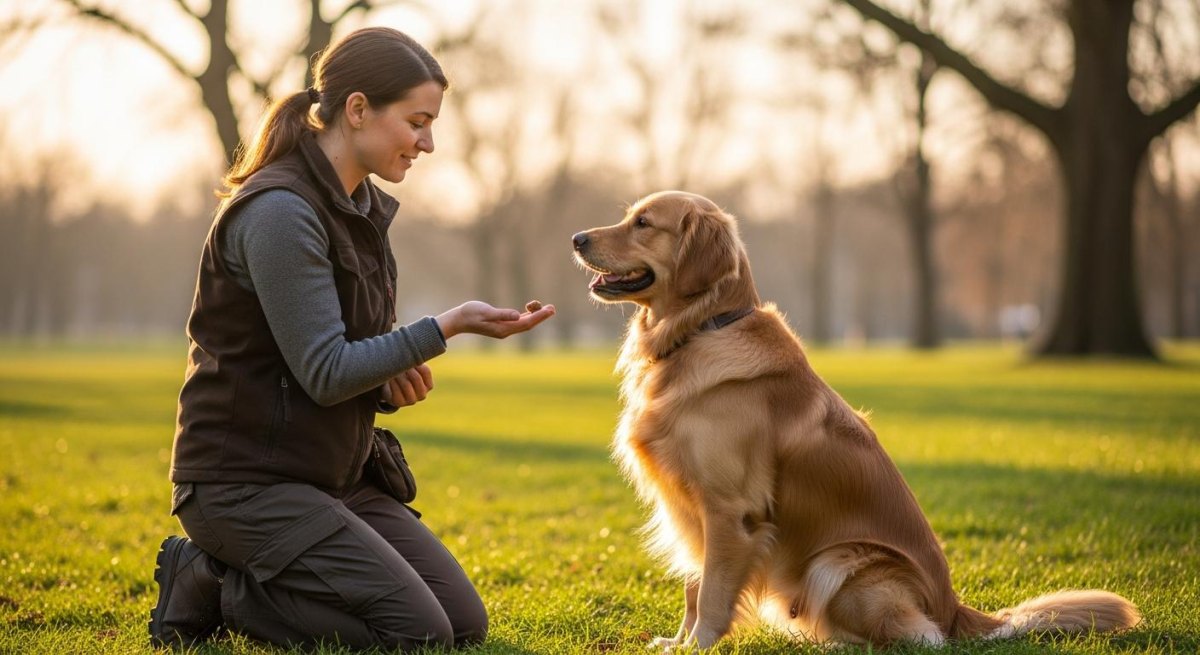
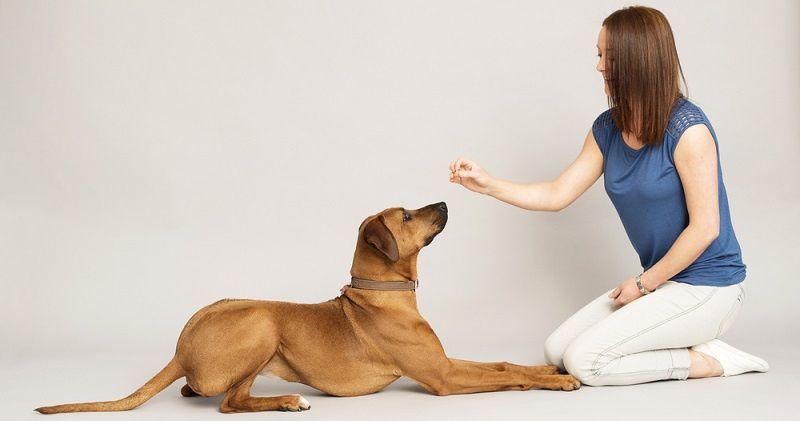
Training is enrichment when the goal is learning, not perfection. Short training sessions keep dogs thinking without exhausting their patience.
I usually stop while the dog is still eager to try again.
Digging Boxes for Natural Behaviors
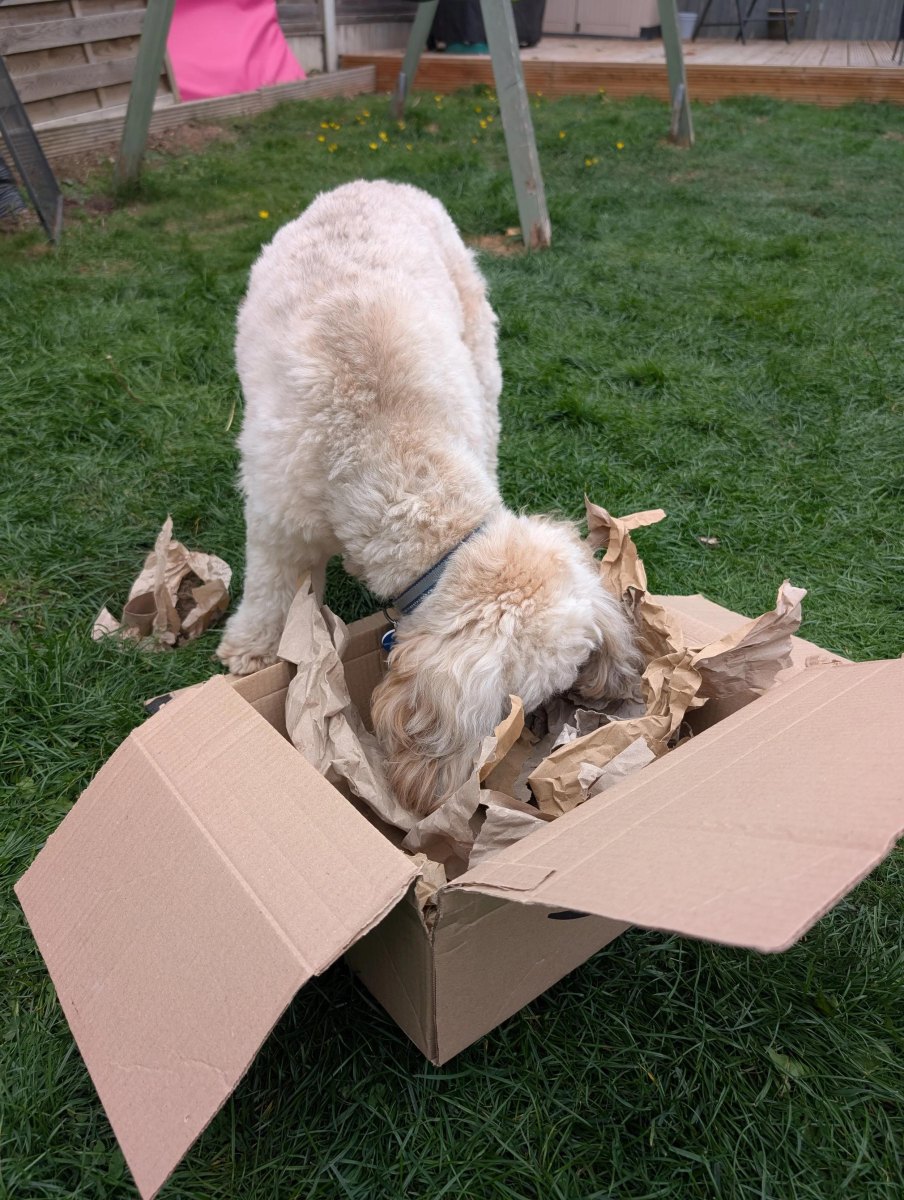
Some dogs genuinely love digging. A digging box gives that natural behaviour an appropriate place.
I hide toys or treats and let the dog discover the fun safely.
Water Play Activities for Dogs
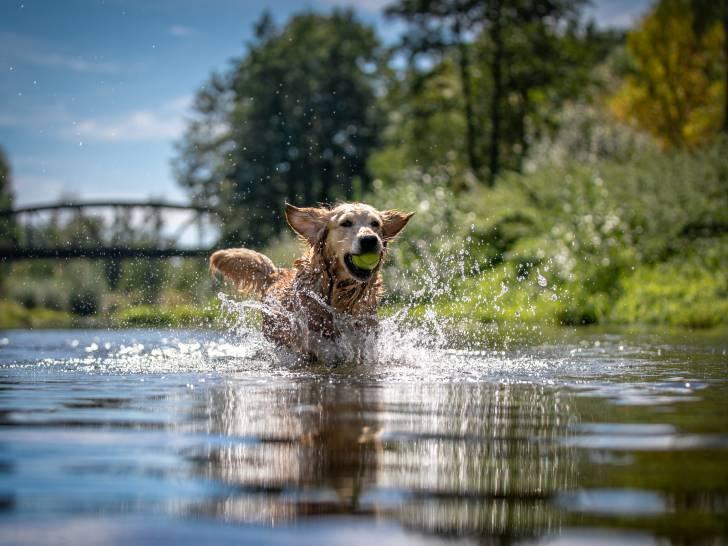
Water games can be wonderful in warm weather. Cooling enrichment should always be adjusted for the dog’s comfort.
I watch for stress signals like hesitation, freezing, or trying to leave.
Social Play with Other Dogs
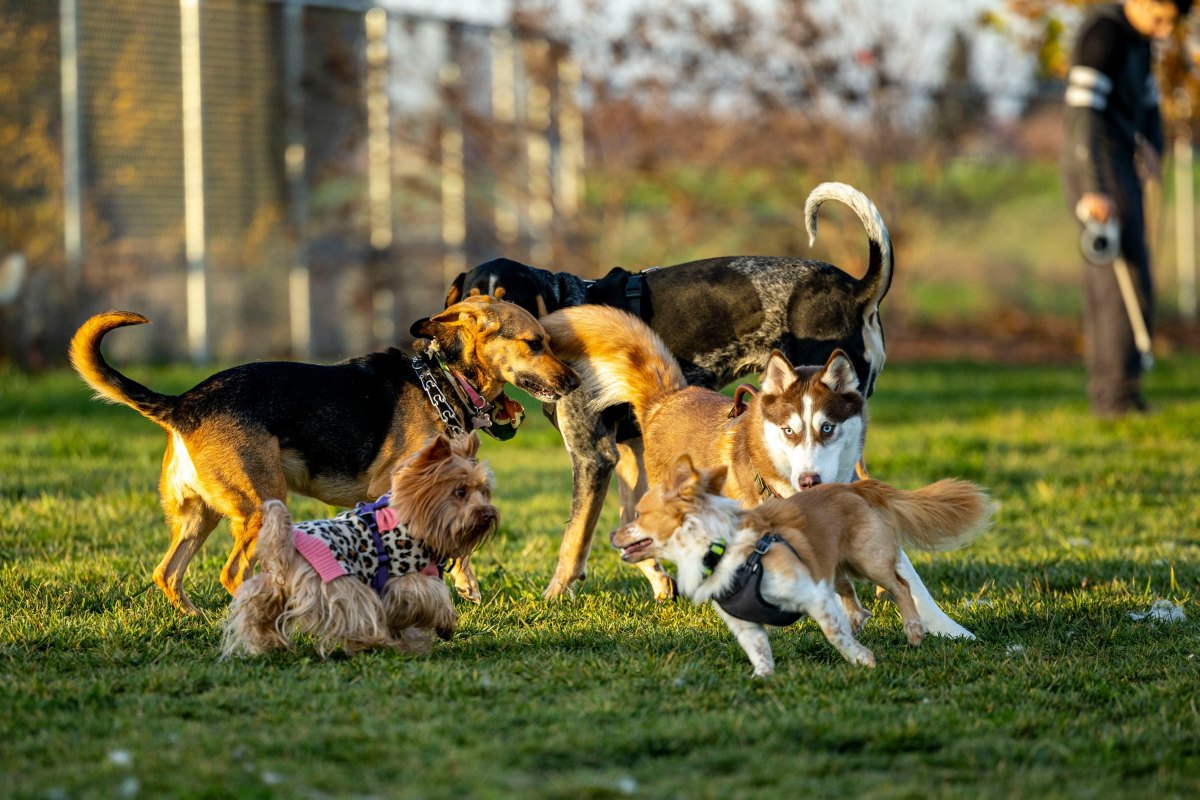
Not every dog needs dog friends, and that is okay. Healthy social interaction depends on consent and compatible play styles.
I look for loose bodies, breaks, and dogs choosing to re-engage.
Adventure Walks with Exploration
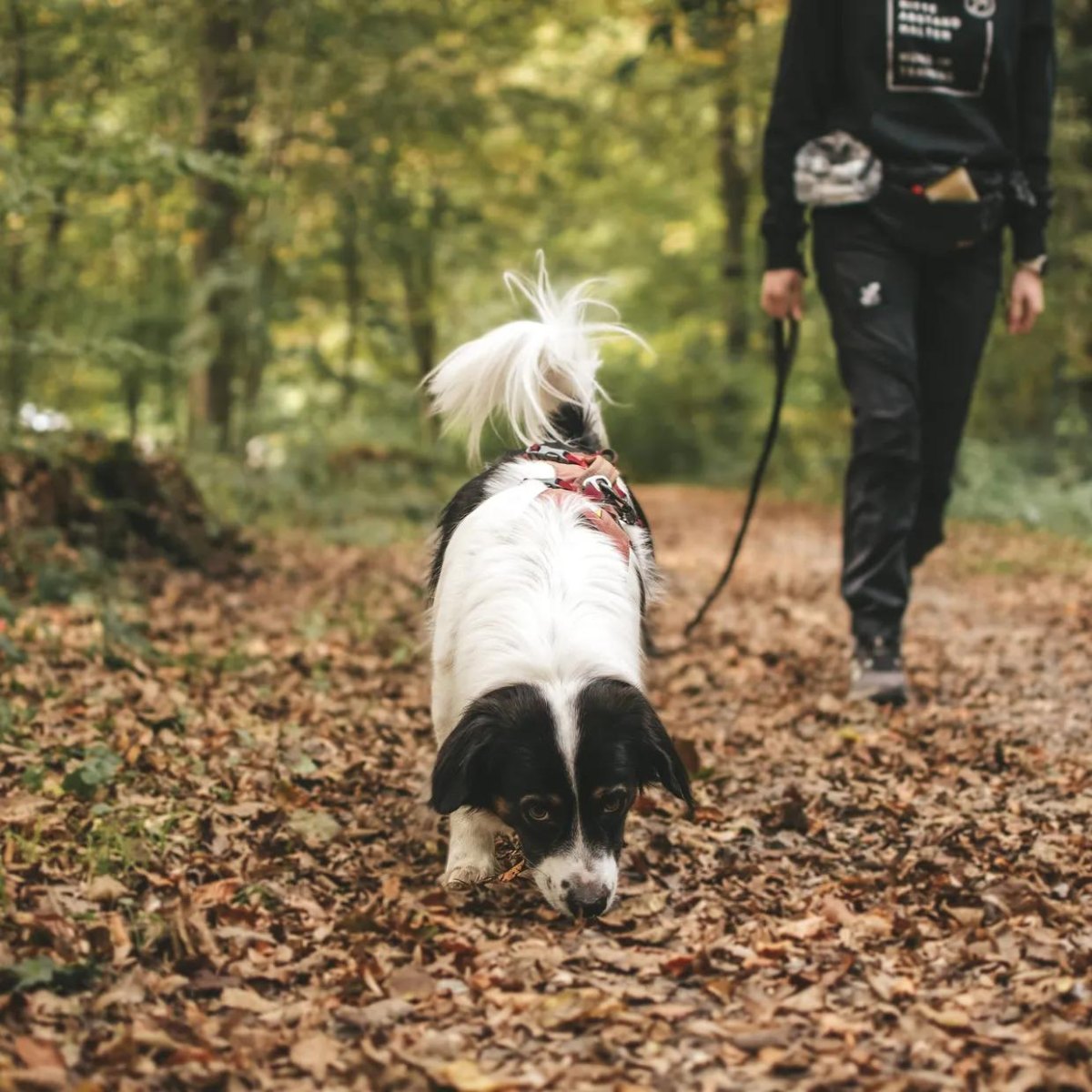
A walk is not only about distance. Letting a dog sniff and explore creates enriching walks that use the brain.
Bruno taught me that a slower walk can sometimes be the better walk.
DIY Treat Hunt Games
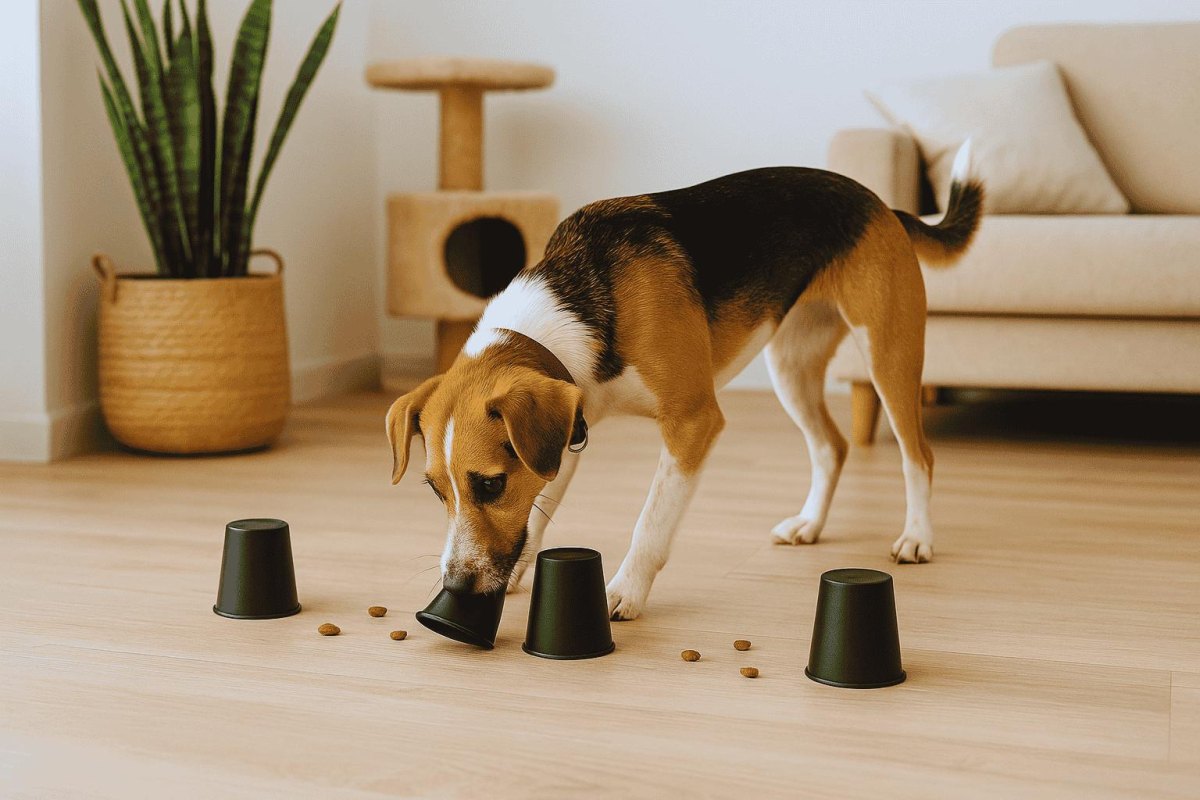
Treat hunts turn your home into a small search area. Foraging games are easy to adjust for beginners.
I begin with obvious hiding spots and increase difficulty slowly.
Chew Toys for Healthy Occupation
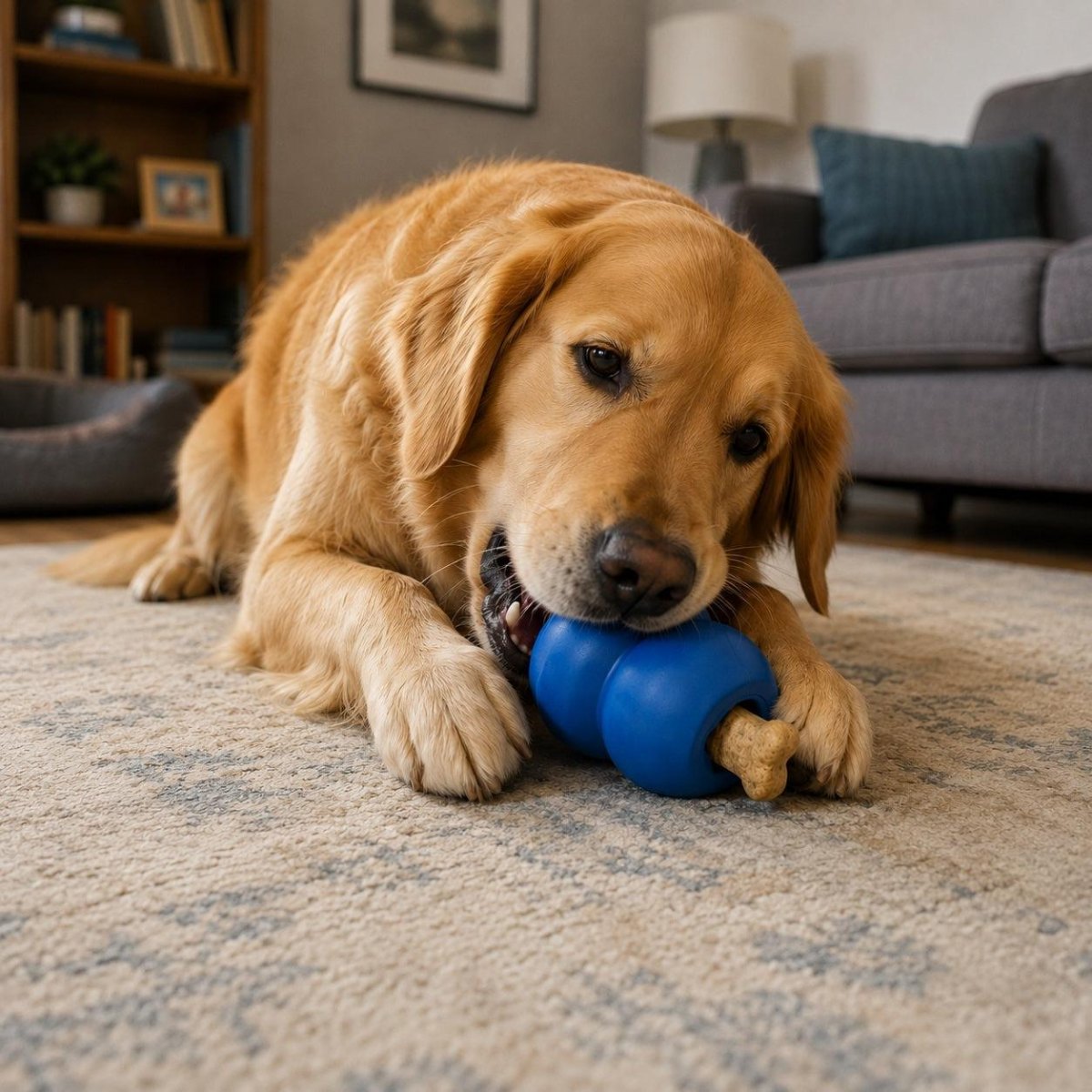
Chewing is a normal dog behaviour, so I provide safe outlets. Appropriate chew options help many dogs settle.
Supervision matters because every dog interacts with toys differently.
Sensory Gardens for Dogs
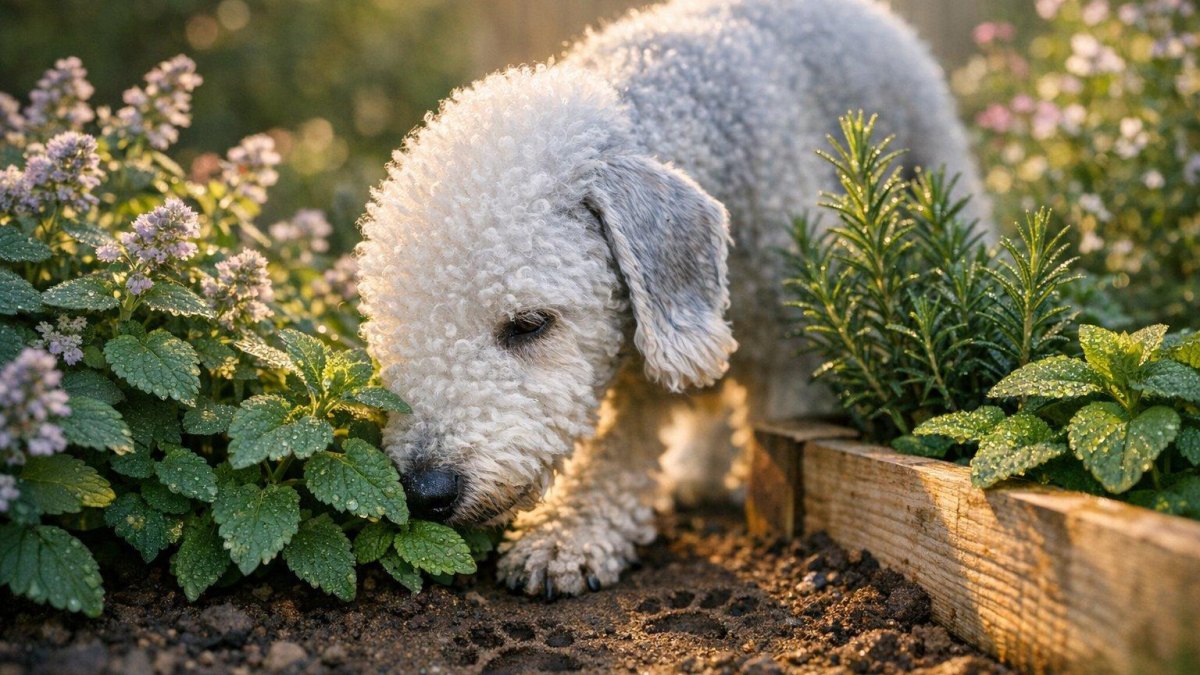
A sensory garden offers new smells, textures, and places to investigate. Sensory enrichment encourages curiosity without needing constant action.
I introduce new experiences at the dog’s pace.
Bubble Chasing Games
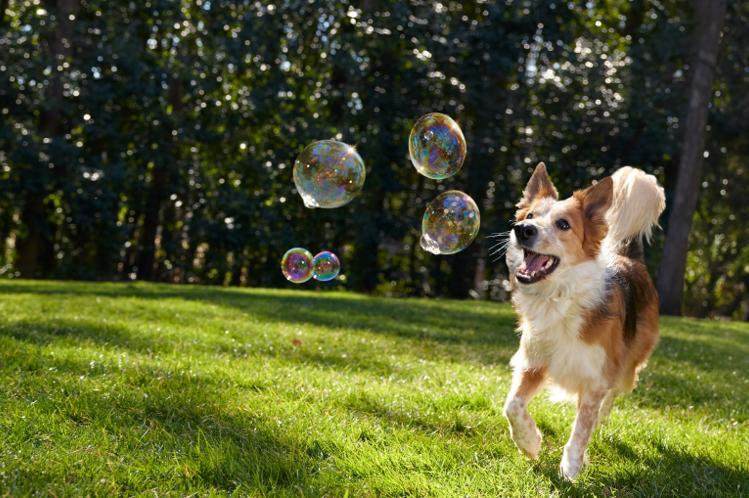
Bubbles can create a fun movement game for many dogs. Playful chasing should stay optional and light.
If a dog becomes frantic, I switch to a calmer activity.
Relaxation and Calm Enrichment
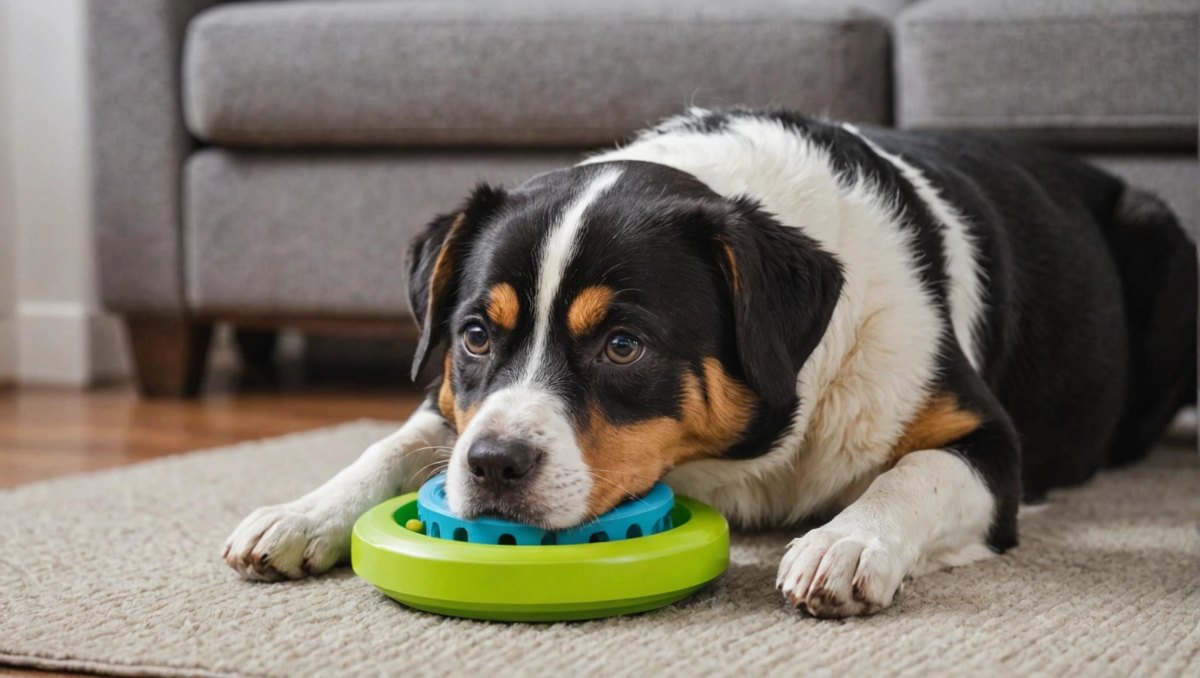
Enrichment is not always exciting. Calm activities like licking, sniffing, and resting spaces support emotional balance.
I want dogs to learn that settling is also a skill.
Rotating Toys to Prevent Boredom
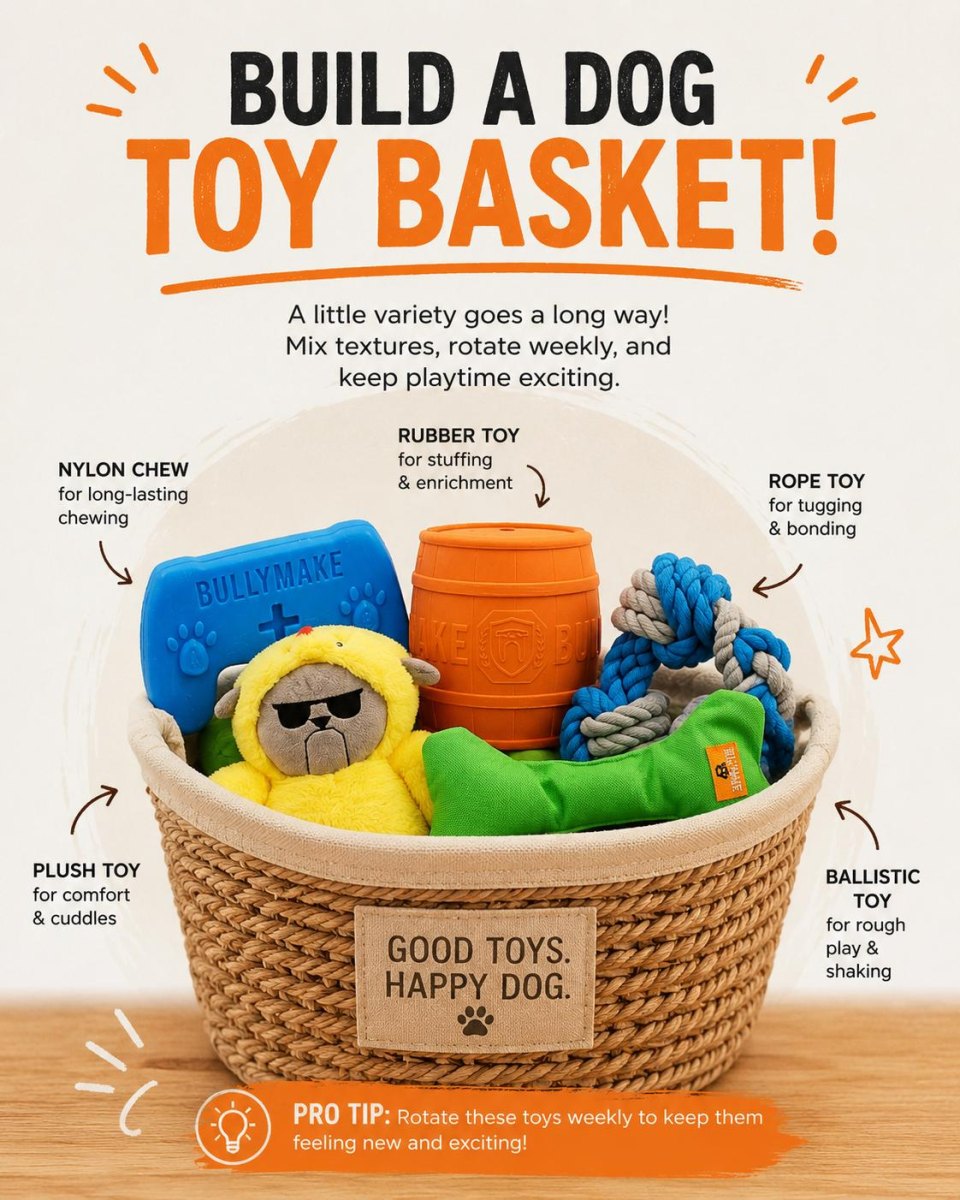
I rarely leave every toy available all the time. Toy rotation keeps familiar items feeling fresh.
A small collection used thoughtfully often beats a giant toy basket nobody notices.
More Pinterest Visuals