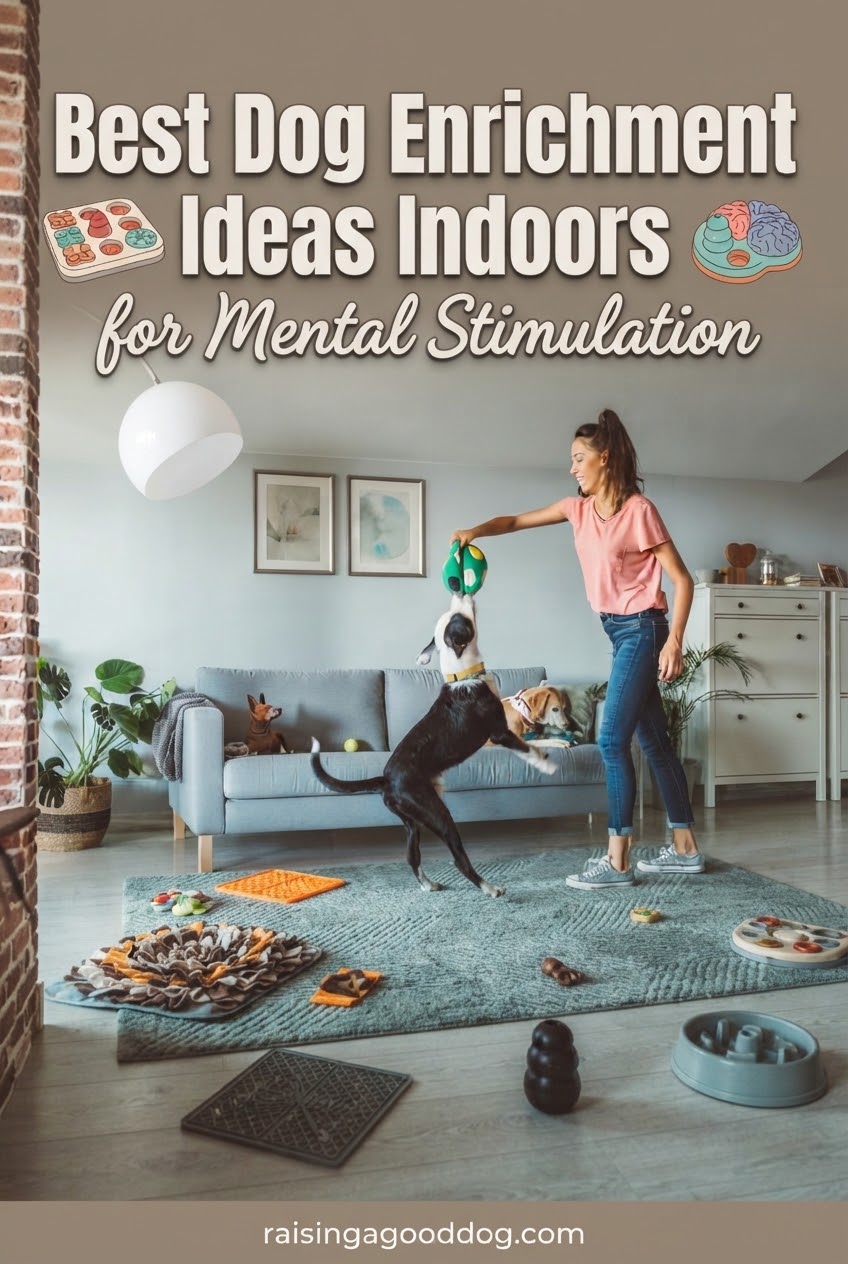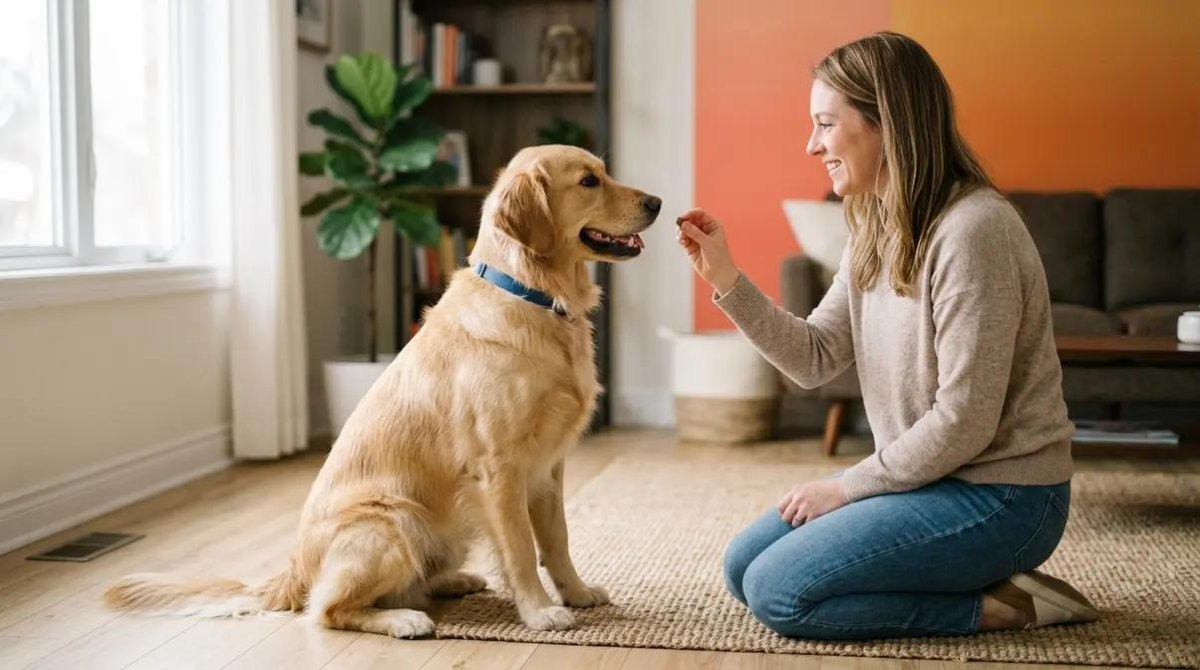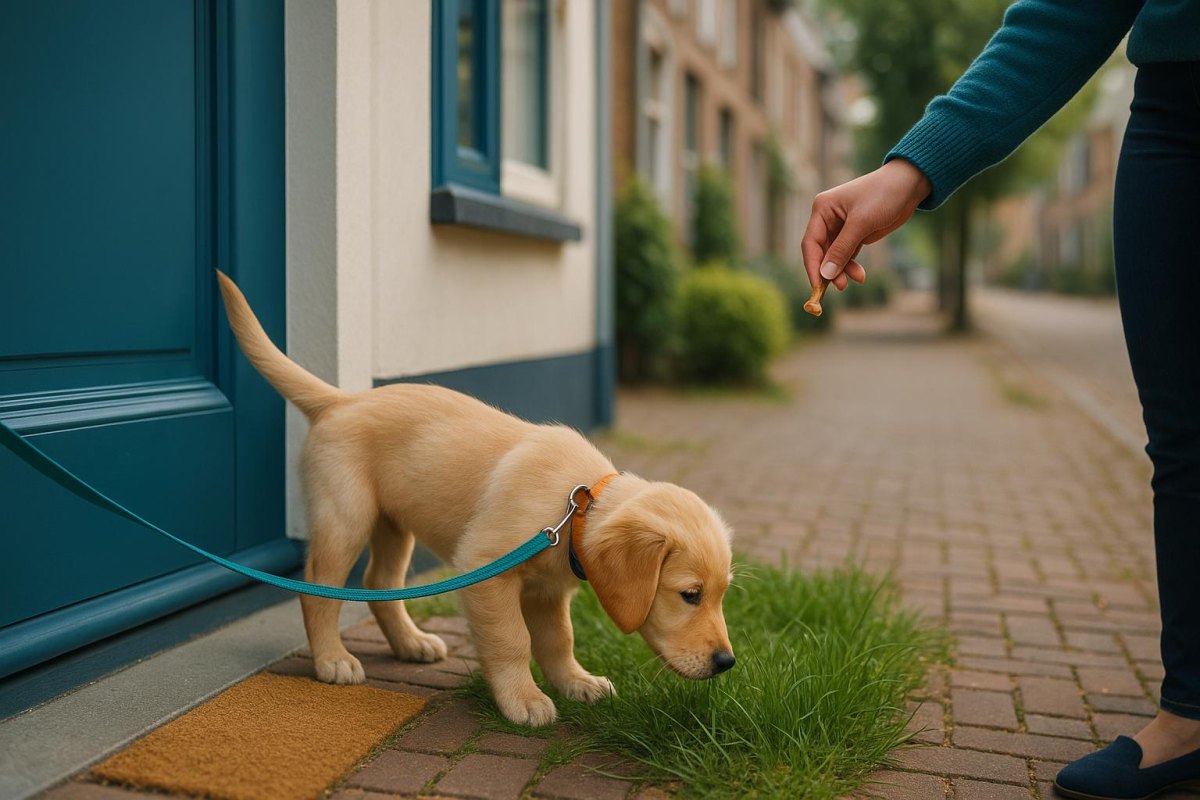
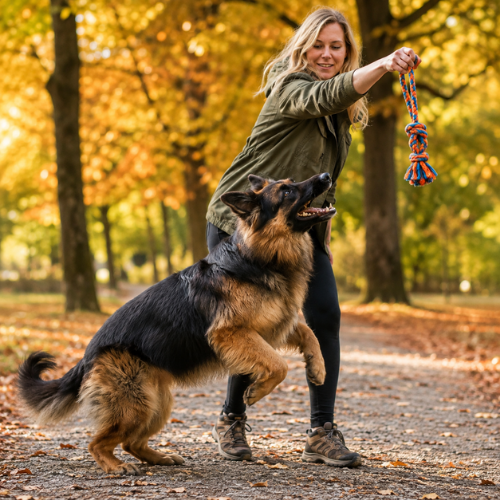
Rainy mornings, recovery days, and those weeks when the schedule falls apart happen to all of us. I use indoor enrichment games to give dogs a job when a long outdoor adventure is not realistic.
The goal is not to exhaust a dog into silence. It is to meet their needs for thinking, sniffing, solving and connecting. Veterinary and welfare groups also highlight enrichment as a way to support a dog's physical and emotional wellbeing.
Quick summary
- Use a mix of food puzzles, scent work, training and play.
- Match activities to your dog's age, body and confidence level.
- Supervise new enrichment until you know how your dog uses it.
Puzzle Feeders for Mental Stimulation
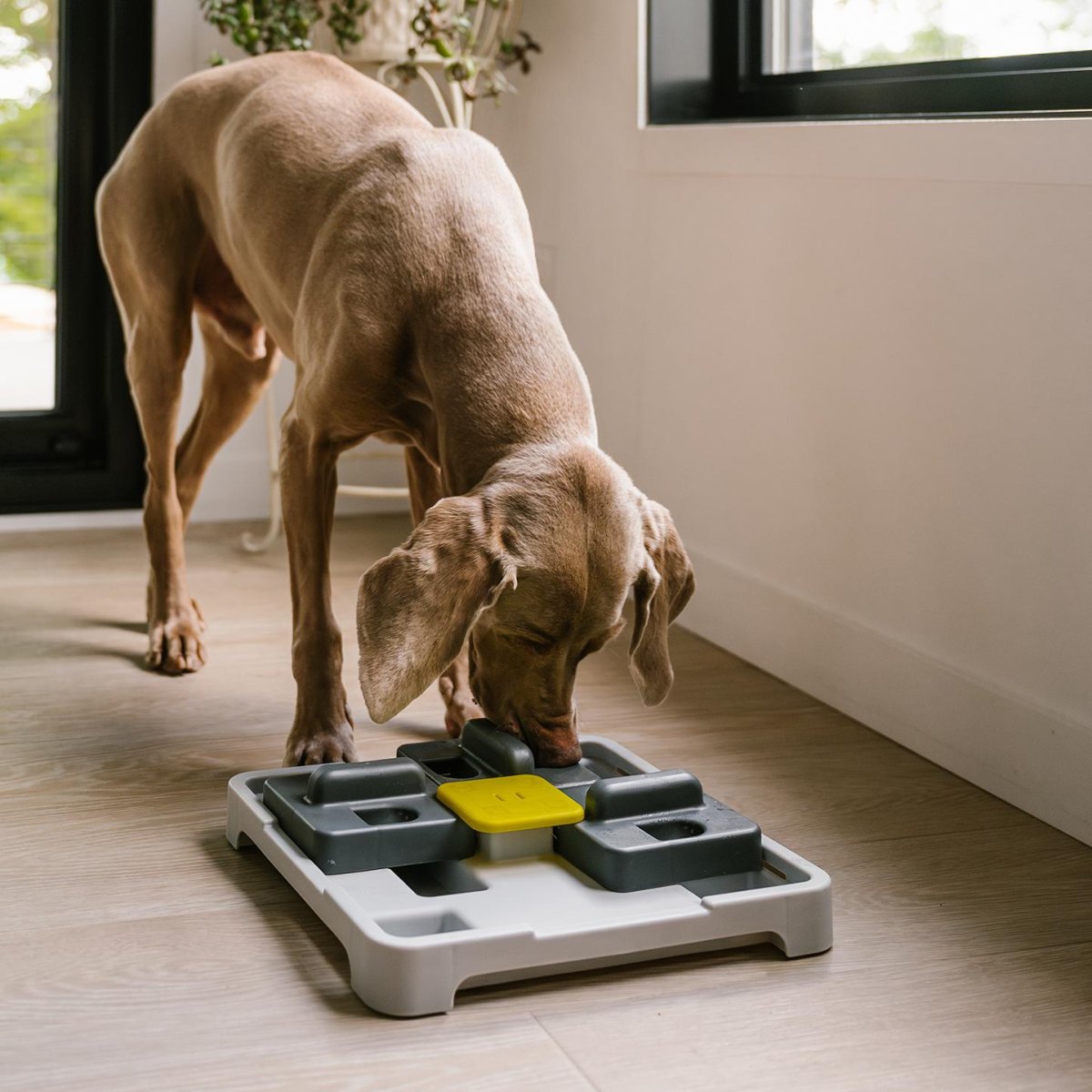
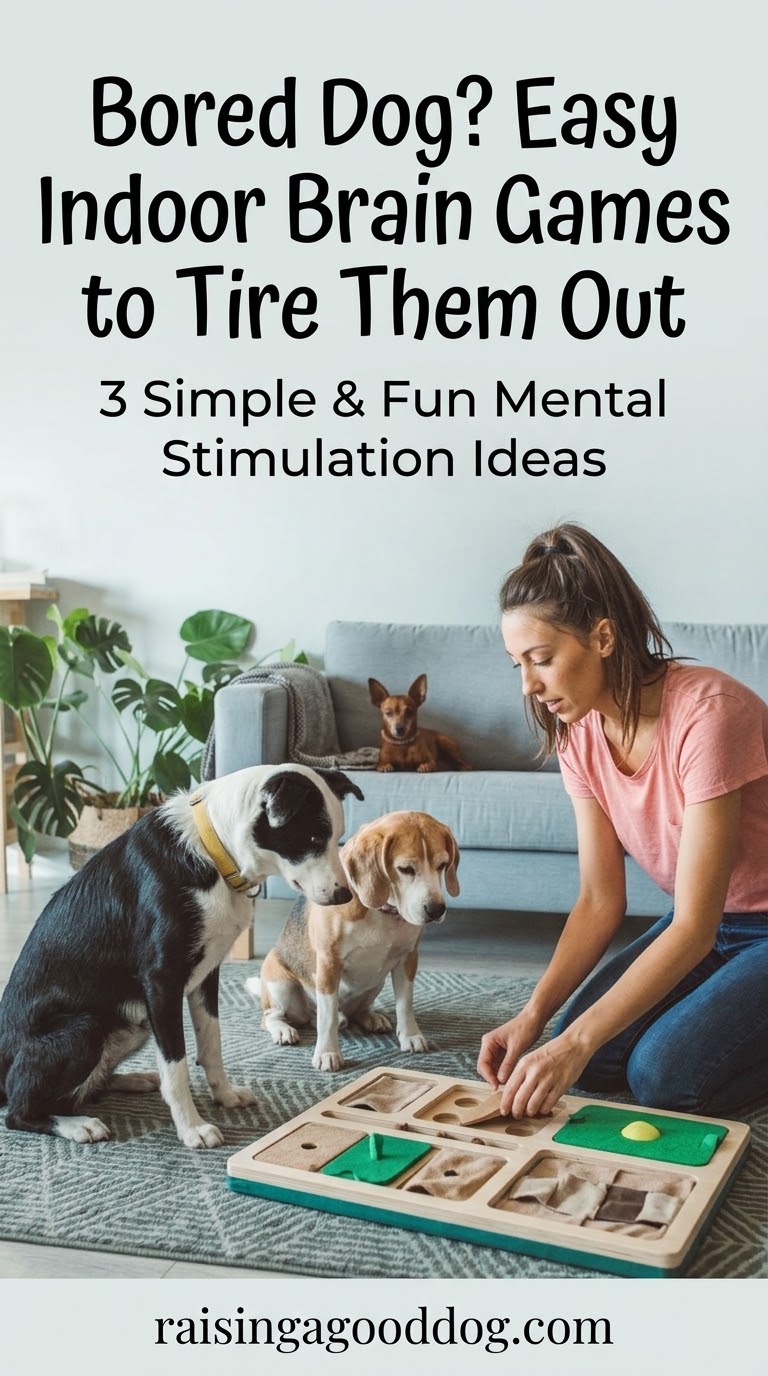
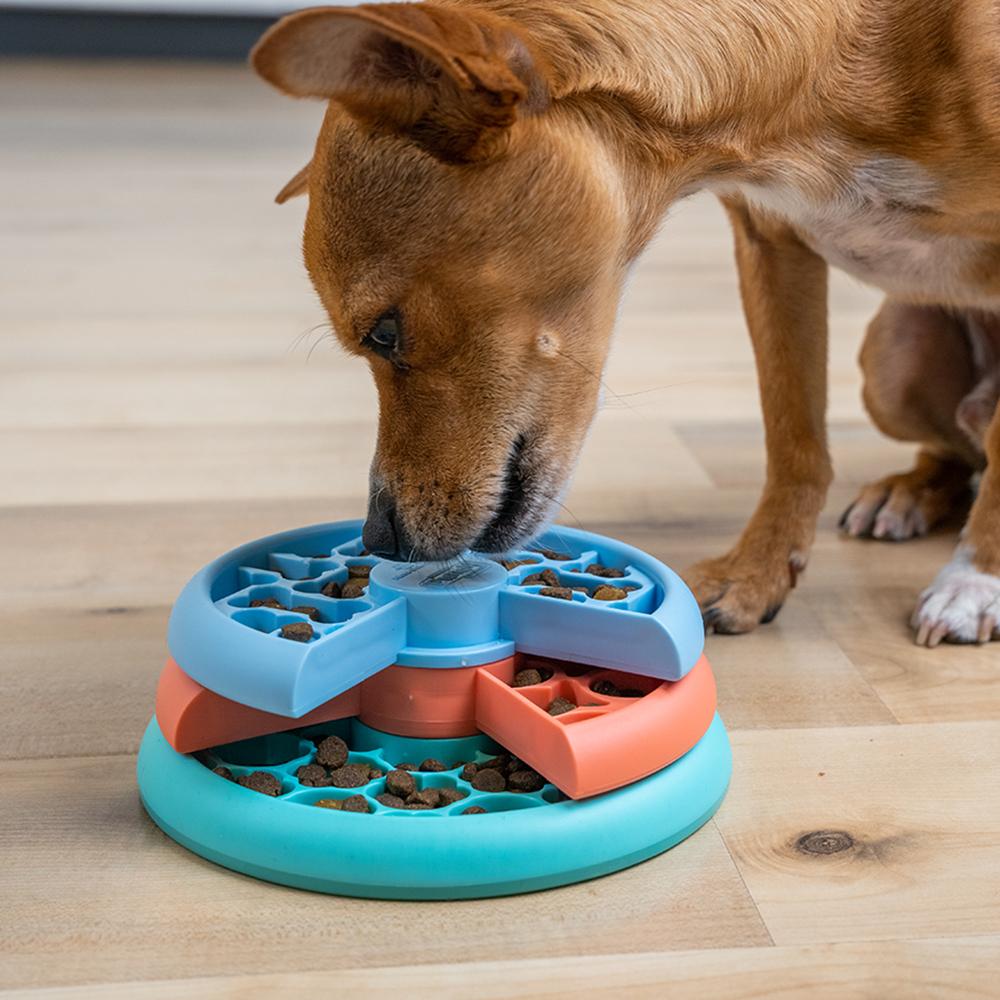
I reach for puzzle feeders when a dog needs a quieter challenge. They turn a normal meal into a problem-solving activity and give dogs a chance to work with their brains instead of simply swallowing dinner.
I start easy because frustration is not enrichment. If your dog paws wildly, freezes, or walks away, the puzzle is too difficult right now. Food puzzles and other cognitive games are commonly recommended as mental enrichment options.
Trainer tip
Begin with visible food and increase difficulty slowly.DIY Snuffle Mats for Nose Work
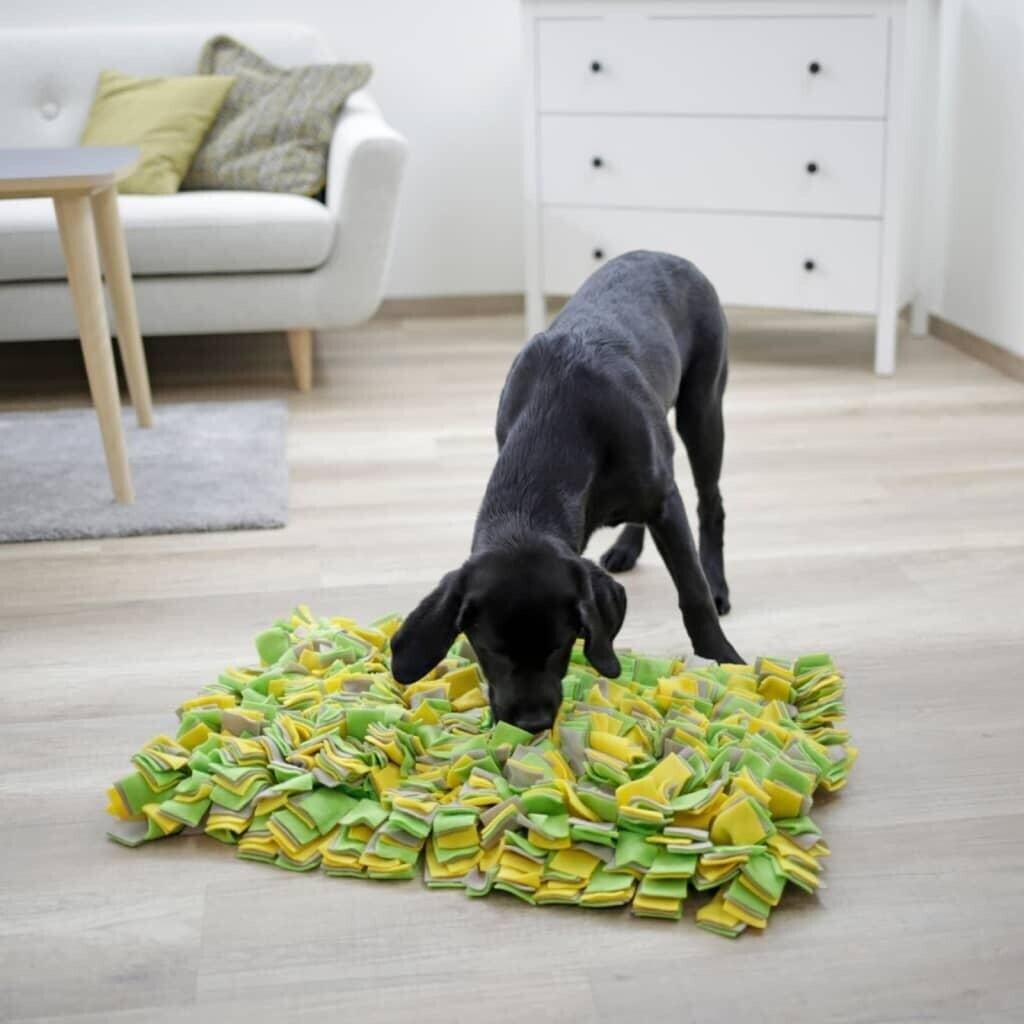
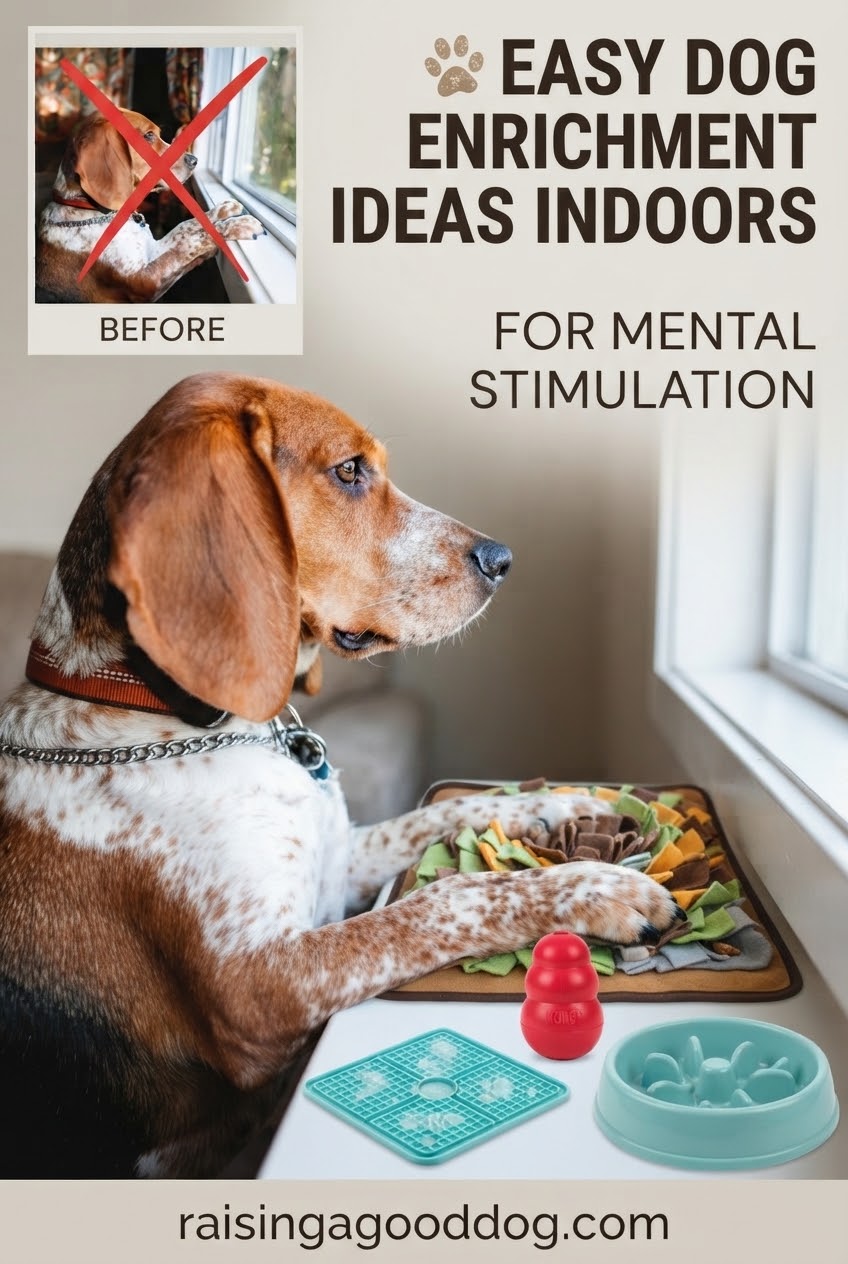
A snuffle mat is one of my favourite low-cost options because it lets a dog use the sense they already carry everywhere: their nose. I hide small pieces of food and let the dog search at their own pace.
Look for relaxed sniffing, soft eyes and a loose body. Snuffle mats encourage natural searching behaviours and can be made at home with simple materials.
Hide-and-Seek Games Around the House
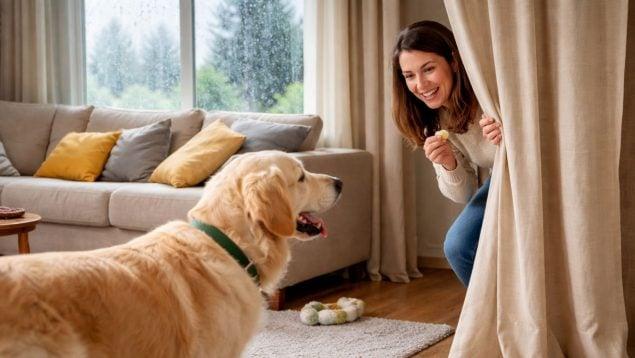
Hide-and-seek is simple, but dogs do not need fancy equipment to have a good enrichment session. I start with easy hiding spots so the dog learns that finding people is rewarding.
For nervous dogs, I keep the game predictable. I never call a worried dog into a situation they cannot handle; confidence grows from successful repetitions.
Treat-Dispensing Toys for Independent Play
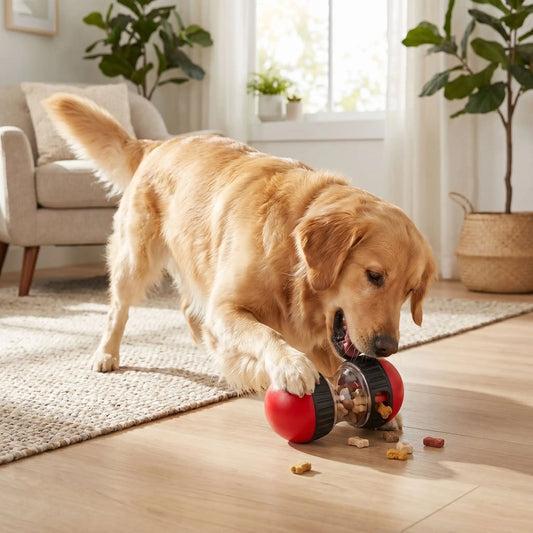
Treat-dispensing toys can help dogs practise independent problem solving. I use them during busy moments when I cannot actively play but still want my dog to have a constructive outlet.
Always check that the toy matches your dog's chewing style and supervise first. These toys work best as enrichment, not as a replacement for interaction.
Indoor Obstacle Courses for Active Dogs
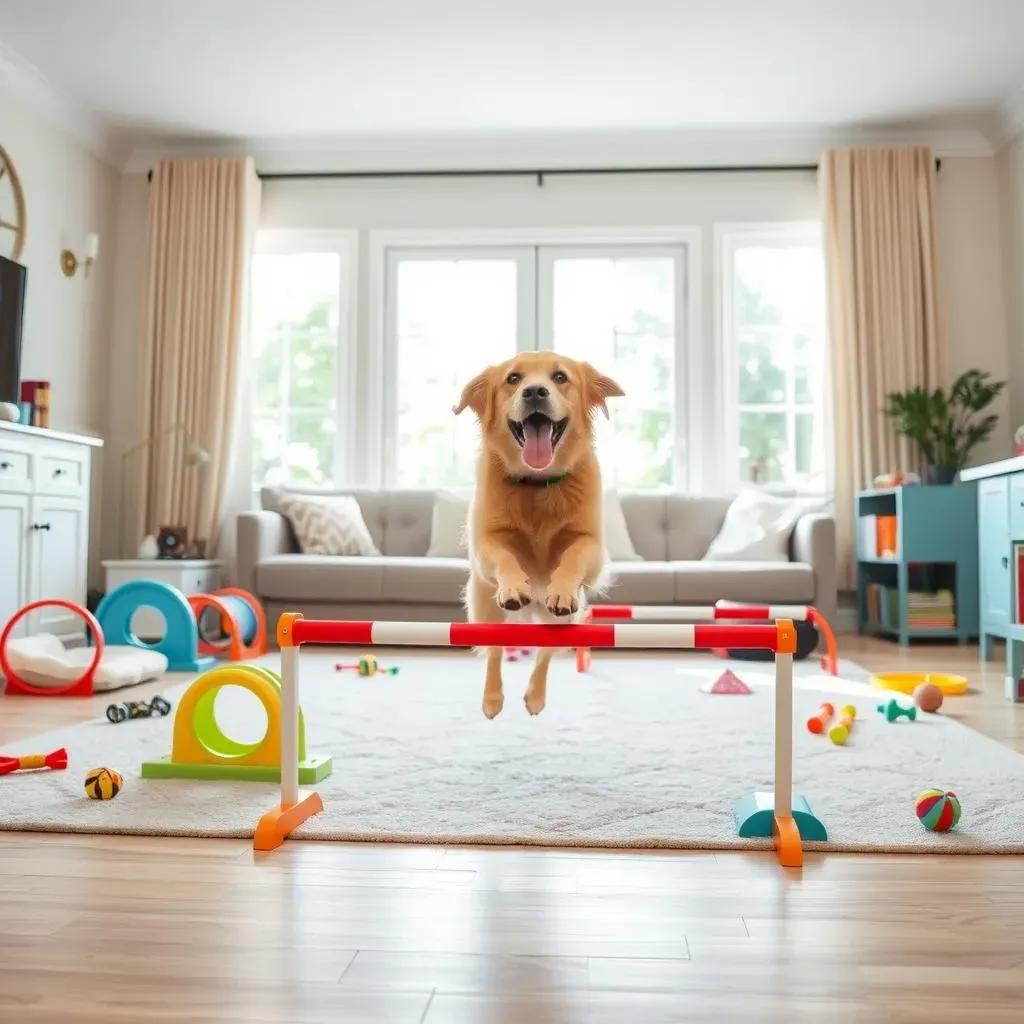
A hallway, a few cushions and some patience can become a tiny indoor course. I prefer safe movement games over wild jumping because confidence matters more than difficulty.
Keep surfaces stable and adjust for age, joints and fitness. Household obstacle courses are a common indoor enrichment suggestion when built safely.
Training Games to Challenge Your Dog’s Brain
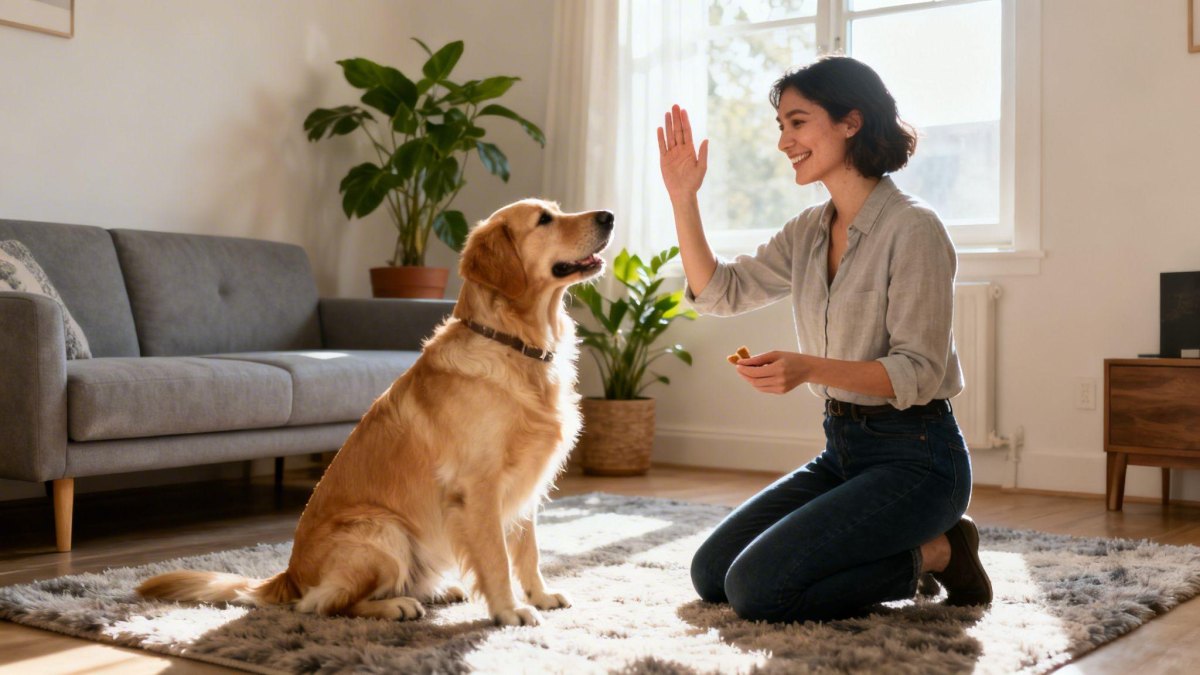
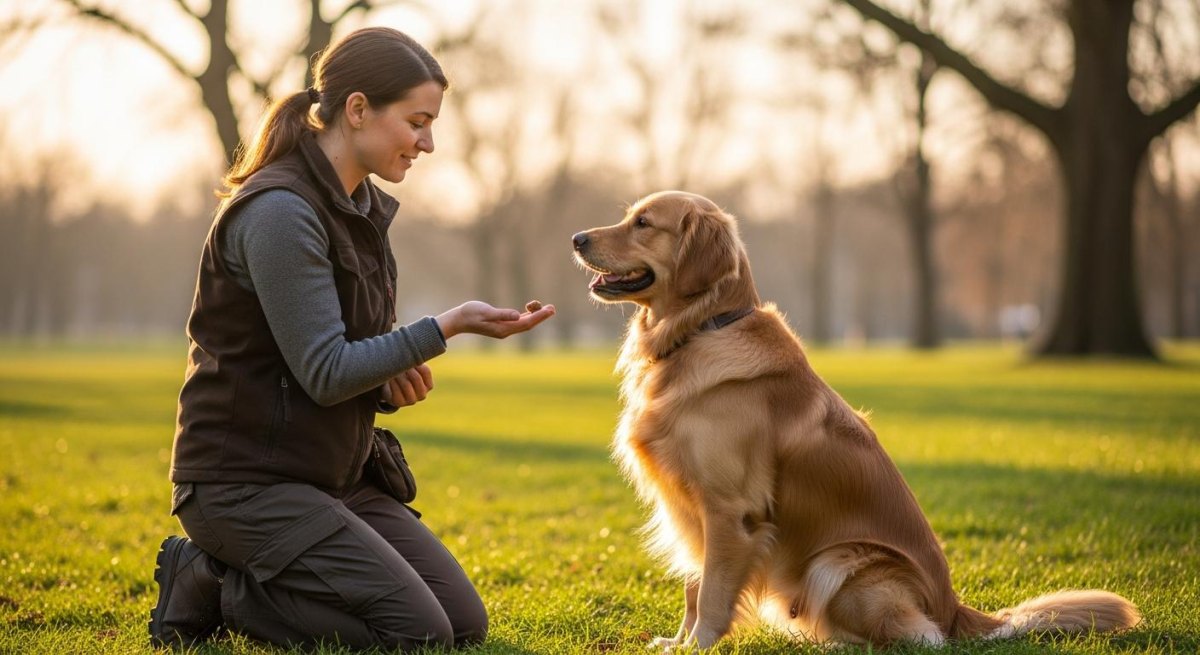
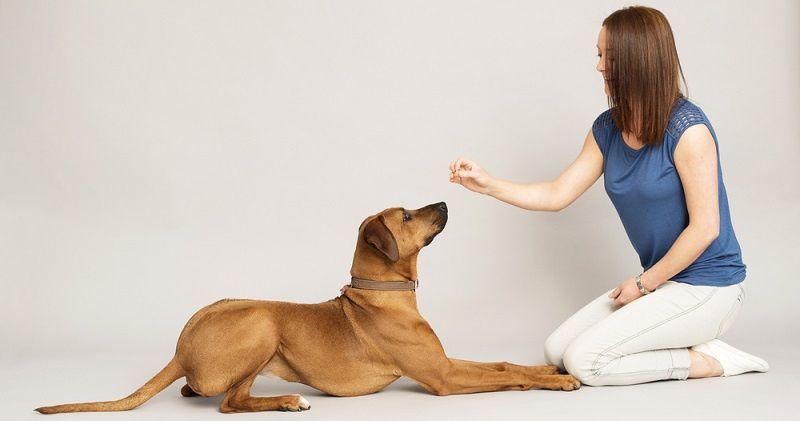
Training is enrichment when we stop thinking only about obedience. A few minutes teaching a new behaviour gives your dog a chance to make choices and earn rewards.
I keep sessions short and successful. Small wins build confidence, especially for dogs who become overwhelmed easily. Brain games and training challenges can provide meaningful mental exercise.
Frozen Enrichment Treats for Long-Lasting Fun
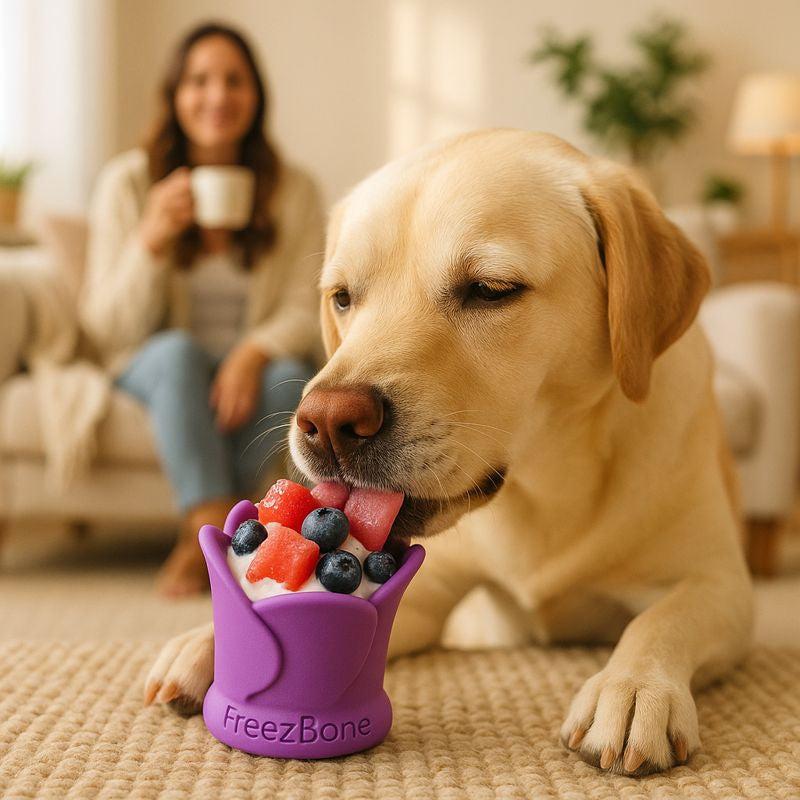
Frozen food toys can stretch out a calm activity on a busy afternoon. I use them when a dog needs something slow and focused rather than another exciting game.
Choose dog-safe ingredients appropriate for your individual dog and ask your vet about dietary concerns. The activity should create calm engagement, not stress.
Cardboard Box Exploration Activities
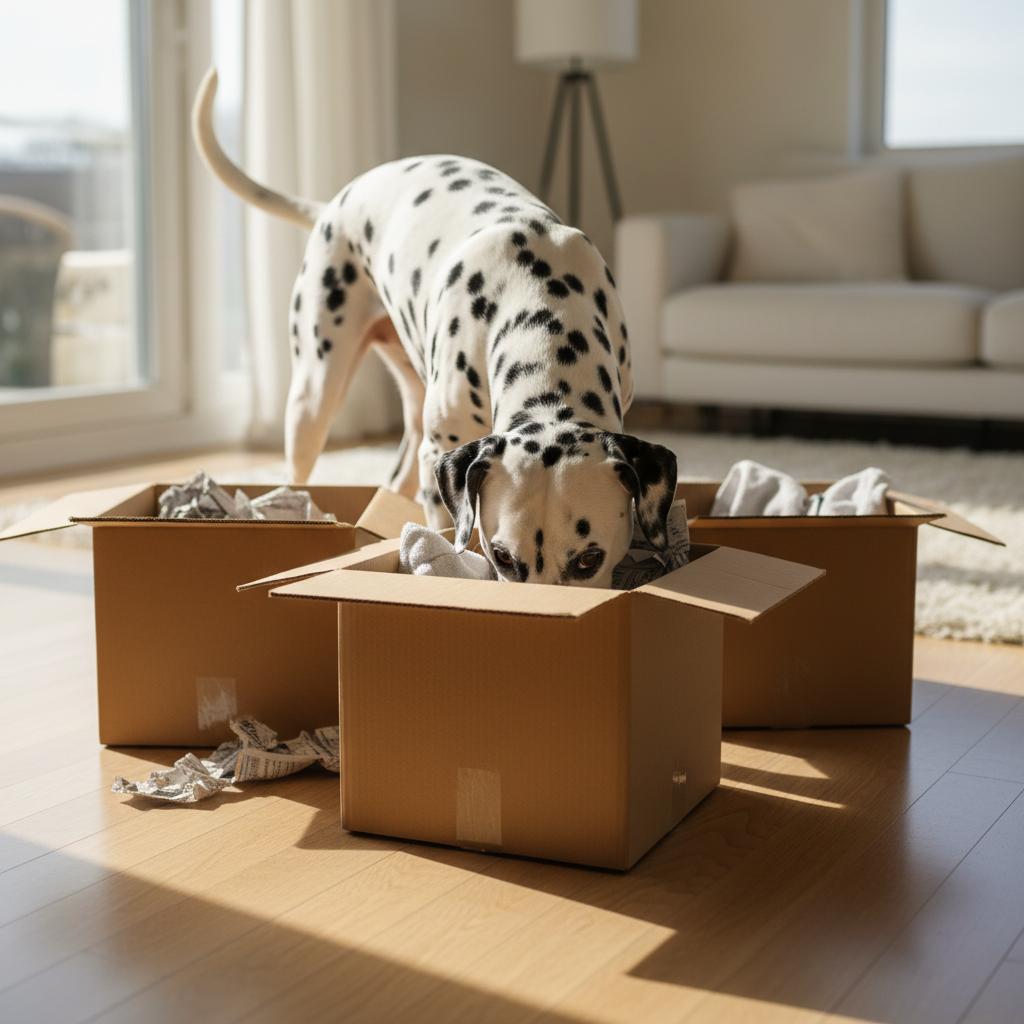
Before recycling boxes, I often ask whether they can become a short enrichment project. Dogs can sniff, investigate and search through cardboard setups.
I remove tape, staples and anything unsafe first. The best cardboard games encourage curiosity and exploration without encouraging destructive habits elsewhere.
Scent Games Using Household Items
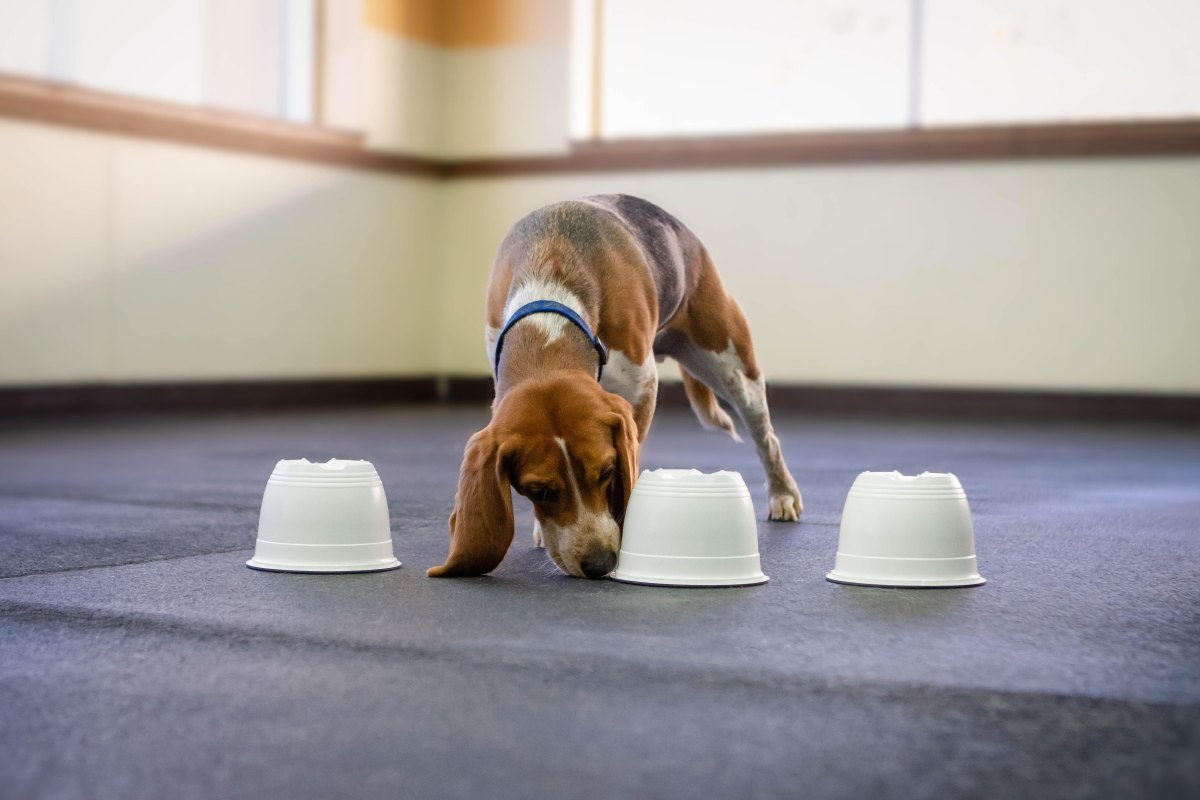
Most dogs walk through life with their nose turned all the way on. Indoor scent games give that ability a purpose, even in a small room.
I begin with easy searches using safe containers and reward the moment the dog investigates. Nose work is naturally rewarding for many dogs.
Tug Games With Rules and Variety
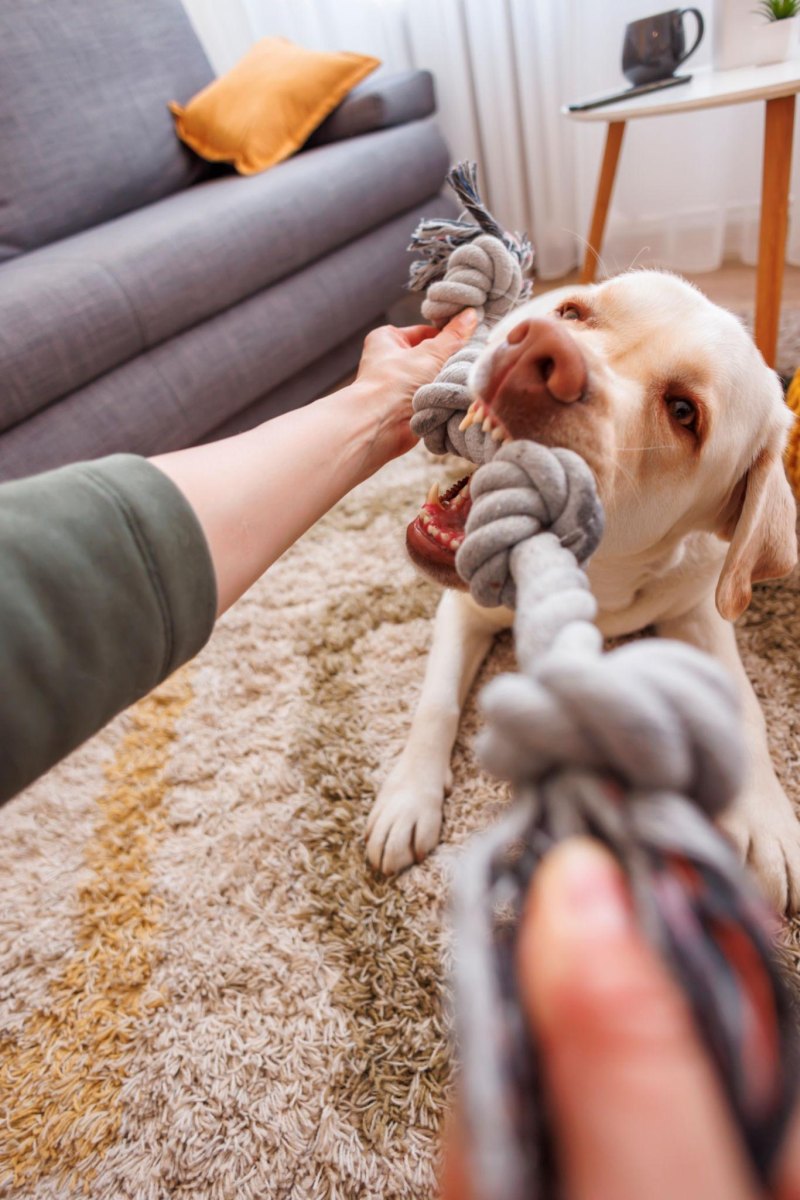
Tug is not the problem many old myths made it out to be. A thoughtful game can build engagement when both ends of the toy understand the rules.
I teach pauses, releases and gentle play. Clear boundaries create fun, and tug can be used as a reward-based game when played safely.
Interactive Ball Games in Small Spaces
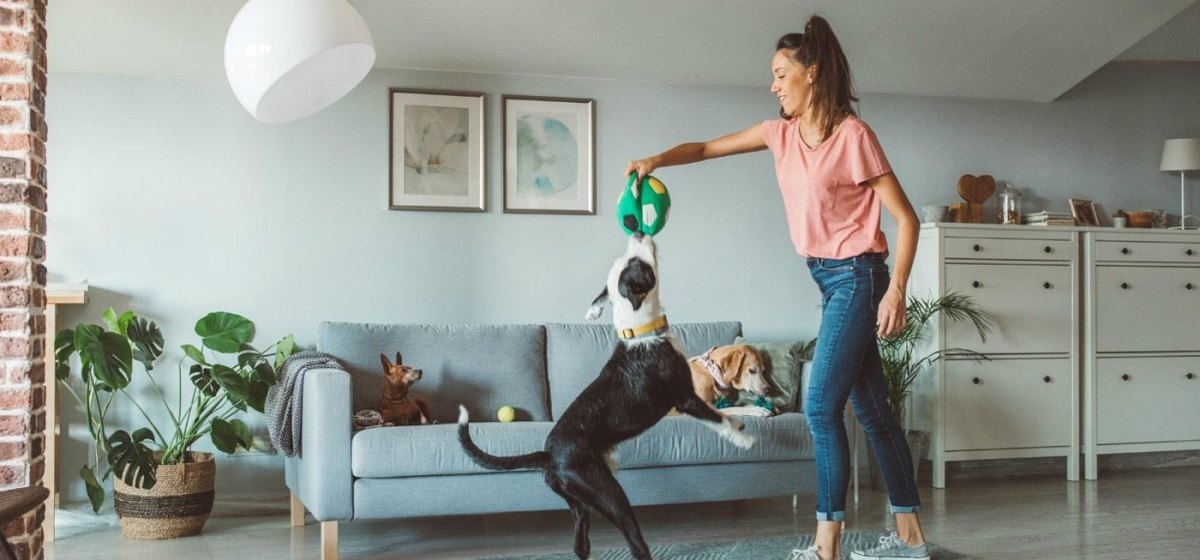
Ball games can work indoors if I choose the right space and the right dog. I avoid slippery floors and frantic chasing that sends a dog crashing into furniture.
For many dogs, a short controlled game is enough. Quality of play matters more than the number of throws.
Lick Mats for Calm Indoor Enrichment
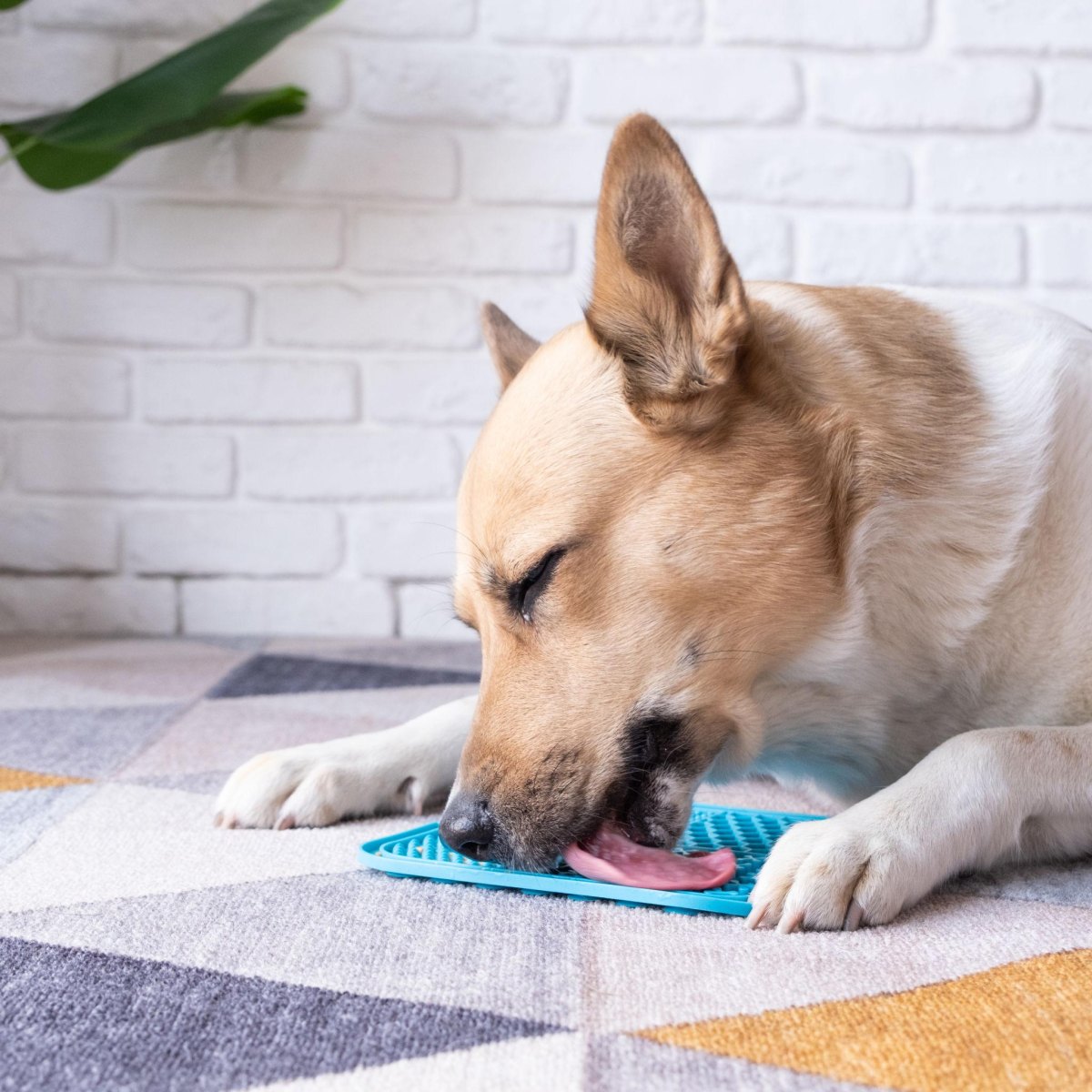
Lick mats are useful when I want a dog to settle into a focused activity. The repetitive licking can make a quiet routine around the home feel rewarding.
I supervise chewing and choose appropriate fillings. Lick mats are widely used as enrichment tools for dogs.
Rotation of Toys to Prevent Boredom
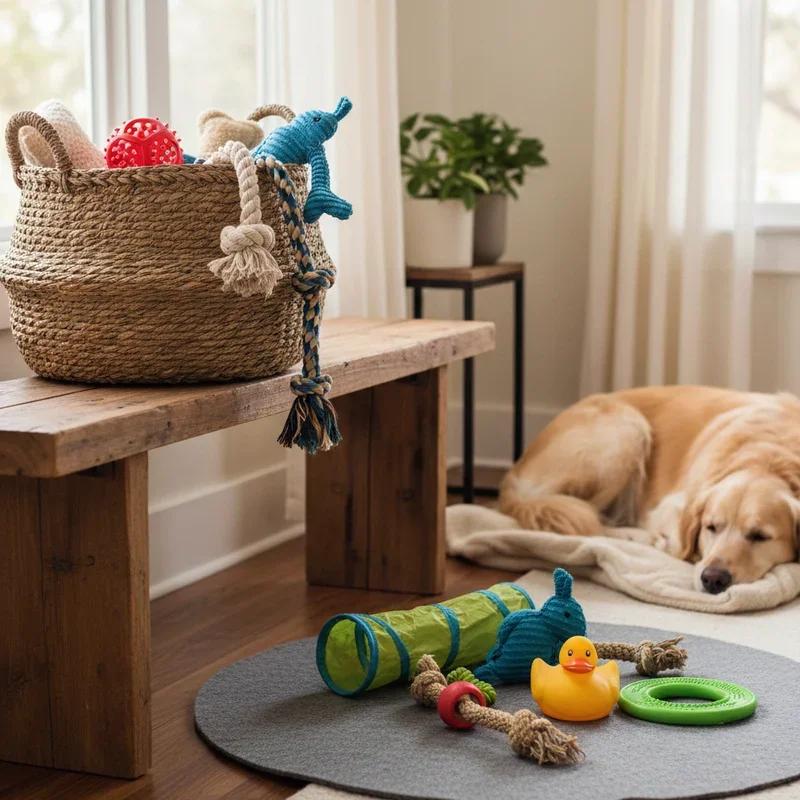
Sometimes the answer is not buying another toy basket full of forgotten toys. I rotate options so familiar items feel new again.
I keep a small selection available and switch categories regularly. Novelty through rotation can make enrichment more interesting.
Window Watching and Observation Time
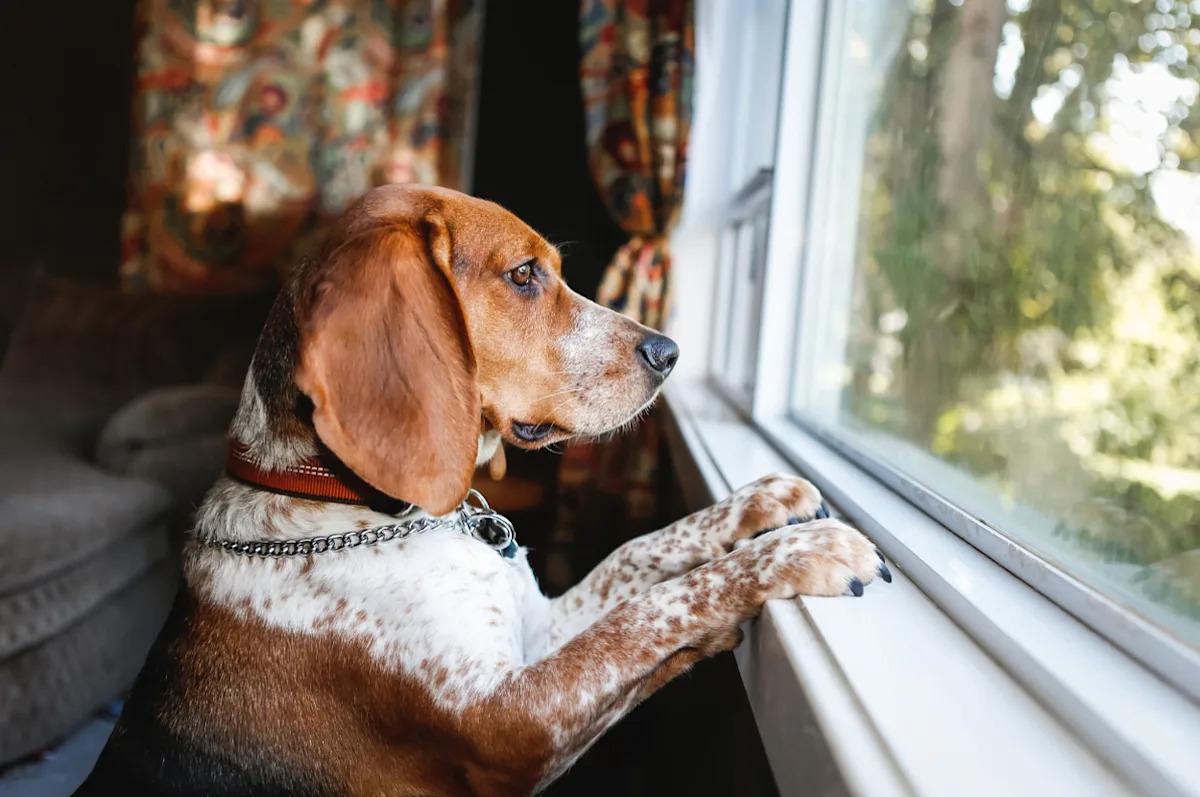
Watching the world can be enrichment for some dogs, but I pay attention to body language. A dog who quietly observes is different from one rehearsing barking at every passerby.
If the window creates stress, I manage the environment first with distance or barriers. Preventing rehearsal helps dogs learn calmer habits.
Relaxation Activities With Massage and Bonding
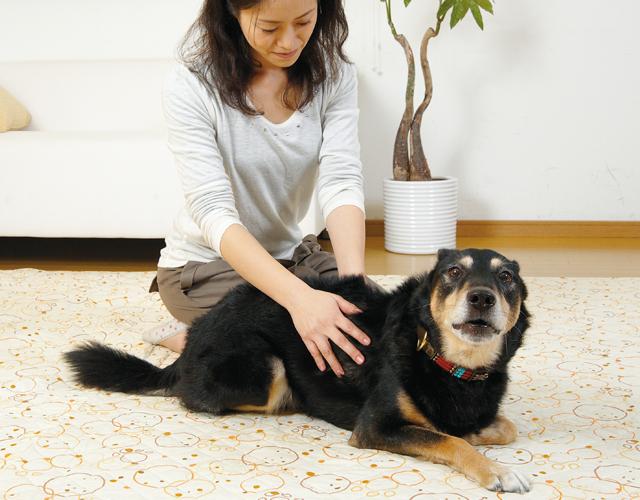
Not every enrichment activity needs movement. Some dogs benefit from quiet connection, gentle handling and learning that home is a safe place to rest.
I watch for soft muscles, normal breathing and a willingness to stay. Relaxation is a skill many busy dogs need help practising.
More Pinterest Visuals