I have watched hundreds of dogs walk into parks looking confident and walk out overwhelmed, exhausted, or simply done. A safe dog park visit starts before the gate opens: I look at the dog, the environment, and the plan. Good management matters more than hoping every interaction works out. Veterinary and training guidance consistently recommends supervision, health preparation, and choosing the right environment for your individual dog.
Check Your Dog’s Health Before Visiting the Park
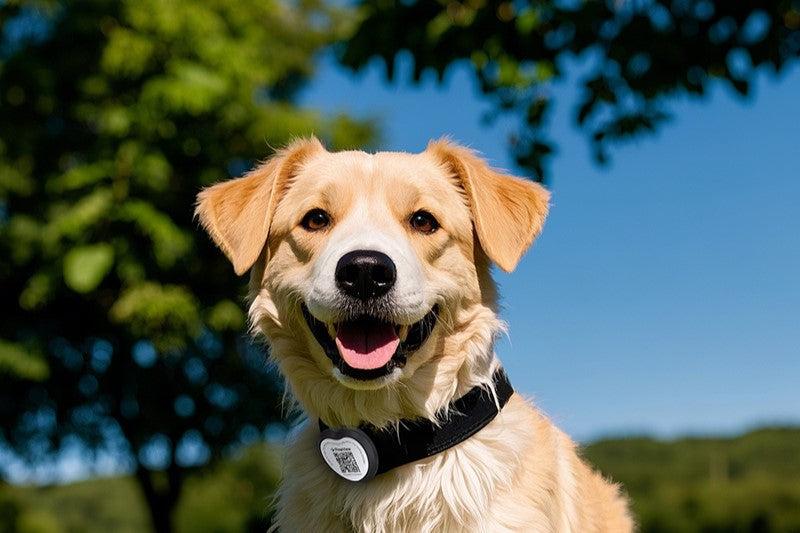
I do not take a dog to the park just because the calendar says Saturday. If Bruno seems off, if a client dog has a sudden behaviour change, or if there is any sign of illness, I pause. A healthy dog is more likely to enjoy social time safely.
Use a Secure Leash Until You Enter Safely
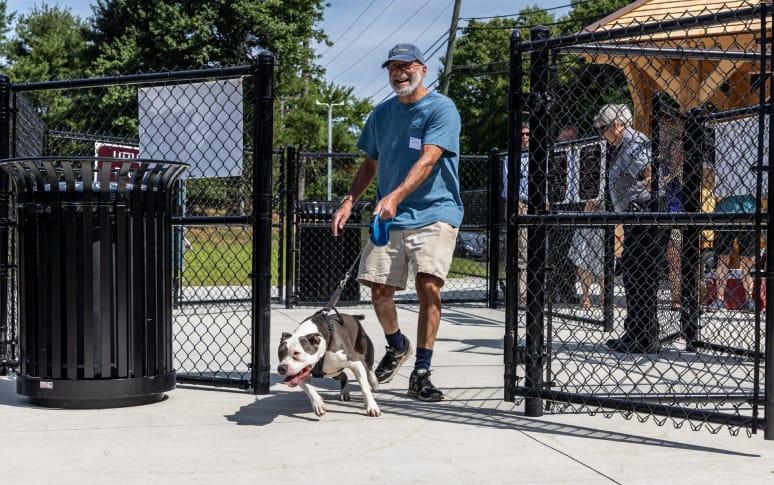
The few feet between your car and the play area are not the place to test recall. I keep dogs leashed until we are inside a secure entry area, because safe transitions prevent many avoidable problems.
Trainer tip
Bring a leash even for off-leash parks. You may need it quickly if your dog needs a break.
Choose a Dog Park With Safe Fencing
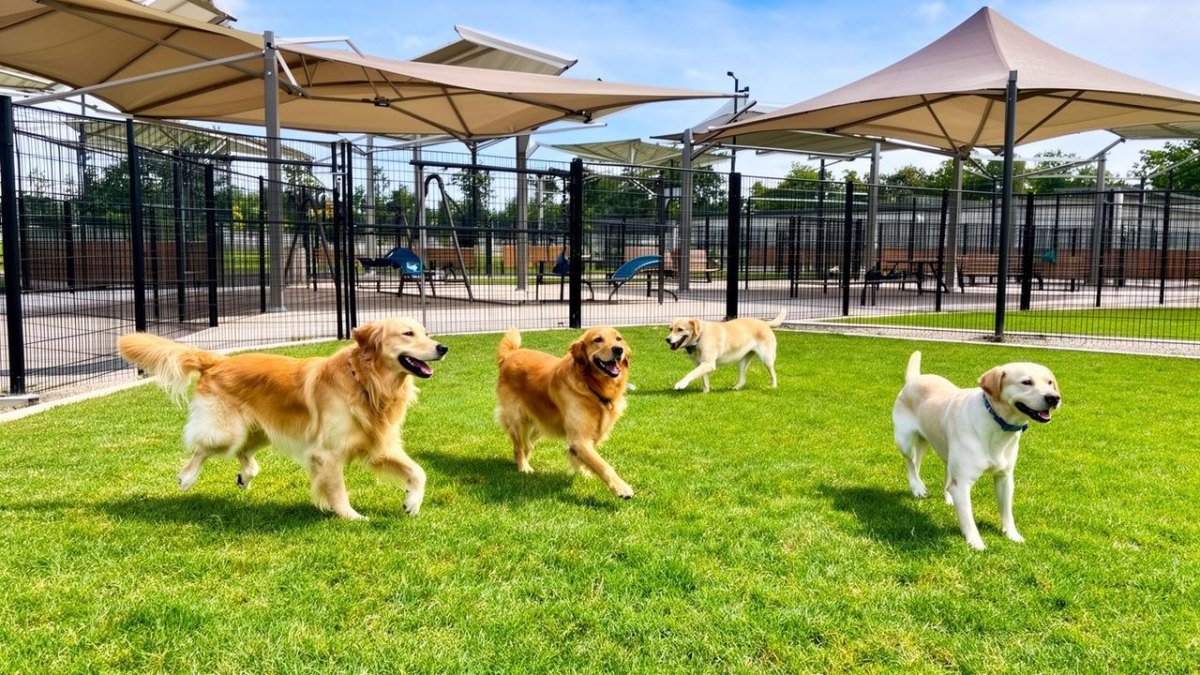
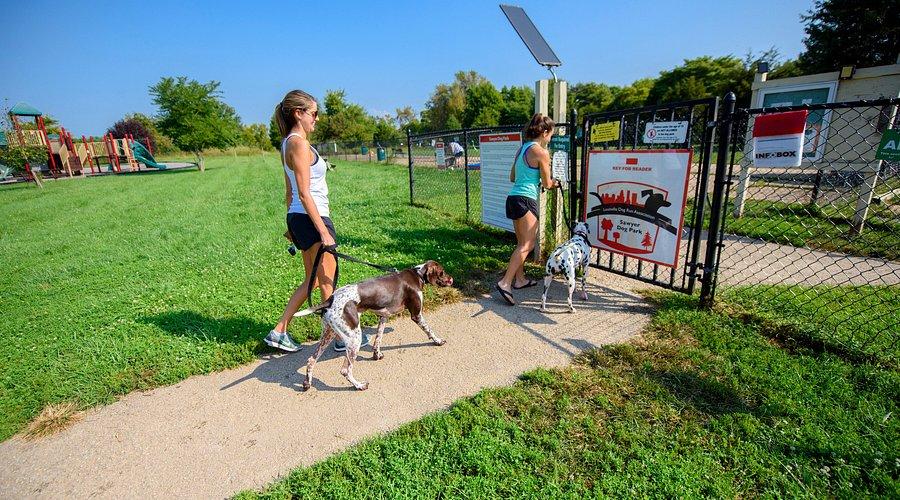
I tell clients to inspect the park before their dog enters. Look for secure fencing, sensible entrances, and areas that match your dog's size and confidence level. The environment matters because management starts with the space itself.
Watch Your Dog’s Body Language
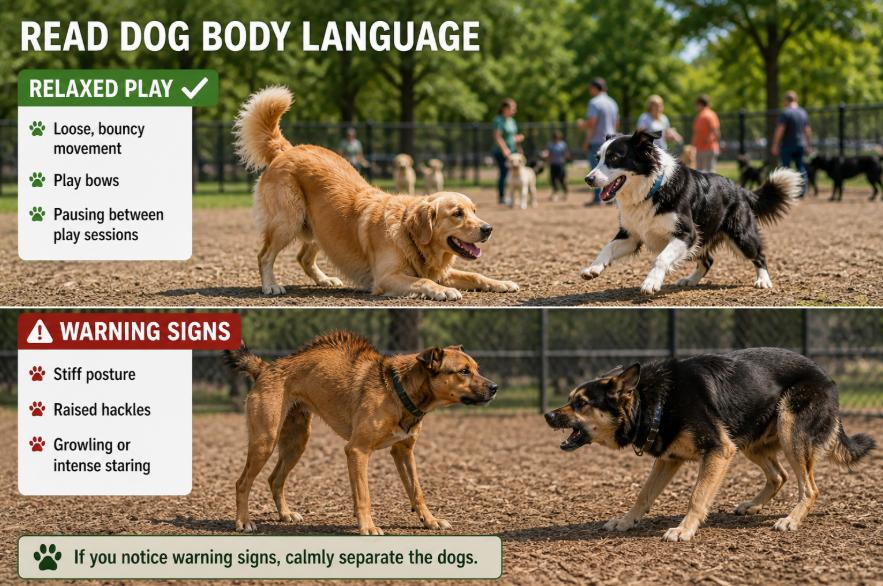
My old veterinary clinic job taught me this: dogs usually whisper before they shout. I watch ears, weight shifts, breathing, mouth tension, and whether a dog can move away freely. Body language clues give us a chance to help before a problem starts.
| Comfortable | Needs a break |
|---|---|
| Loose body and relaxed movement | Freezing, hiding, or repeated avoidance |
Introduce Dogs Slowly and Calmly
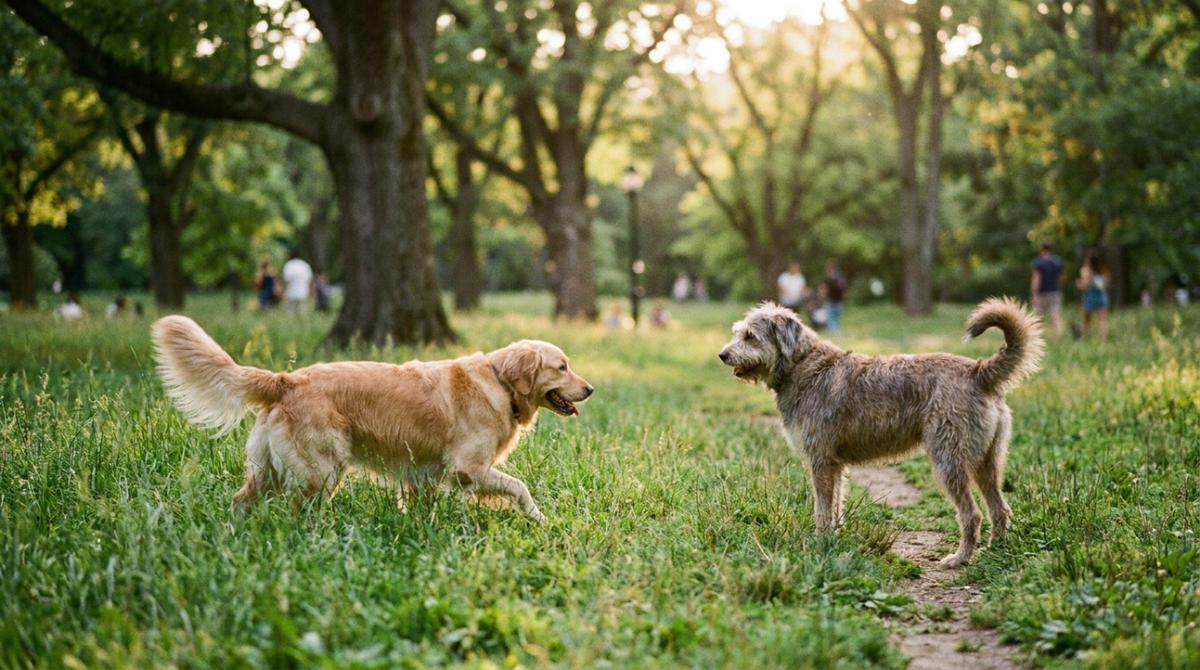
Not every dog wants a chaotic entrance party. I prefer calm greetings and letting dogs choose interaction. Controlled exposure is kinder than forcing a nervous dog to cope.
Keep Your Dog’s Vaccinations Updated
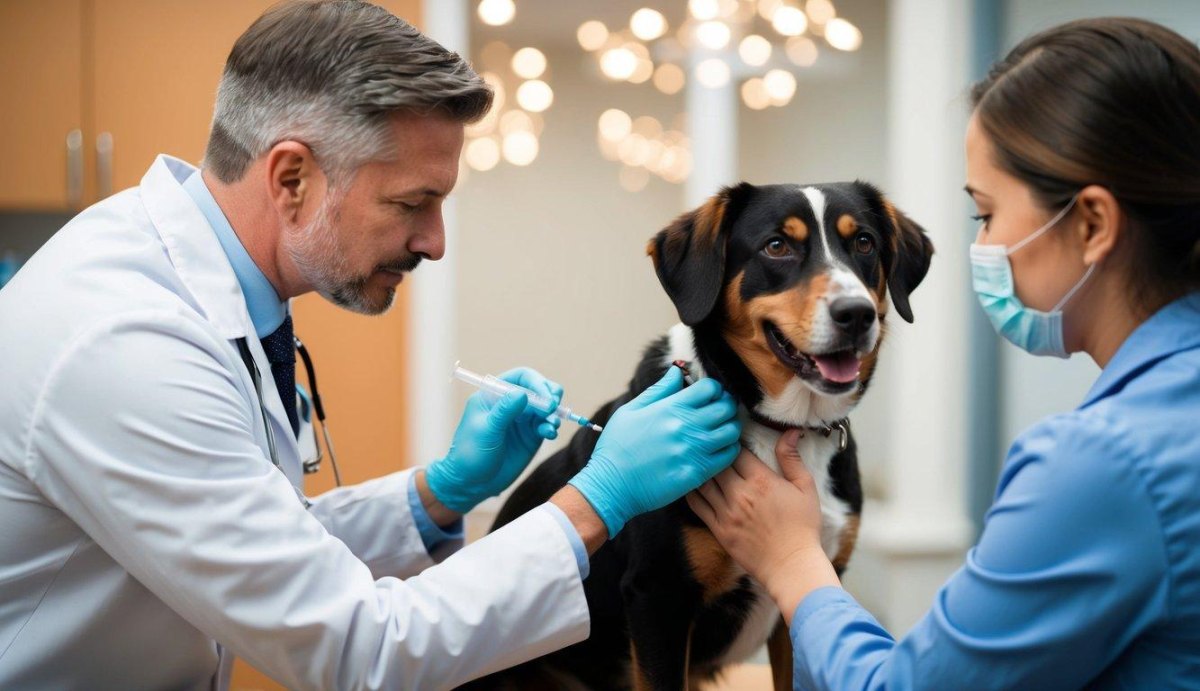
A dog park is a shared space, so health protection matters. I recommend owners discuss vaccinations and parasite prevention with their veterinarian. Preventive care protects your dog and the other dogs sharing the area.
Remember
Puppies and medically vulnerable dogs may need a different plan.
Bring Fresh Water and Avoid Overheating
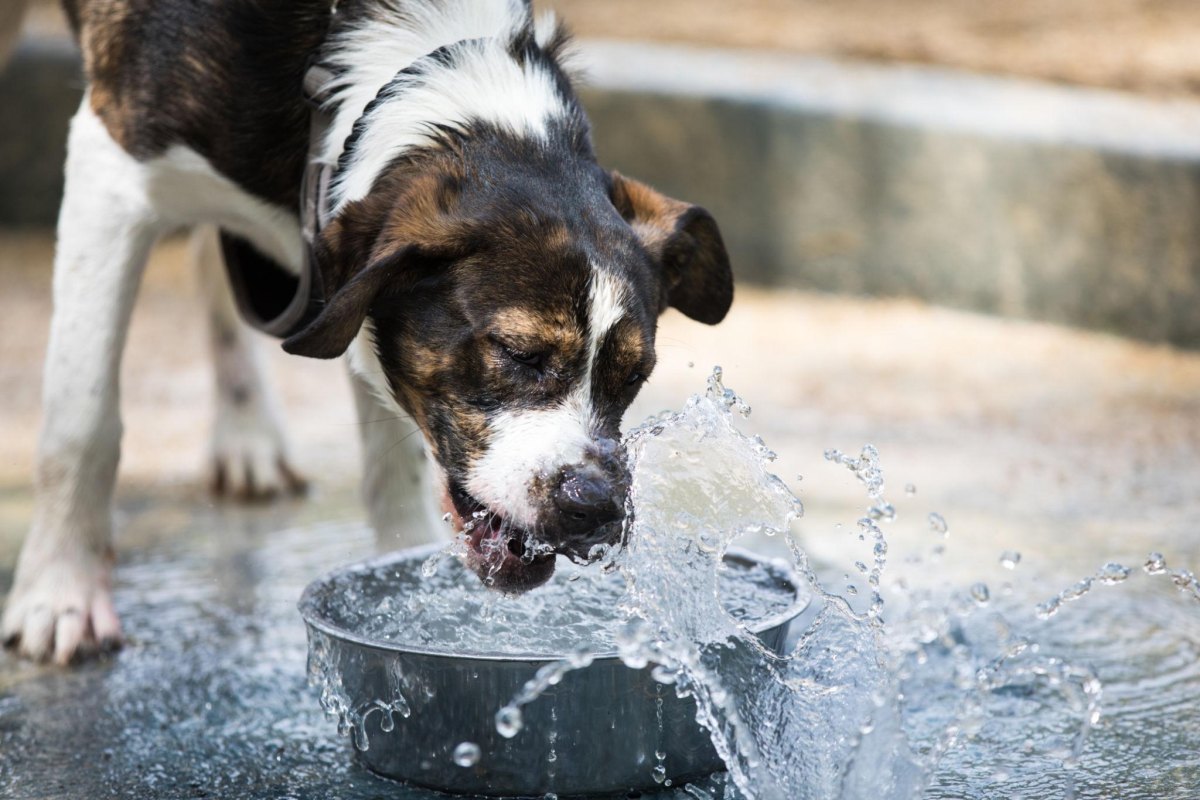
Running with friends is wonderful until a dog forgets they have limits. I bring water and watch for heavy panting, agitation, or difficulty settling. Heat prevention is much easier than treating an overheated dog.
1
Water source to plan before every active park visit
Prevent Resource Guarding Around Toys
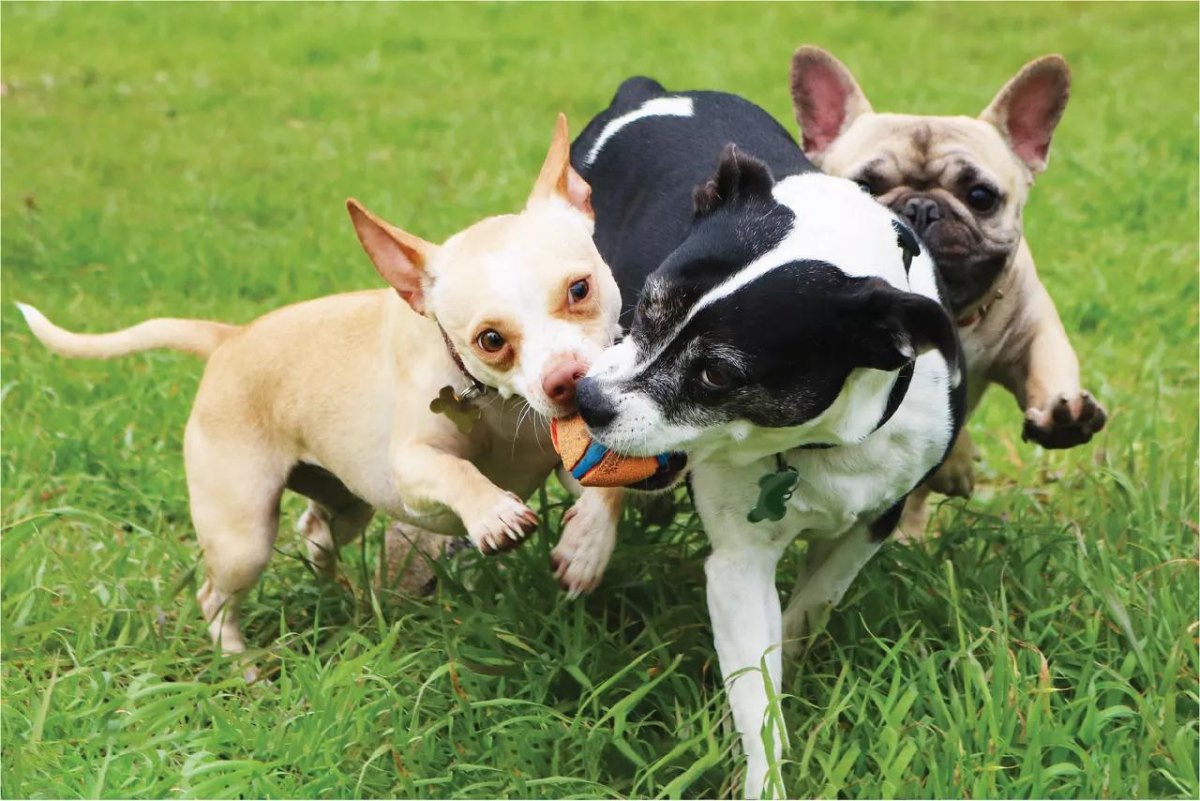
I rarely bring special toys into a crowded park. A ball that feels harmless at home can become valuable when ten dogs want it. Remove competition instead of waiting for conflict.
Helpful choices
- Bring simple enrichment.
- Watch interactions.
Avoid
- High-value toys in crowds.
- Ignoring guarding signals.
Avoid Crowded Areas During Busy Hours
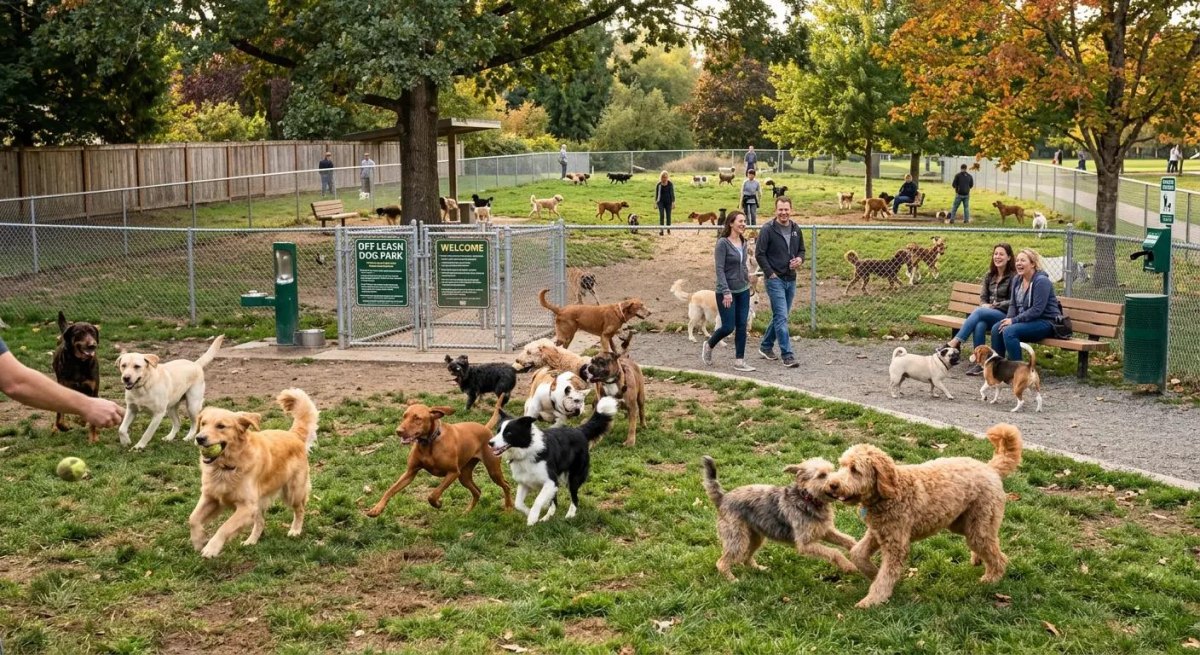
Some dogs love the Saturday afternoon crowd. Some dogs, like many I work with, find it overwhelming. I often suggest quieter times because fewer distractions make safer choices easier.
Supervise Playtime at All Times
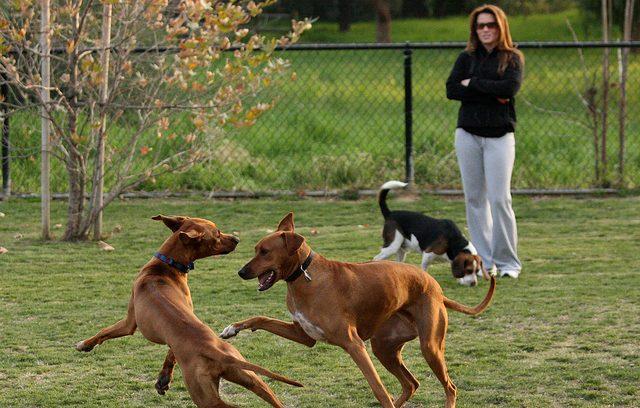
A coffee, a phone, and a dog park can be a tricky combination. I keep my attention on the dogs because problems often happen in seconds. Active supervision is the owner's job.
Warning
If you cannot watch the interaction, it is time for a break.
Know When to Interrupt Rough Play
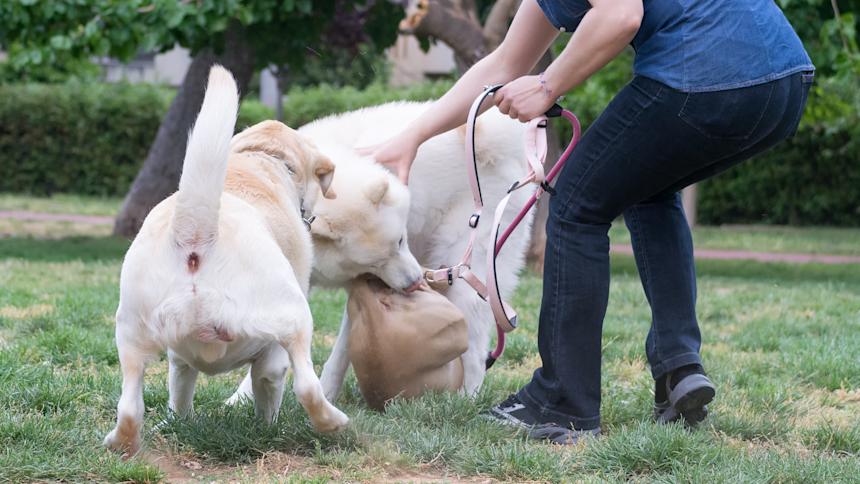
Good play has pauses and choices. I step in when one dog cannot escape, one dog keeps chasing, or the energy keeps rising. Early interruption prevents many scary moments.
Keep Small Dogs Safe Around Larger Dogs
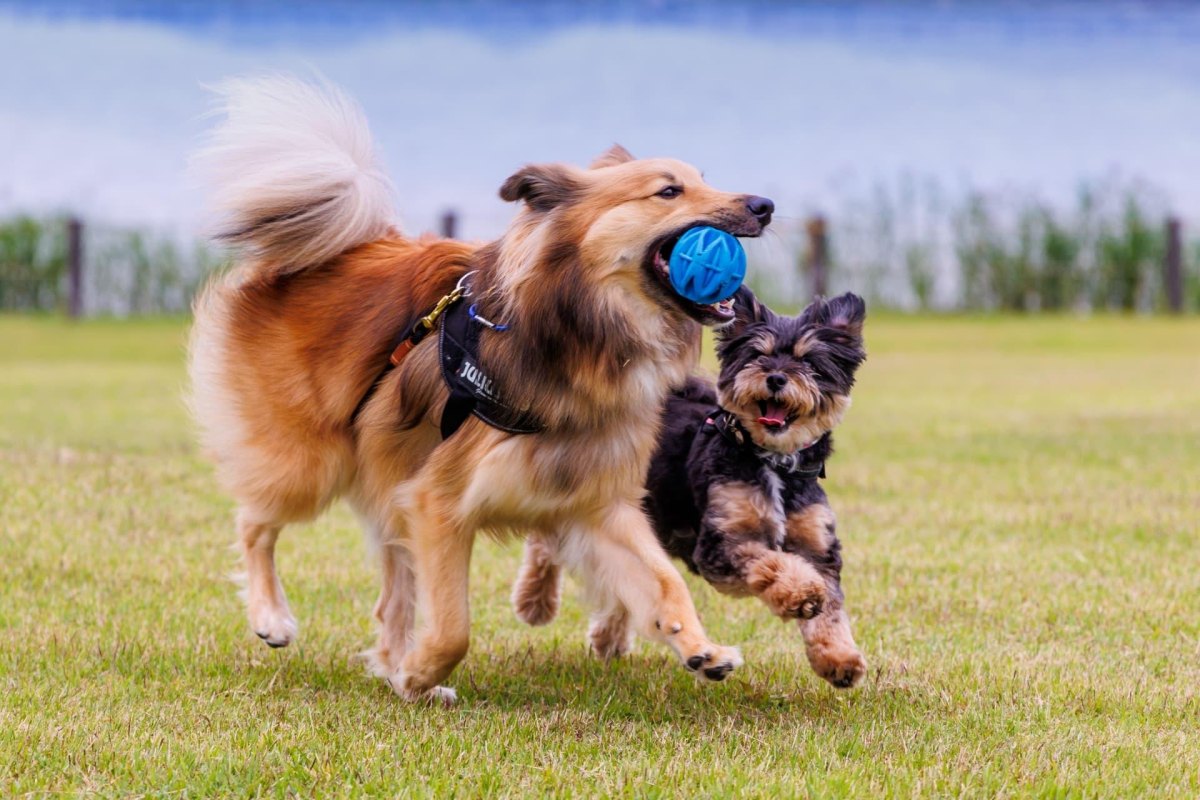
Size alone does not decide friendship, but size differences matter. A friendly large dog can still accidentally injure a small dog during fast play. Match the play style, not just the personality.
Clean Up After Your Dog
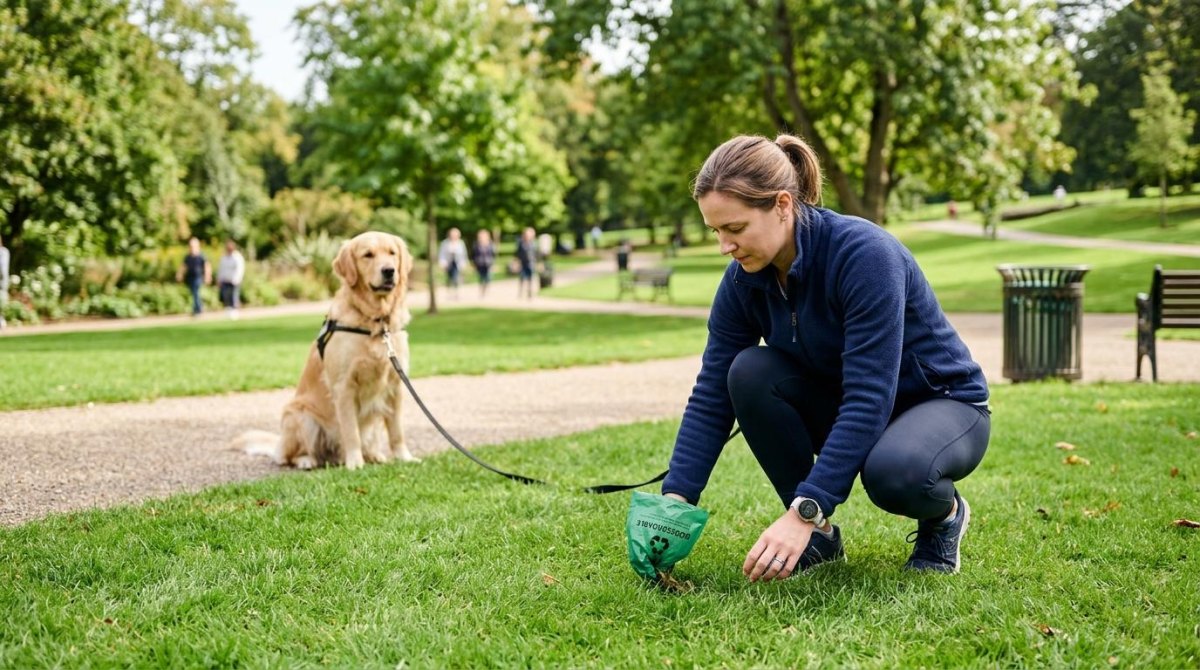
Picking up waste is basic courtesy, but it is also part of keeping shared spaces healthier. I keep bags attached to my leash because small habits protect the whole park community.
Prepare for Emergencies at the Dog Park
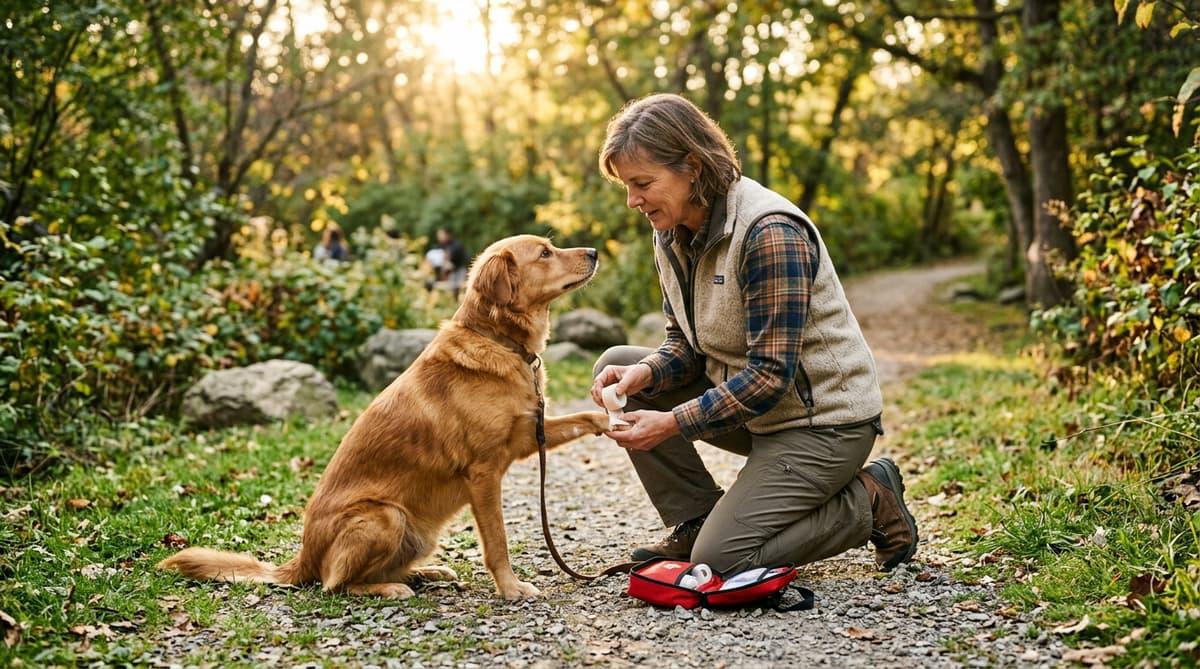
I hope I never need my emergency plan, but I keep one because hoping is not a safety strategy. Know where your leash is, where the exit is, and when a situation needs professional help. Safety planning protects dogs and people.
When to get extra help
Bites that break skin, serious aggression, or repeated dangerous incidents need an in-person certified professional and veterinary guidance.

More Pinterest Visuals