The dog trust fall trick looks like a party stunt, but the real skill underneath is clear communication and a dog who feels safe with your guidance. I would never start by asking a dog to throw their weight backward into my arms. That skips the important part: teaching the dog that each tiny movement earns trust.
I have worked with plenty of dogs who were brilliant learners but needed the environment slowed down first. Small training steps are what make a flashy trick reliable, and reward-based trick training is widely used because it makes learning enjoyable for both dogs and people.
Building Trust Before the Dog Trust Fall Trick
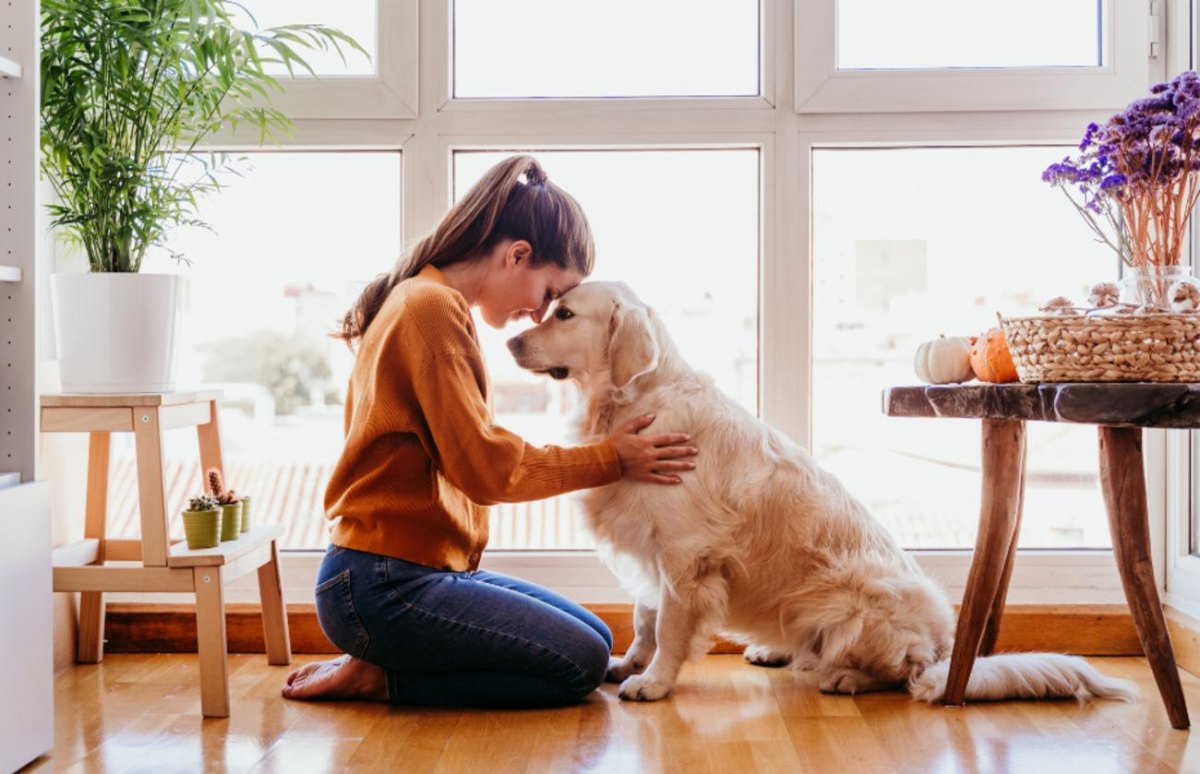
Before I teach any dog the trust fall trick, I look at the relationship already in place. A dog who willingly approaches, checks in with me, and relaxes around handling has a much stronger starting point. Trust comes first, because a frightened dog cannot learn well.
I also check the basics: sleep, stress, the training space, and body language. I am watching for a soft mouth, loose muscles, normal breathing, and a dog who chooses to participate. A freeze, tucked tail, tight mouth, or repeated lip licking tells me I need to make the exercise easier.
Before you begin
- Choose a quiet area with good footing.
- Use rewards your dog enjoys.
- Keep sessions short and successful.
Trainer tip
I would rather spend two weeks building confidence than rush one afternoon and create hesitation.
Teaching Your Dog to Lean Back Safely
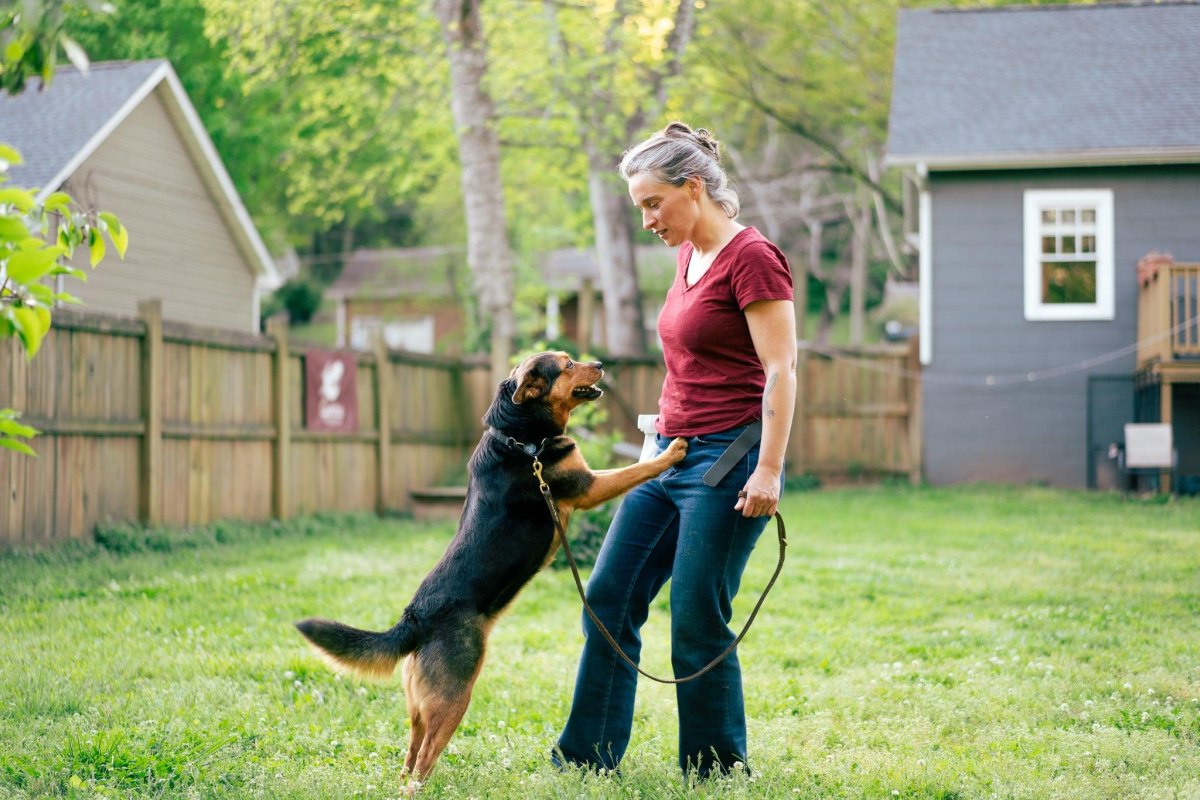
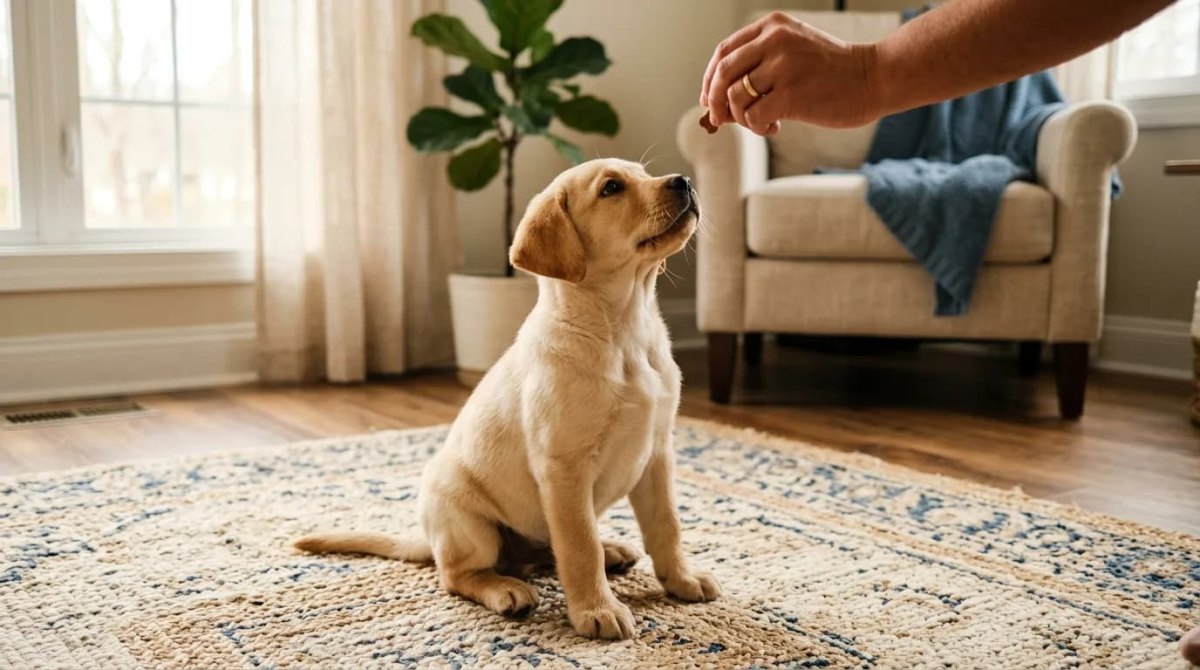
The lean-back portion is where many people move too quickly. I start by rewarding tiny weight shifts instead of expecting a dramatic movement. Reward the effort, not just the finished pose.
This trick has a difficulty label of advanced because it requires body awareness and confidence. I teach it in small pieces, similar to other trick training methods that break behaviours into manageable steps.
- Position. Ask your dog to stand comfortably on a non-slip surface.
- Capture. Reward a small backward weight shift.
- Build. Slowly increase the movement only when your dog remains relaxed.
- Add. Introduce a cue after the behaviour is predictable.
Safety note
Never pull your dog backward or force the movement. The dog should choose the action and feel in control.
Practicing the Trust Fall Catch Position
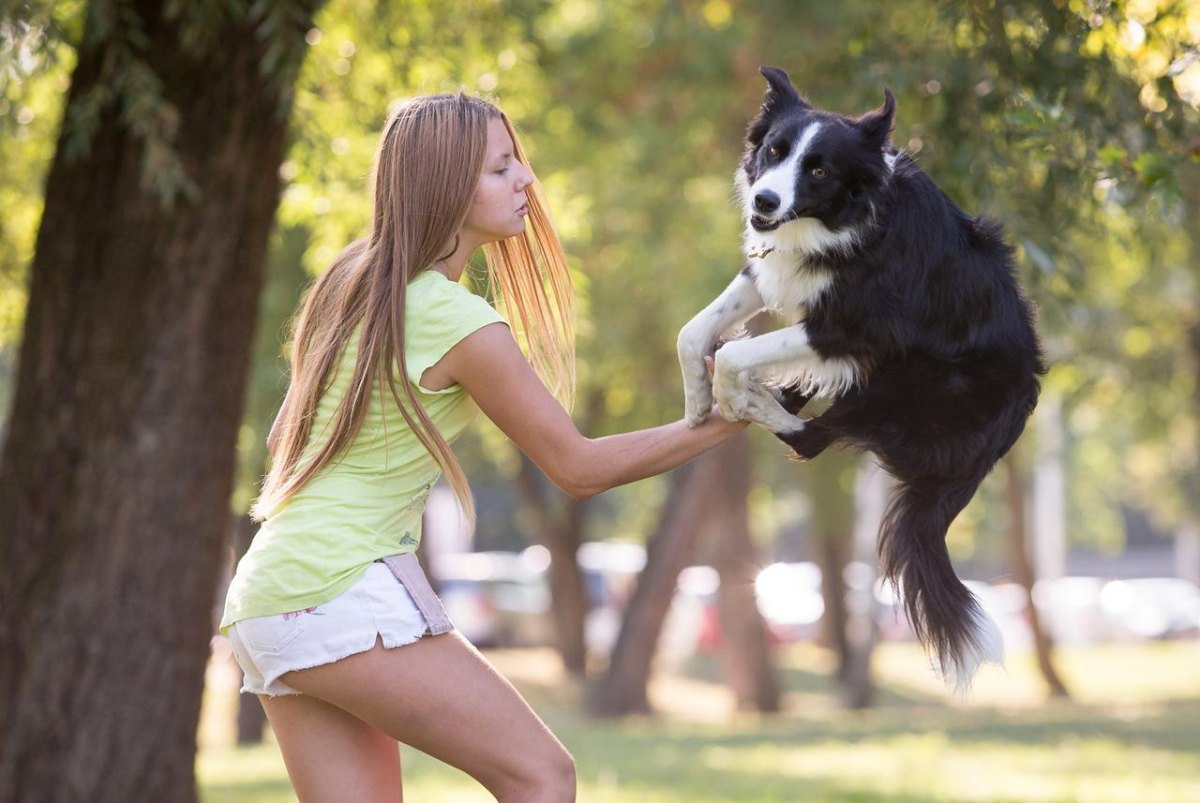
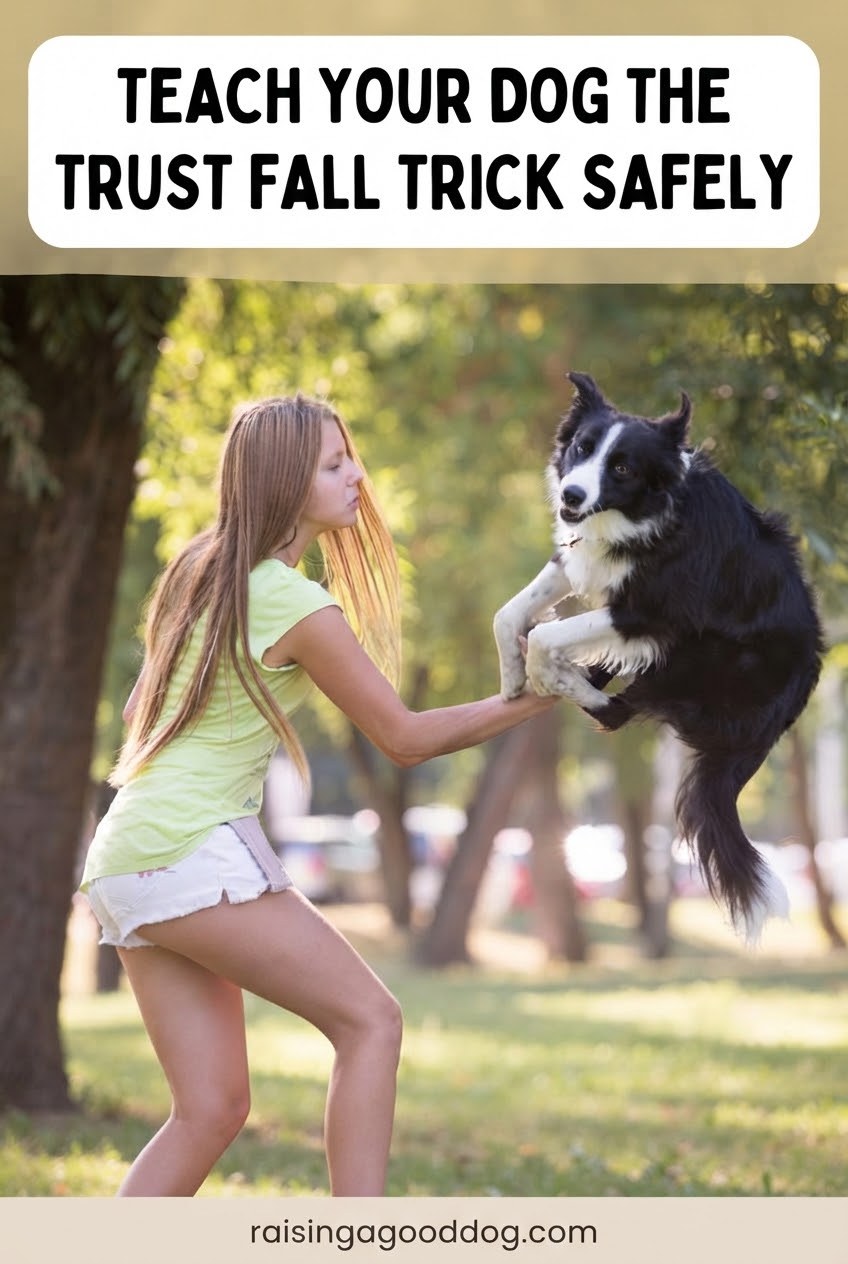
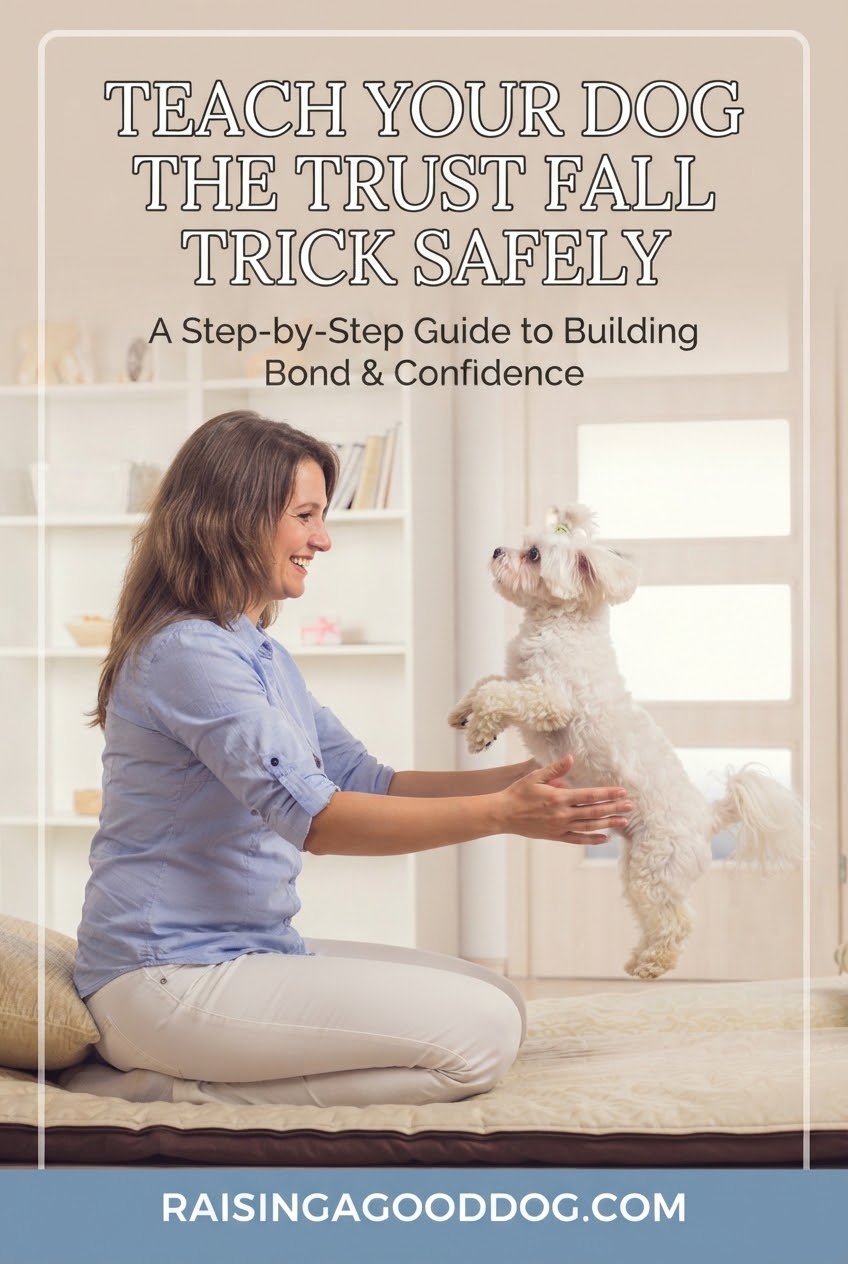
The catch is not the first lesson; it is the final piece. I practice the position without the fall, letting the dog learn where my arms and body are. Predictable handling prevents the surprise that makes many dogs step away.
I also make sure the dog has a reliable stand or wait behaviour before adding movement. Trick training works best when the dog understands the individual behaviours before they are combined.
| Stage | Goal |
|---|---|
| Preparation | Dog relaxes near your body position. |
| Practice | Dog shifts weight backward calmly. |
| Full trick | Dog leans into a controlled catch. |
The best trick sessions are built around communication, not forcing a performance.
Marisa Cole
Keeping the Dog Trust Fall Trick Safe and Fun
I keep this trick fun by ending before the dog is tired or frustrated. A dog that walks away happily is telling me I got the training balance right. Positive sessions matter more than showing off a finished trick.
My own Bruno is a good reminder that even skilled dogs have preferences. He has come a long way, but I still choose situations where he can succeed instead of asking him to perform everywhere.
- The floor has enough grip.
- The dog can stop at any point.
- Rewards are available during learning.
- The dog shows relaxed body language.
Benefits
- Builds teamwork and communication.
- Provides mental enrichment.
Challenges
- Not suitable for every dog's confidence level.
- Requires careful progression.
Advanced Variations of the Dog Trust Fall Trick
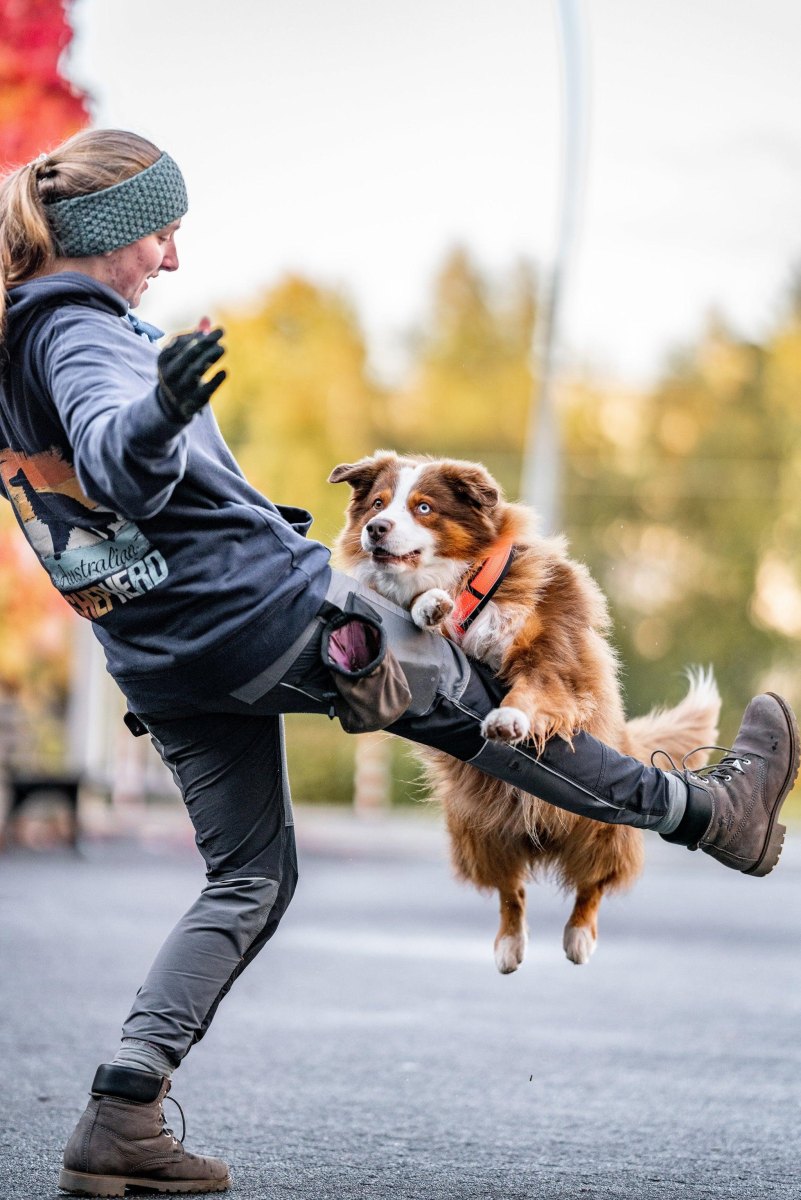
Once the basic trust fall is easy and your dog is choosing the behaviour confidently, I can add challenges. I might change the location, increase distance, or connect it with another known behaviour. Advanced variations should test communication, not courage.
Many dogs enjoy progressing into more complex trick chains, and programs like AKC Trick Dog recognize skills from simple behaviours through advanced routines.
- Position changes: Teach the dog to move into the setup from different angles.
- Distance work: Practice responding to cues with more space between you.
- Routine building: Combine familiar tricks into a short sequence.
Common mistake
Do not add difficulty because the trick looks impressive online. Add difficulty only when your dog is relaxed, confident, and ready.
More Pinterest Visuals