Is your adorable new furball actually a furry tornado disguised as a dog? One minute they are snoozing like a little angel, and the next they are hanging off your curtains by their baby teeth.
Most new owners think the secret to a chill puppy is walking them until their paws fall off. Spoiler alert: that just builds a marathon-running land shark with zero off-switch!
If you want a dog who can actually relax while you watch Netflix, you have to teach them how to do nothing. Ready to trade the evening zoomies for peaceful sighs?
Puppy Calmness at a Glance
- Physical exercise builds stamina, while mental and calm training builds an actual off-switch.
- Rewarding quiet moments silently teaches your puppy that chilling out pays big dividends.
- Licking, sniffing, and chewing trigger natural brain chemicals that help overstimulated puppies decompress.
1. The Art of "Capturing Calmness"
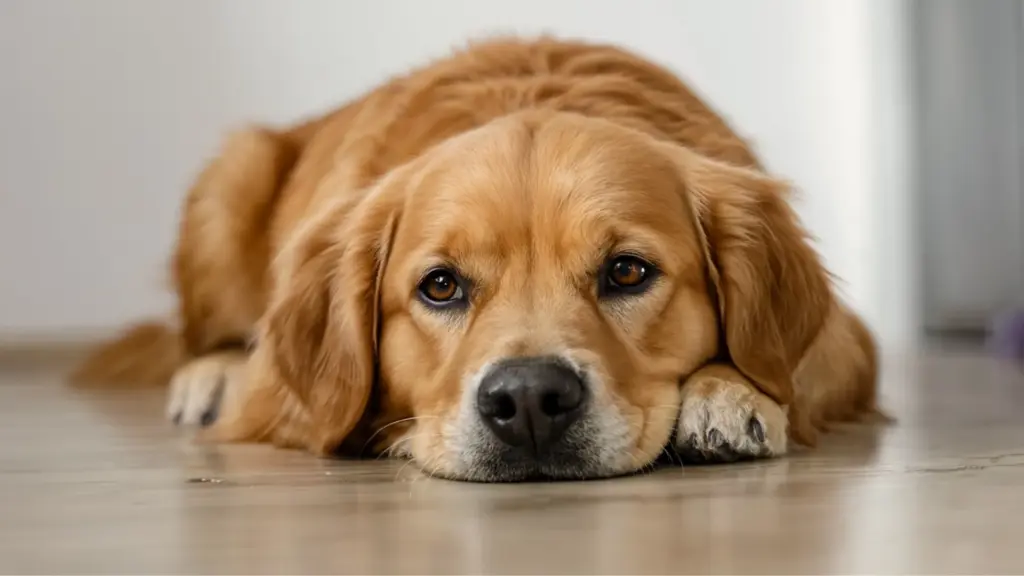
When was the last time you paid attention to your puppy while they were being completely quiet? Probably never, because we are all terrified of waking the sleeping beast!
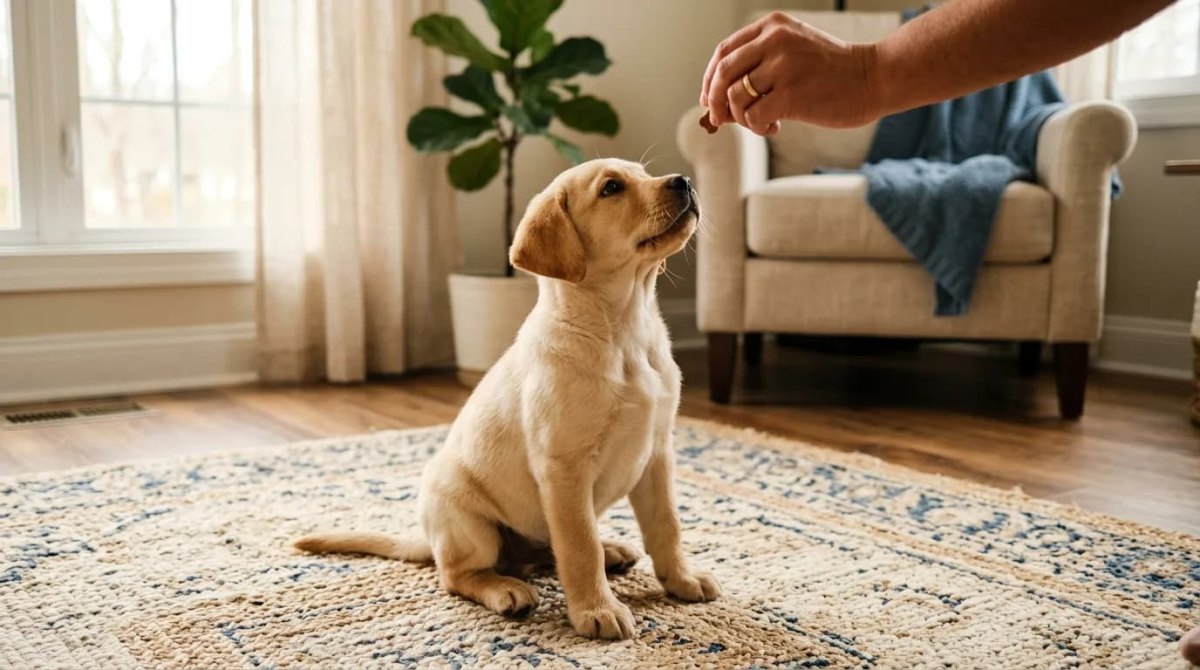
Famous trainer Emily Larlham (Kikopup) popularized a game-changing exercise called Capturing Calmness. Anytime your puppy chooses to lie down and chill on their own, you sneak over like a ninja and drop a piece of kibble right between their front paws.
Don't say good boy in a high-pitched voice or pet them excitedly, or they will pop right back up. Just drop the snack silently and walk away so they learn that relaxing makes food magically fall from the sky.
The Crinkle Trap
Keep your treats in a pocket or an open mug on the counter, because a crinkly plastic bag will turn a resting puppy into a pouncing piranha in half a second!
2. The "Place" or Mat Settle Game
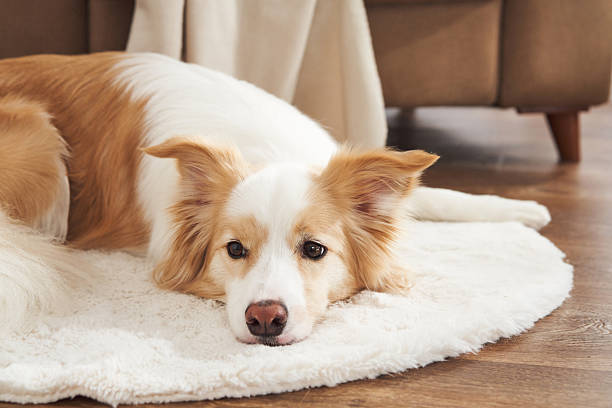
Ever wish you had a magic button that made your puppy lie down while you eat dinner in peace? A dedicated settle mat is the closest thing to wizardry you will ever find in dog training.
Grab a bath mat or towel and sit down in a boring room with a handful of low-value treats. Wait for your puppy to lie down on the mat, then calmly place a treat between their paws every few seconds.
Watch closely for the hip roll—when they shift their weight onto one hip, let out a big sigh, or rest their chin down. That is when their brain actually shifts from waiting for a cookie to genuine relaxation.
How to Master the Mat Settle
- Lay a small mat right next to your chair and tether your puppy on a short leash so they cannot wander off.
- Ignore any whining or jumping, and wait silently until they sit or lie down on the fabric.
- Deliver a tiny treat directly between their front paws without making eye contact or talking.
- Slowly count to five, then ten, between treats until your puppy rolls onto a hip and sighs.
3. Dr. Karen Overall's Relaxation Protocol
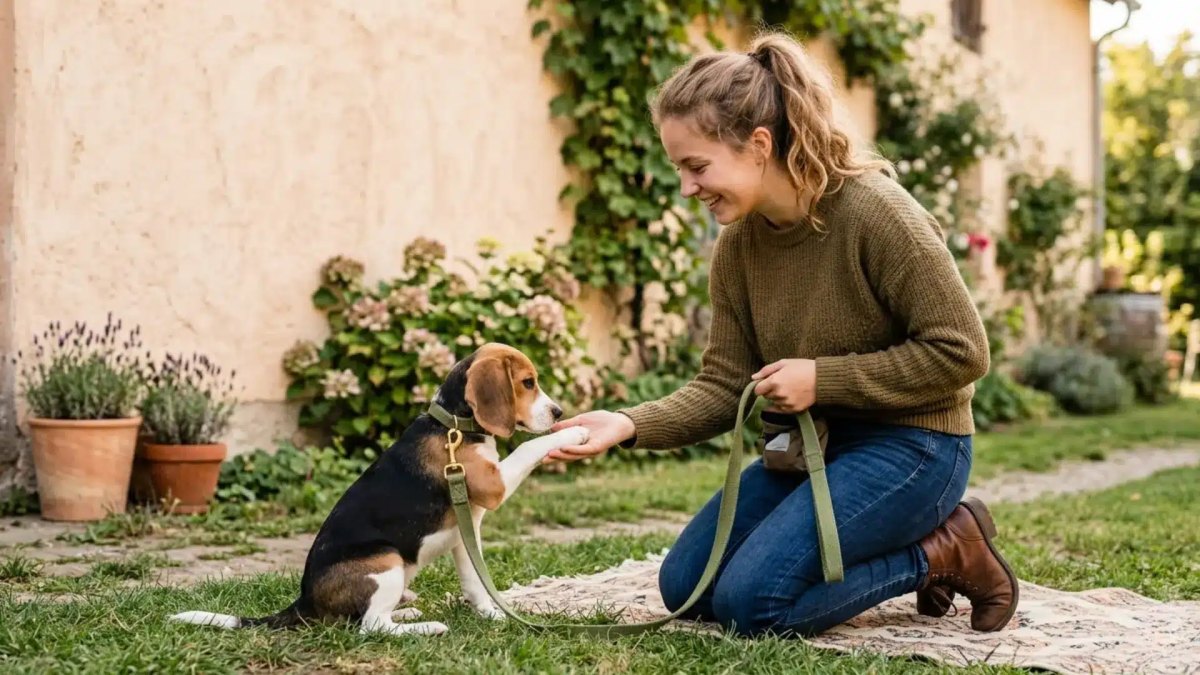
Once your puppy can chill on a mat while nothing is happening, what happens when the doorbell rings? Usually, all bets are off and chaos returns to the living room.
Veterinary behaviorist Dr. Karen Overall created a structured 15-day Relaxation Protocol that acts like active meditation for dogs. Instead of just holding a stiff stay for ten minutes, you do tiny, goofy tasks while your puppy watches calmly from their mat.
You might take two steps backward, clap your hands softly, or walk toward the door and return, rewarding them after every tiny distraction. It teaches your puppy emotional regulation so they don't lose their mind every time you stand up from the couch.
4. The "Do Nothing" Park Bench Drill
Does your puppy think every single person and dog on your walk exists purely to party with them? If you let them greet everyone they see, you are accidentally training them to go berserk on the leash.
Take a portable mat, a chew toy, and a pocket full of kibble to a quiet park bench or outdoor cafe. Sit down, step lightly on the leash so they have just enough slack to lie down, and read a book.
Every time your puppy looks at a passing jogger, squirrel, or stroller and chooses to look away or stay lying down, drop a treat. Watching the world go by without interacting is one of the best confidence-building exercises on the planet.
3 to 10 seconds
The exact reward interval you should use when your puppy first learns to settle in a new place.
5. Snuffle Mat Decompression
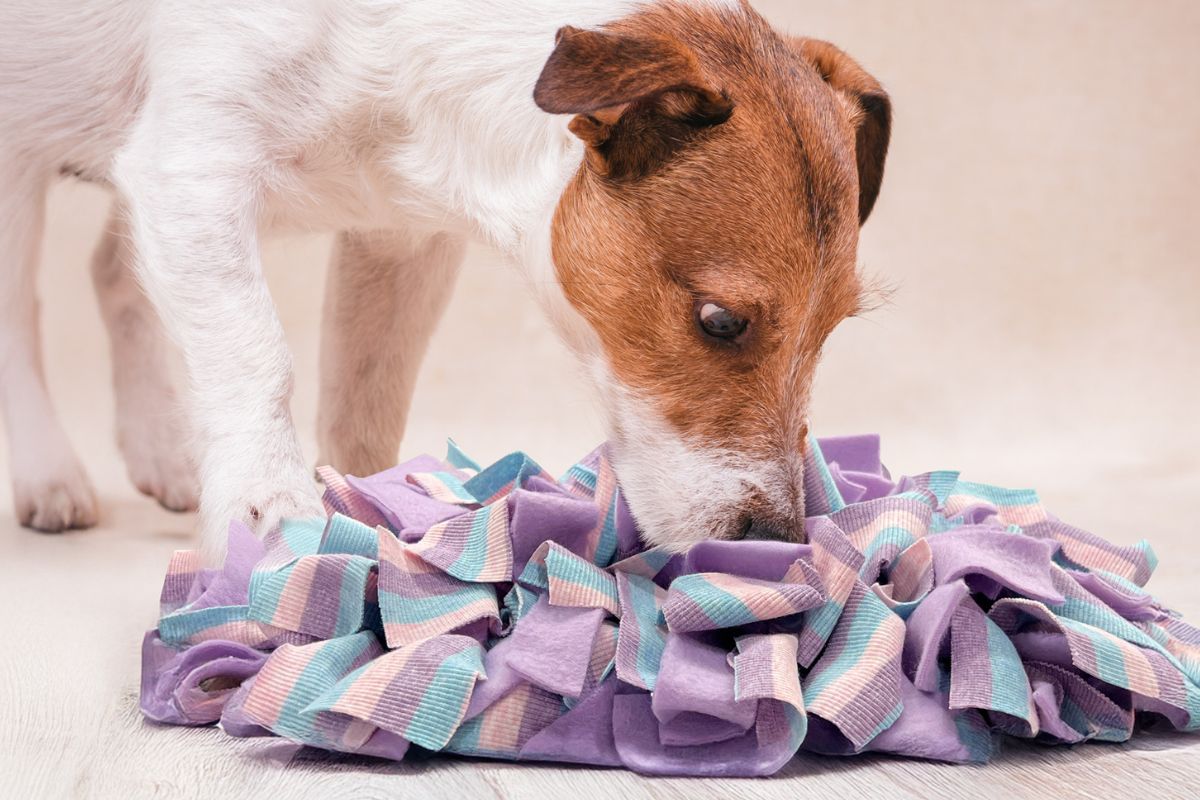
Have you ever noticed how tired your puppy gets after sniffing every single blade of grass on your block? Using their nose takes massive brainpower and naturally lowers a dog's heart rate and cortisol levels.
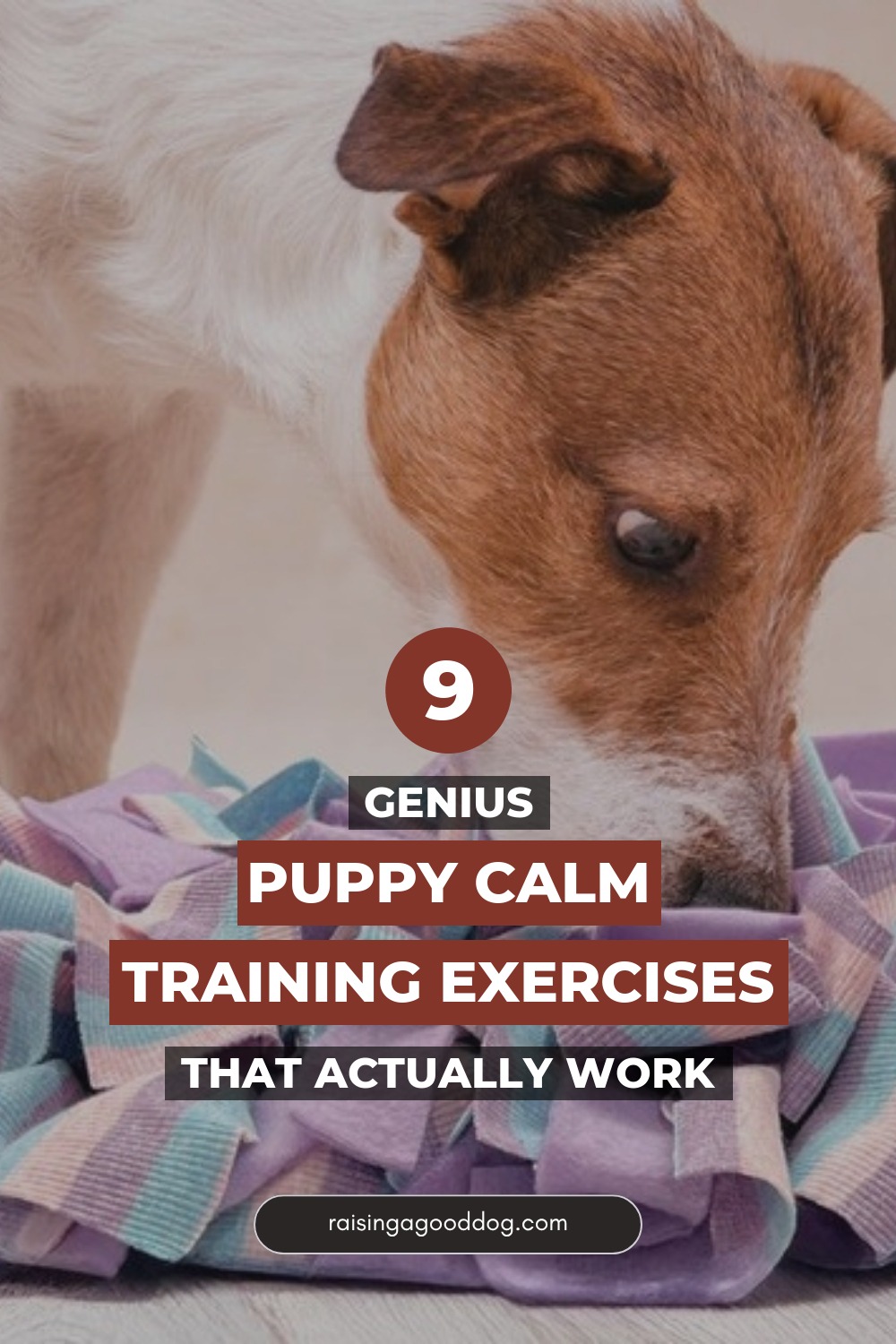
Ditch the food bowl and scatter your puppy's dinner inside a fleece snuffle mat or a rolled-up bath towel. When their head goes down and their nose starts working, their nervous system automatically shifts out of overdrive.
You can even play Find It by tossing a few pieces of kibble into the grass when your puppy gets overly nippy. Within two minutes of sniffing, the witching-hour demon usually melts back into a normal puppy.
6. LickiMat & Frozen Kong Zen Sessions
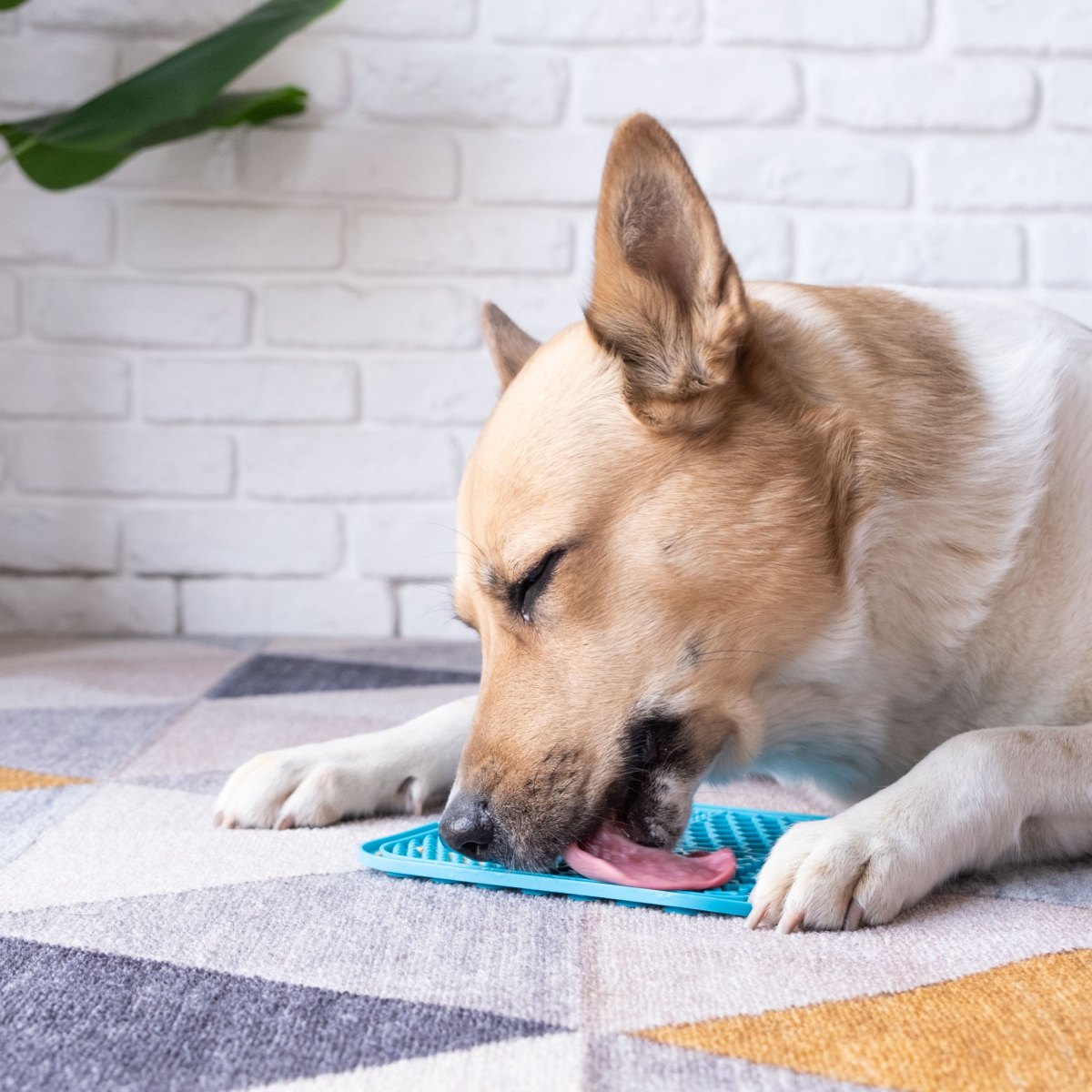
Why do puppies lick your hands or the couch cushions right before they fall asleep? Repetitive licking releases soothing endorphins in a dog's brain that act like a natural lullaby.
Smear a little xylitol-free peanut butter, plain Greek yogurt, or wet puppy food onto a textured silicone LickiMat and pop it in the freezer. Bring it out right when your puppy starts getting cranky or overstimulated in the evening.
Twenty minutes of focused licking satisfies their need to work for food while cooling down their frantic puppy brain. By the time the mat is clean, they will be ready to curl up for a real nap.
Active Calm Training
- Teaches long-term impulse control around real-world triggers.
- Strengthens your bond and communication without saying a word.
Passive Enrichment
- Requires your patience and timing for 5 to 10 minutes a day.
- Can backfire if you use super high-value treats that over-excite your pup.
7. Calm Handling and Tactile Massage
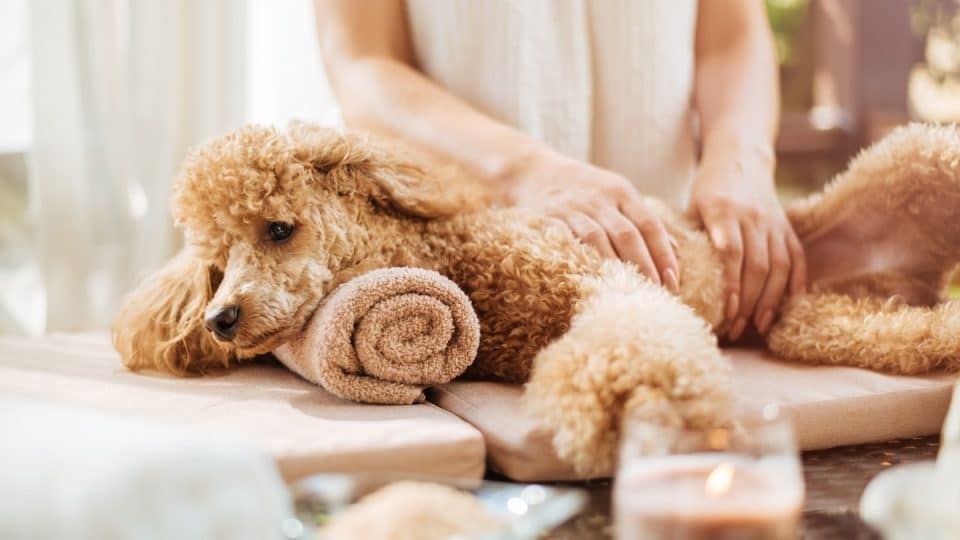
Does petting your puppy immediately trigger a game of "let's chew on the human's fingers"? Many puppies equate fast, vigorous belly rubs and head pats with wrestling time.
Wait until your puppy is already sleepy, then sit on the floor and practice slow, long, gentle strokes from their shoulders down their back. Hold their collar softly or touch one paw for two seconds, then calmly feed a tiny treat.
Slow massage and low-key handling teach your puppy that human touch is a cue to melt, not a cue to bite. Plus, your vet and groomer will love you forever when your dog stays chill on the exam table!
8. The "It's Your Choice" Impulse Control Game
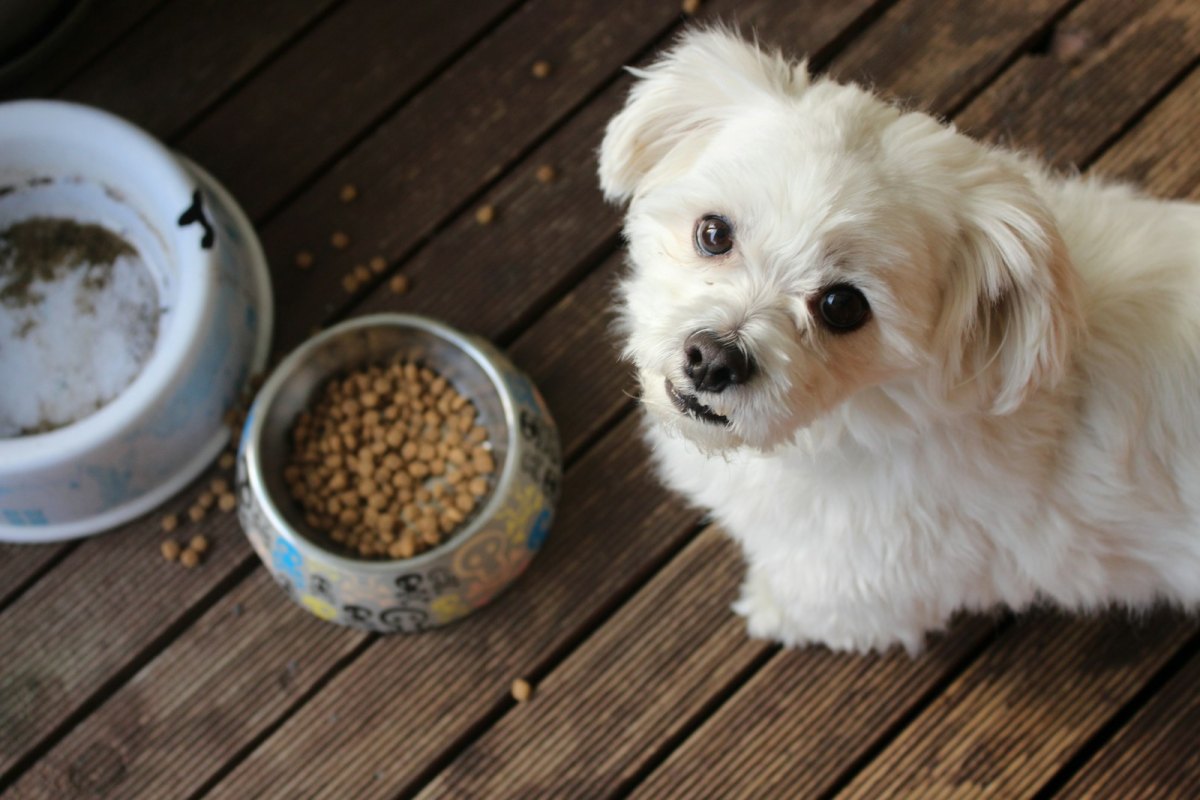
Puppies are born thinking the quickest way to get what they want is to lunge, paw, and bark at it. Teaching them that patience unlocks the prize is a massive milestone for a peaceful household.
Hold a few pieces of kibble in your closed fist and let your puppy sniff, lick, or paw at your hand without saying a word. The exact microsecond they pull their nose back—even by an inch—open your hand and give them a treat with your other hand!
Once they master the closed fist, you can practice lowering their dinner bowl toward the floor. If they pop up out of their sit, the bowl lifts right back up; if they stay calm, dinner lands on the floor!
9. Enforced Nap Schedules & Crate Decompression
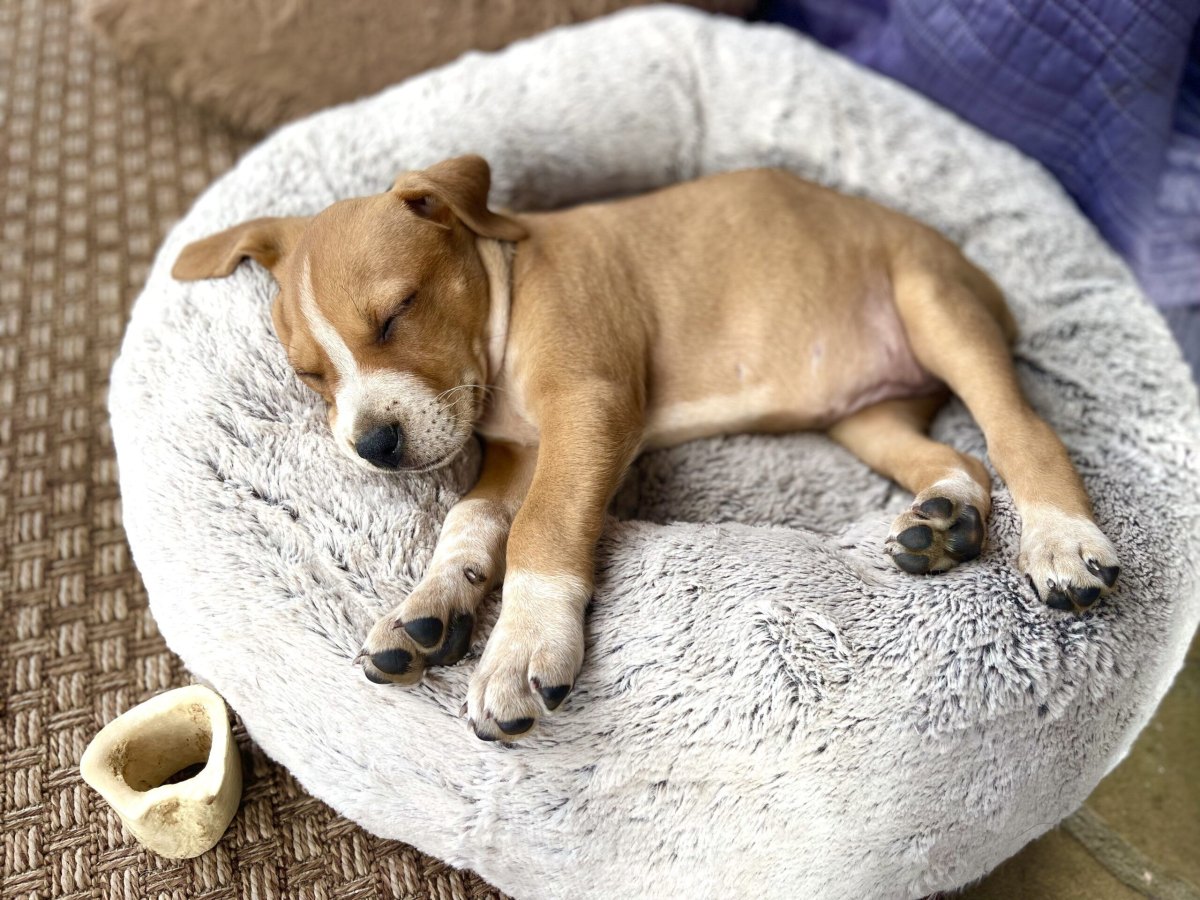
Here is the biggest plot twist of puppyhood: when your puppy goes completely feral at 7 PM, they aren't under-exercised—they are exhausted! Just like overtired toddlers throwing a tantrum in a grocery store, puppies do not know how to put themselves to bed.
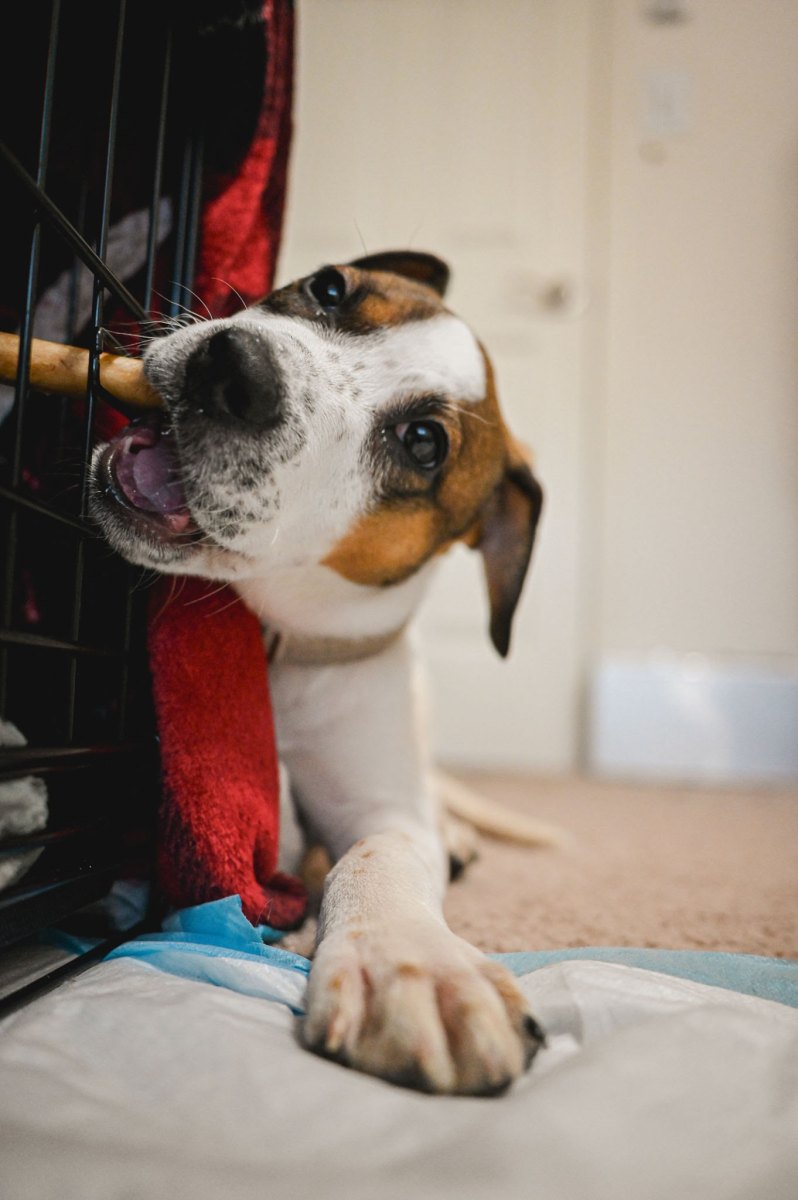
Growing puppies need a whopping 18 to 20 hours of sleep every single day. For every one hour your puppy is awake playing, training, and sniffing, guide them into their crate or playpen with a safe chew for a two-hour nap.
Never use the crate as a punishment when you are frustrated. Make it a cozy spa retreat with a covered blanket and white noise so your puppy learns to love their quiet downtime.
How long should puppy calm training sessions last?
Keep structured exercises like the mat settle or Relaxation Protocol super short—around 3 to 5 minutes at a time—so your puppy finishes feeling relaxed rather than frustrated.
Why does my puppy get hyper when I give them a treat for being calm?
Your treats might be too exciting, or your delivery is too enthusiastic; switch to plain kibble and place it silently between their front paws without making eye contact.
Should I tire my puppy out with a long run before calm training?
A brief potty break and a 10-minute sniff walk or tug session takes the edge off nicely, but exhausting your puppy too much will actually flood them with adrenaline and make settling harder.
More Pinterest Visuals