When a dog panics after you leave, I start with the question I ask in every behaviour case: what is the dog experiencing, not what is the dog doing? Separation anxiety is not spite or stubbornness; it is a distress response that needs a careful plan. I have seen owners arrive exhausted after trying to fix the problem by pushing through it, and the first change is usually making alone time feel safer.
I focus on small wins, realistic timelines, and preventing repeated panic while we train. This is usually a weeks-to-months process, not a weekend project, and that slower pace is often what finally helps. calm progress beats a rushed plan every time.
Create a Gradual Alone-Time Training Routine
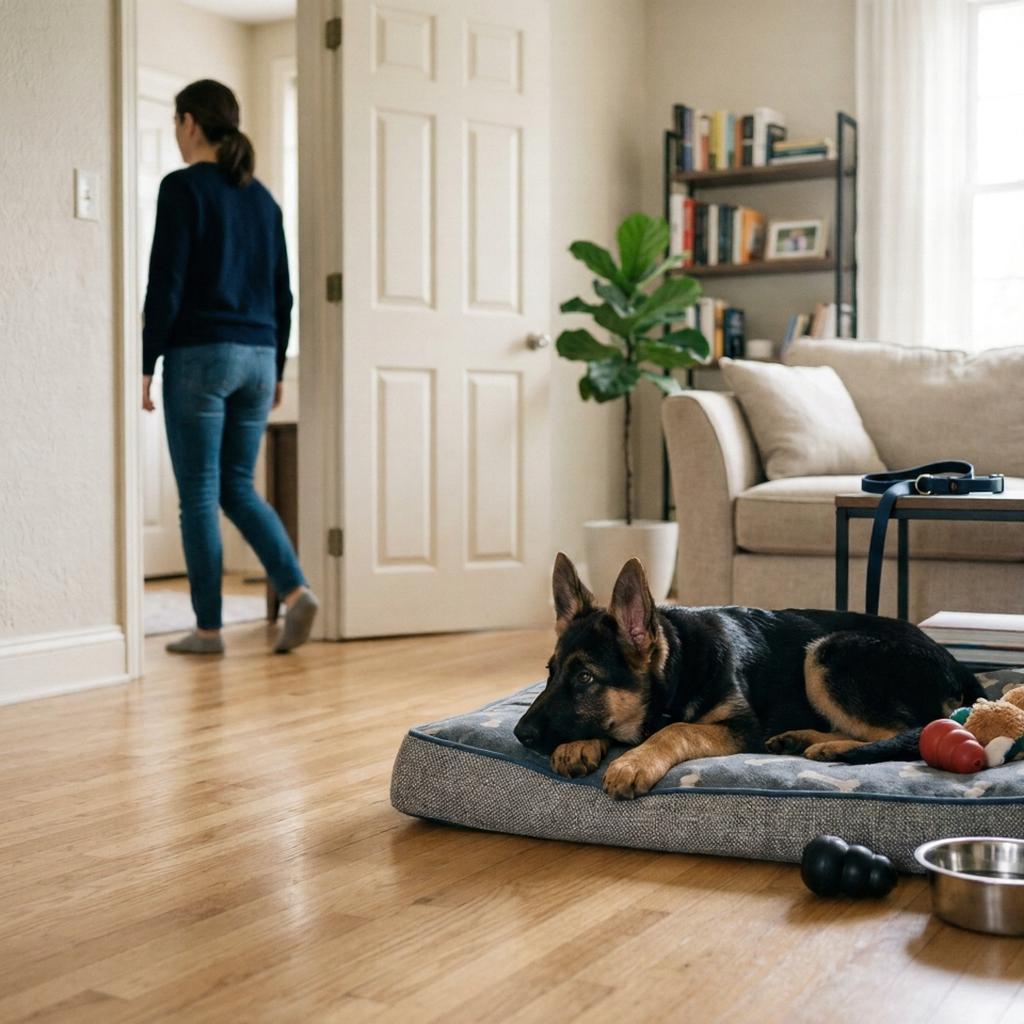
My starting point
- Begin below your dog's panic threshold.
- Increase alone time only while your dog stays relaxed.
- Use a camera or notes to see what happens after you leave.
I rarely begin by asking a dog to handle a full workday alone. I start with gradual absence practice, sometimes measured in seconds, because the goal is to prevent the fear response from taking over. Systematic desensitisation and counterconditioning are commonly used foundations for separation-related behaviour plans.
- Choose. Find an absence length where your dog remains relaxed.
- Repeat. Practice short departures and return before distress begins.
- Increase. Add time slowly and step back after setbacks.
With Bruno, I learned that rushing the clock only creates a bigger hole to climb out of. A setback is information, not failure. the next easier step is usually where the progress is hiding.
Build a Safe and Comfortable Space for Your Dog
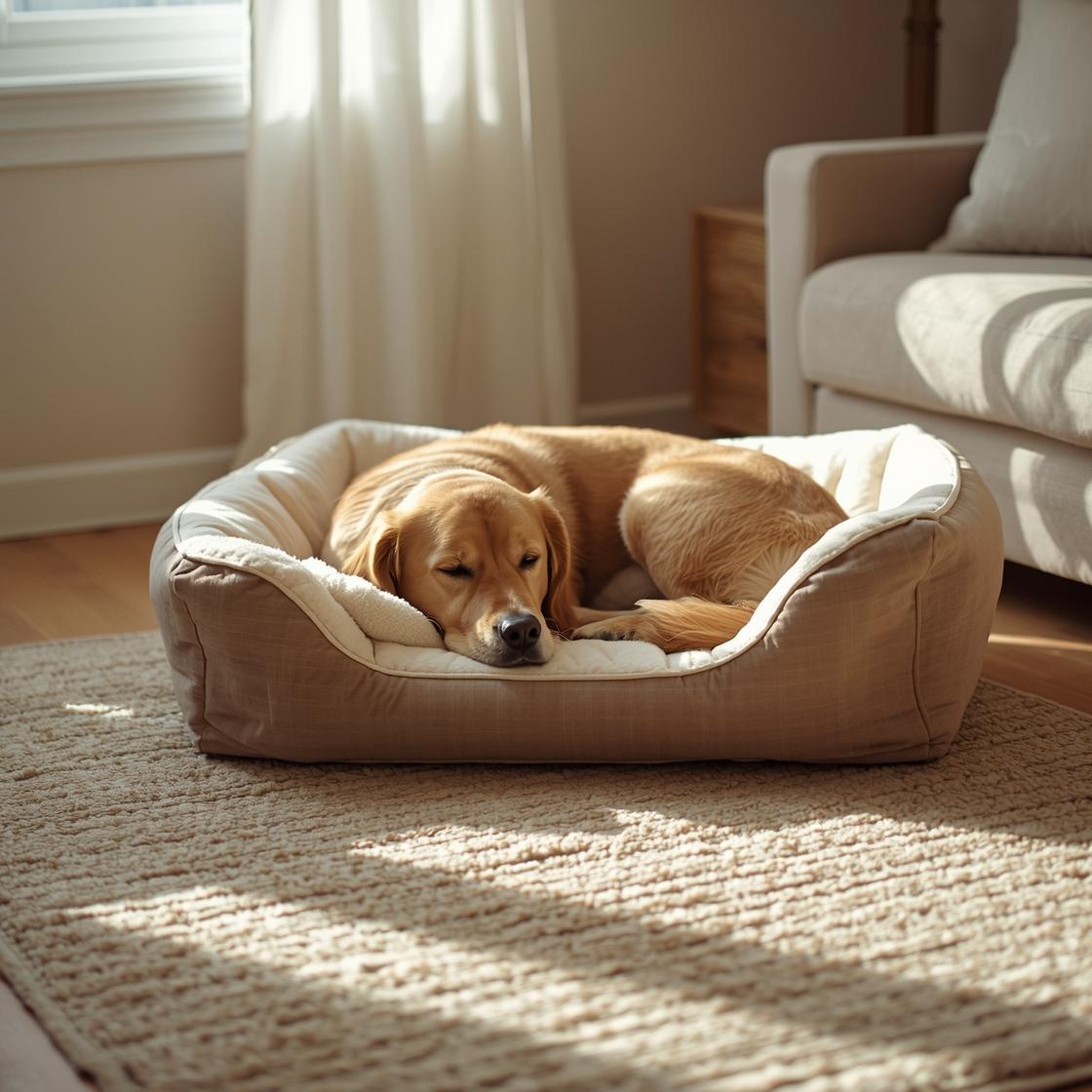
Before I train alone time, I make sure the environment is helping rather than adding pressure. A safe space should be somewhere your dog already chooses to relax, not a place where they are sent after becoming upset. comfort before confinement is my rule.
- A comfortable resting area your dog enjoys using.
- Dog-proofed surroundings that prevent unnecessary stress.
- Enrichment options your dog can safely enjoy alone.
- A setup that does not force a fearful dog into a crate or small area.
Trainer tip
I want the space to predict relaxation, not the moment the door closes and the human disappears.
I have met dogs who loved crates and dogs who became more distressed when confined. The right choice depends on the individual dog and their body language. watch the whole dog, including breathing, posture, and attempts to escape.
Use Positive Reinforcement to Reward Calm Behavior
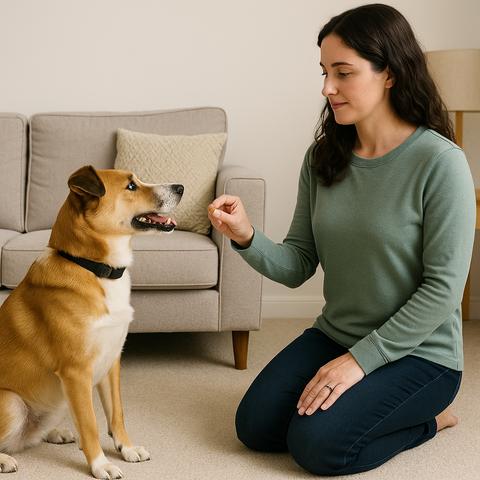
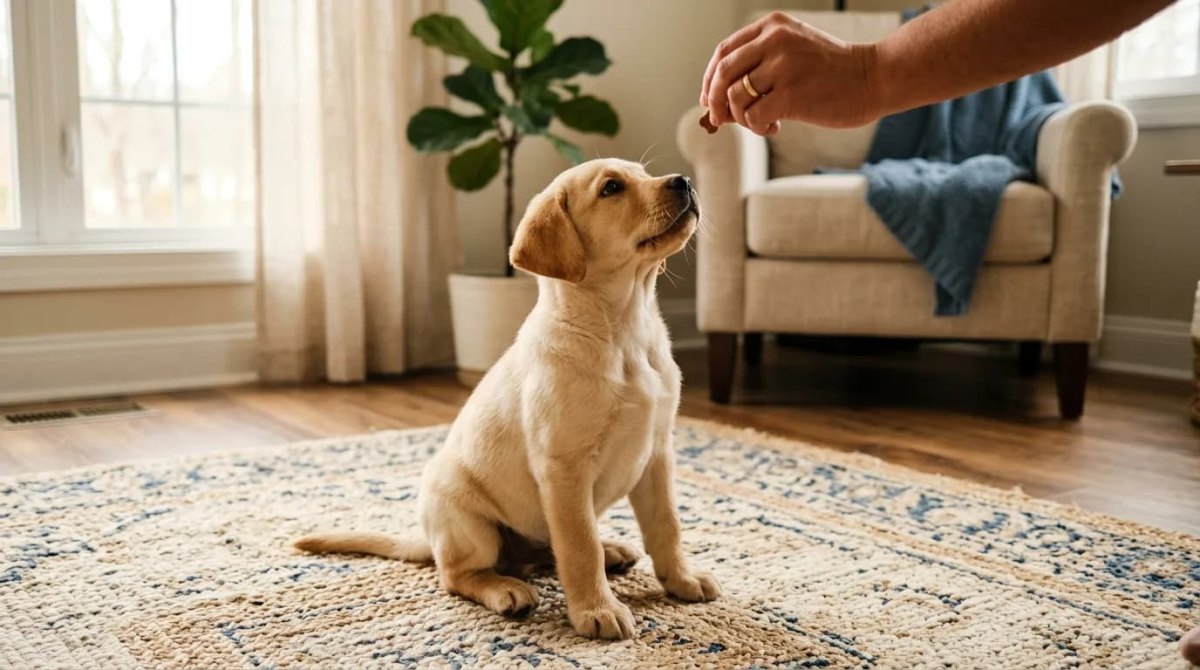
One of the most important things I teach clients is that calm is a behaviour worth noticing. We are not waiting for a perfect dog; we are catching tiny moments of relaxation and building from there. reward relaxed choices instead of only reacting when something goes wrong.
- Relaxed body: reward soft eyes, normal breathing, and a settled posture.
- Quiet independence: reinforce moments when your dog rests without following you.
- Early stress signs: pause training when you see pacing, freezing, or escalating tension.
Reward-based training helps
- Builds positive associations.
- Supports trust between dog and owner.
Avoid these mistakes
- Punishing panic behaviours.
- Expecting instant emotional change.
I spent years in veterinary practice watching scared dogs tell us they were overwhelmed long before anyone listened. body language matters because it gives us a chance to help before the panic arrives.
Establish Consistent Daily Exercise and Mental Stimulation
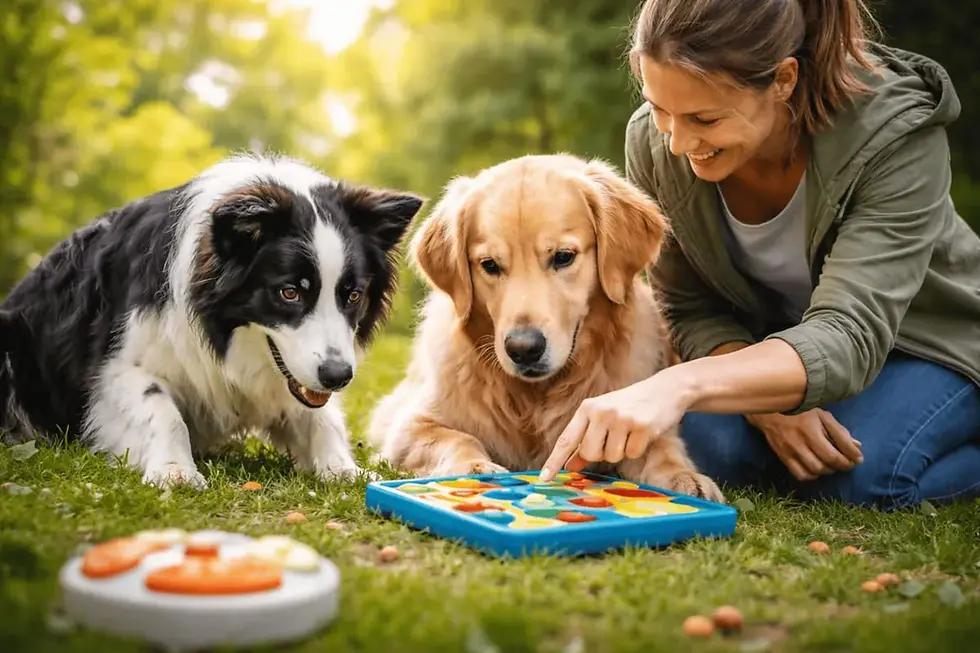
Exercise will not cure separation anxiety by itself, and I am careful about promising that. A tired dog can still be an anxious dog. But meeting a dog's physical and mental needs gives the nervous system a better foundation for learning. daily enrichment matters when we are building resilience.
| Activity | Why I use it |
|---|---|
| Sniff walks | Encourage natural exploration and decompression. |
| Food puzzles | Provide appropriate independent activity. |
| Training games | Build confidence and focus. |
I often tell clients to think beyond just tiring a dog out. The goal is a dog who can settle, not a dog who is physically exhausted and still worried when the door closes. calm skills deserve practice too.
Practice Calm Departures and Arrivals
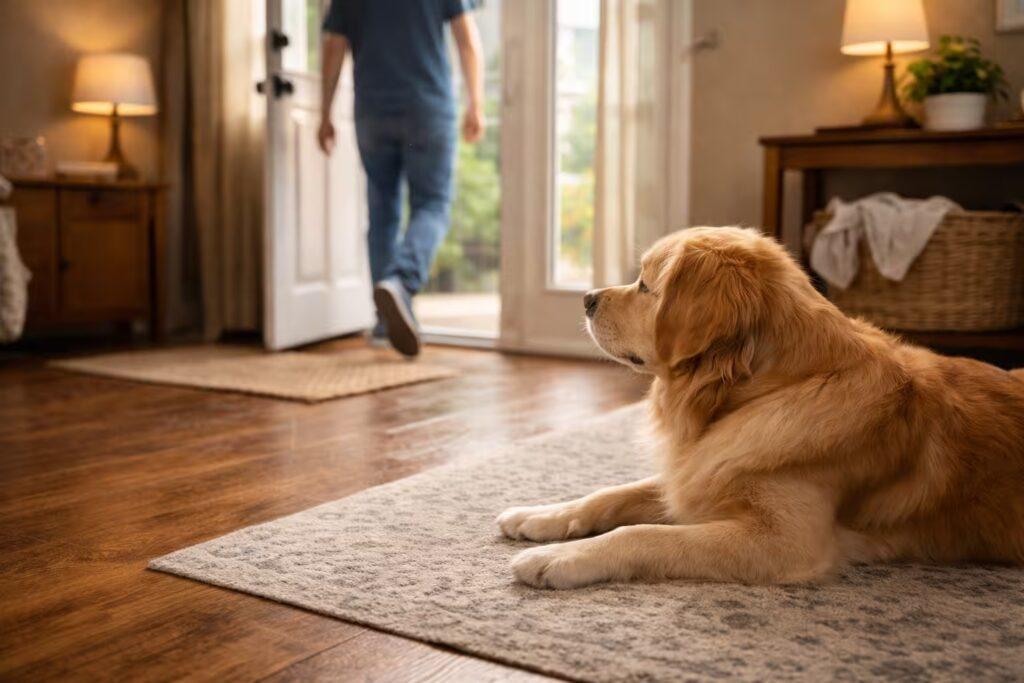
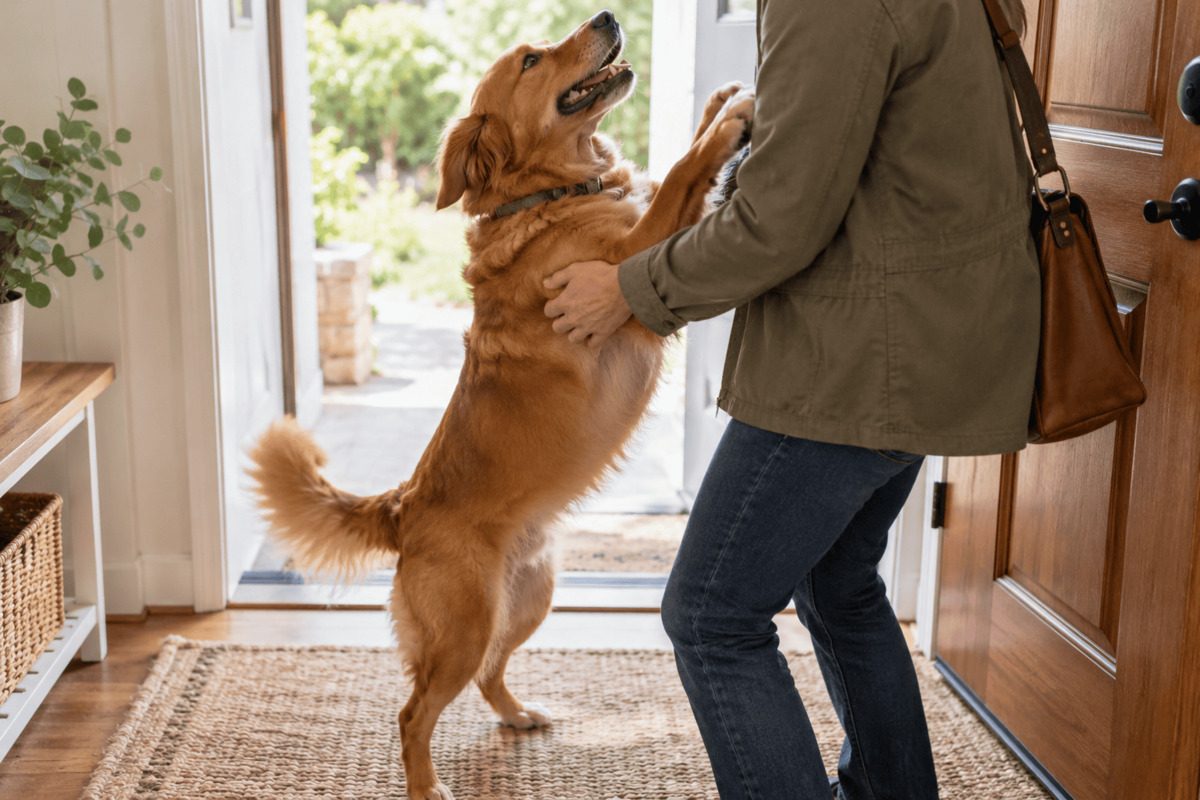
The doorway is often where emotions explode. I work on making departures and returns boring in the best possible way. Big emotional goodbyes can accidentally make the leaving event feel even more significant. quiet routines help dogs understand that leaving is temporary.
- Reduce. Tone down dramatic departure rituals.
- Practice. Pick up keys, put on shoes, and move around without always leaving.
- Return. Greet calmly and allow excitement to settle.
A common mistake
Do not use “cry it out” for a dog experiencing true separation anxiety. Repeated panic rehearsals make the training job harder.
I look for small signs that a dog is coping: softer muscles, normal breathing, choosing a resting spot. calm arrivals are part of teaching the entire picture, not just the moment you leave.
Consider Professional Support for Severe Separation Anxiety
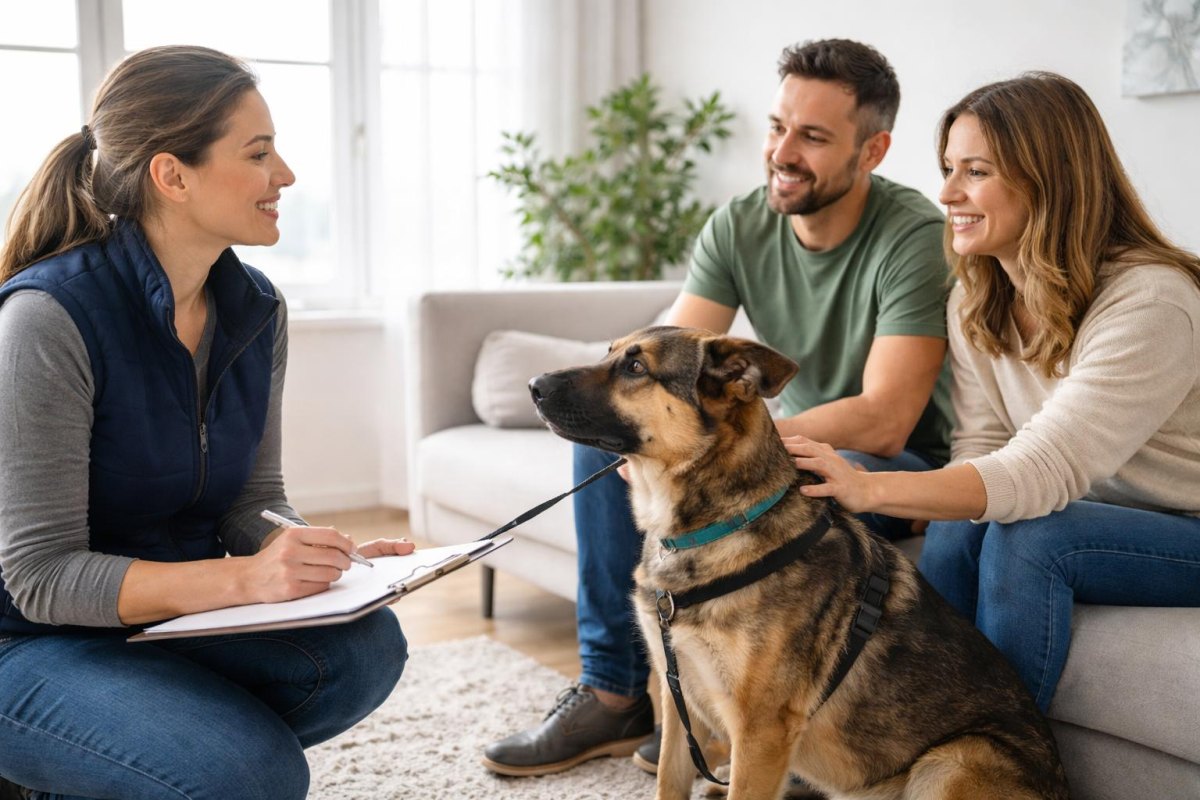
Some cases are beyond what a blog post can solve. If a dog is panicking, injuring themselves trying to escape, or unable to make progress despite careful training, I recommend bringing in qualified help. professional guidance matters when the dog's welfare is at stake.
When I refer out
I suggest working with a certified professional and involving a veterinarian or veterinary behaviourist when anxiety is severe, sudden behaviour changes appear, or medical causes need to be ruled out.
- Sudden changes in behaviour should be discussed with a vet.
- Self-injury or escape attempts need prompt attention.
- Serious distress deserves a tailored plan.
I am always happier when someone asks for help early rather than waiting until everyone in the house is exhausted. The goal is not a dog who never notices you leave; it is a dog who can feel safe while you are gone. a manageable routine is the win we are building toward.
More Pinterest Visuals