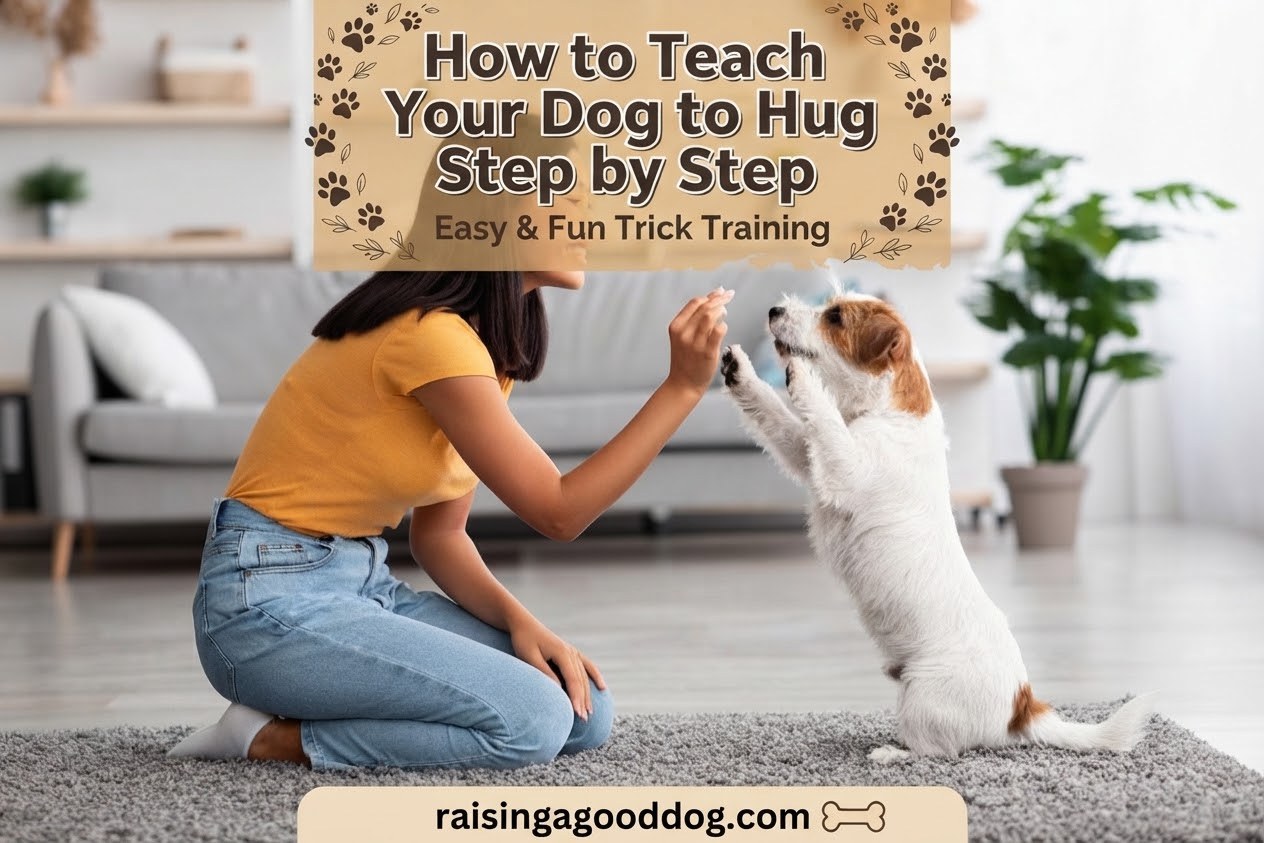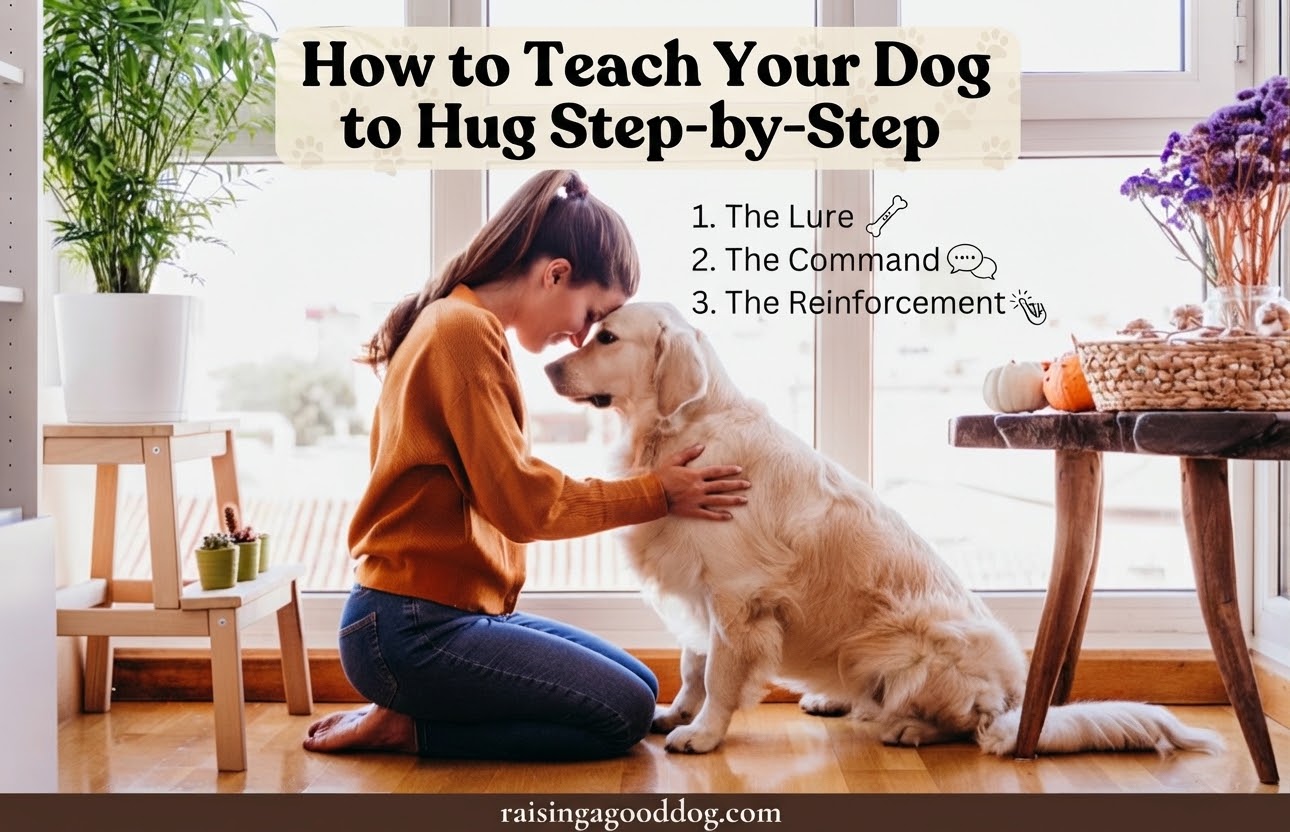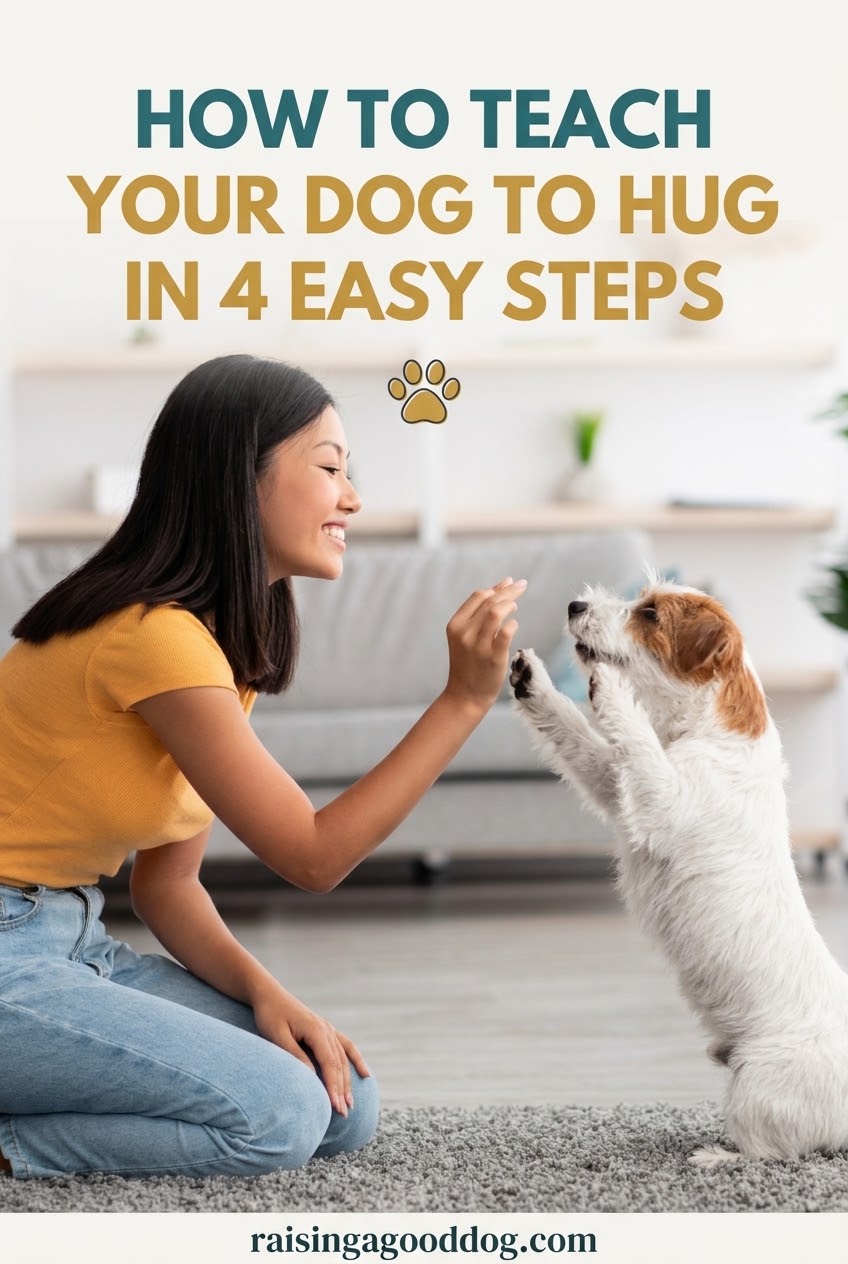
A dog hug is one of those tricks that makes people smile, but I start by remembering that not every dog enjoys close contact. My goal is a comfortable voluntary behavior, not a photo opportunity that puts pressure on a dog. I teach this trick slowly, watching the dog's choices and building confidence one tiny step at a time.
With Bruno, I learned that the cutest behaviors are the ones a dog understands. A reliable hug takes patience, rewards, and a dog who feels safe enough to participate. Shaping complex behaviors into smaller pieces is a common reward-based training approach.
Start With Teaching Your Dog the Hug Position
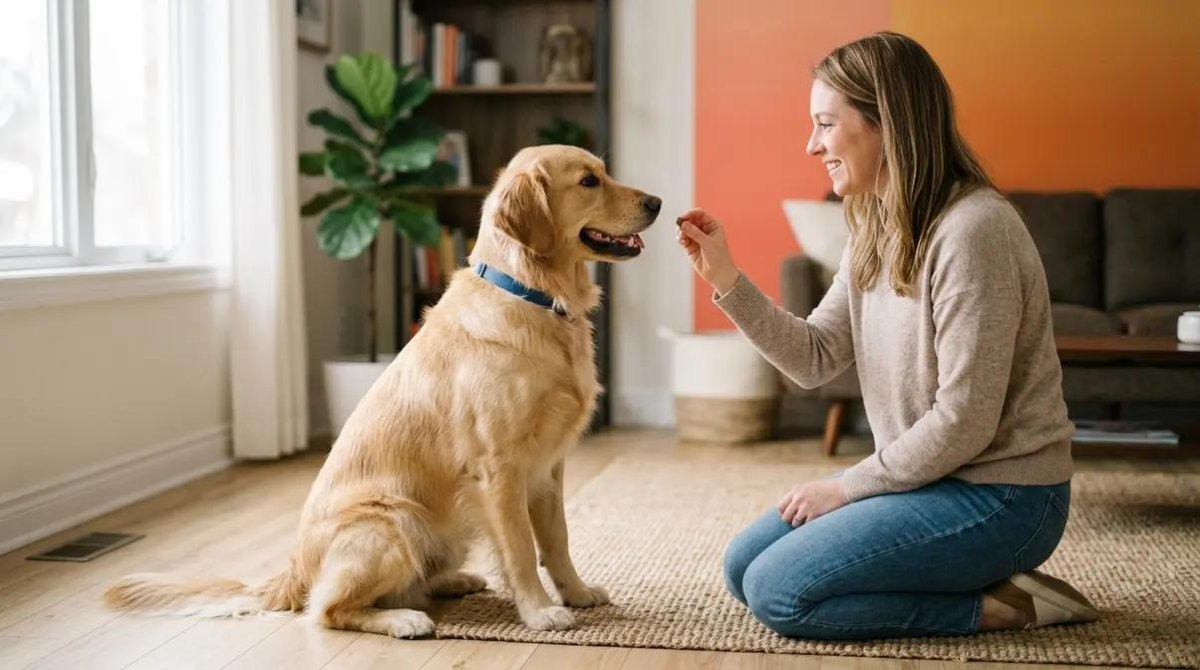
Before I ask for a hug, I teach the position I want. I usually begin with my dog sitting calmly in front of me, because a stable starting position makes the next steps much easier. If your dog is jumping, wiggling, or backing away, I lower the difficulty instead of asking for more.
What I check first
- My dog can sit comfortably near me.
- The room is quiet enough for learning.
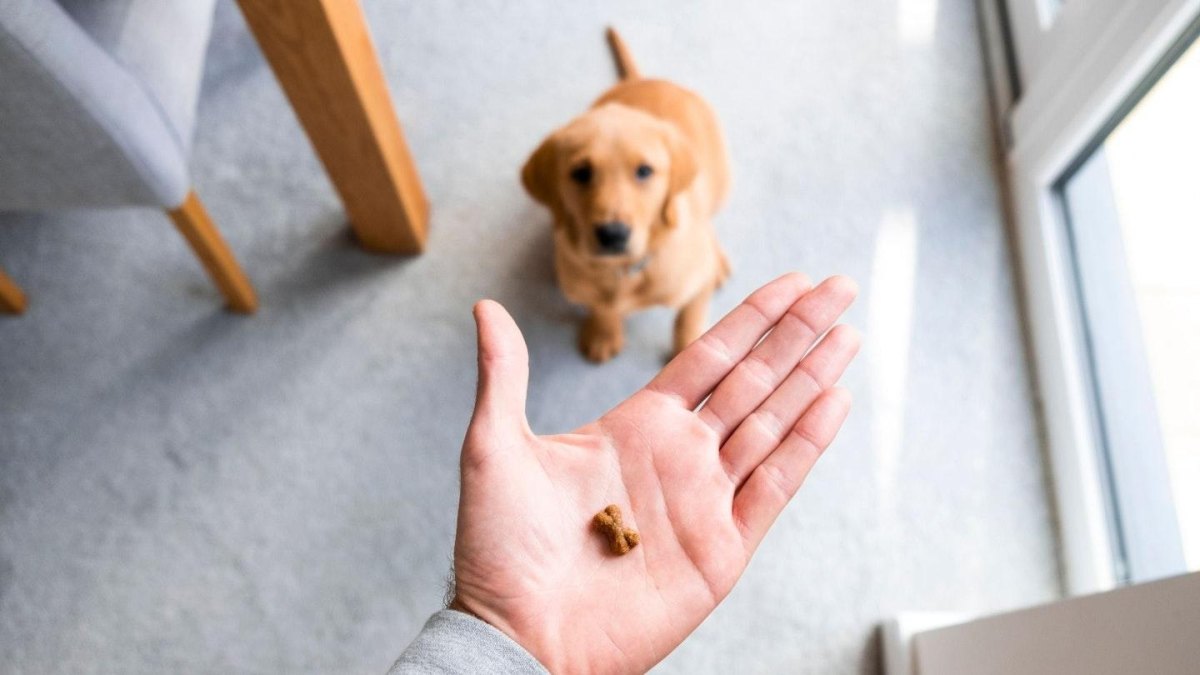
- I have rewards ready before we begin.
I also pay attention to the little details: ears, mouth, weight shift, and whether my dog chooses to stay close. Body language gives us information long before a dog needs to leave or say no.
Teach the Paw Placement Step by Step
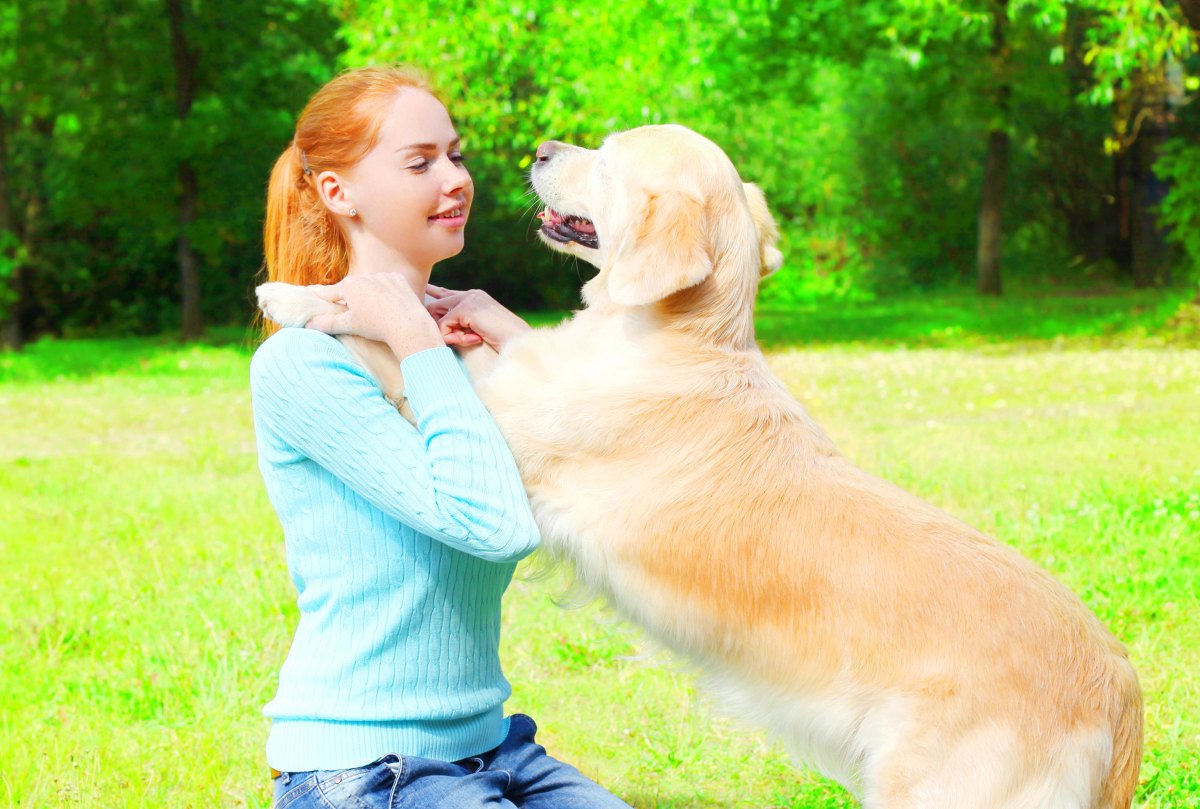
The paws are the heart of this trick, so I break them into tiny pieces. I reward an attempt to lift a paw, then movement toward my arm, then gentle contact. This is step by step shaping, and it prevents the frustration that happens when we expect the finished trick immediately.
- Reward. Mark and reward a small paw movement toward the goal.
- Build. Slowly ask for the paw to come closer to your shoulder or arm.
- Combine. Reward the complete paw placement only when your dog is comfortable.
I keep sessions short. If my dog starts licking lips, turning away, freezing, or shifting weight backward, I take that as useful feedback and make the exercise easier. Comfort comes first, always.
Add the Hug Command and Reward Good Behavior
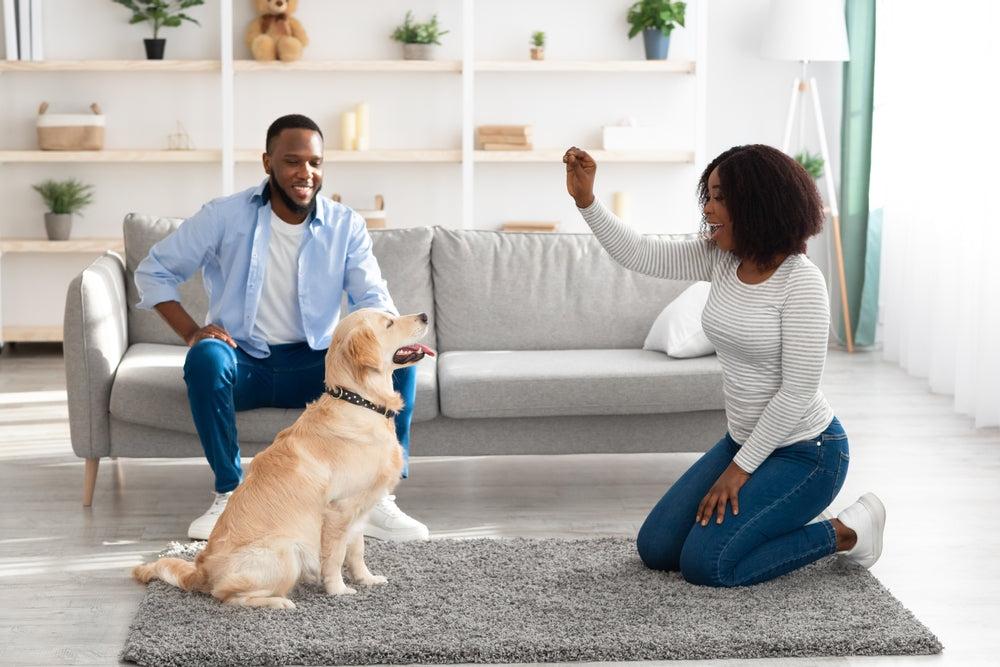
I add the word for the trick only after my dog understands the movement. This is where many people rush, but a cue works best when it predicts a behavior the dog already knows. The verbal cue comes later, not at the beginning.
My training tip
Pick one simple word like "hug" and say it just before the behavior you already trained. Reward quickly so your dog can connect the cue with the action.
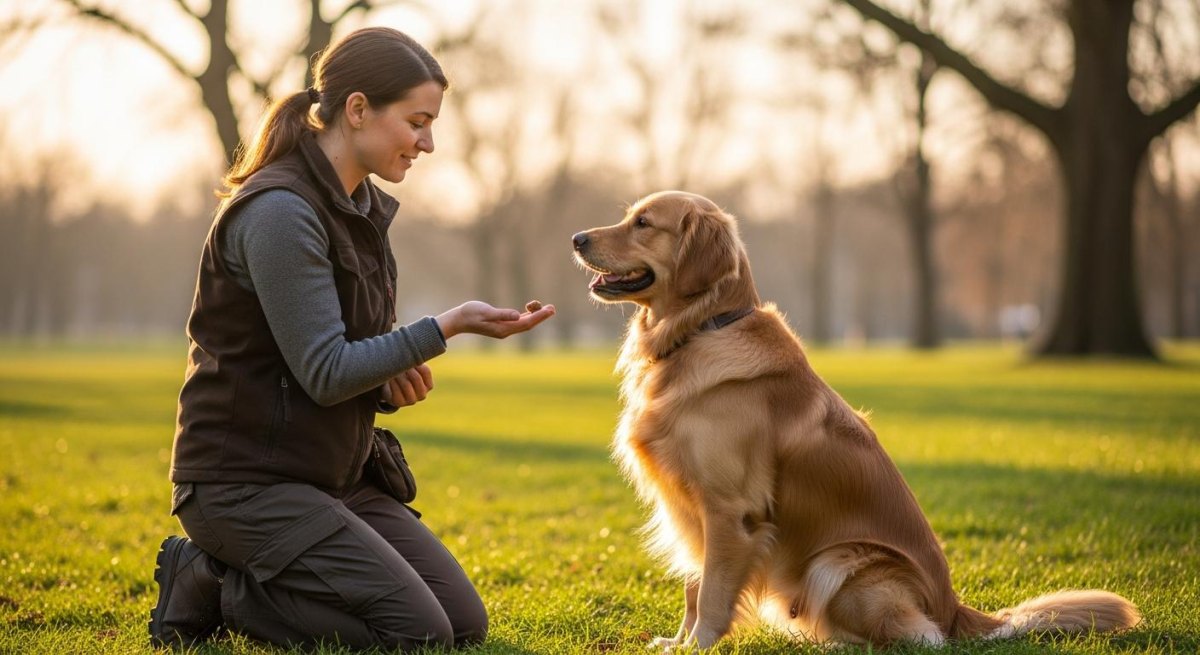
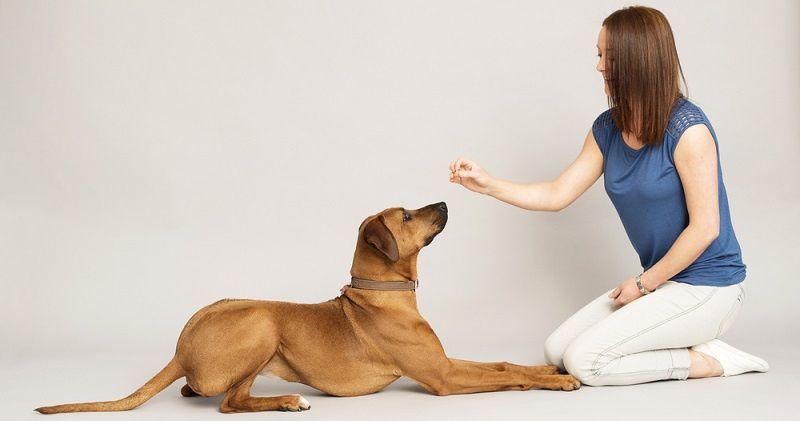
I use treats, praise, or another reward my dog actually values. Dogs repeat behaviors that reliably lead to something they enjoy, which is why clear reinforcement matters.
Practice Safe and Gentle Hugging Habits
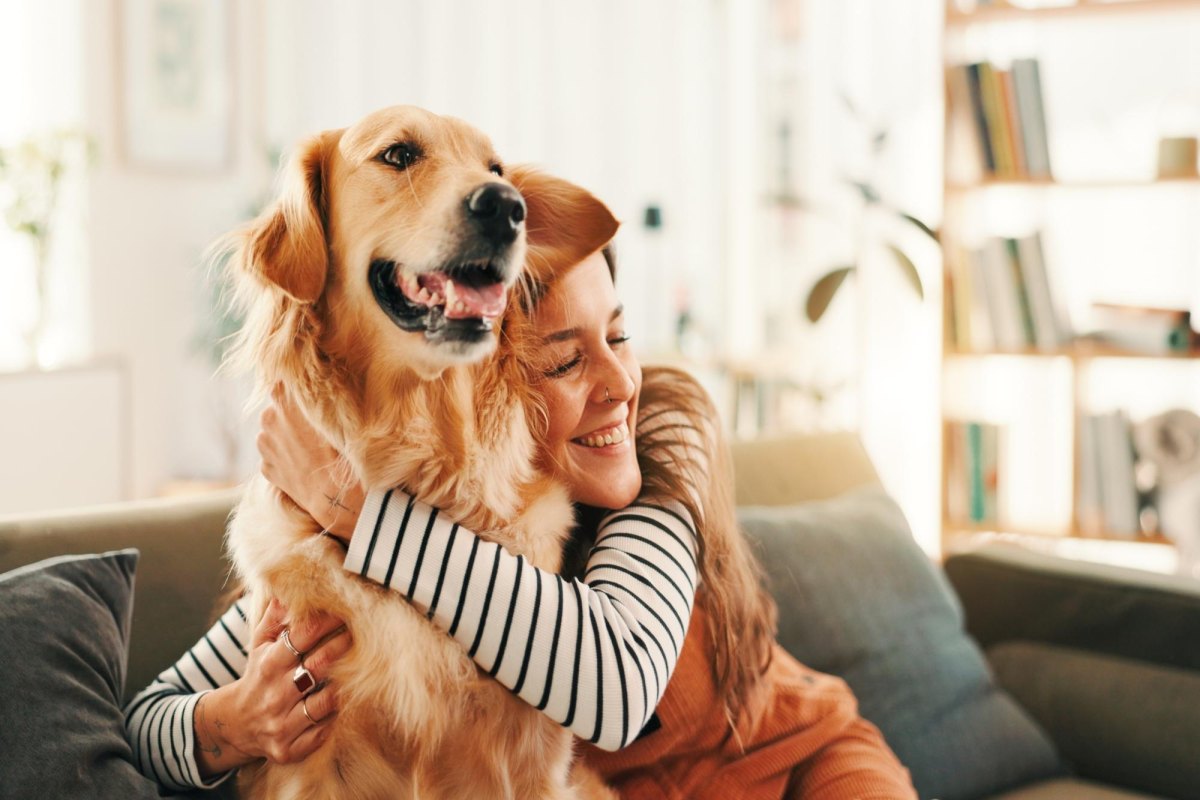
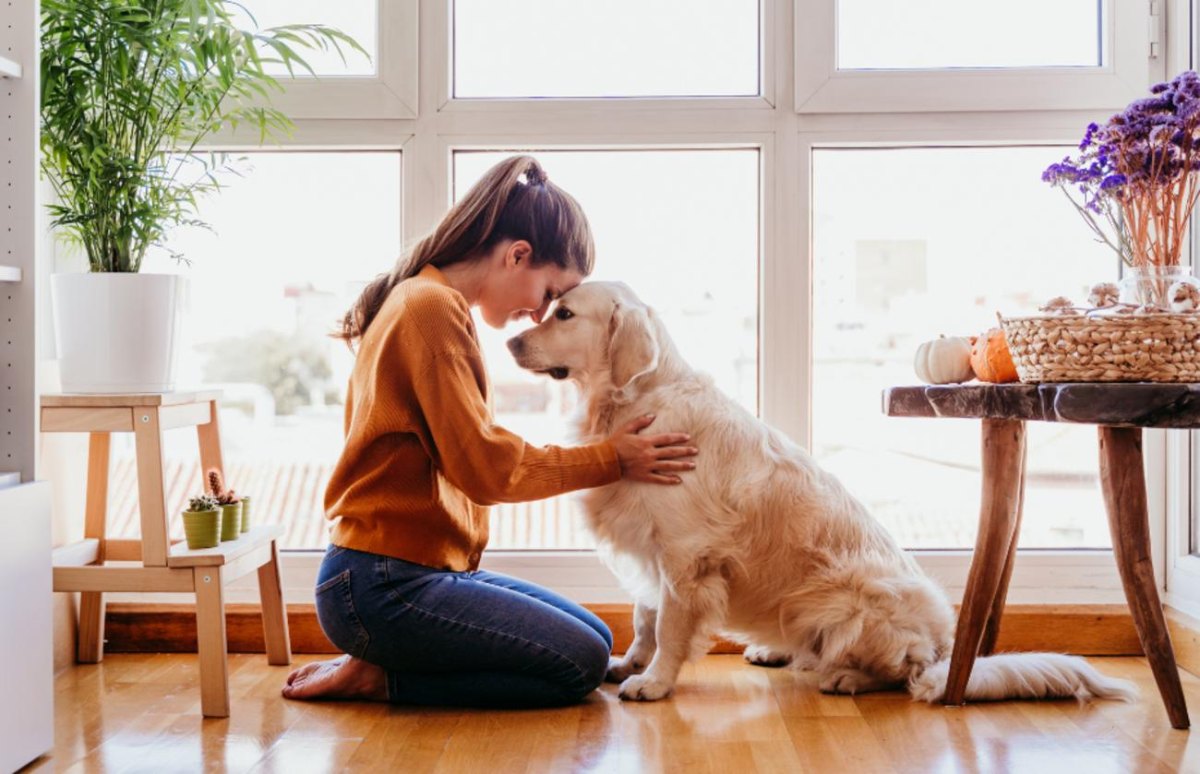
A dog hug should never mean holding a dog who wants space. I teach my clients to look for consent and relaxation before celebrating the trick. A dog who leans in is different from a dog who tolerates restraint.
- Allow your dog to move away after the trick.
- Avoid squeezing or trapping your dog.
- Stop if your dog shows stress signals.
After my years in veterinary practice, I became very particular about reading those quiet signals. A tucked tail, pinned ears, lip licking, or avoidance can tell us the dog needs more space.
Improve the Trick With Regular Practice Sessions
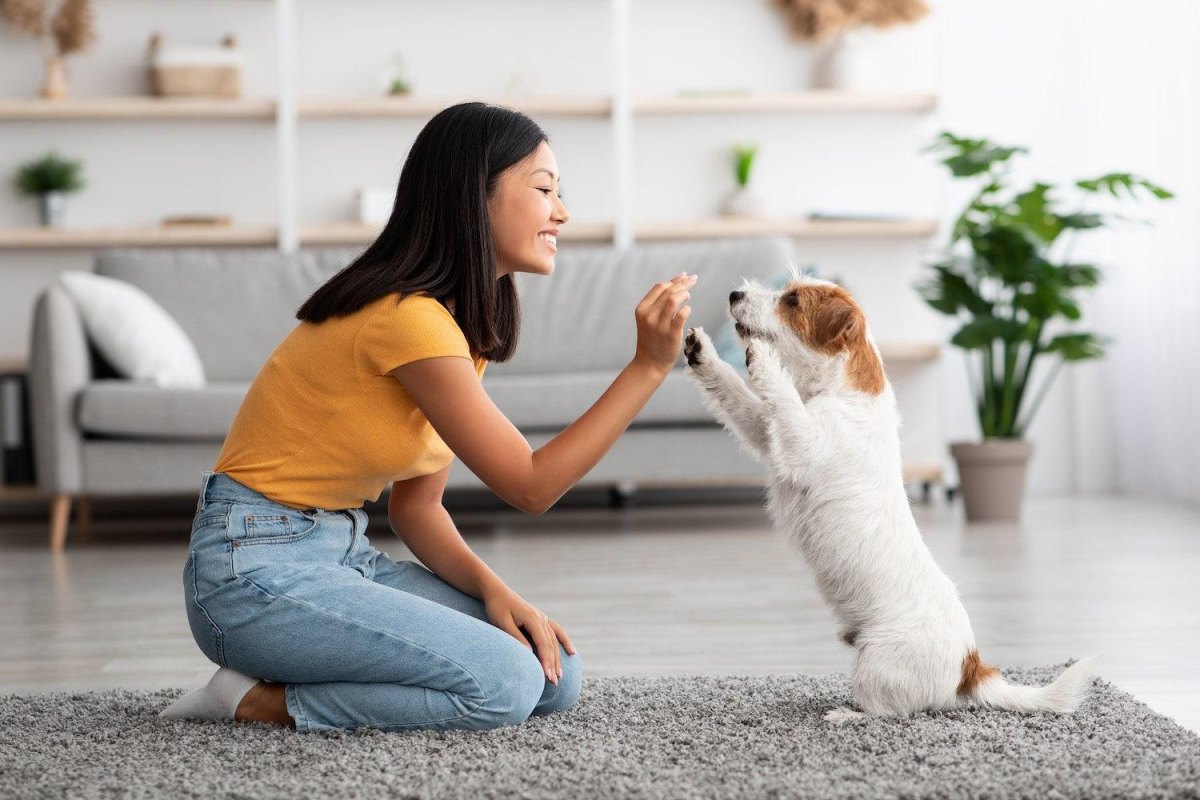
A hug trick is not built in one afternoon. I usually tell people to expect weeks of gradual practice, especially if their dog is new to training or unsure about body contact. Progress is measured by confidence, not by how quickly the final picture appears.
| Practice stage | Goal |
|---|---|
| Early sessions | Comfort with the position and rewards |
| Middle sessions | Paw placement with a cue |
| Later sessions | Reliable hug behavior in calm settings |
I end sessions while my dog is still successful. Training should leave your dog thinking, "That was easy," not wondering why the fun stopped. Reward-based training works by making desired behaviors worthwhile and repeatable.
More Pinterest Visuals