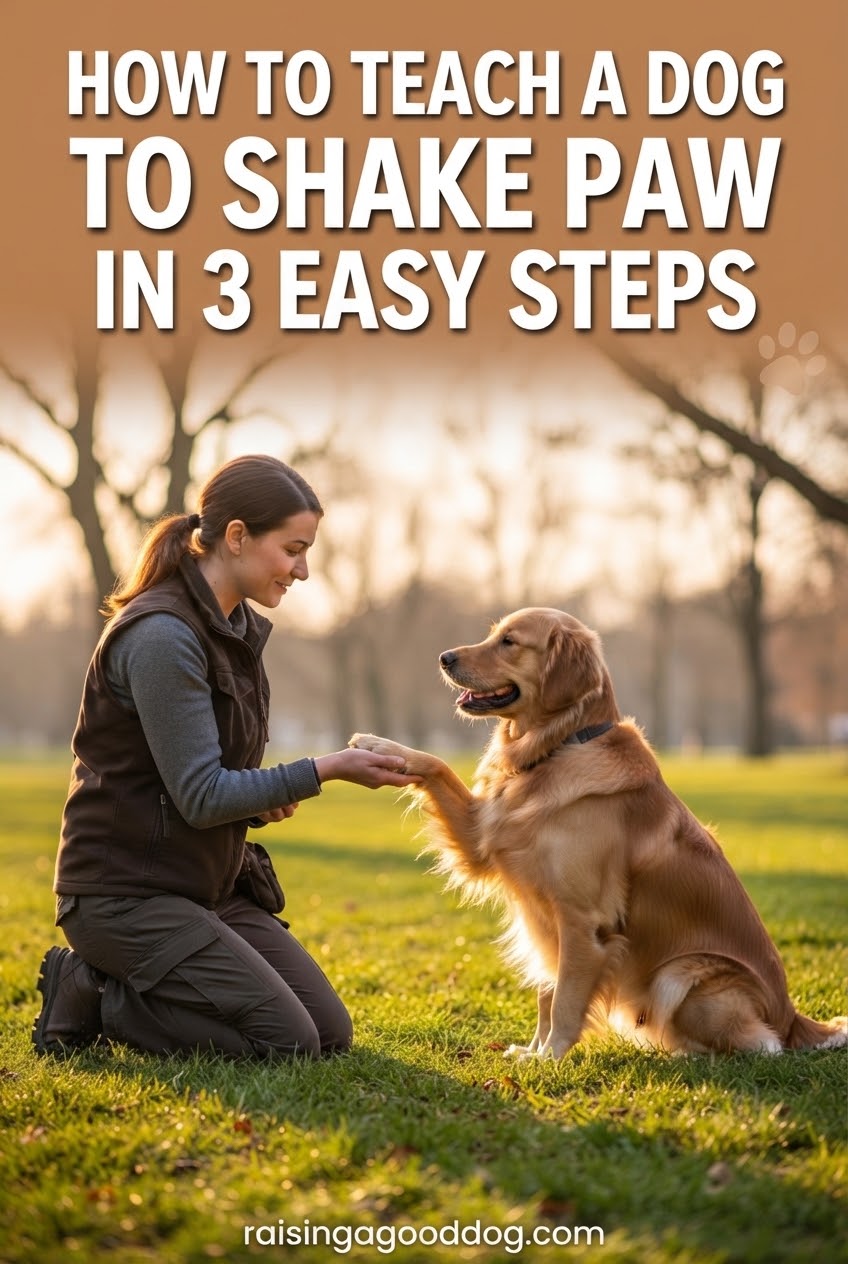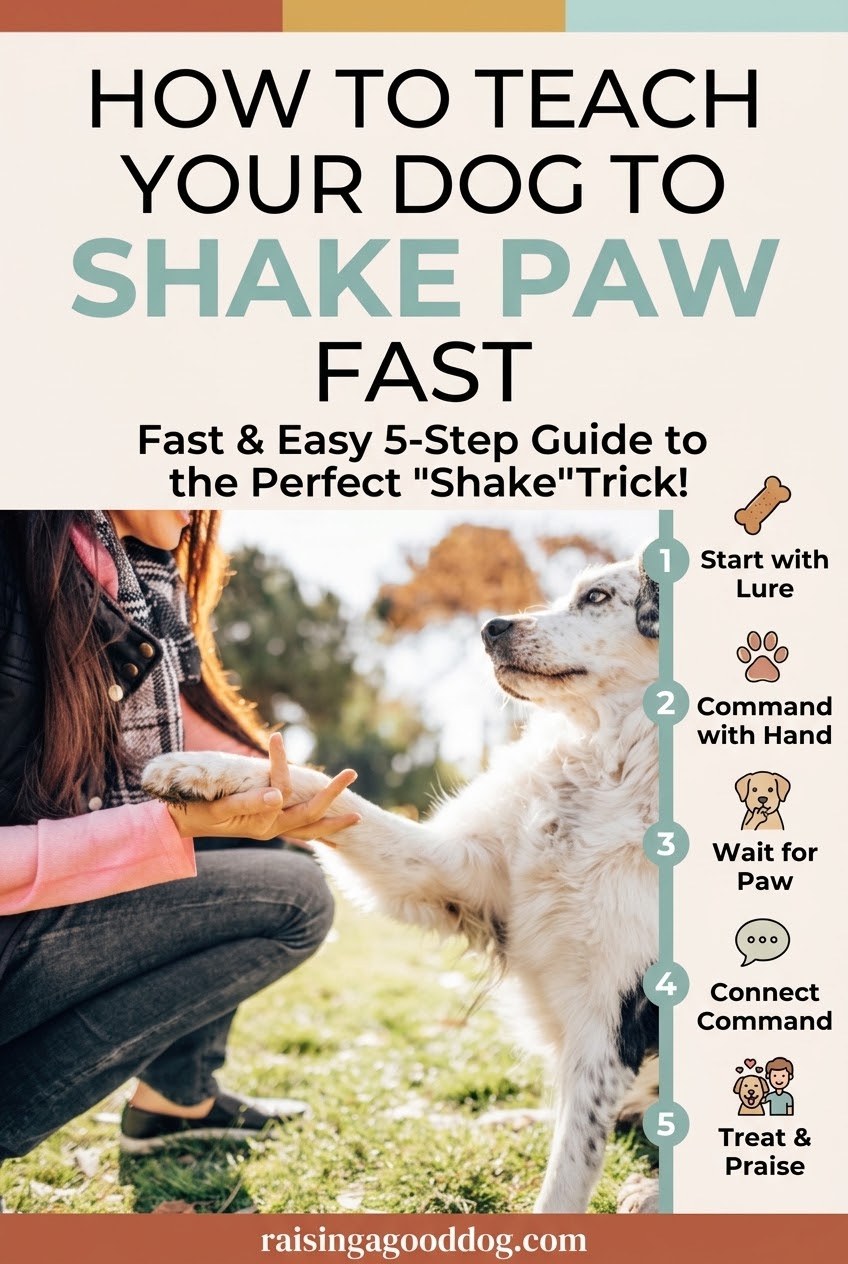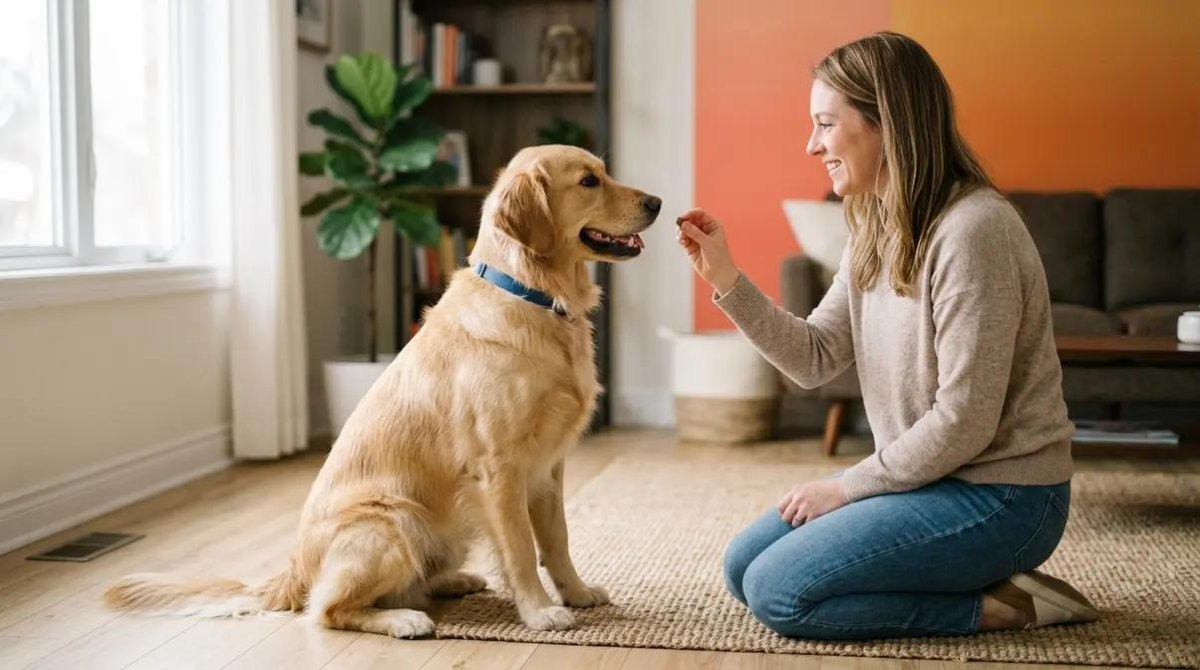
A paw shake looks like a party trick, but I use it as a tiny lesson in communication between dog and human. When a dog learns that lifting a paw earns a reward, they start understanding how their choices affect the world around them. Shake paw training is usually straightforward, but the details matter: timing, patience, and reading your dog's comfort level make the difference.
I teach this in short sessions because nobody, including my own Bruno, learns better when their brain is already clocked out for the day. A few minutes of successful practice beats a long session where frustration creeps in.
Prepare Your Dog for the Shake Paw Training
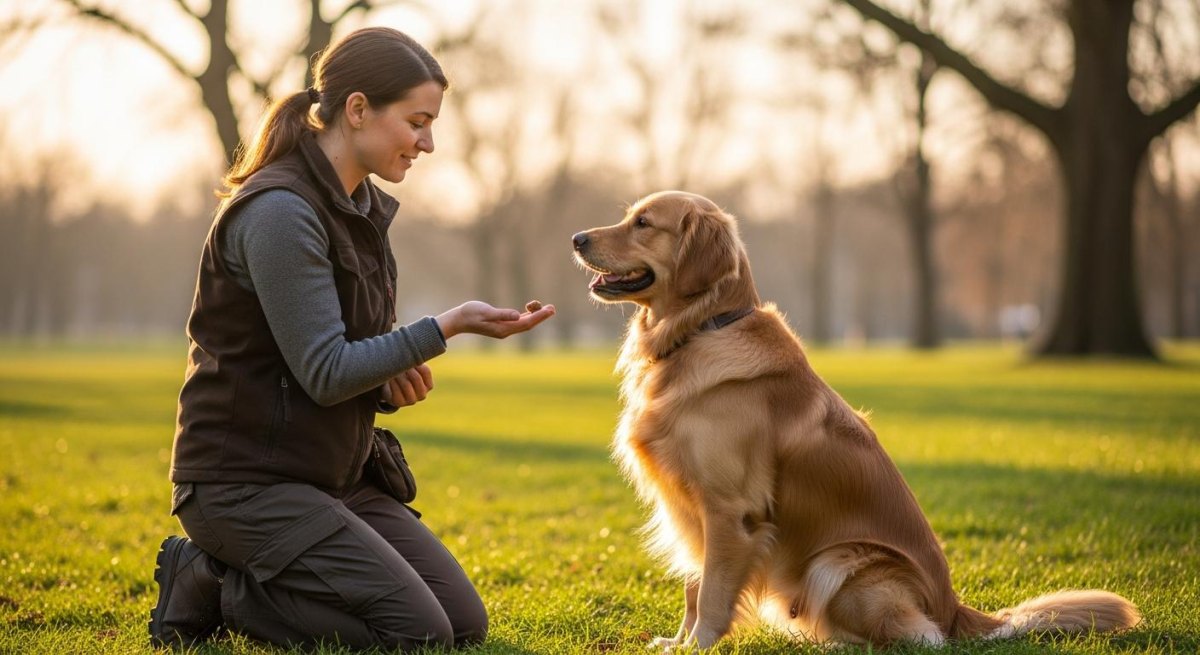
Before I ask for a paw, I make sure the environment is boring enough for learning. A dog trying to watch squirrels, listen to hallway noises, or worry about visitors is not being stubborn; they are simply not in a good learning space. Choose a calm setup with few distractions and start when your dog is relaxed.
I usually begin with a dog who can comfortably sit and engage with me. I also watch the small details: ears held naturally, loose body posture, relaxed mouth, and normal breathing. Those little signals tell me whether my training partner is ready.
Training tip
If your dog suddenly dislikes having a paw handled, I do not push through it. Pain or discomfort can change behaviour, so a vet check is the right first step for sudden changes.
Teach Your Dog to Offer a Paw on Command
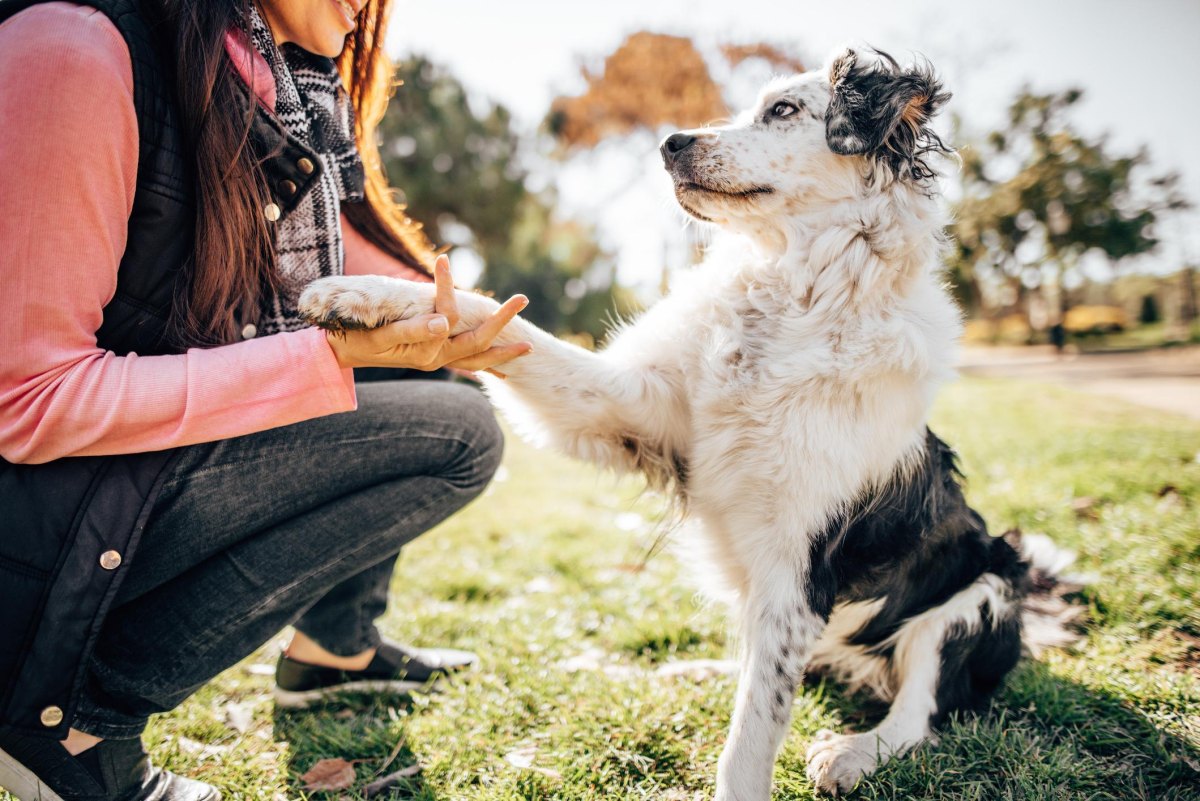
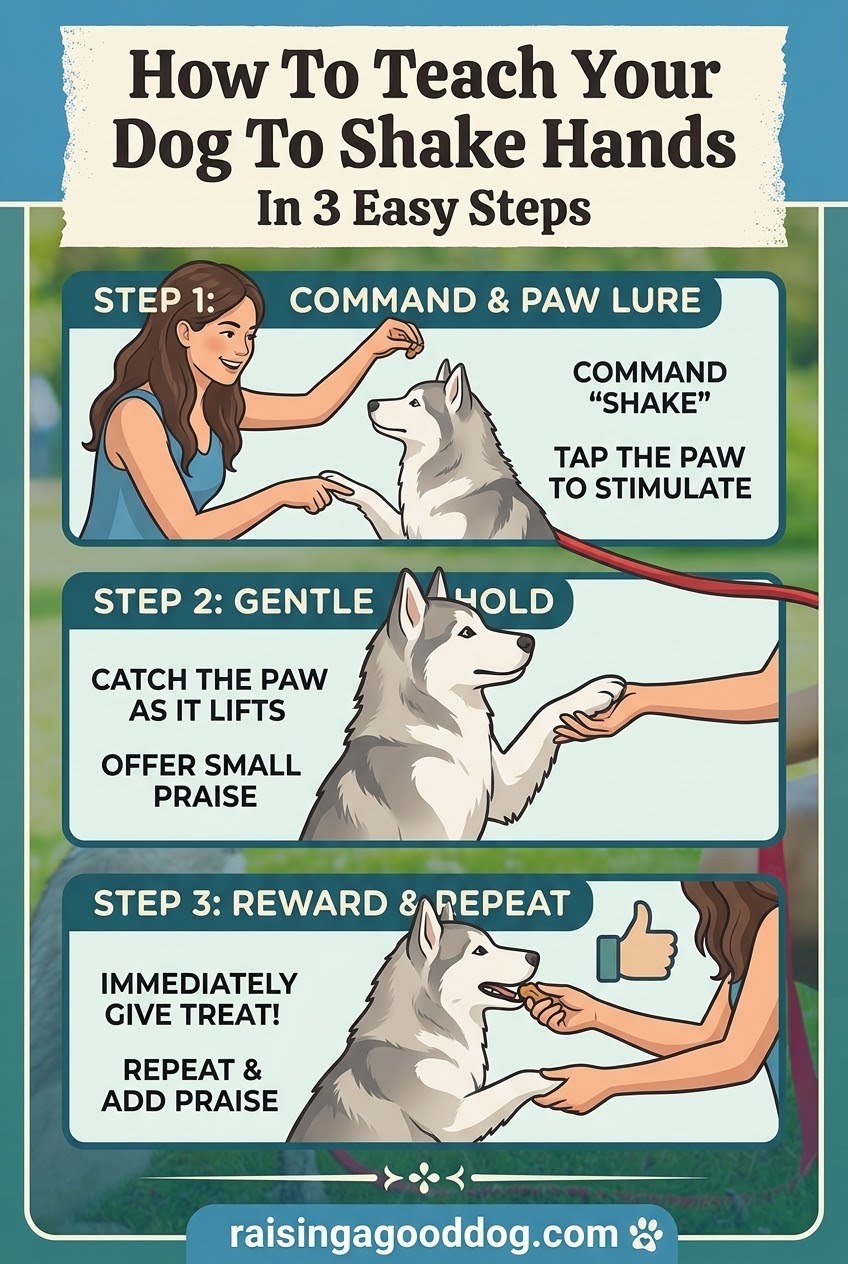
The easiest way to teach shake is to reward the first tiny movement toward the finished behaviour. I might begin by marking a paw lift, then gradually ask for the paw to move closer to my hand. Small steps build confidence, especially for dogs who are unsure about new games.
Once your dog is reliably offering a paw, I add the word “shake” just before the behaviour happens. The cue becomes meaningful because your dog already understands the action. Timing the cue correctly prevents the word from becoming background noise.
Use Treat Rewards to Reinforce the Shake Paw Trick
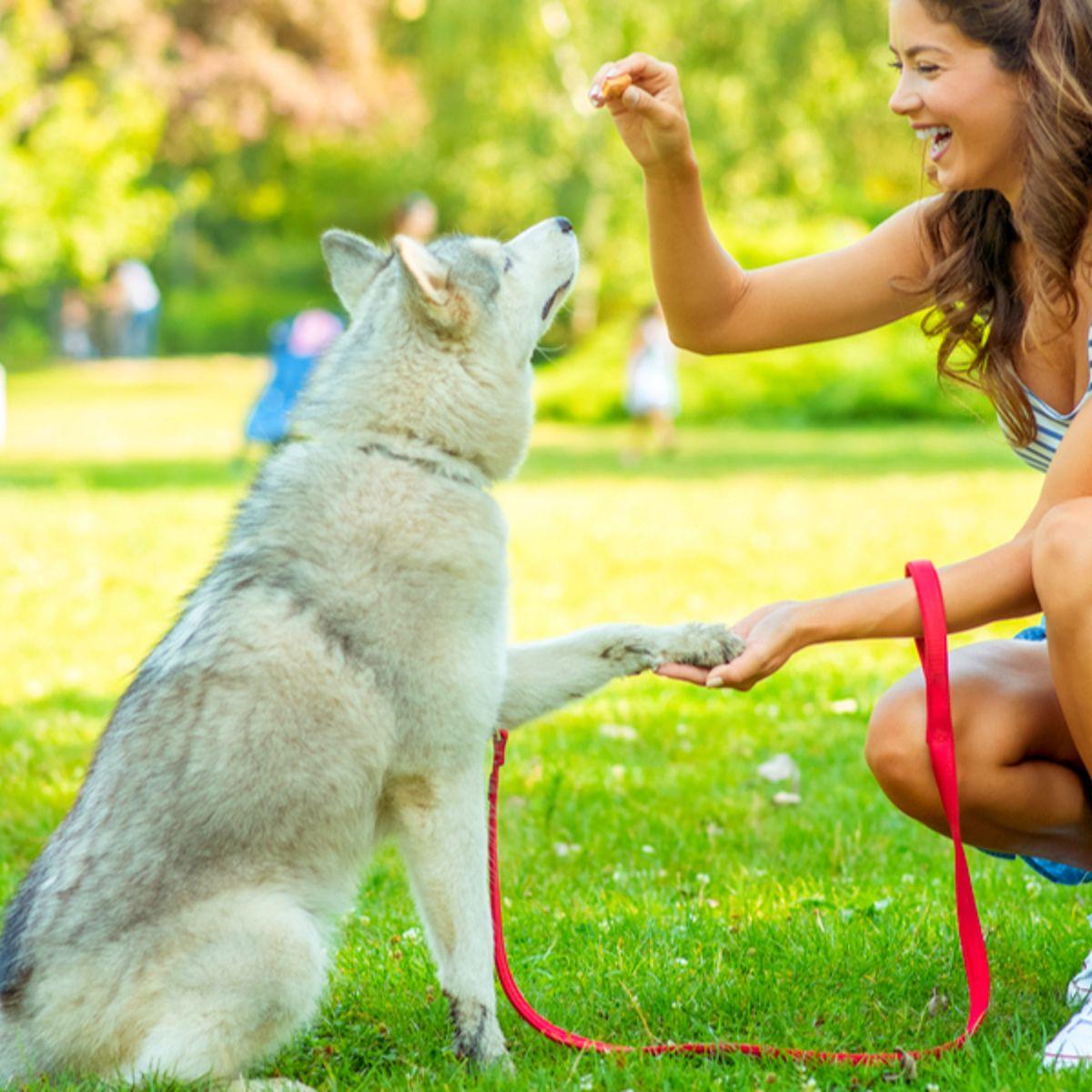
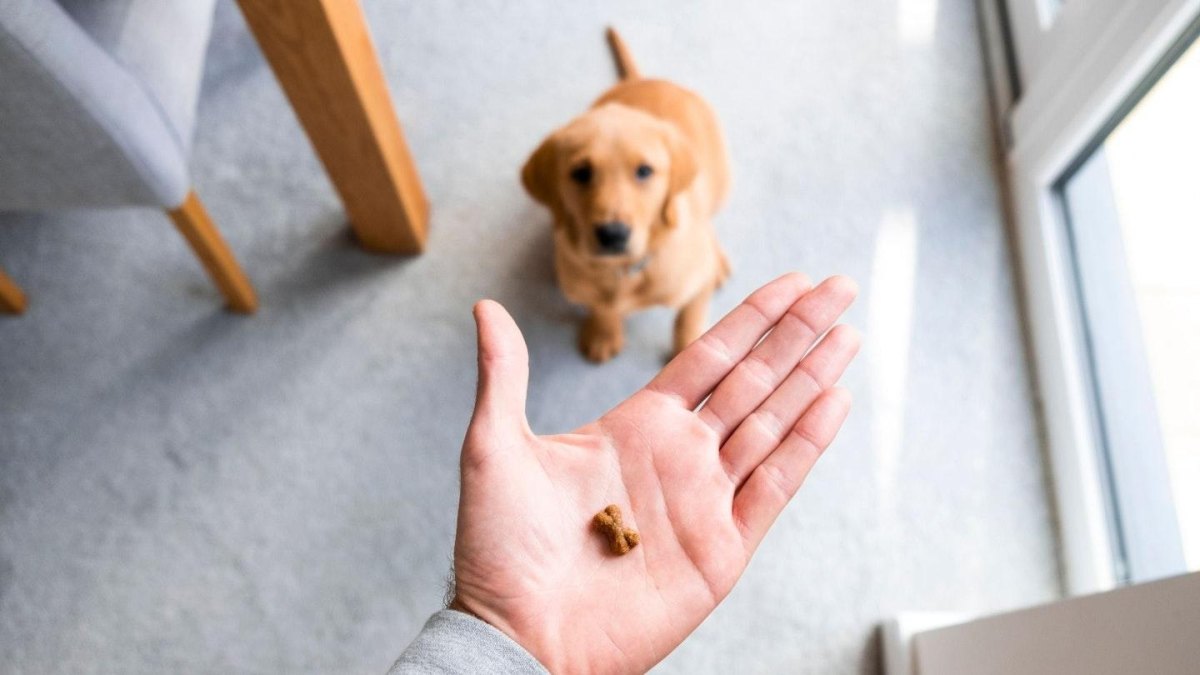
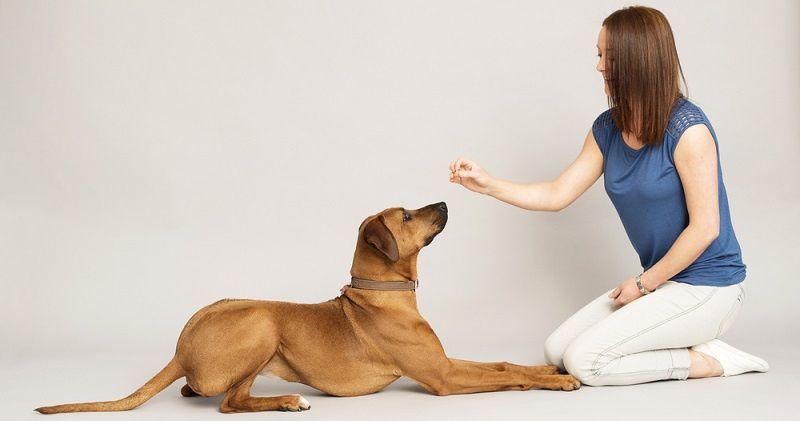
Treats are not a bribe in my training room; they are information. They tell the dog, “That choice worked.” Reward-based training relies on reinforcing behaviours we want to see again, and the reward needs to matter to the individual dog. Pick rewards your dog loves, not just the biscuit sitting in your cupboard.
I keep rewards small so the lesson stays moving. A dog learning a new trick may need many repetitions, and nobody wants a full dinner delivered one tiny paw raise at a time. Fast reward delivery helps your dog connect the paw action with the good outcome.
| Training stage | Reward approach |
|---|---|
| First attempts | Reward every correct paw movement |
| Growing confidence | Continue frequent rewards and praise |
| Reliable shake | Gradually vary rewards while maintaining the behaviour |
Practice the Shake Paw Cue and Build Consistency
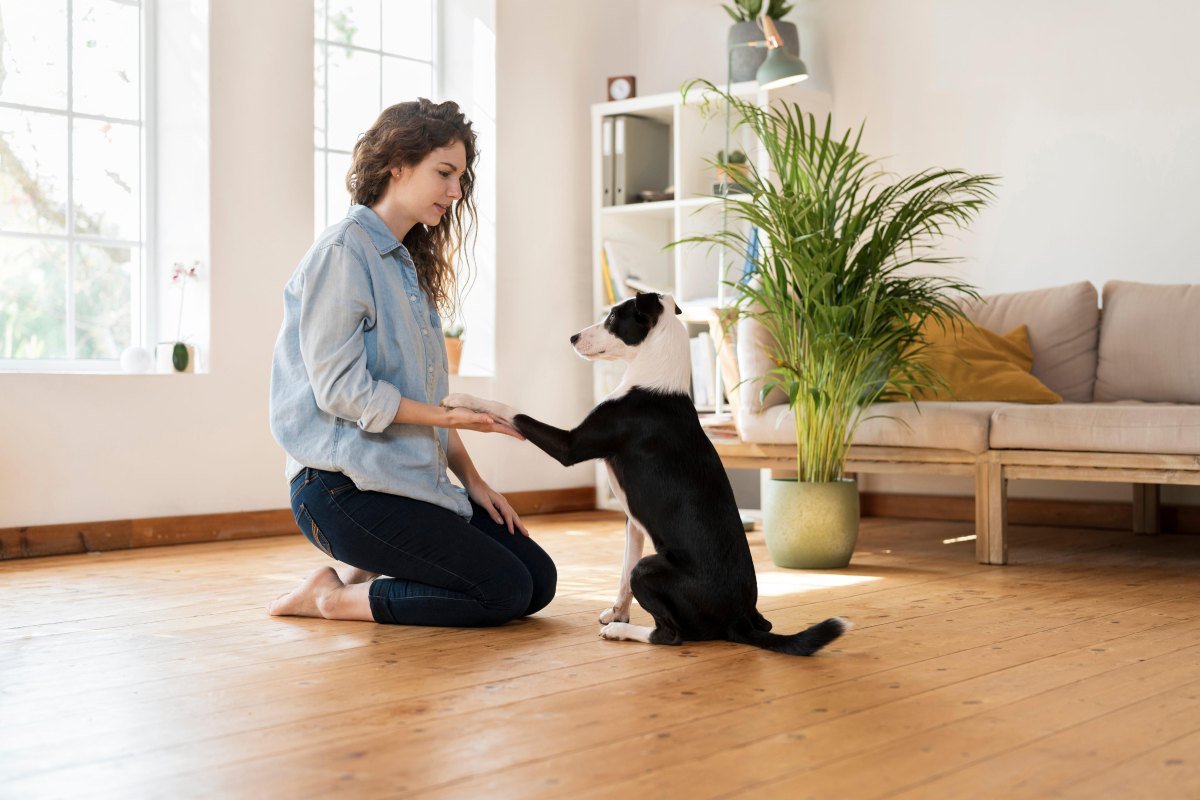
A shake paw cue becomes useful when everyone uses it the same way. I have seen dogs get confused when one person says “paw,” another says “shake,” and someone else waves a hand without a clear pattern. Consistent communication makes learning easier.
I practice in different locations once the behaviour is comfortable at home. My rule is not to make the environment harder faster than the dog can handle. A backyard shake and a busy park shake are different levels of difficulty.
Common mistake
Do not repeat the cue over and over while your dog is guessing. I want the dog to learn what “shake” means, not learn that “shake shake shake” is the actual command.
Improve Your Dog’s Shake Paw Skills with Regular Practice
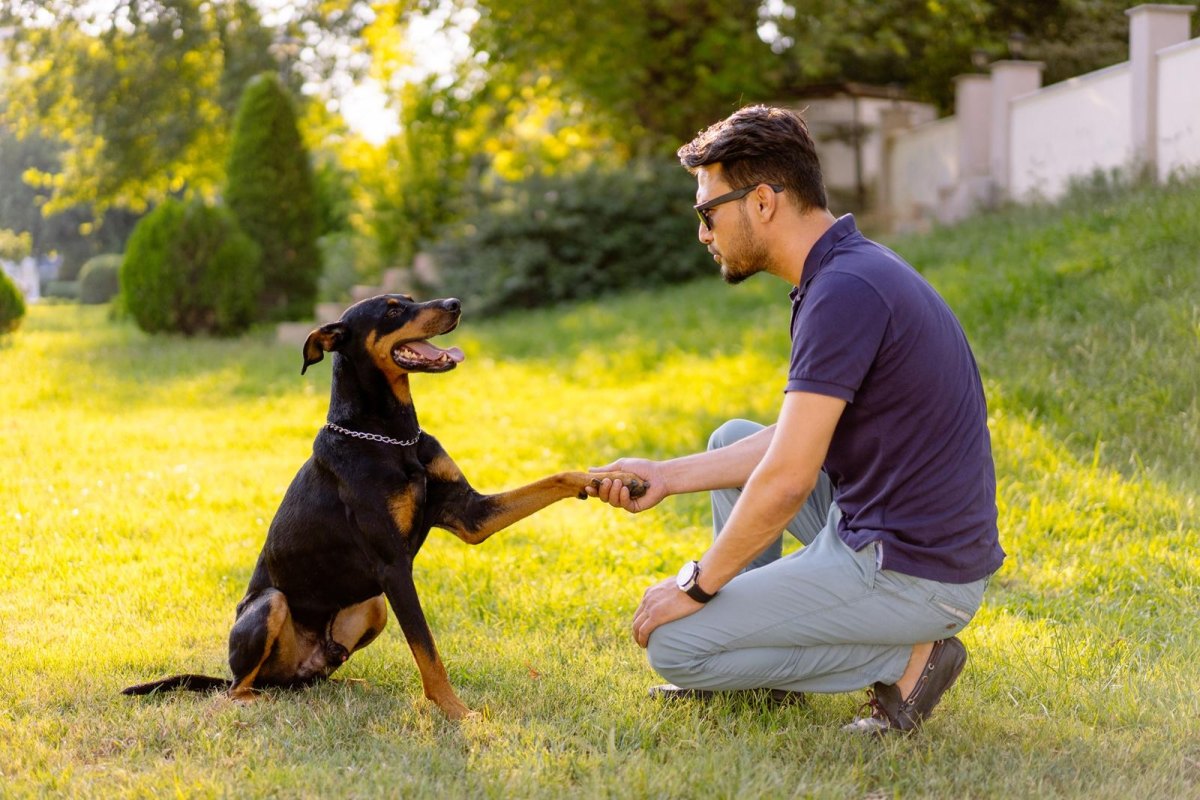
Most dogs do not need marathon training sessions for this trick. I prefer a few minutes of successful practice several times a week. Regular repetition creates fluency, but breaks are part of learning too.
As your dog improves, I slowly remove the obvious food lure and keep the reward history strong. The goal is not a dog who only works when they see chicken in your hand; the goal is a dog who understands the cue and enjoys the interaction. Keep the behaviour fun and it will stay reliable.
A practical trainer note
If your dog never becomes a perfect handshake performer, that is okay. Training is about building a conversation, and a confident dog offering a paw once in a while is still a success.
More Pinterest Visuals