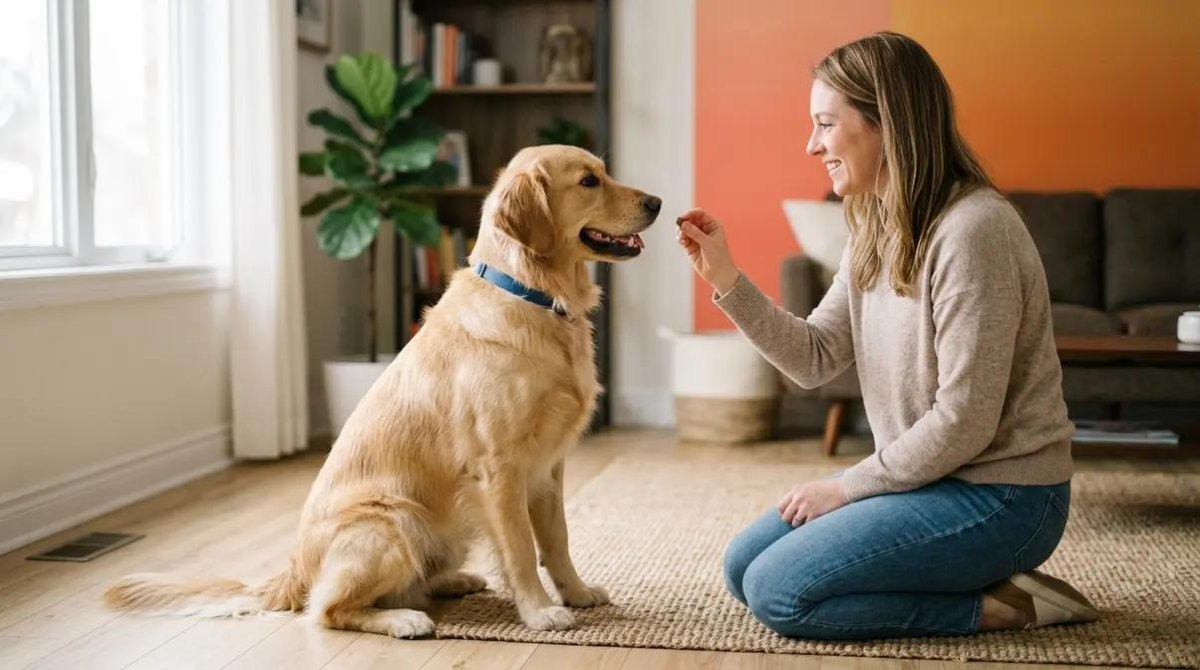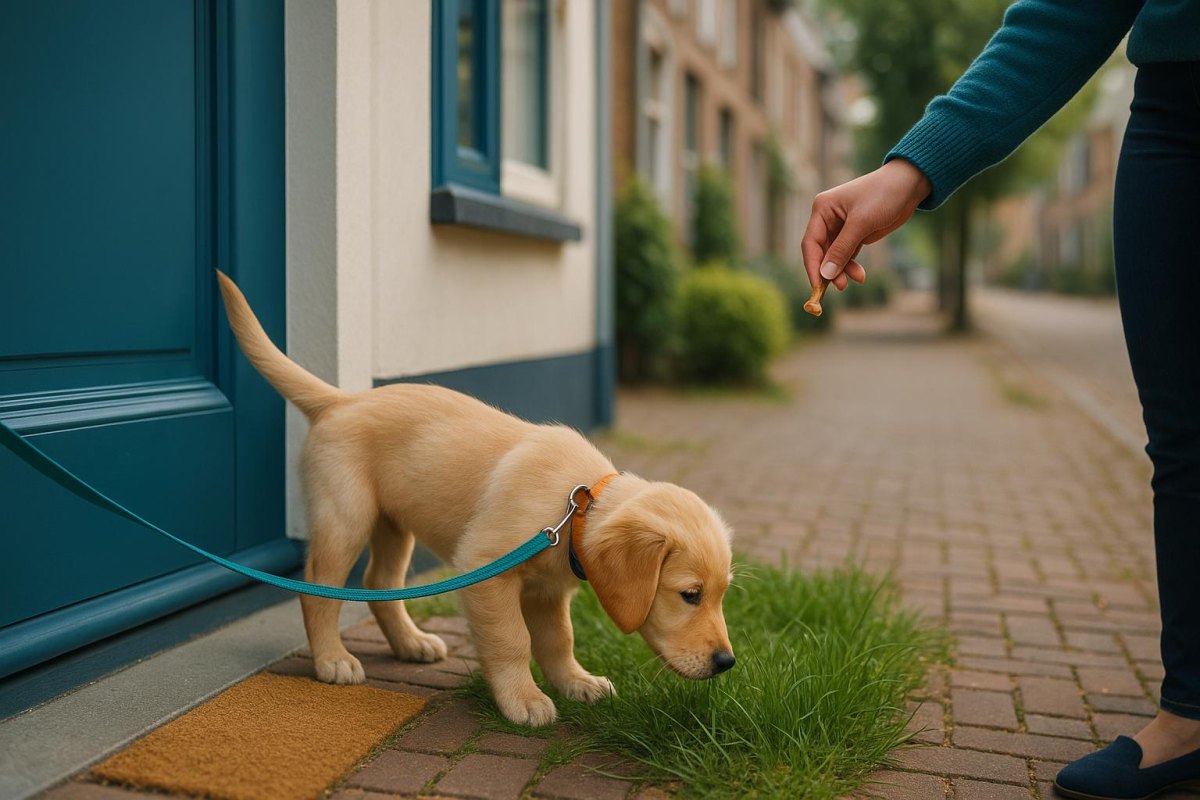
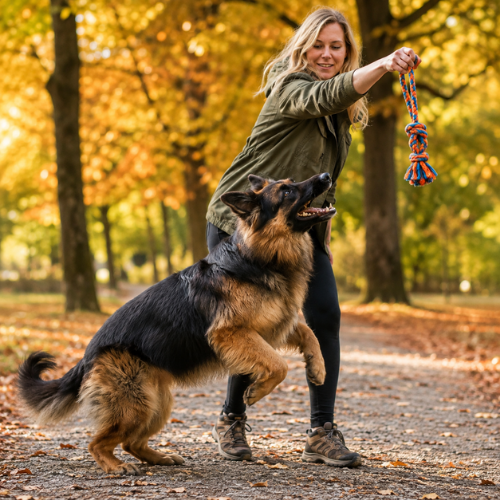
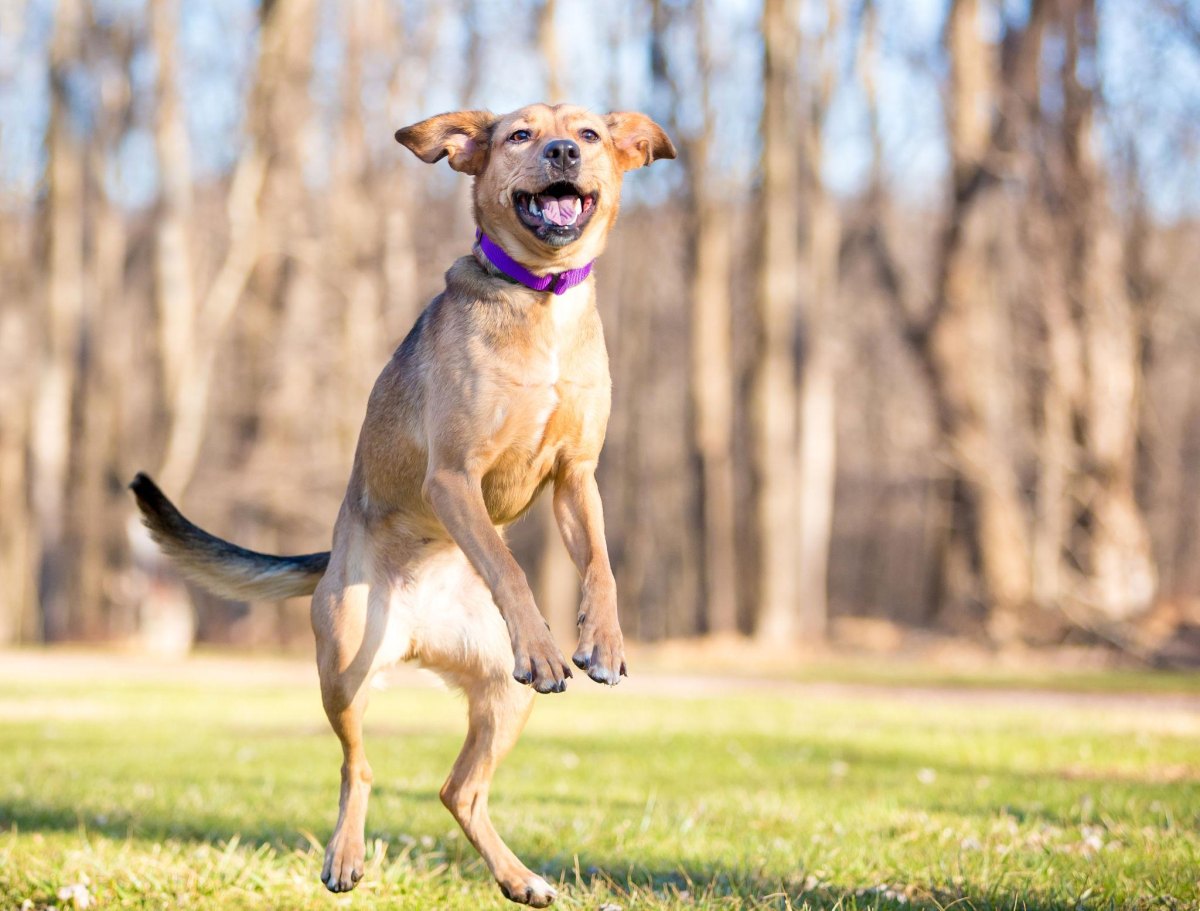
The first time a dog lifts those front paws and balances like a tiny furry statue, people usually laugh before they remember they are supposed to be training. I love this trick because it builds body awareness and communication, not because every dog needs a party trick. I teach it slowly, with the dog’s comfort leading the way.
Before we begin, remember that reward-based training works best for teaching new skills. Veterinary behaviour organizations recommend reward-based methods rather than training built around fear or discomfort.
Teach Your Dog the Sit Pretty Position
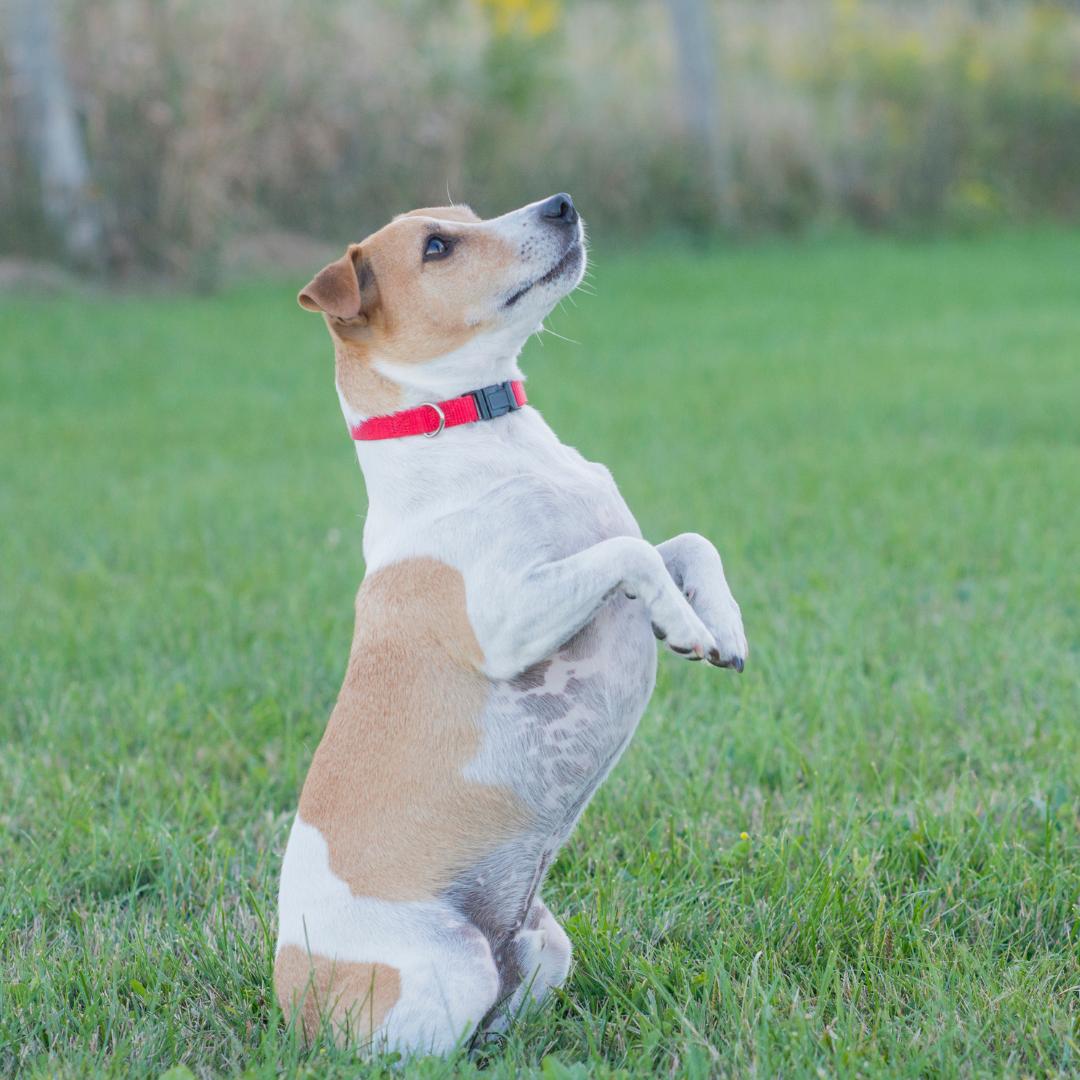
I start with a solid sit because the sit pretty trick is really a balance exercise built on top of that foundation. Your dog should understand the regular sit before we ask for front paws lifted and a steady upright posture.
My prerequisite check is simple: I want a calm dog, a non-slippery surface, and a dog who is physically comfortable. If your dog suddenly avoids movement, seems painful, or changes behaviour, I would check with your vet before adding a new physical challenge.
Sit pretty basics
- Start from a reliable sit cue.
- Choose a quiet training area.
- Reward small improvements, not perfection.
Prepare Treats and Teach the Balance Basics
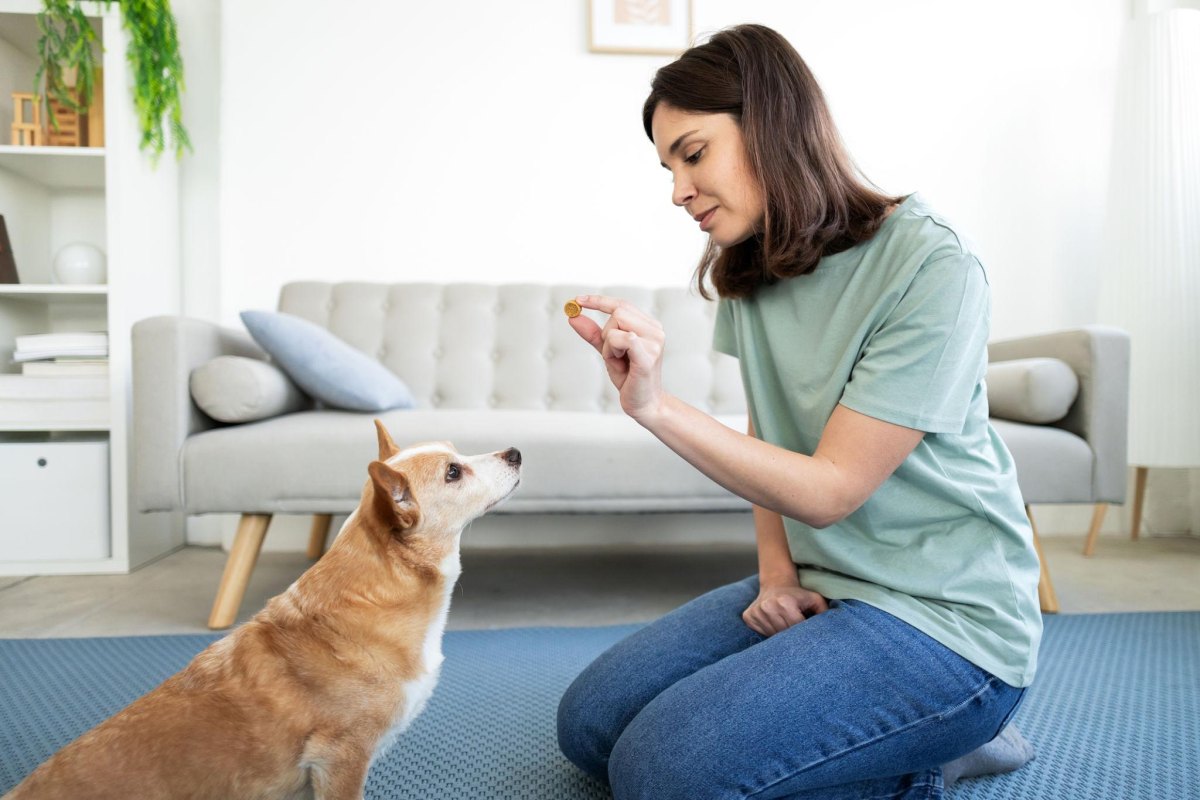
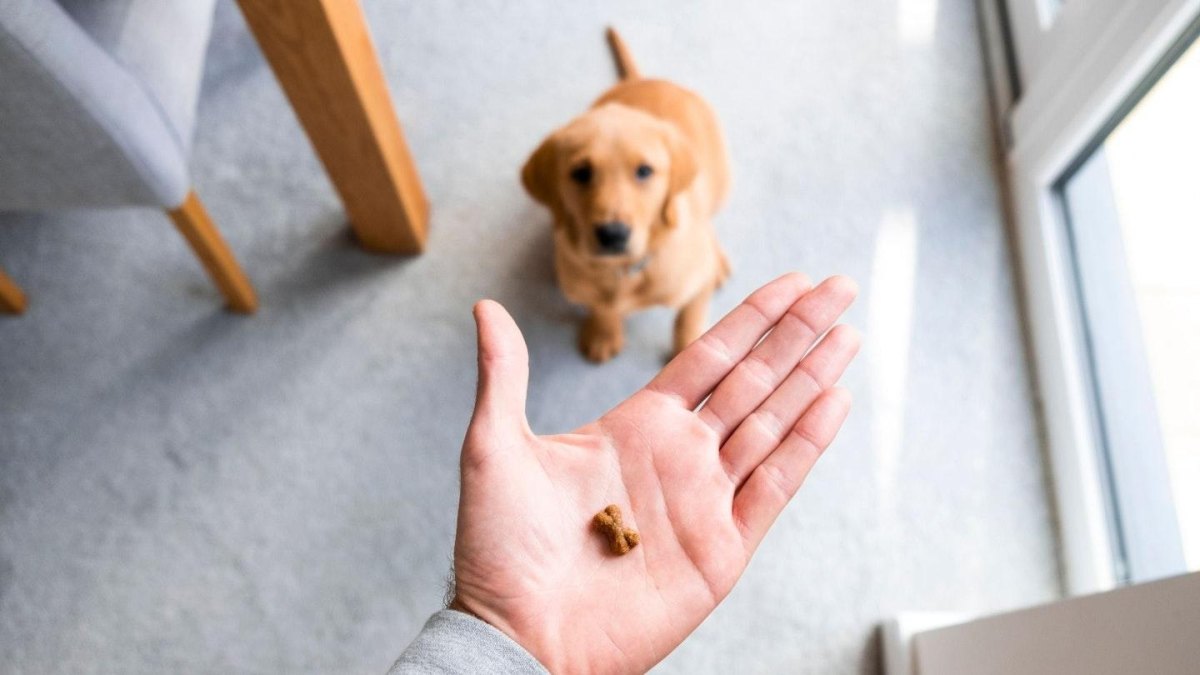
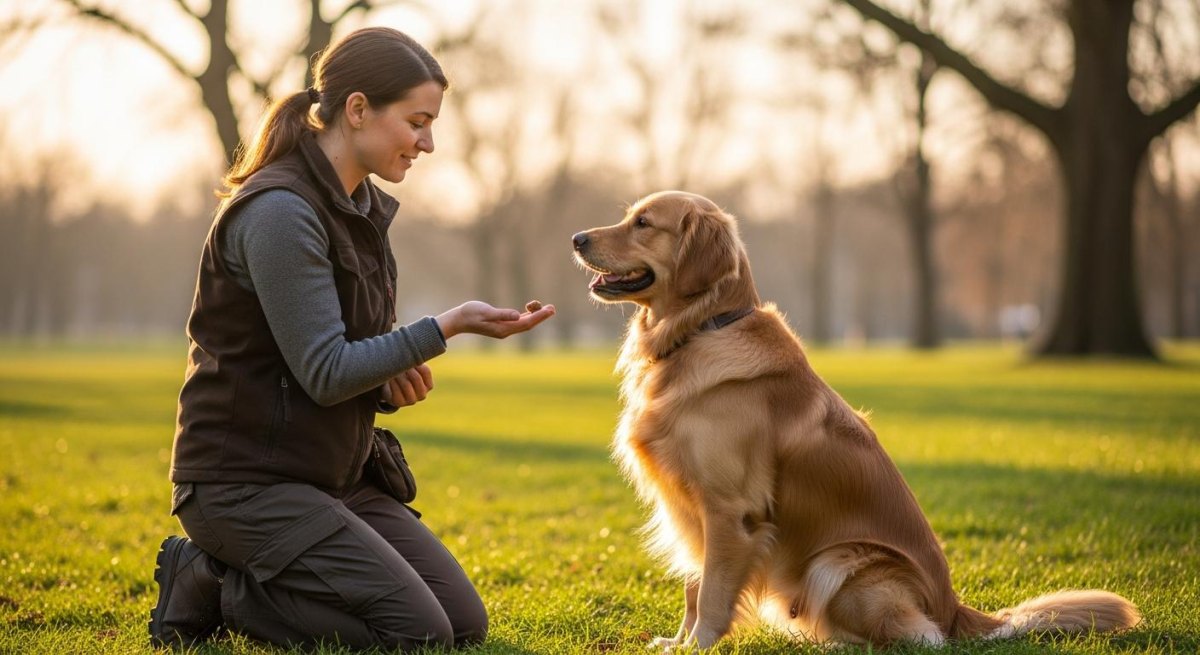
I keep this part boring on purpose. A few tiny, tasty treats and a floor with good grip are usually enough. AKC recommends using valuable treats and stable footing when teaching this trick because balance matters.
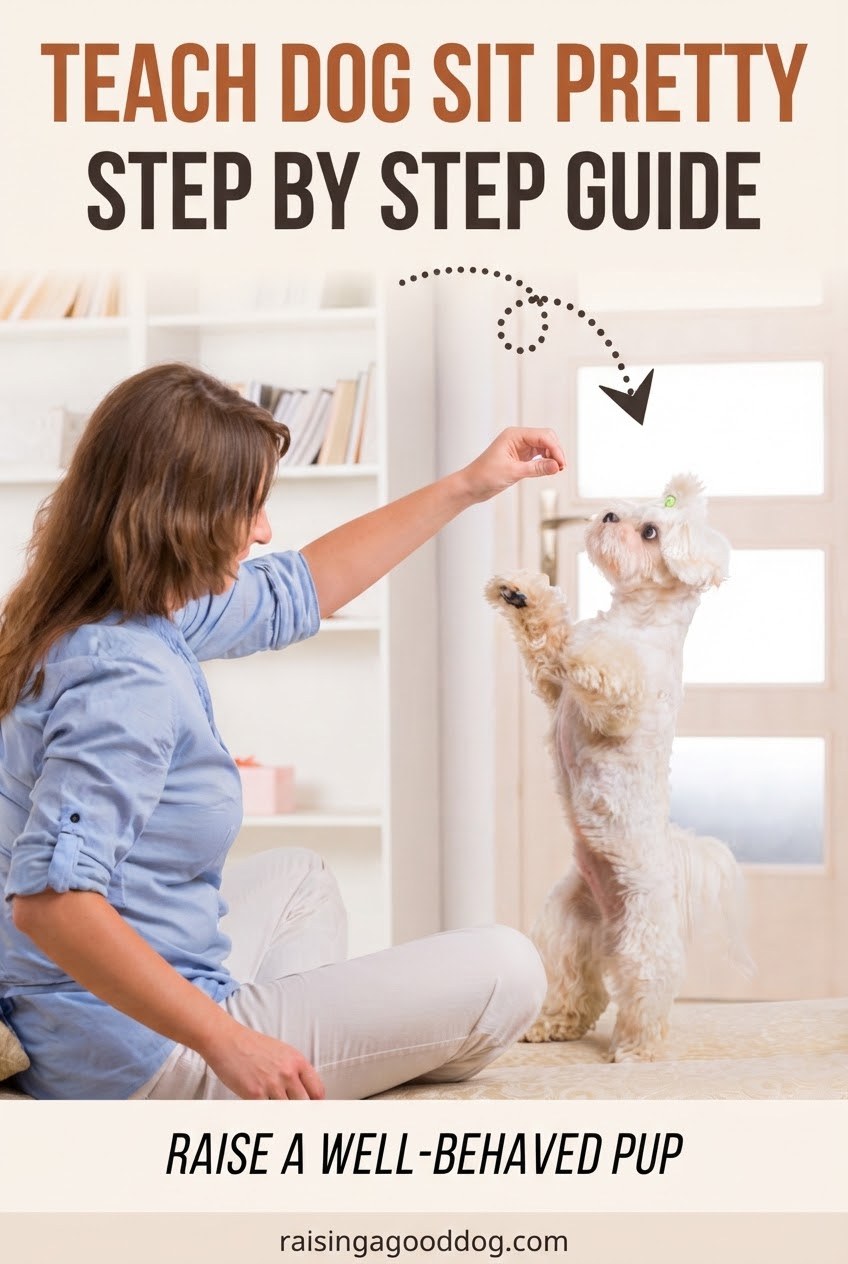
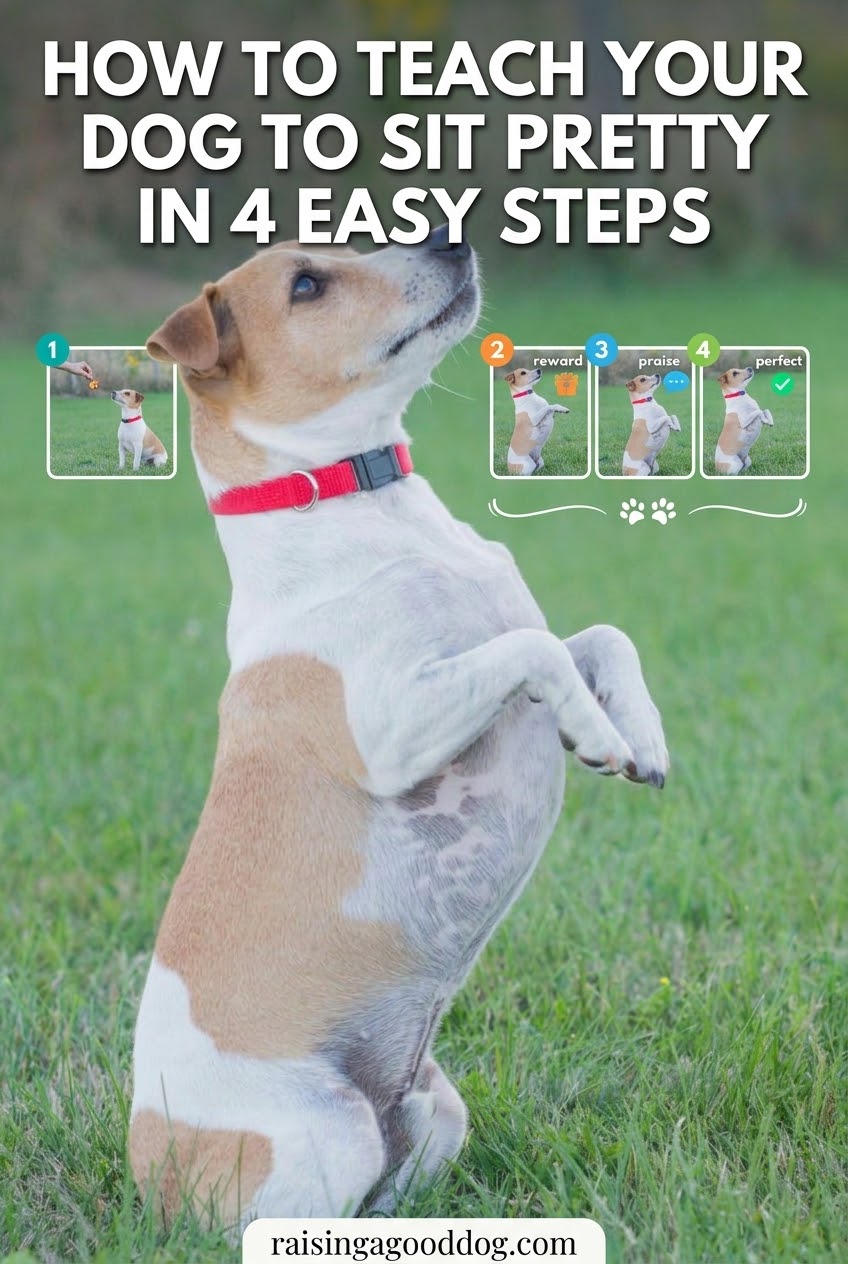
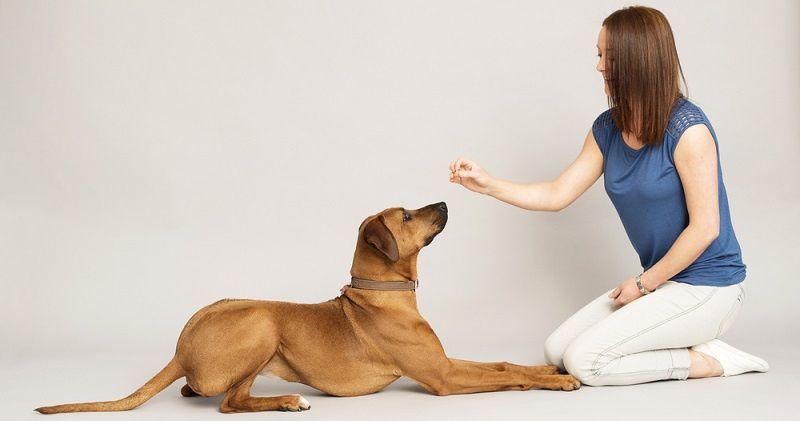
- Hold. Place the treat near your dog’s nose so they can follow it without jumping.
- Raise. Slowly move the treat upward to encourage the chest to lift.
- Reward. Mark the instant the front paws leave the ground.
Trainer tip
I reward tiny moments. A dog lifting one paw for half a second is a training win, not a failed attempt.
Guide Your Dog Into the Sit Pretty Motion
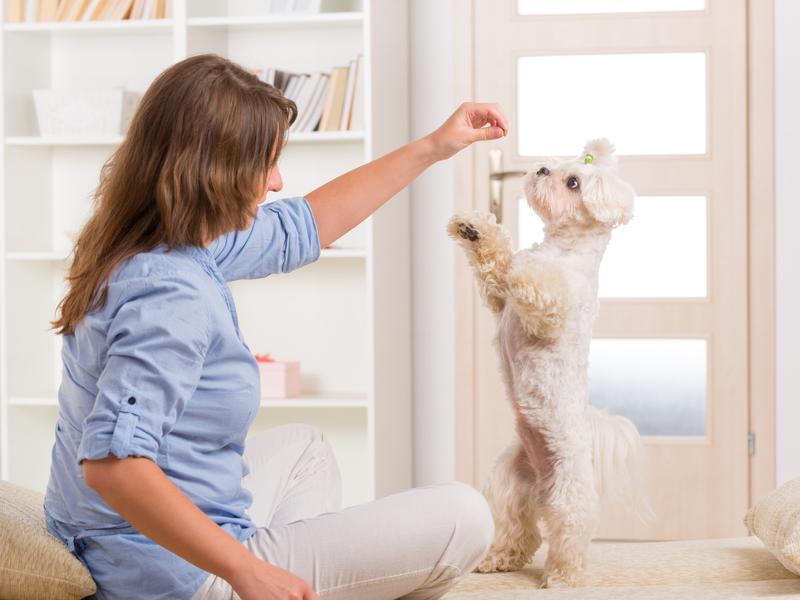
The biggest mistake I see is moving the treat too high and too fast. The dog stands instead of sitting back, and suddenly we are teaching a different behaviour. I want the dog to rock back into the sit pretty motion, not stretch upward like they are reaching for a kitchen counter.
- Marker: Use a word like “yes” or a clicker the moment your dog offers the right movement.
- Lure: Guide with the treat, then gradually reduce how much your hand helps.
- Pace: Keep sessions short so balance stays comfortable.
For many dogs, this takes several weeks of practice rather than one afternoon. That is normal. A trick involving core control asks for more than simply following a cue.
Build Duration and Improve Your Dog’s Stability
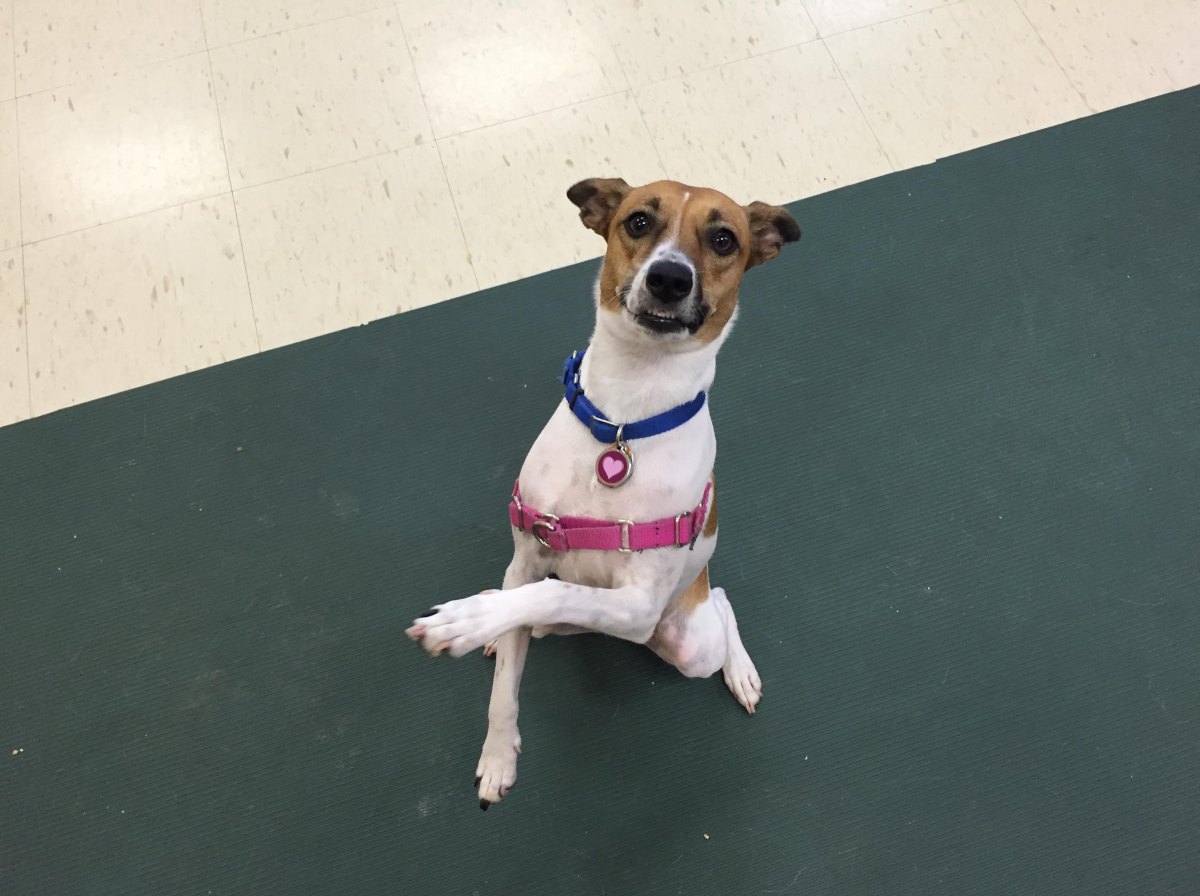
Once your dog can pop into position, I stop chasing height and start building time. A beautiful one-second sit pretty is more useful than a wobbly five-second attempt where your dog is uncomfortable.
| Training stage | Goal |
|---|---|
| Beginning | Lift paws briefly and stay relaxed |
| Progressing | Hold the position for a few seconds |
| Advanced | Respond to the cue without a treat lure |
Watch your dog’s body language
Pause if you see weight shifting away, repeated paw licking, a tense mouth, freezing, or reluctance to repeat the movement. The trick should look comfortable.
AKC notes that sit pretty requires balance and can place extra demands on the body, so slow progression matters.
Practice the Trick Safely and Add a Verbal Cue
I add the verbal cue only after the dog understands the action. Saying “sit pretty” fifty times while your dog is guessing usually teaches confusion, not a trick. I want the word connected to a behaviour they already know.
- Practice in short sessions.
- Reward the completed position.
- Fade the treat lure gradually.
- Keep the trick optional for dogs who find it uncomfortable.
Reward-based learning offers the most advantages and least harm to the learner’s welfare.
American Veterinary Society of Animal Behavior
Bruno can do this trick beautifully now, but I still pay attention to his limits. A trained dog is not a machine that performs on demand forever. The best training creates a dog who trusts the conversation between us.
More Pinterest Visuals