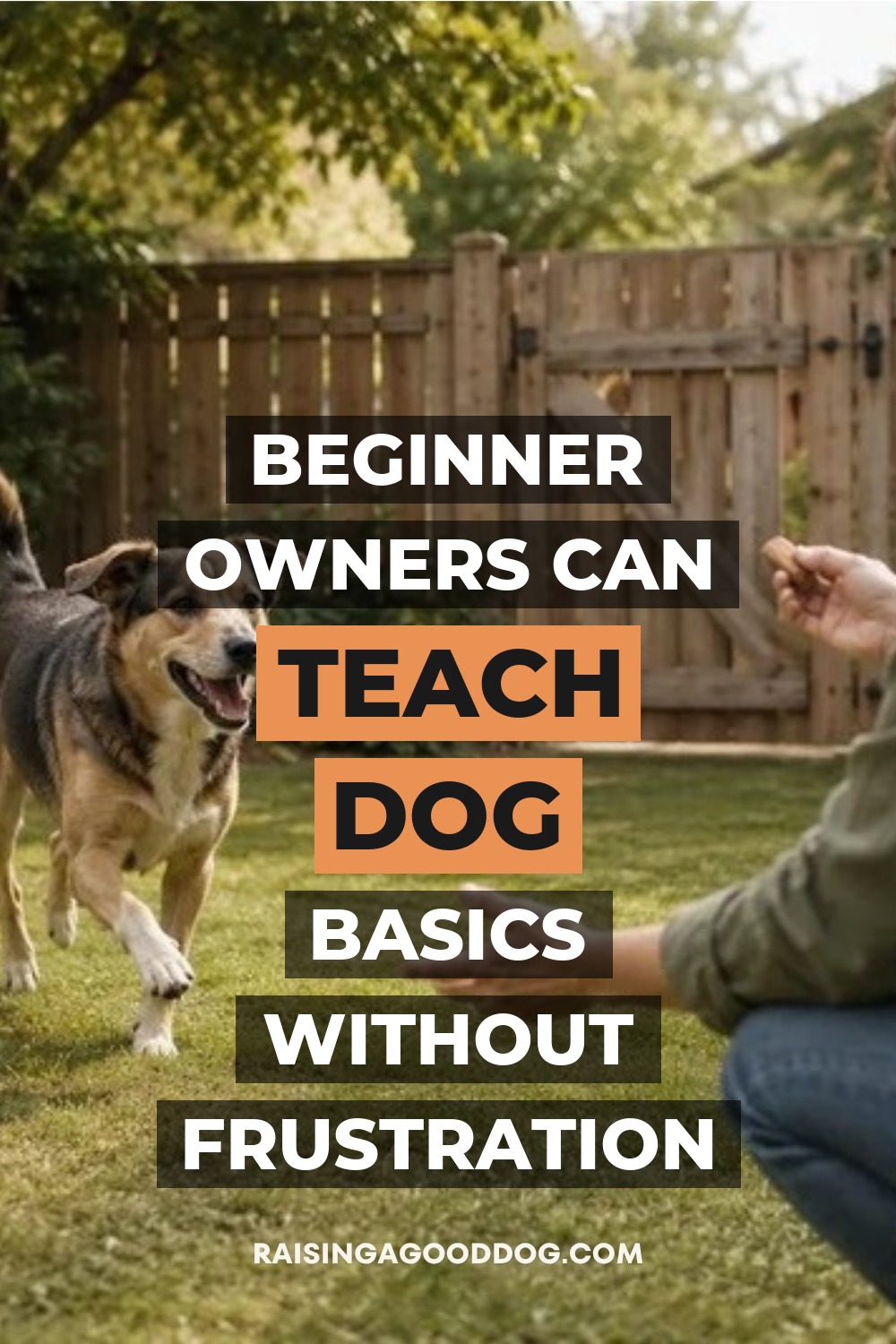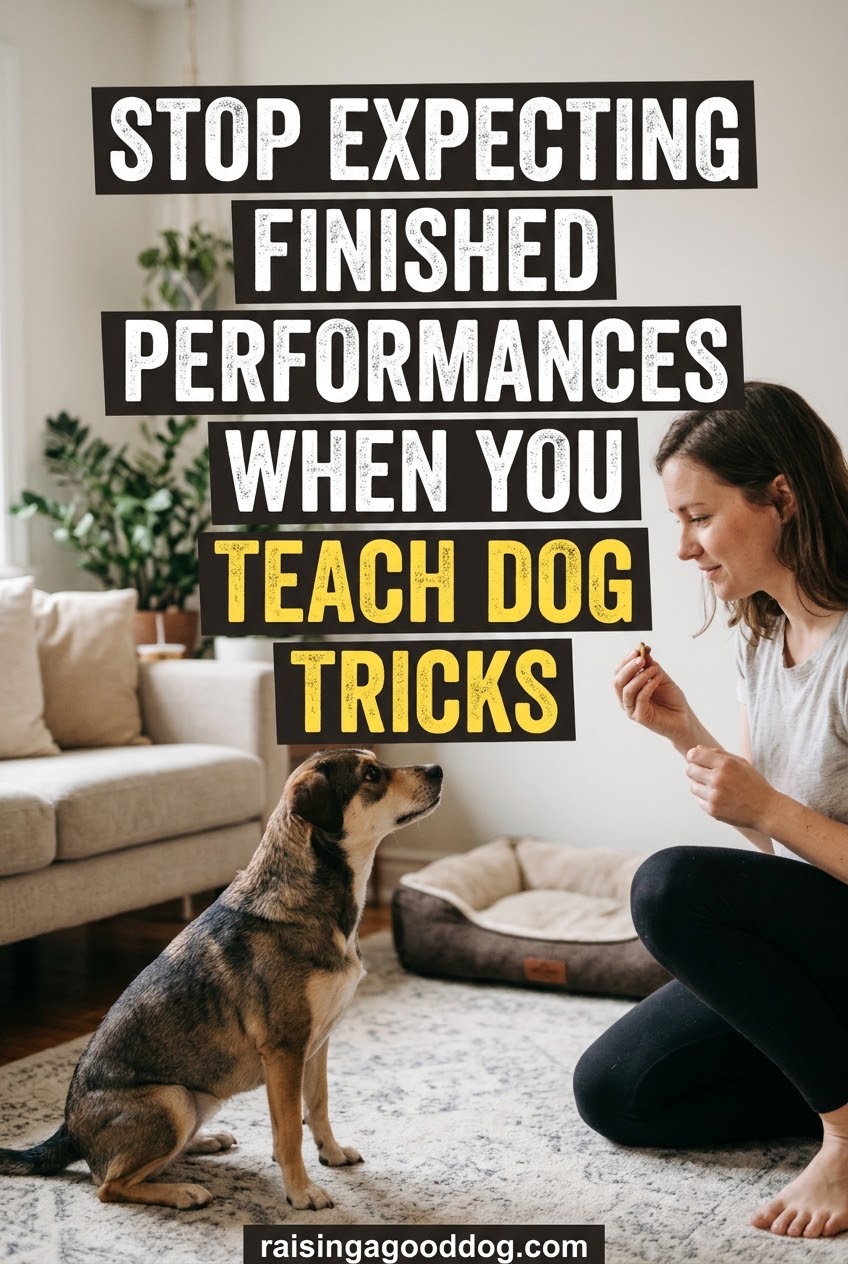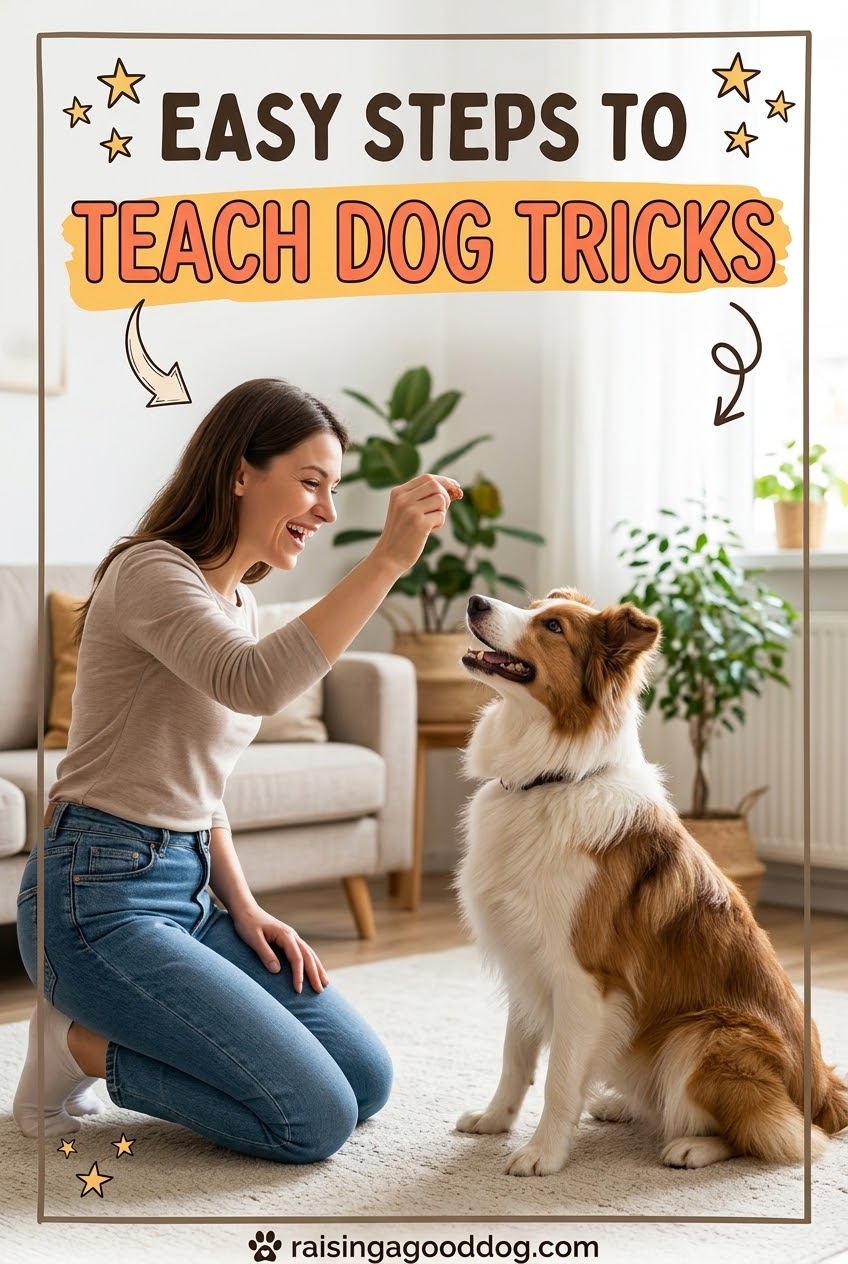
Most dogs are not stubborn when a trick feels impossible; they are usually missing a clear explanation. I have taught hundreds of dogs, and the biggest change I see comes when owners stop asking for a finished performance and start rewarding small pieces of progress.
I teach tricks with short sessions, clear cues, and rewards that matter to the individual dog. Small successful steps build confidence, whether I am working with Bruno in my training room or helping a family dog learn something new at home.
Teach Your Dog to Sit
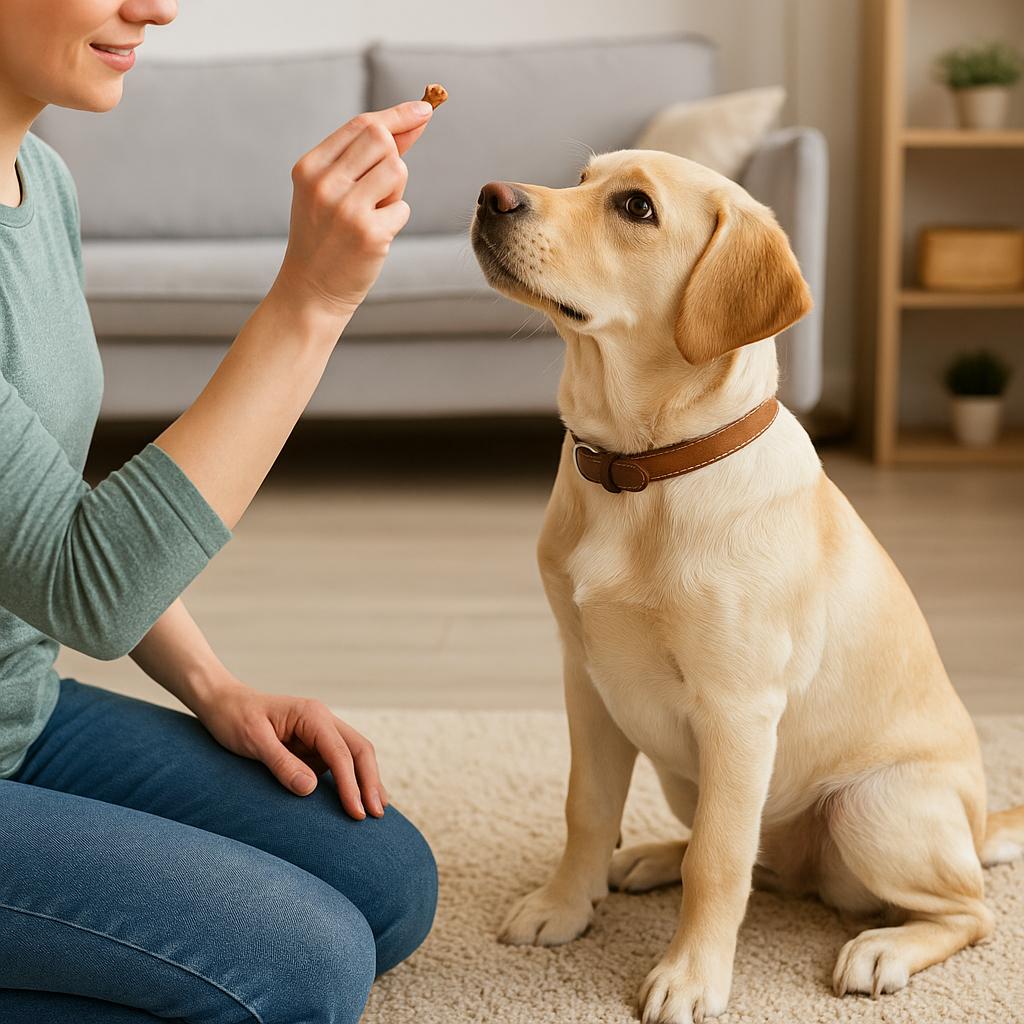
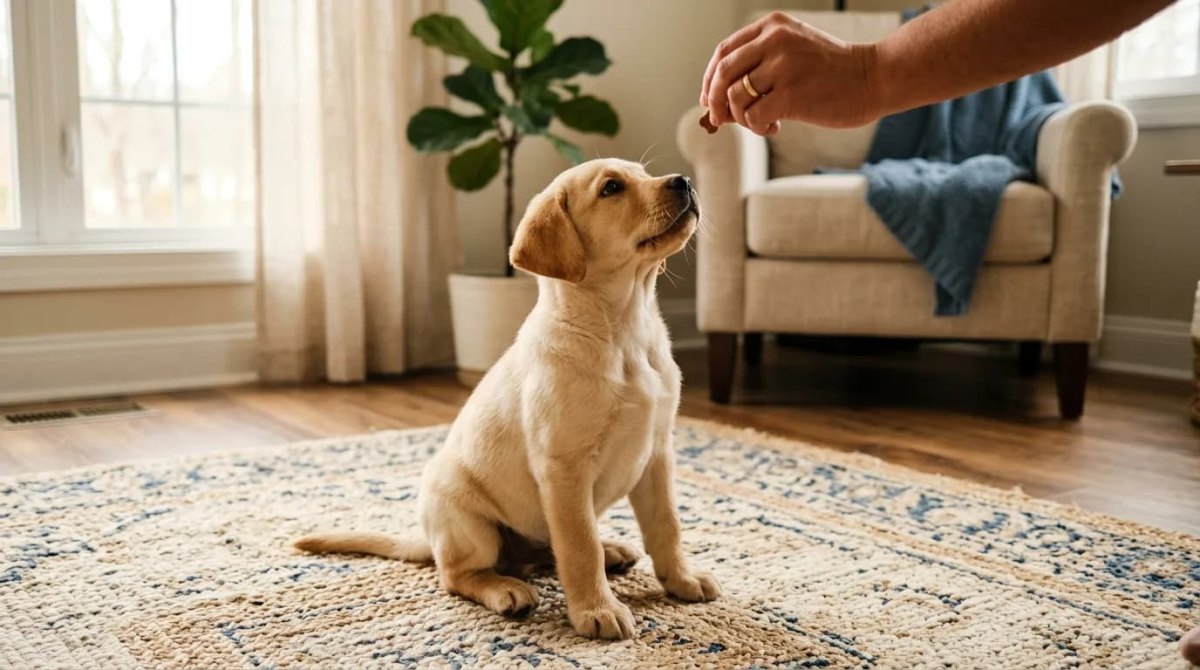
I start with sit because it teaches the basic conversation between dog and human: a behaviour happens, and something good follows. Reward-based training focuses on showing your dog what works instead of correcting what does not.
Before training, I check the environment. If your dog is bouncing off the walls after chasing squirrels for an hour, the first step is not a cue; it is finding a calmer moment. Look for relaxed ears, normal breathing, and a body that can focus. Quiet practice spaces usually create faster learning.
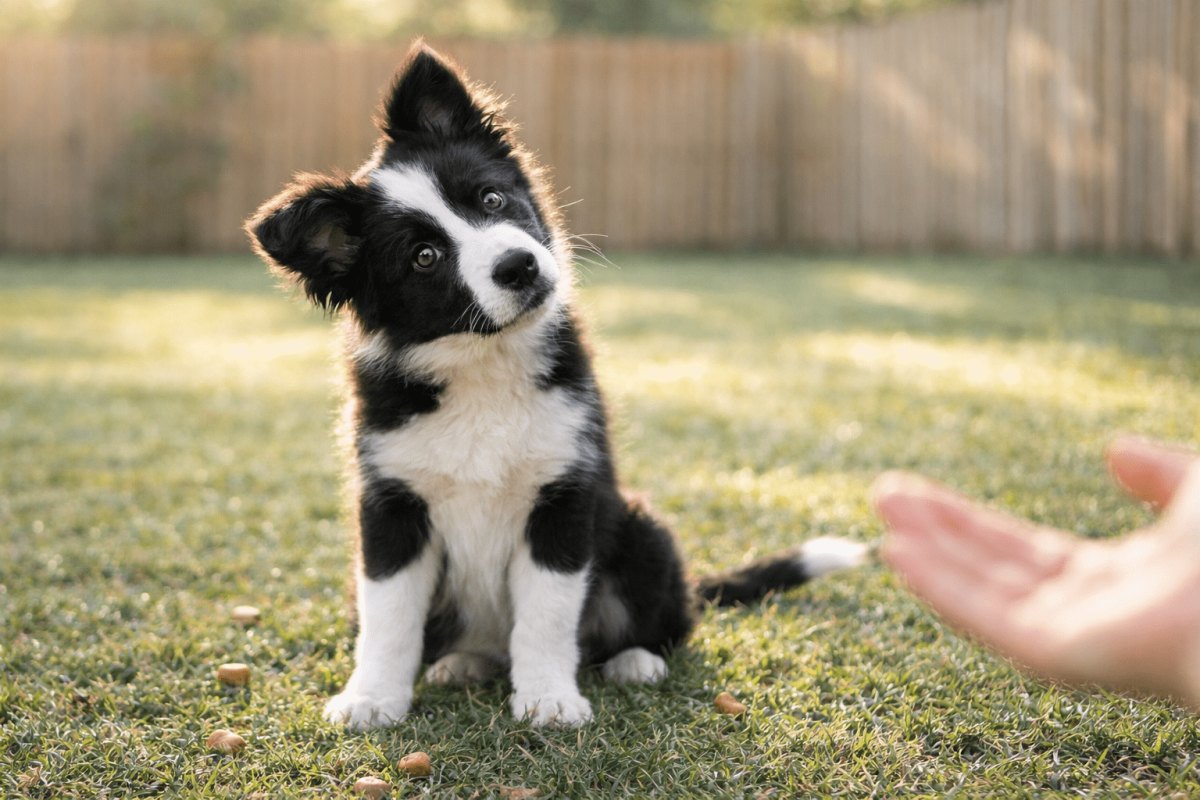
- Lure. Move a treat slowly above your dog's nose until their bottom naturally reaches the floor.
- Reward. Mark the moment they sit and give the treat immediately.
- Name. Add the word "sit" once your dog is already offering the behaviour.
Teach Your Dog to Stay
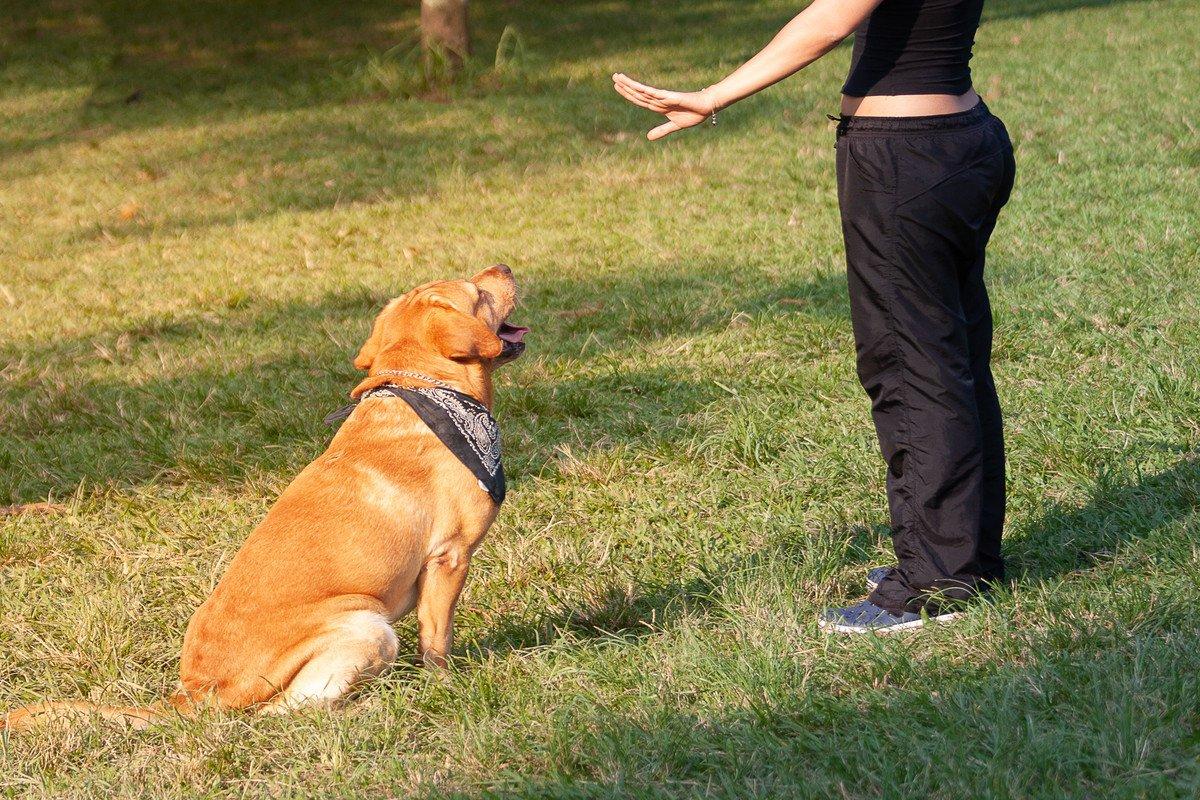
A stay is not about making a dog freeze because they are worried about getting it wrong. I build it like a muscle, adding tiny amounts of time and distance while keeping the dog successful. Professional training guidance commonly recommends building duration before adding bigger distractions.
The mistake I see most often is asking for a ten-second stay when the dog only understands one second. Short successful repetitions prevent frustration and make the behaviour reliable.
Trainer tip
Reward your dog while they are still staying, then use a release cue so they learn exactly when the behaviour ends.
- Start with distractions removed.
- Increase time slowly.
- Practice in different safe locations.
Teach Your Dog to Come When Called
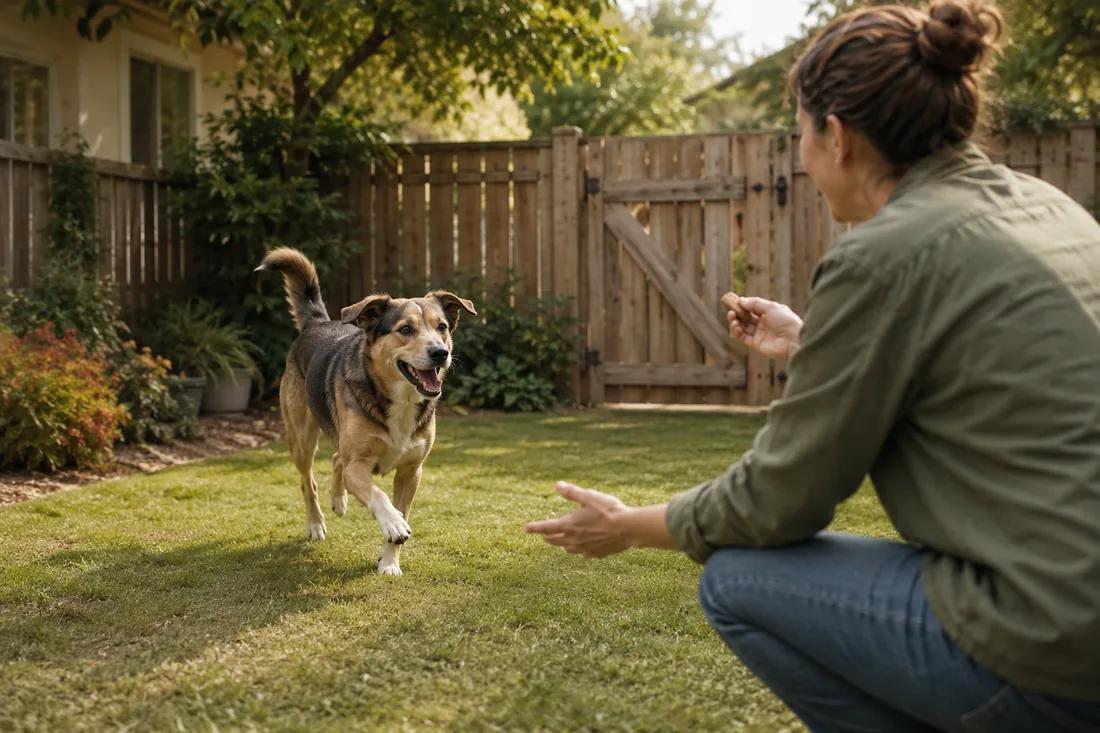
Recall is one of the tricks I take most seriously because it can become a safety skill. I never test a new recall by calling a dog away from the most exciting thing they have ever seen. I build the habit where success is likely first.
For a strong recall, I use rewards, repetition, and management. A long line is often the bridge between training and real life because it prevents your dog from rehearsing ignoring you. A reliable recall is built over weeks and months, not one afternoon in the park.
Safety note
If your dog has a history of running into danger, chasing wildlife, or ignoring you near roads, keep practicing with appropriate management instead of testing their limits.
Teach Your Dog to Shake Hands
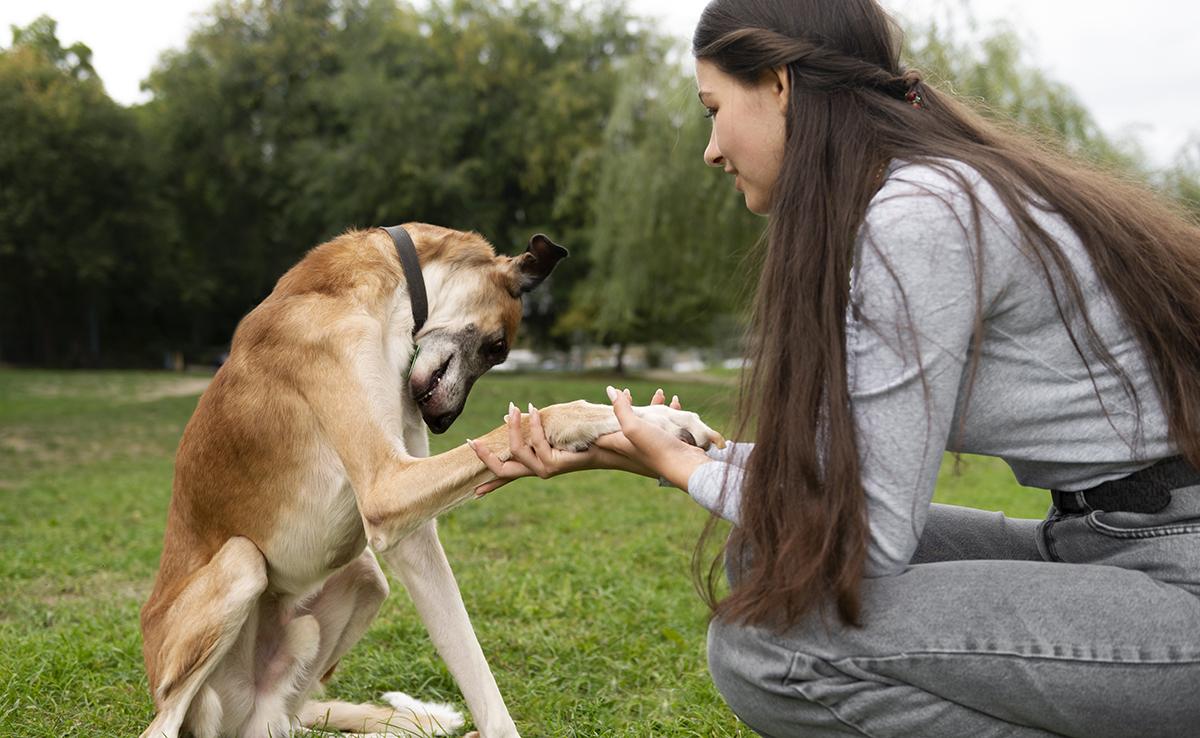
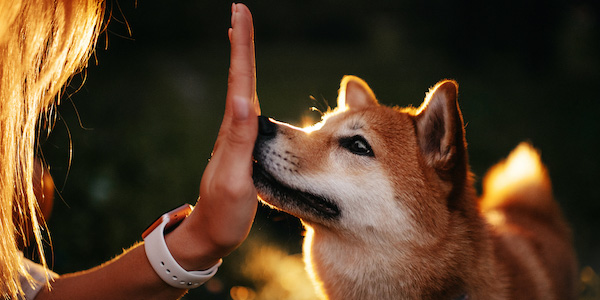
Shake is one of those cheerful tricks that makes people smile, and dogs often enjoy discovering that their paw can earn a reward. I teach it by allowing the dog to offer the movement rather than grabbing their paw and placing it in my hand.
Some dogs immediately paw at your hand; others need more patience. I reward curiosity first and shape the behaviour gradually. Voluntary paw movement keeps the trick comfortable and helps the dog understand the game.
- Difficulty: Easy for many dogs who already enjoy offering behaviours.
- Reward: Treats, praise, or a favourite toy depending on what motivates your dog.
- Practice: Keep sessions brief and end after a success.
Teach Your Dog to Roll Over
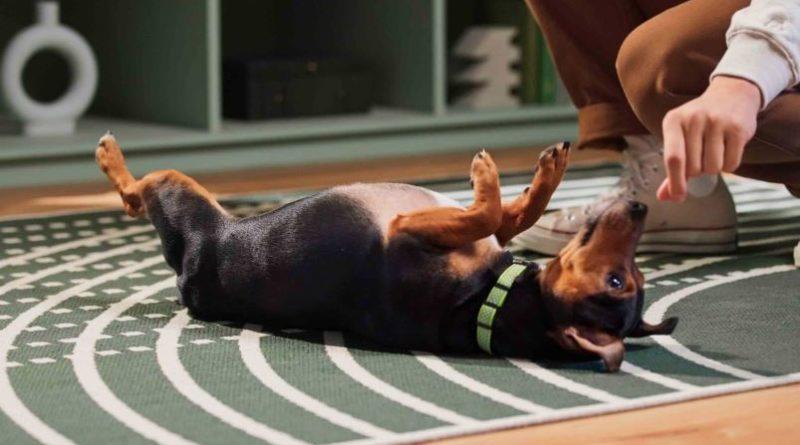
Roll over looks like a party trick, but it asks your dog for body awareness and trust. I do not push a dog onto their back because some dogs find that vulnerable position uncomfortable. I break the movement into small pieces instead.
Before trying this trick, I want a dog comfortable with lying down and following a lure. If your dog freezes, turns their head away, or shows tension around their mouth and body, that is information. Comfort comes before performance.
What helps
- A soft training surface.
- Slow movement and rewards.
- Breaking the trick into stages.
What to avoid
- Forcing the roll.
- Rushing through fear signals.
- Practicing when your dog is tired.
Teach Your Dog to Fetch
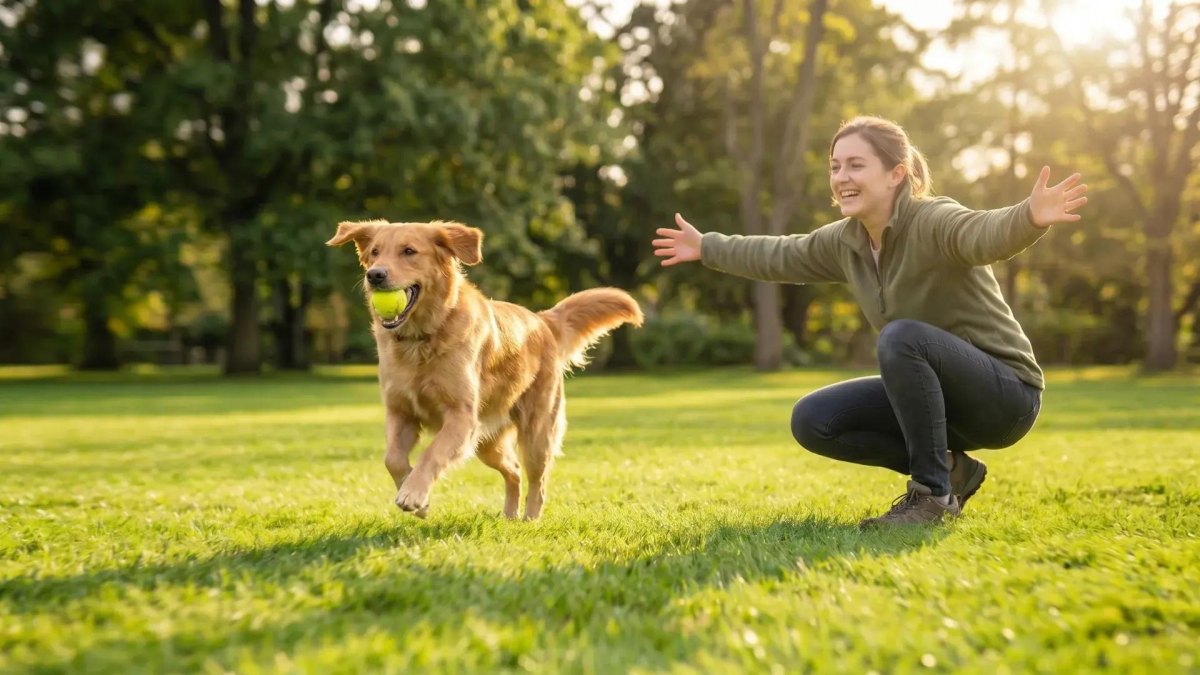
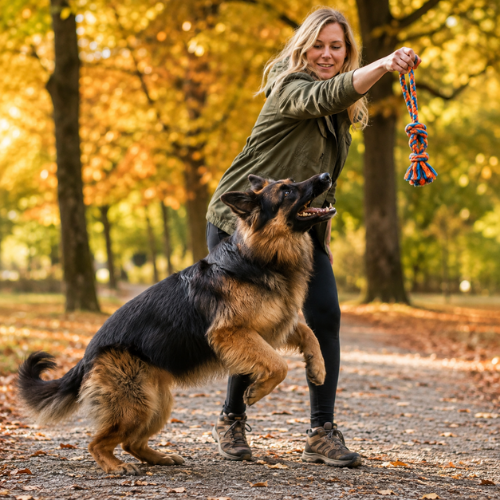
Fetch is funny because people assume dogs are born knowing the rules. Plenty of dogs will chase a toy and then proudly keep it forever. I teach fetch as separate skills: notice the toy, hold it, move with it, and return it.
Bruno was never the effortless demo dog people imagine trainers have. He taught me that clear communication beats expectations every single time. With fetch, tiny building blocks create a game your dog actually understands.
| Skill | Training goal |
|---|---|
| Hold | Dog keeps the toy briefly. |
| Carry | Dog moves while holding it. |
| Return | Dog brings the toy back to you. |
More Pinterest Visuals