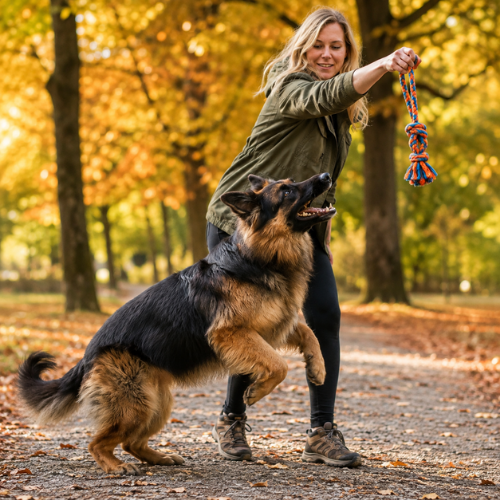
Living with a reactive dog can make your own living room feel like a training field some days. I know that feeling because I have stood at my own front door with a dog who was already over his limit before the walk even started. The good news is that your home can become the place where your dog learns to settle, recover, and feel safe. These are the home changes I use with my clients and with Bruno, my own German Shepherd who taught me more about reactivity than any textbook ever could.
Create a Calm Safe Space for Your Reactive Dog
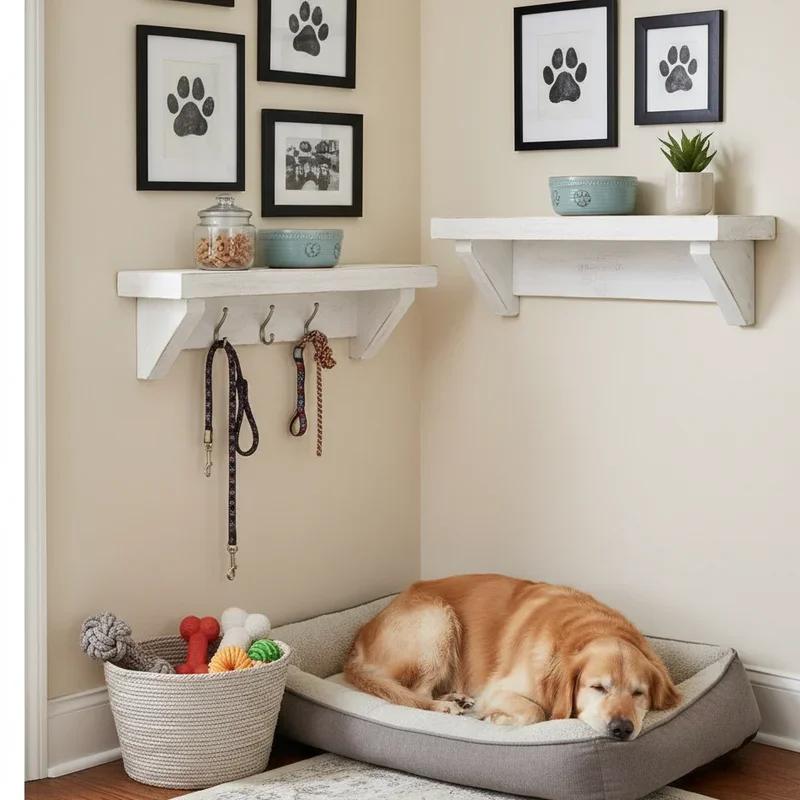
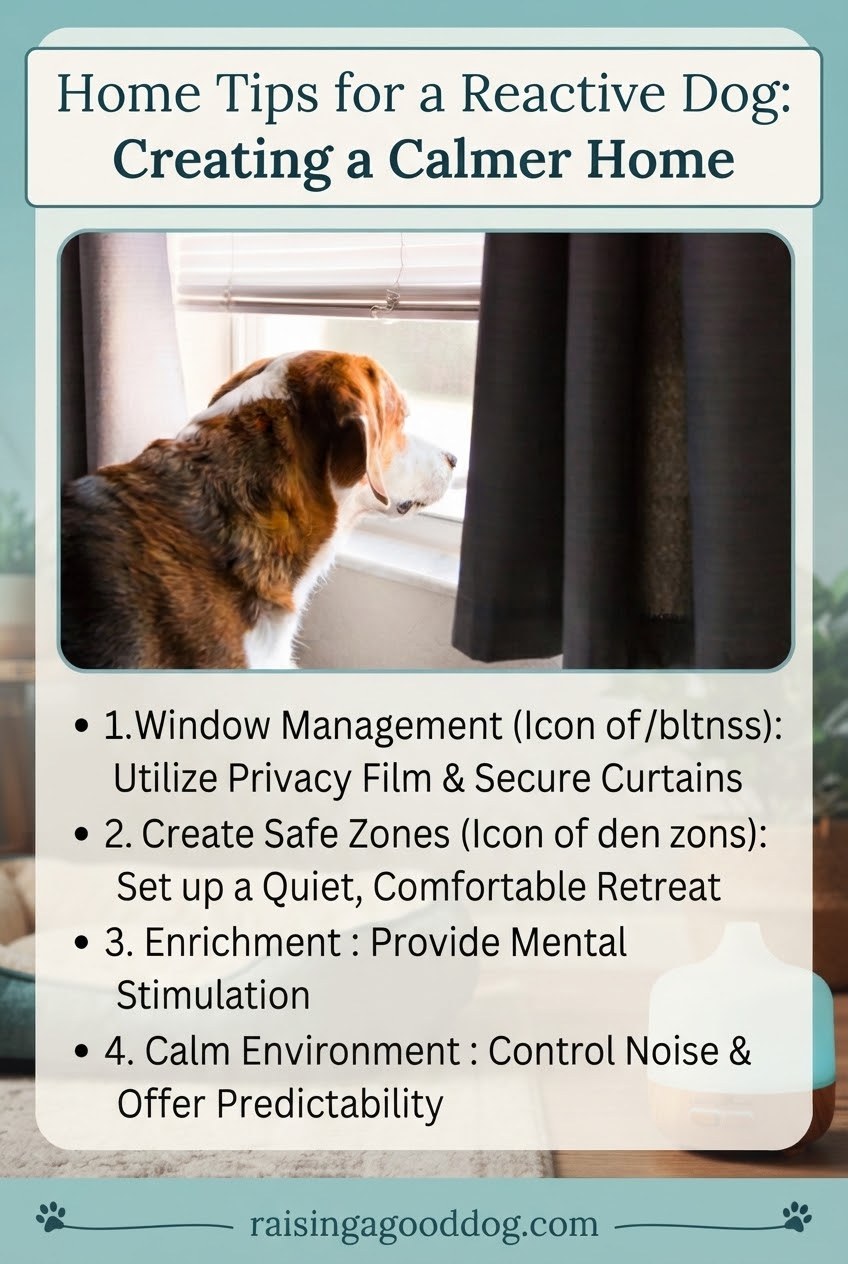
The first thing I change in a reactive dog’s home is not the dog. It is the environment. A dog who spends all day scanning windows, listening for hallway noises, or waiting for the next surprise never gets a chance to come back down to baseline.
I want every reactive dog to have a predictable resting area. This is not a punishment corner or a place where we send a dog after they react. It is simply a spot where their nervous system can finally unclench.
A good calm space includes:
- A comfortable bed away from busy walkways
- Reduced visual triggers from windows or doors
- Safe enrichment items your dog enjoys
- A predictable signal that this is a resting area
Trainer tip
I often tell clients that the best calm space is boring. Your dog does not need a luxury retreat with twelve blankets. They need a place where nothing demanding happens.
Management tools like barriers and distance are not giving up. They prevent your dog from rehearsing the barking, lunging, and frantic behaviour while you work on new skills. Veterinary behaviour guidelines also emphasize reducing fear and stress through thoughtful environmental management.
Use Consistent Routines to Reduce Stress
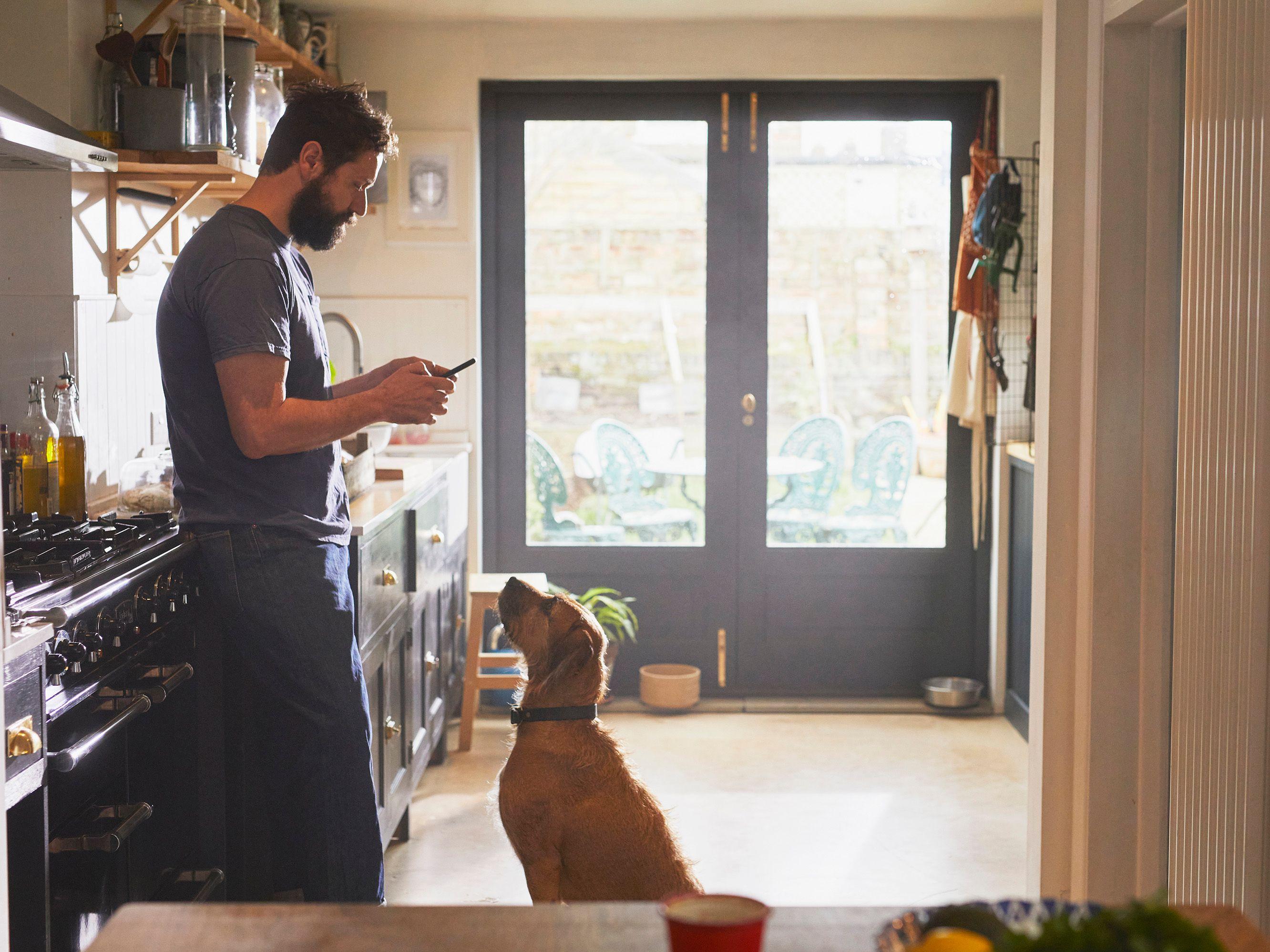
Reactive dogs often struggle when every day feels unpredictable. A schedule will not magically remove reactivity, but it can lower the number of surprises your dog has to process.
With Bruno, the difference between a peaceful morning and a chaotic one was often simple: the same breakfast time, the same quiet route, and the same expectations. Consistency gave him fewer decisions to make.
- Morning rhythm: Keep waking, feeding, and bathroom routines reasonably predictable.
- Rest periods: Protect downtime because tired, stressed dogs usually have less emotional room.
- Training windows: Practise when your dog is already calm, not after a difficult event.
Remember
A routine is support, not a strict military schedule. Real homes have deliveries, visitors, and messy Tuesdays.
Manage Triggers Around the House
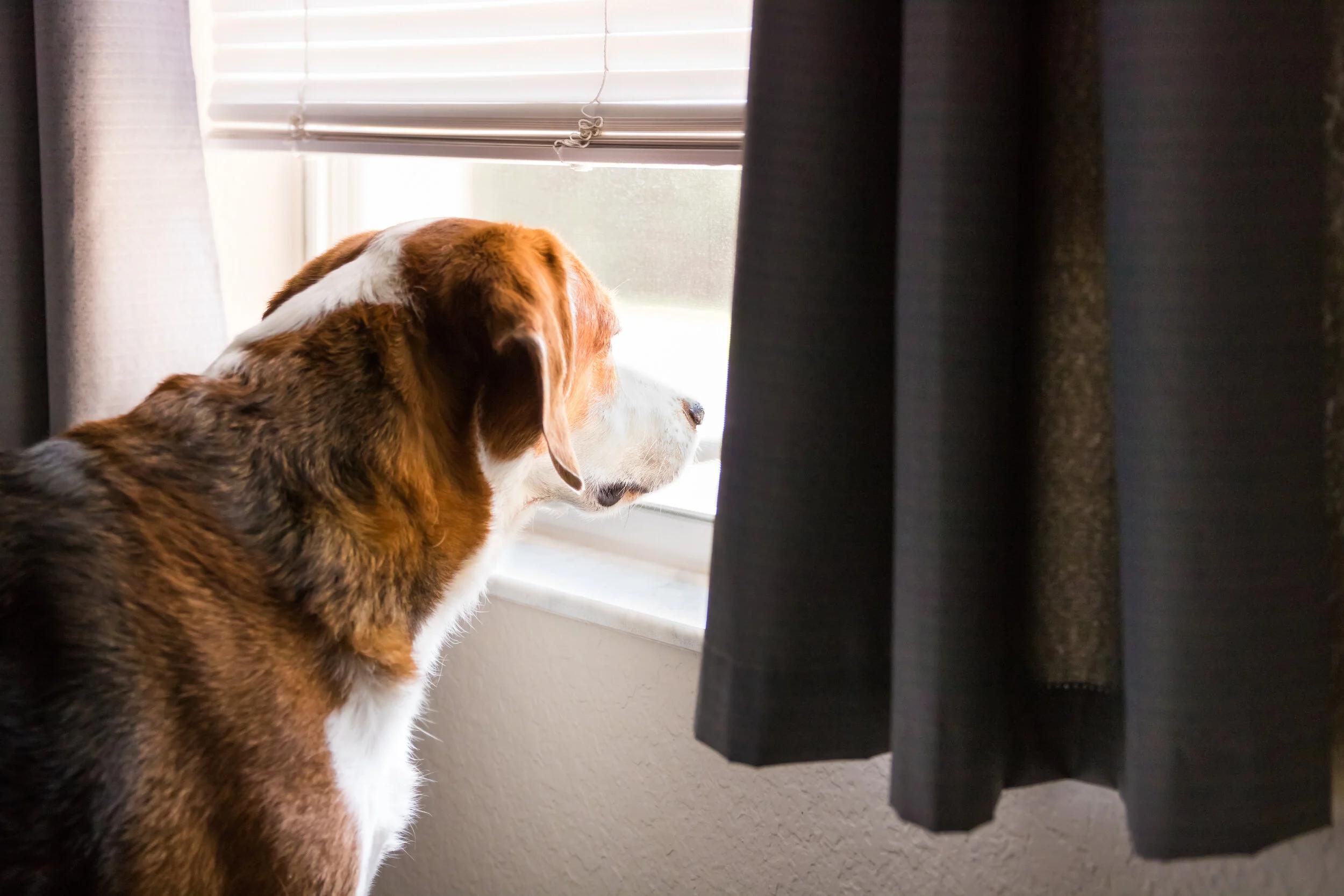
Before I teach a dog what to do differently, I ask what situations are causing the repeated explosions. Every rehearsal makes the behaviour more practiced, whether that rehearsal happens on a walk or through the living room window.
Common household triggers include delivery workers, neighbours, dogs passing outside, door sounds, and visitors arriving. The goal is not to make your dog notice nothing. The goal is to make the trigger less overwhelming.
- Identify. Write down the exact moments your dog reacts and what happens right before.
- Reduce. Use curtains, distance, gates, or quieter timing to prevent unnecessary reactions.
- Teach. Work below threshold so your dog can learn instead of panic.
Avoid this trap
Waiting until your dog is barking at the window and then asking for calm is usually too late. The brain is already in emergency mode.
Practice Calm Training Sessions Indoors
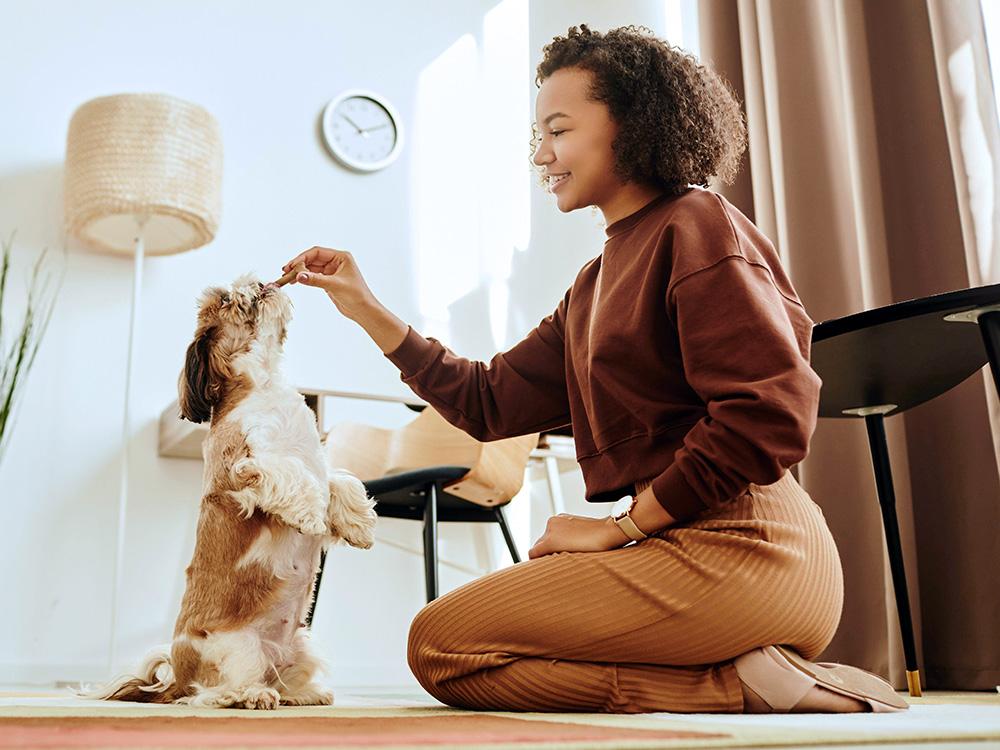
Your house is often the easiest place to teach new skills because your dog is already familiar with the environment. I start indoors because success matters more than difficulty.
My favourite sessions are short. Five minutes of a dog making good choices is more useful than twenty minutes of frustration.
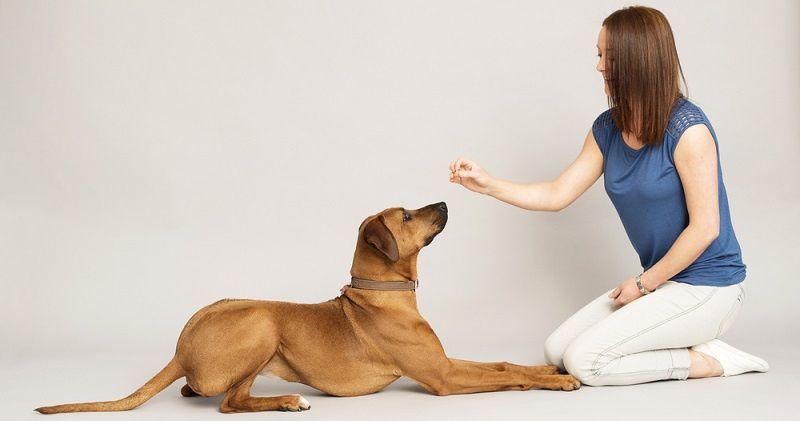
- Reward looking away from mild distractions.
- Practise hand targeting and name response.
- Teach relaxation on a mat or bed.
- Stop while your dog is still succeeding.
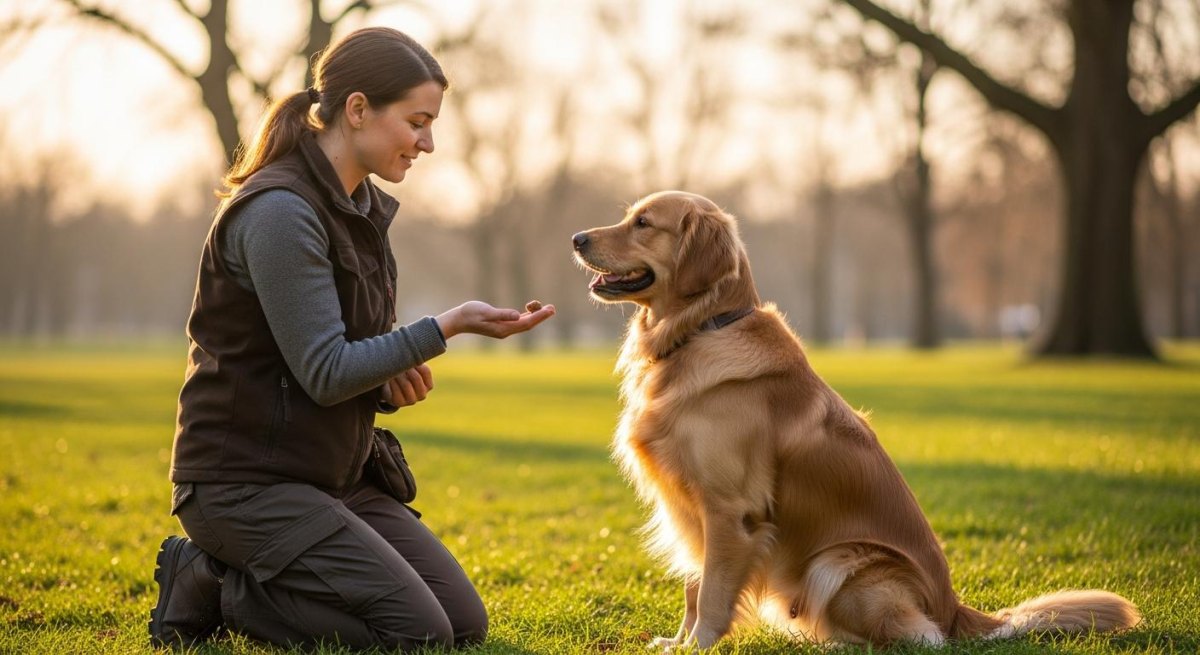
I use reward-based training because the goal is to build trust and create safer choices. Evidence-based behaviour guidelines support positive reinforcement and humane behaviour approaches.
Build Confidence With Enrichment Activities
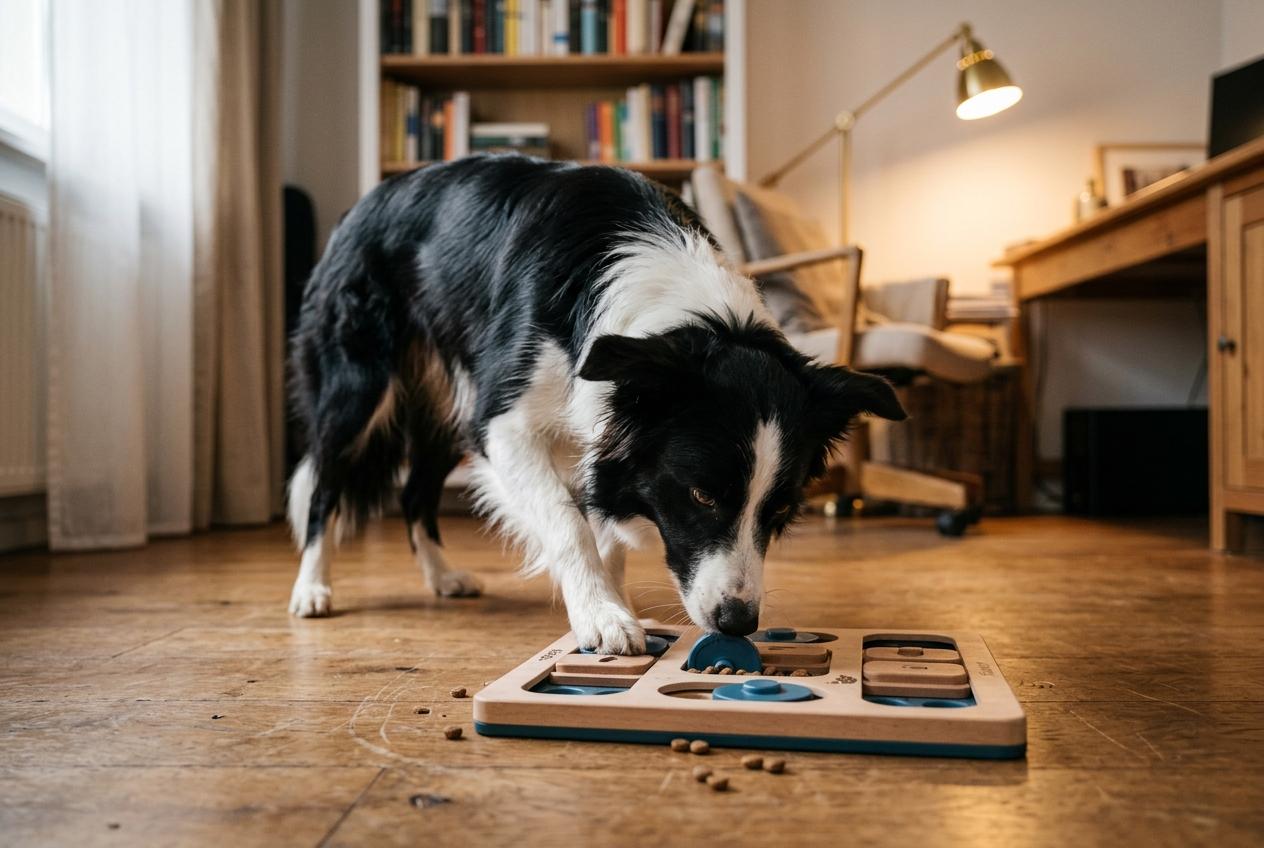
A reactive dog needs more than physical exercise. Many of these dogs spend a huge amount of their day monitoring the world, and that mental workload is exhausting.
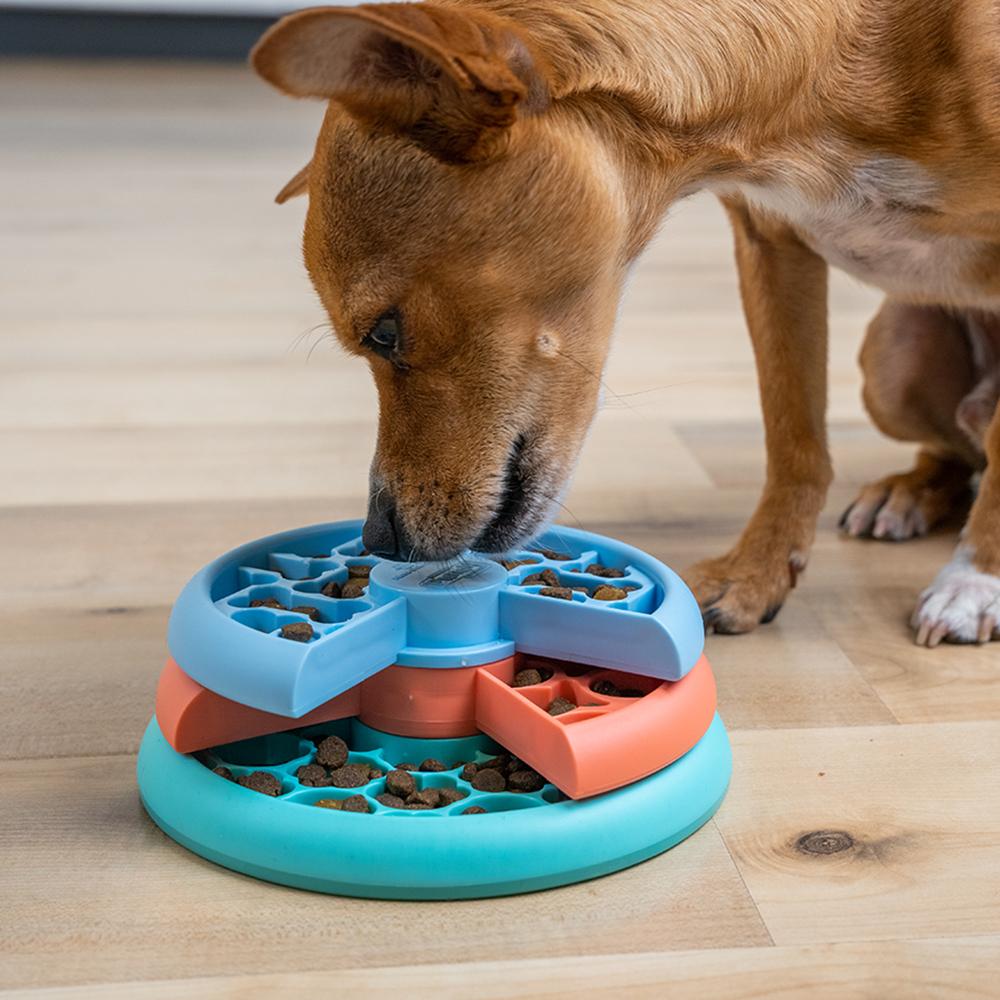
Enrichment gives your dog appropriate ways to sniff, search, chew, and solve problems without feeling pressured.
Helpful enrichment
- Snuffle mats
- Food puzzles
- Scatter feeding
- Simple scent games
Skip for stressed dogs
- Overly frustrating toys
- Forced social games
- Activities that create conflict
The right enrichment leaves your dog calmer, not more frantic.
Create a Stress-Free Guest Plan
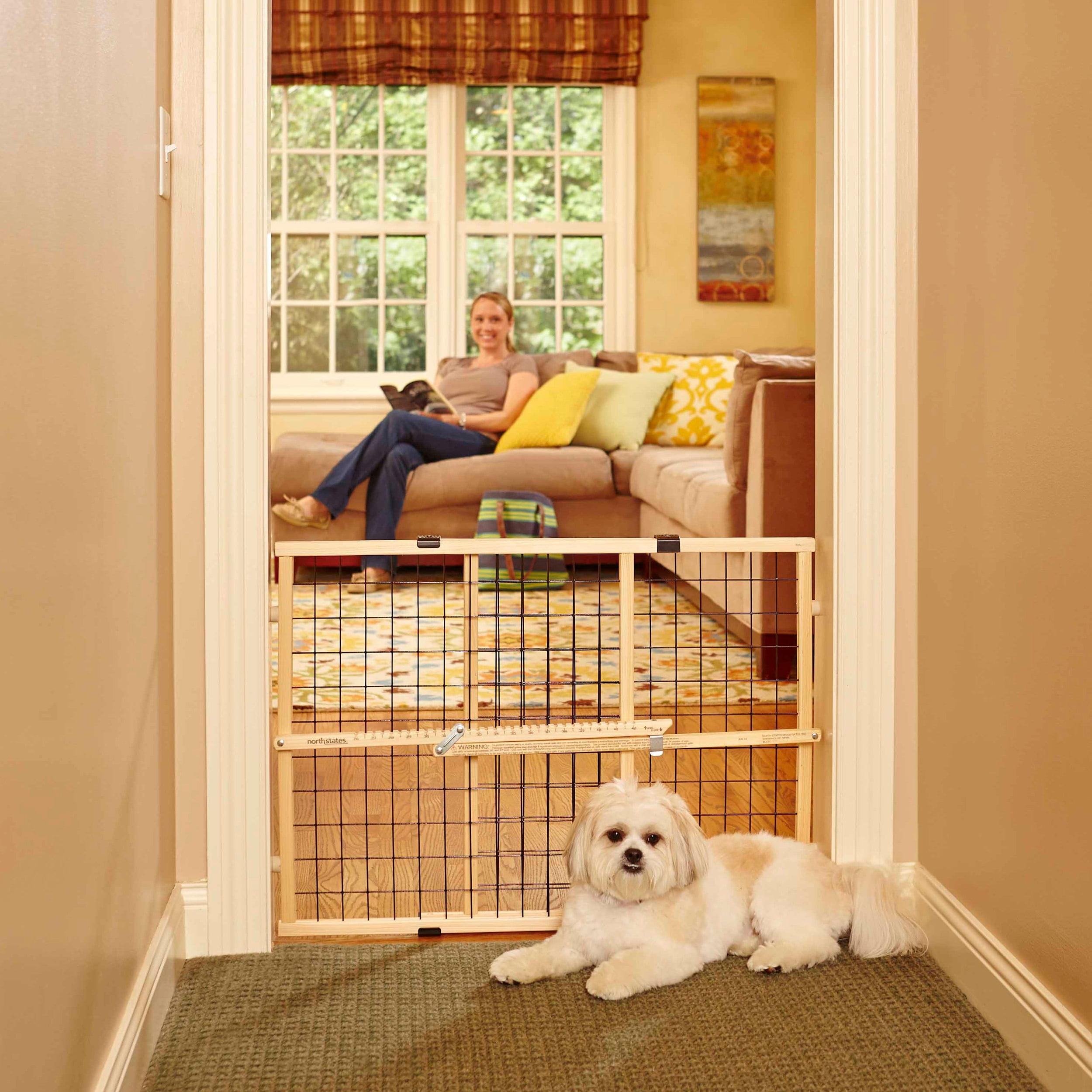
Visitors are one of the biggest challenges I see because people often expect dogs to suddenly become comfortable with strangers entering their territory.
I prefer a plan before the doorbell rings. Your dog does not need to greet everyone. A successful visit may mean your dog relaxes behind a barrier with a chew while everyone enjoys their coffee.
Common mistake
“He just needs to get used to people” is often advice that pushes dogs past their ability to cope. Controlled exposure works better than flooding.
Use Safe Separation When Your Dog Feels Overwhelmed
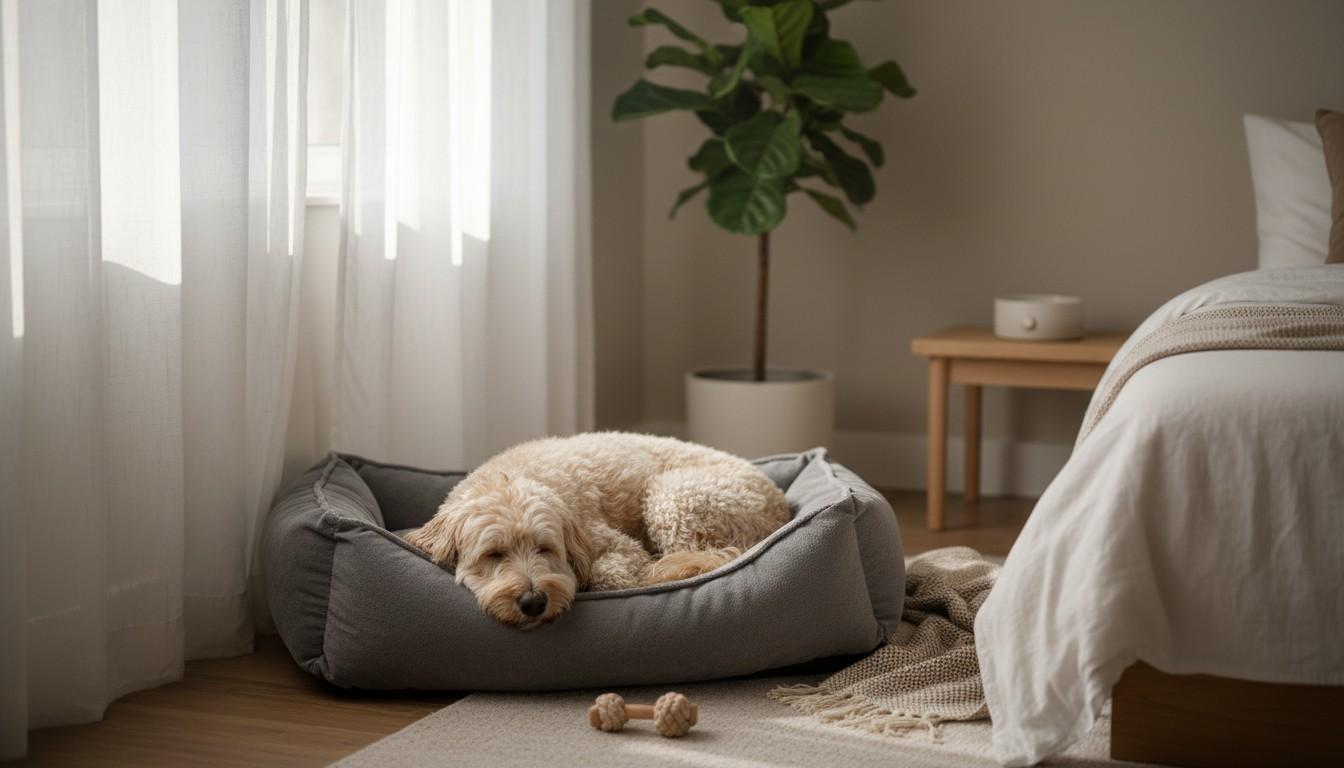
Sometimes the kindest thing you can do is give your dog space. Separation inside the home is not failure. It is a safety skill.
I use barriers, rooms, and distance when a dog is too stressed to learn. A dog who is already trembling, pacing, freezing, or unable to take food is telling us the lesson is too hard.
| Situation | Better choice |
|---|---|
| Visitor arrives | Quiet area before the door opens |
| Dog is escalating | Increase distance and allow recovery |
Stress signs such as freezing, lip licking, pacing, hiding, and changes in body posture are important communication, not stubbornness.
Improve Your Dog’s Body Language Awareness
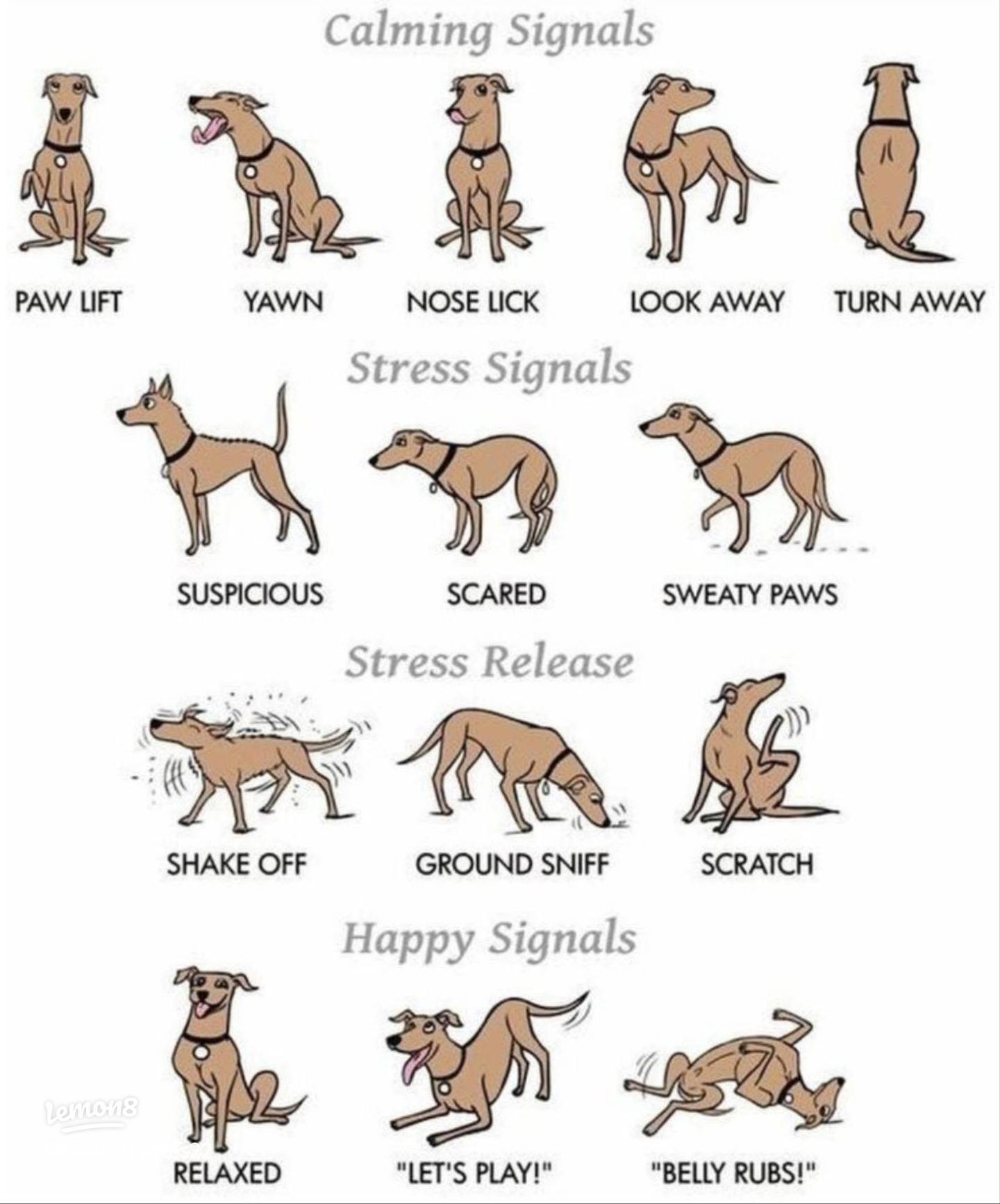
This is the skill I wish every dog owner learned first. Dogs usually whisper before they shout.
During my years working in veterinary practice, I learned that a dog’s body tells the story before the behaviour happens. Look at the whole picture, not one single sign.
- Ears: Watch for sudden changes from relaxed to pinned, forward, or constantly moving.
- Mouth: A closed tight mouth, lip licking, or sudden panting can signal discomfort.
- Weight: A forward lean, freeze, or weight shift can happen before a reaction.
- Tail base: Tension and stiffness matter more than tail position alone.
10 seconds
can be the difference between noticing stress and managing a full reaction
Support Relaxation With Calming Home Habits
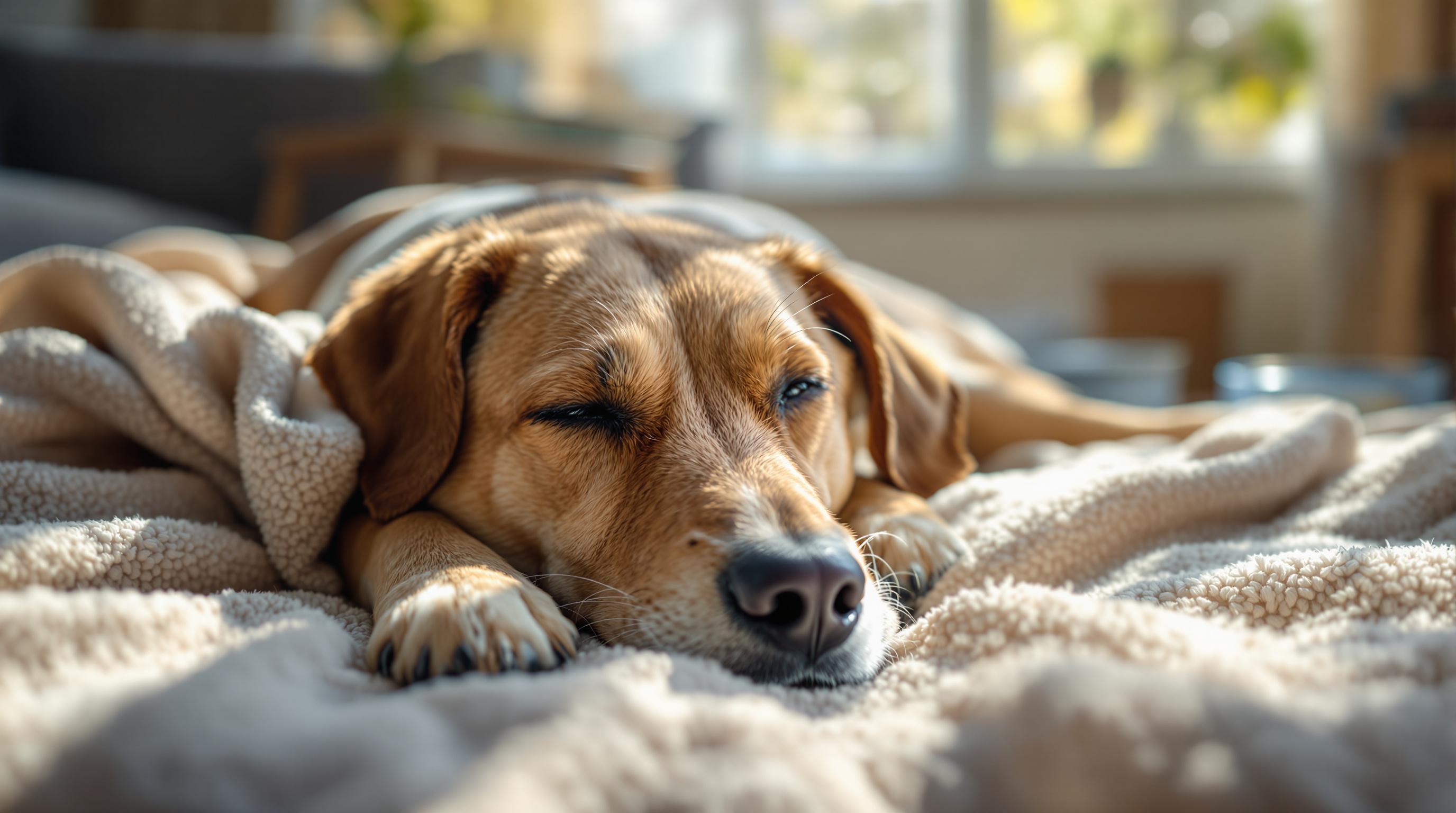
Relaxation is a skill. Some dogs arrive with it naturally, and some dogs need us to teach them that the world does not require constant monitoring.
I build calm habits into ordinary moments: resting after walks, sniffing in the yard, quiet chewing, and rewarding a dog who chooses to settle.
What “better” really looks like
My own Bruno is a much happier dog than he was years ago, but I would still not take him to a crowded festival. Progress is not turning every dog into a social butterfly. Progress is giving your dog a life where they can succeed.
Keep expectations realistic. Behaviour change usually happens over months, with good weeks and frustrating weeks mixed together.
Know When to Seek Professional Help
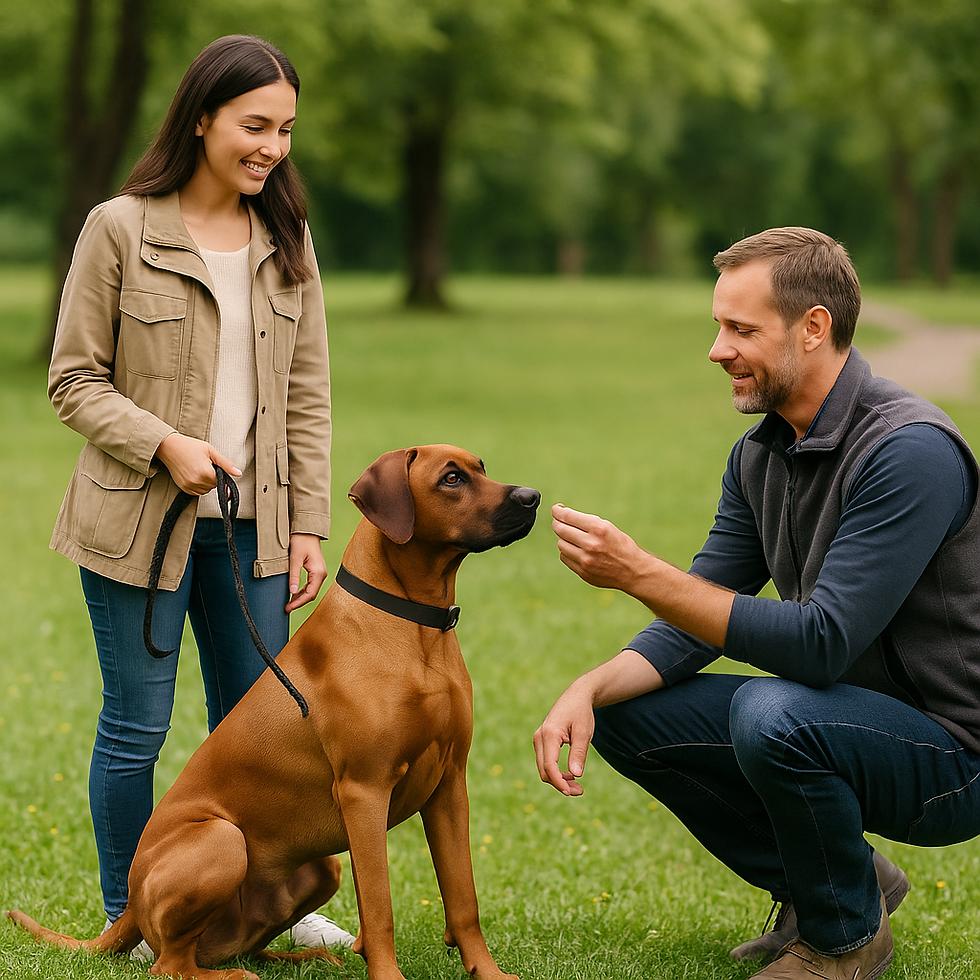
Some reactive dog situations need more than home tips. Knowing when to bring in help is part of being a responsible owner, not a sign that you have failed.
I am a CPDT-KA trainer, not a veterinarian or veterinary behaviourist, and I refer cases when a dog’s needs are beyond what training alone should handle.
- Get veterinary input for sudden behaviour changes or possible pain-related changes.
- Work with a qualified professional for bites that break skin.
- Seek in-person support for aggression involving children or serious safety risks.
- Ask your vet about veterinary behaviour support when appropriate.
One final practical step
Before your next appointment, record what happens before, during, and after reactions. Those details are often the missing piece.
Behaviour cases improve when owners, trainers, and veterinary professionals work together. The goal is not a perfect dog. The goal is a dog who feels safer and a household that can breathe again.
More Pinterest Visuals