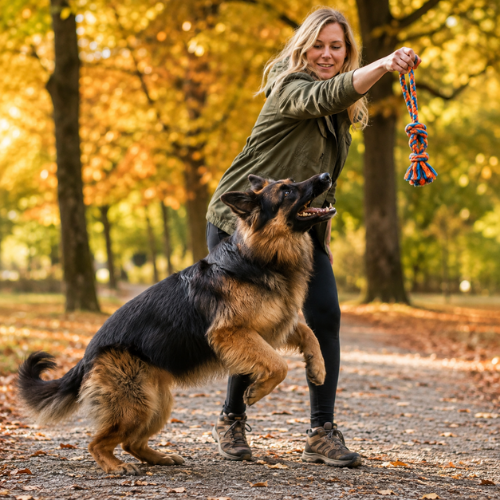
Have you ever called your puppy's name at the park only to watch them sprint toward a rogue leaf like you don't even exist? It hurts a little, doesn't it?
Before you can teach a puppy to sit, stay, or stop chewing your favorite sneakers, you have to teach them one foundational superpower: paying attention to you. Let's turn you into the most exciting thing in your puppy's universe with these science-backed, game-based focus exercises.
Why Your Puppy Acts Like You Are Invisible
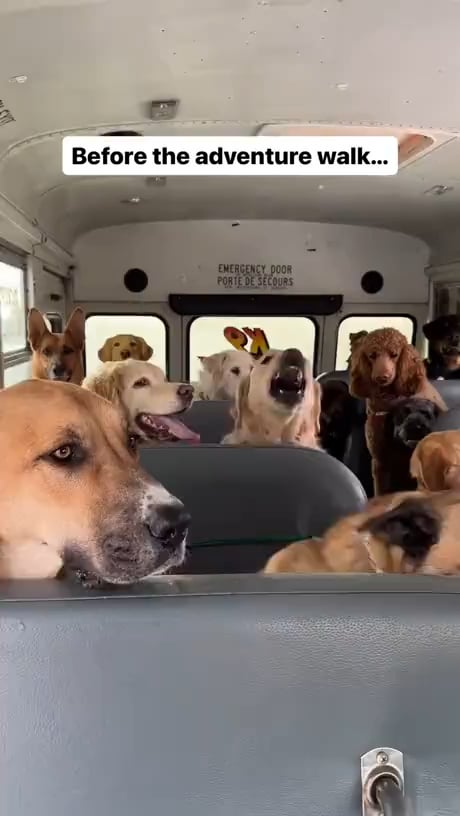
Let's be honest for a second. To a brand-new puppy, the world is a giant, chaotic amusement park full of fascinating smells, moving squirrels, and crunchy grass.
Puppies aren't ignoring you out of spite or stubbornness—they simply have the attention span of a goldfish and haven't learned that tuning into you pays off. Positive reinforcement training flips the script by making eye contact and engagement a game your dog genuinely wants to play.
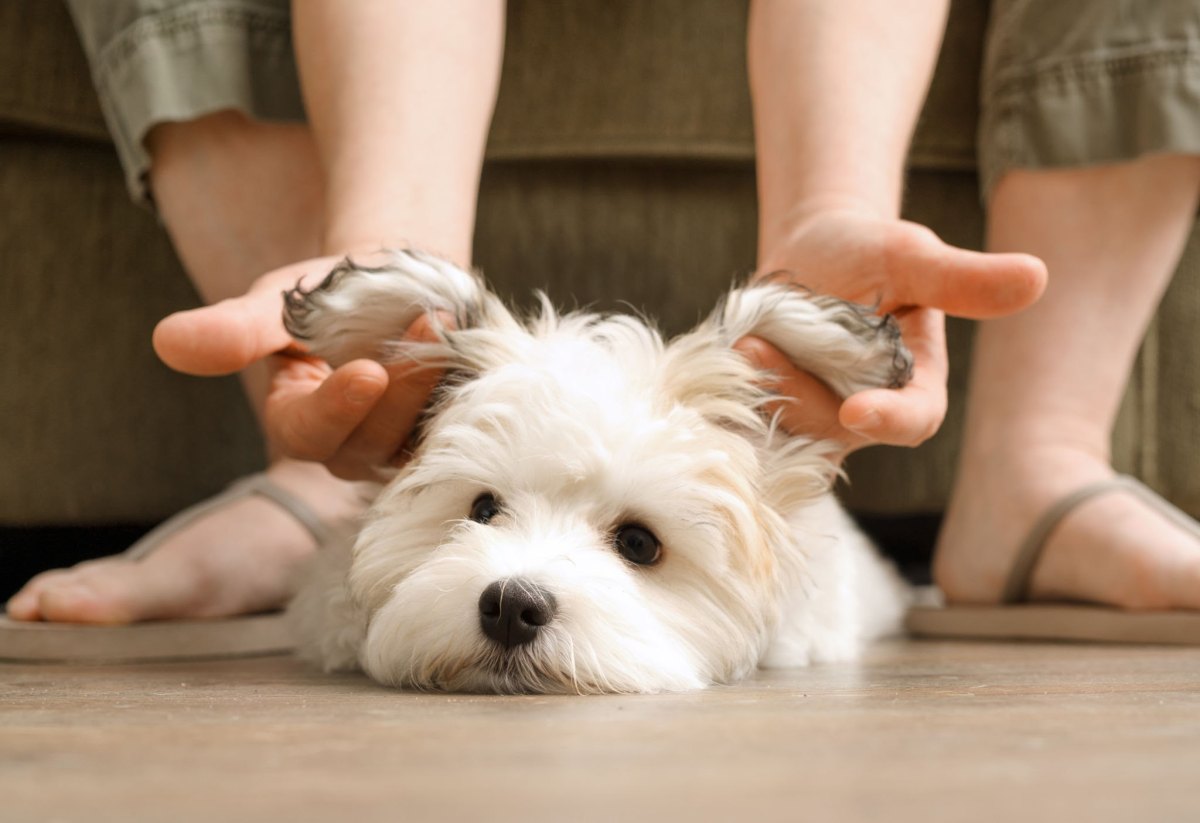
Your puppy isn't being stubborn when they ignore you outside; you are just competing with a world they haven't smelled yet.
raisingagooddog.com editorial note
Stock Your Arsenal Before You Start
Would you work a high-focus job for dry, boring crackers when someone next door is handing out sizzling bacon? Your puppy won't either.
When practicing puppy attention training, your currency needs to match the difficulty of the environment. Grab a clip-on treat pouch so your hands stay free and you can reward good choices within one second.
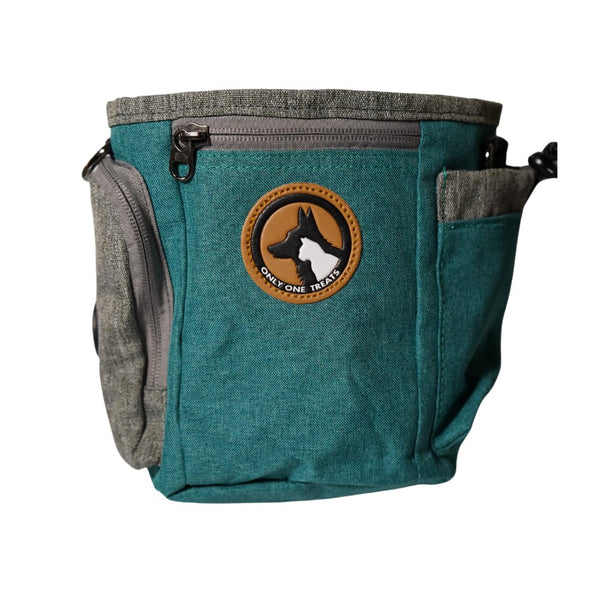
Attention Training Starter Kit
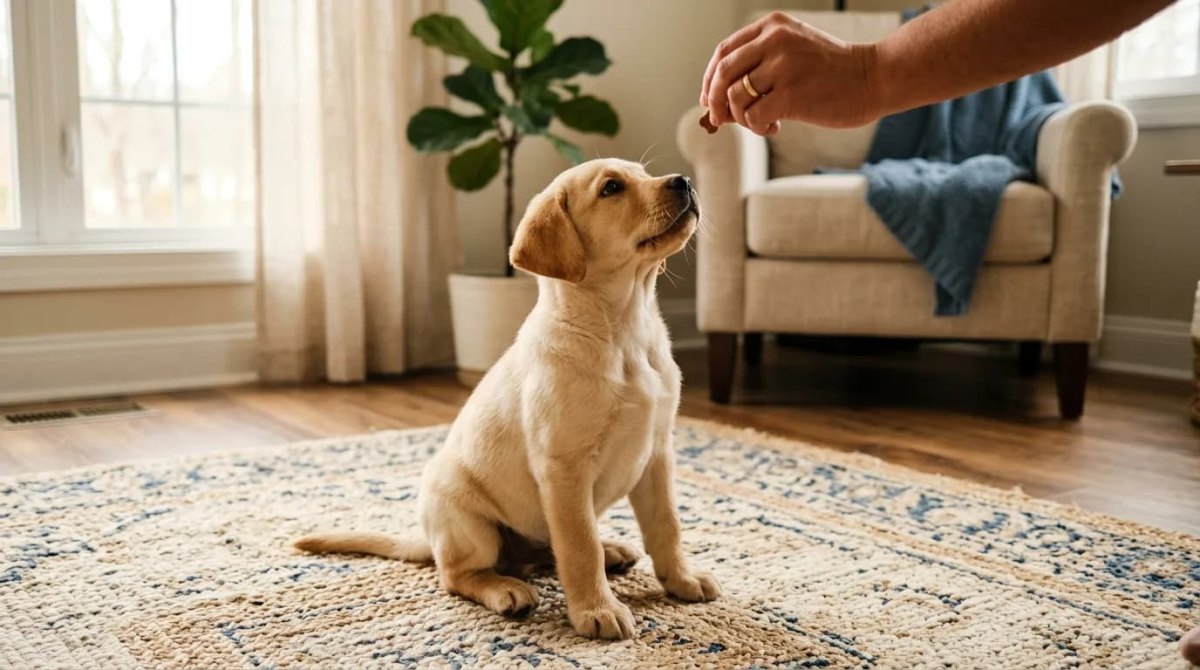
- Pea-sized pieces of high-value treats like boiled chicken, cheese, or freeze-dried liver
- A hands-free treat pouch for split-second reward timing
- A clicker or a cheerful marker word like Yes!
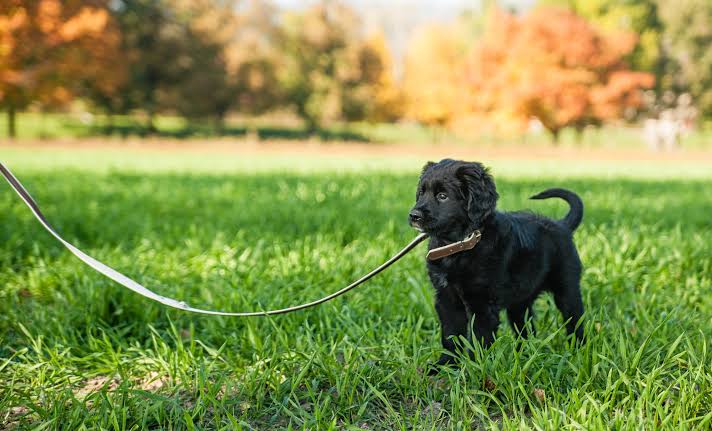
- A standard 6-foot leash (skip the retractable ones!) to prevent wandering during practice
1. The Name Game (Because Their Name Is Not "No!")
Do you accidentally use your puppy's name when they're in trouble, or repeat it ten times in a row while they stare at a wall? Congratulations, you've accidentally taught them that their name is background noise!
Your puppy's name shouldn't mean come here or stop doing that—it should simply mean, "Hey, look at my face because something awesome is about to happen!" Say their name once in a happy tone from a few feet away, and the exact millisecond their ears twitch or their eyes turn toward you, say Yes! and hand over a treat.
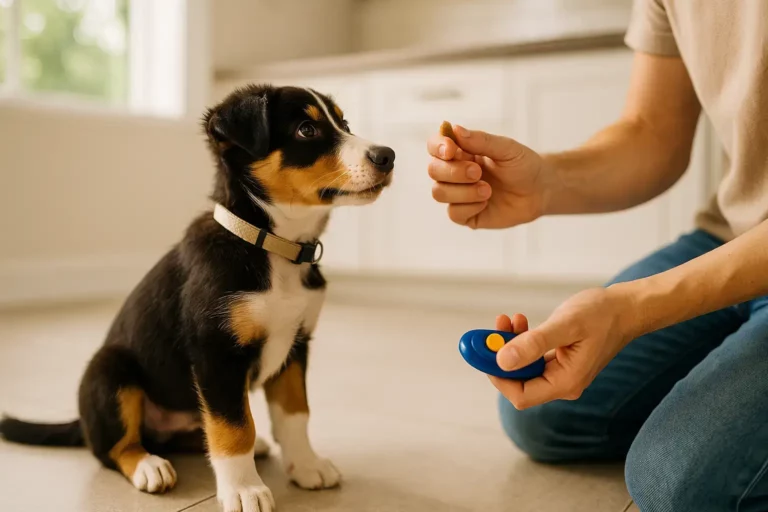
The One-Call Rule
Only say your puppy's name once; if they don't look, step closer or make a silly kissy noise rather than repeating their name until it loses all meaning.
2. The "Watch Me" Lure for Laser Eye Contact
Have you ever wondered how professional trainers get dogs to gaze up at them like they hold the secrets of the cosmos? It all starts with the Watch Me or Look cue.
Eye contact is the ultimate reset button when your puppy starts getting overwhelmed by a passing jogger or another dog. Keep sessions super short—just 5 minutes two or three times a day—so your puppy stays eager for more.
Teaching the Watch Me Cue
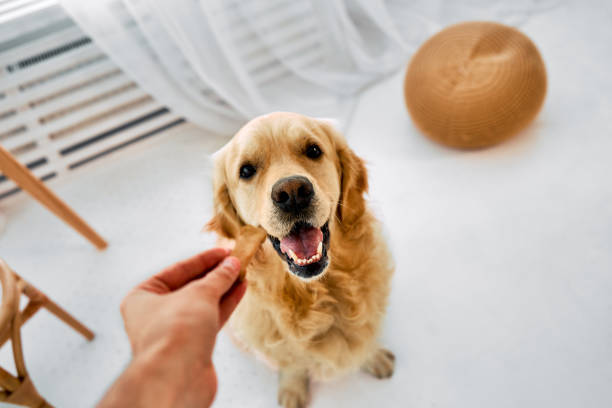
- Hold a smelly treat right in front of your puppy's nose so they lock onto it.
- Slowly draw the treat straight up between your eyes so their gaze follows your hand.
- The instant their eyes meet yours, say Yes! and deliver the treat from your other hand.
- Once they nail this 9 out of 10 times, say Watch me right before moving your hand, and gradually fade out the food lure.
3. The "Find It" Cookie Toss Reset
What do you do when your puppy is already staring at you like a tiny statue and won't look away so you can practice another rep? You play the Cookie Toss game!
Show your puppy a treat, toss it two feet away on the floor, and cheerfully say Find it! As soon as they gobble it up and naturally turn their head back toward you to see if the treat dispenser is still open, mark it with a Yes! and reward them right at your feet.
4. Hand Targeting ("Touch") to Keep Them Moving
Is your puppy too wiggly to sit still and stare into your eyes? Give their brain a physical target instead!
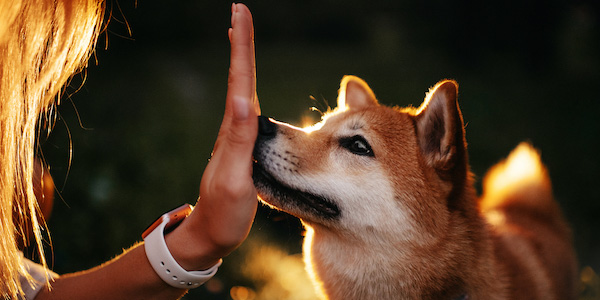
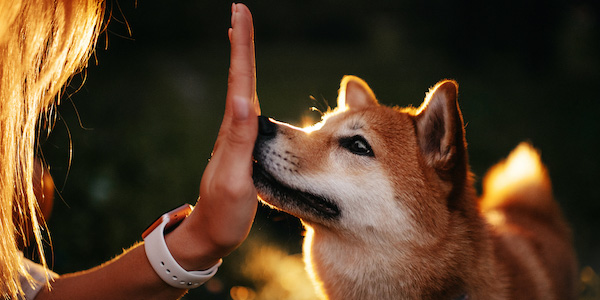
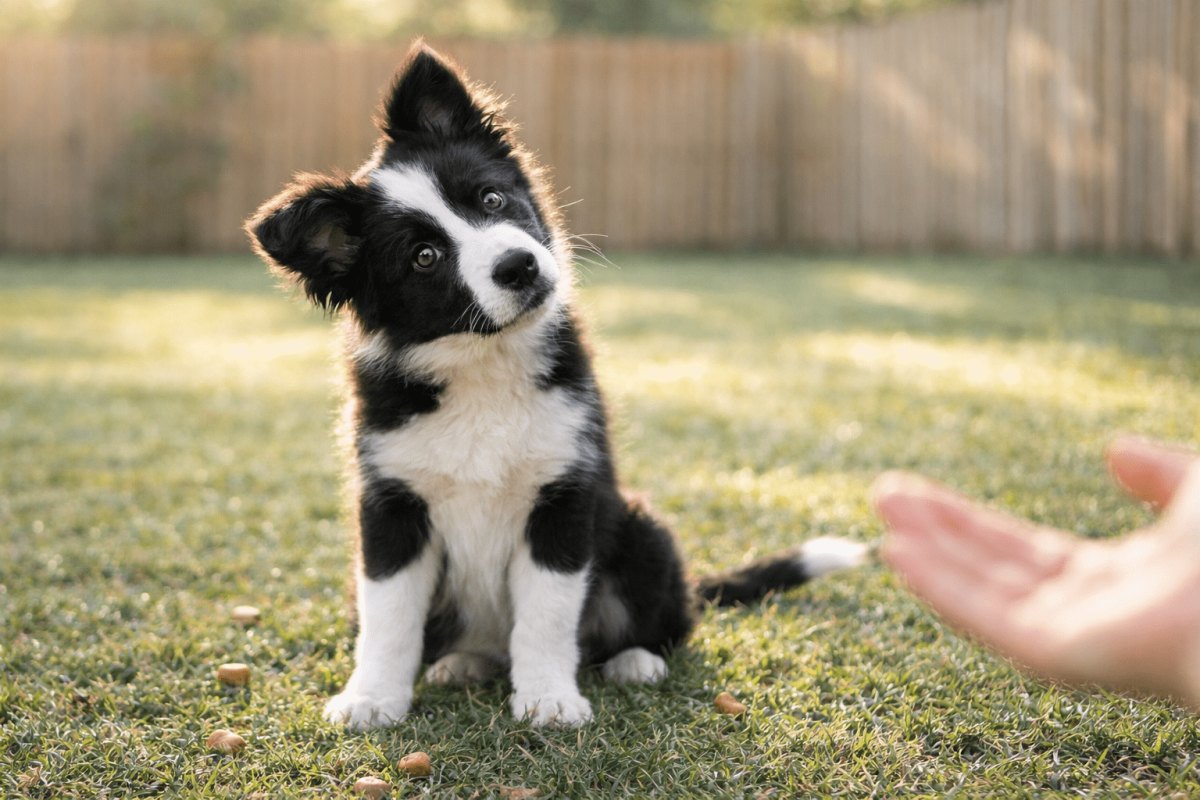
Hold your flat, empty palm an inch or two away from your puppy's nose and wait for curiosity to take over. The moment they boop your palm with their snout, say Yes! and give them a treat with your other hand—soon you can say Touch! to redirect their focus away from distractions on walks.
5. Capturing the "Auto Check-In" Outdoors
Here is the secret trainers wish every puppy parent knew: dogs are contextual learners. Just because your puppy stares at you lovingly in your quiet kitchen doesn't mean they know how to do it on a bustling sidewalk.
Stand quietly with your puppy on a leash in a low-distraction yard and play the Do Nothing game. Don't say a word—just wait for them to finish sniffing the air and voluntarily glance back at you, then celebrate that unsolicited check-in with a jackpot of 3 to 5 tiny treats in a row!
The Distraction Ladder & Reward Guide
| Environment Level | Typical Distractions | Best Reward Tier |
|---|---|---|
| Level 1: Living Room | Quiet house, no toys on the floor | Regular kibble or crunchy biscuit bits |
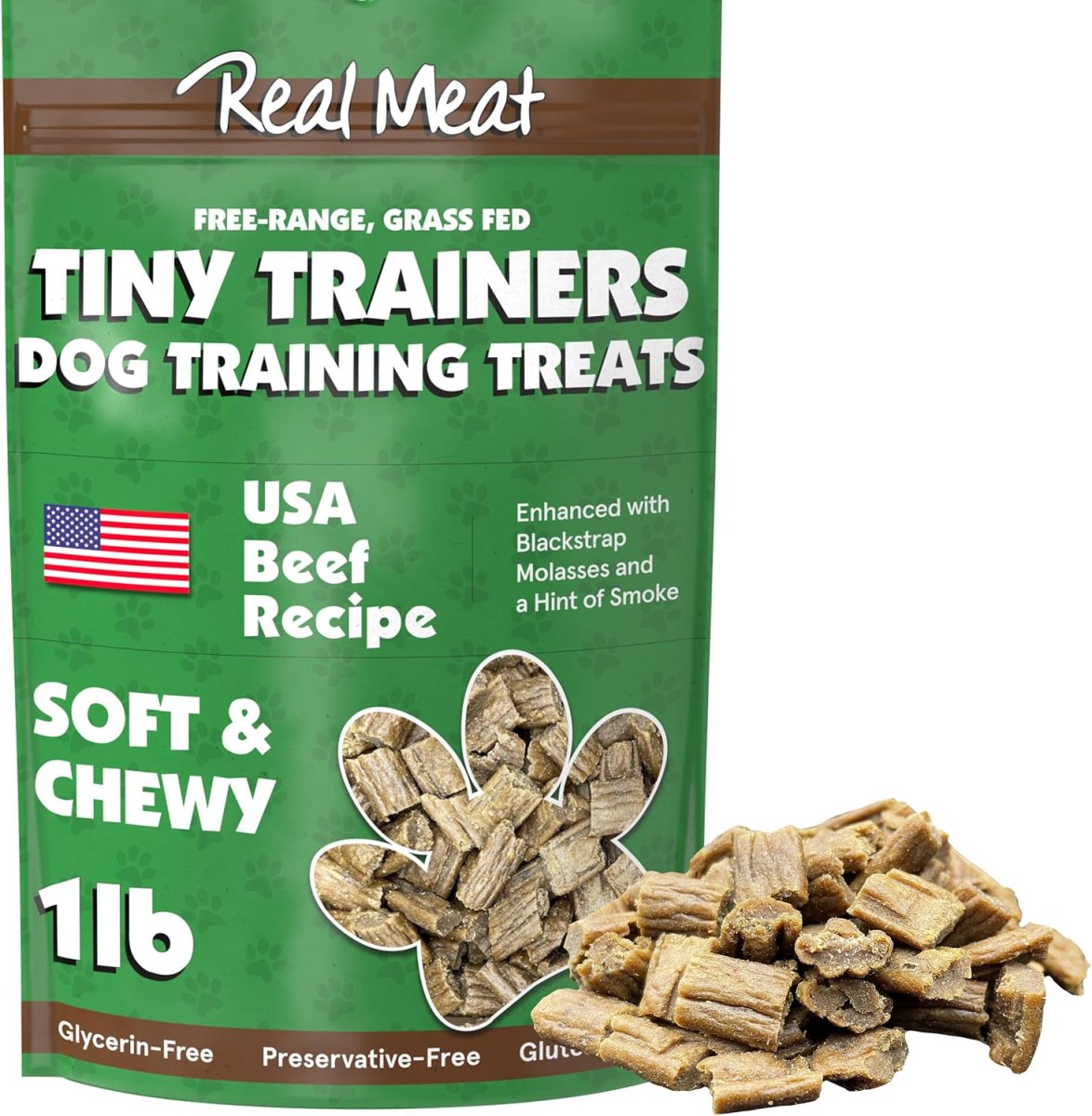
| Level 2: Backyard or Hallway | Distant bird sounds, familiar smells | Soft chewy training treats |
| Level 3: Quiet Sidewalk or Park | Passing cars, joggers, distant dogs | Boiled chicken, hot dog bits, or string cheese |
Know When to Call It a Day
Are you tempted to keep drilling exercises for thirty minutes because your puppy is finally getting the hang of it? Stop right there!
Mental stimulation tires a puppy out way faster than physical running, and training an exhausted or over-threshold puppy only leads to frustration for both of you. Keep your sessions to a brisk 5 to 10 minutes, always end on a successful rep, and let your furry student nap it off so their brain can lock in everything they just learned.
How long should puppy attention training sessions last?
Keep sessions between 5 and 10 minutes, two to three times a day. Puppies have tiny attention spans, and ending on a high note before they get bored keeps training fun.
What should I do if my puppy completely ignores me outside?
You are likely too close to a major distraction. Increase your distance from whatever they are staring at, switch to higher-value rewards like real meat or cheese, and practice in a quieter spot before working back up to busy areas.
Will I have to carry treats around forever to get my dog's attention?
Not at all! Once checking in with you becomes an automatic habit across different environments, you can gradually phase out food rewards and reinforce their focus with praise, a quick game of tug, or permission to go sniff a tree.
More Pinterest Visuals