A dog who runs back to you because something wonderful happens is a joy to live with. I have seen recall change from a frustrating word shouted across a field into a real conversation between dog and person, but the trick is making the return worth it.
These recall games for dogs are the same kind of exercises I use with clients who need a stronger response before trusting their dog around bigger distractions. Start where your dog can succeed, keep sessions short, and remember that a recall is built through hundreds of tiny wins.
Hide-and-Seek Recall Game
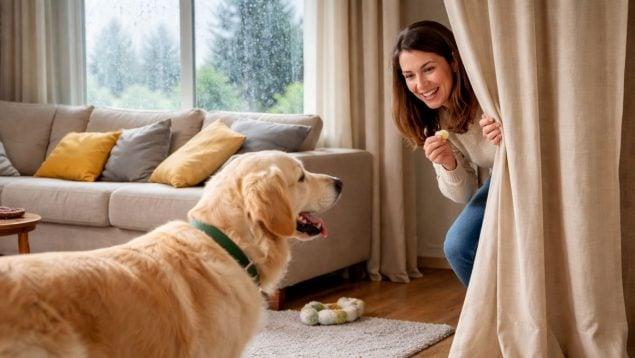
I love hide-and-seek because it turns your dog into the one doing the searching. Begin indoors or in a quiet area where your dog is relaxed, then call their name and reward the moment they find you. This game builds a habit of checking in, which is the foundation of a reliable recall response.
With Bruno, I started this way because the outside world was simply too exciting. A dog cannot learn a recall while overwhelmed, so make the environment easier before asking for more.
- Hide. Move behind a doorway or piece of furniture while your dog is calm.
- Call. Use a cheerful recall cue once, then celebrate the arrival.
- Reward. Give a treat, toy, or praise when your dog reaches you.
Chase Me Recall Game
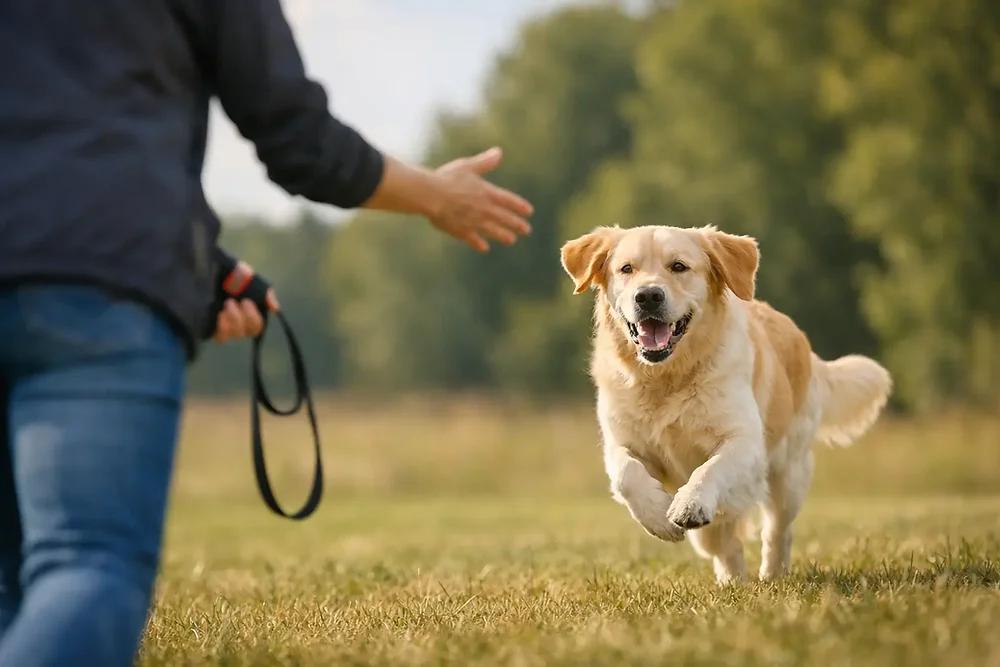
Many dogs naturally follow movement, so I often turn that instinct into a recall game. Instead of walking toward a distracted dog, I move away and invite them to chase me. The goal is creating movement toward you as the fun choice.
Training tip
Run only a few steps and stop before your dog becomes frantic. Calm enthusiasm creates a better recall than a wild chase.
This is especially useful for puppies and young dogs who think running away is their personal Olympic event.
Treat Toss Recall Game
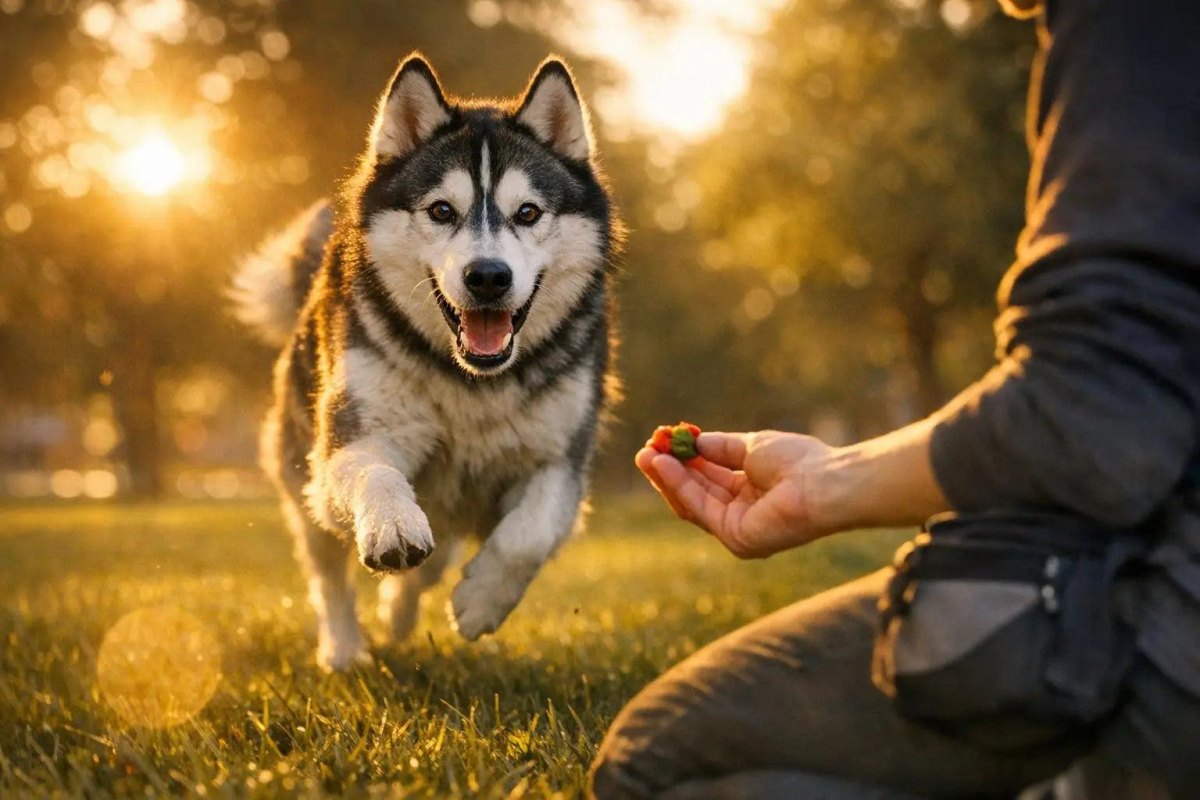
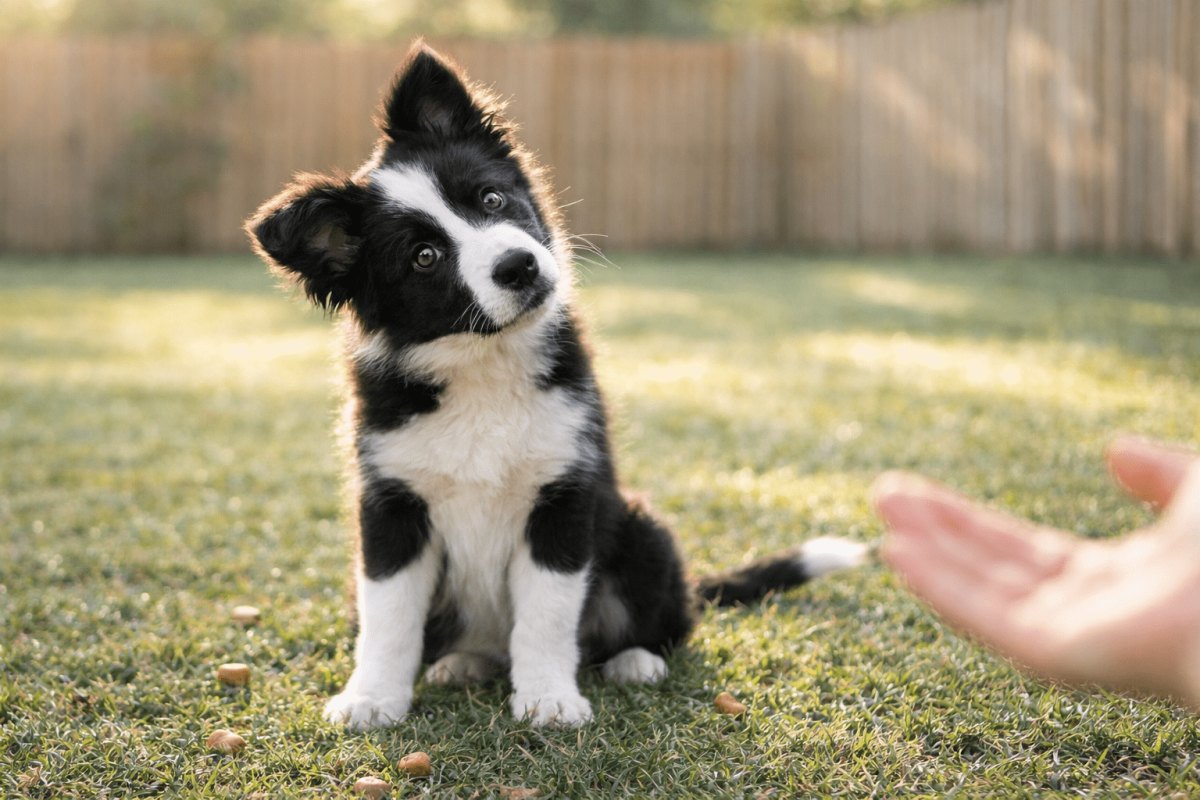
Treat toss is simple, but it teaches an important lesson: returning to you predicts good things. Toss a treat away, let your dog eat it, then call them back for another reward. This creates a repeatable recall pattern without pressure.
What this game teaches
- Your cue predicts something rewarding.
- Your dog practices turning away from distractions.
- Your dog learns that coming back does not always end the fun.
Two-Person Recall Relay
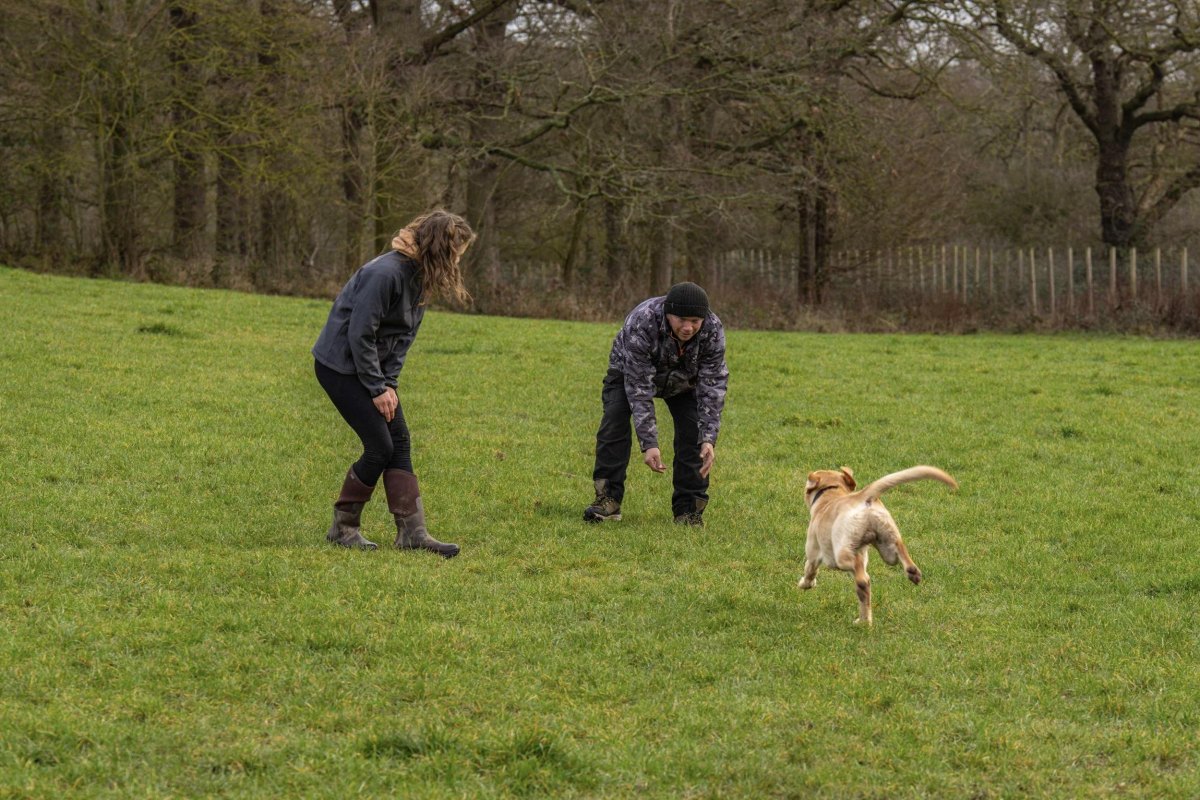
When two people are available, I use recall relays to build speed and confidence. Each person takes a turn calling the dog and rewarding them. The important part is keeping the game light and avoiding repeated calls when the dog is not ready.
| Good practice | Avoid |
|---|---|
| Short distances and happy voices | Calling repeatedly until the dog responds |
| High-value rewards | Making recall predict something boring |
Name Game Recall Practice
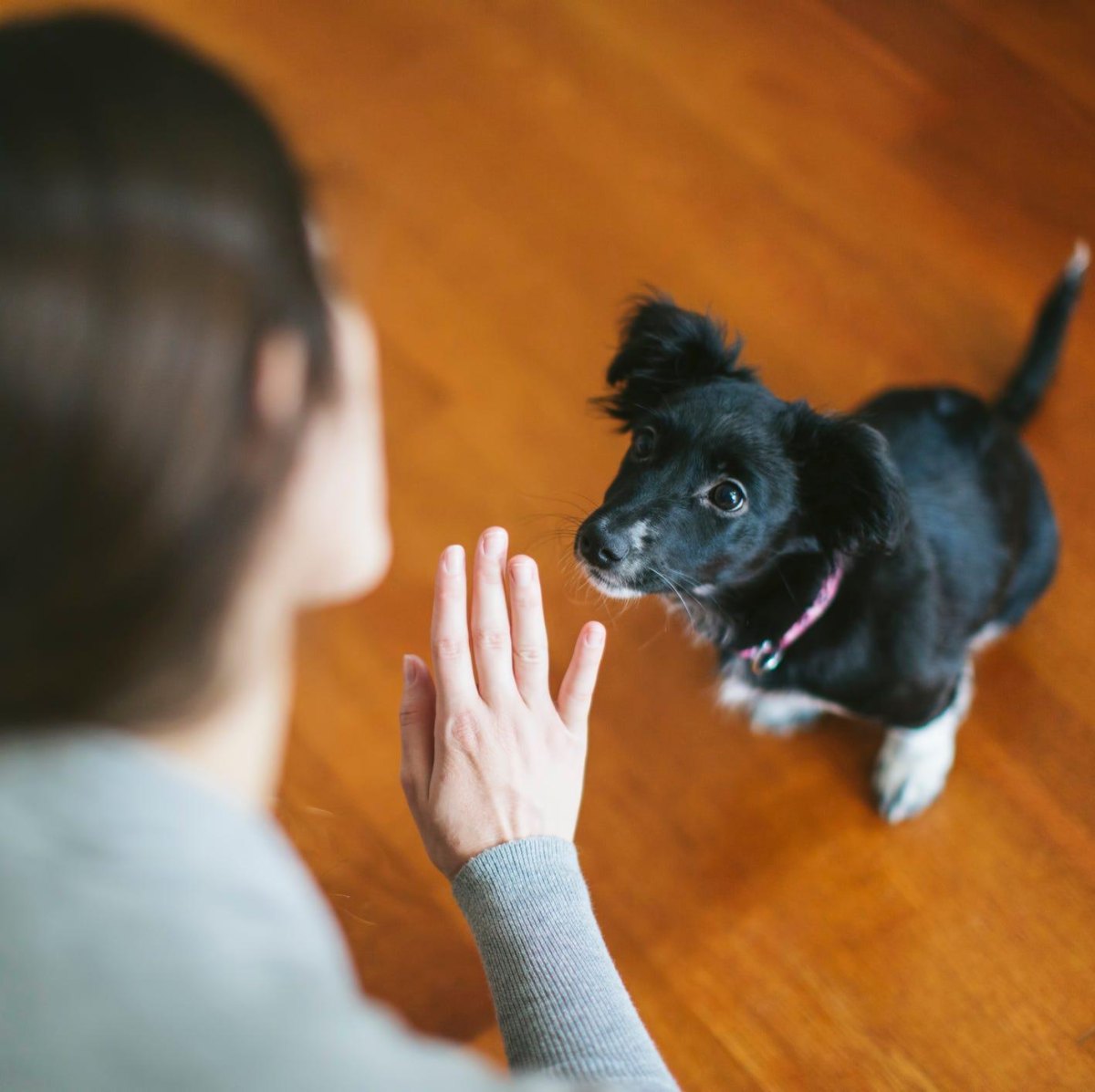
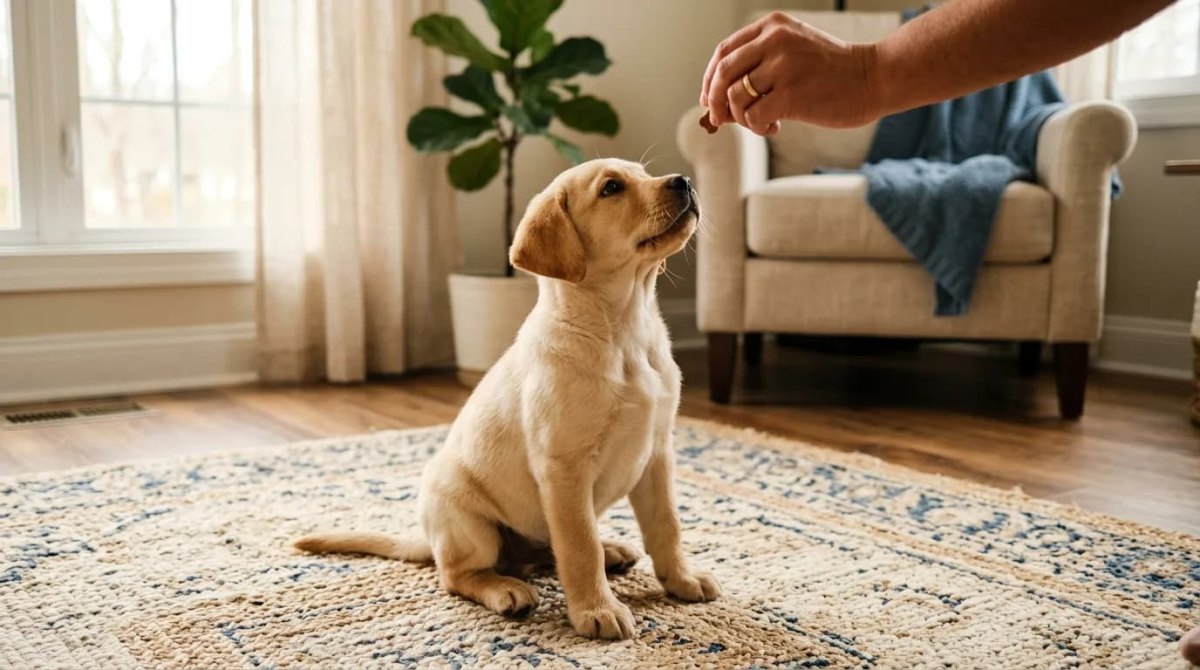
A dog has to notice you before they can come to you. The name game teaches your dog that hearing their name means something good is about to happen. I use this before adding the actual recall cue because attention comes first.
Start in a quiet room. Say your dog's name once, reward eye contact, and gradually practice in places with more distractions. If your dog ignores you, the environment is asking for a smaller step.
Recall Through Obstacles
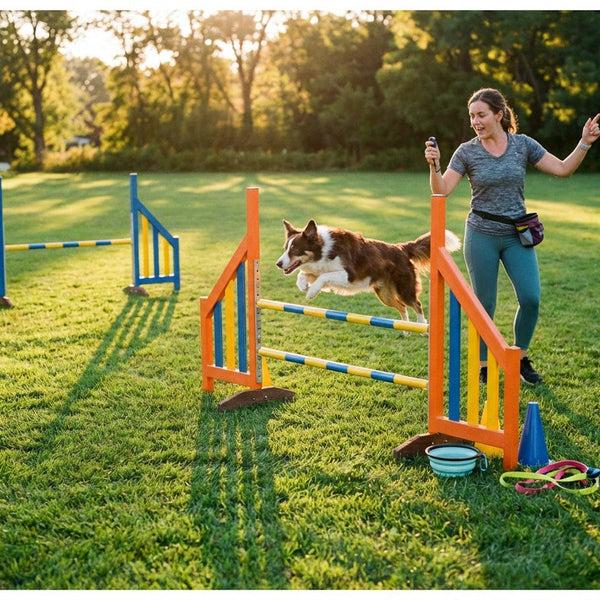
Obstacle recalls add variety without needing a huge outdoor space. A few cones, chairs, or garden objects can create a mini course where your dog practices finding the path back to you.
This is a confidence-building game, not a test your dog has to pass.
Toy Reward Recall Game
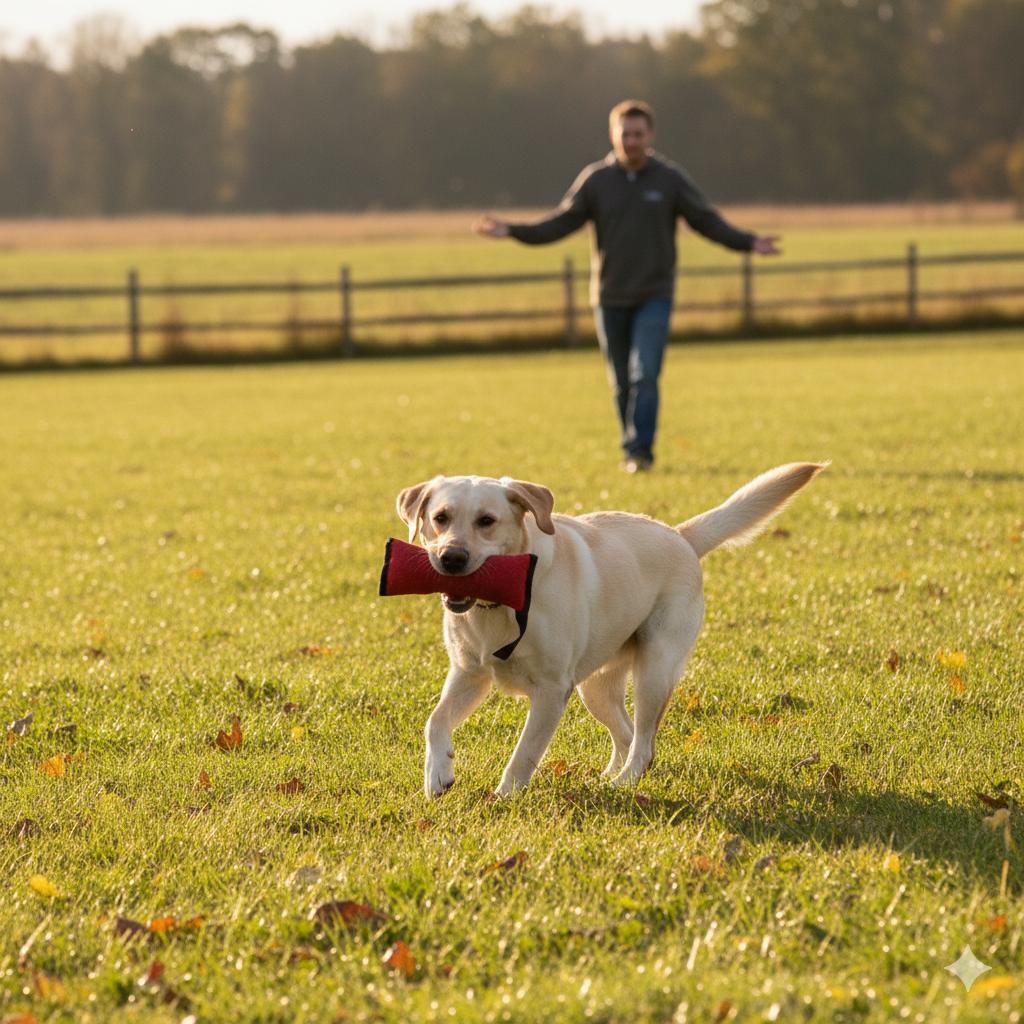
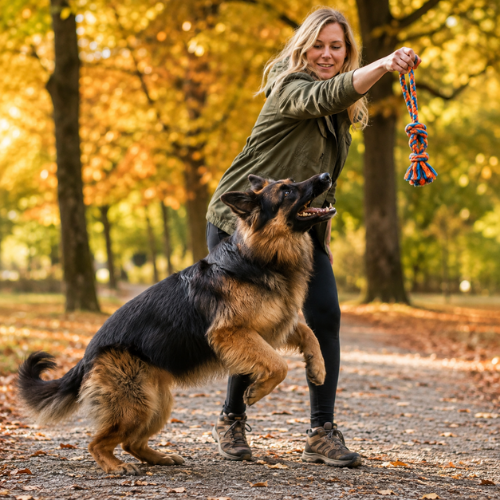
Some dogs value play more than food, and that is perfectly fine. A favorite toy can become the reward for coming when called, especially for dogs who love movement. I often tell clients that the best reward is the one their individual dog actually wants.
Benefits
- Great for toy-driven dogs.
- Adds excitement to training.
Watch for
- Over-arousal during play.
- Dogs who drop focus when excited.
Find the Handler Recall Game
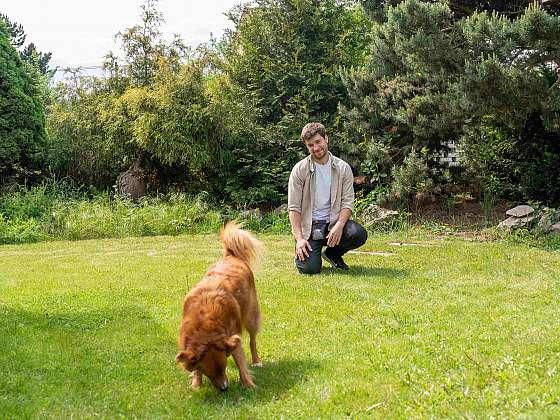
This game is a favorite for dogs who enjoy exploring. I hide nearby while someone holds the dog, then release them to find me. It builds the idea that the handler is worth locating, not just following.
Safety note
Only practice in secure areas. A recall game should never rely on your dog ignoring dangerous roads, wildlife, or unsafe situations.
Recall Race With Your Dog
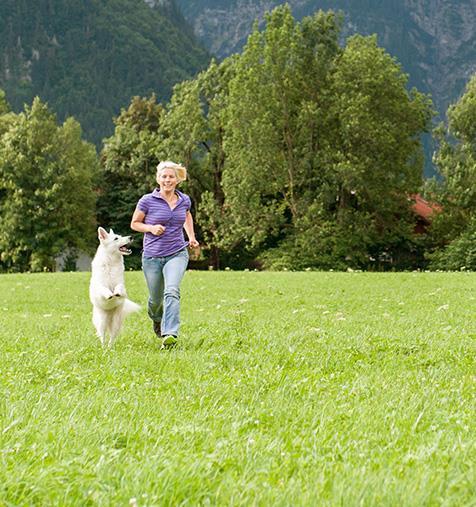
A recall race adds energy while keeping the finish line simple: your dog gets to you. I like this for dogs who need more enthusiasm, but I keep the sessions short because tired brains stop learning.
5 minutes
A useful short training session for many dogs
End while your dog is still eager. Leaving them wanting another round is part of successful training timing.
Emergency Recall Training Game
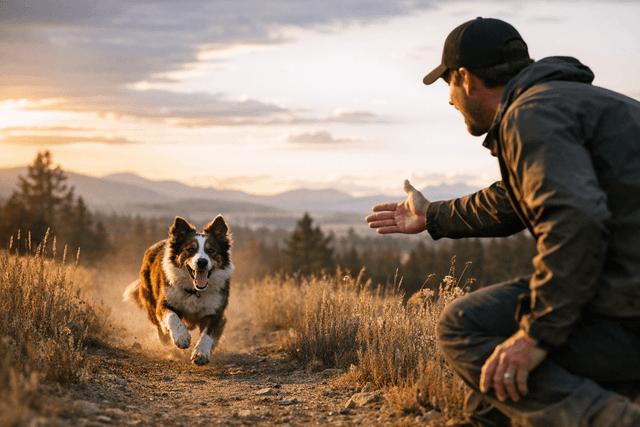
An emergency recall is different from your everyday recall. It is a special cue reserved for moments when you truly need your dog to turn around. I introduce it slowly and protect it carefully so it keeps its meaning.
Common mistake
Do not use an emergency cue for ordinary situations like ending play every day. That teaches your dog the cue predicts disappointment.
Recall Around Distractions
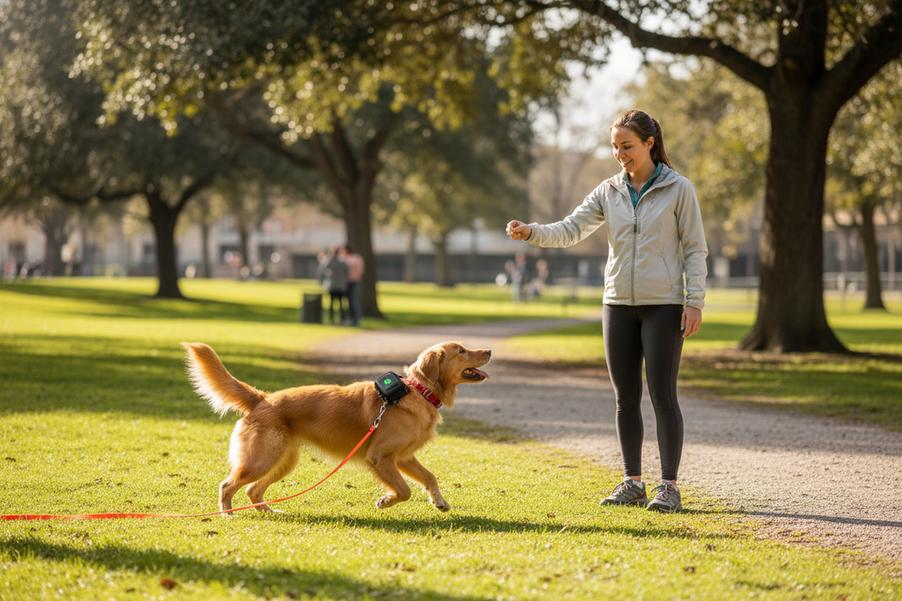
A dog who recalls perfectly in your kitchen may struggle near squirrels, people, or other dogs. That is normal. I build distractions gradually because distance creates success.
Watch your dog's body language: a closed mouth, stiff movement, fixed stare, or weight shifting forward tells you the challenge may be too high. Move farther away before asking again.
Long-Distance Recall Challenge
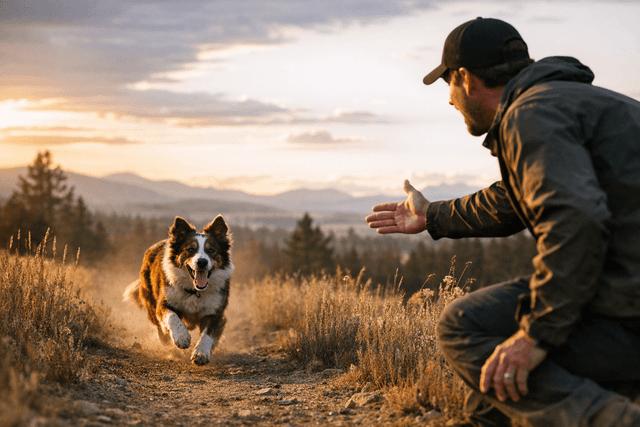
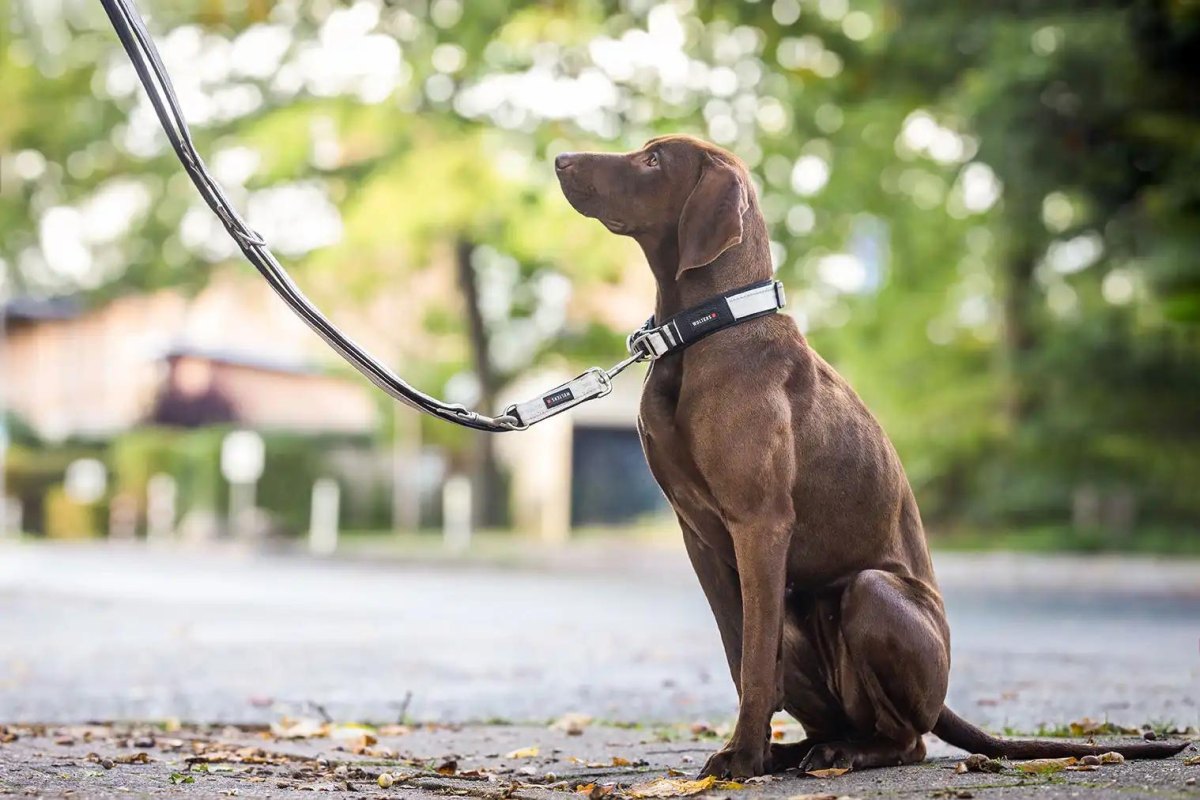
Long-distance recalls are the final layer, not the starting point. I use a long line in open spaces while building reliability because freedom should be earned through practice, not a hopeful guess.
A strong recall is built through repetition, not one perfect training day.
Marisa Cole, Raising A Good Dog
If your dog struggles here, that does not mean training failed. It means the next step is clearer: reduce distance, reduce distractions, and build again.
More Pinterest Visuals