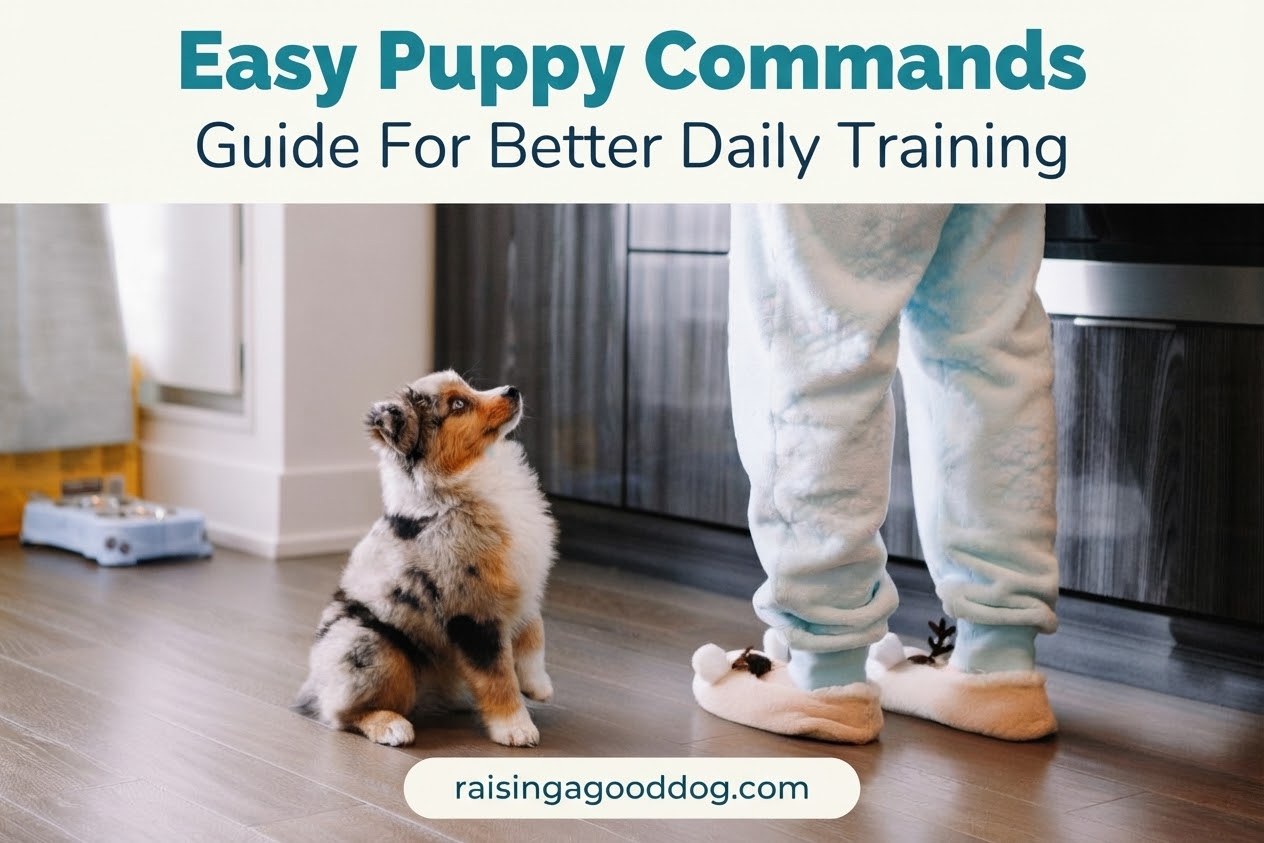
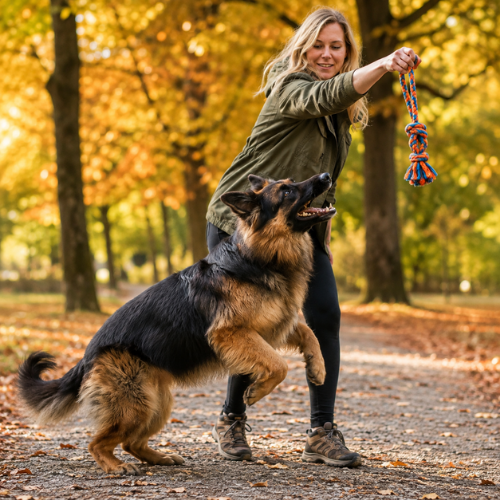
A puppy does not arrive knowing our words, our routines, or why we are standing in the kitchen repeating "sit" like it is a magic spell. I have trained enough puppies to know the first few weeks are less about perfect obedience and more about building clear communication between you and your dog.
These are the commands I come back to again and again because they make everyday life easier: opening doors safely, walking without a wrestling match, and helping your puppy understand what earns rewards. Keep sessions short, set your puppy up to succeed, and expect progress in weeks and months rather than overnight.
Quick puppy command roadmap
- Start in quiet places before adding distractions.
- Reward the behaviour you want repeated.
- Practice little and often instead of drilling for long periods.
Teach Your Puppy to Sit
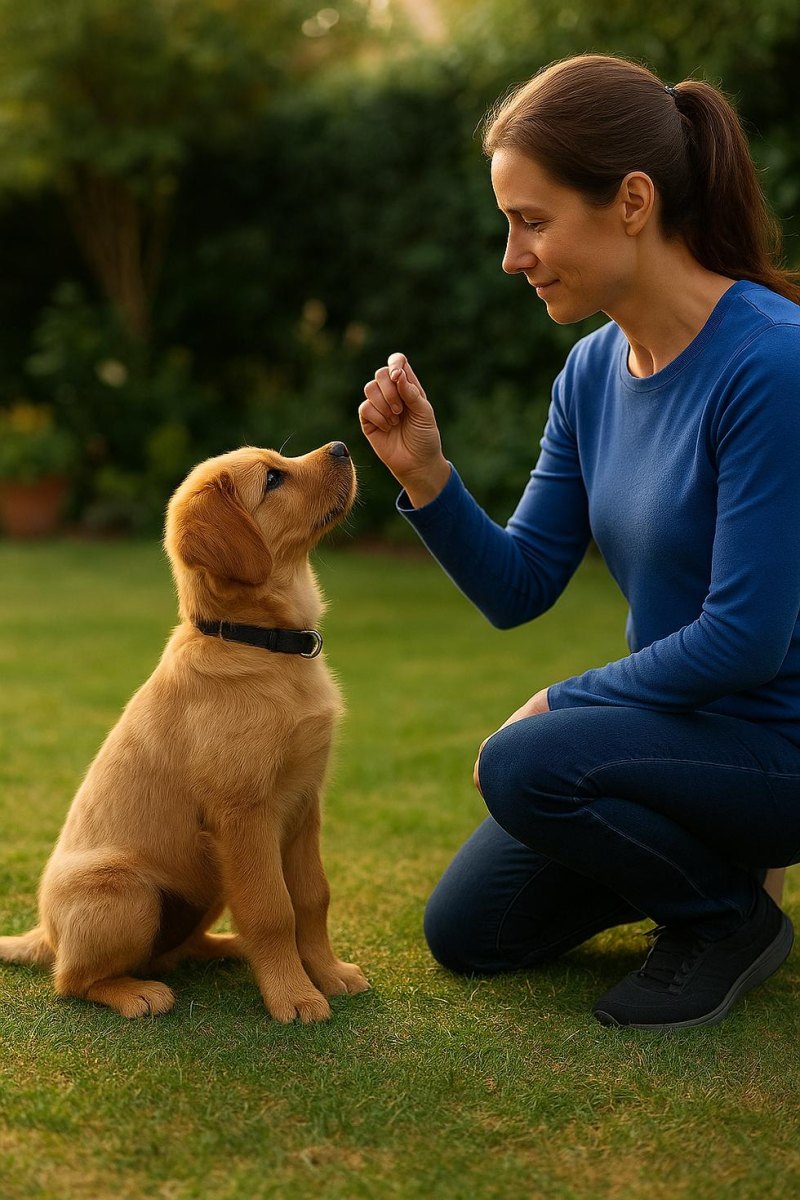
When I teach sit, I am not trying to create a tiny robot who drops into position every second. I am teaching a puppy that calm choices pay. A puppy who can pause before greeting people or getting dinner is already learning an incredibly useful life skill.
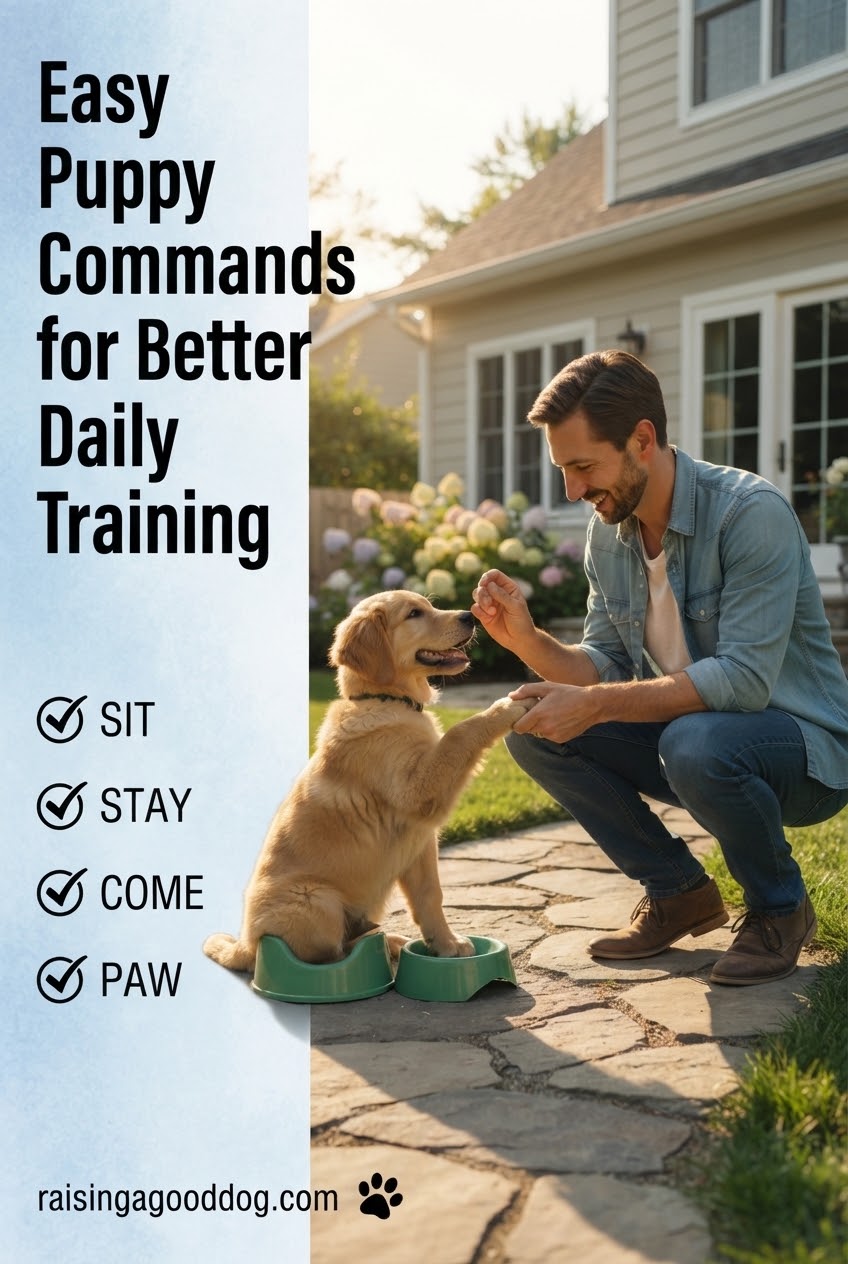
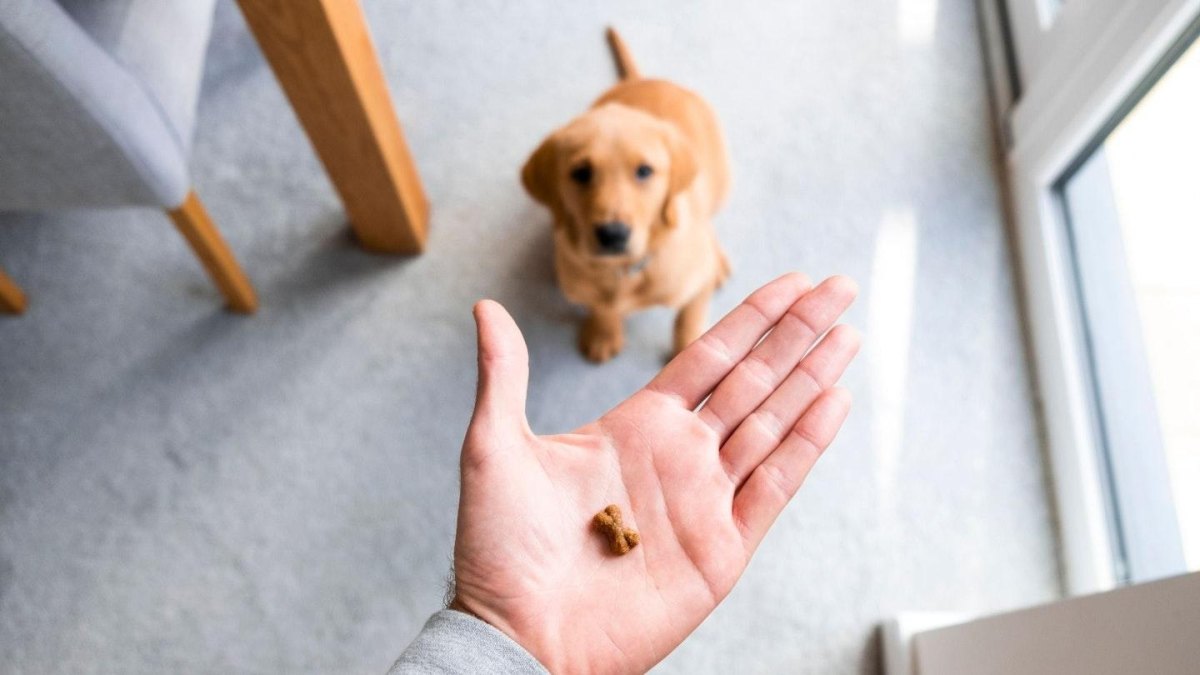
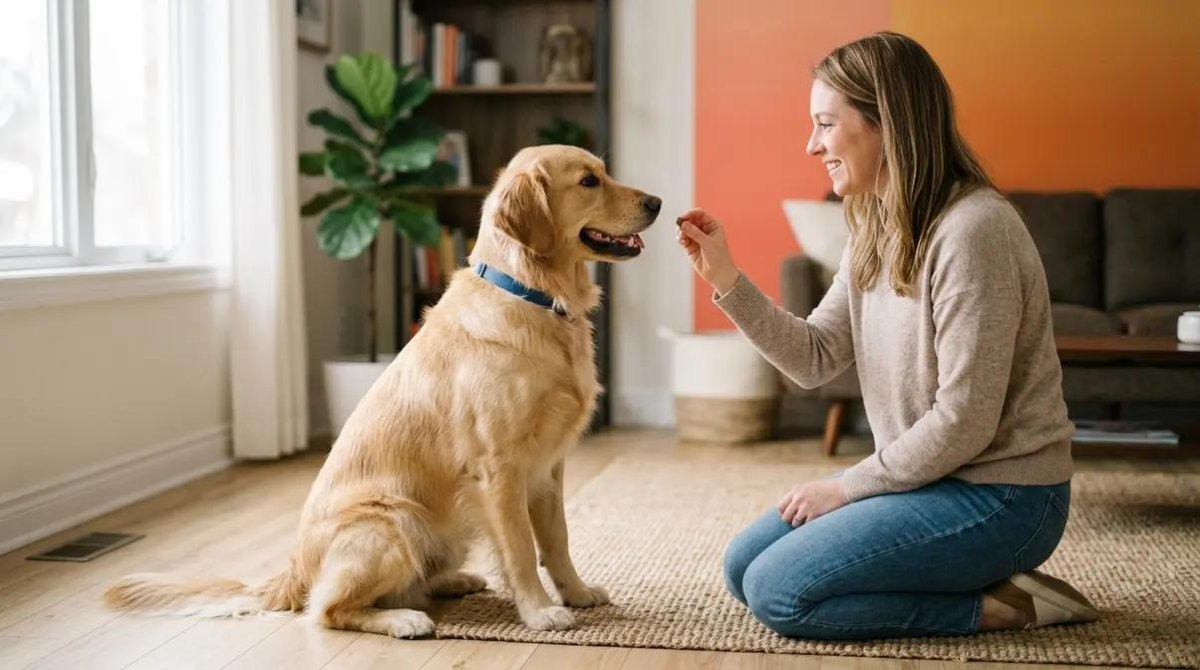
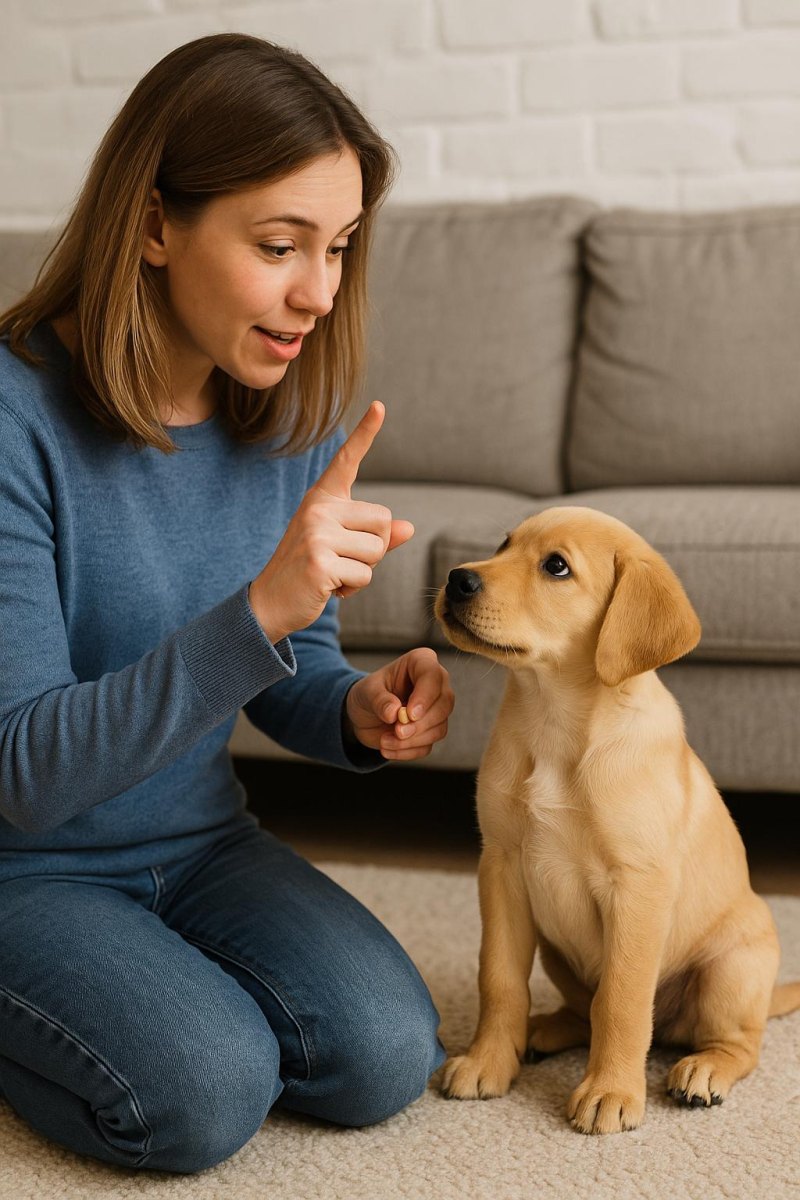
Start with a treat near your puppy’s nose, move it slowly upward, and reward when their bottom naturally reaches the floor. If your puppy jumps, back up and make the environment easier rather than repeating the cue louder.
- Lure. Guide your puppy into the sit position with a reward.
- Mark. Give the reward immediately when the behaviour happens.
- Repeat. Add the word "sit" once your puppy understands the movement.
Teach Your Puppy to Stay
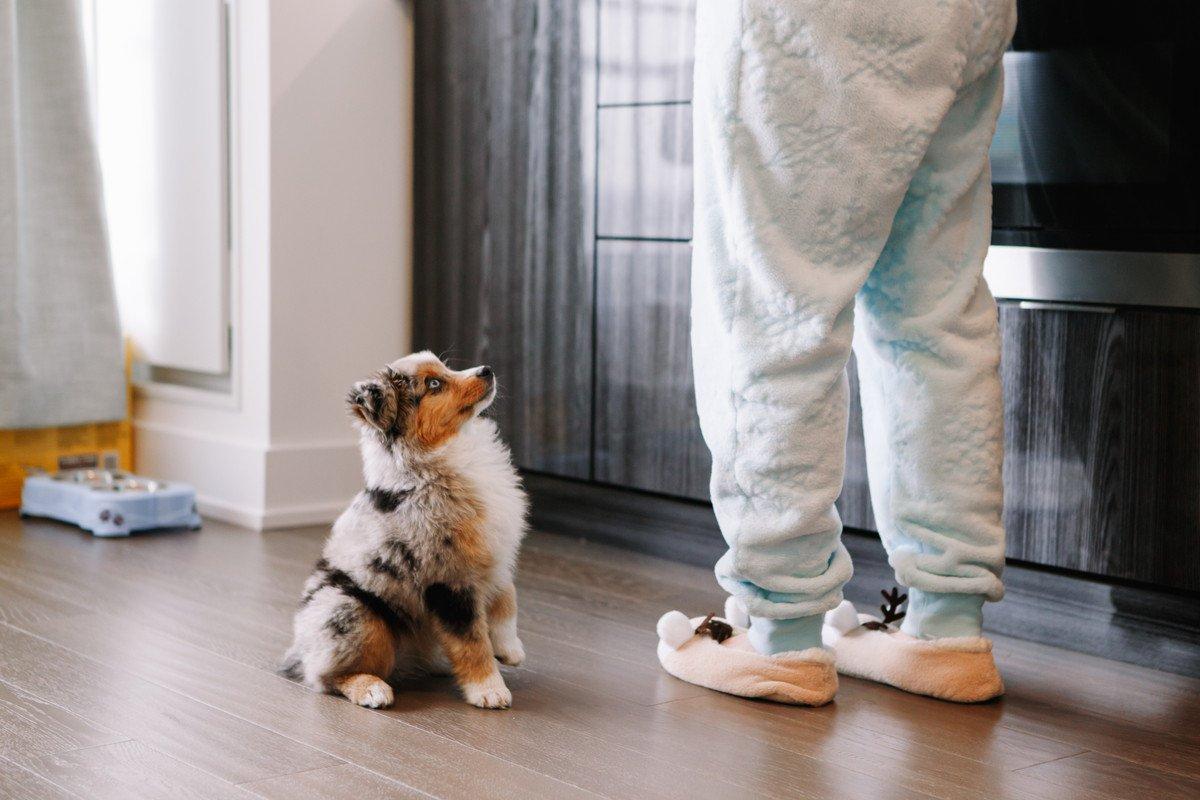
Stay is really an exercise in patience, not a test of how long your puppy can freeze. I begin with tiny successes because a puppy who holds position for two seconds is learning self-control skills that grow over time.
Before asking for distance, make sure your puppy understands the idea close beside you. I reward relaxed body language too: soft eyes, loose muscles, and a puppy who is waiting rather than struggling to leave.
Training tip
Increase only one challenge at a time: duration, distance, or distractions. Changing all three together usually makes puppies guess.
Teach Your Puppy to Come
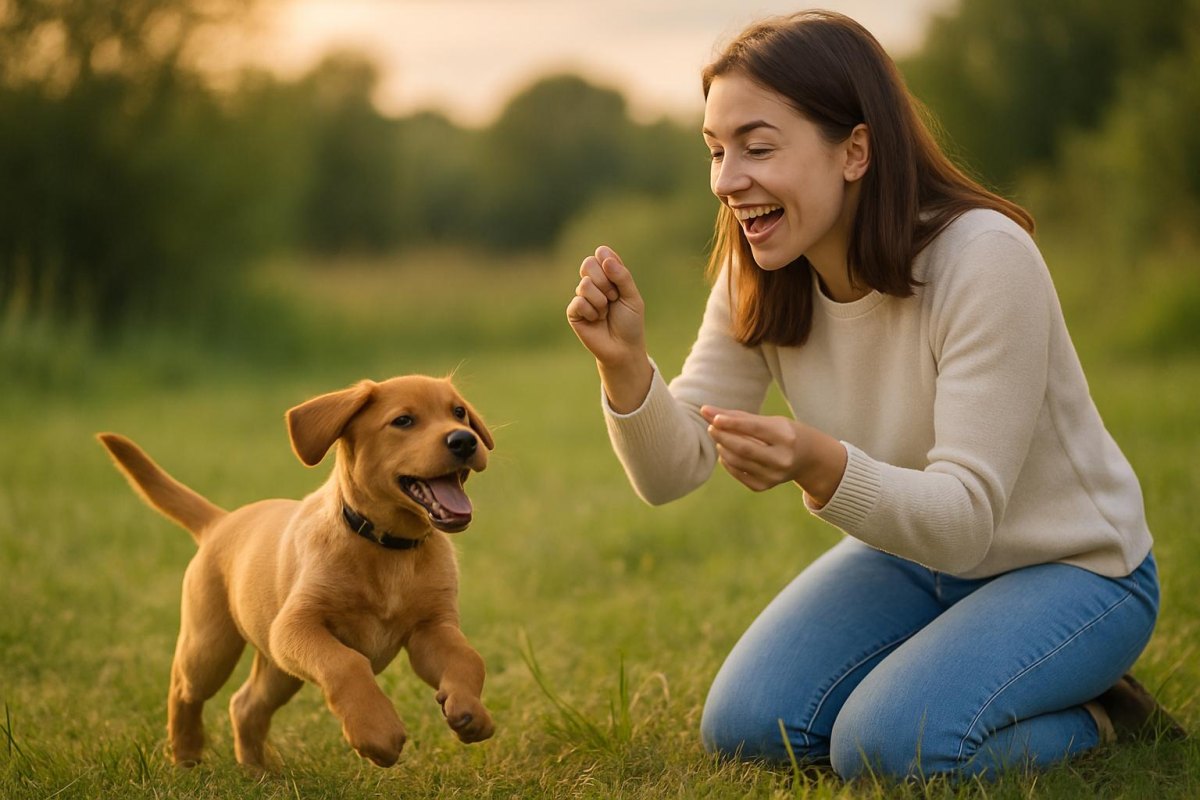
A reliable recall starts long before a puppy is running across a field. I build it through games where coming to me predicts something wonderful, because coming back should feel rewarding, not like the end of fun.
Use a cheerful voice and avoid calling your puppy for something unpleasant when you can prevent it. If your puppy ignores you outside, that is information that the environment is too difficult, not proof that your dog is stubborn.
Safety note
I do not recommend testing recall off leash in unsafe areas before it is reliable. A long line and secure spaces are valuable management tools while training.
Teach Your Puppy to Lie Down
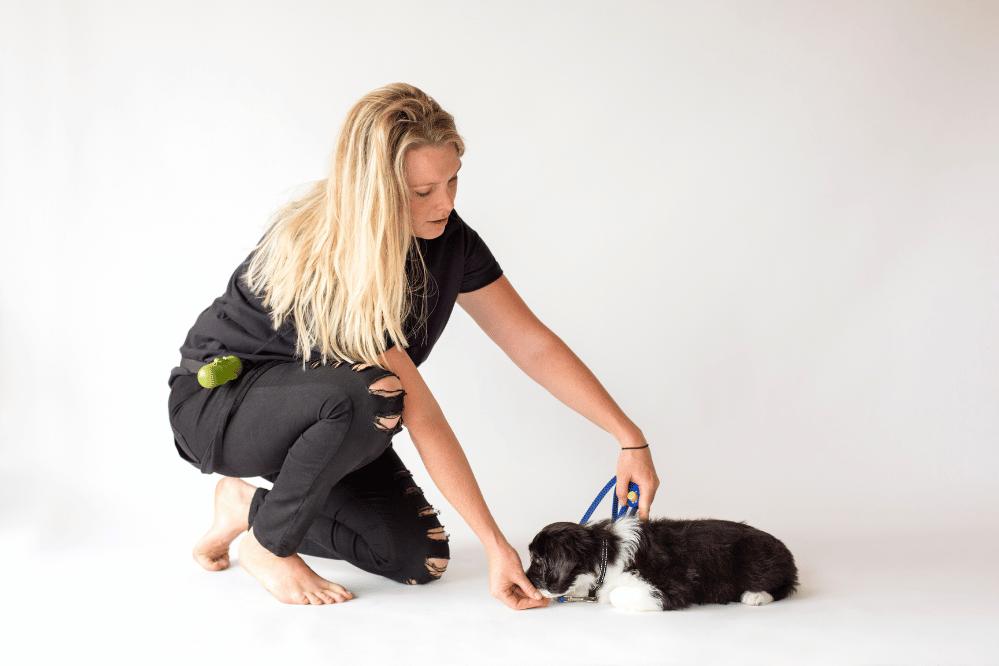
Down can be a lovely settling behaviour, especially for puppies who seem to have springs instead of legs. I teach it when my puppy is already relaxed because calm learning works better than asking for focus during a full-speed zoomie session.
Guide your puppy from a sit or standing position toward the floor with a reward. Some puppies find this vulnerable position difficult, so I watch for hesitation, stiff movement, or a puppy repeatedly getting up.
Teach Your Puppy to Leave It
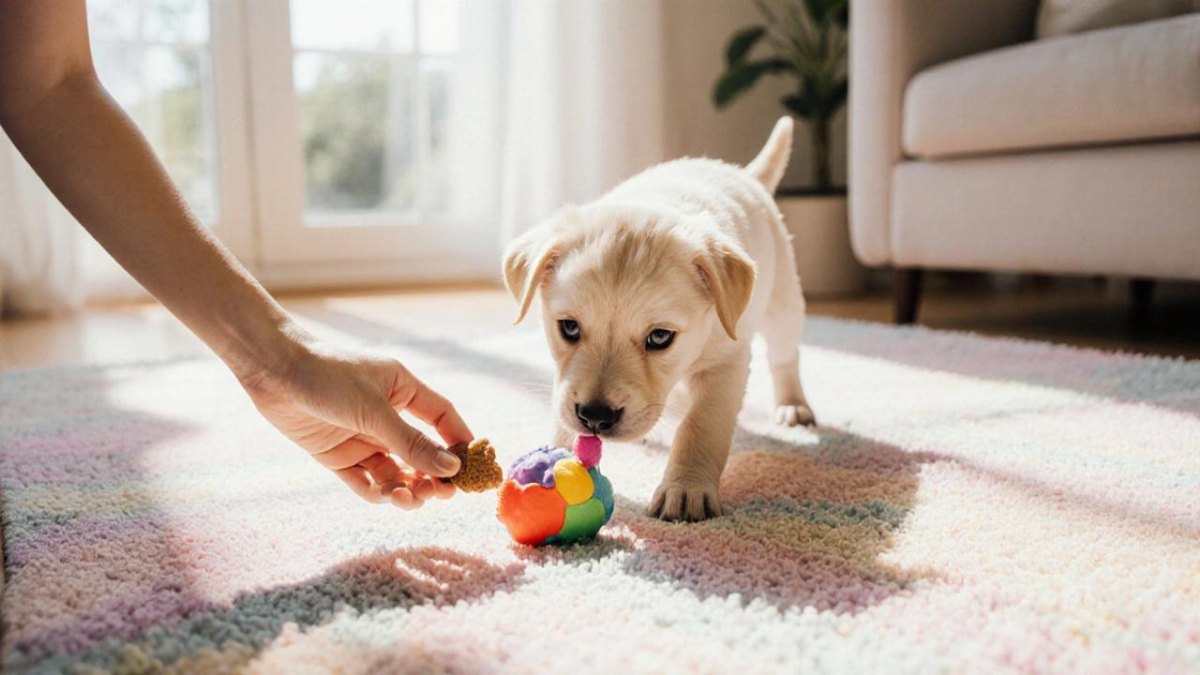
Leave it is one of those commands people often need right before they need it most. I teach it by showing puppies that ignoring something boring earns access to something better, creating impulse control without conflict.
Begin with an easy item in your closed hand. When your puppy stops trying to get it, reward that choice. The goal is not to scare your puppy away from objects; it is to teach a thoughtful response.
Teach Your Puppy to Drop It
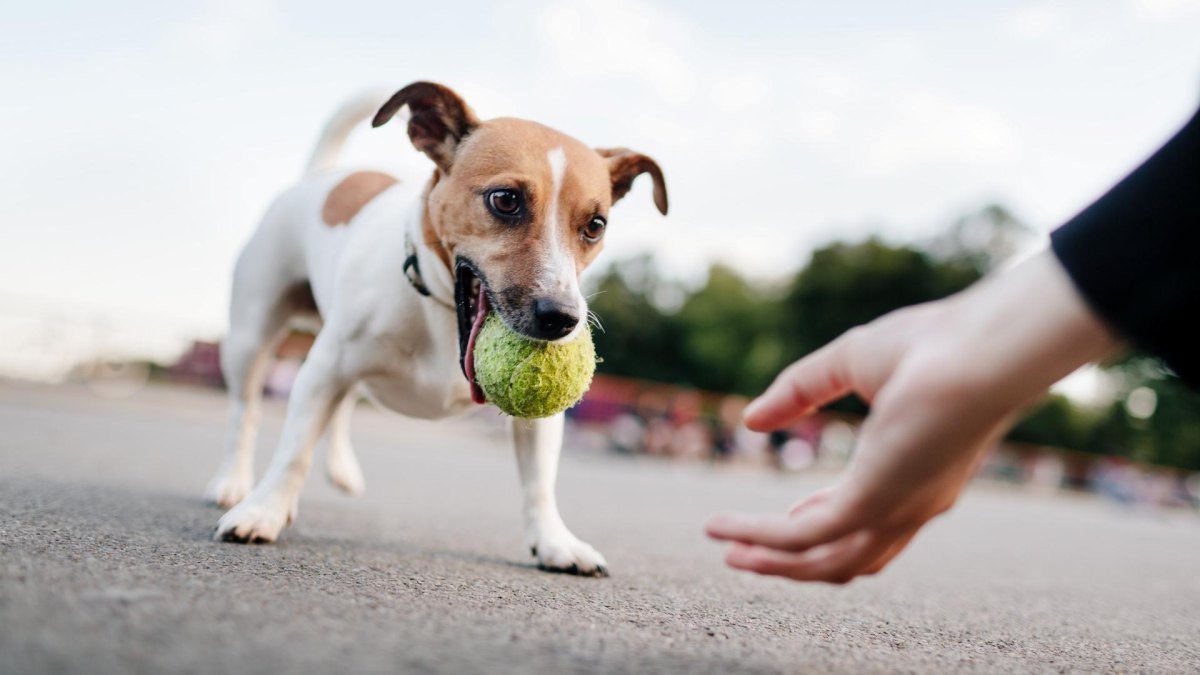
Drop it is a safety skill I want every puppy to learn, especially because puppies explore the world with their mouths. I teach a trade game so the puppy learns that releasing an item brings another good outcome.
If your puppy grabs something dangerous, management comes first: calmly prevent access where possible and avoid turning it into a chase game. Chasing often teaches puppies that stealing creates excitement.
Why teach drop it
- Helps with toys and household items.
- Builds trust during handling.
Common mistakes
- Pulling items away immediately.
- Turning every release into a punishment.
Teach Your Puppy to Walk Nicely
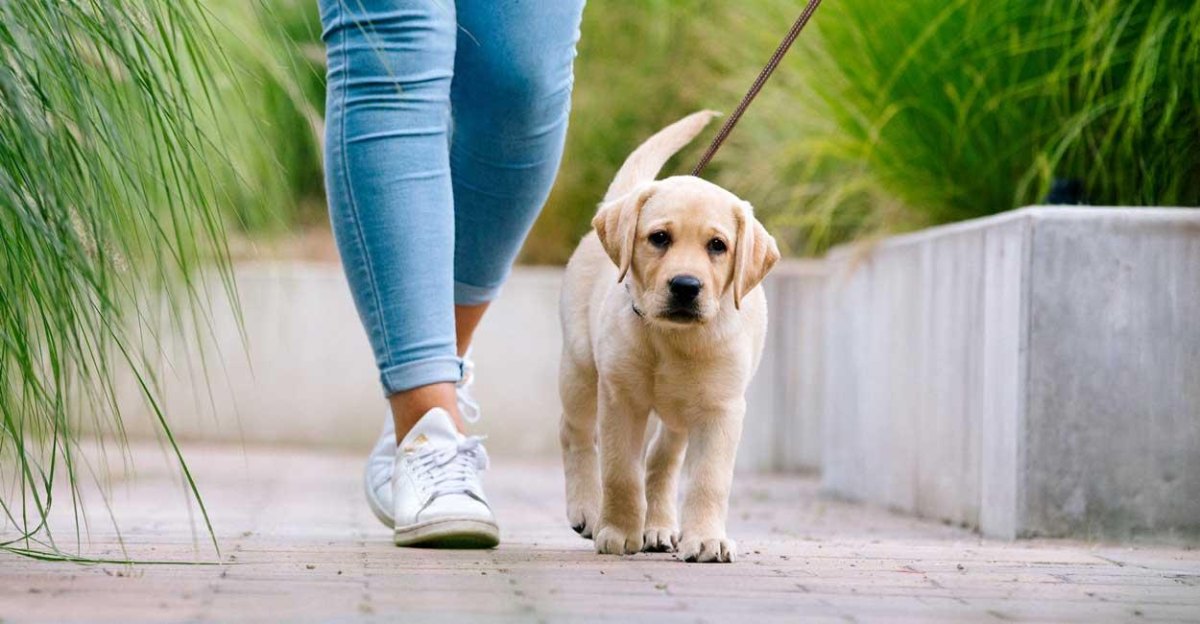
Loose leash walking is not something most puppies magically understand. I spend a lot of time teaching the dog on the other end of the leash that staying near me is worthwhile, because good walks are built one small choice at a time.
Before training, I prevent rehearsal of pulling by choosing quieter routes and using appropriate equipment. My own Bruno taught me this lesson the hard way; a difficult walk can become a habit quickly when a dog practices it every day.
| Challenge | Helpful adjustment |
|---|---|
| Pulling toward people | Create distance and reward attention. |
| Overexcited walking | Practice in calmer locations first. |
Teach Your Puppy to Go Potty
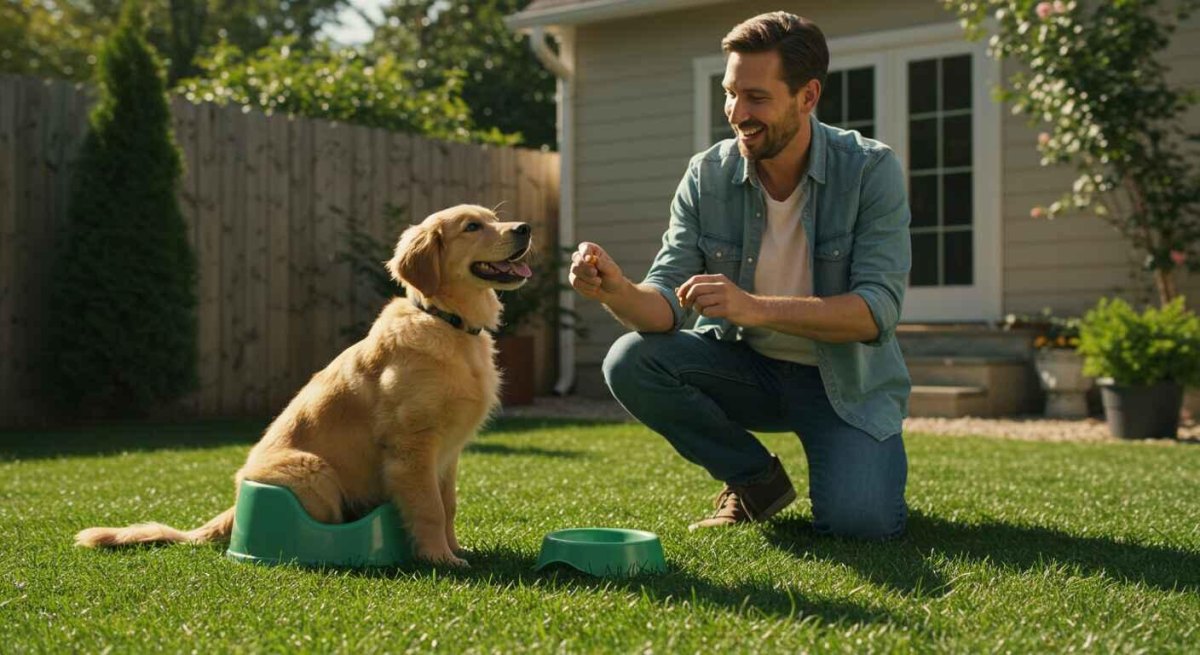
Potty training is where many tired puppy owners feel defeated, but accidents are part of the learning process. I look at schedules, supervision, and opportunities first because prevention teaches success.
If a puppy suddenly starts having accidents after being reliable, I always recommend checking with a veterinarian before assuming it is a training problem. Health changes can show up as behaviour changes.
My practical potty routine
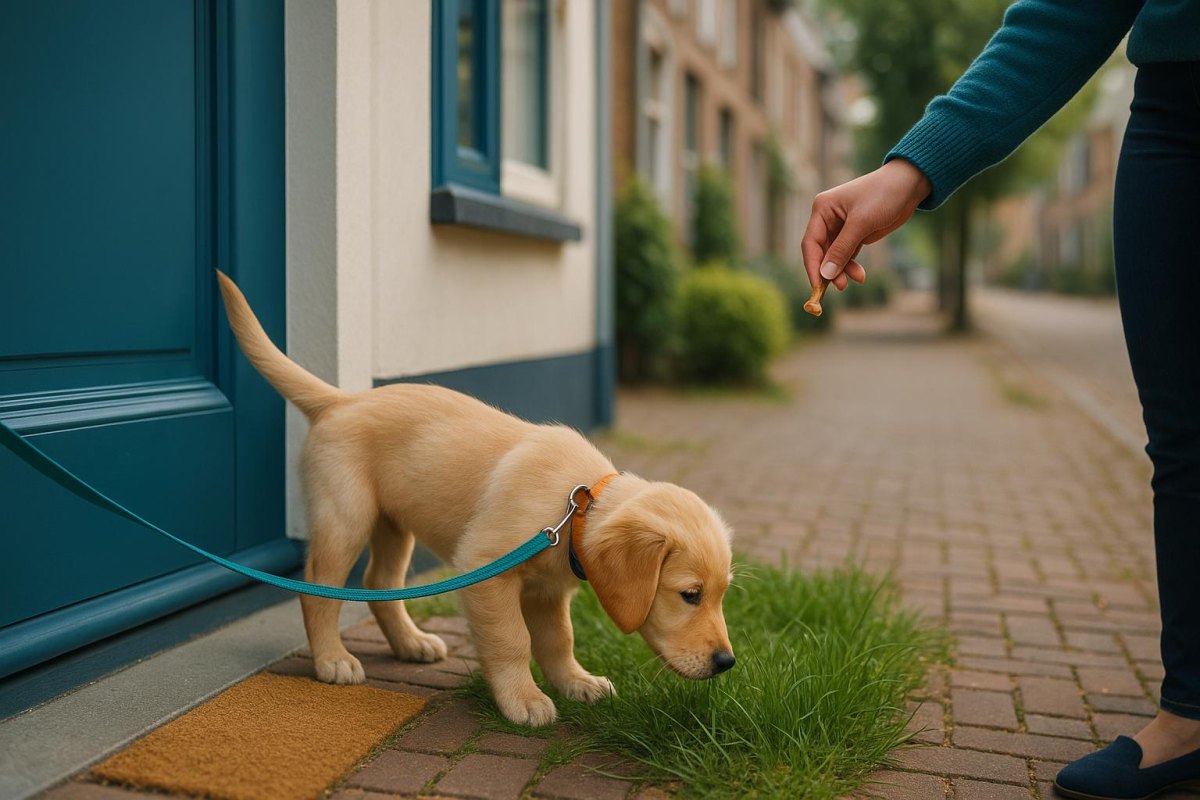
Take puppies out after waking, eating, drinking, playing, and before long rest periods. Reward the correct spot immediately so the connection is clear.
More Pinterest Visuals