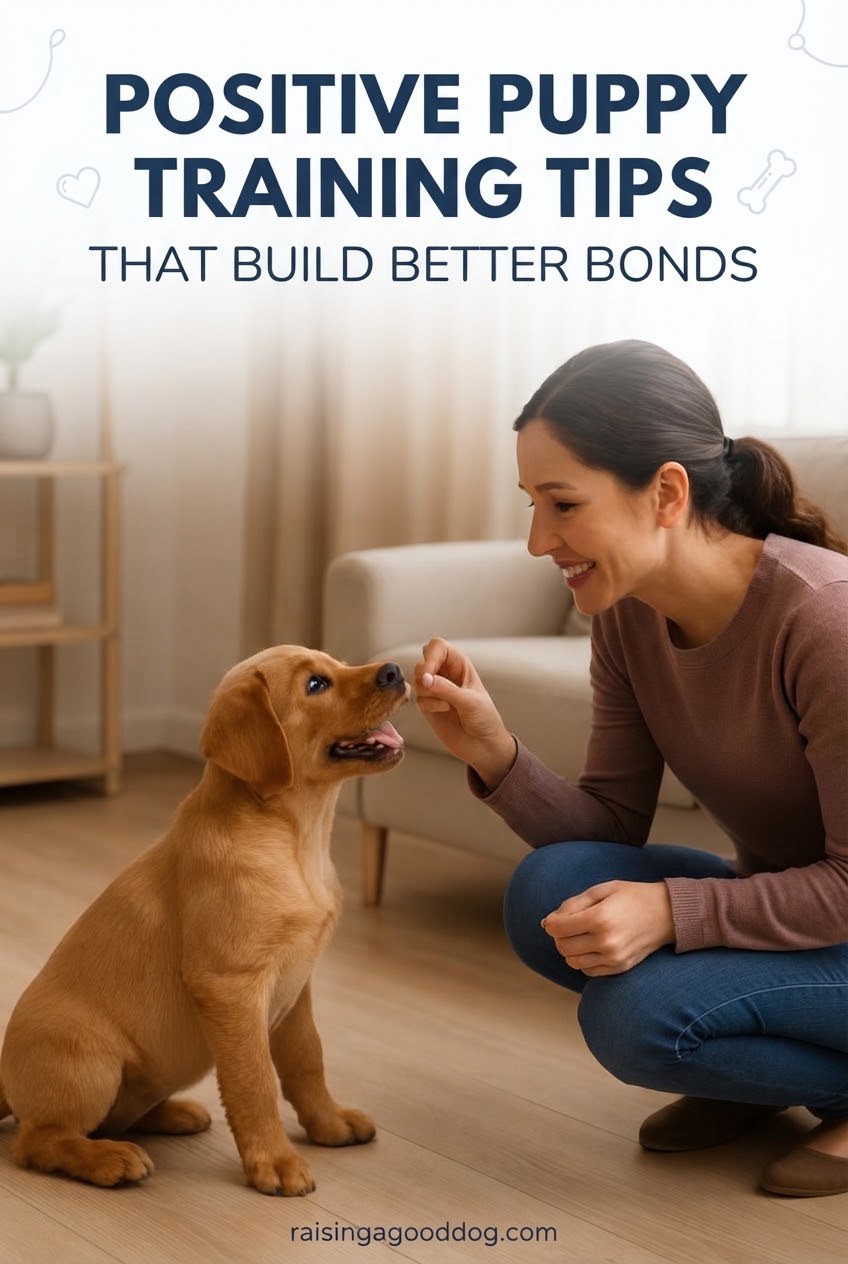
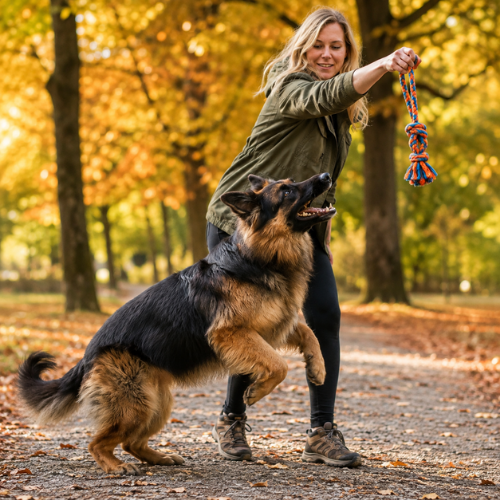
Training a puppy is not about creating a perfectly obedient dog by Friday. I have worked with enough puppies to know that real life includes muddy paws, distracted brains, and humans trying to practise cues while dinner burns on the stove. Positive puppy training works because it teaches your dog what to do, not just what to stop doing.
I build training plans around rewards, management, and reading the dog in front of me. Reward-based methods are recommended by the American Veterinary Society of Animal Behavior, which advises humane, evidence-based training approaches.
Start Training with Positive Reinforcement
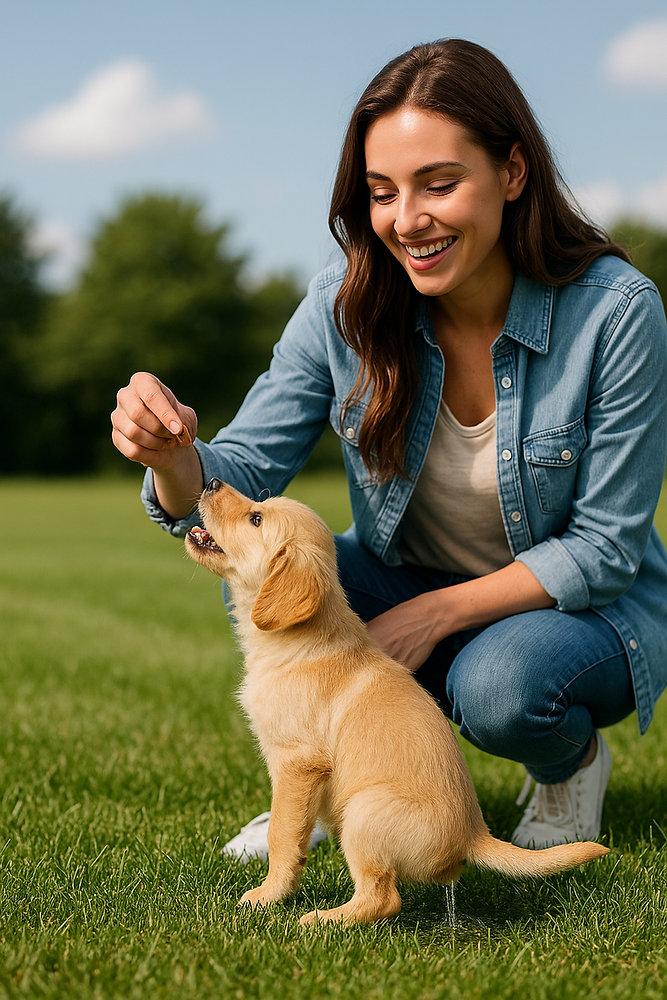
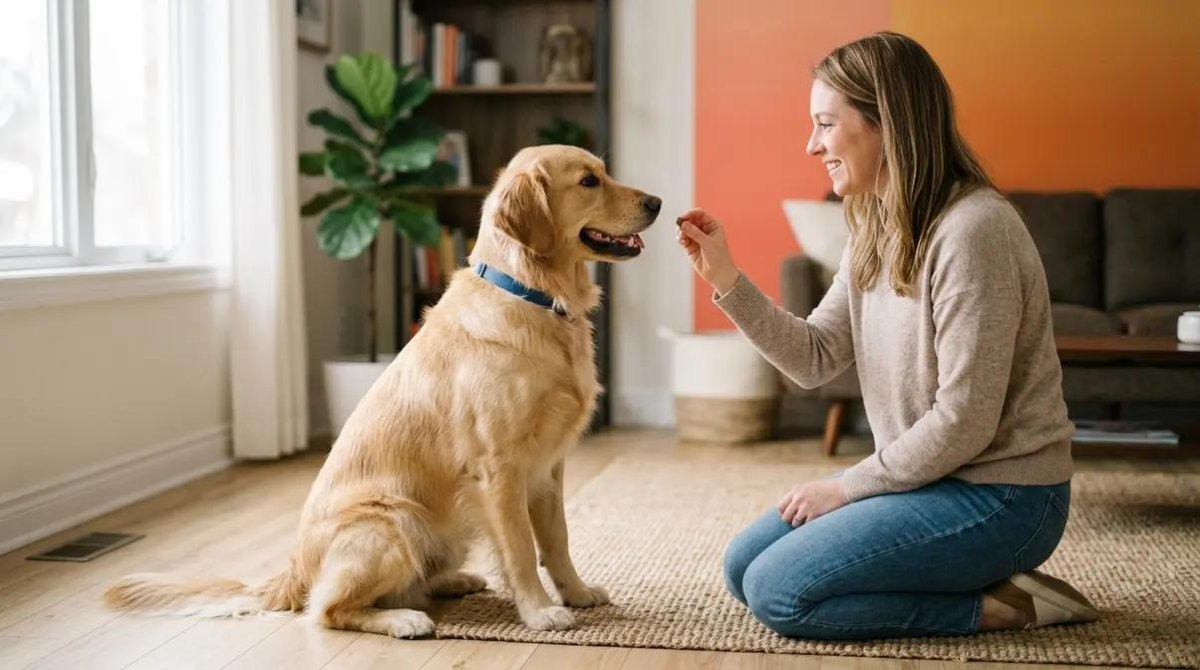
I start with the behaviour I want to see more often and make that behaviour worth repeating. A puppy who sits, looks at me, or chooses calm behaviour gets information: good choices pay.
Before training, I check the environment. If a puppy is overtired, overwhelmed, or rehearsing jumping all day, I change the setup first. Management comes first because learning is difficult when a puppy is already over threshold.
Build Trust Through Gentle Communication
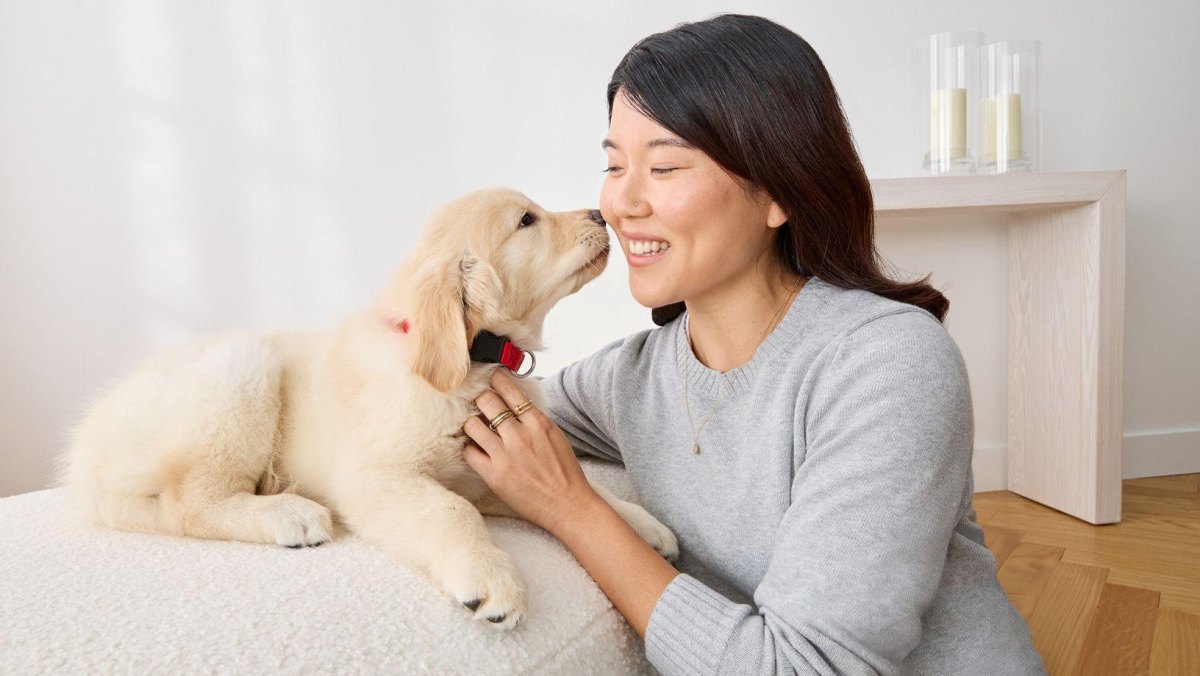
The best trainers I know are excellent observers. I watch ears, mouth, weight shifts, and breathing because dogs communicate long before they bark or pull away. Body language matters when building trust.
I want puppies to learn that humans are predictable. Gentle handling, choice, and patience create a safer relationship than forcing a puppy through scary moments.
Teach Basic Commands Step by Step
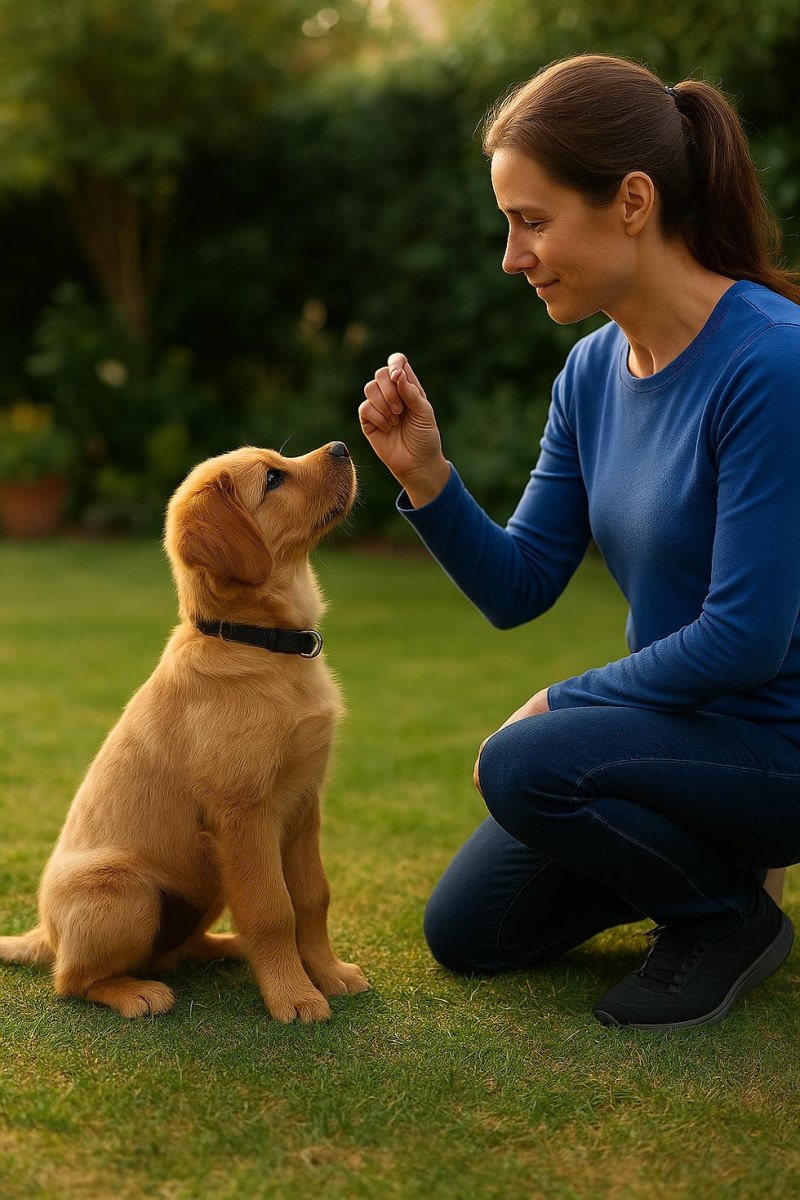
I teach simple cues in tiny pieces because puppies are not born understanding our vocabulary. A name response becomes a game, then a recall, then a skill that works around distractions. Small training steps create reliable habits.
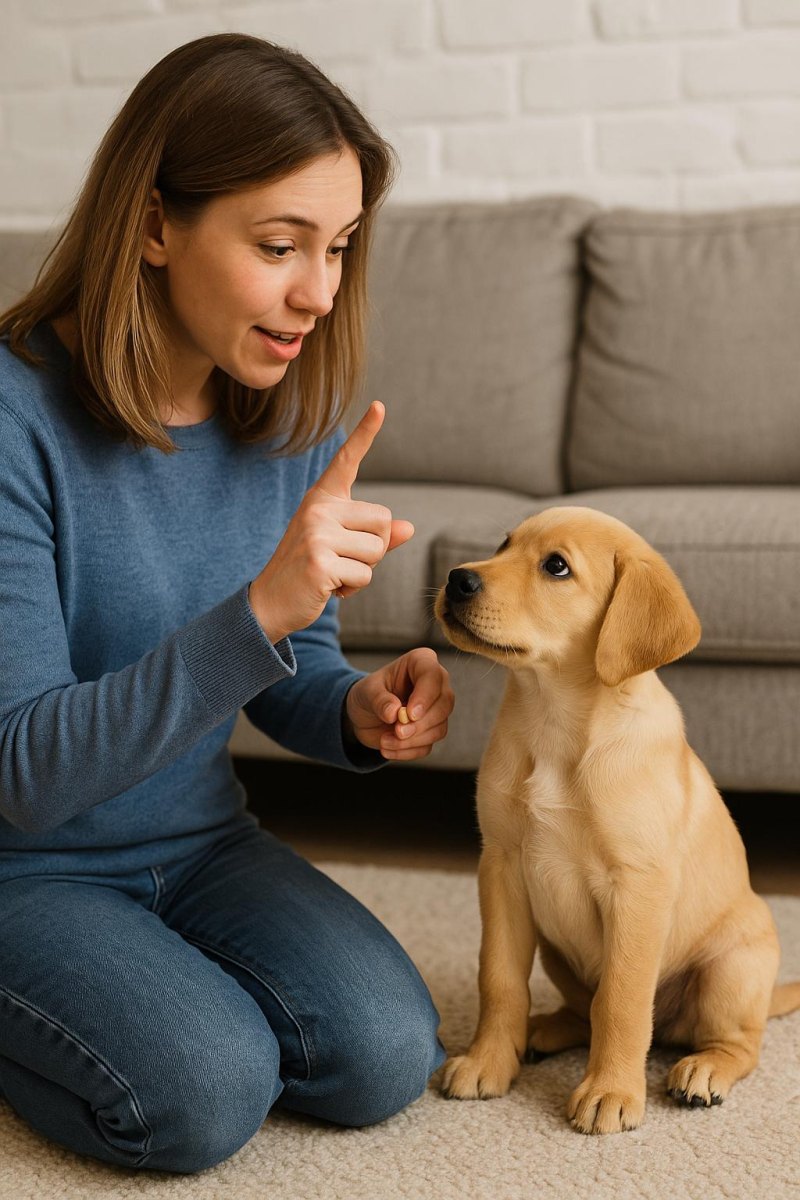
My favourite sessions are boring on purpose: a quiet room, a few treats, and one clear goal. Clarity beats repetition when teaching a puppy something new.
Use Rewards to Encourage Good Behavior
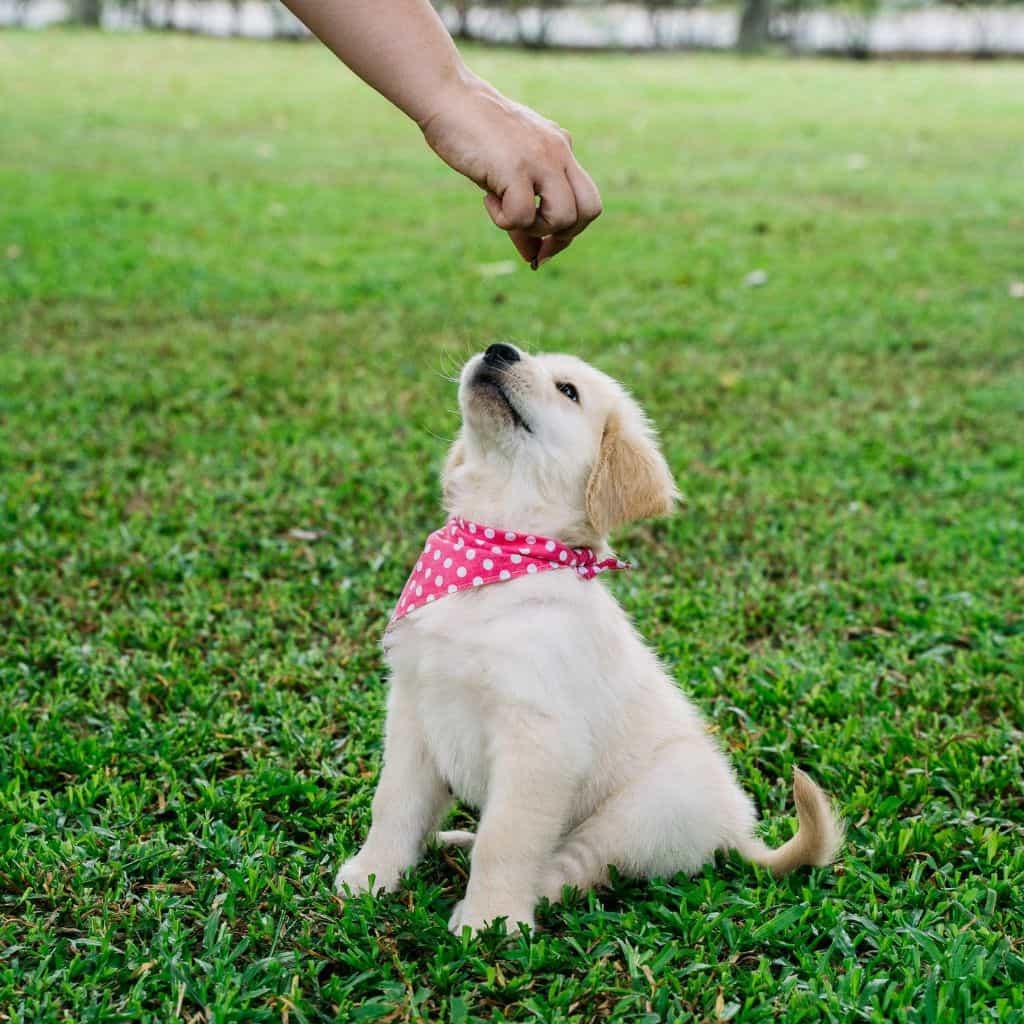
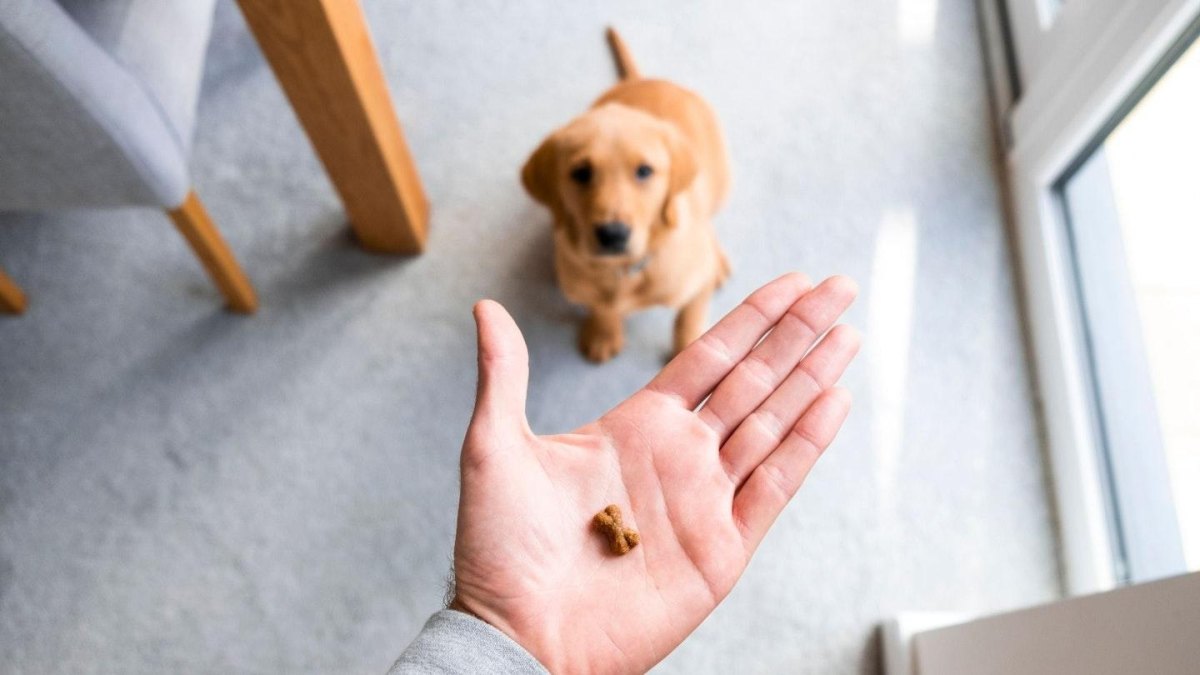
A reward does not always mean food. It can be play, sniffing, attention, or access to something the puppy loves. I use meaningful rewards because motivation changes from dog to dog.
I avoid punishing mistakes during learning. If a puppy gets something wrong, I adjust the difficulty and make the next repetition easier. Training should guide, not frighten.
Keep Training Sessions Short and Fun
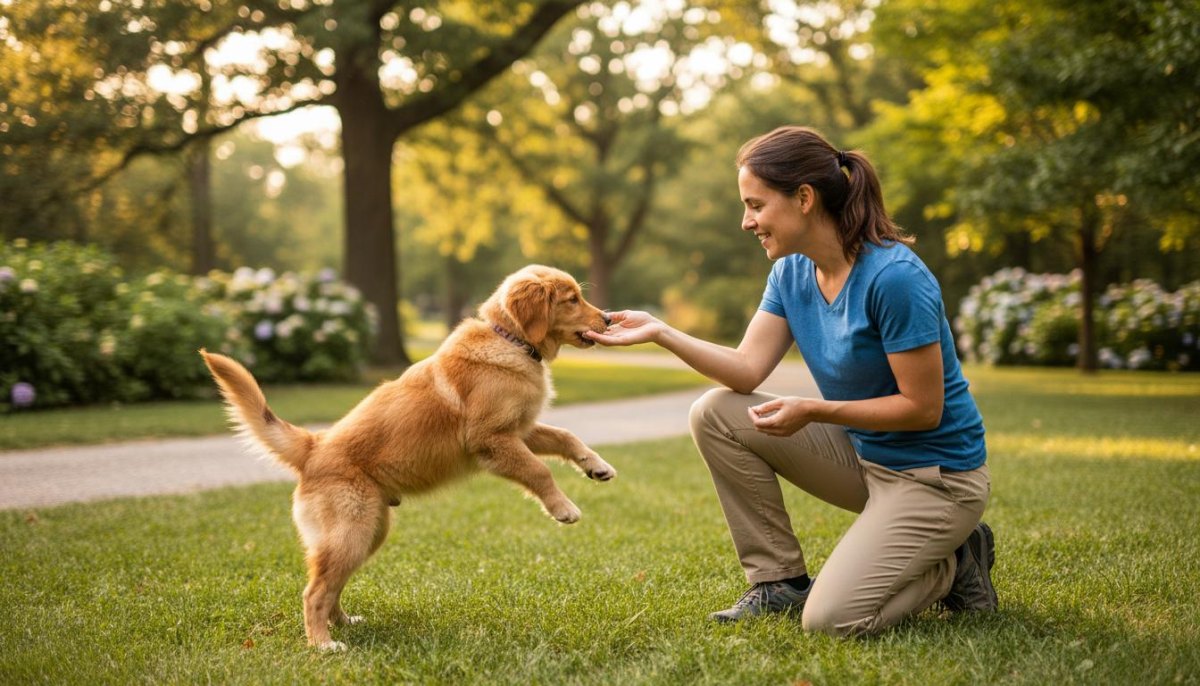
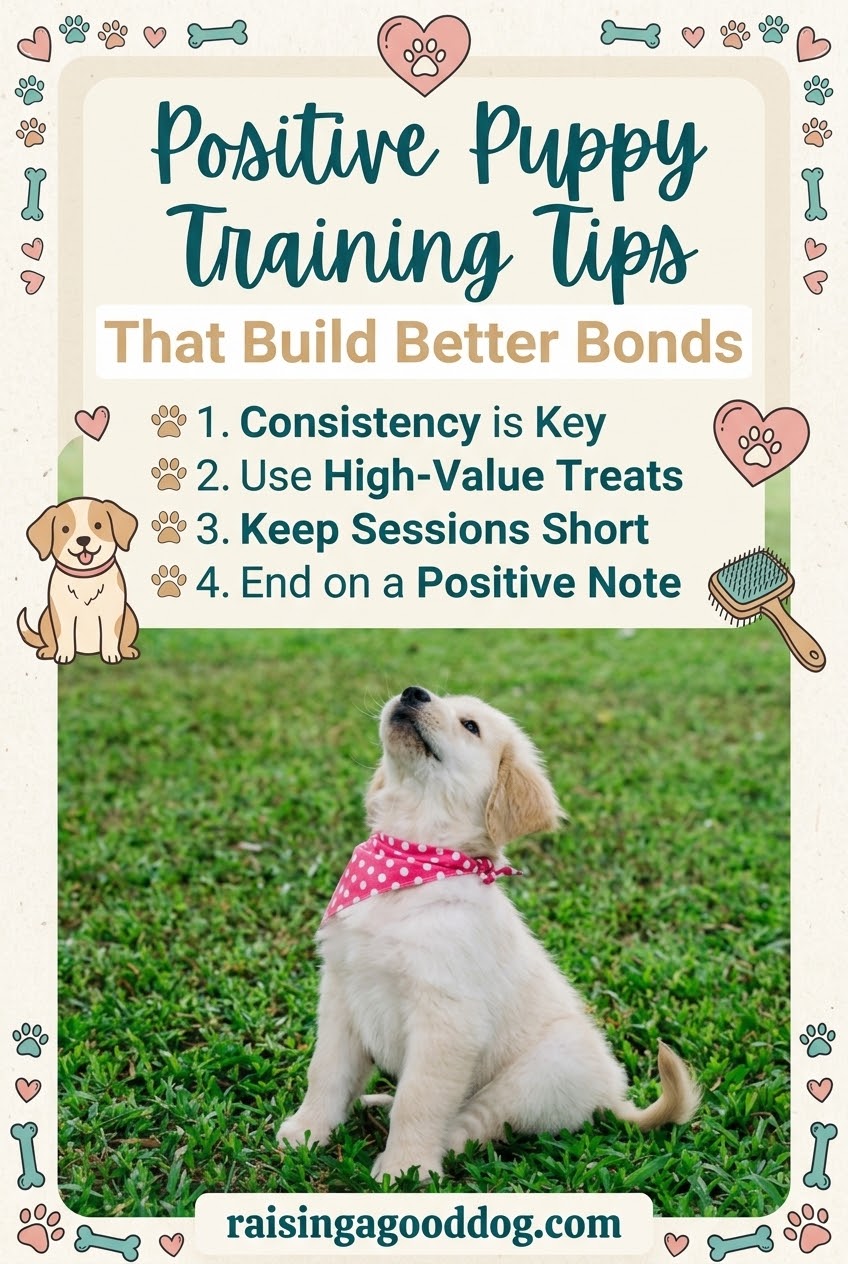
Puppies have limited attention spans, and I would rather finish with a puppy eager for tomorrow than squeeze out another tired repetition. Short sessions work because success stays easy.
I often recommend several small practice moments during the day instead of one exhausting lesson. Fun builds focus better than frustration.
Create a Consistent Daily Training Routine
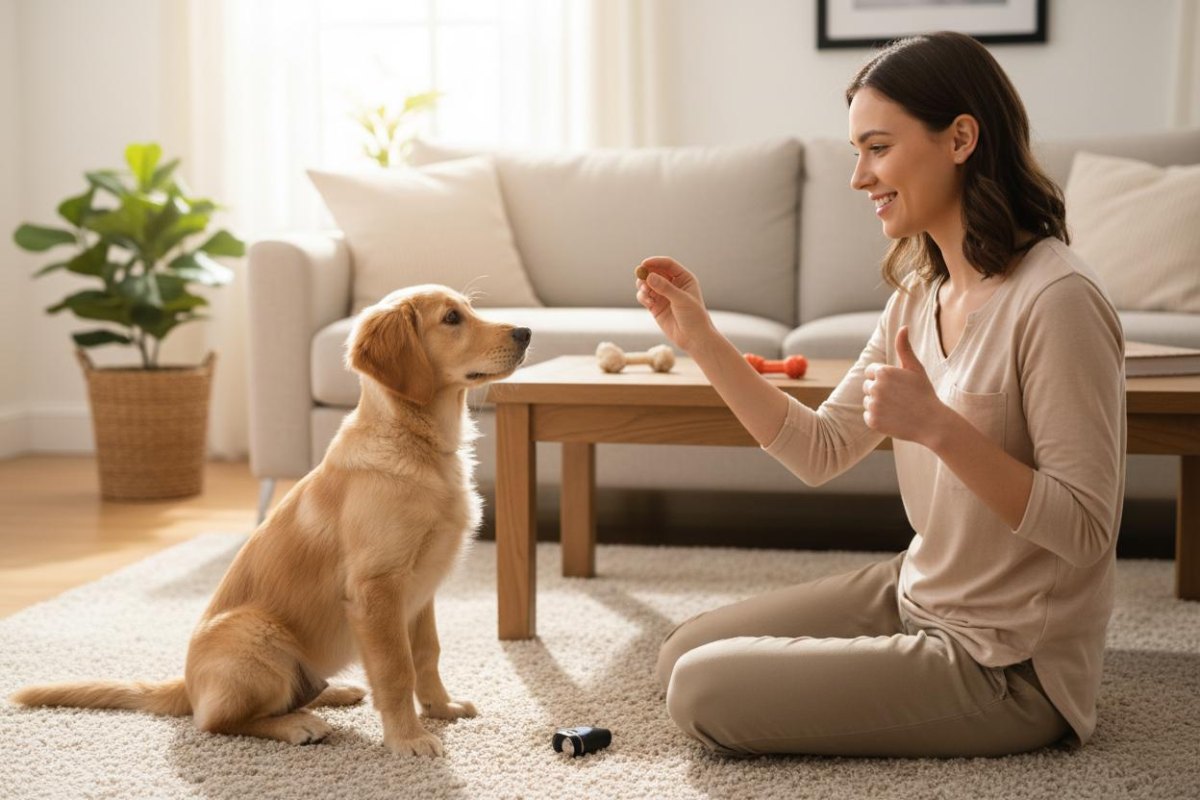
Dogs learn from patterns, so I help families build training into normal life: waiting for meals, greeting politely, and settling after play. Daily routines teach without requiring a formal class every time.
Consistency does not mean perfection. A missed session is not failure; it is just Tuesday with a puppy. Realistic routines last longer than complicated plans.
Socialize Your Puppy Safely and Positively
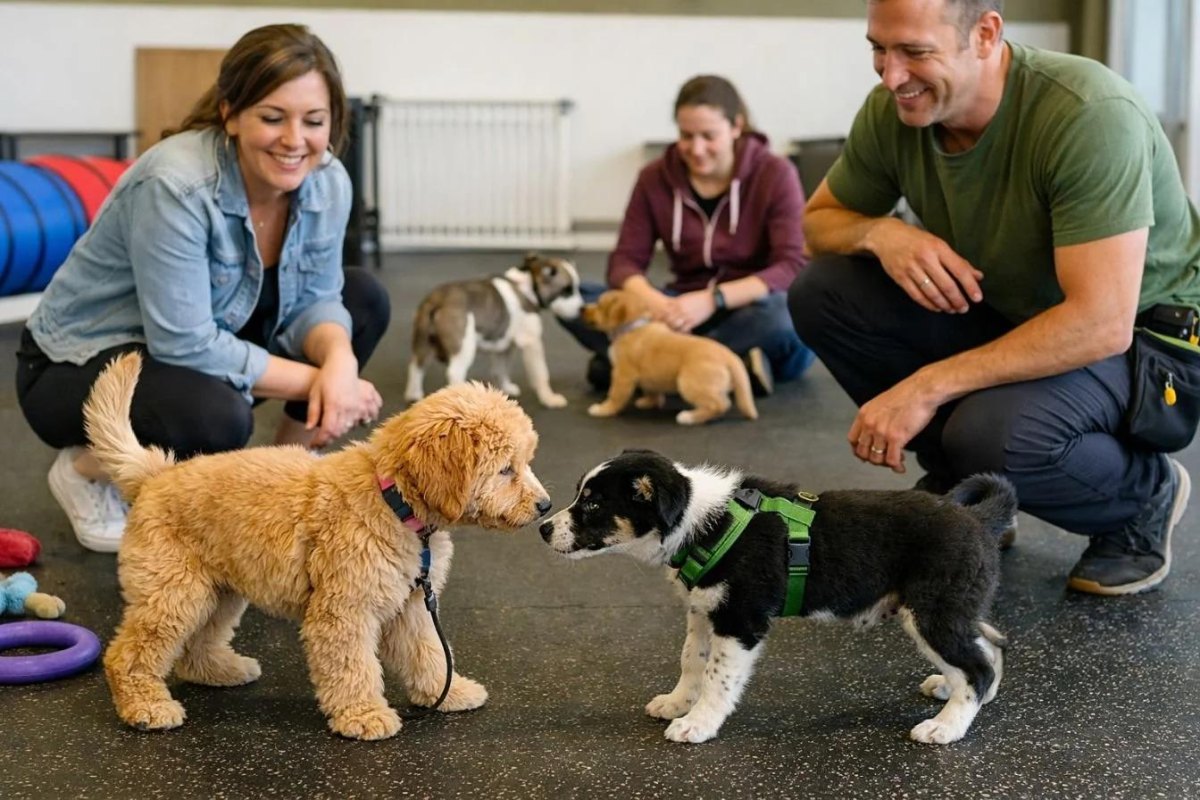
Good socialization is not throwing a puppy into every busy place possible. I focus on calm, positive exposure where the puppy can observe and leave before feeling overwhelmed. Quality exposure matters.
I watch for stress signals like lip licking, tucked posture, or avoidance and change the plan when needed. Confidence grows slowly, not through flooding.
Teach Good Leash Walking Habits
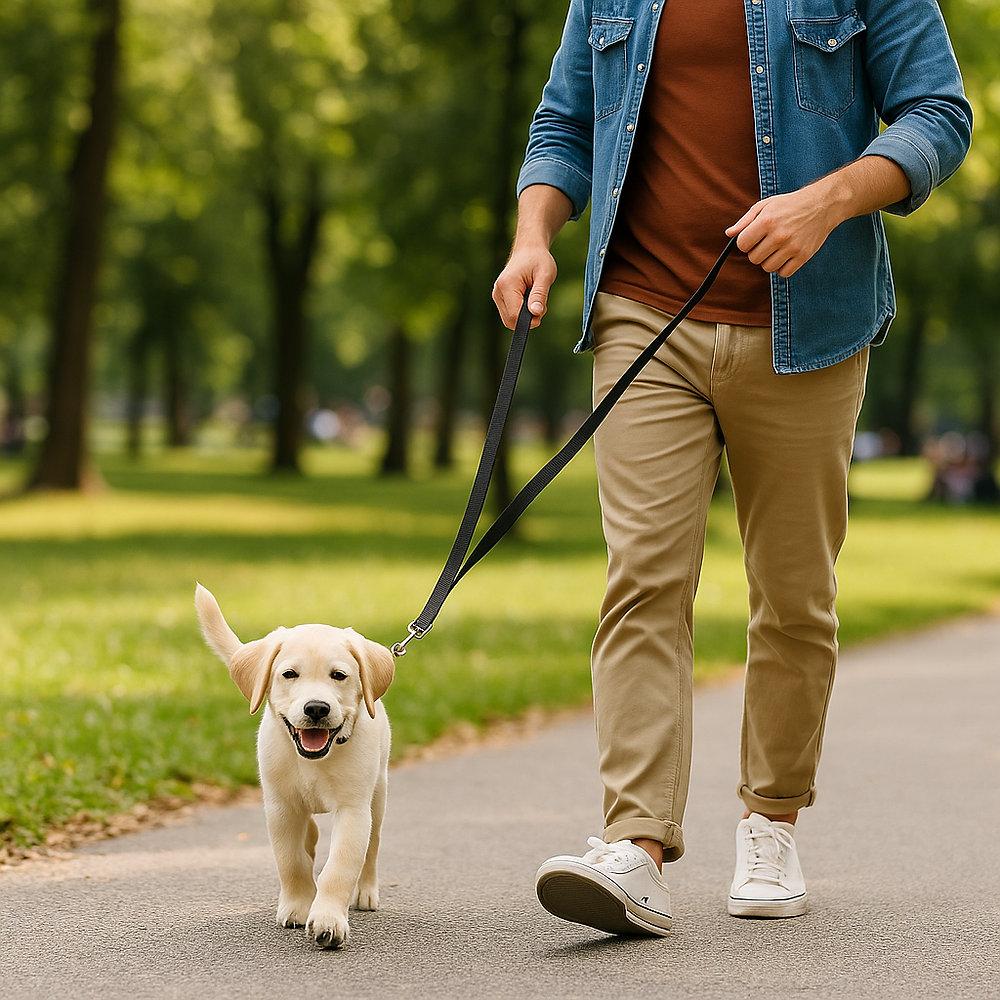
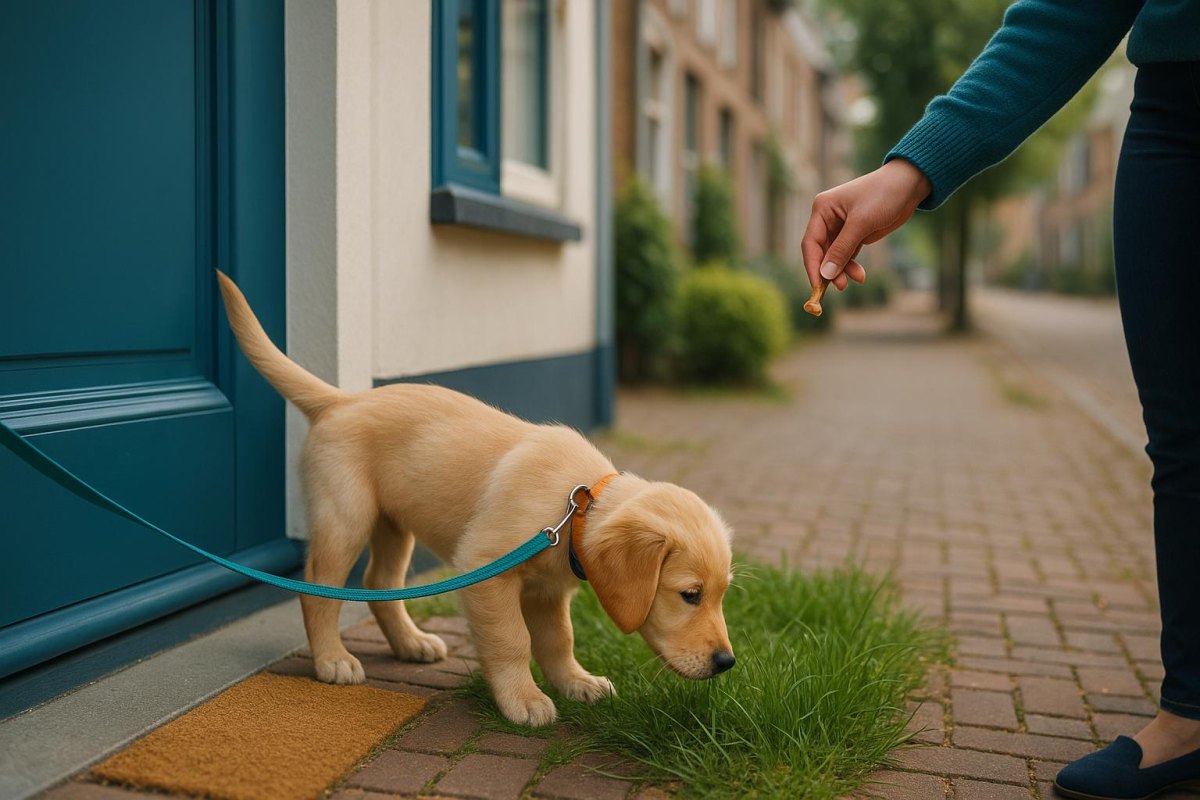
Puppies are not born knowing how to walk politely beside us. I reward check-ins, loose leash moments, and choosing to stay close. Leash skills are taught, not expected.
If pulling is already happening, I reduce the chance to practise it by changing routes, distance, or distractions. Preventing rehearsal helps the new habit win.
Encourage Calm Behavior at Home

A calm puppy is a skill I teach, not a personality trait I wait for. I reward quiet moments and provide appropriate rest because tired puppies often become tiny furry hurricanes. Rest supports learning.
I look at the whole picture: sleep, enrichment, exercise, and stress. Balanced daily needs make training much easier.
Prevent Problem Behaviors with Positive Guidance
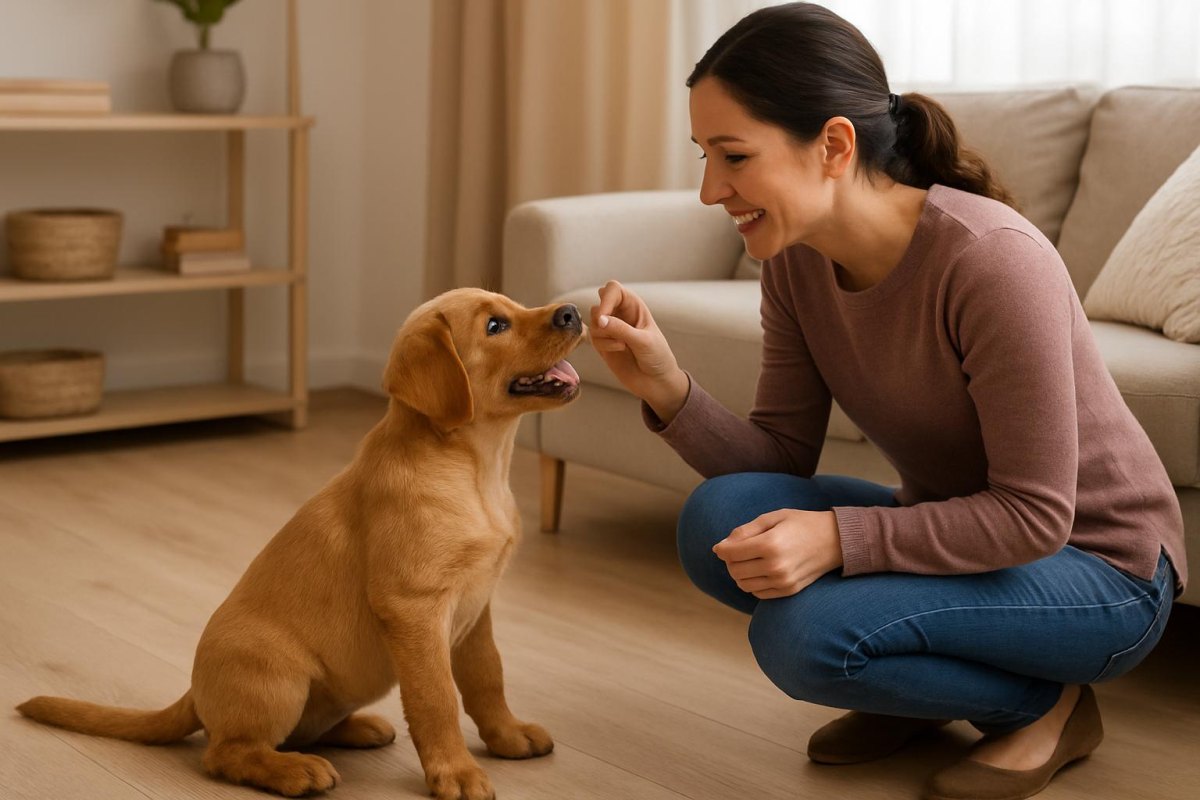
When a behaviour is becoming a habit, I first stop the puppy from practising it constantly. Then I teach an alternative behaviour that works better. Change the setup first.
Growling, avoidance, and other warnings are information, not bad manners. I pay attention to those signals because early communication matters.
Make Potty Training a Positive Experience
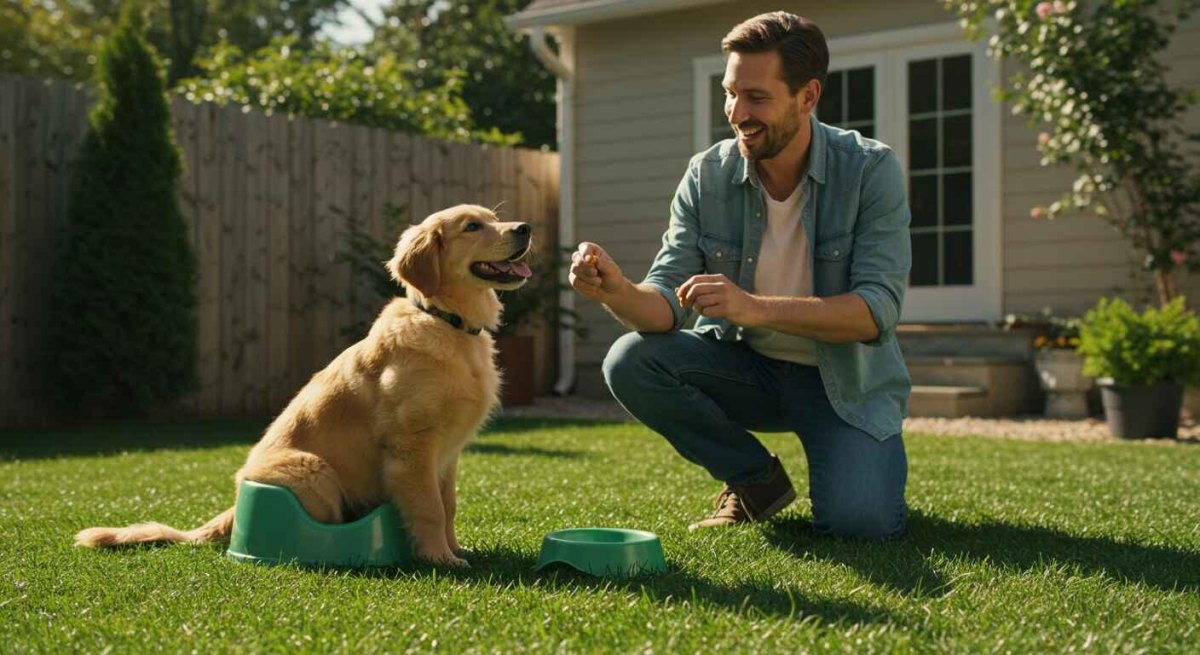
Potty training improves when puppies have predictable opportunities, supervision, and rewards for getting it right. Accidents are information about the schedule, not a reason for punishment. Positive repetition wins.
If a puppy suddenly starts having accidents after being reliable, I recommend checking with a veterinarian first because health changes matter.
Celebrate Progress and Strengthen Your Bond
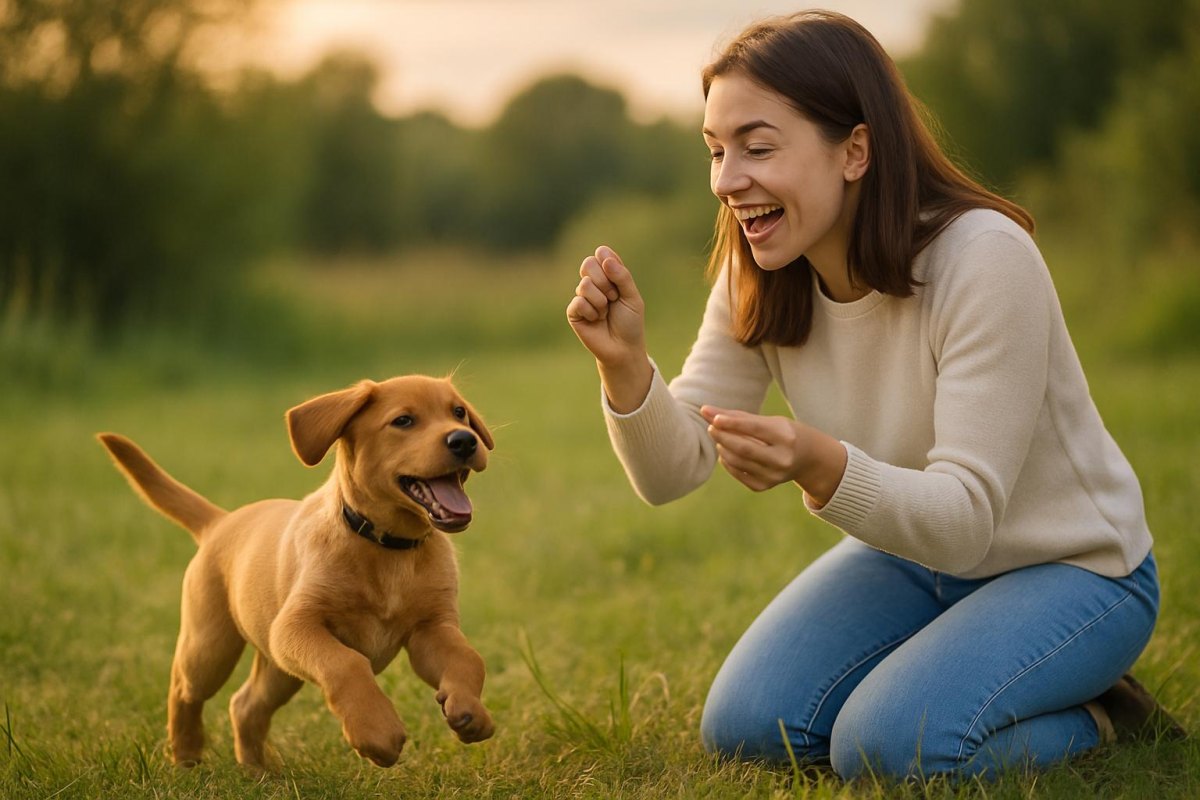
I measure puppy progress in real moments: a calmer greeting, a better walk, or a puppy choosing to check in with their person. Small victories count.
Bruno taught me that progress is not about having a flawless dog. It is about understanding your dog better and building a partnership that lasts.
More Pinterest Visuals