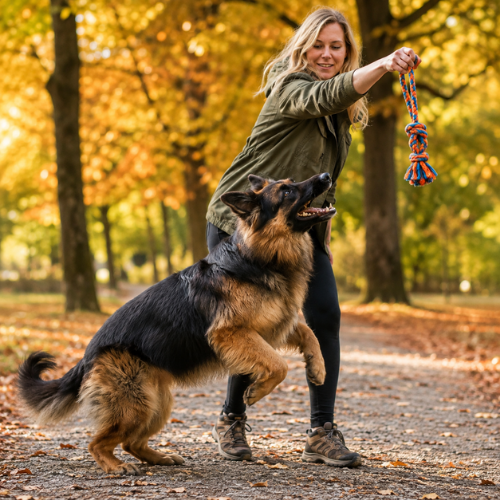
A puppy who launches at every sound, wiggles through every greeting, and forgets their manners the second something exciting happens is not a “bad” puppy. They are a young dog who has not learned how to handle big feelings yet.
I have worked with plenty of puppies who looked like they had an off switch that was permanently broken. The first step is usually not more commands. It is making life calm enough that the puppy can actually learn.
What I focus on when teaching calm behavior
- Preventing constant rehearsal of frantic habits
- Rewarding calm choices instead of only reacting to problems
- Teaching puppies how to pause, settle, and recover from excitement
Teaching Puppies to Settle and Relax
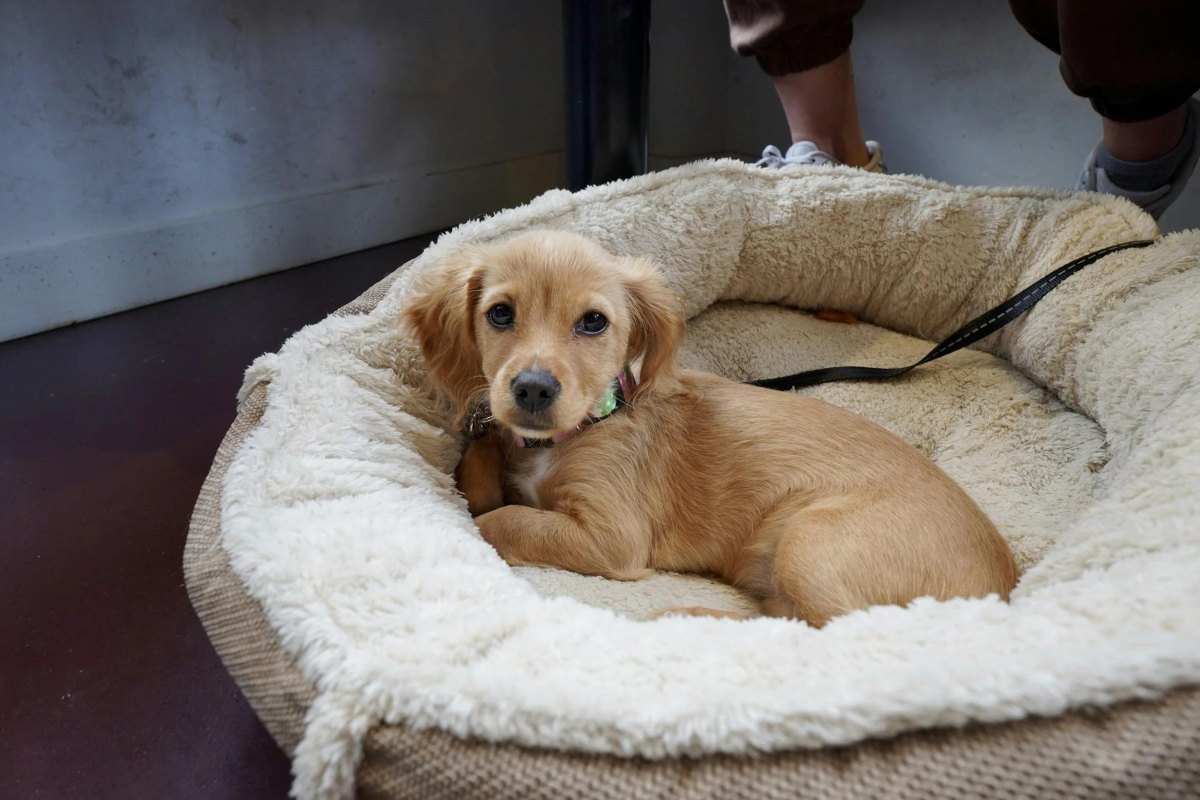
Many people wait until a puppy is already bouncing off the walls before they try to teach calm. I prefer to catch the quiet moments before the chaos begins.
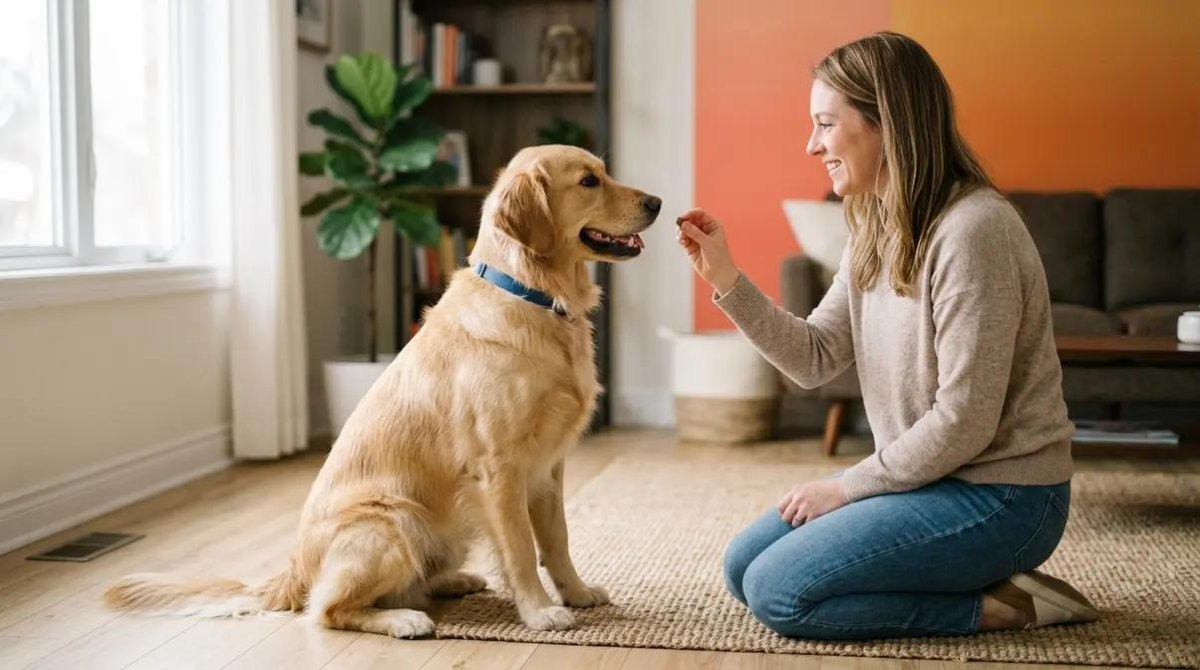
Start by creating a low-distraction resting area and rewarding your puppy when they choose to lie down, soften their body, or simply watch the world go by. Those tiny moments are the foundation of calm behavior.
Before training this skill, I check the basics. A puppy who is overtired, uncomfortable, or constantly overstimulated will struggle to settle. Sleep, appropriate exercise, and a predictable routine matter just as much as the treats in your pocket.
A small tip I use often
Reward calm before your puppy demands attention. If they learn that quiet behavior works, they have a reason to repeat it.
Building Calm Behavior Through Positive Reinforcement
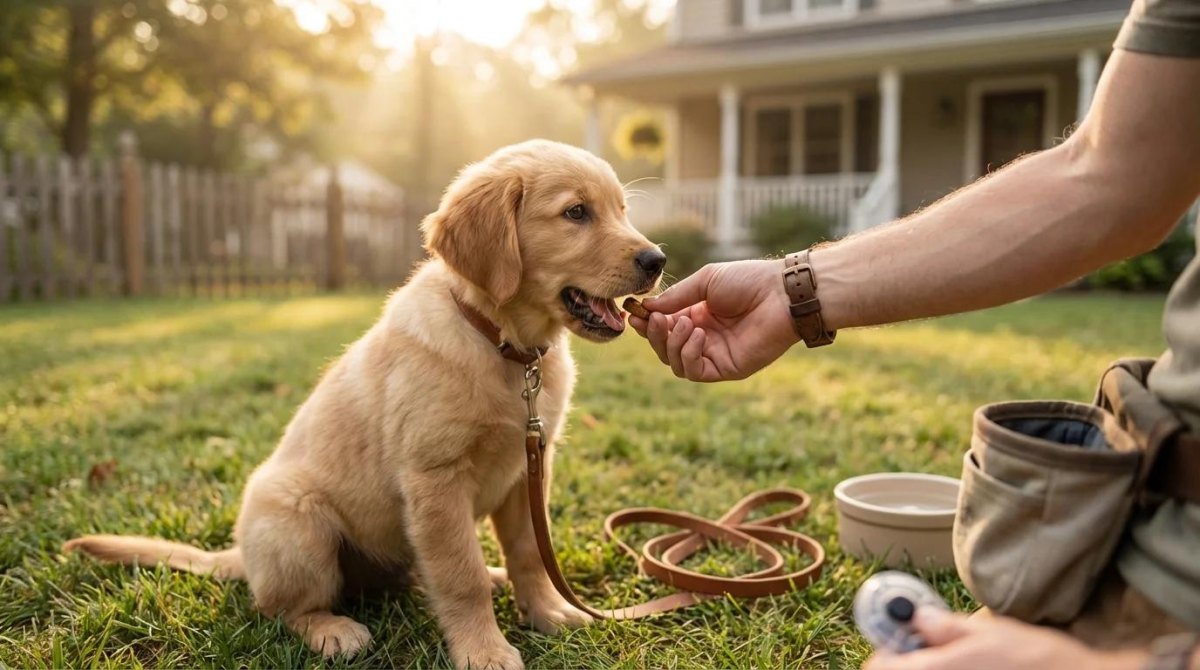
I train calm behavior the same way I train a sit or recall: I show the puppy what works and make that choice worthwhile.
With a puppy who jumps, spins, or grabs at everything, I first manage the environment so they are not practicing that frantic behavior all day. Then we build a new habit in small pieces.
- Notice. Watch for calm body language such as loose muscles, relaxed breathing, and a soft mouth.
- Reward. Mark the moment your puppy chooses calm and offer something they value.
- Repeat. Practice often enough that calm becomes familiar.
This is not about bribing a puppy forever. Rewards teach the behavior first; repetition and maturity help it become more natural.
Managing Puppy Excitement and Overstimulation
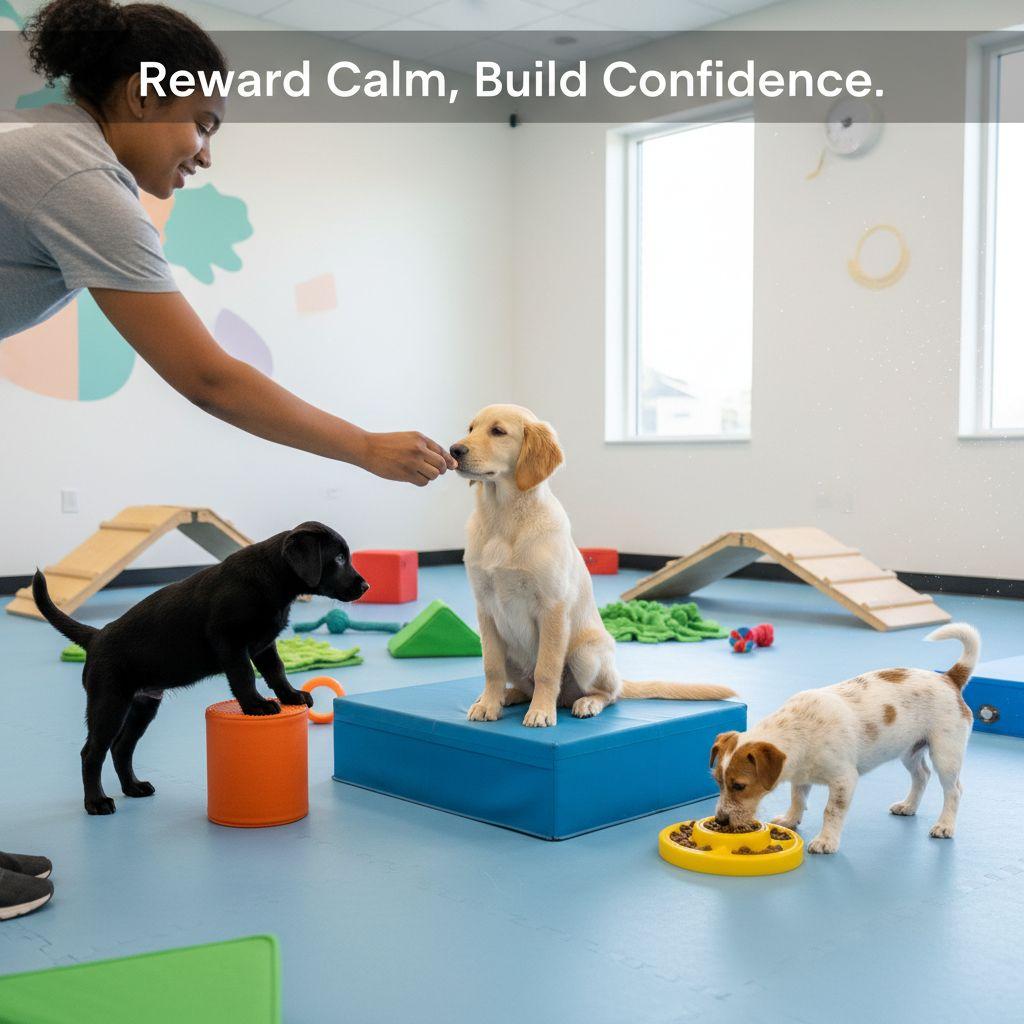
A puppy who cannot calm down around visitors, toys, or other dogs usually needs better management before more training. The goal is not to expose them to everything until they “get used to it.” Flooding an overwhelmed puppy can make the problem harder.
I look for early signs that a puppy is reaching their limit: frantic movement, inability to take food, a tight mouth, hard staring, rapid breathing, or a body that suddenly becomes stiff. Those signals are information.
A mistake I see often
People keep adding excitement because they think a tired puppy will behave better. Sometimes an exhausted puppy is simply an overstimulated puppy with even less ability to cope.
Most puppies improve over weeks and months, not overnight. A setback after a busy day does not erase the progress you have built.
Training Impulse Control and Patience
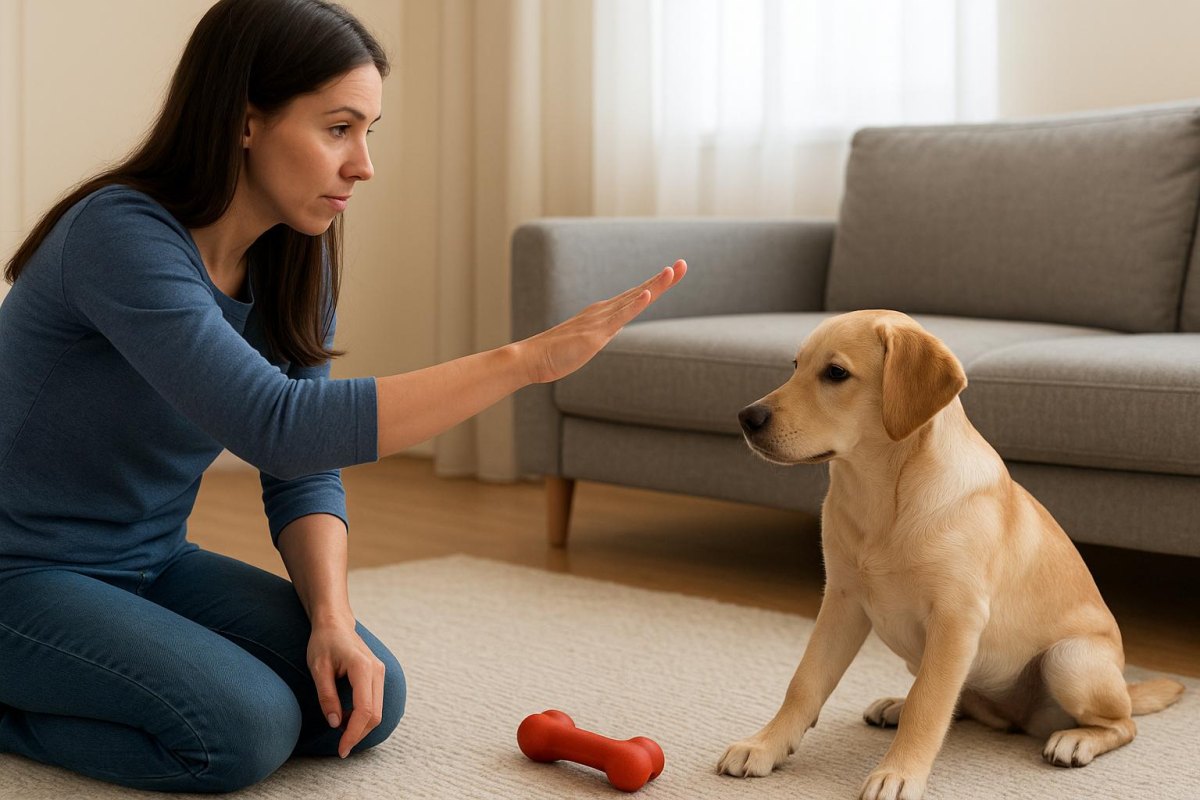
Impulse control is one of the skills that makes everyday life easier. It is the puppy who waits briefly at the door, takes a treat gently, or pauses before charging toward a distraction.
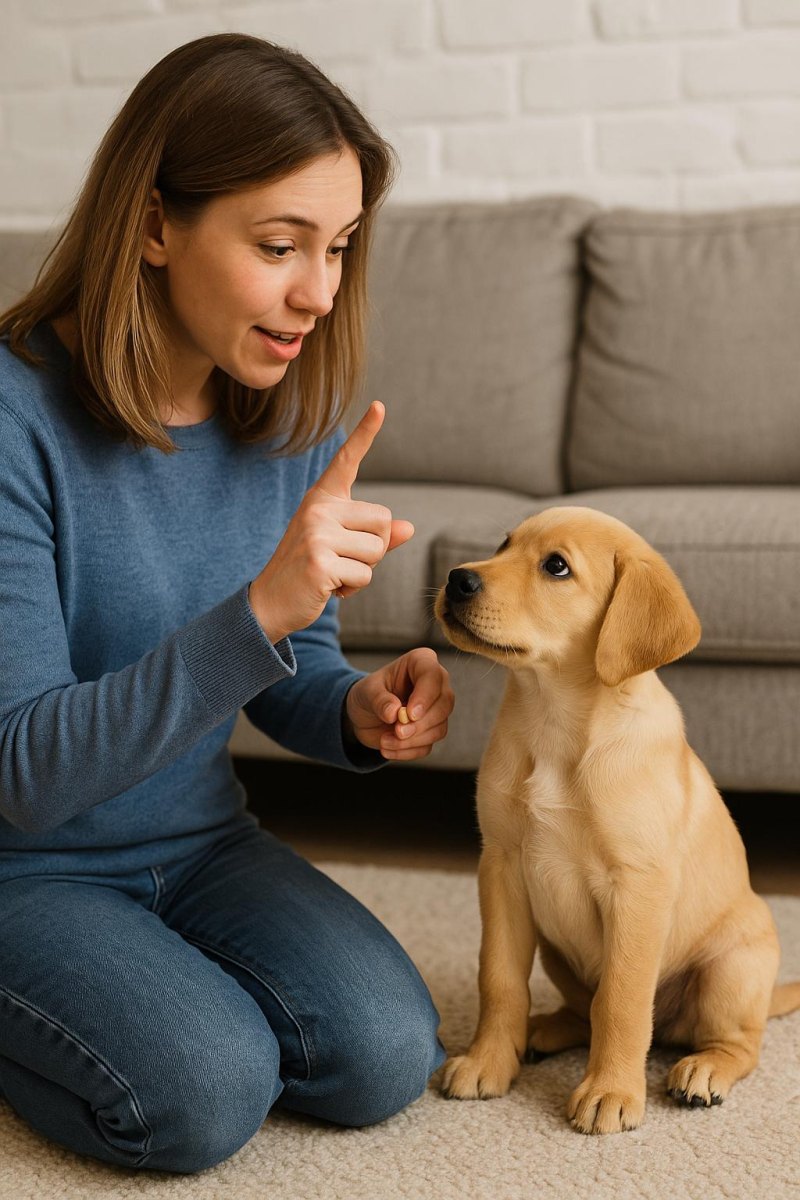
I keep these exercises short because puppies are not built for long lessons. A few successful repetitions are more valuable than a ten-minute battle of wills.
- Practice waiting for food without frustration
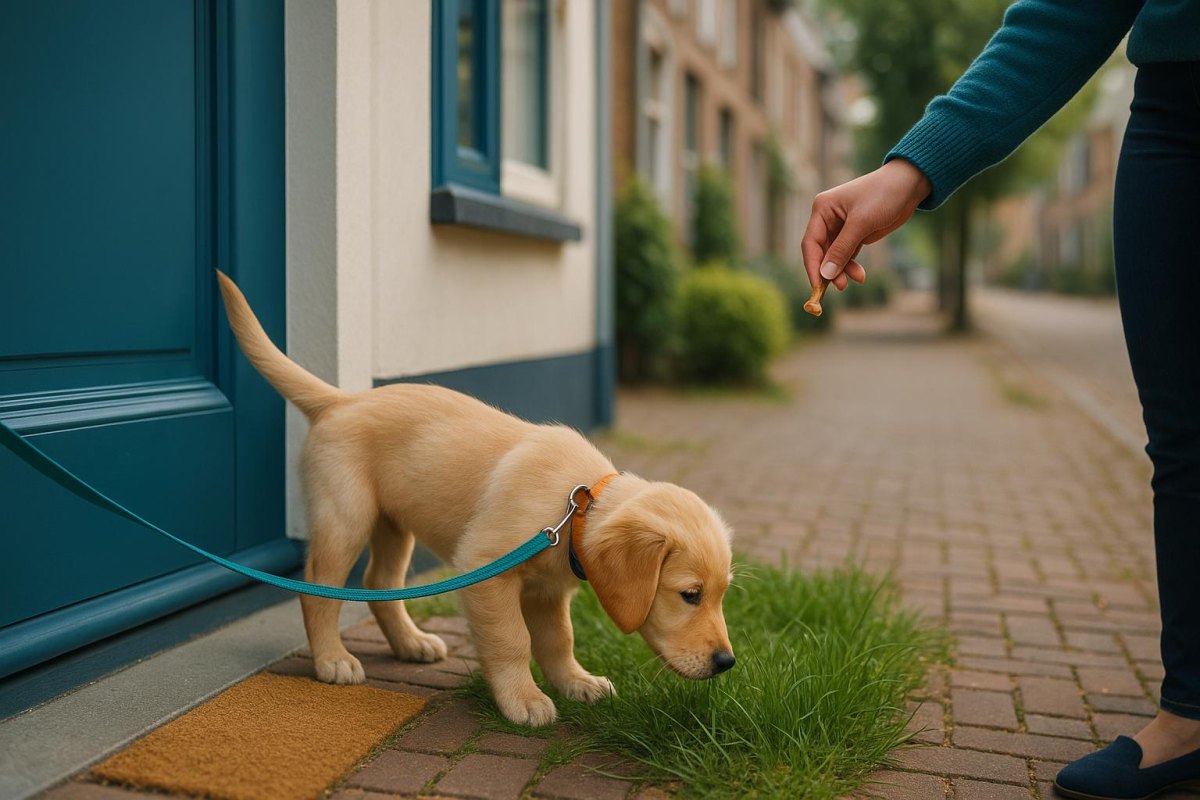
- Reward checking in with you during walks
- Teach that moving away from excitement can also be rewarding
My own dog Bruno taught me this lesson the hard way. Progress came when I stopped asking for perfect behavior and started rewarding the small choices that moved us in the right direction.
Creating a Calm Home Routine for Puppies
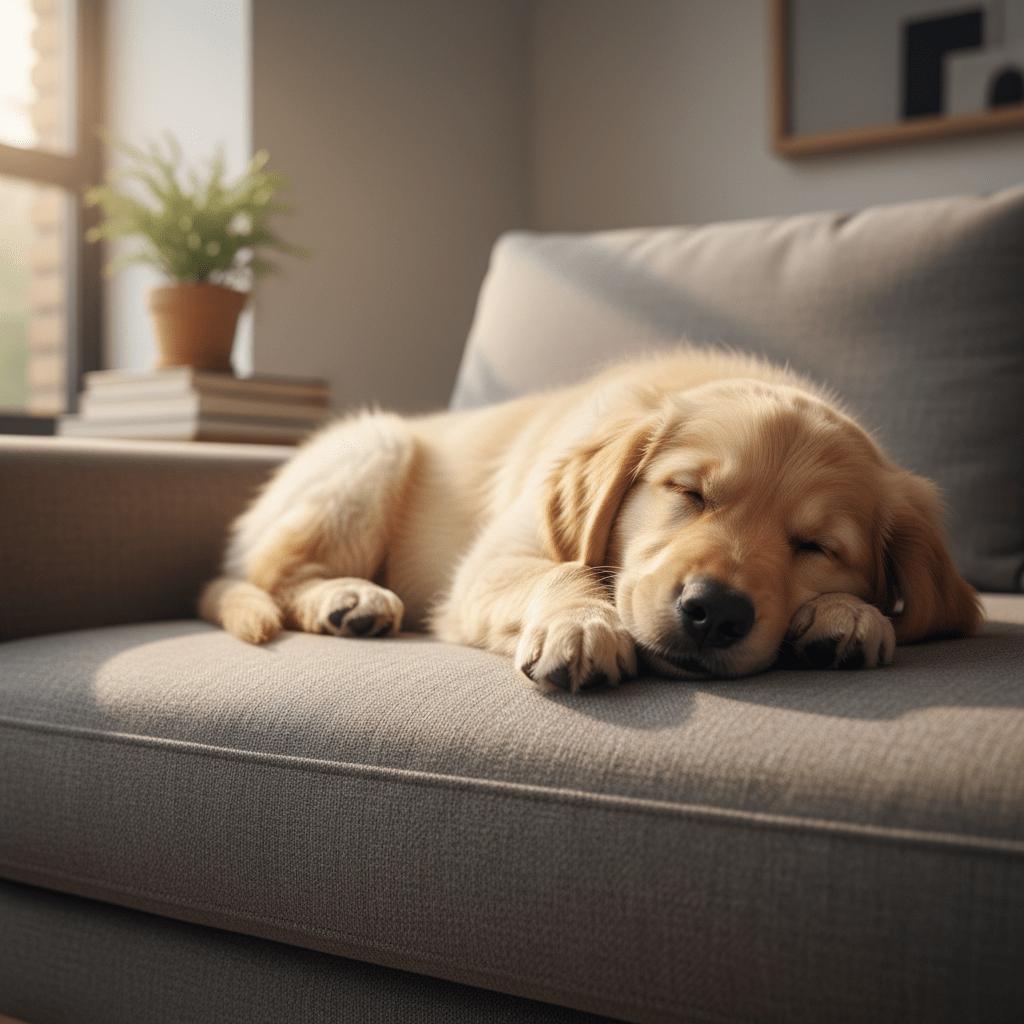
Home is where many puppies practice their wildest behavior because they feel comfortable there. That is normal, but it also means your routine matters.
I like predictable patterns: active time, training time, chewing or enrichment time, and then quiet time. Puppies do better when they know what comes next.
If a puppy suddenly becomes restless, starts having accidents, or shows a major behavior change, I always want medical causes considered first. I am a trainer, not a veterinarian, and pain or illness can show up as behavior changes.
Remember
A calm routine is not about making a puppy do nothing. It is about teaching them that rest is part of daily life.
Encouraging Calm Social Behavior in Puppies
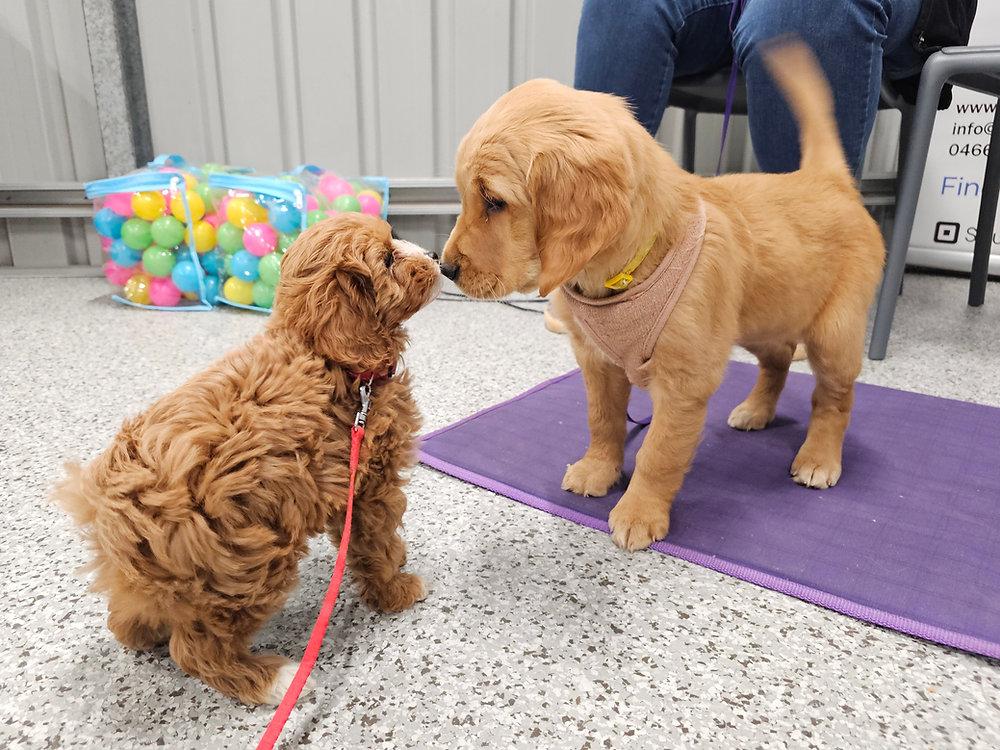
Socialization is often misunderstood. It is not about making a puppy greet every dog and person they see. It is about creating positive experiences while keeping the puppy comfortable.
I watch the whole dog during introductions. A wagging tail does not always mean a puppy is relaxed. I pay attention to weight shifts, ear position, breathing, and whether the puppy can still respond to their handler.
Controlled exposure at your puppy’s pace builds confidence far better than forcing interactions. For puppies who show fear, serious reactivity, or any behavior that could put someone at risk, I recommend working with a qualified professional in person.
Frequently asked questions
How long does puppy calm behavior training take?
Most puppies improve gradually over several weeks and months. Development, consistency, and the environment all affect the timeline.
Can I teach an energetic puppy to relax?
Yes. Energy is normal, but puppies can learn when to play and when to settle through practice and reinforcement.
Should I punish a puppy for being overexcited?
No. Punishment can increase stress and does not teach the calm behavior you want. Teaching and rewarding an alternative works better.
More Pinterest Visuals