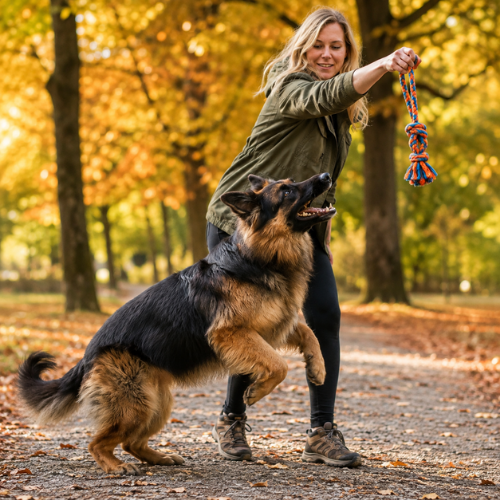
A puppy barking at the mail carrier, the neighbour’s dog, or a mysterious leaf blowing past the window is not being difficult. I start with what the bark is telling us, then build a replacement skill. Teaching a quiet command takes repetition, patience, and a plan that works on an ordinary Tuesday, not just during a perfect training session.
I usually expect owners to see early progress within a few weeks, but a reliable response around exciting distractions can take much longer. The first step is always making sure your puppy is calm enough to learn.
Teaching the “Quiet” Command Step by Step
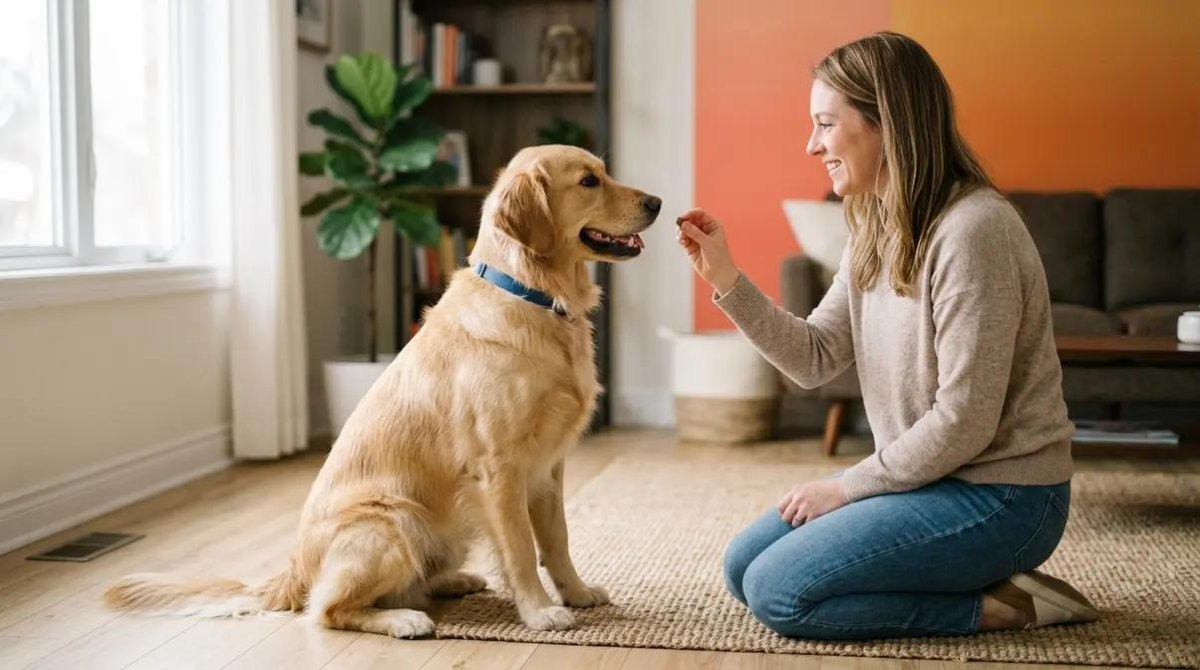
Before I teach the word “quiet,” I manage the situation so the puppy is not practising a full barking marathon every day. A puppy who is already over threshold cannot learn well, so I begin in a low-distraction space and reward the first tiny pause in barking. This is the foundation of rewarding silence rather than fighting noise.
I teach the cue after the puppy understands that stopping barking makes good things happen. The word comes just before the behaviour I can already predict, not shouted repeatedly while my puppy is still barking. Clear timing matters more than a louder voice.
Trainer tip
I never aim for a silent puppy all day. Barking is communication; the goal is teaching your dog when to settle.
Using Rewards to Reinforce Silence

The reward is the part many people rush past. If my puppy gets a treat, play, or attention immediately after choosing quiet behaviour, that choice becomes more valuable. Positive reinforcement works because dogs repeat behaviours that pay off for them. Reward-based training gives the puppy a clear answer about what I want.
I choose rewards based on the difficulty of the moment. Bruno would ignore ordinary kibble when he was worried about something outside, but a better reward could help him stay engaged. The environment decides how much competition I have. High-value rewards are for harder training moments.
Reducing Barking Triggers During Training

The most skipped step I see is preventing rehearsal. If your puppy spends every afternoon barking through the window at people walking past, that habit is getting plenty of practice. I start by changing the setup: close the curtain, move the bed, create distance, or choose a quieter training time. Trigger management gives learning a chance to happen.
I also watch body language before the bark explodes. A hard stare, forward weight shift, tight mouth, closed breathing pattern, or sudden stillness tells me I am late. The best training moment is often ten seconds before the noise starts. Early warning signs are information, not misbehaviour.
| Barking trigger | Helpful adjustment |
|---|---|
| Window activity | Block the view and train at a distance |
| Visitors | Create a calm routine before greetings |
| Outdoor sounds | Practise during quieter periods first |
Important
If barking appears suddenly, comes with pain signs, or involves aggression, I recommend a veterinary check before assuming it is only training.
Practicing the Quiet Cue in Different Environments

A puppy who responds to “quiet” in the kitchen may look completely confused at the park. That is normal. Dogs do not automatically understand that the same cue applies everywhere, so I build the skill gradually across locations. Generalising the cue is part of training, not proof that your puppy is stubborn.
I change one challenge at a time: a different room, then the garden, then a quiet street, then a busier area. My 6 a.m. trail sessions exist for exactly this reason — fewer surprises make better learning opportunities. Small increases prevent the puppy from rehearsing the old barking pattern.
Building Long-Term Quiet Behavior
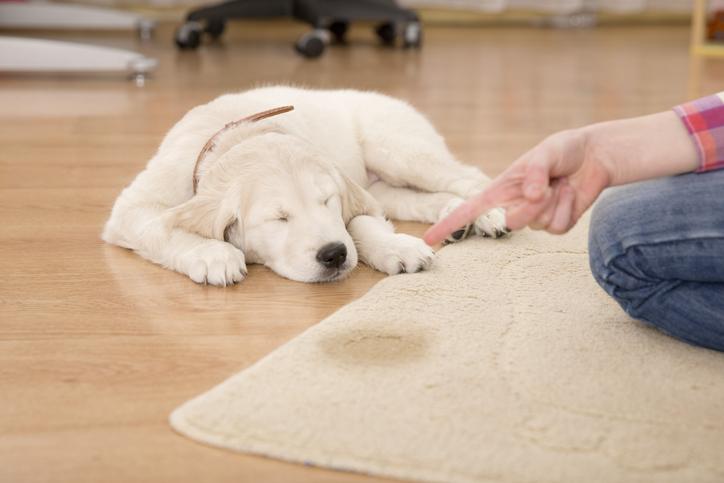
The goal is not a dog who never makes a sound. The goal is a dog who can communicate and then settle when asked. Long-term success comes from keeping the skill alive with occasional rewards, predictable routines, enrichment, and realistic expectations. Maintenance training is part of living with a dog, not a sign that training failed.
With Bruno, I learned this the hard way. He is eight now and dramatically better than the dog I first brought home, but I still choose quieter paths over crowded festivals. A well-trained dog is not a perfect robot; it is a dog who has learned how to cope. Practical progress is the standard I care about.
What helps
- Consistent reward-based practice
- Preventing repeated barking rehearsals
- Respecting the puppy’s stress level
What slows progress
- Expecting instant results
- Training during overwhelming situations
- Using fear or punishment to stop noise


More Pinterest Visuals