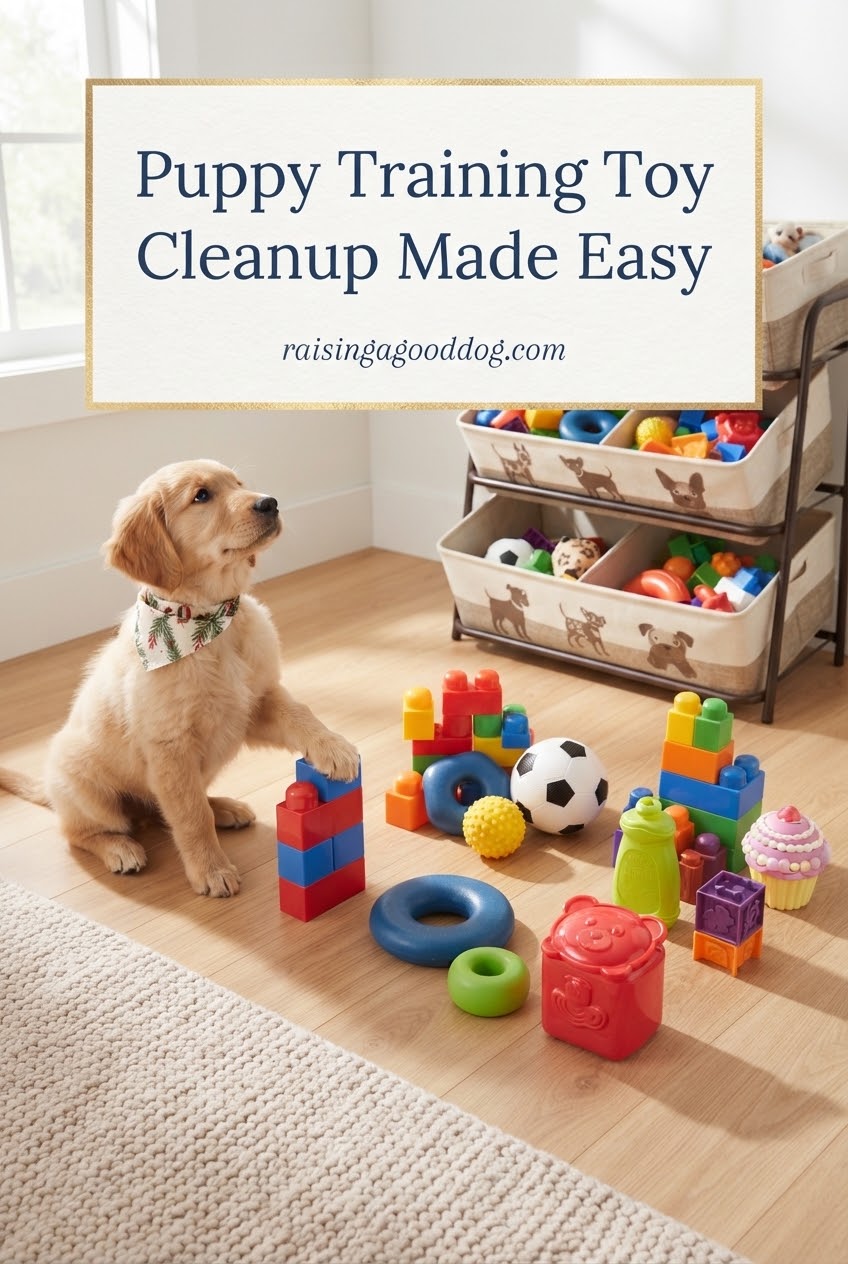
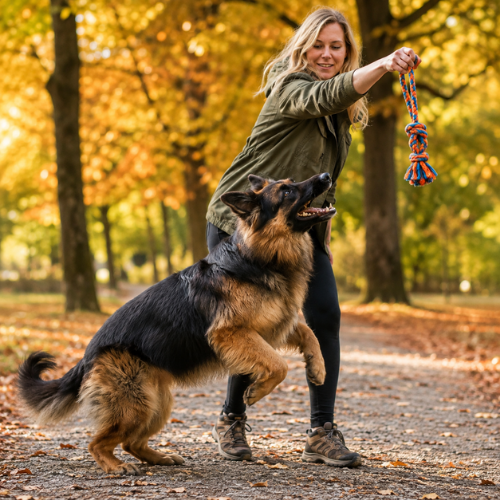
My training room floor has seen everything from puzzle pieces under chairs to a puppy proudly carrying a muddy toy through the door. A simple toy cleanup routine keeps play safer, easier to manage, and less chaotic for both of us.
I approach cleanup the same way I approach training: make the environment work for the dog first. When toys have a clear place and purpose, puppies have fewer chances to rehearse unwanted habits like chewing random household items.
Gather Puppy Training Toys Before Cleanup
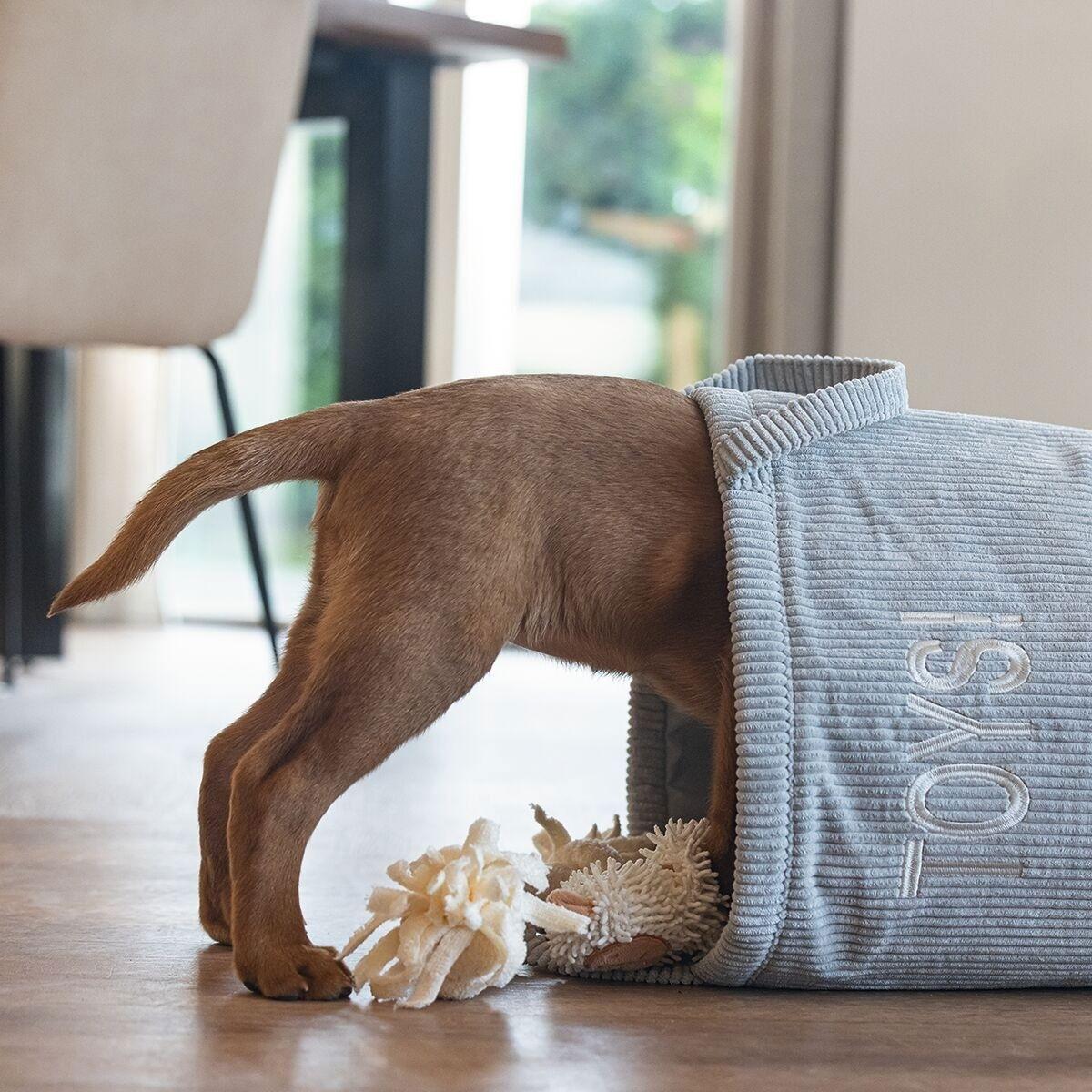
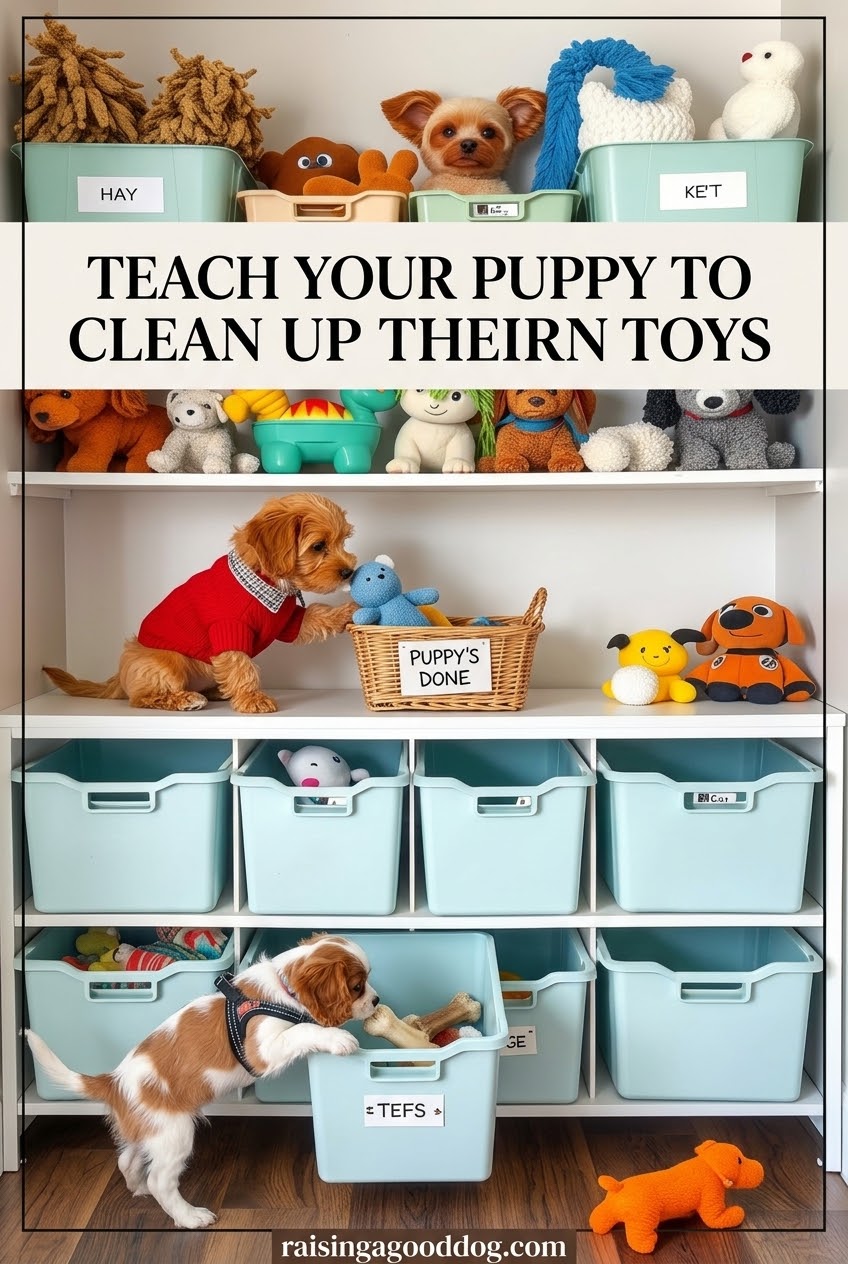
Before I wash anything, I collect every toy and check what condition it is actually in. A quick inspection catches loose seams, cracked rubber, or missing pieces before they become a problem. Sorting first also makes the cleaning job faster because I can separate washable toys from damaged ones. Teaching a dog to return toys to a basket can also turn cleanup into a reward-based training game.
I do this with Bruno's old toys too. He still has opinions about which toy deserves retirement, and those opinions are usually very loud.
Wash and Sanitize Chew Toys Safely
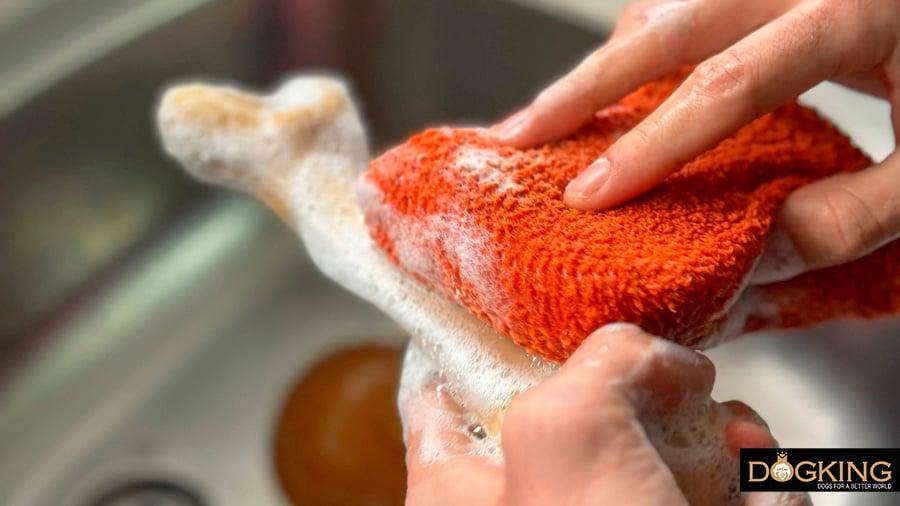
Chew toys spend a lot of time in a puppy's mouth, so I clean them according to the material rather than using one method for everything. Gentle cleaning with thorough rinsing is usually the safer approach because leftover cleaning products can become a concern when toys go straight back into a dog's mouth.
| Toy type | Cleanup approach |
|---|---|
| Rubber or hard toys | Scrub, rinse well, and dry completely. |
| Plush toys | Wash gently if the materials allow it and inspect seams. |
| Food puzzle toys | Clean openings where food residue collects. |
Check before washing
I always read the toy manufacturer's instructions first. Some chew materials are not designed for boiling, dishwashers, or harsh cleaners.
Remove Dirt From Interactive Training Toys
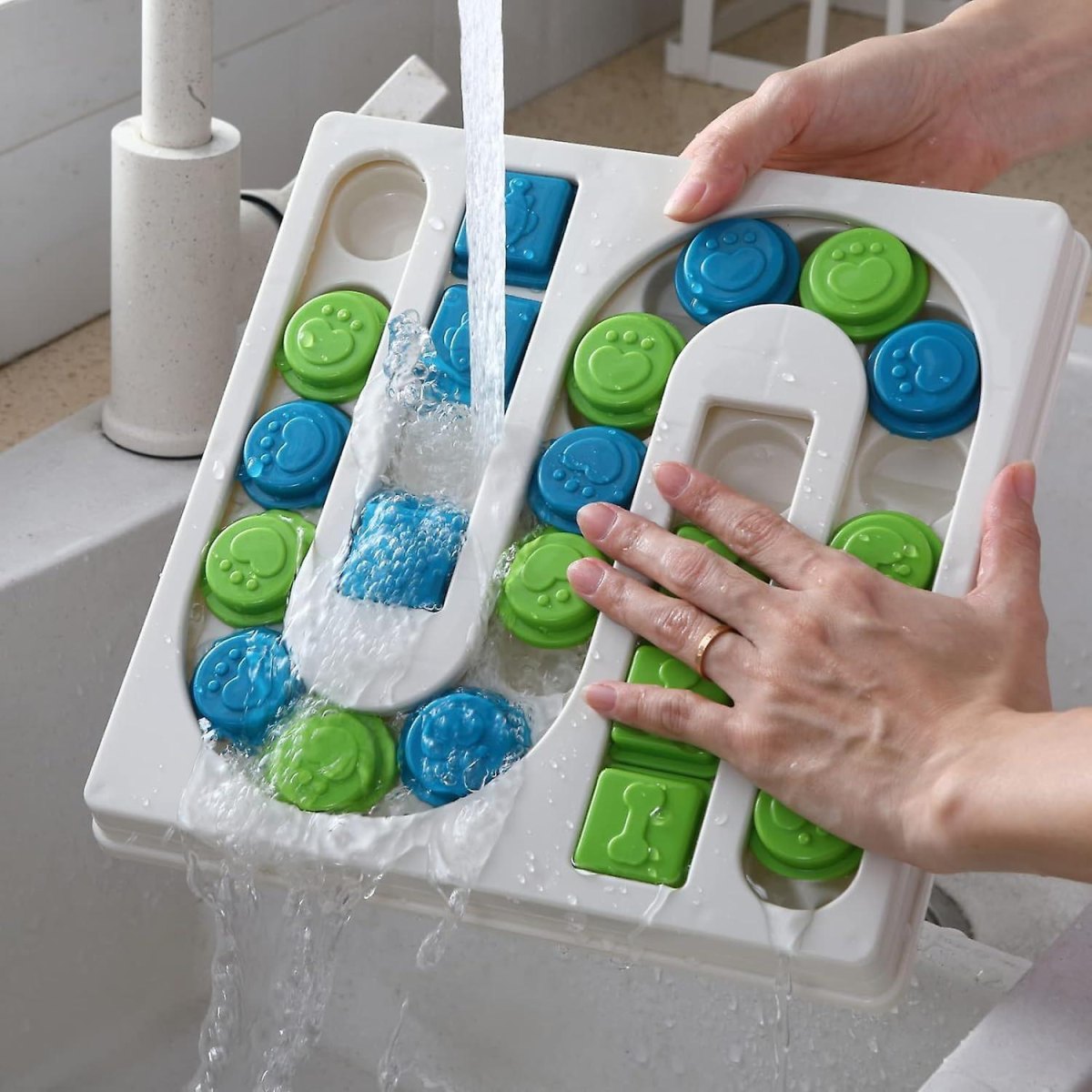
Interactive toys are wonderful for training because they ask puppies to think, but they also collect crumbs, slobber, and dirt in places my sponge cannot reach easily. I take extra time with puzzle toy cleaning because hidden food residue can build up in small spaces.
- Disassemble. Take apart removable sections when the design allows it.
- Scrub. Use a brush to reach grooves and openings.
- Rinse. Remove all cleaner residue before the toy returns to play.
I also watch the puppy during the first few uses after cleaning. A sudden change in chewing style, interest, or behaviour is worth noticing, and unexpected behaviour changes should be discussed with a veterinarian before assuming it is just training.
Organize Puppy Training Toys by Purpose
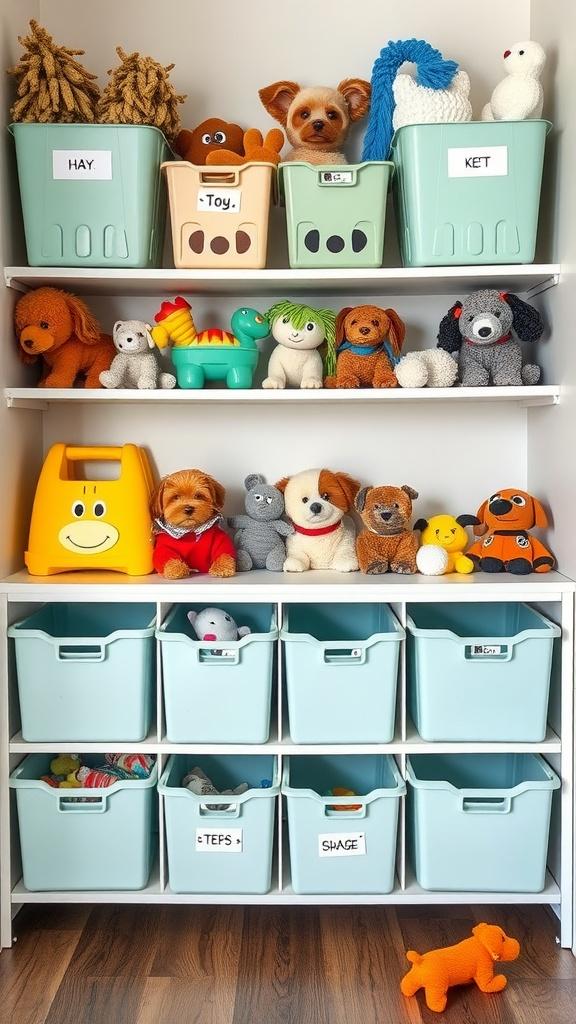
A toy basket full of everything often becomes a pile nobody uses. I organize toys by what they do: chewing, fetching, tugging, comfort, and problem-solving. Purpose-based storage helps me choose the right activity instead of handing a puppy the same noisy toy every afternoon.
- Chew toys: For appropriate chewing outlets.
- Training toys: For focus, problem-solving, and rewards.
- Fetch toys: For movement and play sessions.
- Comfort toys: For calm downtime when appropriate.
My practical tip
I keep fewer toys available and rotate the rest. A smaller selection makes it easier to notice wear and keeps old favourites interesting.
Dry and Store Toys After Cleaning
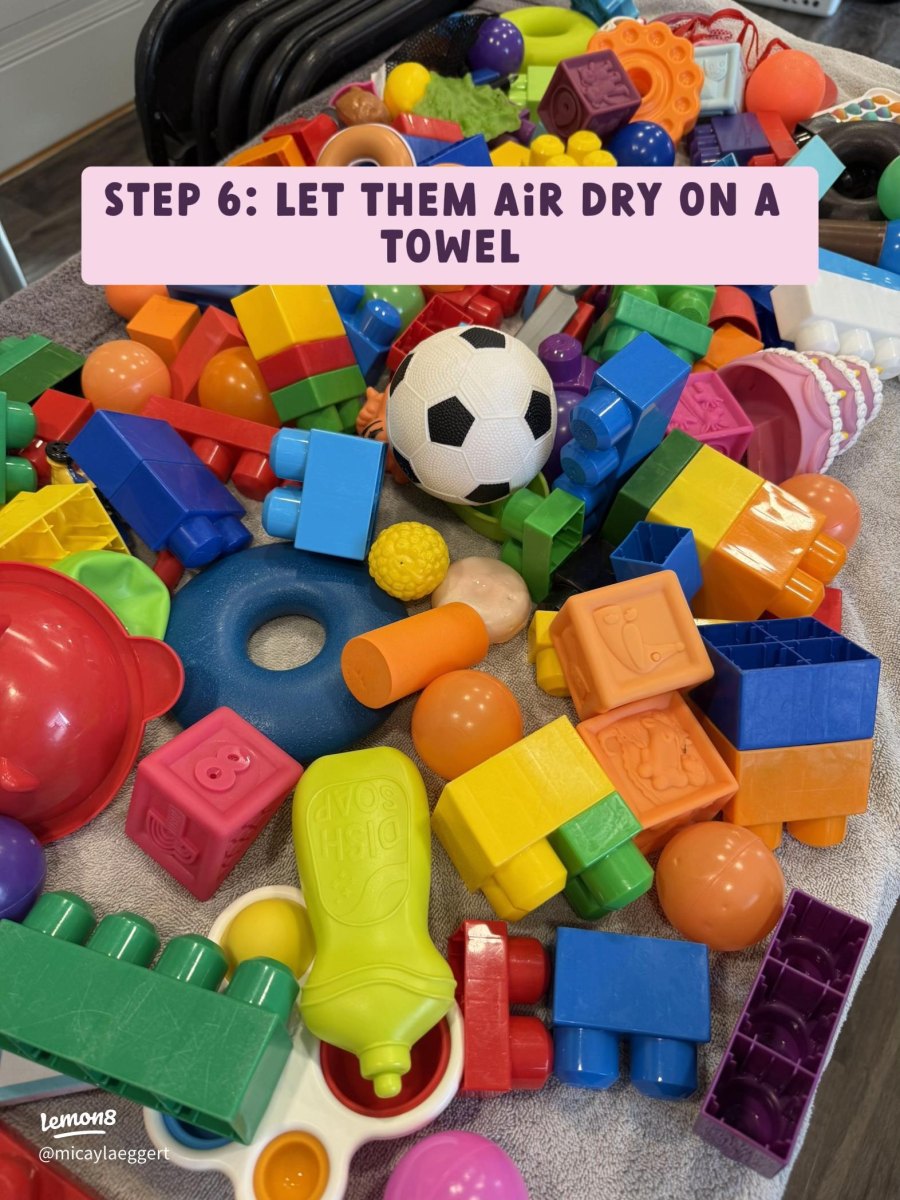
The step people skip is the one that matters most: letting toys dry fully. I never put a damp toy back into a puppy's basket because trapped moisture can create unpleasant smells and make the toy harder to keep clean. Complete drying is part of safe storage, not an optional extra.
Good storage habits
- Use a breathable basket or container.
- Keep clean toys separate from dirty ones.
- Inspect toys while putting them away.
Common mistakes
- Storing toys while still wet.
- Ignoring small tears and cracks.
- Mixing food toys with unwashed toys.
This is also when I notice which toys Bruno has quietly abandoned and which ones he still considers priceless treasures.
Maintain a Regular Puppy Toy Cleanup Routine
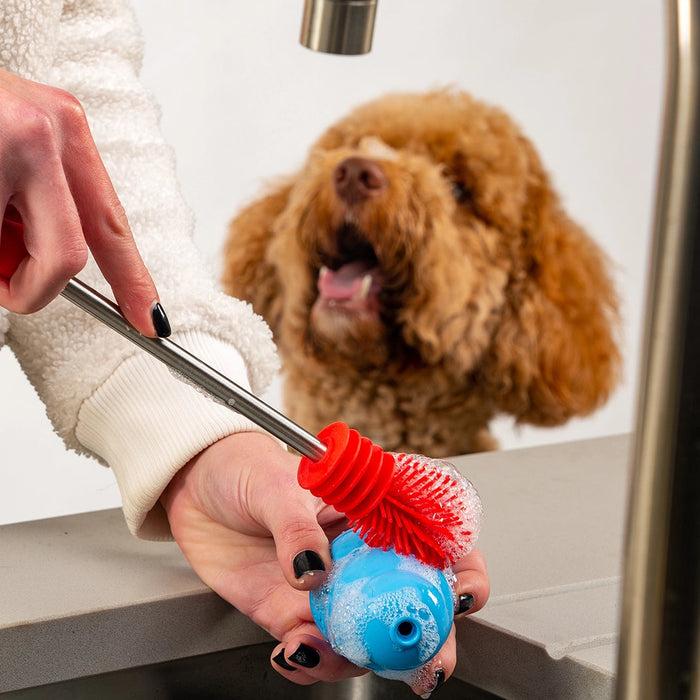
I prefer a routine that takes minutes rather than a huge cleaning day that never happens. A weekly reset, plus quick checks after messy play, keeps the toy collection manageable. Consistent maintenance also helps me spot when a toy is no longer safe or useful.
My simple cleanup rhythm
- Daily: return toys to their storage spot.
- Weekly: wash commonly used toys and inspect condition.
- As needed: remove damaged toys immediately.
The goal is not a showroom-perfect living room. Puppies are puppies. The goal is a home where training tools stay clean, available, and ready for the next little learning moment.
More Pinterest Visuals