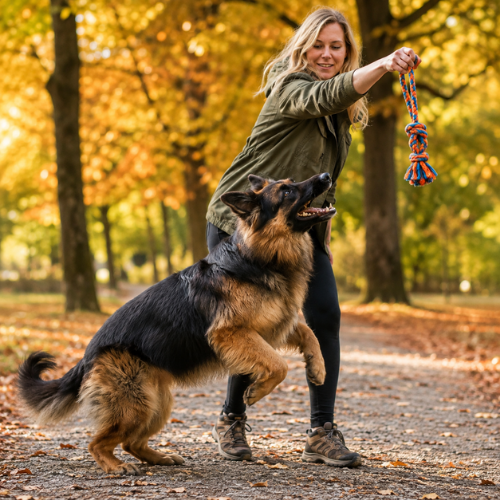
Most puppies do not need a perfect trainer standing over them; they need a person who can make the right choice feel worthwhile. I have watched countless owners go from frustrated to confident once they understand how treats teach behaviour rather than simply handing out snacks.
I use treats because they give puppies clear information. The trick is choosing the right reward, delivering it at the right moment, and gradually helping your puppy succeed without needing food in your hand forever.
Choosing the Right Treats for Puppy Training
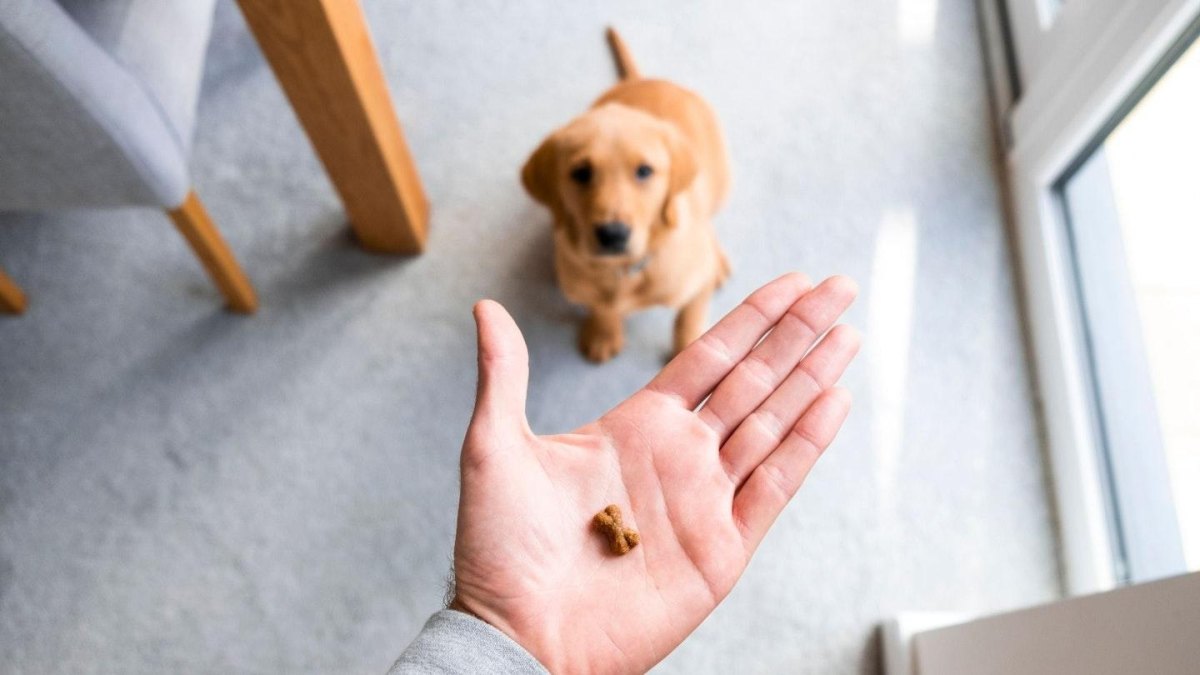
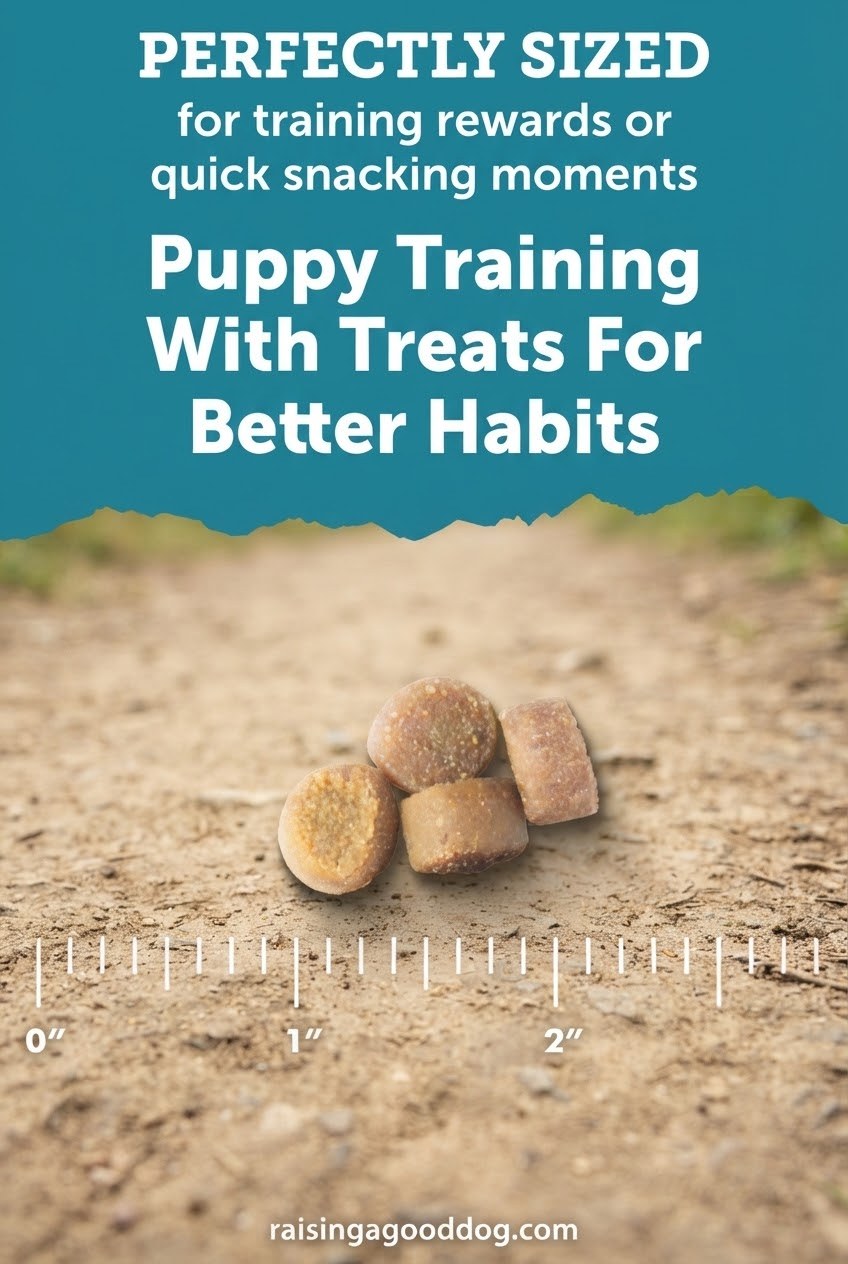
The best training treat is not the fanciest one in the bag. I look for something my puppy can eat quickly, loves enough to work for, and can receive many times during a session. Small soft treats usually make training smoother because repetition matters when puppies are learning.
Before I start, I check that the puppy is comfortable in the environment. A puppy who is overwhelmed by noises, people, or other dogs is not being stubborn; the lesson is simply too hard. I lower the difficulty before I raise the reward.
My puppy treat checklist
- Small enough for many repetitions
- Soft enough to eat quickly
- Motivating without upsetting the daily diet
Training tip
I save the most exciting treats for harder situations, like practicing outside where distractions compete for my puppy's attention.
Teaching Basic Commands with Treat Rewards
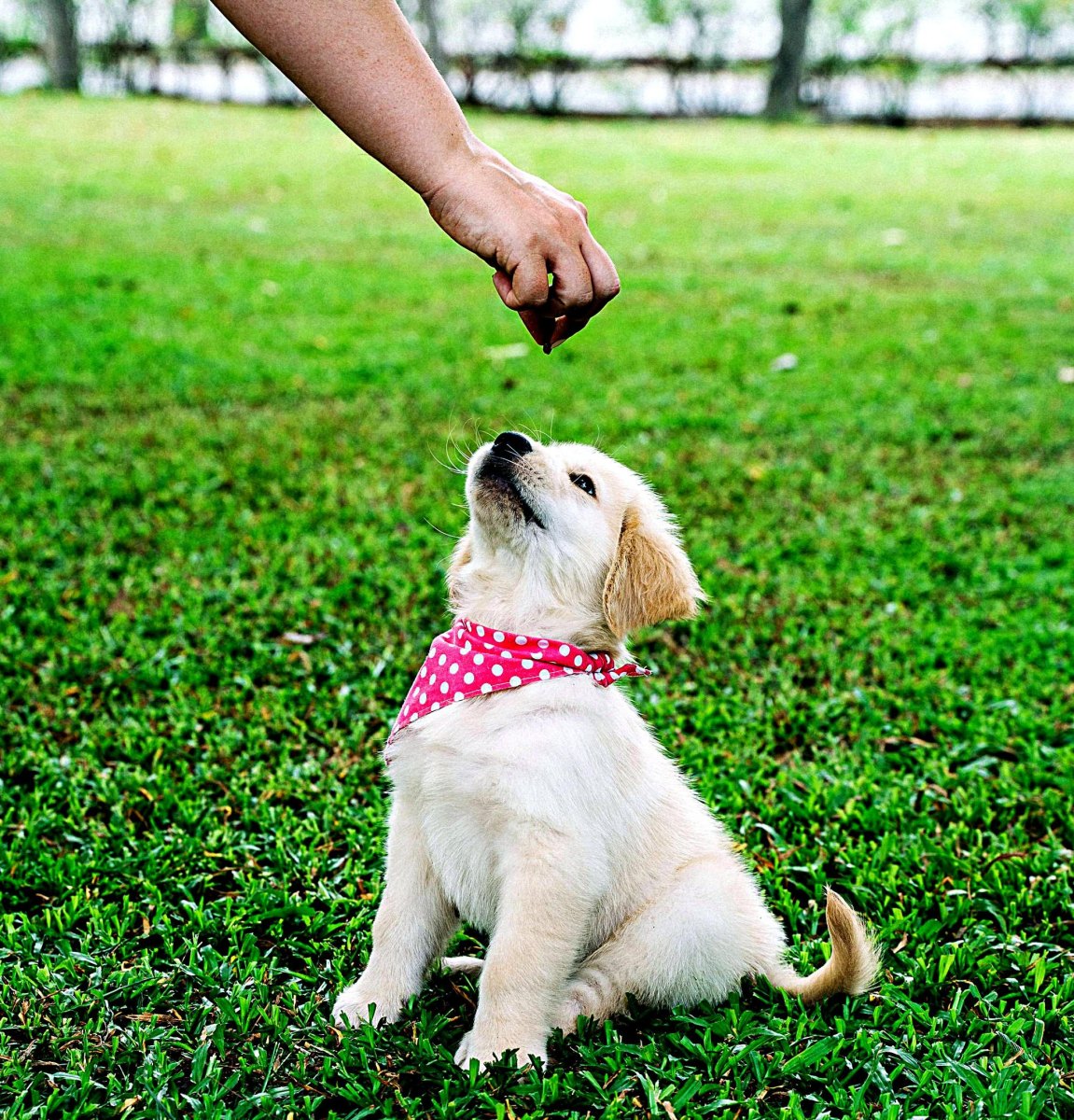
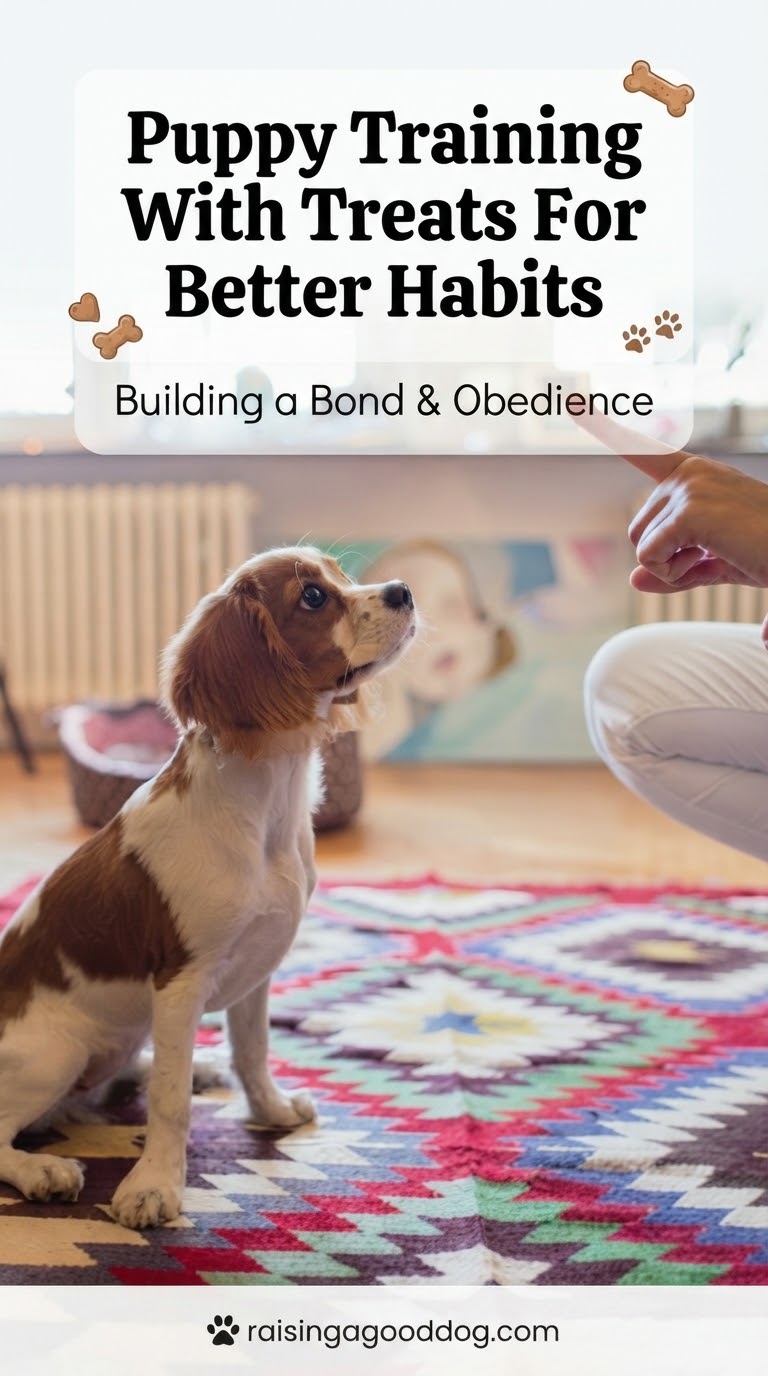
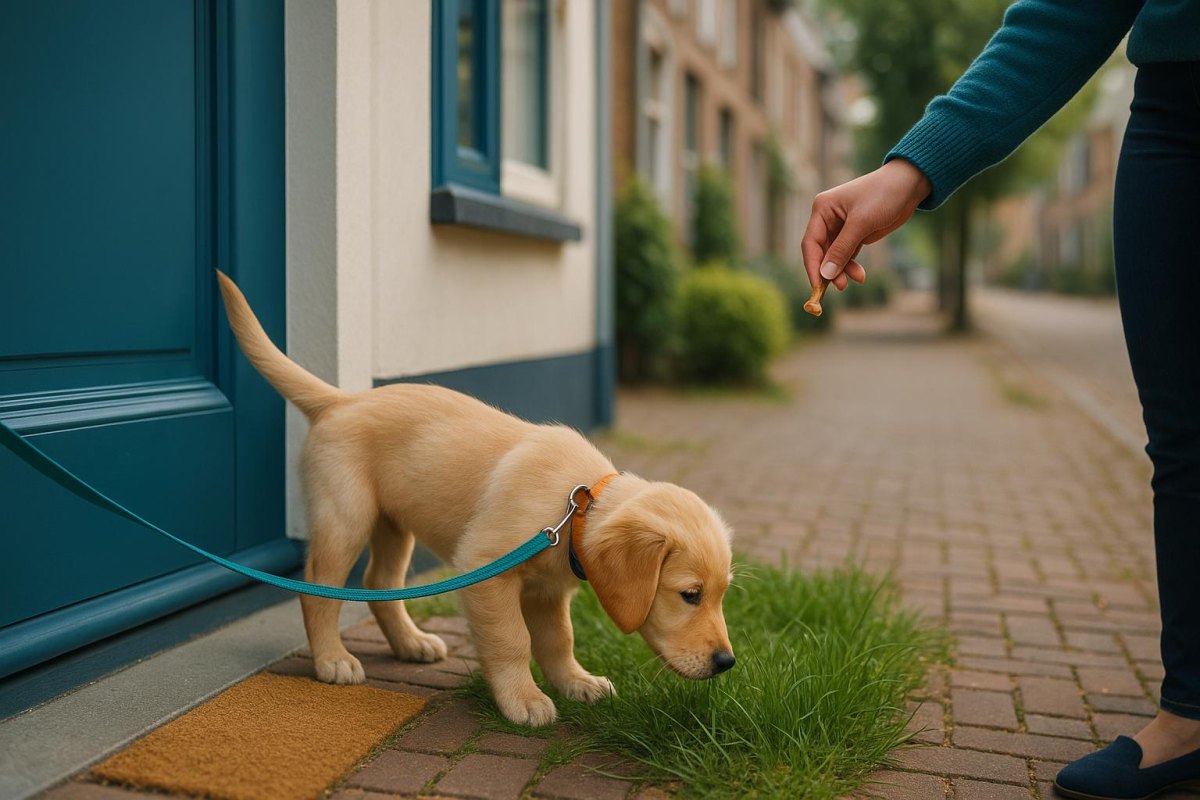
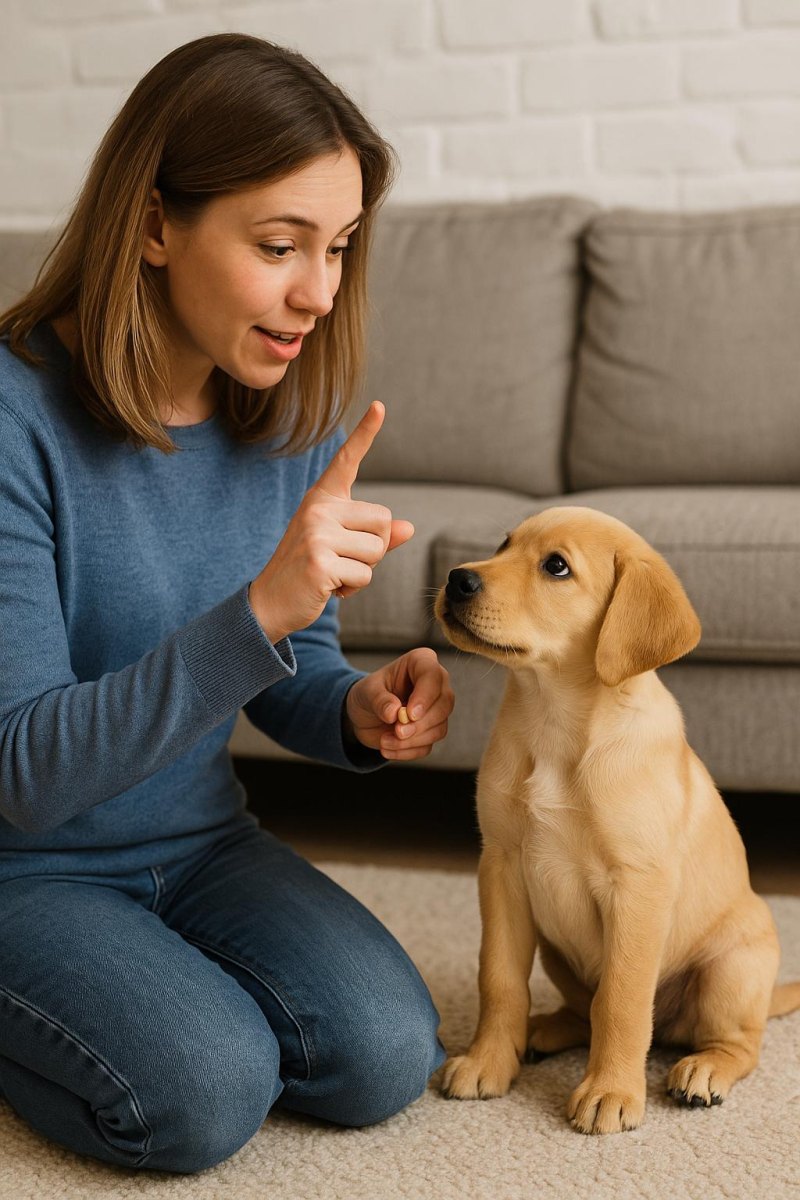
When I teach a new cue like sit, touch, or come, I make the first goal very simple: show the puppy exactly which behaviour earns the reward. Clear reward patterns help puppies understand what we are asking instead of guessing.
I start in a quiet place, then slowly add distractions. My old training room whiteboard has plenty of names of dogs who needed this exact approach: fewer expectations at the start, more successful repetitions, and patience when week two feels slower than week one.
- Lure. Guide the puppy into the behaviour with the treat.
- Mark. Use a word like “yes” at the moment the behaviour happens.
- Reward. Deliver the treat while the puppy is still doing the correct action.
Common mistake
Waiting too long to reward can accidentally teach a different behaviour because puppies connect rewards with what happened immediately before them.
Using Positive Reinforcement to Build Good Habits
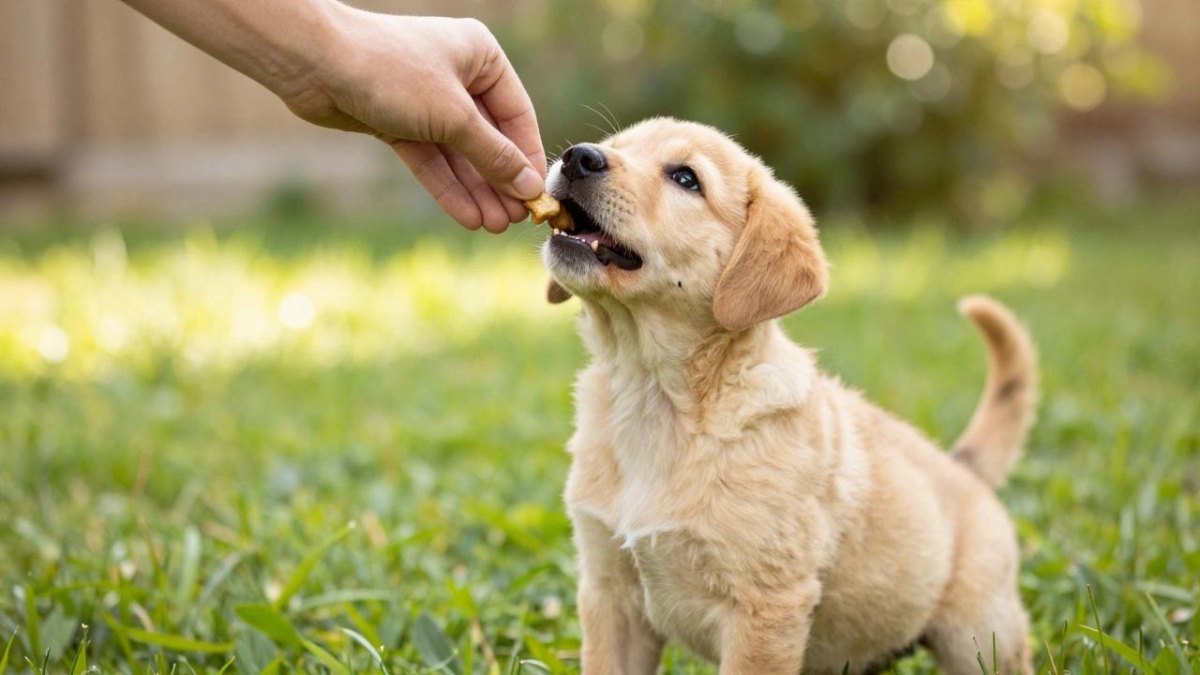
I do not train by waiting for a puppy to fail and then correcting them. I look for moments I can reward, because reinforced behaviours grow stronger. Reward-based training focuses on showing dogs what works, not just stopping what we dislike.
This does not mean I let puppies rehearse unwanted habits. If a puppy steals socks every afternoon, I manage the socks first. Training works best when I prevent the mistake and create opportunities for the behaviour I want.
- Good timing: Reward the exact behaviour you want repeated.
- Good environment: Practice where your puppy can actually succeed.
- Good expectations: Remember that puppies are still developing.
Dogs repeat behaviours that are rewarding to them.
American Kennel Club guidance on reward-based training
Timing Treats to Encourage Desired Behaviors
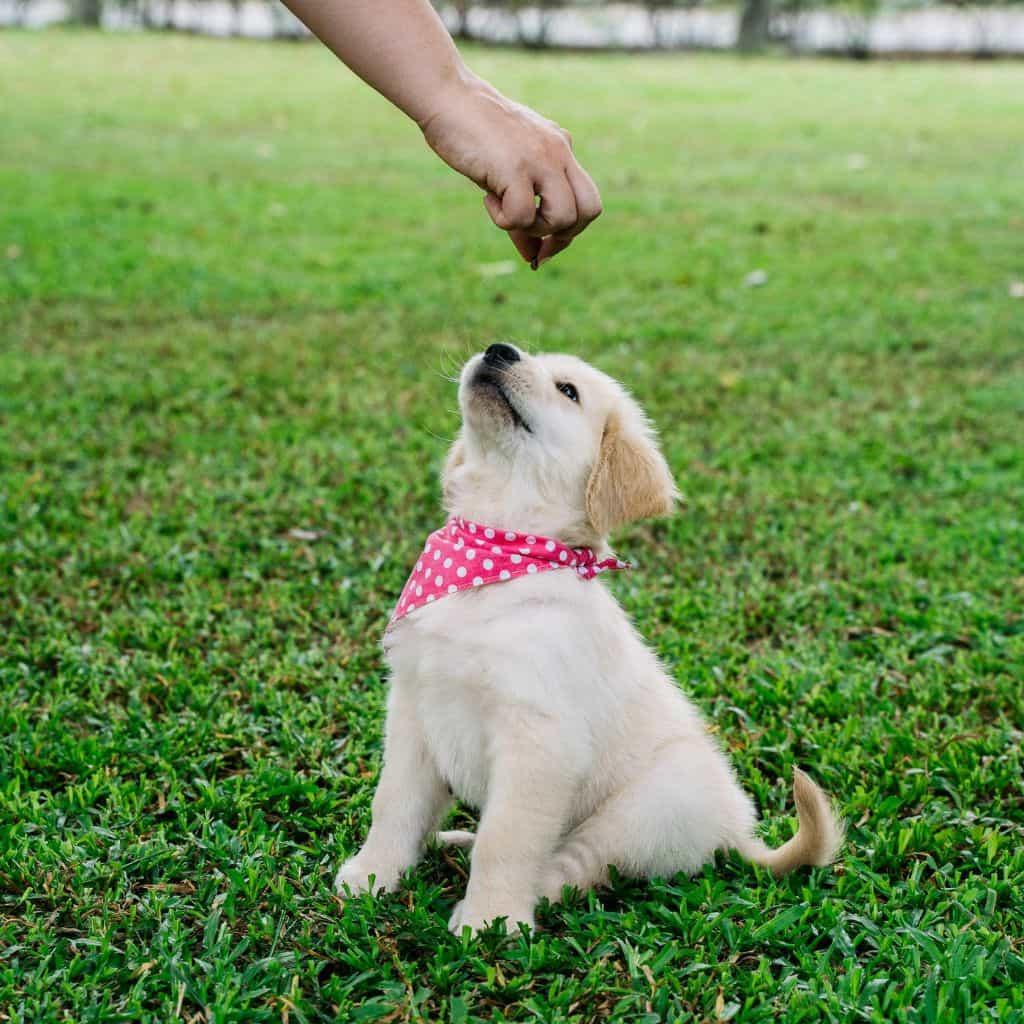
The moment your puppy earns the treat matters. If my puppy sits and I reward after they bounce back up, I may accidentally reward standing instead. Precise reward timing is what turns a treat into useful communication.
I often use a marker word because my hands are not always fast enough. The marker tells the puppy, “That exact thing you just did was correct,” and the treat follows.
| Training moment | Reward timing |
|---|---|
| Puppy sits | Reward while the puppy remains sitting |
| Puppy comes when called | Reward immediately after arrival |
| Puppy walks beside you | Reward during the behaviour, not after pulling starts |
Avoiding Overfeeding During Treat-Based Training
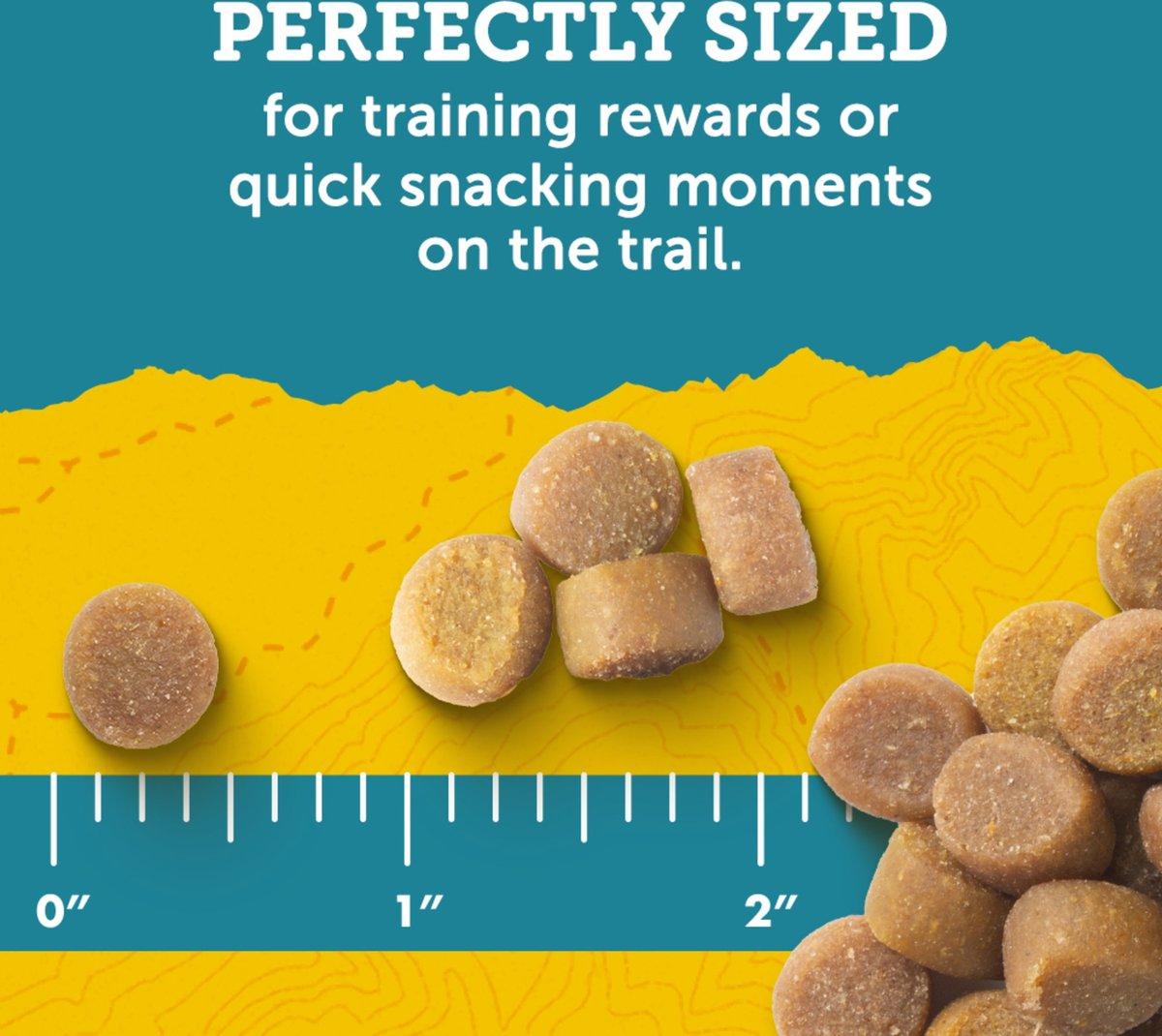
Treats are training tools, not unlimited extras. I have seen enthusiastic owners accidentally turn a ten-minute lesson into a full second meal. Daily calorie awareness keeps training healthy and sustainable.
I measure out training treats before sessions, break larger pieces into tiny rewards, and remember that part of the puppy's regular food can sometimes be used for easier exercises. If your puppy has a medical condition or special diet, I check with the veterinarian before changing treats.
Helpful habits
- Use tiny pieces
- Track daily extras
- Choose treats your puppy enjoys
Things to avoid
- Large treats for every repetition
- Ignoring calorie intake
- Using food when the puppy is too stressed to learn
Advancing Puppy Skills Beyond Treat Dependence
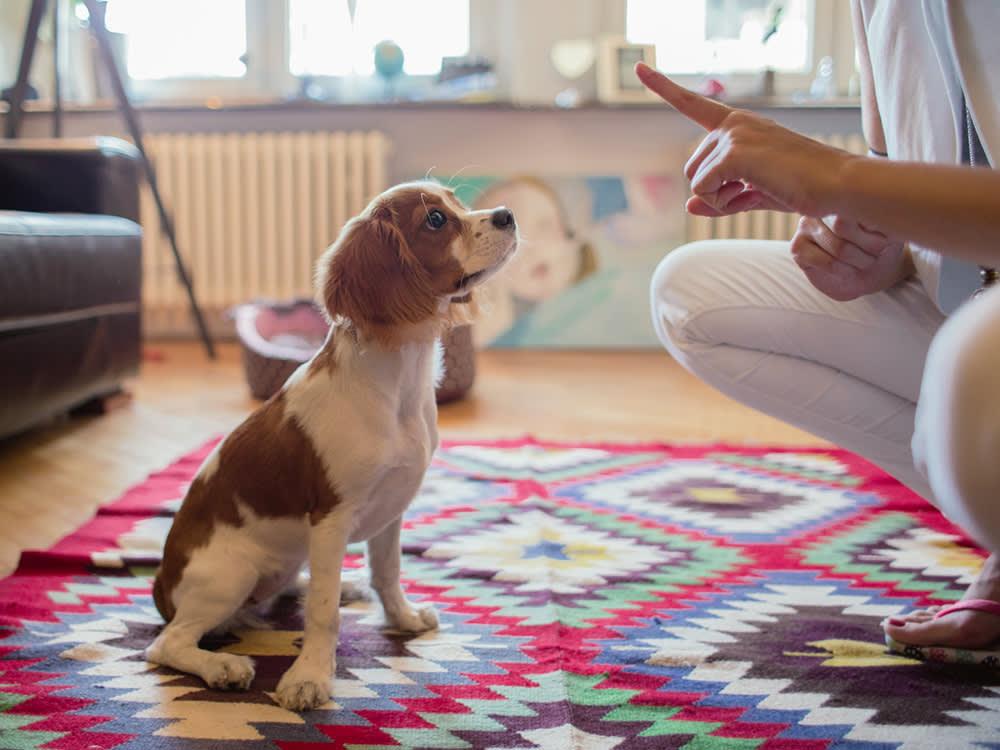
A puppy who only listens when they see a treat is not broken; they are simply still learning the next step. I gradually change rewards so my puppy understands that good choices pay off in different ways.
I might move from every successful response to occasional treats, praise, play, or access to something the puppy wants. The timeline depends on the dog, but I expect weeks and months of practice rather than a magic overnight change.
A note from my training floor
Bruno is eight now, and he still reminds me that reliability is built through thousands of ordinary repetitions, not one perfect training session.
More Pinterest Visuals