The first few months with a puppy are adorable, exhausting, and occasionally involve standing outside in slippers at 5 a.m. wondering why a tiny dog has such strong opinions about grass. I have helped many families through this stage, and the biggest lesson I have learned is that good puppy training starts with realistic expectations, not perfection.
I focus on reward-based training, clear routines, and preventing puppies from rehearsing habits we do not want. A puppy is not giving you a hard time; a puppy is learning how to exist in a very confusing human world. My job is to make that learning easier for both ends of the leash.
Puppy training basics
- Build skills with short, positive sessions.
- Prevent unwanted habits while teaching alternatives.
- Expect progress over weeks and months, not overnight changes.
Teaching Your Puppy Basic Commands
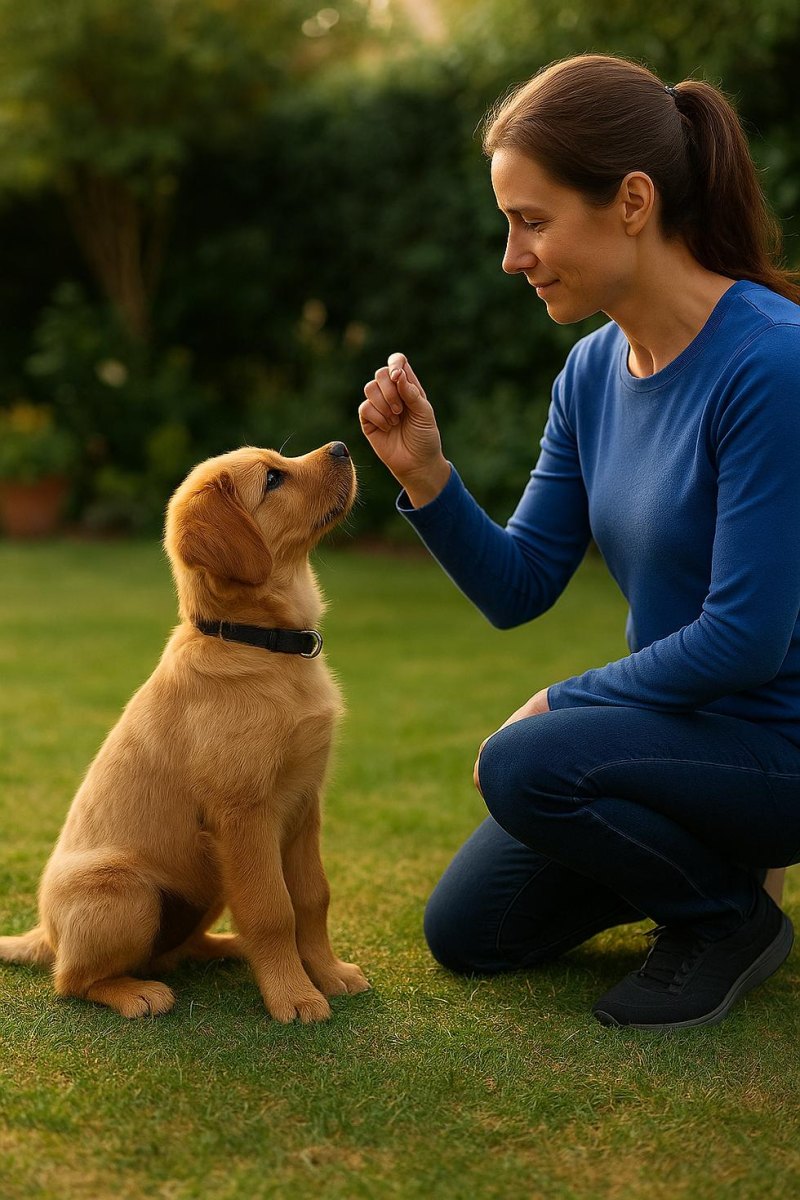
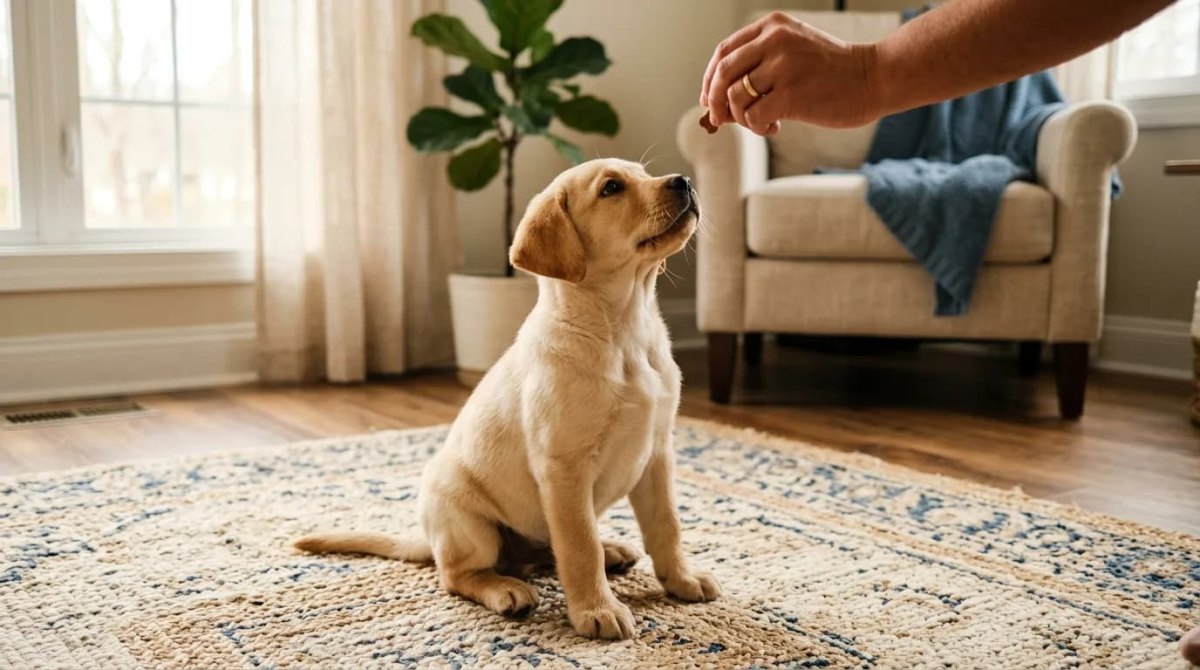
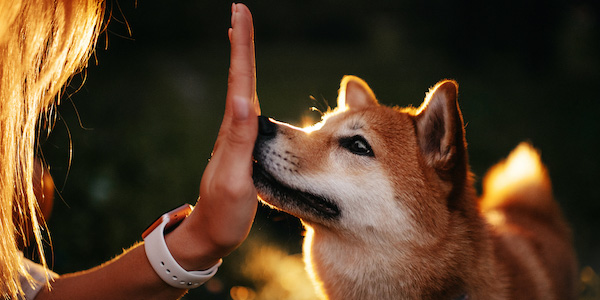
When I teach the first commands, I am not chasing a perfectly obedient puppy. I am building communication. A name response, sit, touch, and coming toward you are everyday life skills that make everything else easier.
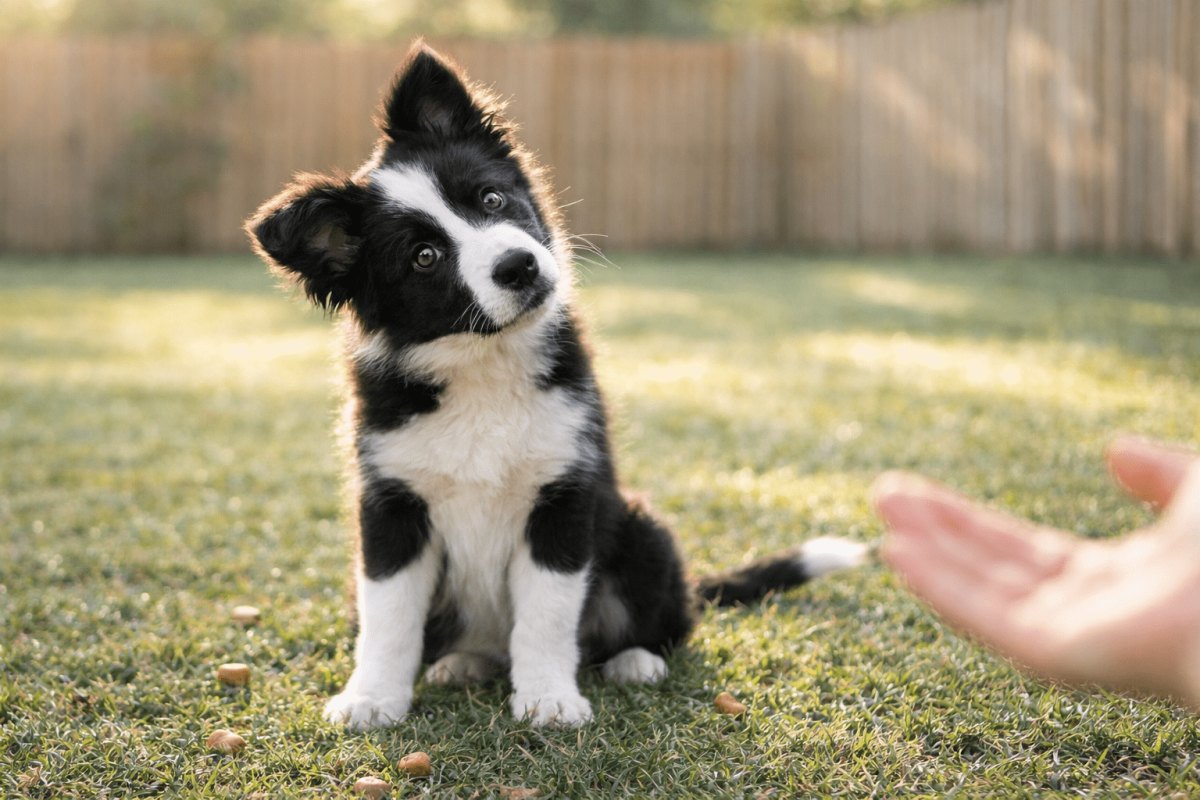
I start in a quiet room with tiny rewards and a puppy who is not already overwhelmed. If your puppy cannot respond, I look at the environment first. Too much noise, excitement, or fatigue can make a simple cue impossible. Short training sessions of a few minutes often beat one long session where everyone gets frustrated.
- Reward. Mark the moment your puppy offers the behavior you want.
- Repeat. Practice in easy places before adding distractions.
- Generalize. Teach the same skill around the house, yard, and outside world.
Trainer tip
I avoid using corrections when a puppy does not understand. Confusion is usually a sign that I need to make the lesson clearer.
House Training and Potty Training
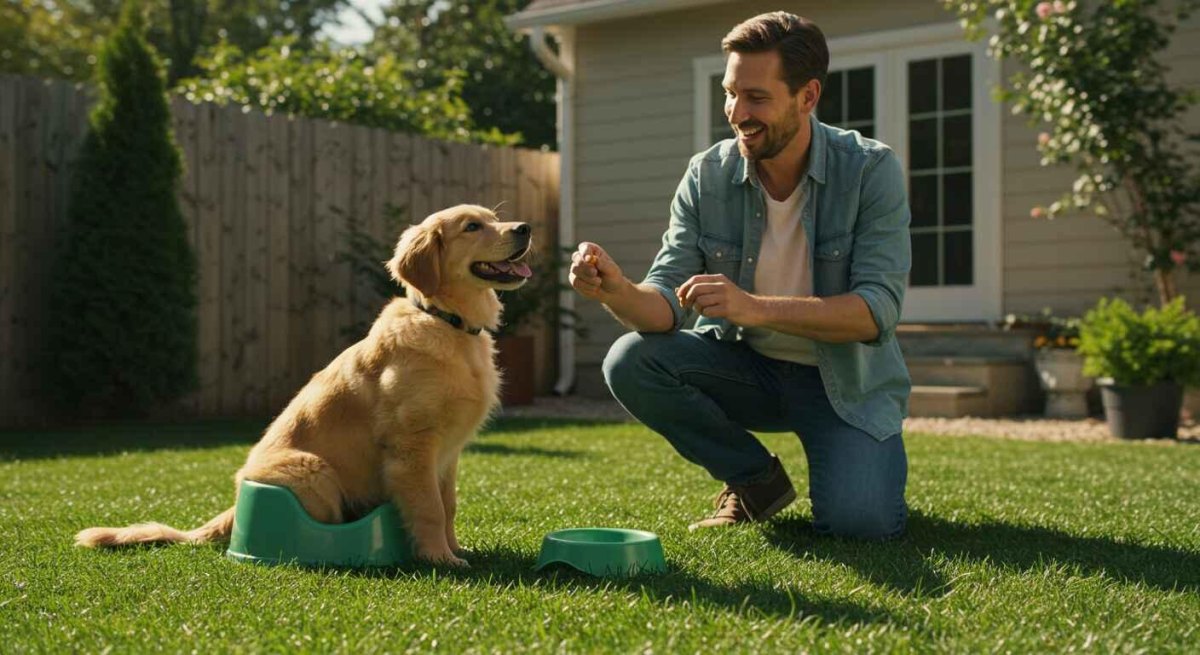
Potty training is mostly a management project before it becomes a training project. I prevent accidents by creating a routine, because every accident practiced indoors makes the habit stronger. Puppies have small bladders and need frequent opportunities, especially after sleeping, eating, drinking, and playing.
I tell clients to think in patterns, not punishment. If a puppy has an accident, I clean it thoroughly and adjust the schedule. I never rub a puppy’s nose in a mess because that teaches fear, not bathroom habits. Consistency beats correction every time.
- Take your puppy out after naps and meals.
- Reward outdoor bathroom trips immediately.
- Supervise indoor freedom until habits are reliable.
- Ask your veterinarian about sudden potty regressions.
Important check
A sudden house-training change can have medical causes. I always recommend ruling those out with a veterinarian before assuming it is a behaviour issue.
Crate Training for Comfort and Safety
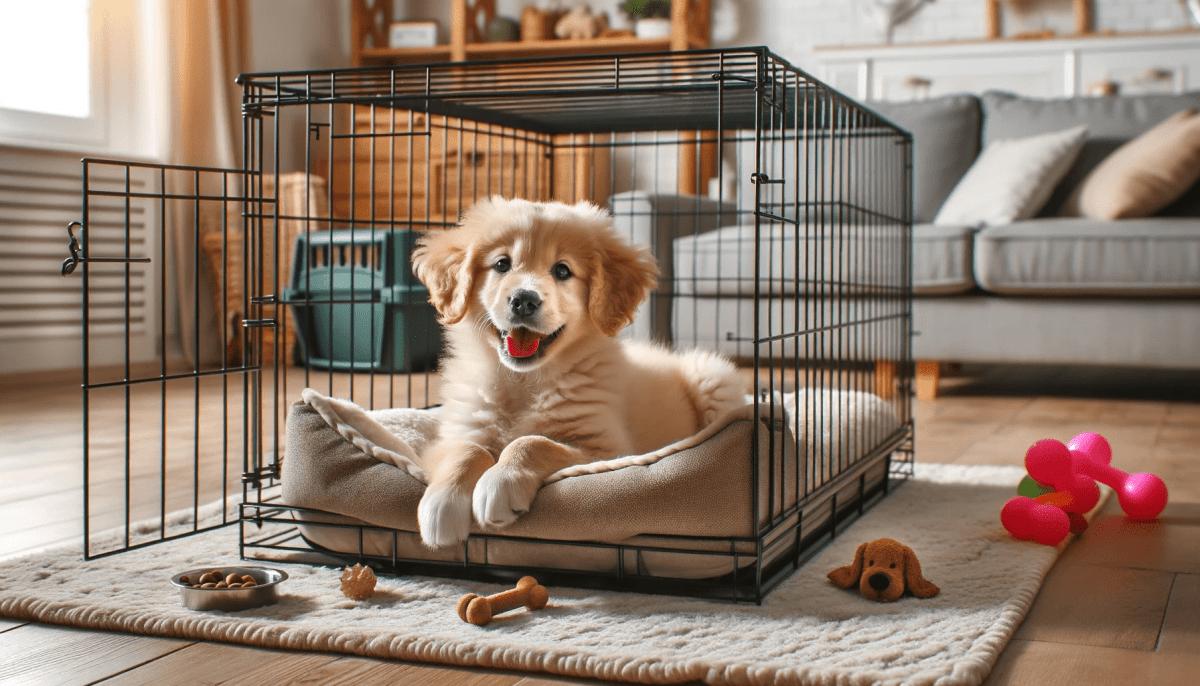
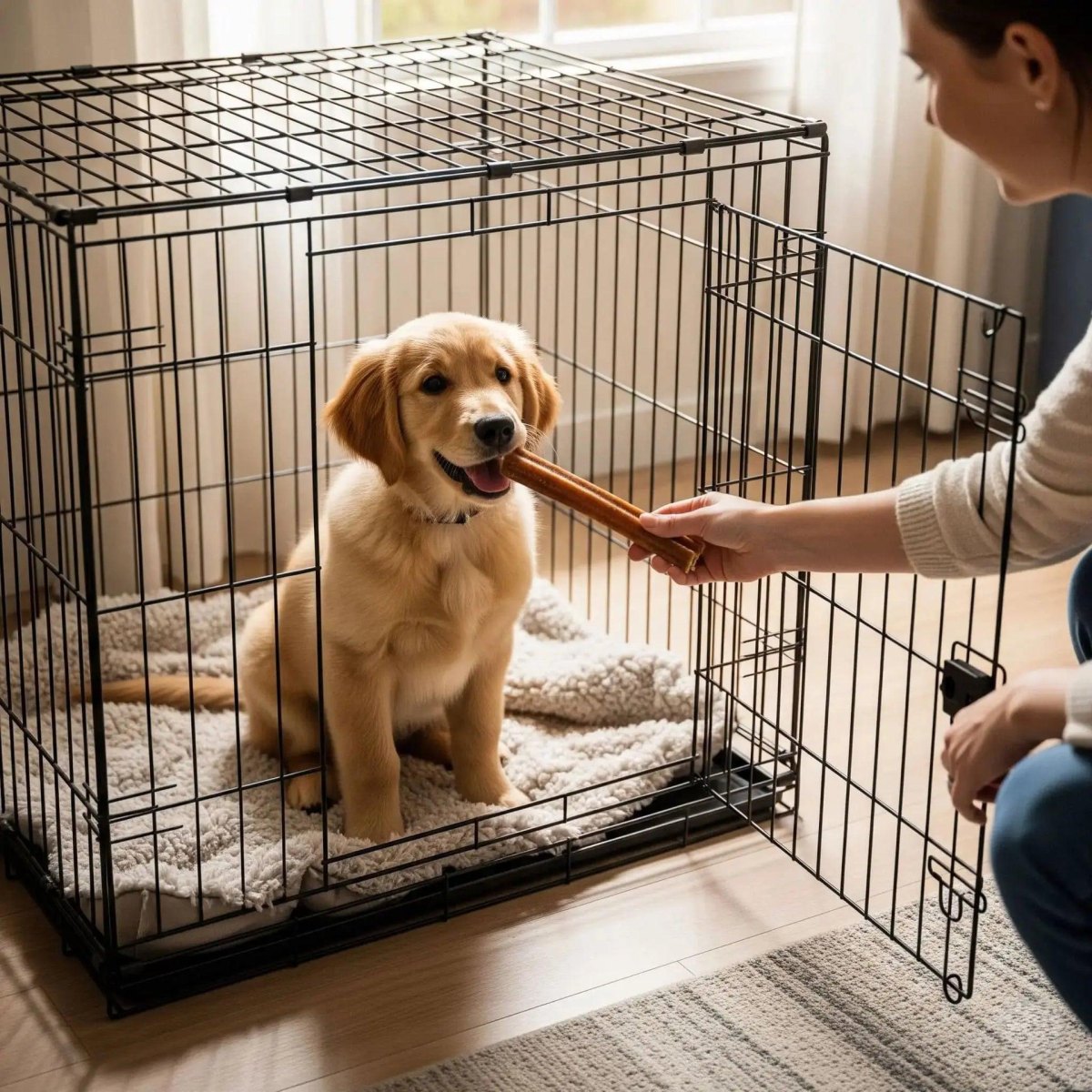
A crate should never feel like puppy jail. I want a dog to walk in willingly because the crate predicts rest, safety, and good things. Professional guidance also emphasizes building positive associations and increasing time gradually rather than forcing confinement.
My first step is simple: the door stays open. I toss treats nearby, feed meals close to it, and let the puppy decide that this strange box is not a problem. A comfortable crate takes patience, and some dogs need more time than others.
| Good crate habits | Avoid |
|---|---|
| Reward voluntary entry | Forcing a puppy inside |
| Increase duration slowly | Using the crate as punishment |
| Provide appropriate rest | Ignoring signs of distress |
Common mistake
If your puppy is panicking in the crate, making the session longer is not the answer. I lower the difficulty and rebuild comfort.
Leash Training and Walking Skills
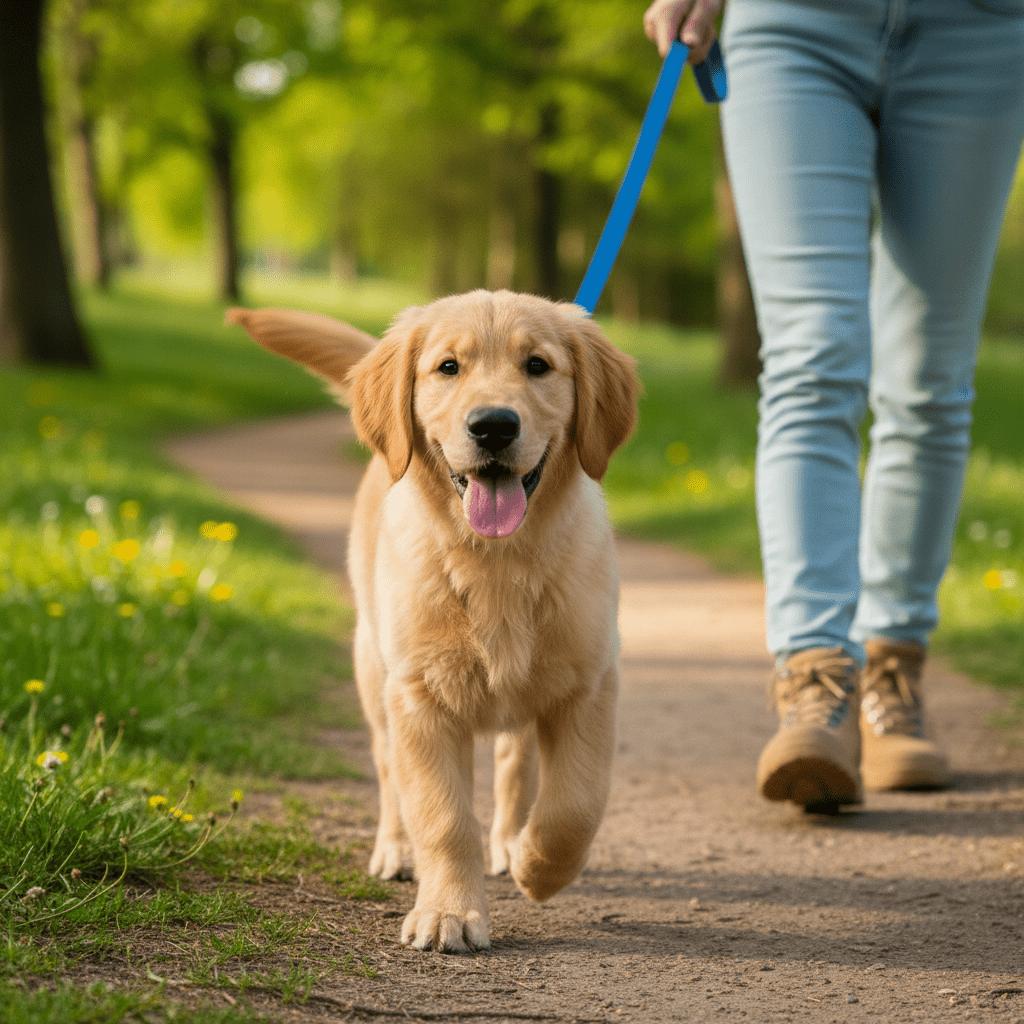
The first leash walks are rarely graceful. I have seen confident owners suddenly look like they are negotiating with a furry little kite. Loose leash walking is a learned skill, not something puppies automatically understand.
I begin by teaching that staying near me pays well. Before worrying about distance, I reward check-ins, a loose leash, and calm movement. Walking together is a conversation, not a battle of strength.
- Introduce. Let your puppy explore the harness and leash indoors.
- Reward. Pay attention to moments when the leash stays loose.
- Practice. Add distractions slowly instead of starting in a busy area.
Remember
If your puppy is pulling, barking, or unable to focus, increase distance from distractions before asking for more training.
Socialization and Positive Behavior Training
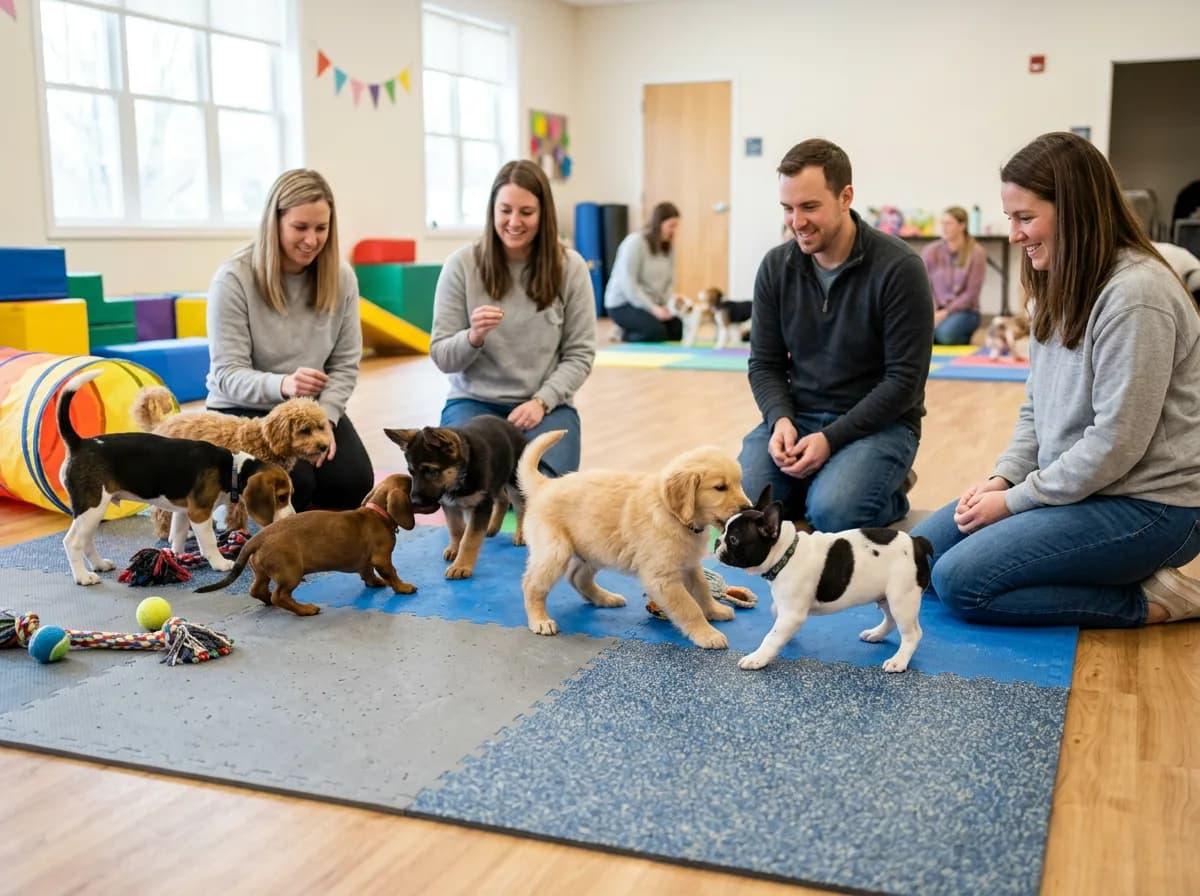
Socialization is not about forcing a puppy to greet every person and dog they see. I teach families to create safe, positive experiences where puppies can observe the world at their own pace. Veterinary behaviour guidance supports structured, positive exposure during important developmental periods.
I watch the small signals: ears moving back, a closed mouth, weight shifting away, lip licking, freezing, or a tail held differently. Those moments tell me a puppy needs more space. Confidence grows through choice, not flooding.
- People: Introduce different ages, appearances, and voices calmly.
- Places: Visit new environments while keeping the experience manageable.
- Dogs: Choose appropriate, healthy play partners instead of random greetings.
A note from my training room
I have watched many owners worry that one nervous moment means they failed their puppy. It does not. Training is built from hundreds of small, safe experiences.
More Pinterest Visuals