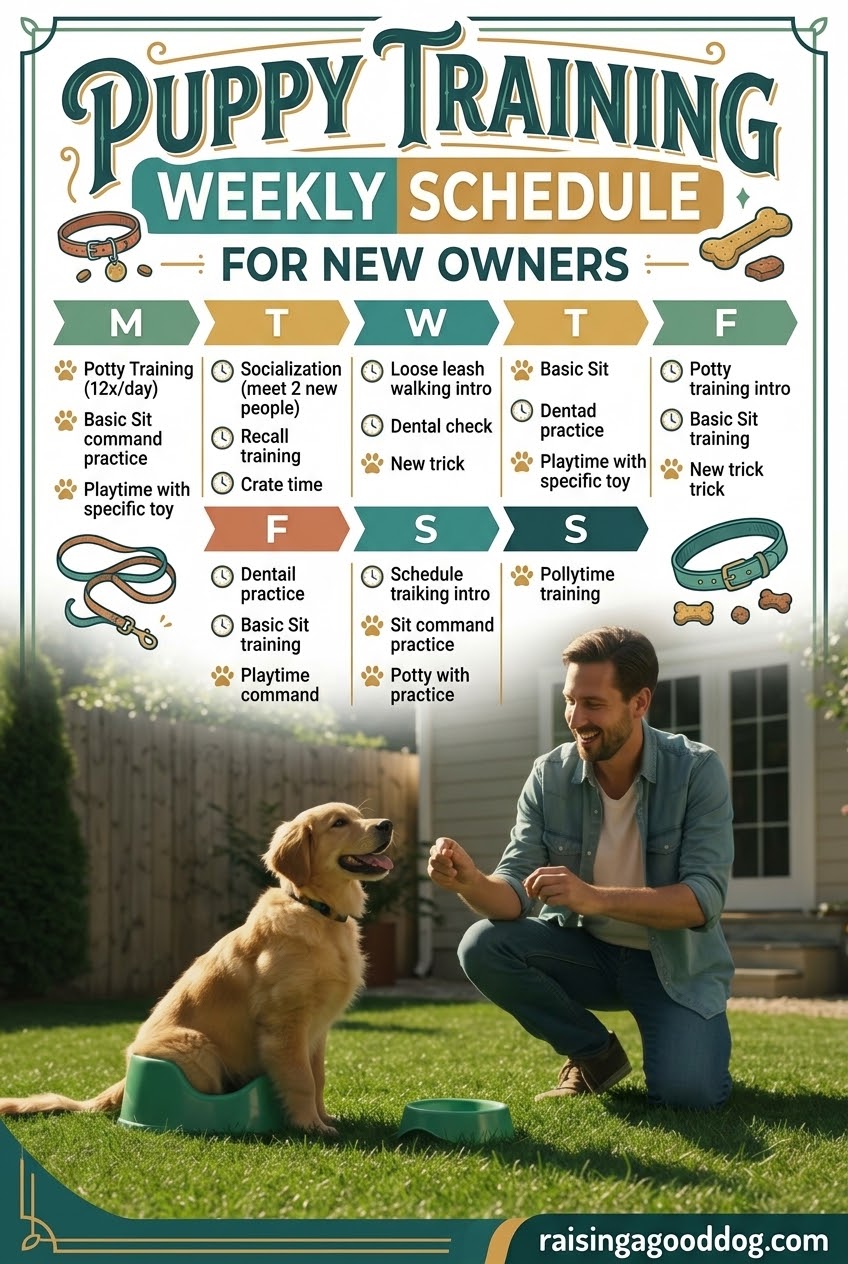
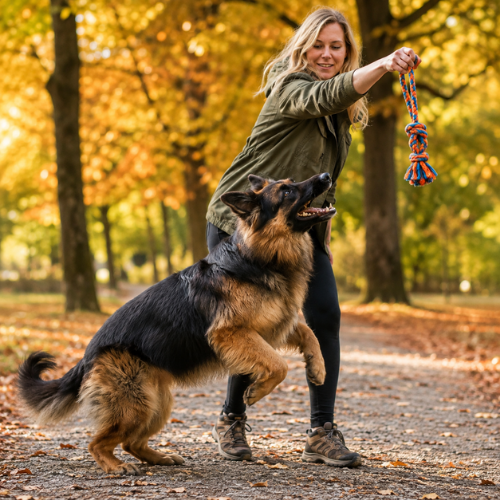
A puppy training week works best when it fits real life, not a perfect calendar. I build plans around short sessions, good timing, and preventing the habits I don't want rehearsed. A puppy learning in the kitchen on a rainy Tuesday is still learning.
This schedule is the kind I use with families who need a realistic training rhythm rather than a promise of a finished dog in seven days. Expect progress over weeks and months, with plenty of tiny wins along the way.
Monday: Building Basic Commands
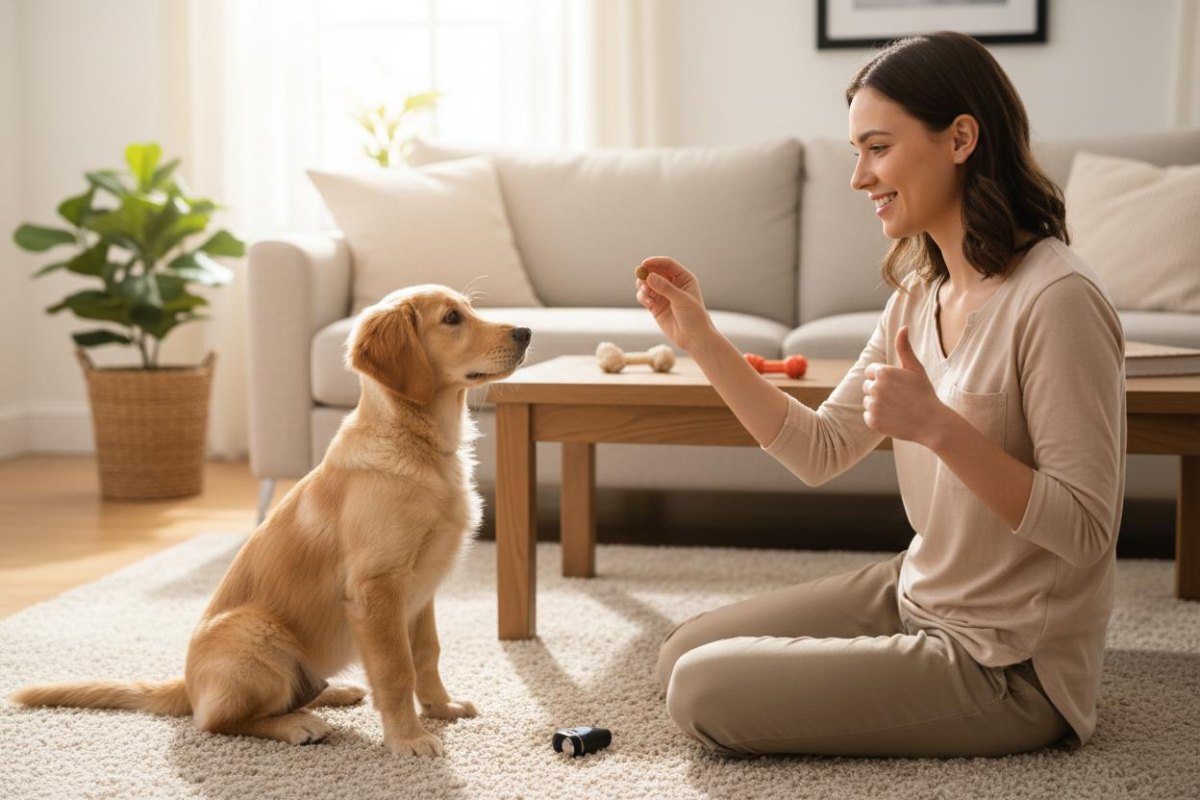
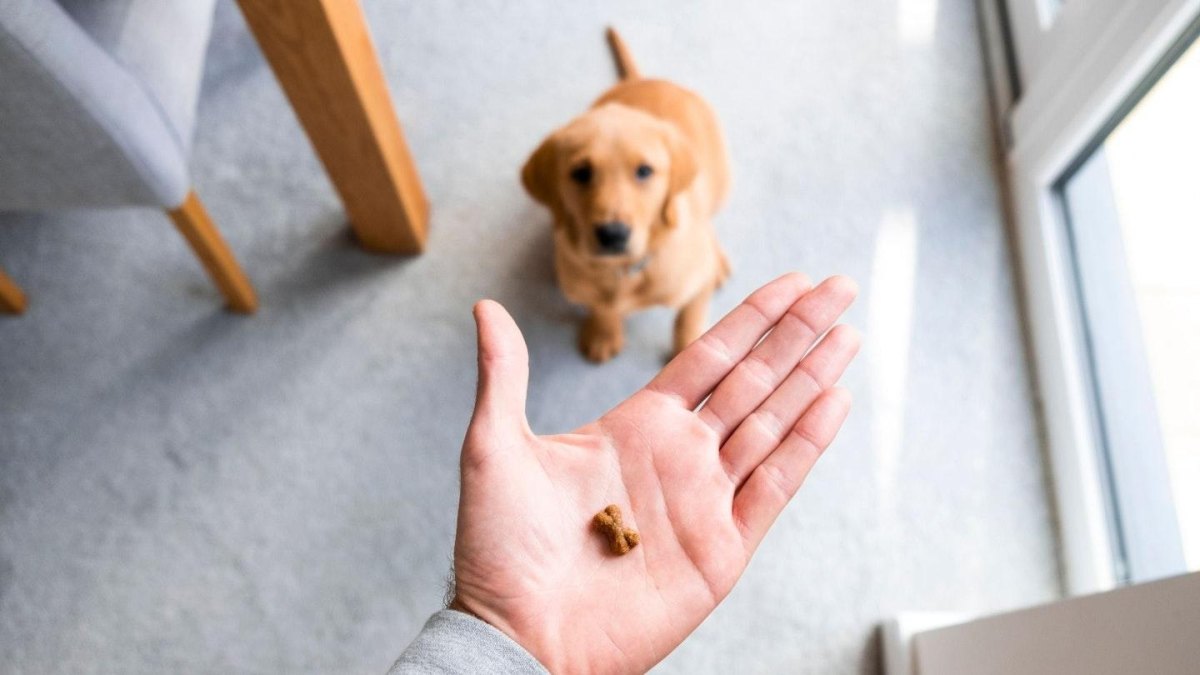
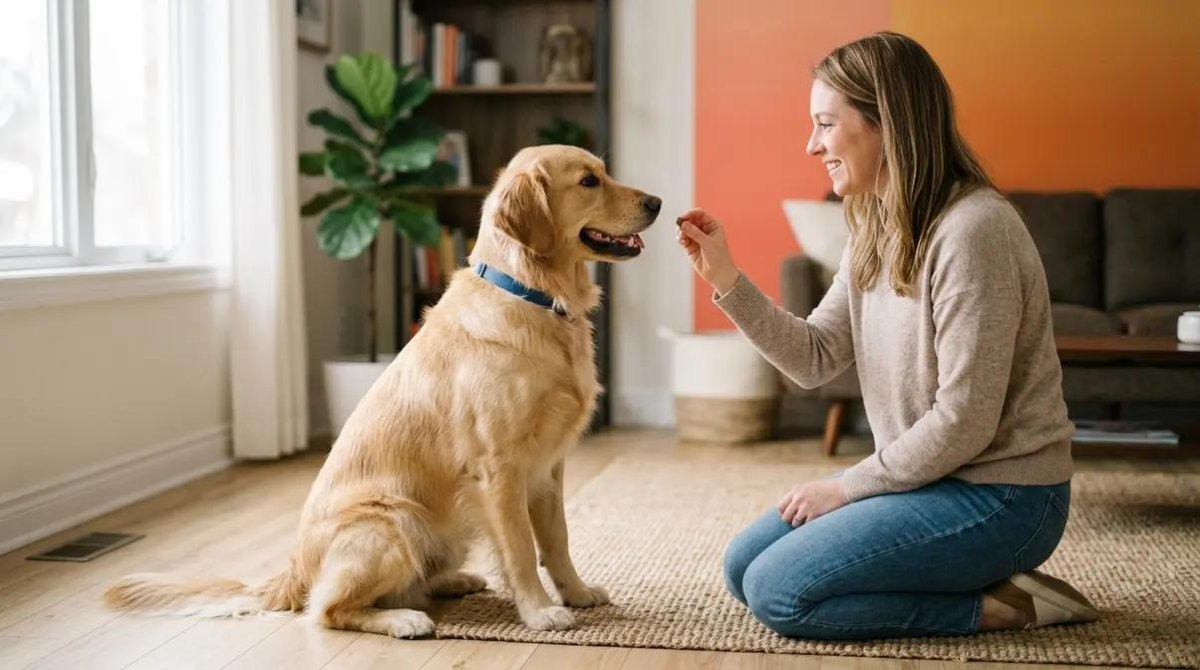
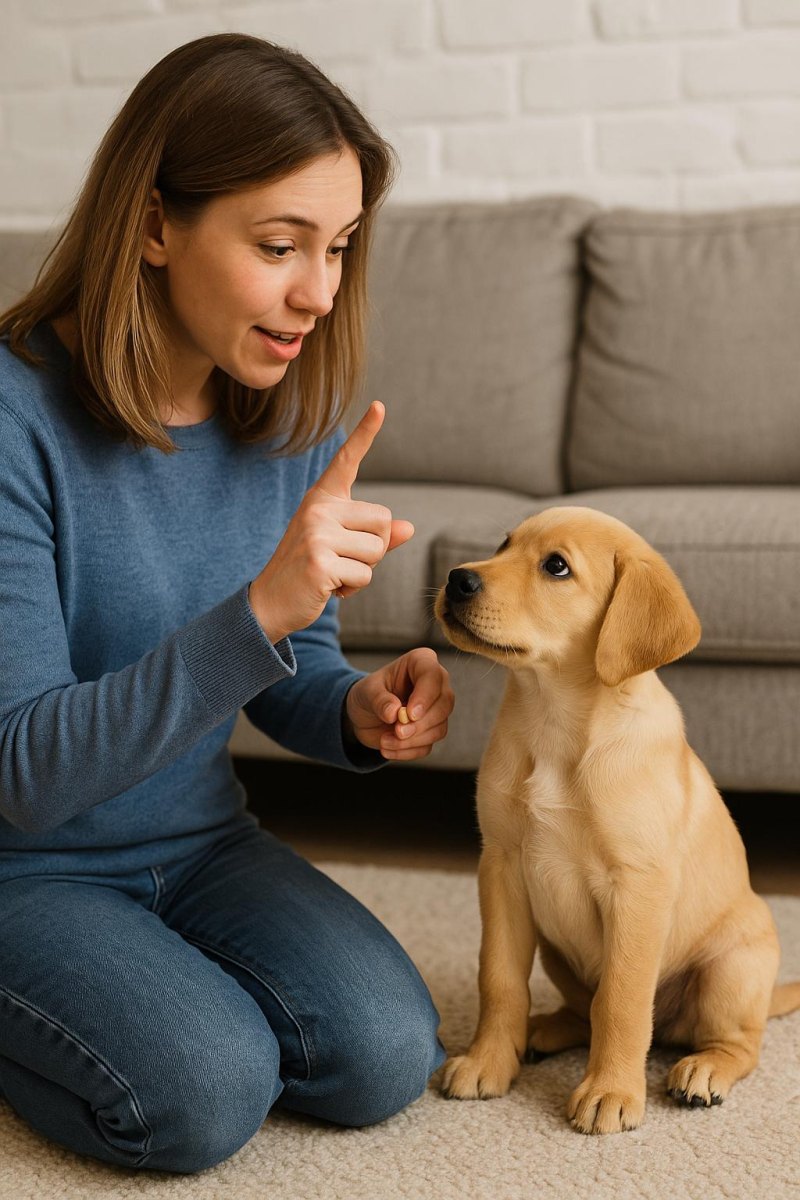
I start Mondays with the basics because a puppy needs a language before I ask for anything complicated. I teach cues like name response, sit, touch, and coming toward me using reward-based training rather than repeating myself louder and louder.
My goal is not a puppy who performs like a competition dog. My goal is a puppy who understands that paying attention to me is worthwhile. Keep sessions short, because a tired puppy brain is not a stubborn brain; it is just done.
- Mark. Reward the moment your puppy offers the behavior you want.
- Repeat. Practice in quiet places before adding distractions.
- Release. End while your puppy is still interested and successful.
Tuesday: Socialization and Confidence Training
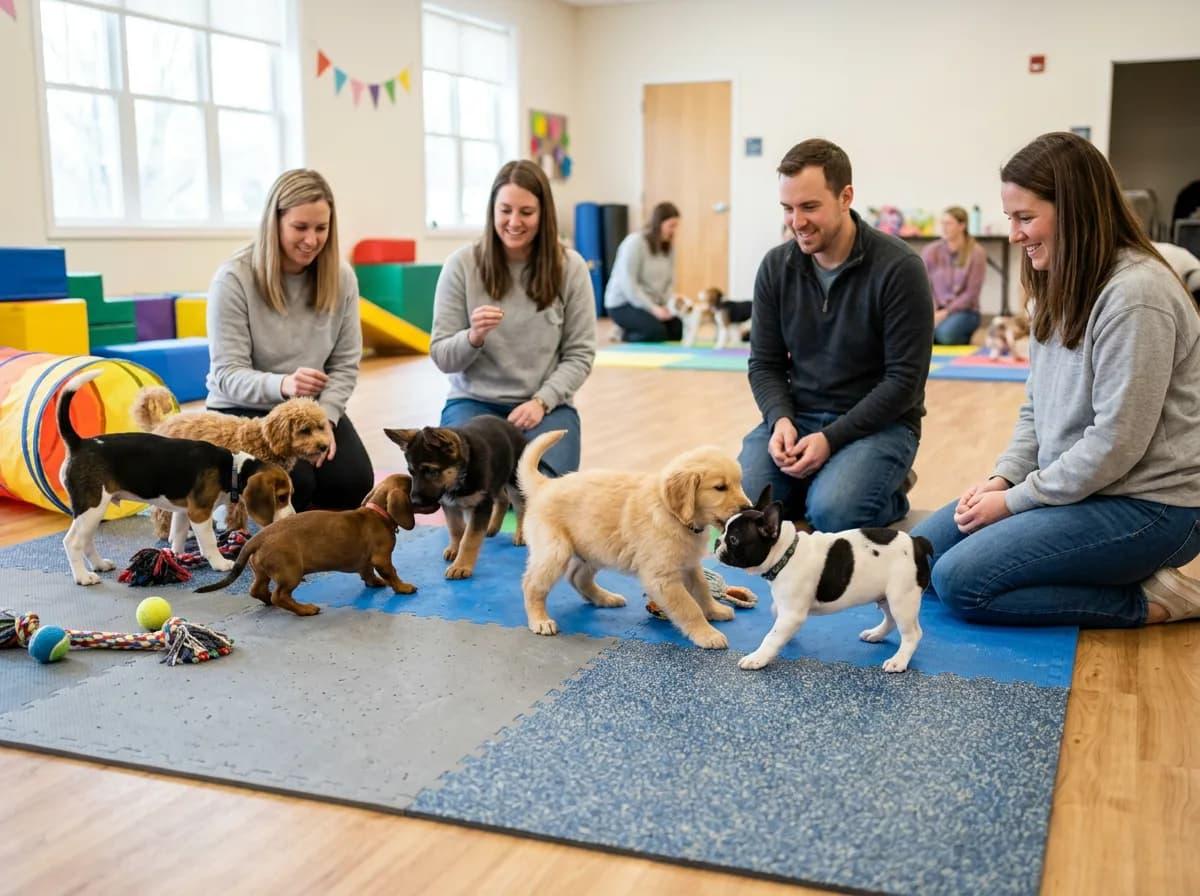
Tuesday is about carefully introducing the world, not dragging a puppy through every possible experience. I look for relaxed curiosity: soft eyes, normal breathing, loose movement, and a puppy willing to take treats. Positive exposure beats overwhelming a puppy every time.
I tell clients that socialization is quality, not a checklist of fifty places. A quiet walk past a construction site can teach more than a chaotic crowd where your puppy spends the whole time worried.
Training tip
If your puppy freezes, turns away, licks their lips repeatedly, or stops taking food, increase distance. The answer is not usually “try harder”; it is making the situation easier.
Wednesday: Leash Walking Practice
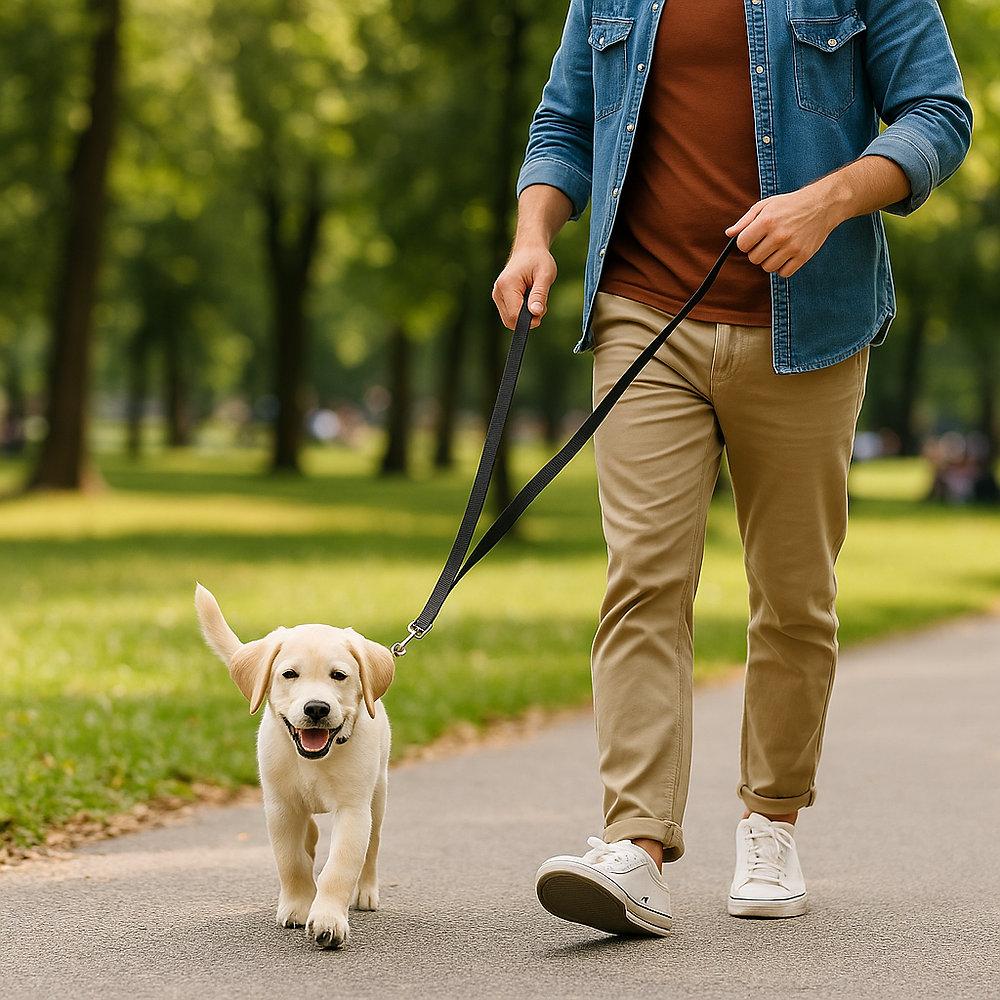
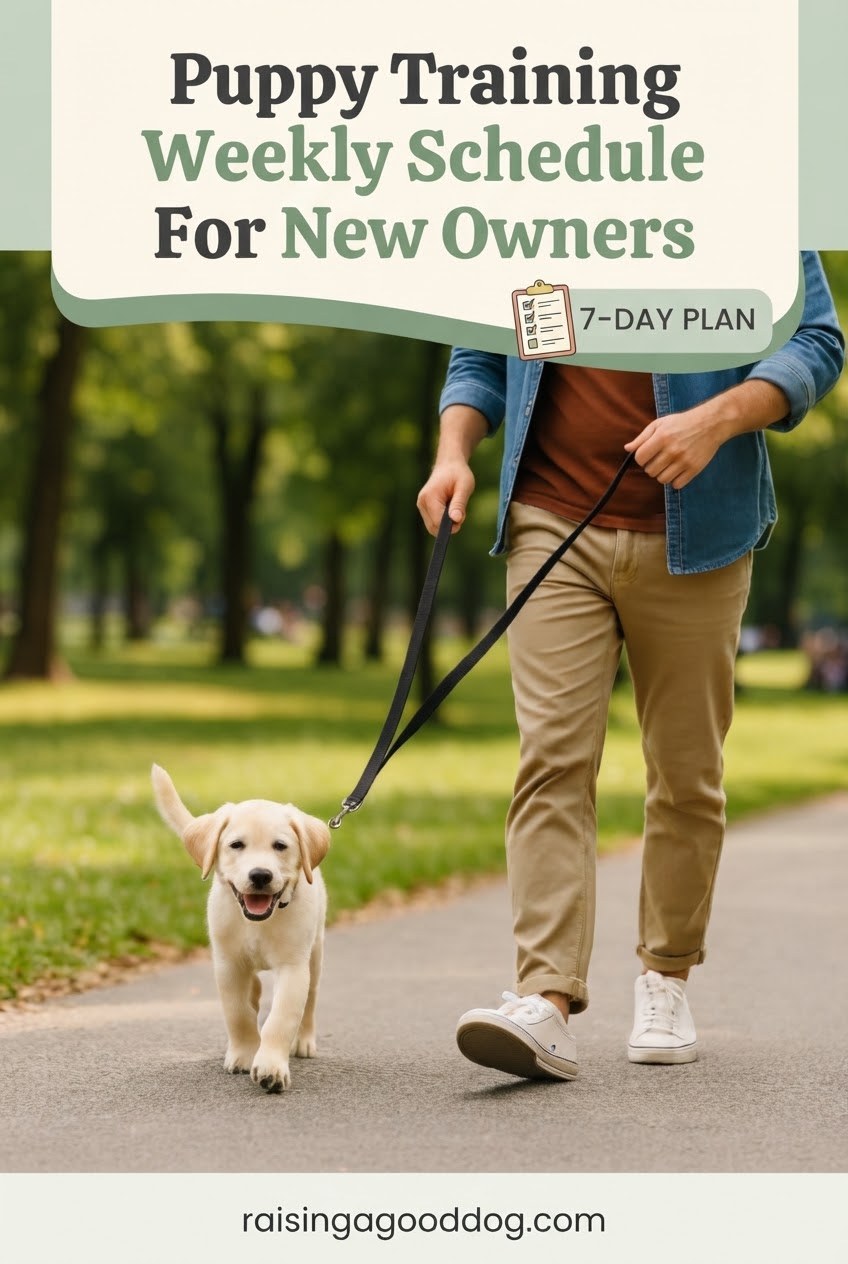
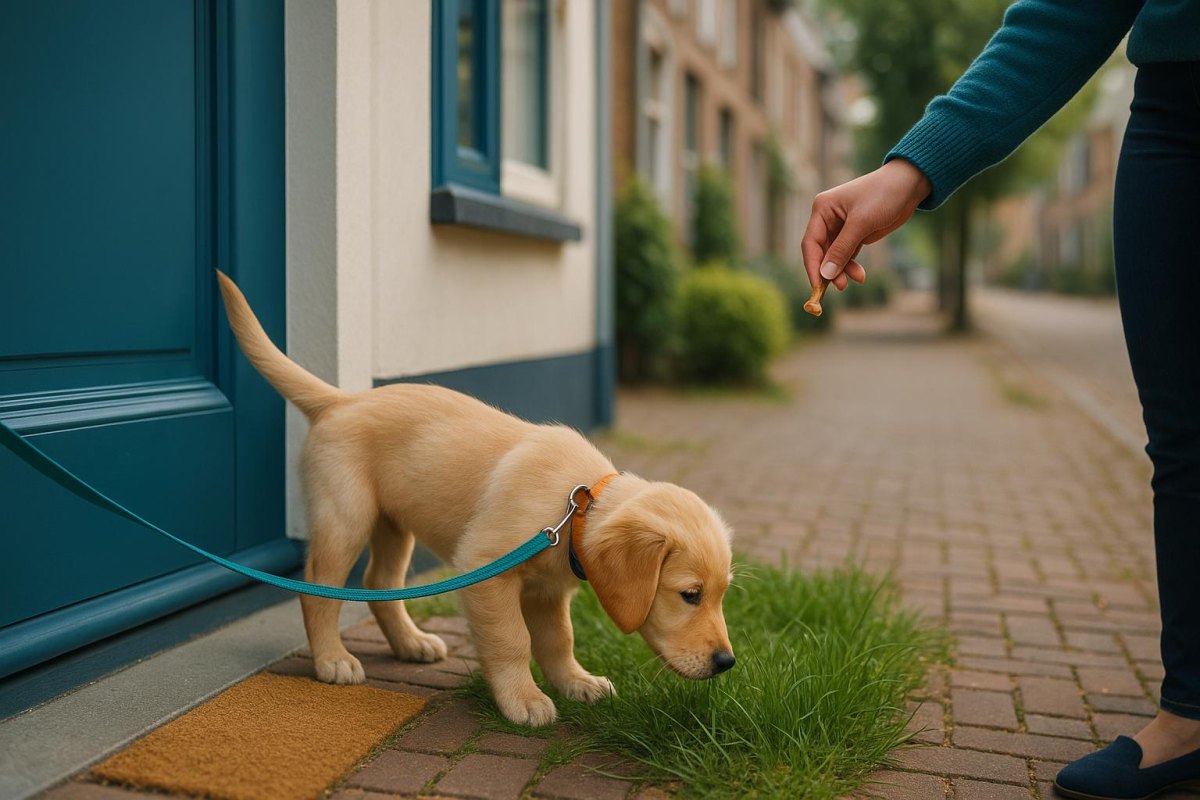
Wednesday walks are training walks, not marathon walks. I reward check-ins, a loose leash, and choosing to stay near me. Puppies are not born understanding that a leash is a partnership, so I teach loose leash habits gradually.
Before we go somewhere exciting, I manage the environment. A quiet path at 6 a.m. is often a better classroom than a busy sidewalk full of surprises. Bruno taught me that lesson the hard way years ago.
- Use equipment your puppy can wear comfortably.
- Reward attention before your puppy pulls.
- Practice in easier locations before adding distractions.
Thursday: Potty Training Routine
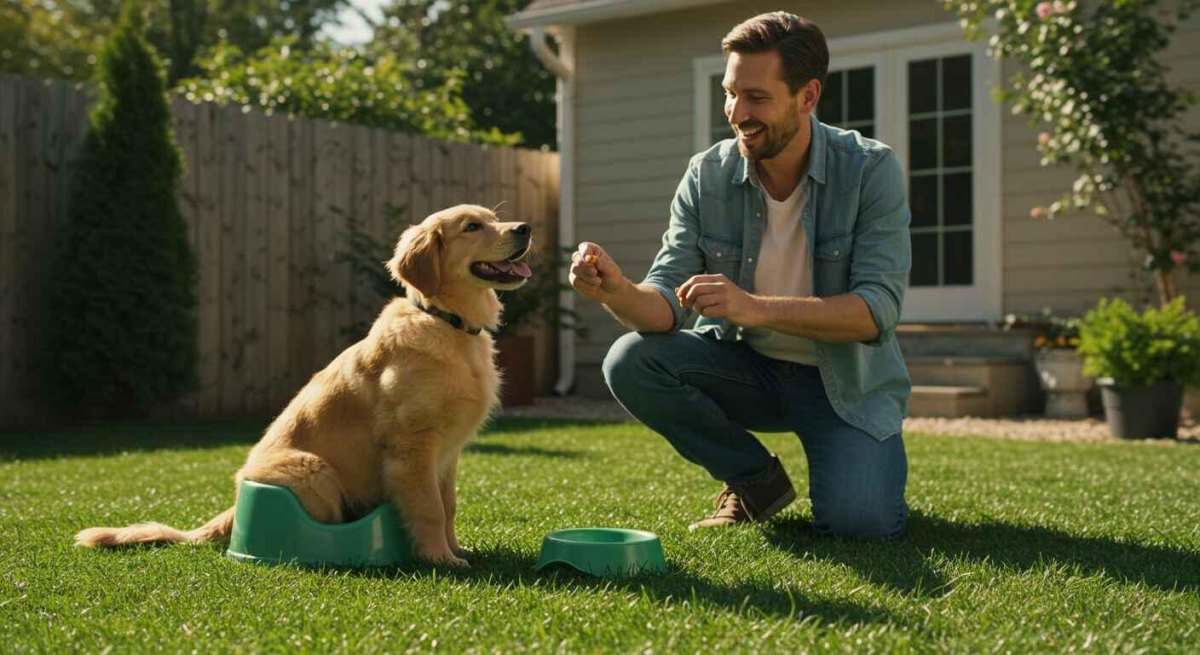
Potty training is less about catching accidents and more about preventing them. I create a routine around waking, eating, playing, and sleeping because puppies are terrible at holding a plan in their heads. Management comes first here.
If a puppy suddenly regresses after doing well, I recommend checking with a veterinarian before assuming it is a training issue. Pain or medical problems can show up as house-training changes.
| Moment | Training action |
|---|---|
| After waking | Go outside promptly and reward success. |
| After meals | Offer a predictable bathroom opportunity. |
| After play | Take a calm potty break before rest. |
Friday: Crate Training and Calm Behavior
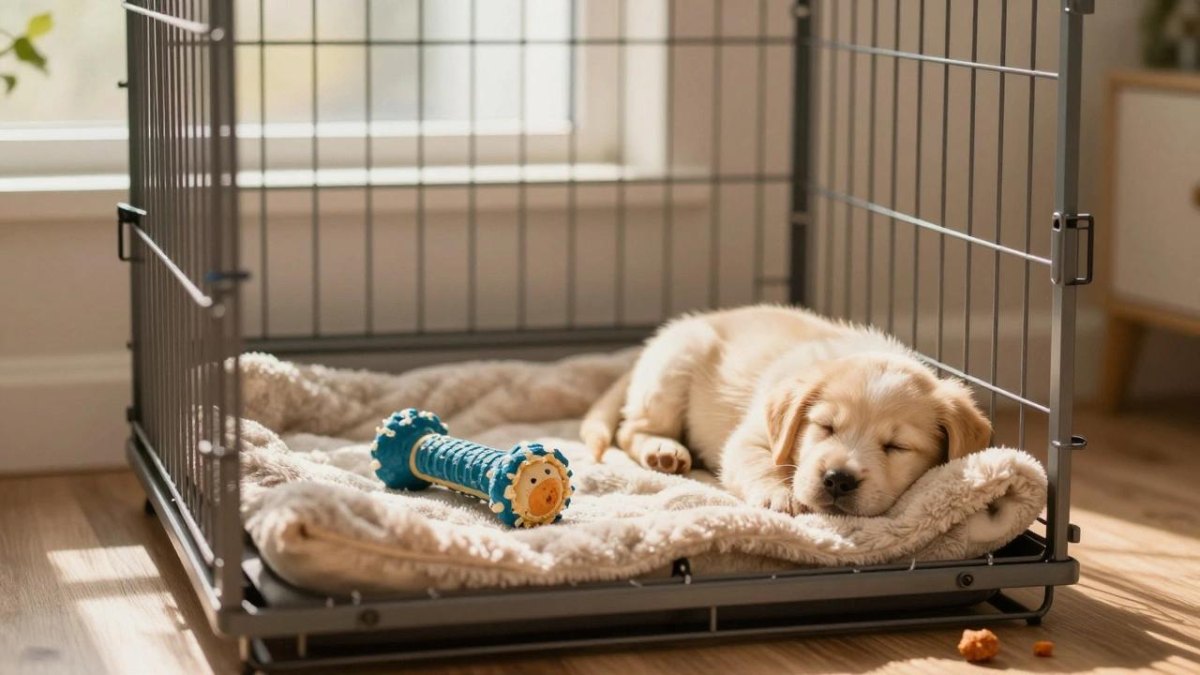
I teach crates as bedrooms, not time-out boxes. The first job is building a puppy who chooses to enter calmly. Closing the door too soon can create a problem I then have to untangle, so I move at the puppy's pace with calm crate practice.
A puppy who struggles in a crate is communicating something. I watch body language closely: frantic movement, drooling, escape attempts, or escalating distress mean I need to adjust the plan rather than label the puppy difficult.
Benefits
- Creates a predictable rest space.
- Helps with safe management.
Watch for
- Using the crate as punishment.
- Expecting too much duration too soon.
Saturday: Play-Based Learning and Tricks
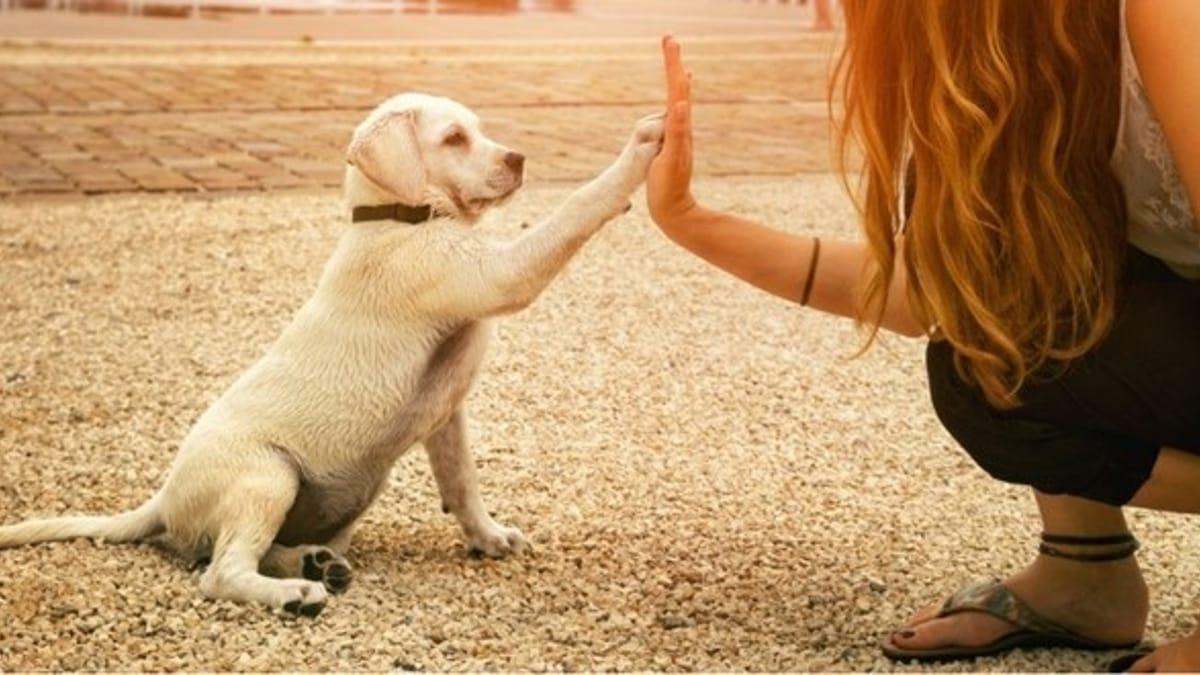
Saturday is when I let training feel like a game. Tricks build confidence, improve communication, and give puppies a job for their busy brains. A few minutes of focused play can be more valuable than exhausting a puppy physically. Learning through play keeps both ends of the leash happier.
I like simple skills such as hand targeting, finding treats, spinning, and putting paws on objects. These games become useful later when I need a puppy to focus in a distracting world.
My weekend rule
Leave your puppy wanting one more repetition. Ending with success creates a dog who is excited to train again tomorrow.
Sunday: Review and Reinforcement Session
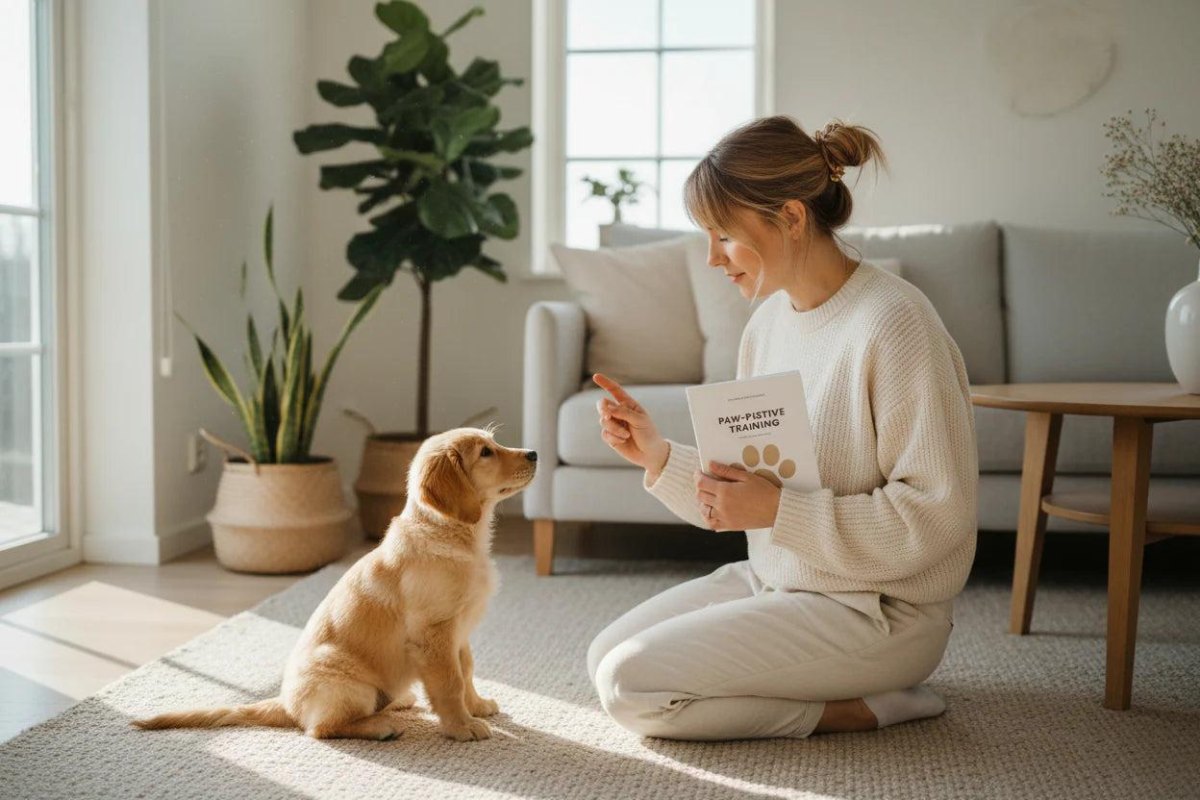
Sunday is not an exam day. I use it to notice what improved and what needs more support. Training plans work when we adjust them to the actual puppy in front of us, not the puppy we imagined bringing home.
I review the week's skills in easy settings, then choose one small challenge for the next week. Consistent reinforcement is what turns a new behavior into a habit.
Weekly review
- Which skill feels easiest now?
- Where does my puppy need more help?
- What environment should I make easier next week?
More Pinterest Visuals