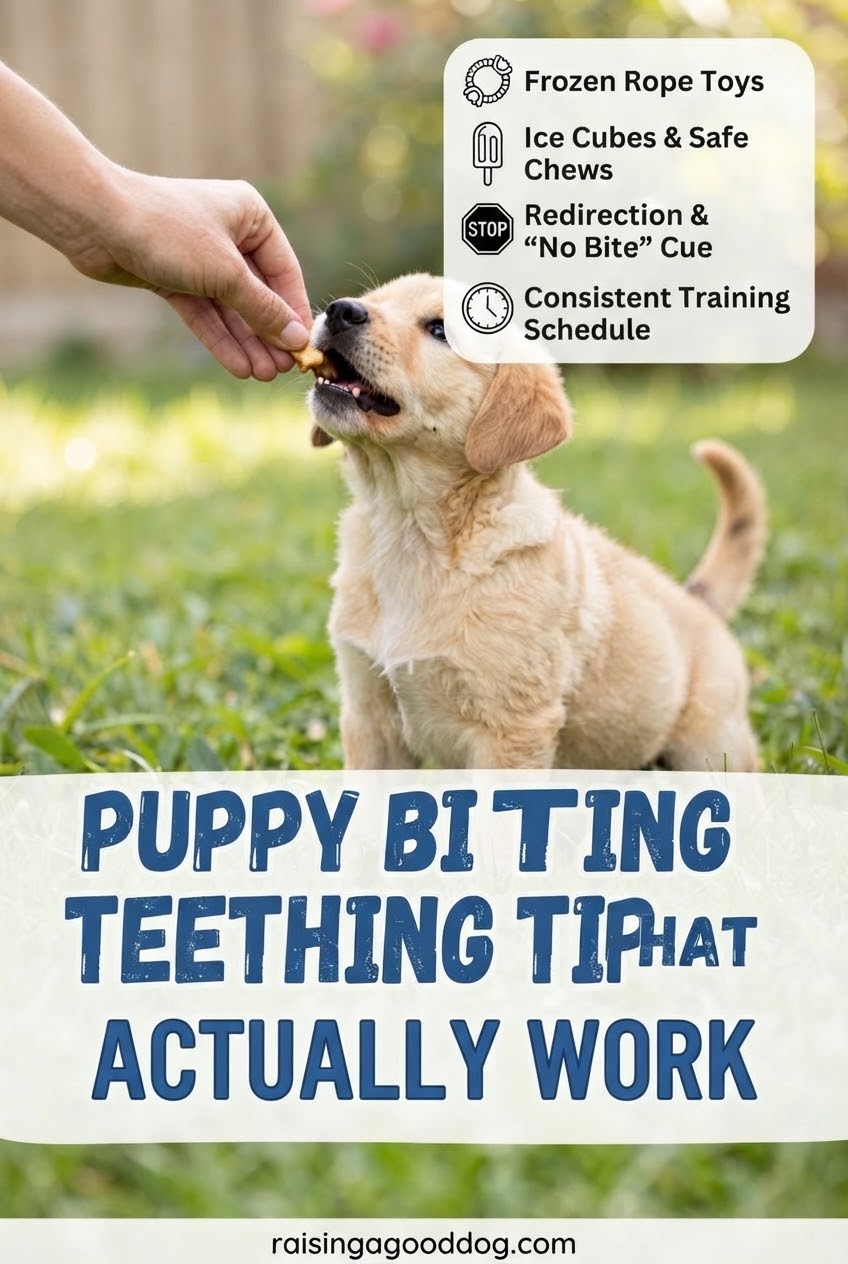
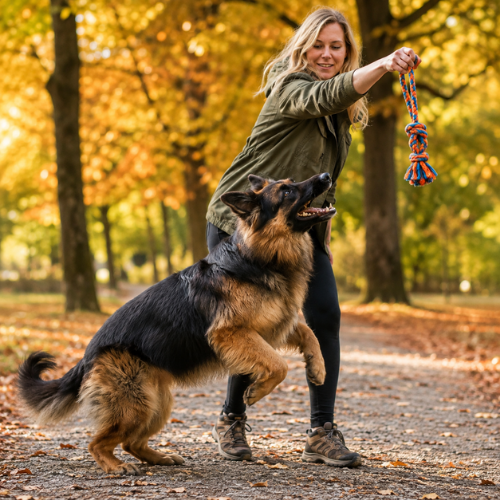
Those tiny puppy teeth have a way of finding the one place you really don’t want them: your hands, your socks, and the nice chair you just bought. I’ve helped many puppy owners through this stage, and the first thing I tell them is that teething biting is normal. Puppies explore, play, and soothe sore gums with their mouths, but we still need to teach them what belongs in those mouths.
The goal is not to make a puppy stop using their mouth overnight. That would be like asking a toddler to stop touching everything. The goal is to prevent unwanted rehearsal, offer better choices, and build habits that carry into adulthood.
Use Teething Toys to Redirect Biting
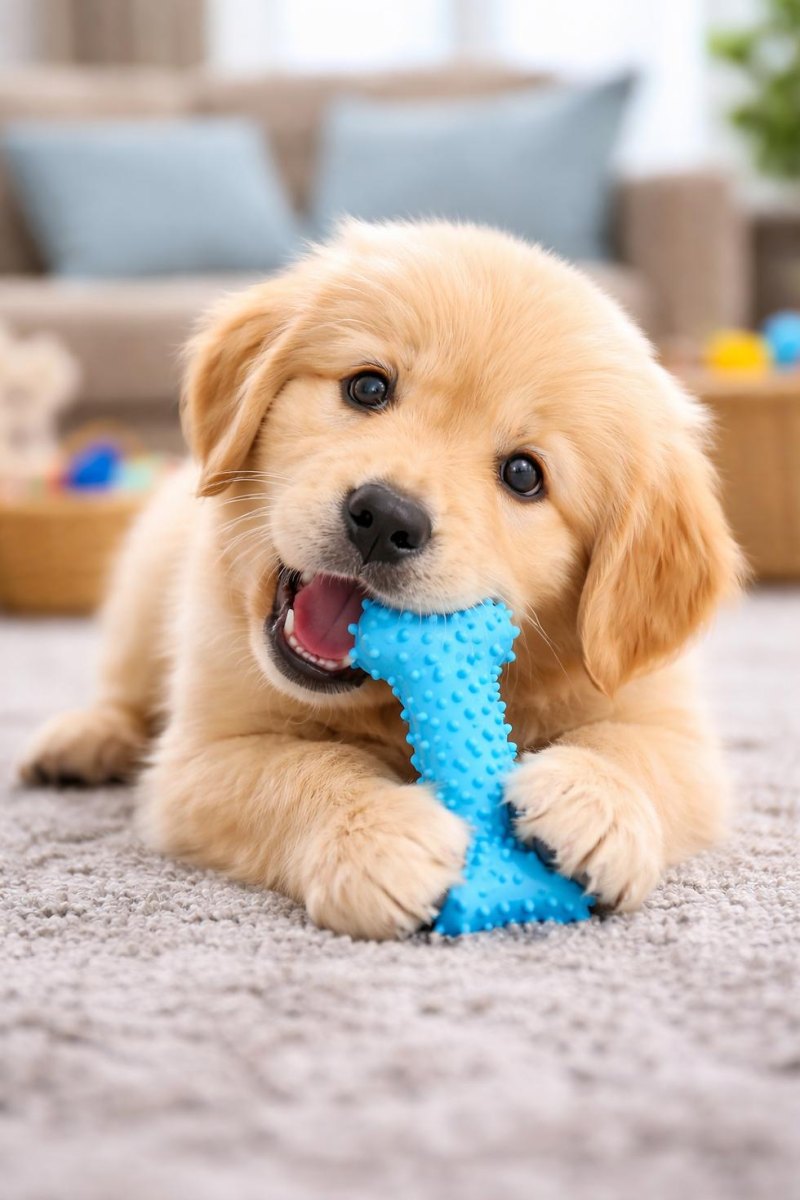
I keep puppy-safe toys within reach because management wins this stage. When teeth head toward my fingers, I don’t wait for a full wrestling match; I calmly swap in something appropriate. quick redirection teaches a puppy what they can bite instead.
The toy has to fit the puppy in front of me. A gentle chewer and a determined little wood-chipper need different options, and I always supervise new toys for damage or swallowed pieces. safe chewing outlets are part of the training plan, not a distraction from it.
Trainer tip
Keep a toy in the rooms where biting usually happens. A perfect toy across the house is not useful during a puppy ankle attack.
Teach Bite Inhibition With Gentle Training
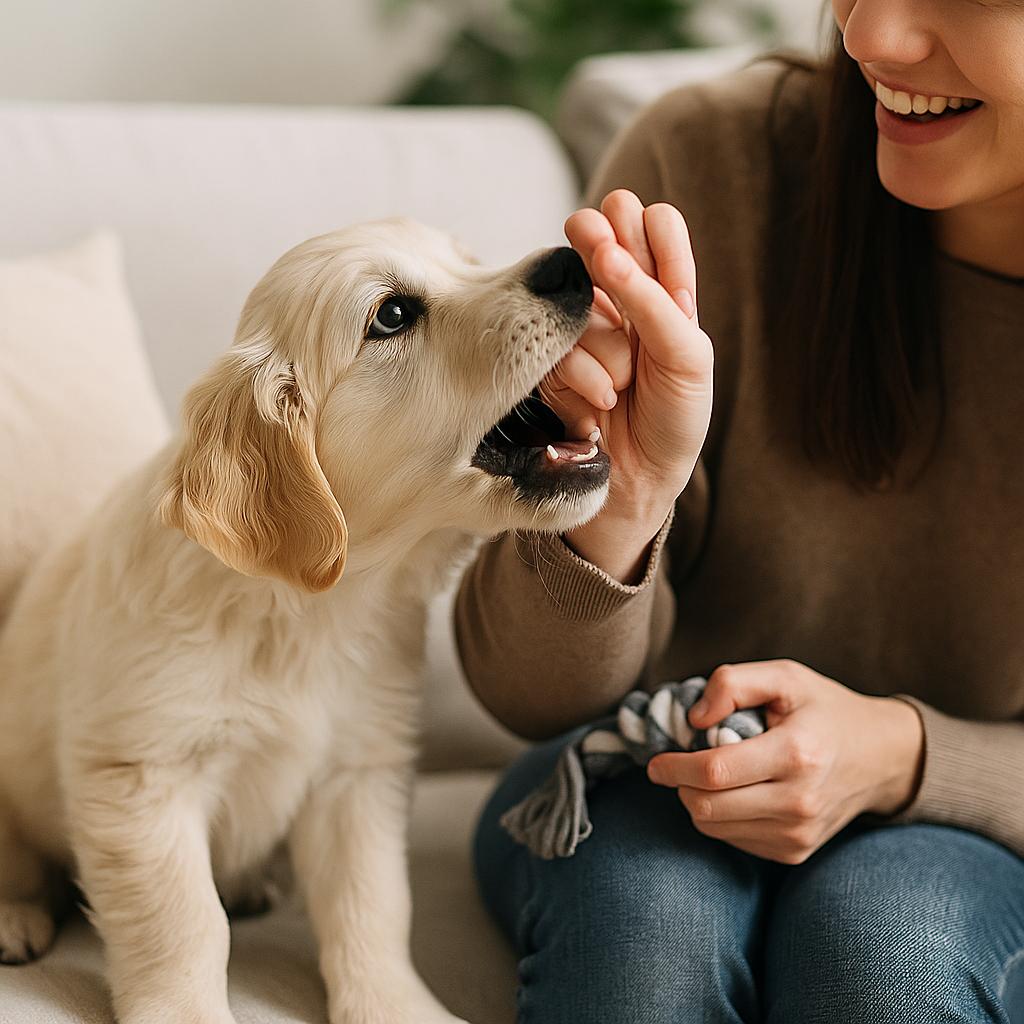
Bite inhibition means a puppy learns to control the pressure of their mouth. I don’t aim for a puppy who never mouths anything; I want a puppy who understands that human skin is different from a chew toy. Puppies learn this through consistent feedback and appropriate alternatives.
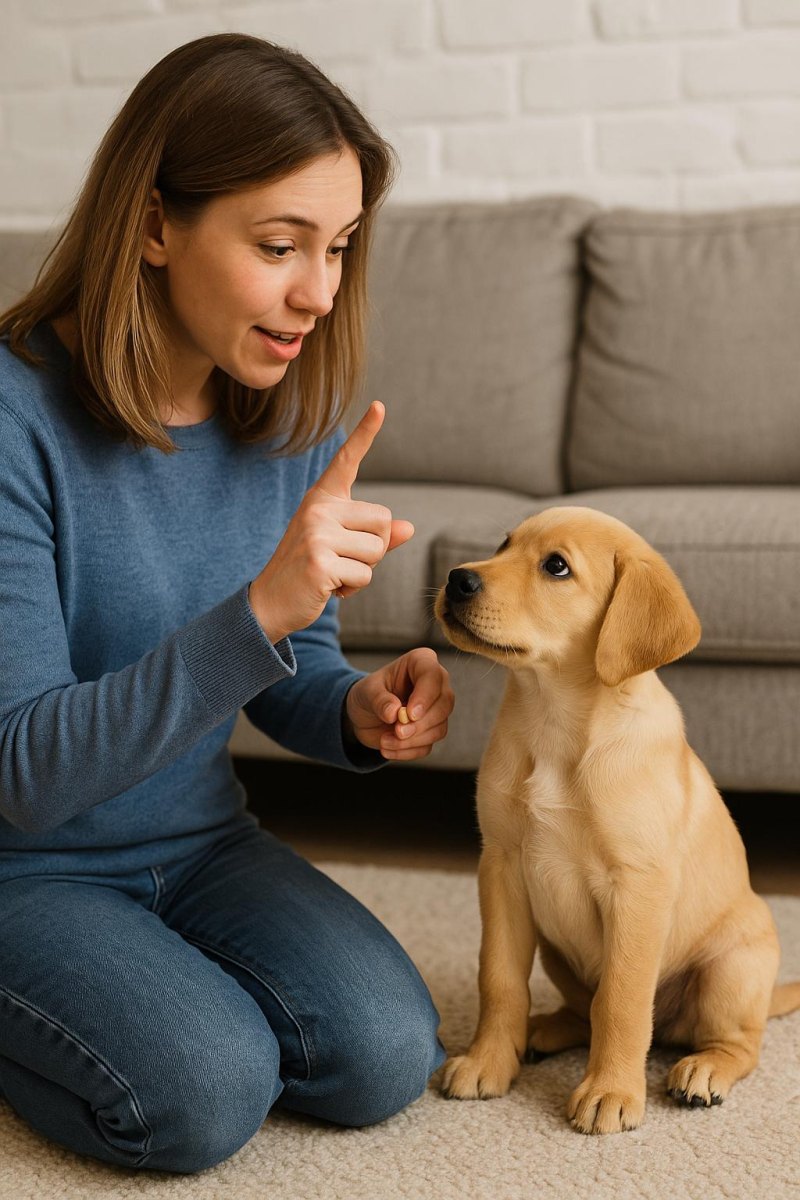
My usual approach is simple: if teeth get too rough, the game pauses. Then we restart when the puppy is calmer. I avoid physical corrections because fear and discomfort are not the lesson I want attached to human hands. Reward-based training focuses on building the behavior we want to see.
- Pause. Stop attention when biting becomes too hard.
- Redirect. Offer an appropriate toy or chew.
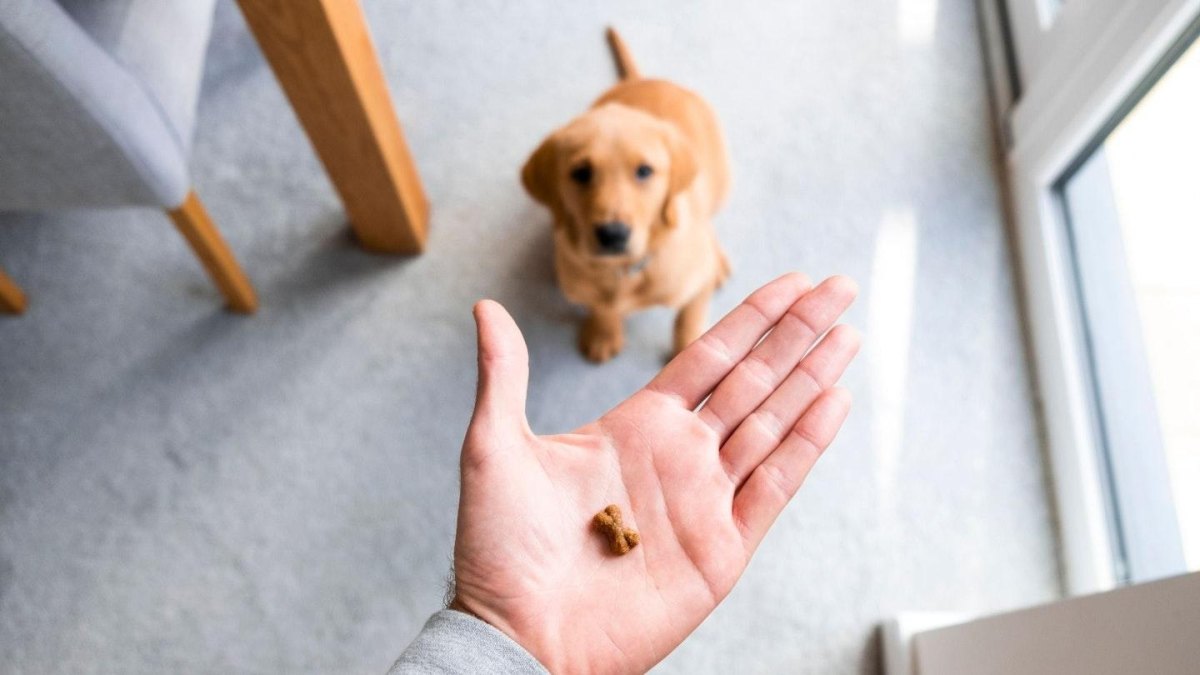
- Reward. Praise gentle interaction and calm behavior.
Provide Safe Chew Alternatives During Teething
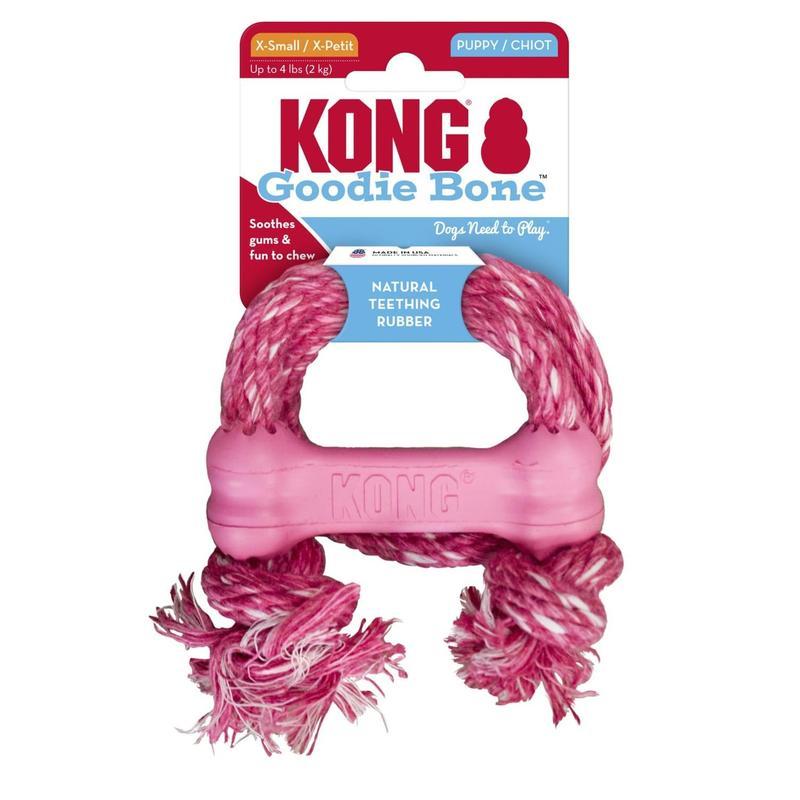
During teething, puppies often chew because their mouths feel uncomfortable. I want them to have legal chewing choices before they invent their own, because puppies are excellent at finding alternatives we would not approve of. appropriate chew options help prevent furniture and hand chewing habits.
I look for options designed for puppies and match the texture to the individual dog. Cold options and puppy-safe chew toys can provide enrichment, but every item needs supervision based on the puppy’s chewing style.
Use Positive Reinforcement to Reduce Nipping
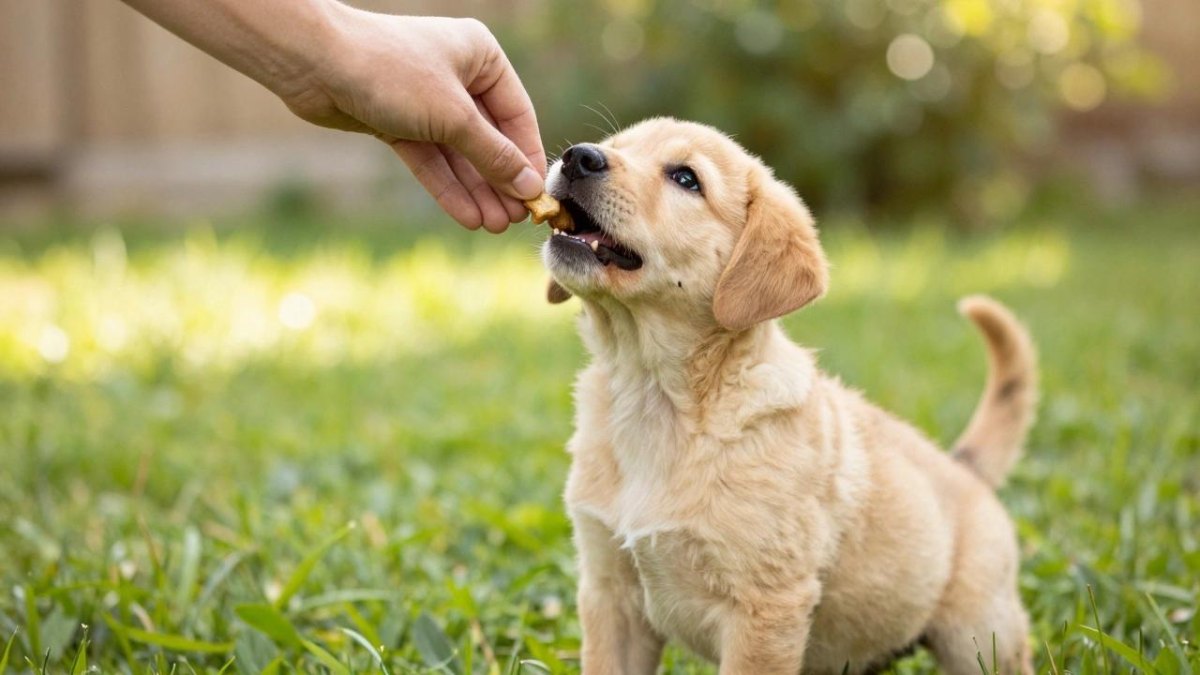
The puppies I work with are not trying to be difficult when they nip. They are practicing a behavior that has worked for them. My job is to make the right behavior more rewarding. positive reinforcement gives puppies a clear answer instead of just telling them what not to do.
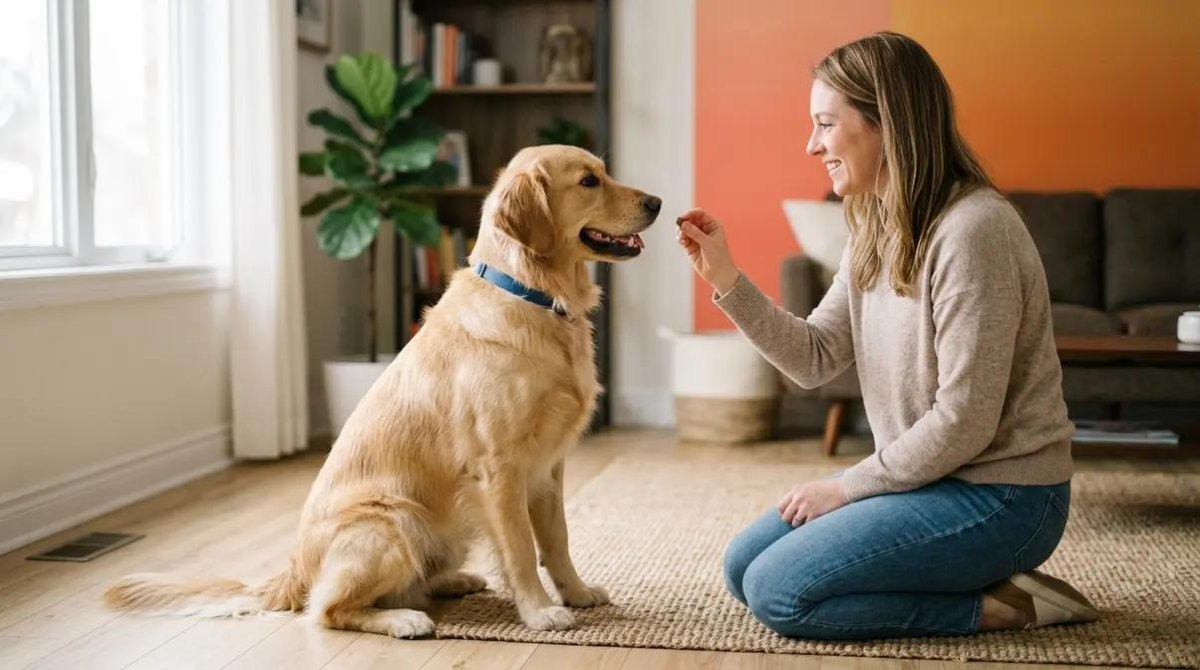
I reward calm greetings, soft mouths, and choosing toys. Small moments count. A puppy who walks away from your sleeve to grab a toy has just made a very important decision.
Create a Calm Environment for Teething Puppies

A tired puppy is not always a calm puppy. Sometimes the puppy biting marathon at 7 p.m. is an exhausted puppy who no longer knows how to settle. I look at sleep, stimulation, and the environment before assuming the puppy needs more activity. calm routines matter because learning happens better when a puppy can think.
I also watch body language closely. Fast breathing, frantic movement, inability to disengage, or a sudden change in behavior tell me we need to adjust the situation. If biting appears suddenly alongside pain signs or other behavior changes, I recommend checking with a veterinarian first.
Watch for changes
A sudden increase in biting, sensitivity, appetite changes, or signs of pain deserves a veterinary conversation before starting a training plan.
Manage Puppy Energy With Exercise and Play
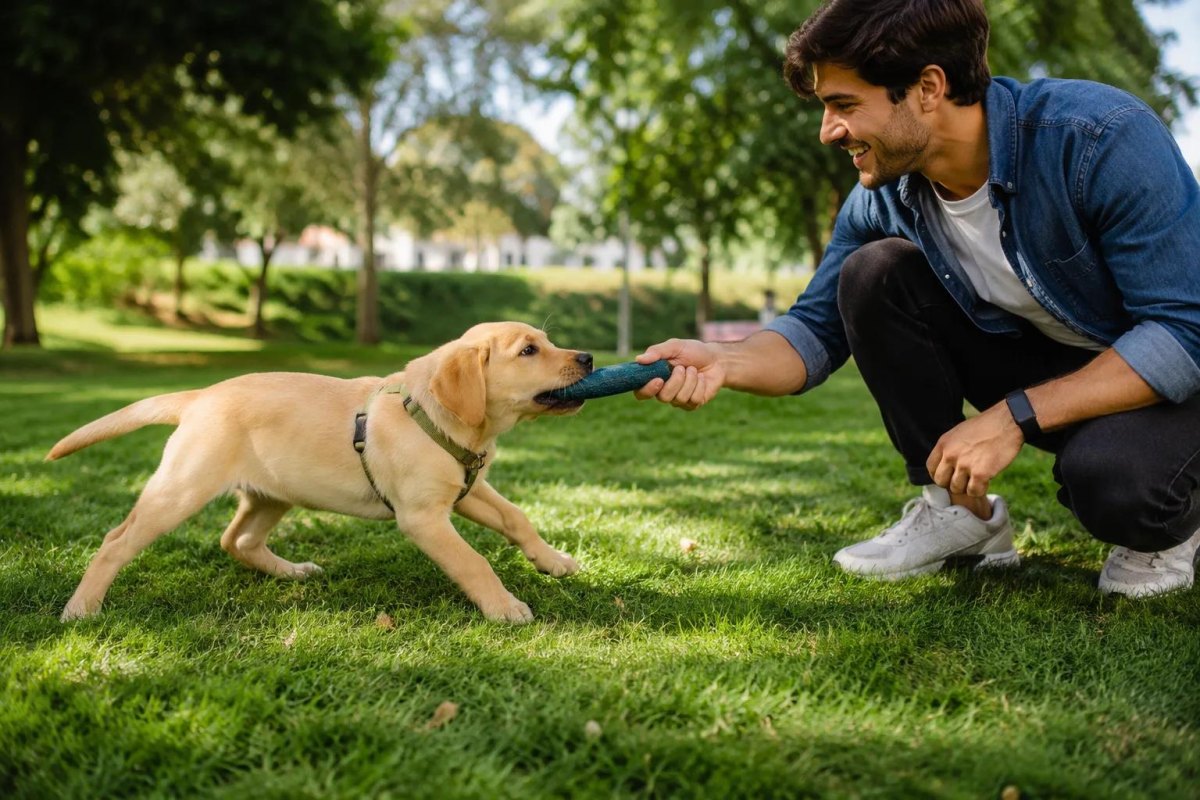
Puppies need movement, but they also need mental work. I see many owners trying to run the biting out of a puppy, only to create a fitter puppy with the same problem. balanced enrichment includes play, training, sniffing, and appropriate rest.
Short training games, food puzzles, and age-appropriate activities help puppies practice thinking. I am careful not to overdo physical exercise because young bodies are still developing.
| Activity | Purpose |
|---|---|
| Sniffing games | Mental enrichment |
| Short training sessions | Impulse control practice |
| Play with toys | Appropriate biting outlet |
Avoid Encouraging Rough Hand Biting Games
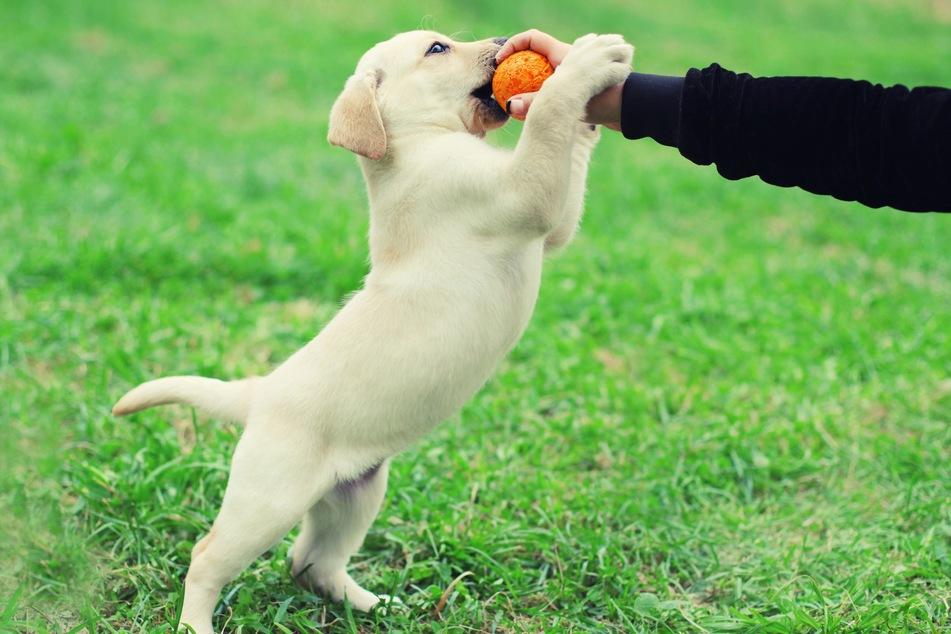
I know hand wrestling with a tiny puppy can be adorable. I also know that the same game is much less charming when that puppy grows into a larger dog with stronger teeth. I prefer putting a toy between us from the beginning because clear boundaries prevent confusion.
Rough play is not automatically bad, but it needs supervision and rules. If a game sends your puppy over the edge into frantic biting, I change the game rather than asking the puppy to magically calm down while still highly excited.
Better choices
- Use tug toys instead of hands.
- Reward gentle play.
Avoid
- Encouraging hand chasing.
- Continuing play after painful bites.
Know When to Seek Professional Training Help
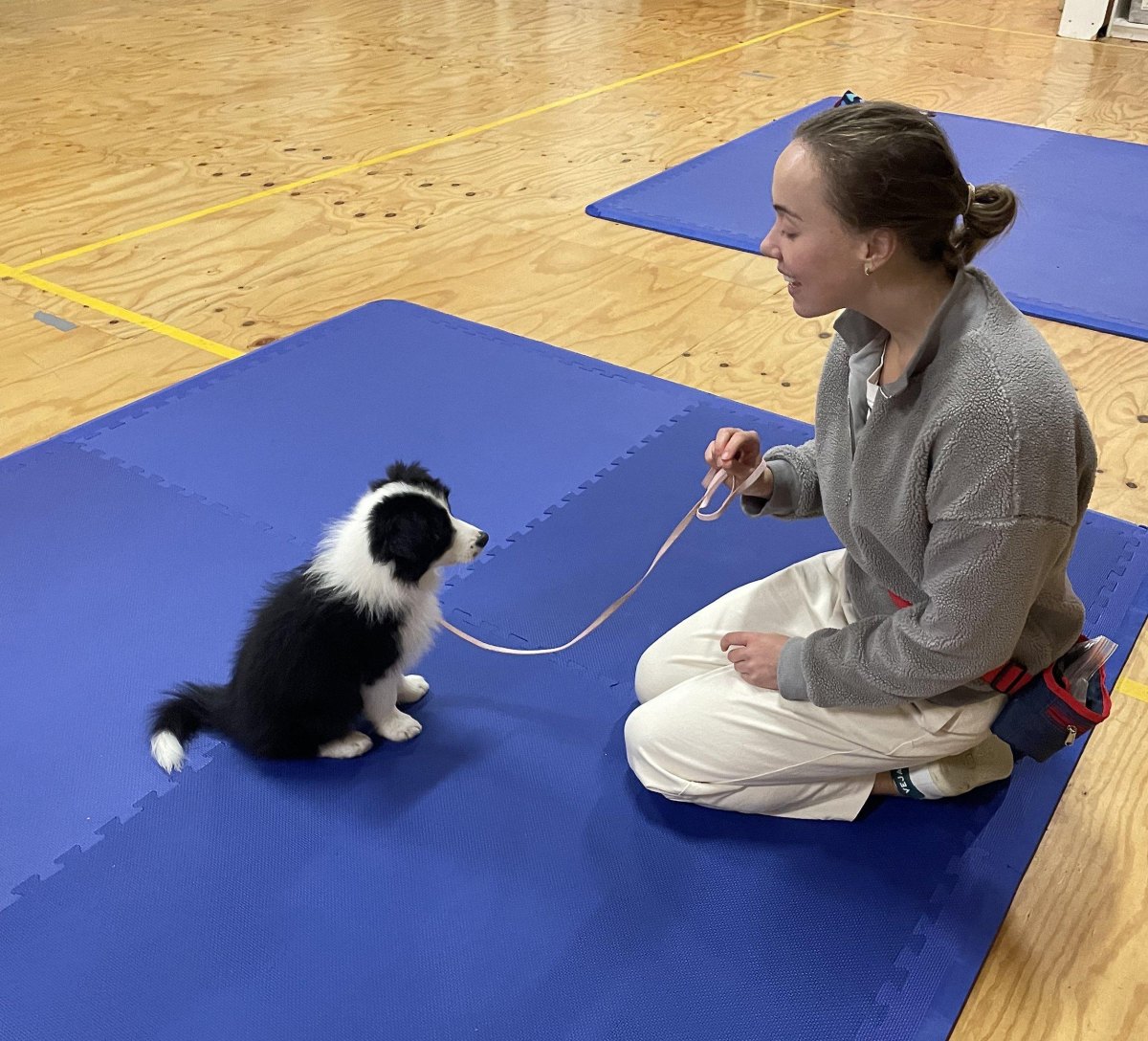
Most puppy biting is a normal developmental stage, but there are moments when I want another professional involved. If a bite breaks skin, there is fear-based aggression, or anyone feels unsafe, I recommend working with a qualified professional in person rather than trying to solve it from a blog post. early support matters.
A good trainer should help you understand what is happening, create management steps, and use humane methods. I would also involve your veterinarian when behavior changes are sudden or may involve pain.
A realistic timeline
Puppy biting improves through weeks of consistent practice, not one perfect training session. Setbacks are normal. A rough day does not erase the progress your puppy has made.
6 months
Approximate age when many puppies finish teething
More Pinterest Visuals