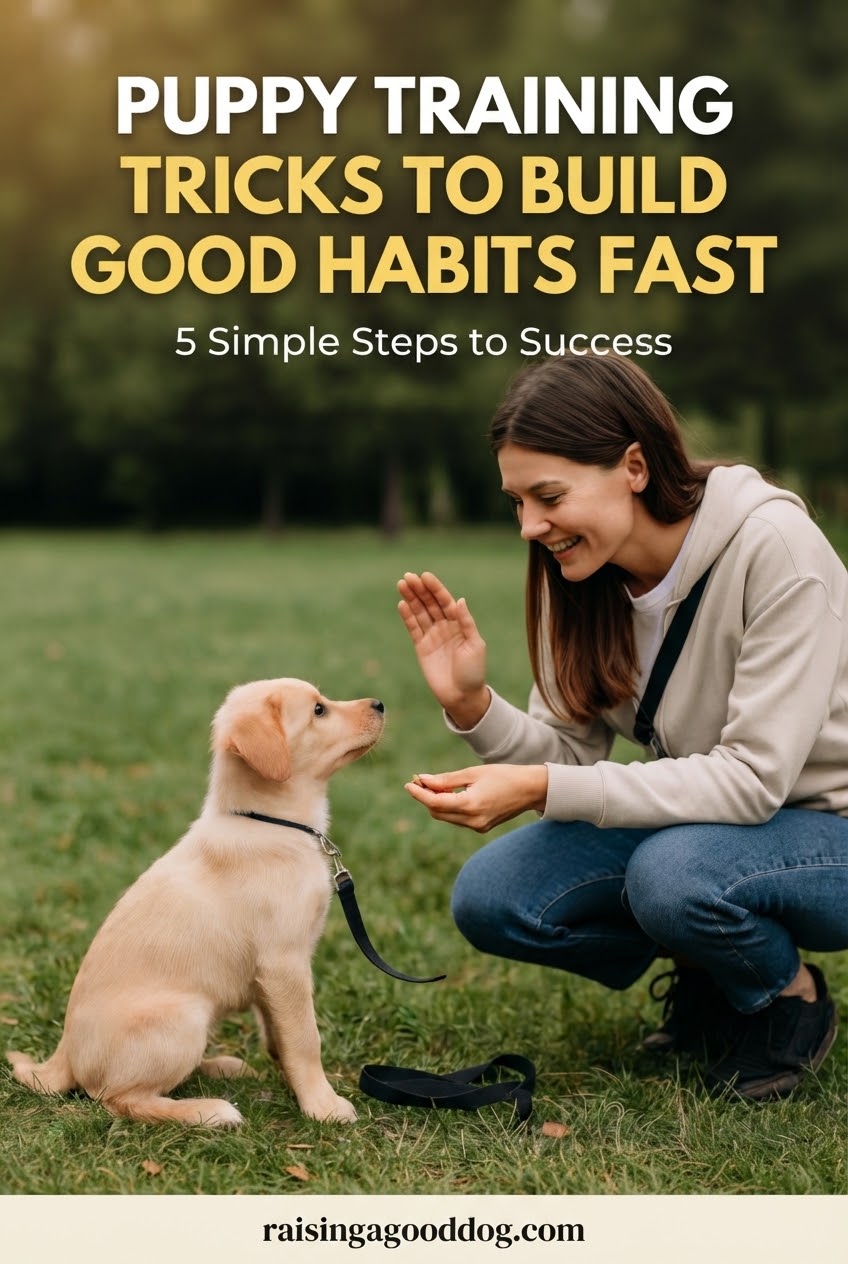
Puppy training looks simple in a quiet video, but real life includes muddy paws, missed cues, and a puppy who suddenly forgets everything in the backyard. I focus on small repeatable wins because those are the habits that survive busy Tuesdays.
These tricks are built around reward-based learning, careful management, and reading what your puppy is telling you. A puppy who cannot focus yet is not being stubborn; the environment may simply be too hard.
What I cover in this guide
- Practical puppy training steps for daily life
- Ways to build trust without fear or pressure
- Realistic expectations for progress and setbacks
Teaching Your Puppy to Sit on Command
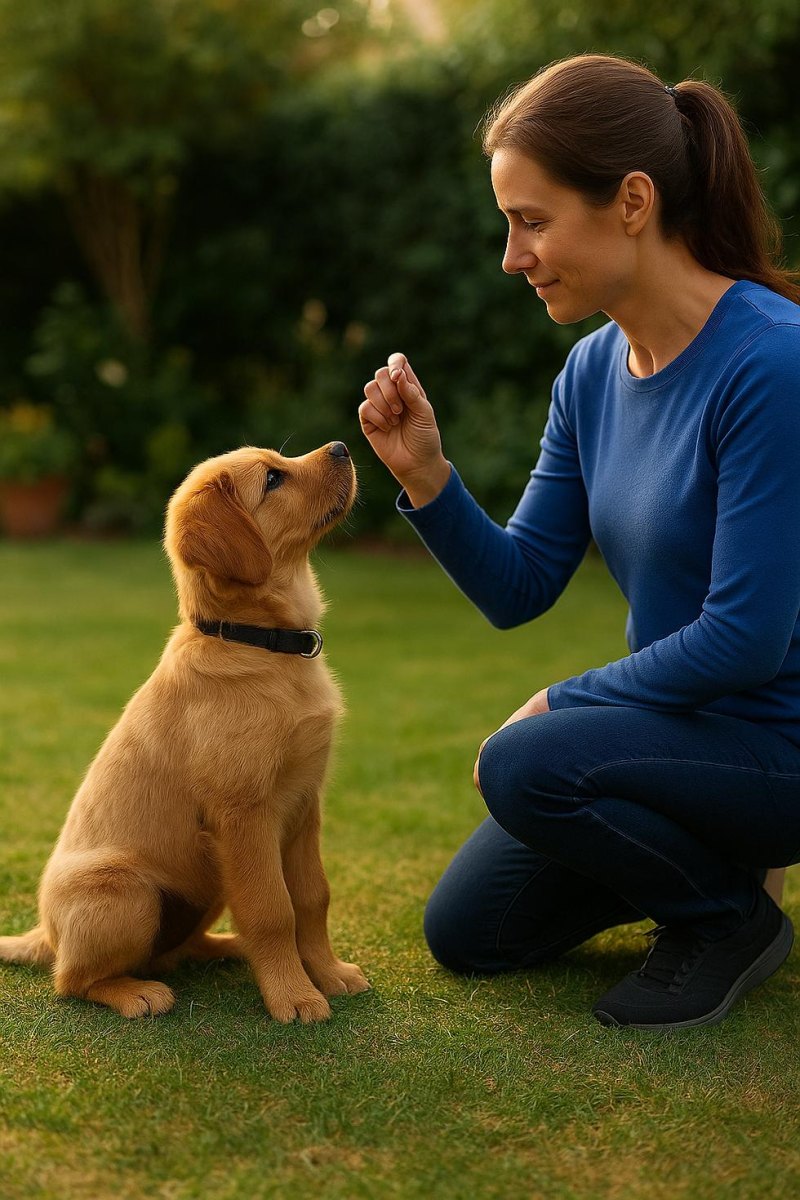
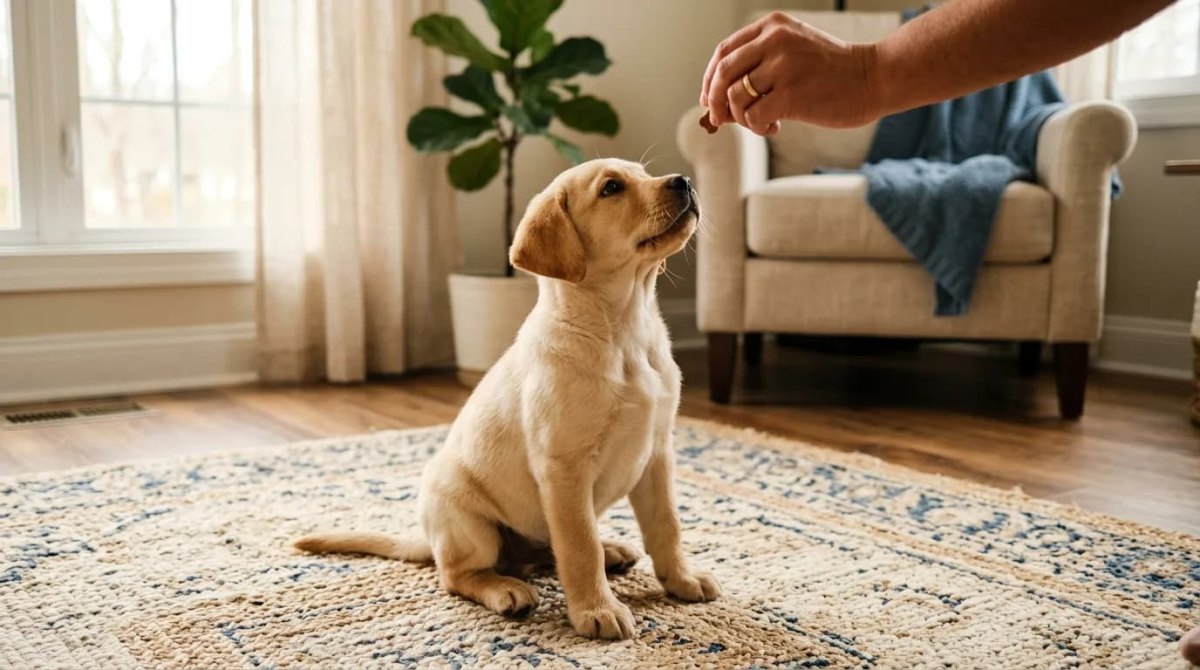
I teach sit by making the right choice easy, not by pushing a puppy into position. The first goal is understanding the cue, not performing a perfect competition behavior.
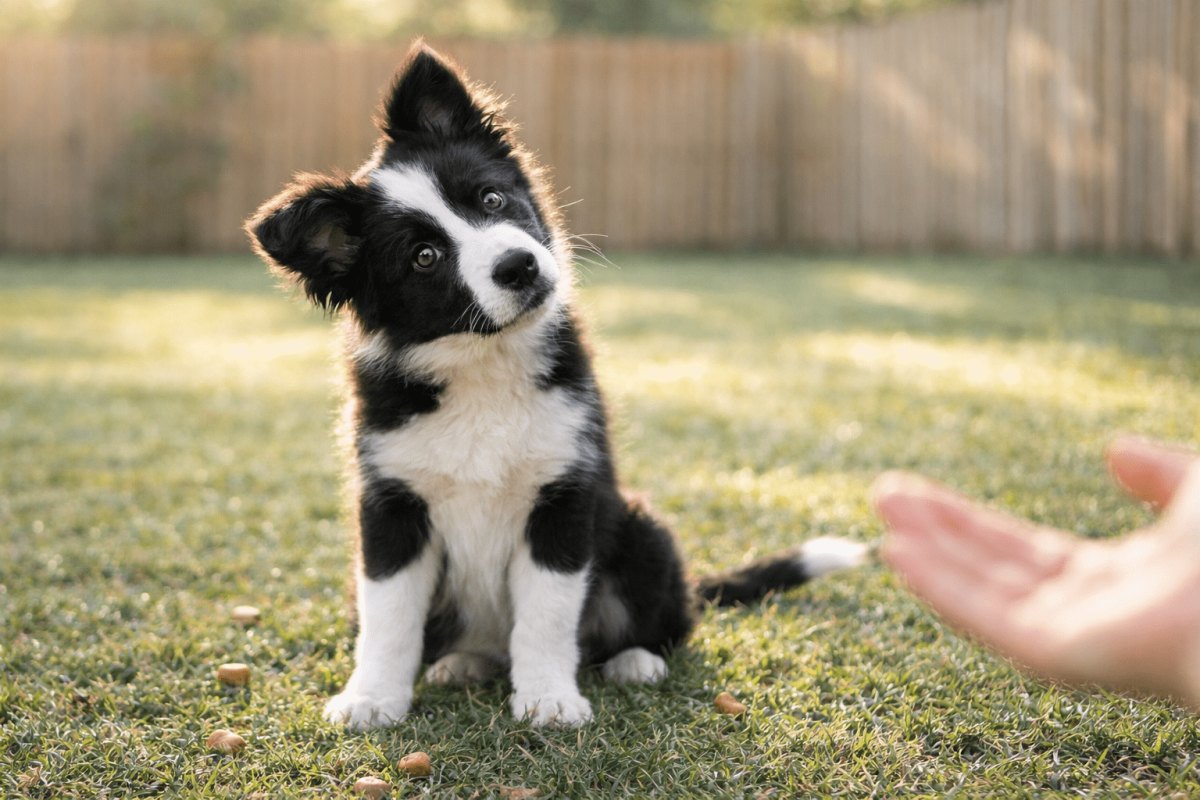
I usually practice for a few seconds at a time. When your puppy follows the lure or offers the behavior naturally, mark it and reward quickly.
- Hold. Move a treat slowly above your puppy's nose.
- Reward. Give the treat when the bottom reaches the floor.
- Repeat. Add the word "sit" once the movement is predictable.
Using Positive Reinforcement for Good Behavior
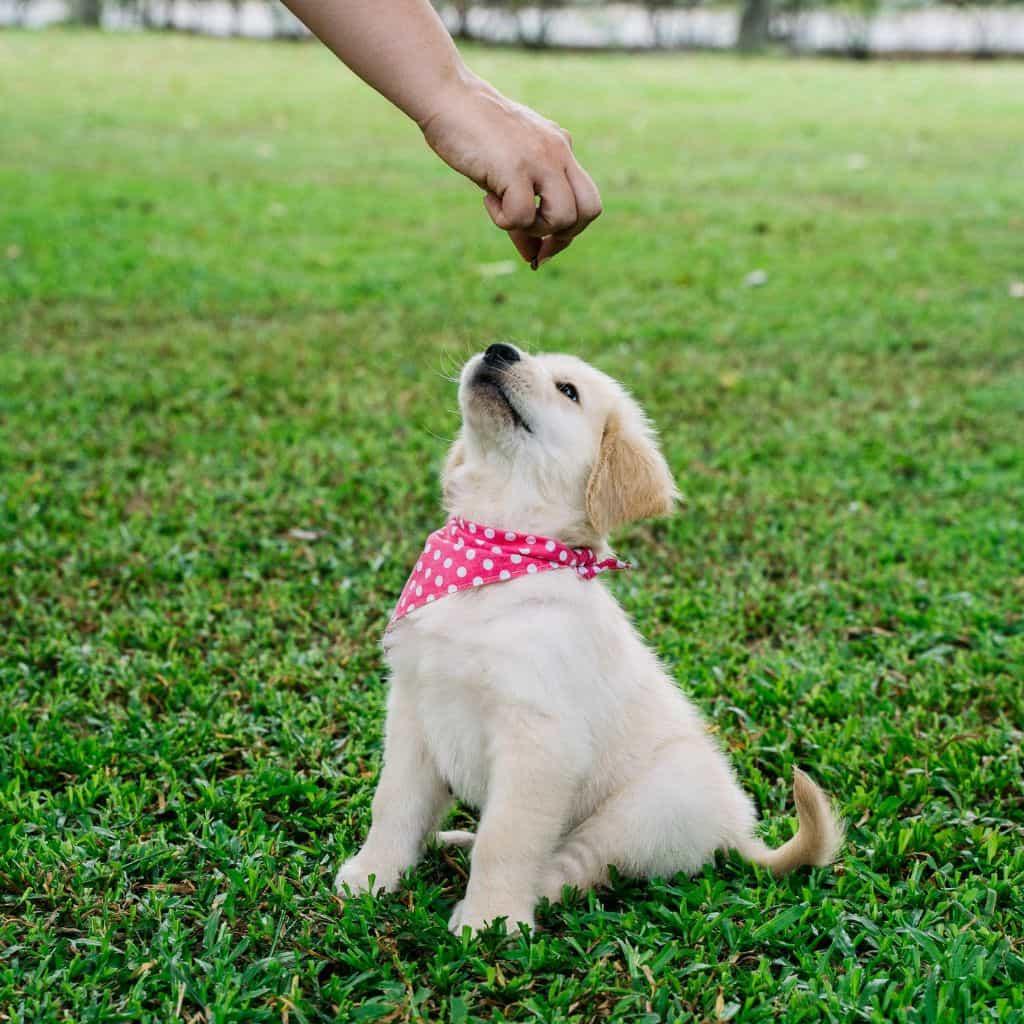
Most puppies repeat what pays off. I look for moments to reward behaviors I want repeated, including calm greetings, checking in, and settling on a mat.
My training room whiteboard is full of reminders that good timing matters. Rewards work best when they arrive close to the behavior your puppy is learning.
Training tip
Catch your puppy doing something right before you wait for a problem to appear.
Crate Training Made Comfortable
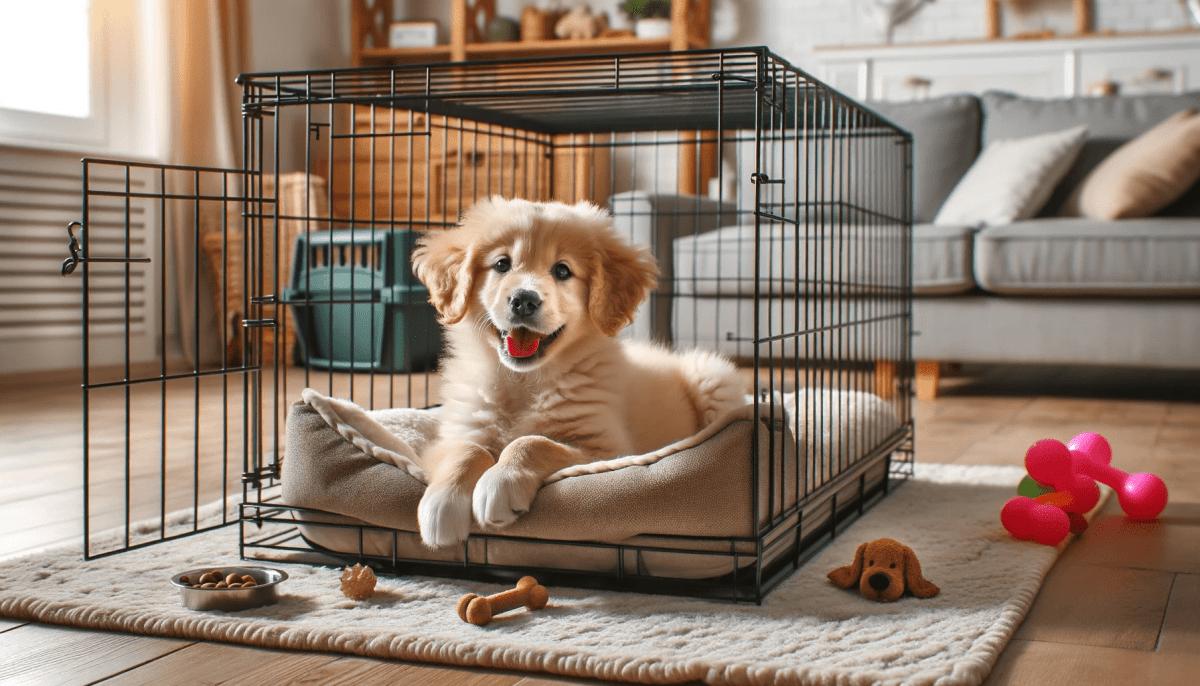
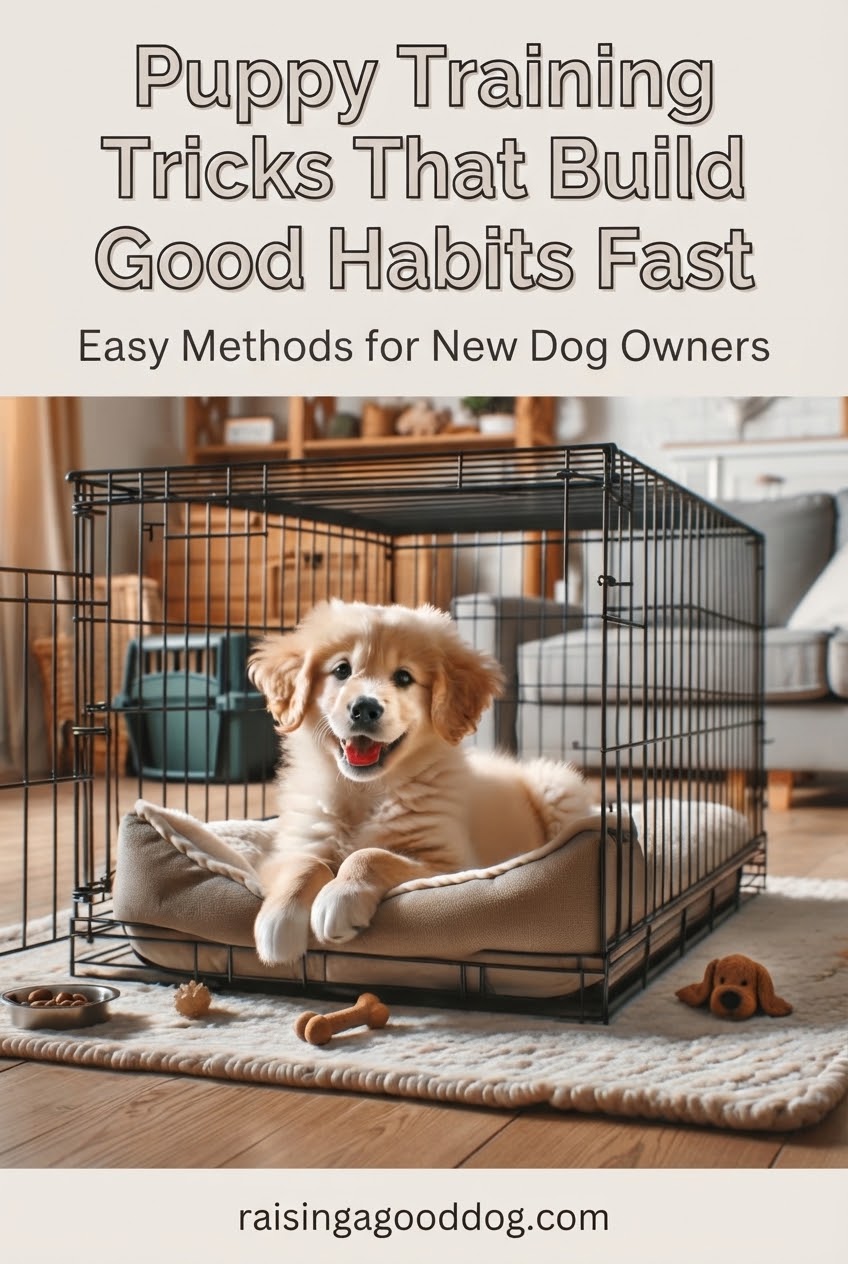
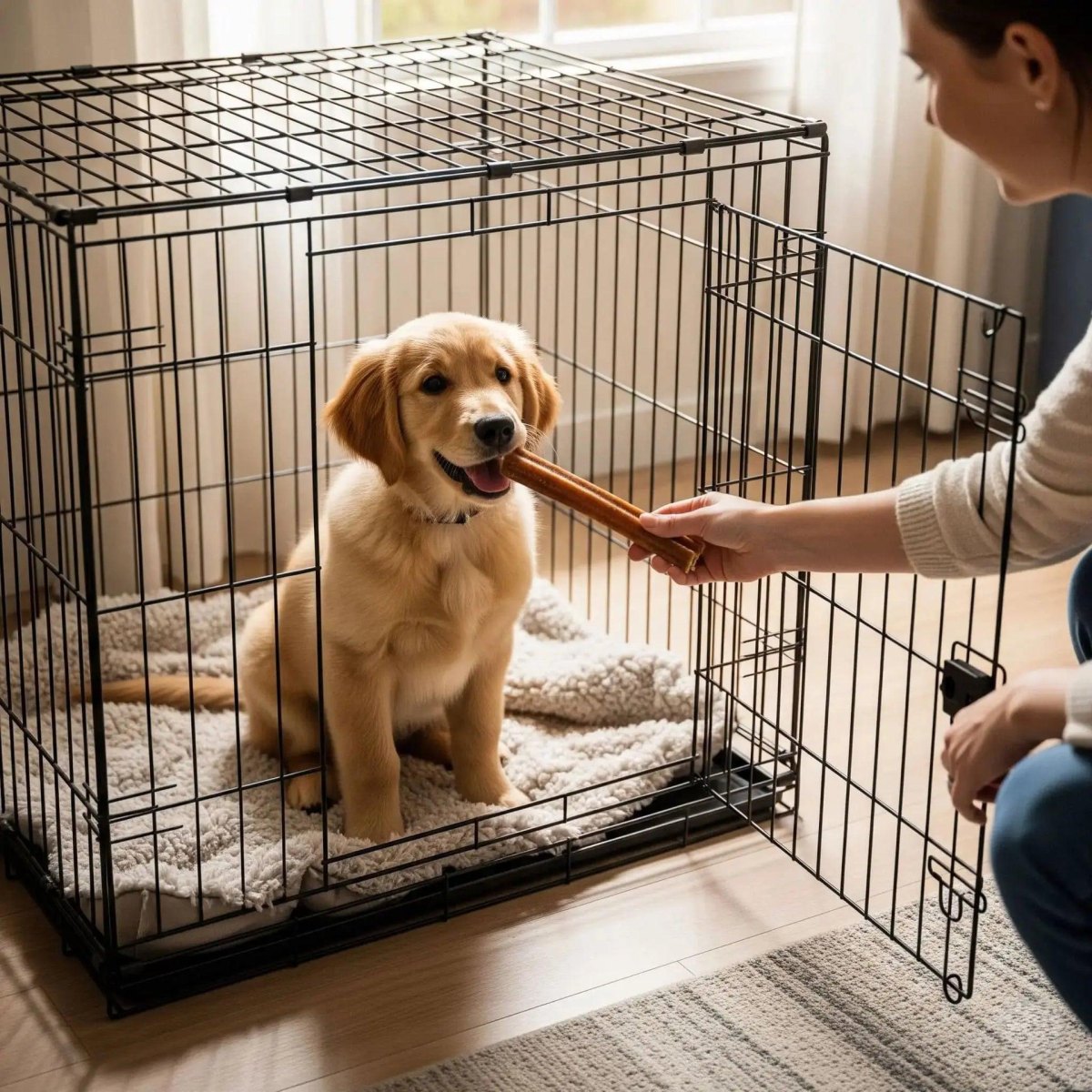
I introduce crates slowly because comfort cannot be rushed. The goal is a positive resting space, not simply getting a puppy behind a closed door.
If your puppy panics, drools heavily, or tries desperately to escape, that information matters. Slow the plan down and consider professional guidance if distress continues.
Benefits
- Helps with safe management
- Prepares for travel and vet visits
Watch for
- Fear or escalating distress
- Using the crate as punishment
Potty Training Your Puppy Successfully
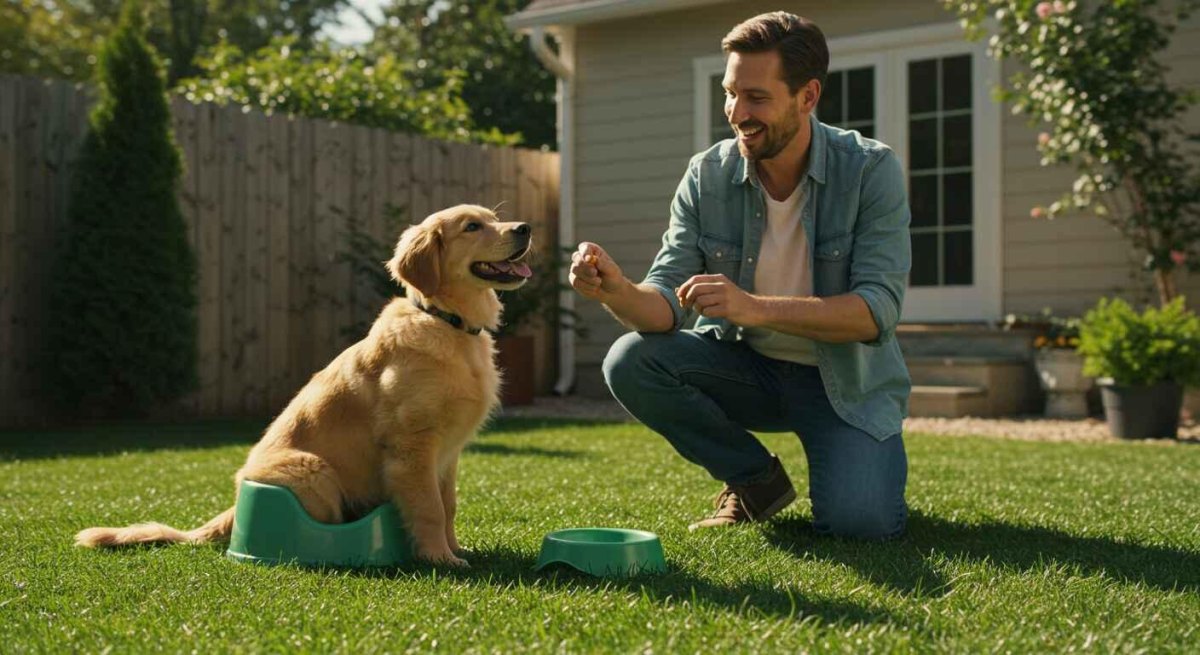
Potty training is mostly a management job. I prevent accidents by creating a predictable routine instead of expecting a baby puppy to make adult decisions.
Rewarding outdoor success builds the bathroom habit you want. If a puppy suddenly regresses, especially after being reliable, I recommend checking with a veterinarian first.
- Take puppies out after sleeping, eating, and playing
- Reward immediately after outdoor elimination
- Clean accidents without punishment
Teaching the Come When Called Trick
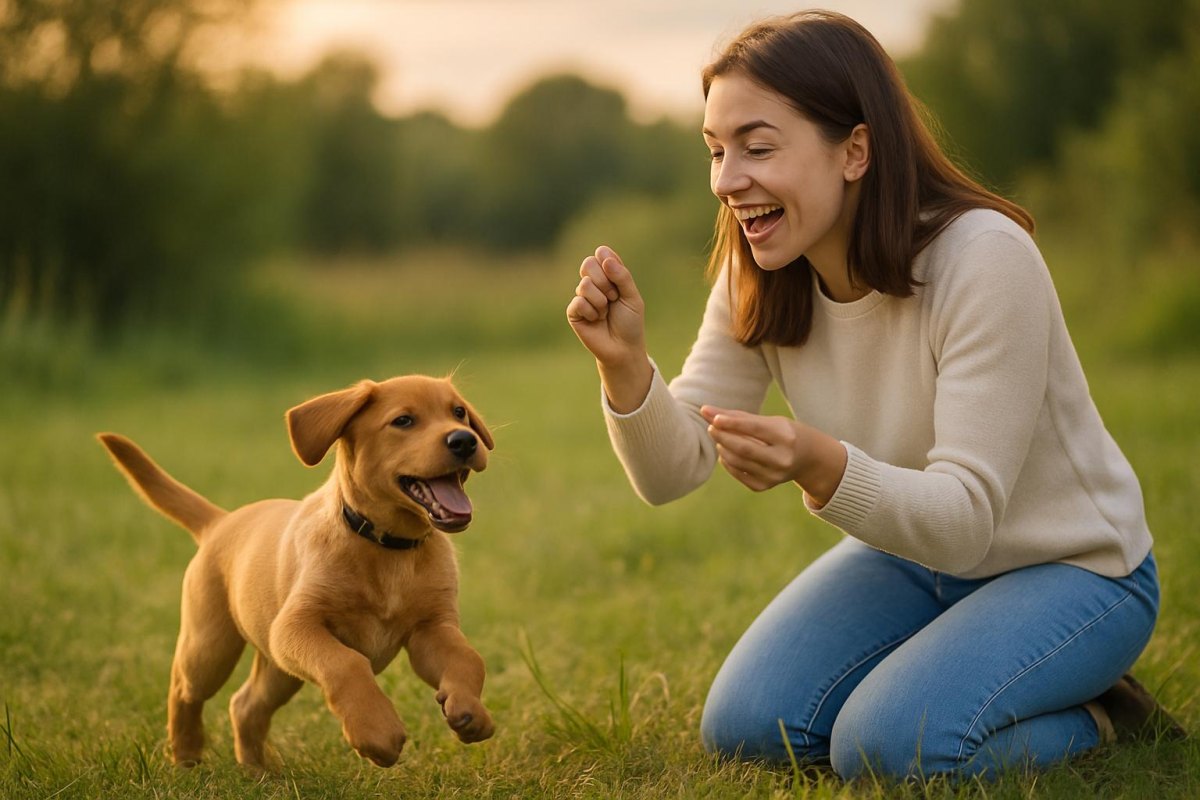
A reliable recall is built through hundreds of easy successes. I do not spend six months calling a puppy only when something fun ends because that teaches the puppy that coming to me predicts disappointment.
Start indoors, then increase distractions slowly. My own dog Bruno improved dramatically, but I still choose environments where he can succeed.
Practicing Leash Walking Skills
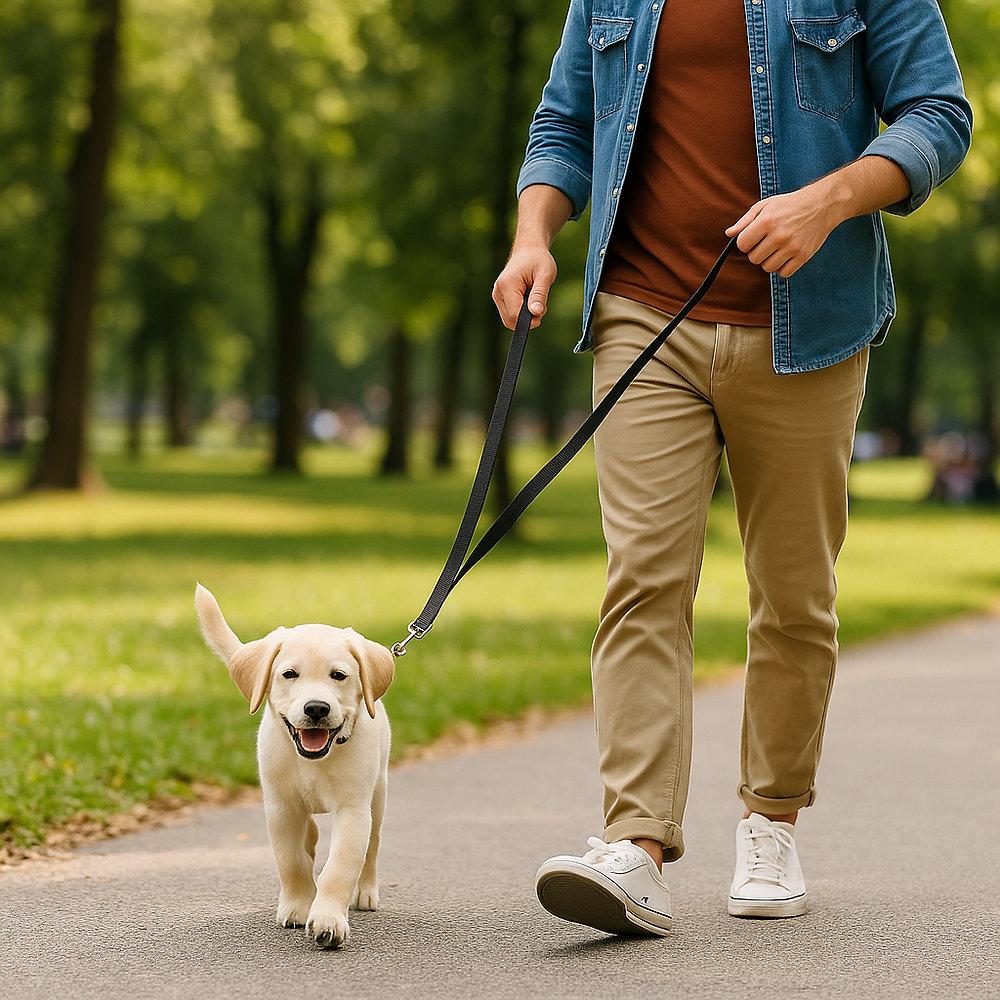
The first loose-leash walks are often painfully slow. That is normal. I reward the puppy who chooses to stay near me rather than correcting every step away.
Before training, I manage the environment with distance and easier routes so the puppy is able to learn.
| Practice | Goal |
|---|---|
| Quiet area walks | Build attention |
| Short sessions | Prevent frustration |
Training Your Puppy to Stay Still
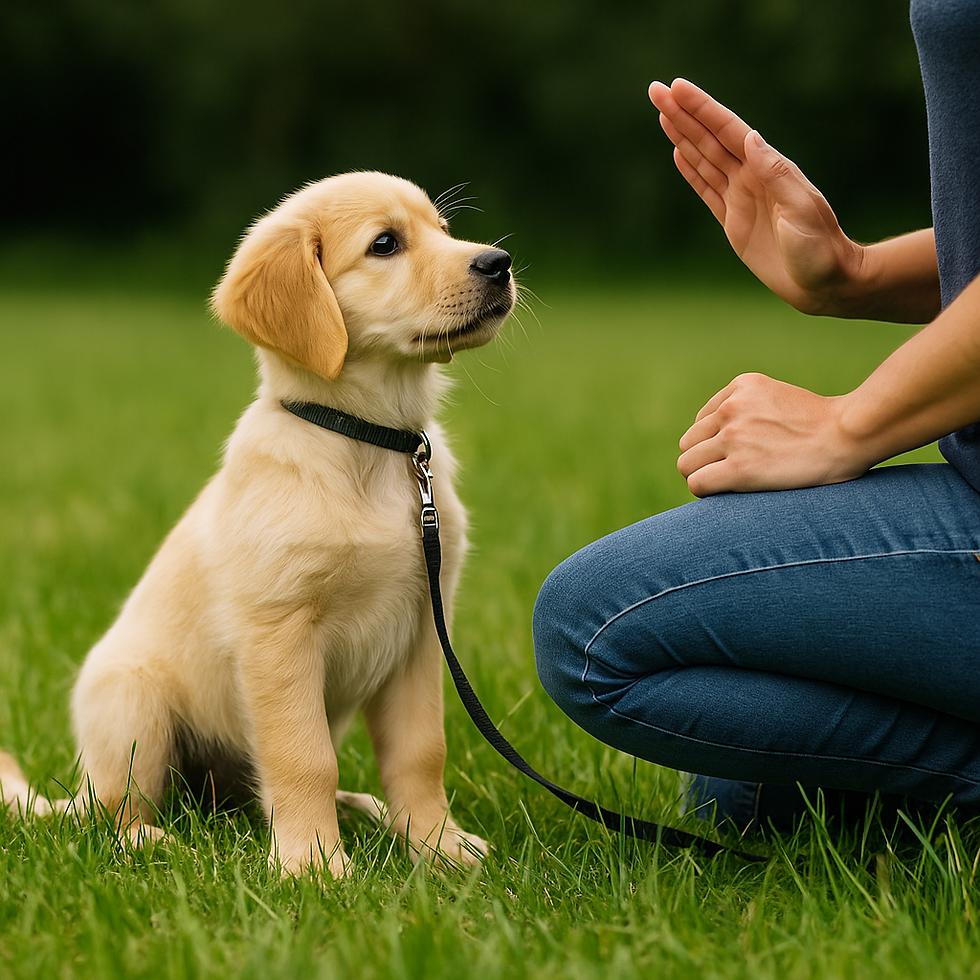
Stay is really a lesson in patience. I begin with tiny moments because expecting a young puppy to freeze for minutes is setting everyone up for failure.
Reward calm pauses and watch body language. A puppy who starts shifting weight, avoiding eye contact, or leaving the position may need a simpler challenge.
Stopping Puppy Biting and Chewing Habits
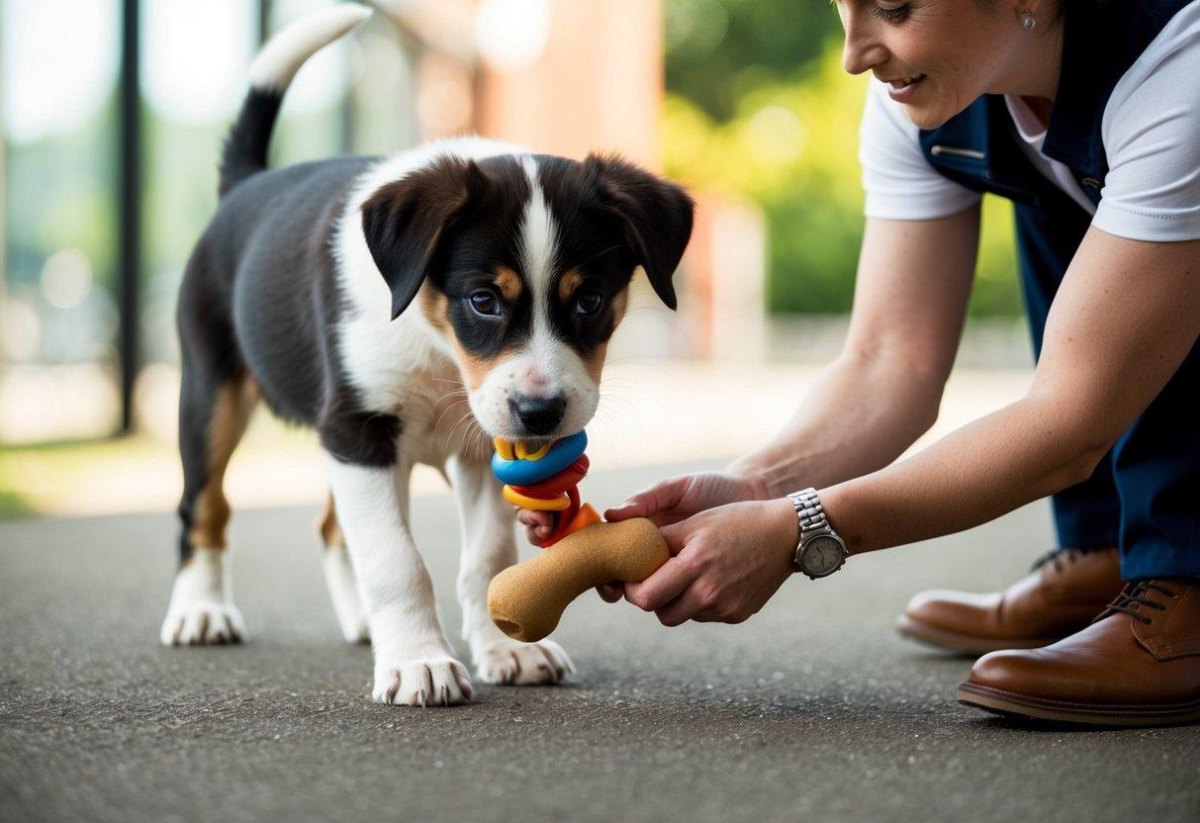
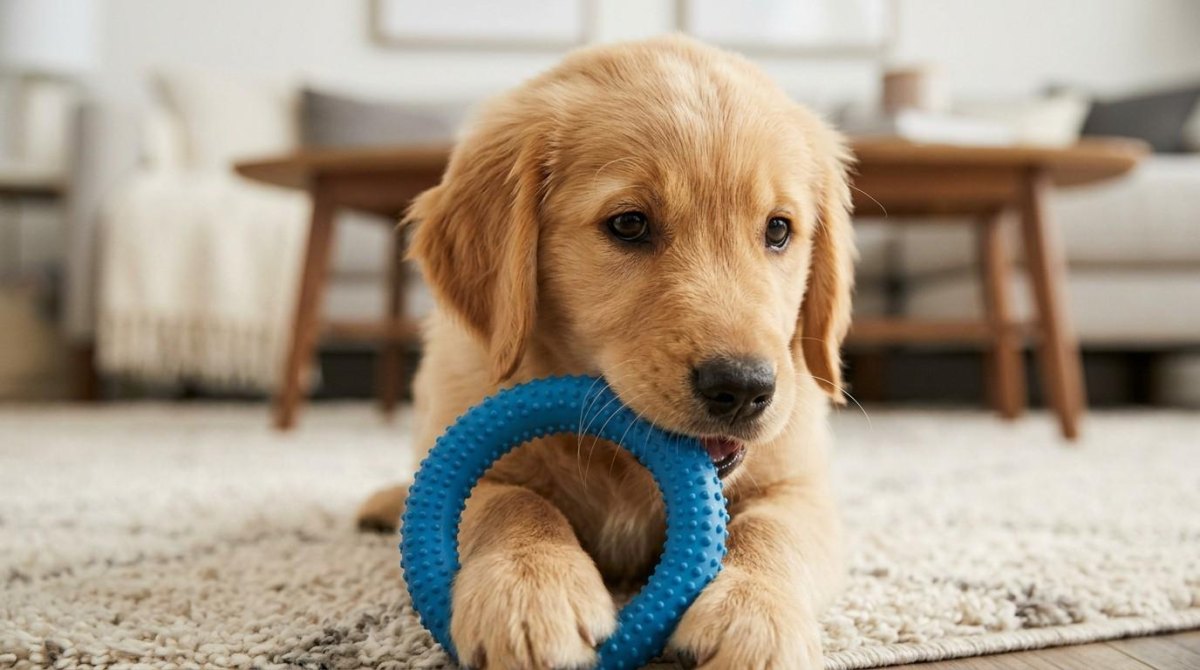
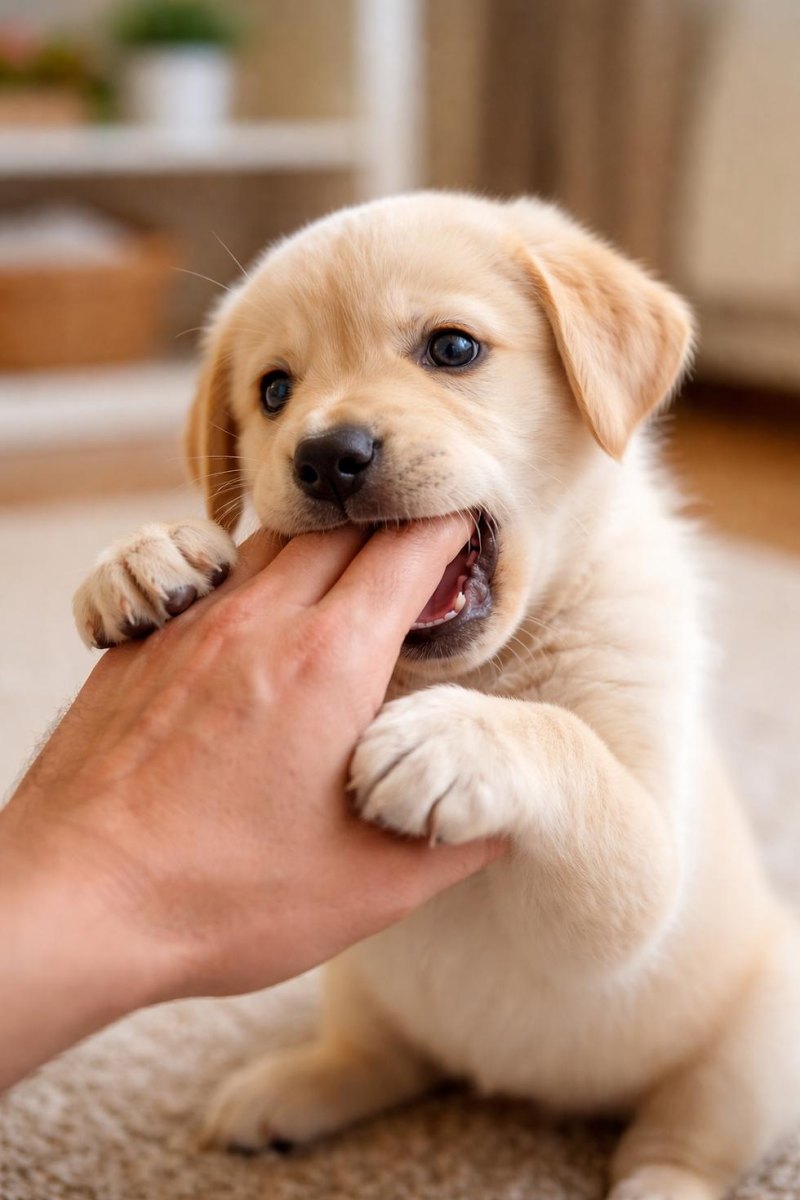
Puppy biting is normal development, not a sign that your puppy is becoming aggressive. I focus on preventing rehearsals and teaching better chewing choices.
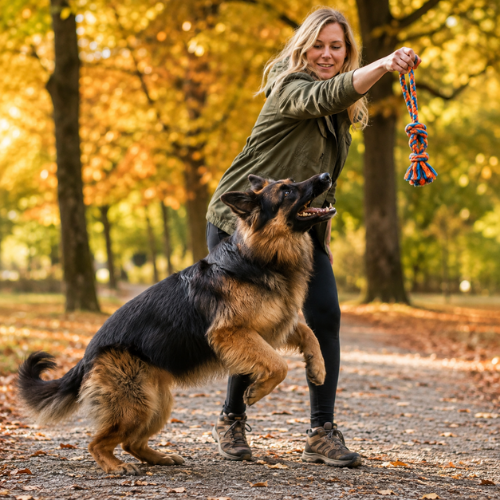
Provide appropriate toys, manage tired periods, and avoid turning play into a wrestling match that teaches rough behavior.
Common mistake
Punishing normal puppy mouthing often adds confusion instead of teaching what to do.
Teaching Fun Tricks Like Shake Hands
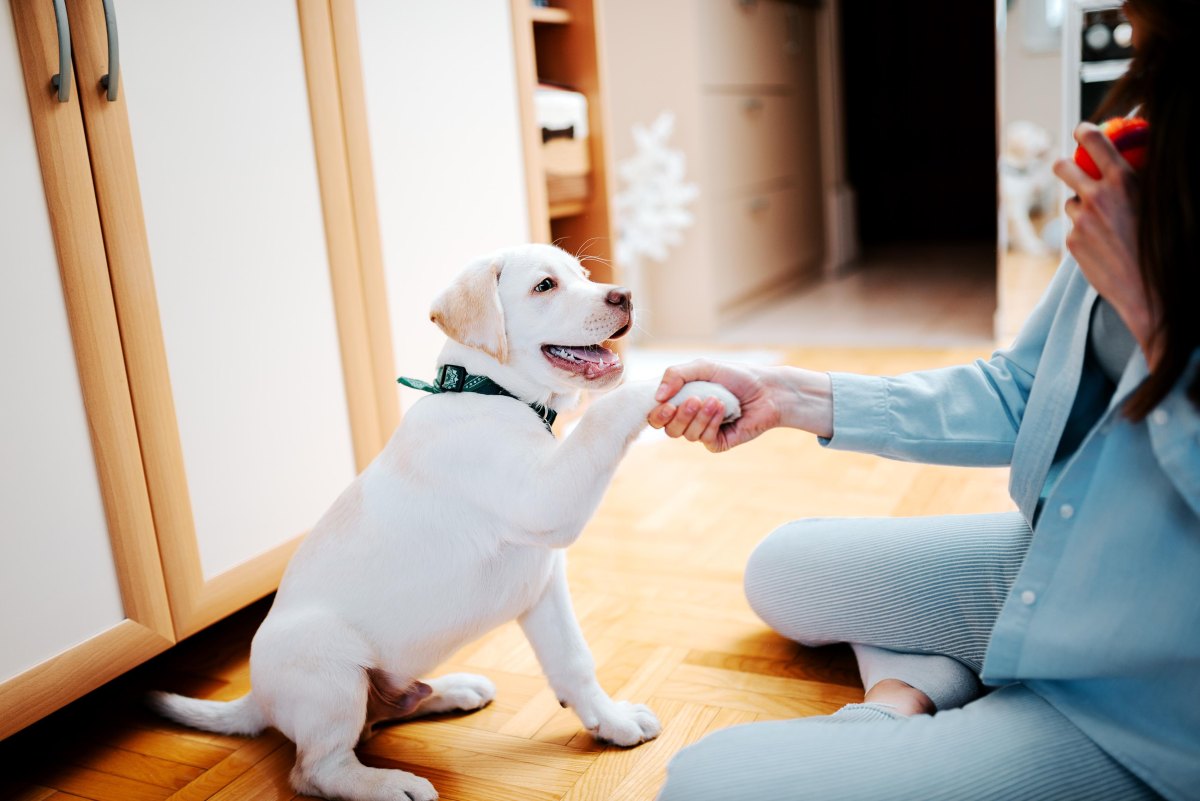
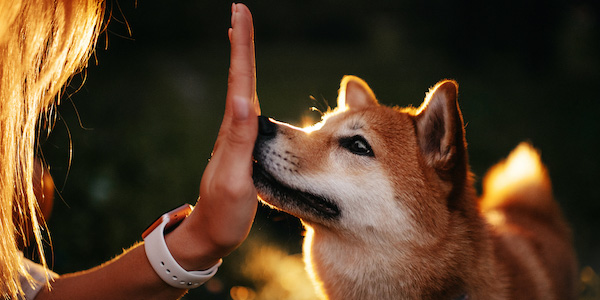
Tricks are not just party games. I use them to build communication and confidence. Shake is a great example of rewarding voluntary movement.
Keep sessions short and playful. A puppy who is having fun usually gives you better learning than a puppy who feels pressured.
Building Focus With Name Recognition Training
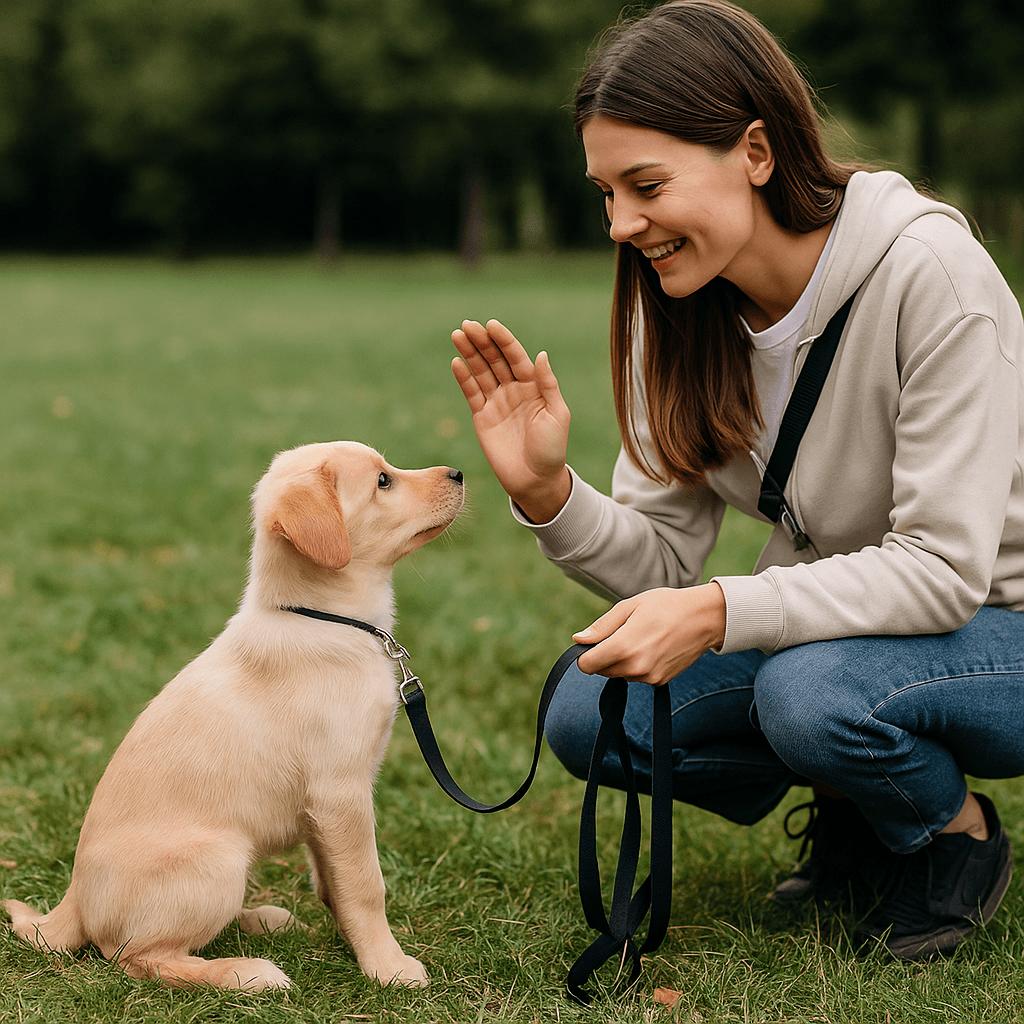
Your puppy's name should not mean "stop what you are doing because fun is over." I build a name response by pairing it with good things and rewarding quick attention toward me.
Practice in boring places first. Distractions come later, after your puppy understands the game.
Socializing Your Puppy With New Experiences
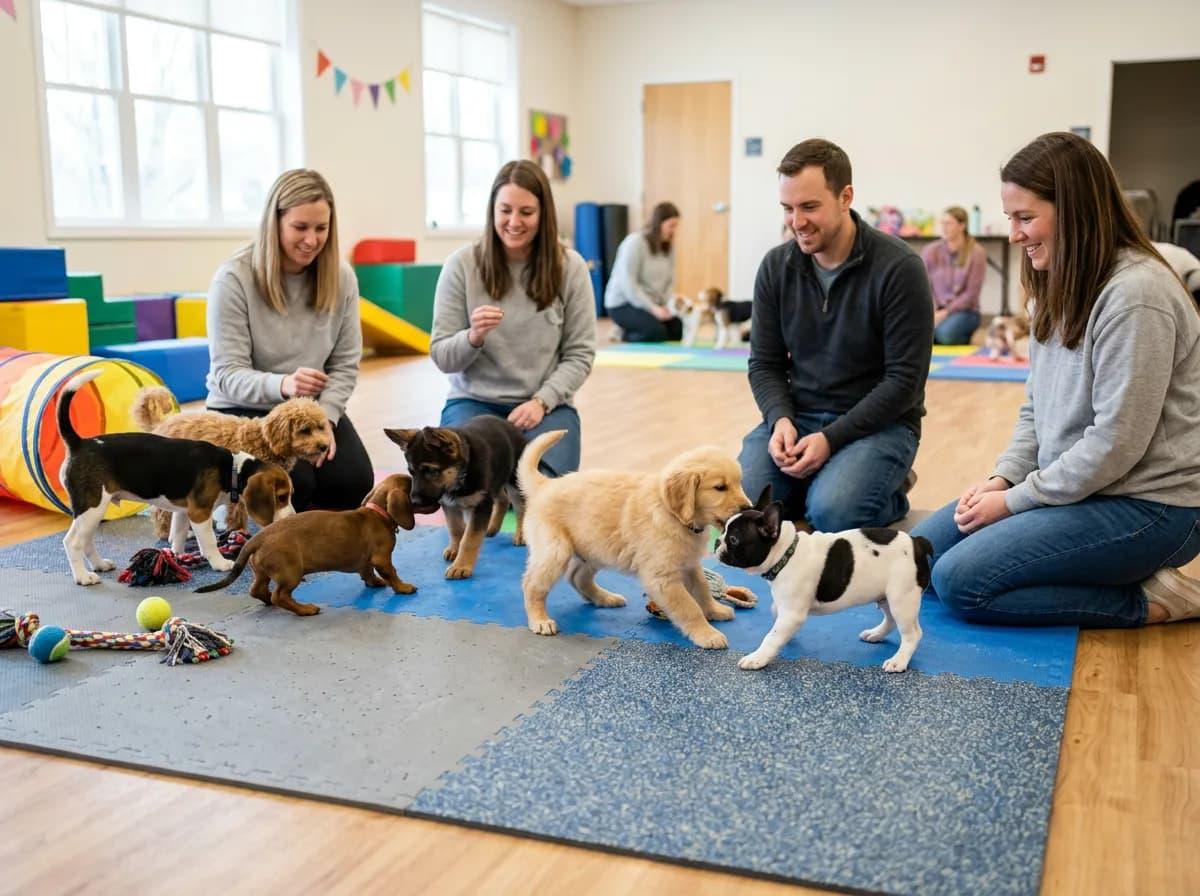
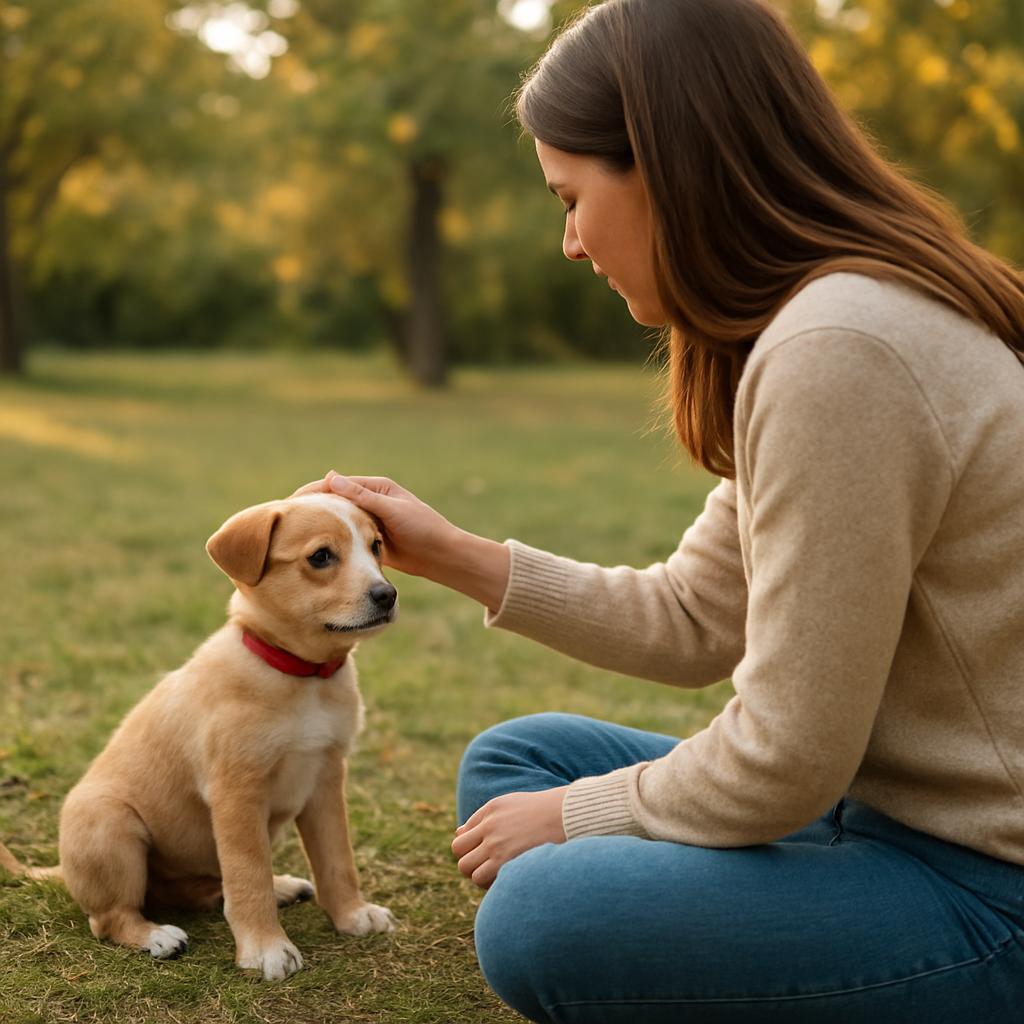
Socialization is not forcing a puppy to meet everything. I look for calm positive exposure where the puppy can observe, eat treats, and feel safe.
Watch for tucked tails, lip licking, freezing, or turning away. Those are conversations your puppy is having with you.
Creating a Daily Puppy Training Routine
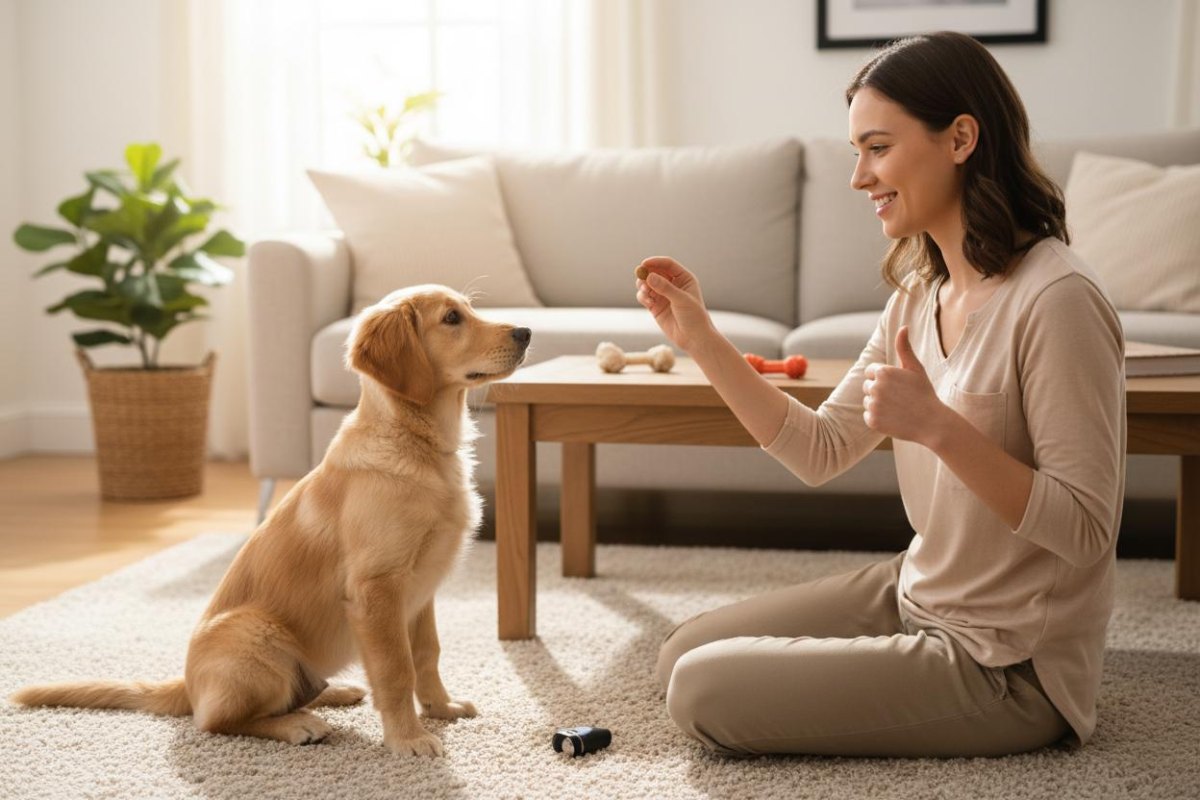
The best routine is the one you can actually repeat. I prefer several tiny training moments throughout the day instead of one exhausting session.
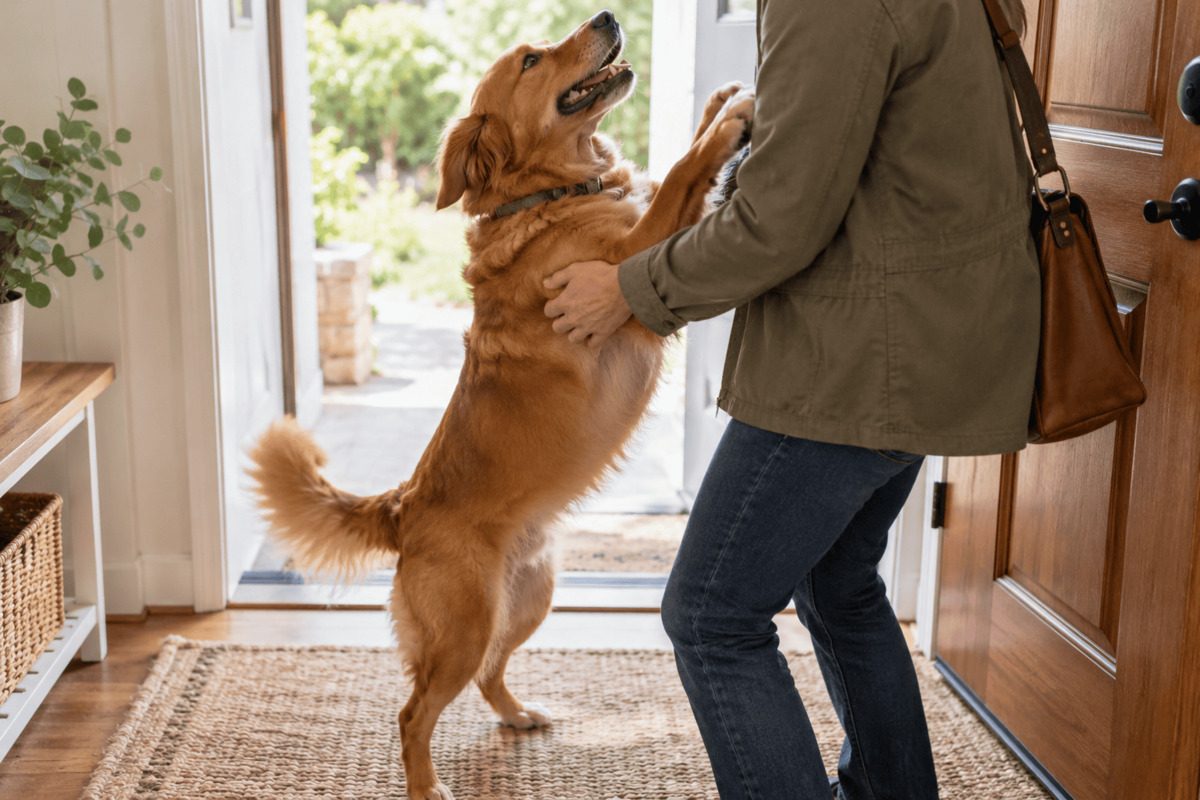
My clients often make progress when they combine training with normal life: waiting at doors, settling after walks, and practicing calm everyday habits.
- Morning: Potty break and simple cues.
- Afternoon: Short focus games.
- Evening: Calm settling practice.
More Pinterest Visuals