Teaching a puppy tricks is less about creating a little circus performer and more about building communication on an ordinary Tuesday afternoon. I use short, reward-based sessions because puppies learn best when they feel safe and successful. Current veterinary behavior guidance supports reward-based training and discourages aversive methods.
Quick summary
- Start with simple behaviors your puppy can repeat successfully.
- Keep sessions short and end before your puppy loses focus.
- Progress comes over weeks, not overnight.
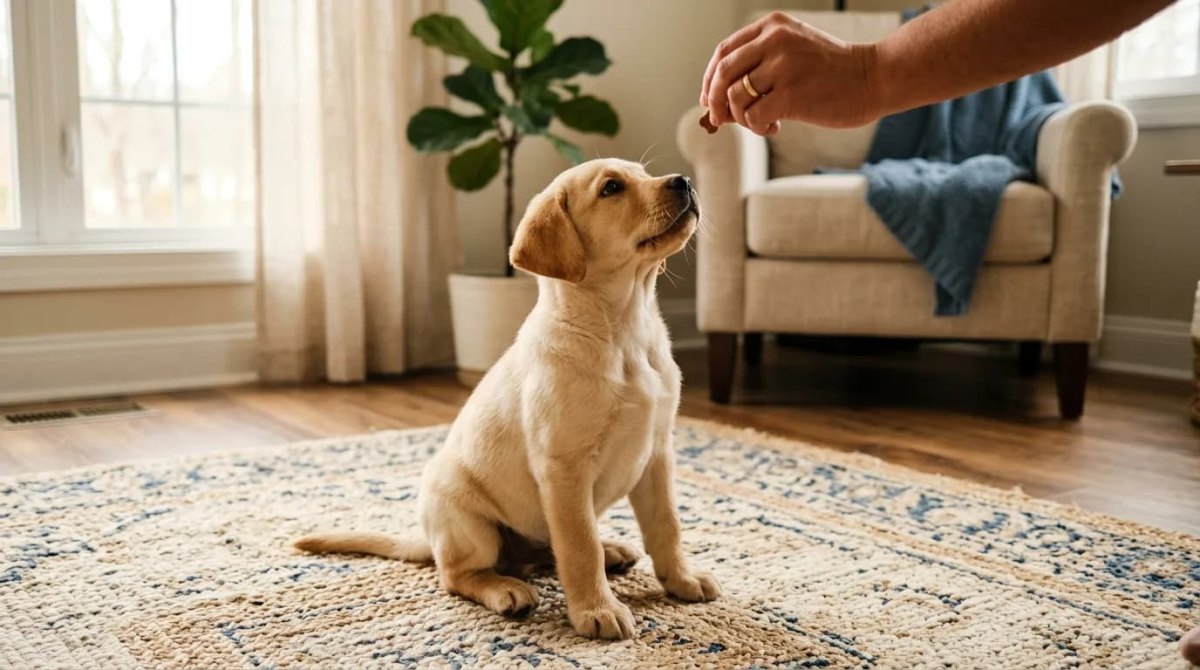
Teaching Your Puppy to Sit on Command
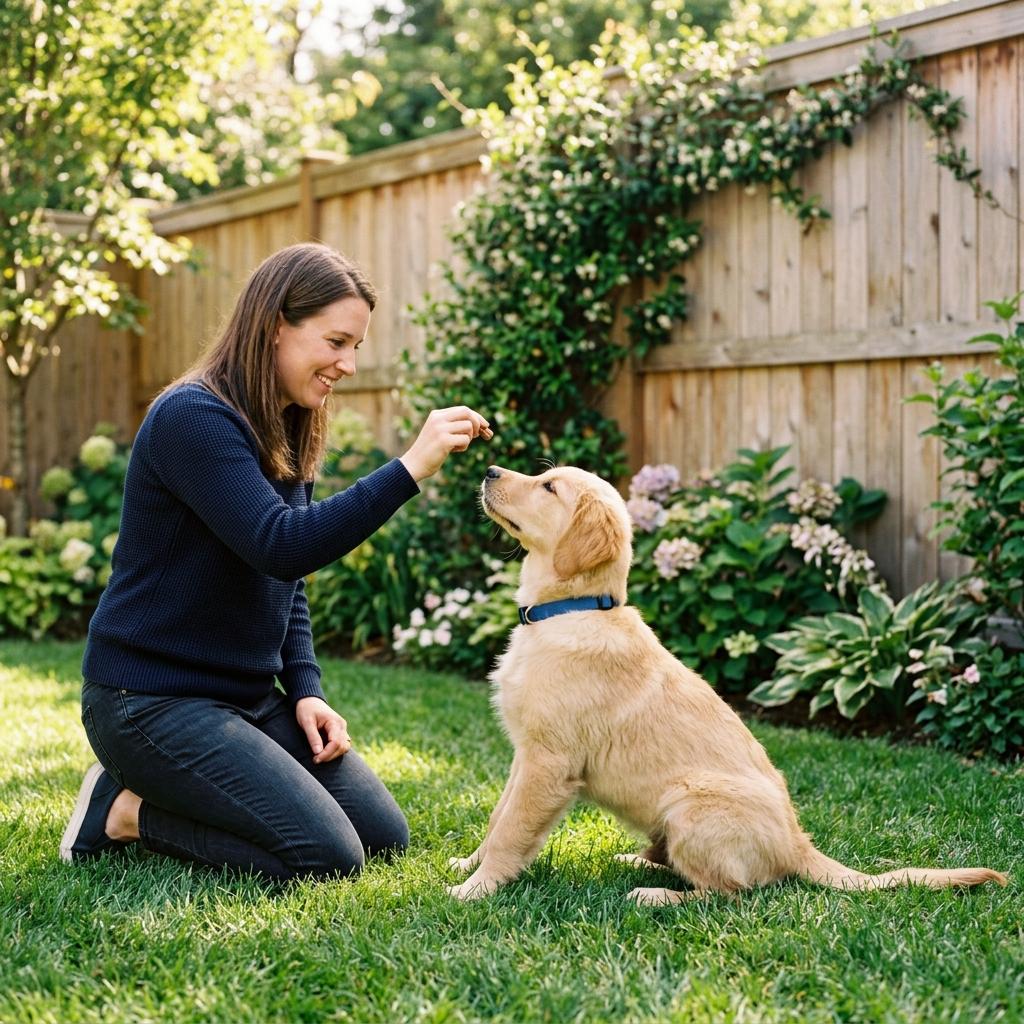
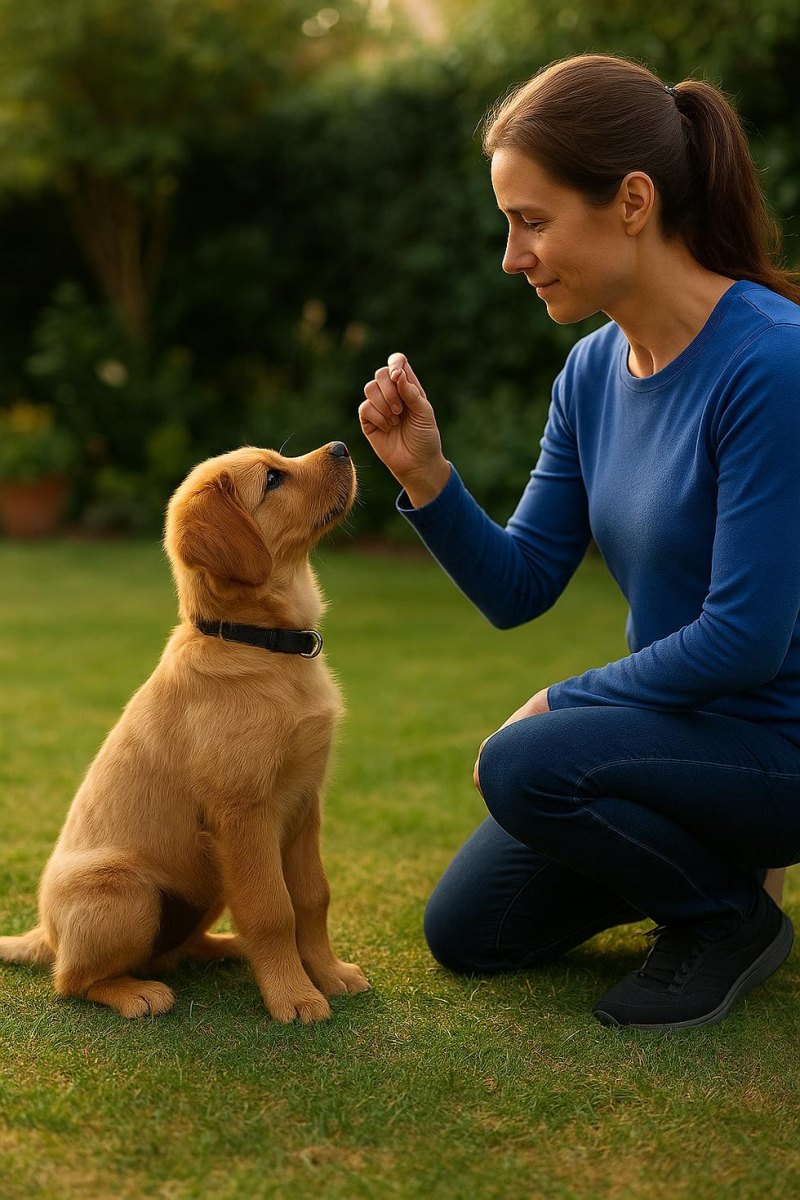
I begin with sit because it teaches puppies that calm choices pay off. The first training step is holding a treat near the nose and rewarding the moment their bottom touches the floor.
Helping Your Puppy Master the Stay Trick
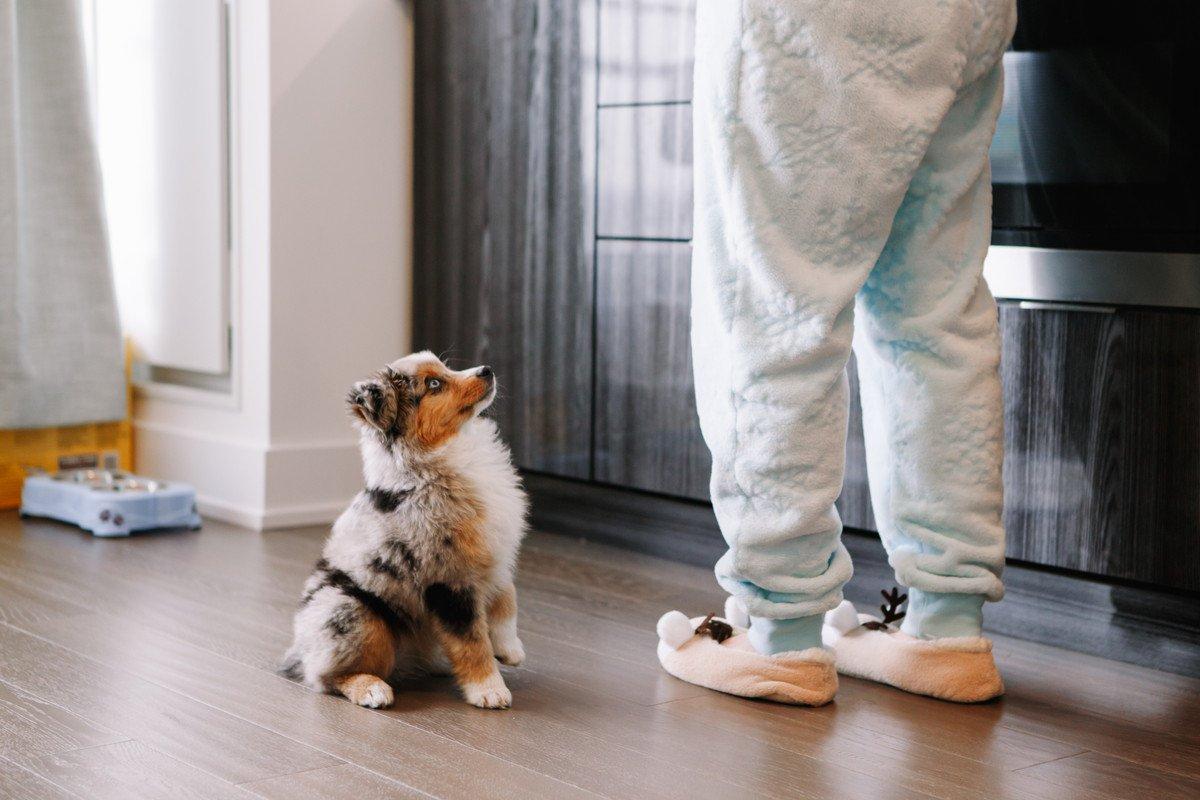
Stay is built in tiny pieces, not by expecting a puppy to freeze for minutes. I reward small moments of patience and slowly add distance.
Training Your Puppy to Come When Called
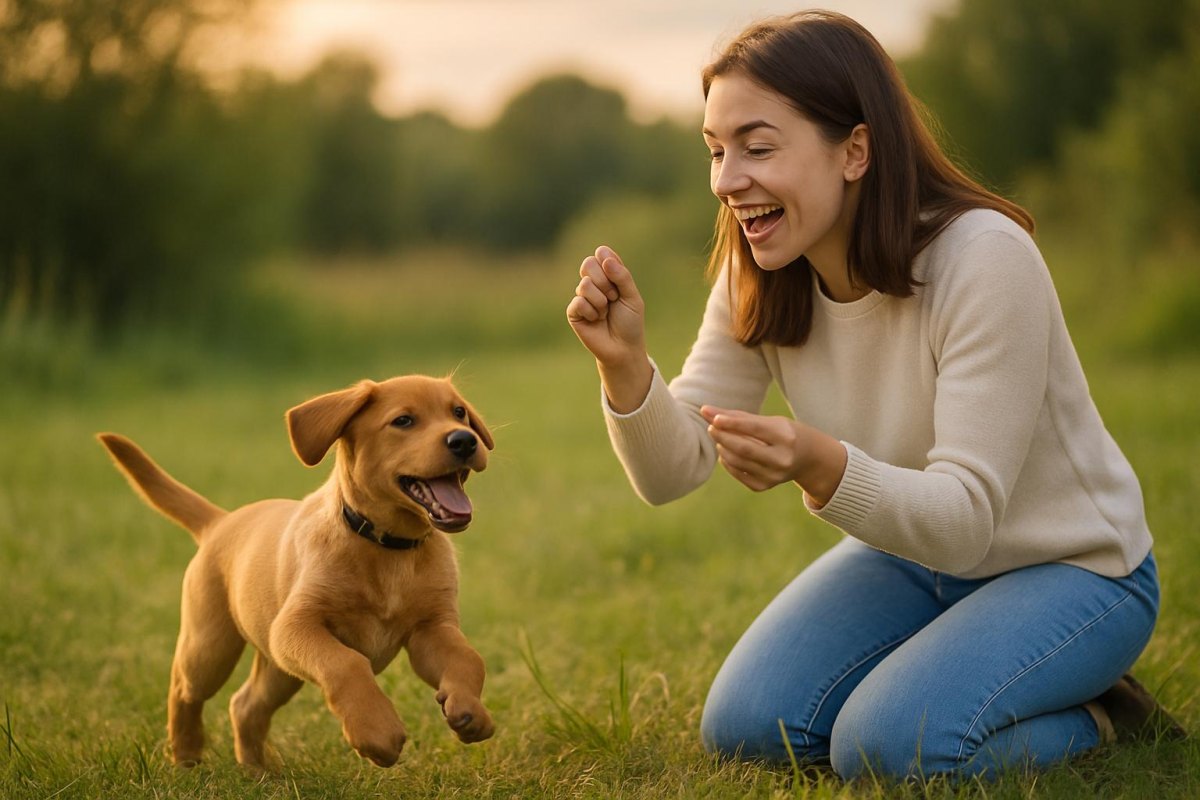
A recall should feel like winning the puppy lottery. I protect this cue by making coming to me rewarding and avoiding calling only for unpleasant things.
Teaching the Down Trick Step by Step
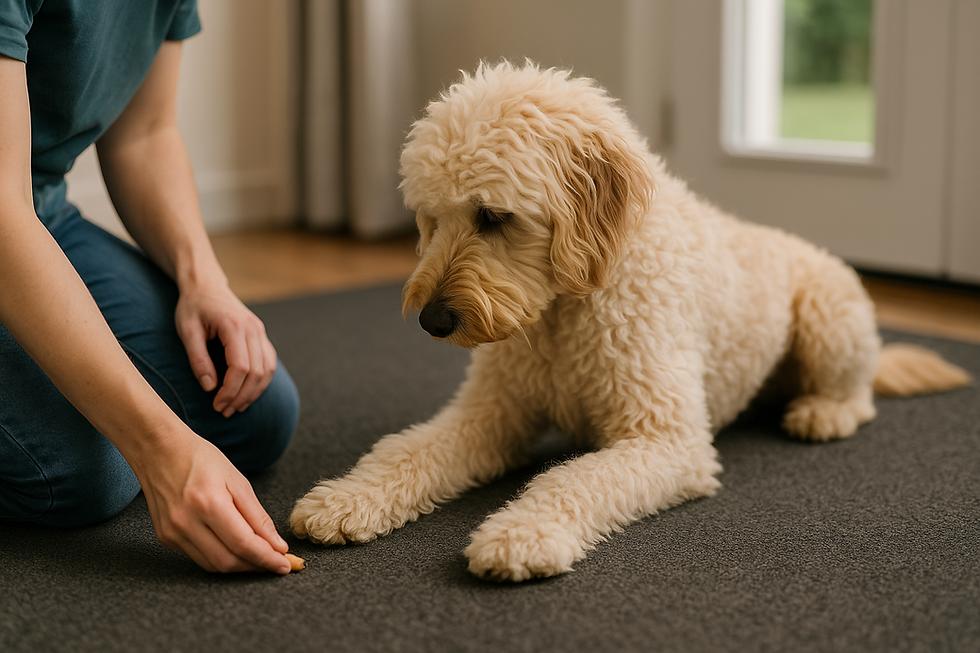
Down works best when the puppy is relaxed. I look for soft body language, including loose ears and easy breathing, before practicing.
Showing Your Puppy How to Shake Paws
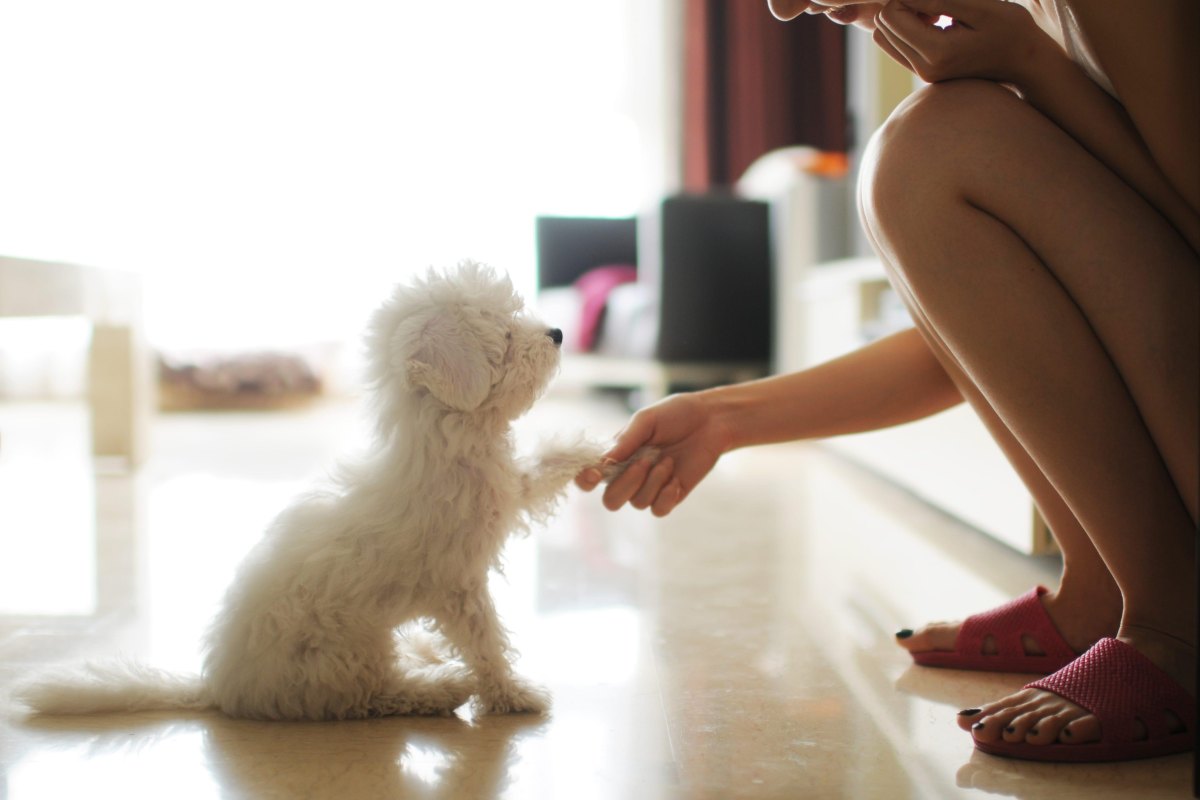
Shake is a fun trick once basic cooperation is established. I reward the natural paw movement rather than forcing the foot.
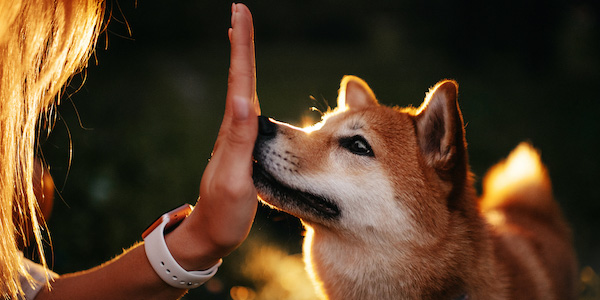
Training Your Puppy to High Five
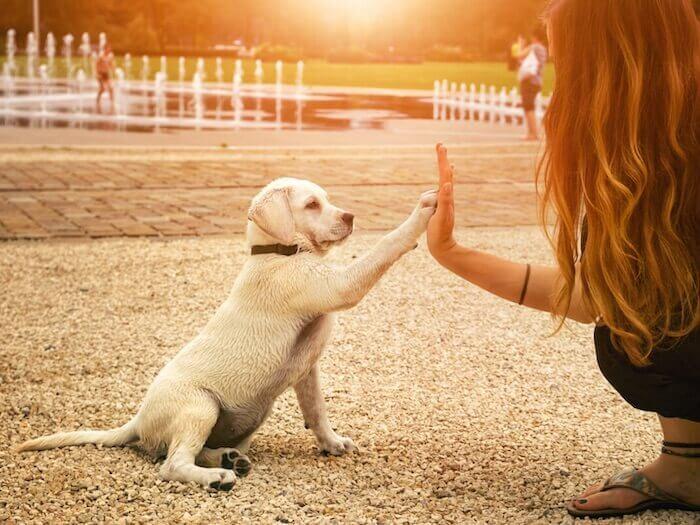
High five is simply a playful variation of paw targeting. I keep the game brief because confidence grows through success.
Teaching Your Puppy to Spin in a Circle
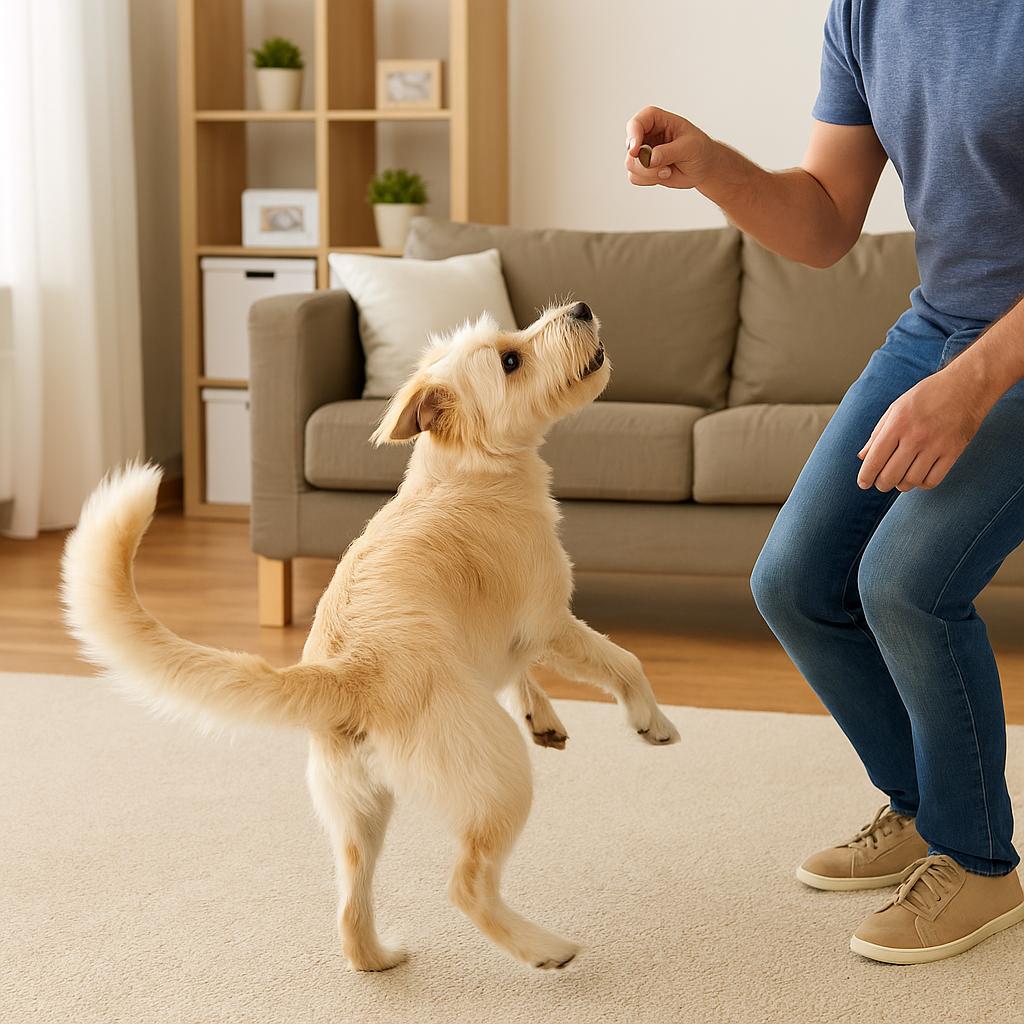
Spin uses a lure that guides the puppy safely. I fade the treat motion slowly so the hand signal becomes clear.
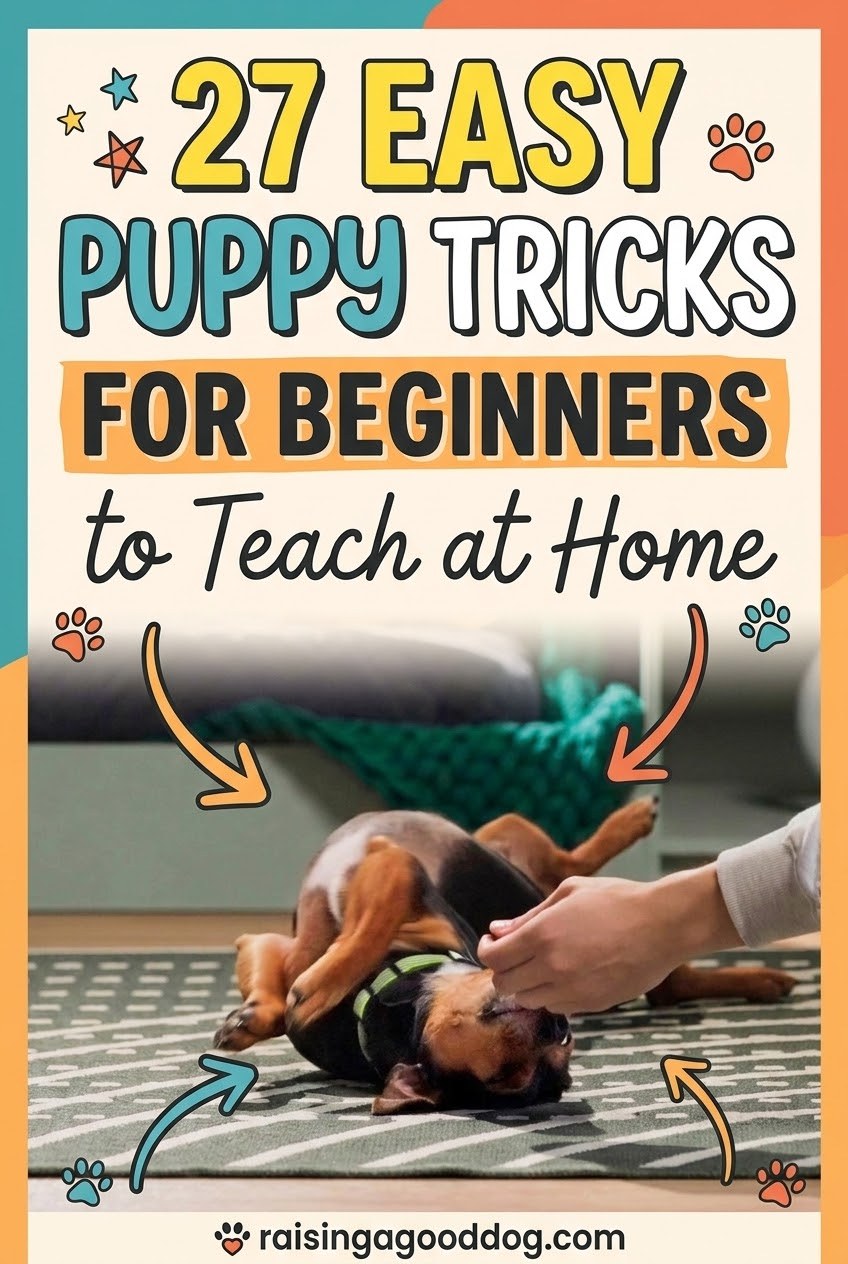
Introducing the Roll Over Trick Safely
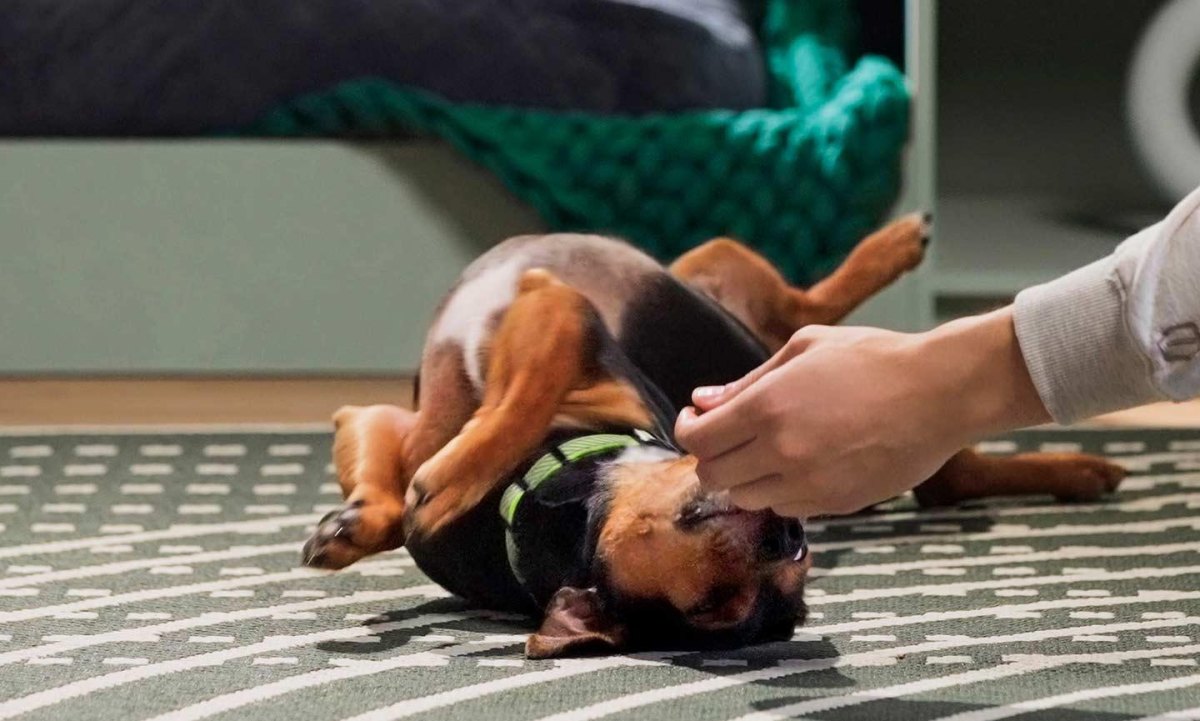
Roll over requires trust and comfort with handling. I never push a puppy physically and instead build voluntary movement step by step.
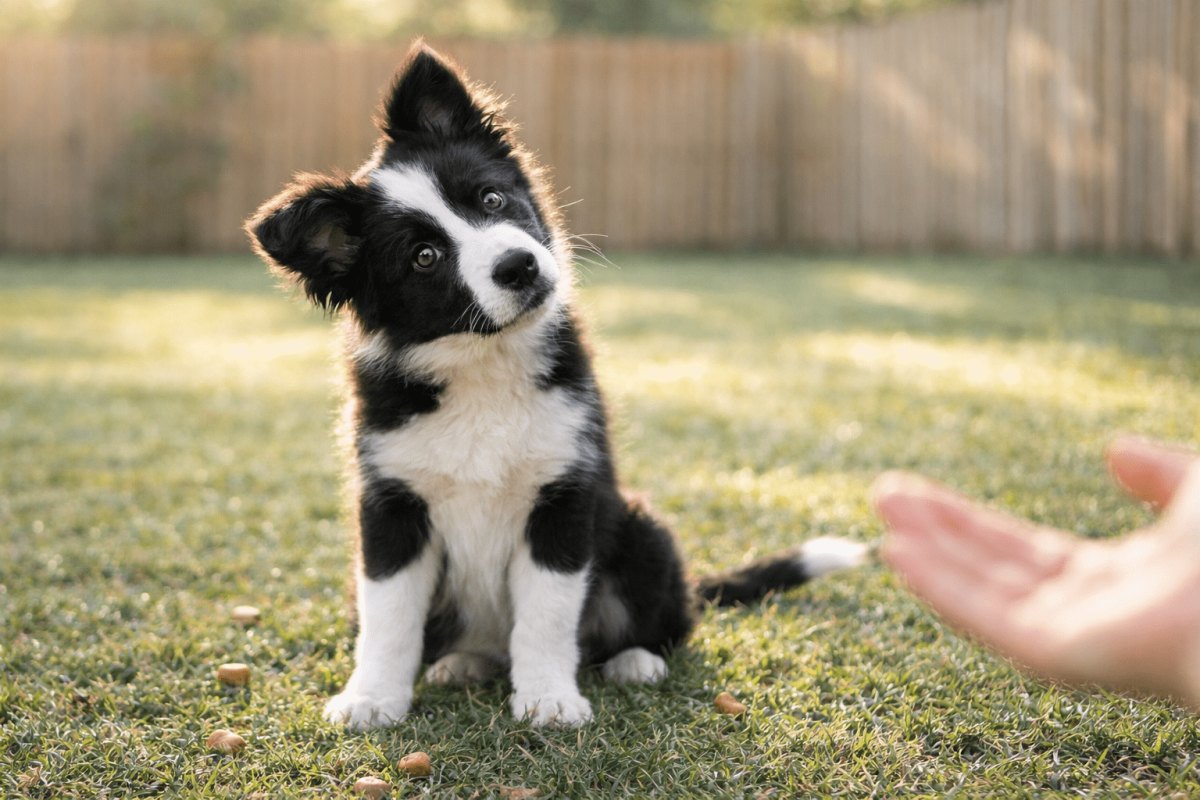
Teaching Your Puppy to Touch Your Hand
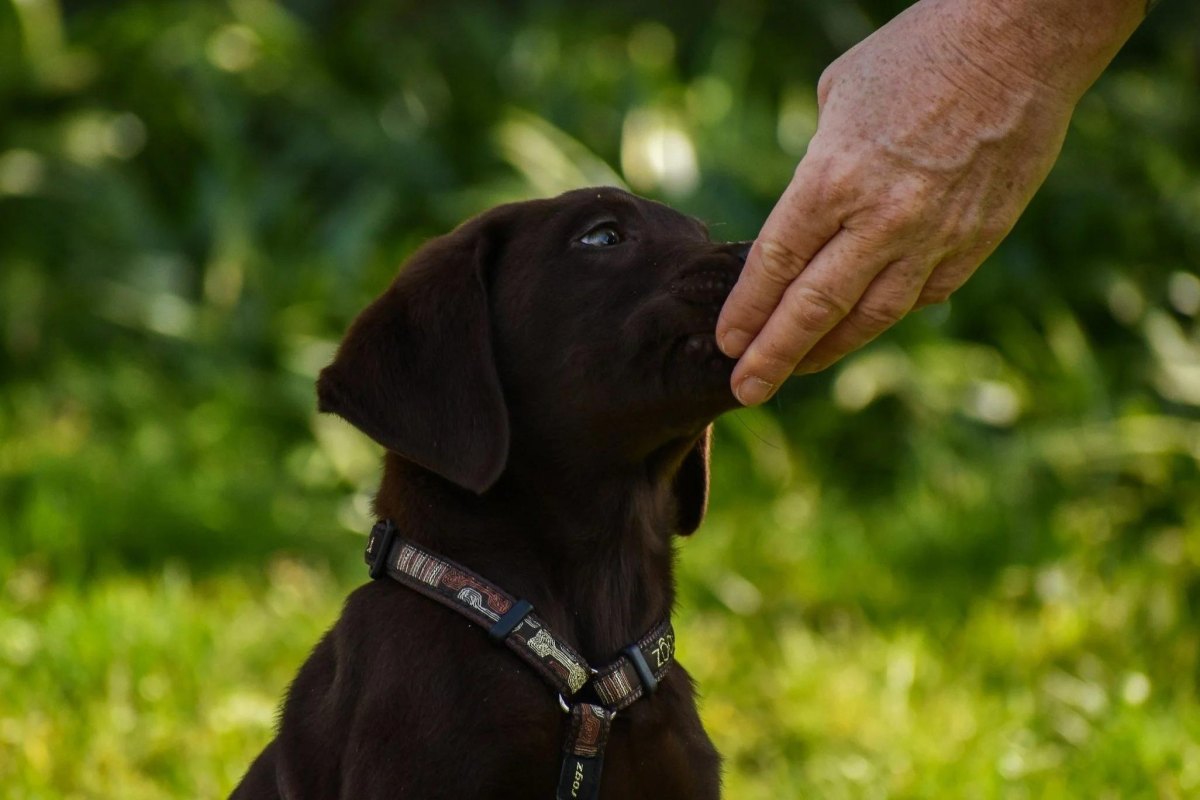
Hand targeting is one of my favorite beginner skills. It creates a useful communication tool for future training.
Training Your Puppy to Follow a Target Stick
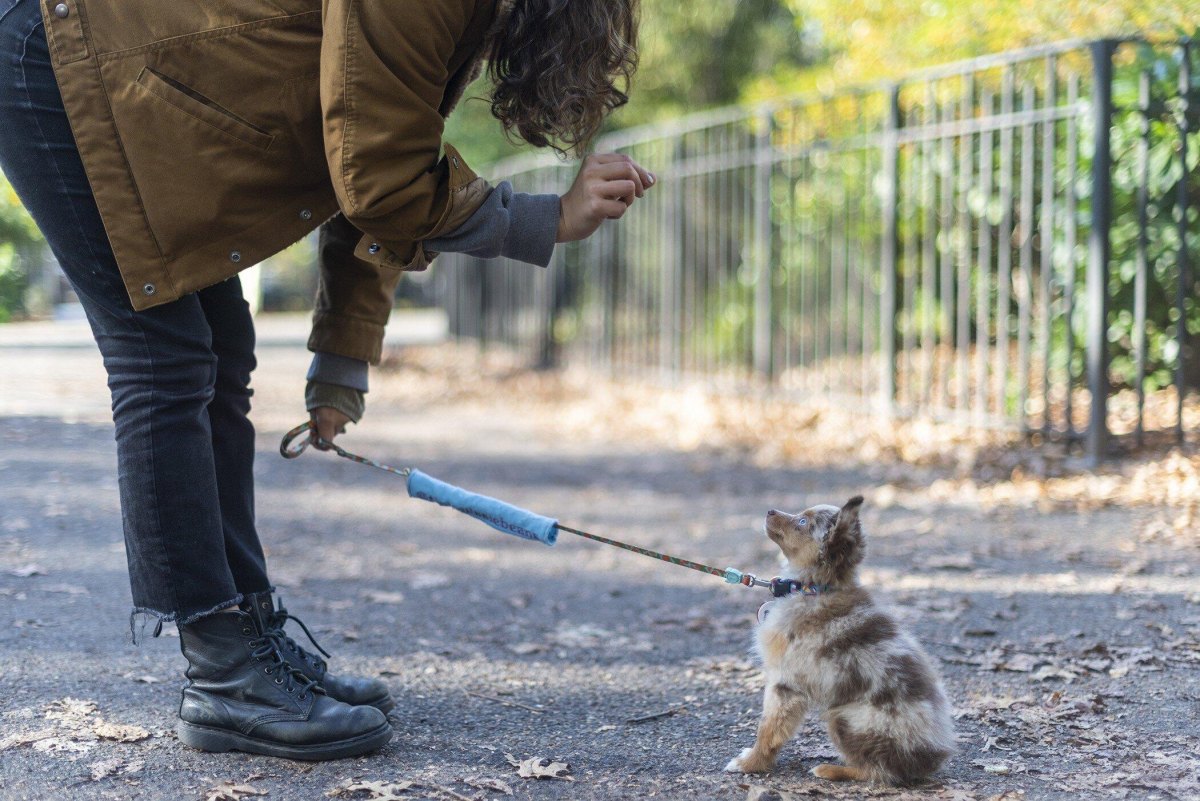
Target work teaches puppies how to follow guidance without pressure. I reward curious problem solving during each session.
Teaching Your Puppy to Wait for Food
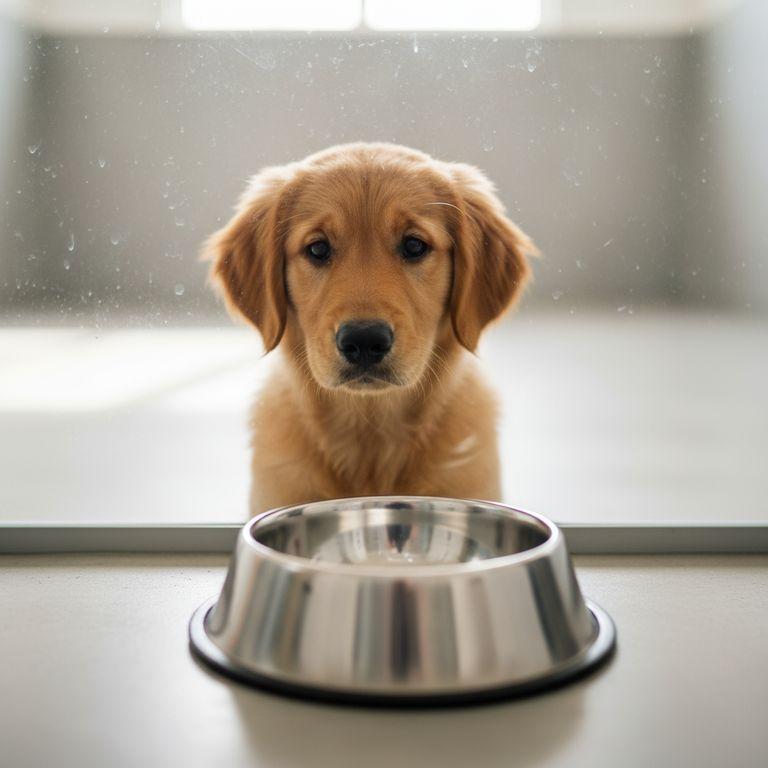
Food manners begin with realistic expectations. I teach impulse control slowly because puppies are still developing.
Helping Your Puppy Learn Leave It
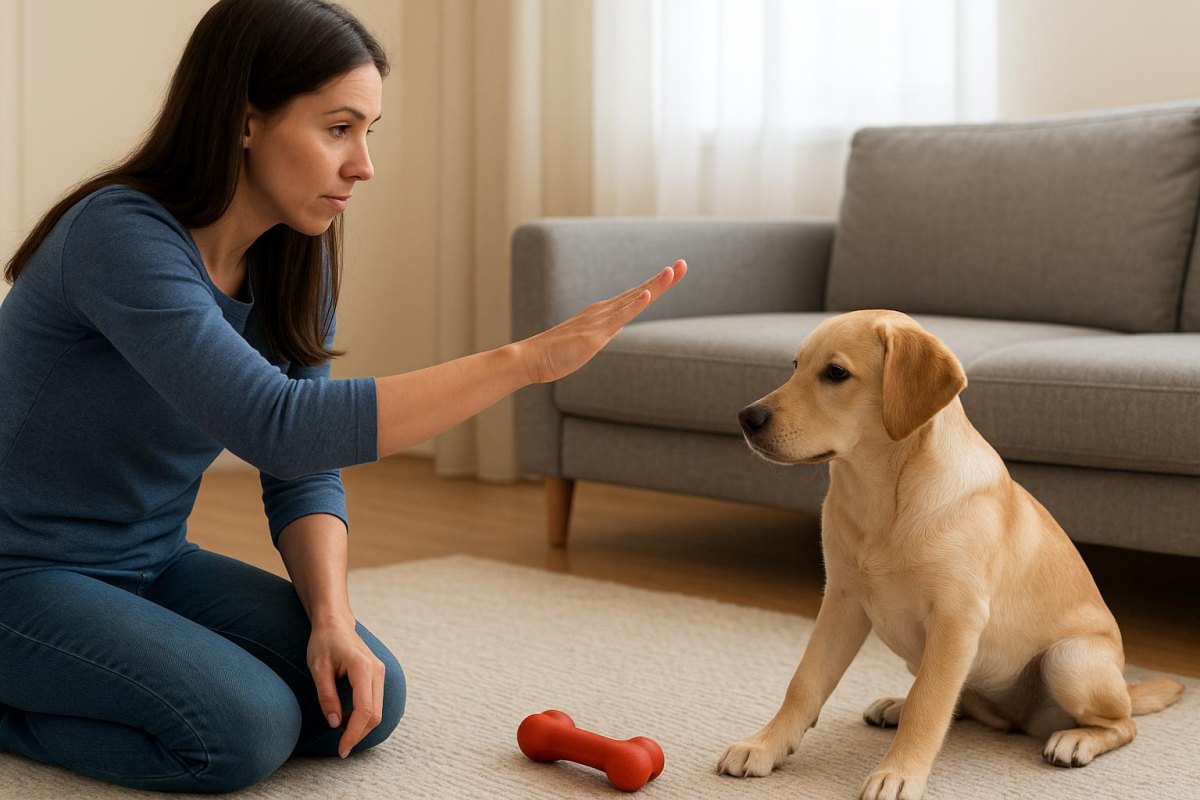
Leave it prevents rehearsing unwanted choices. Management comes first, then I teach choosing something better instead.
Teaching Your Puppy to Drop an Object
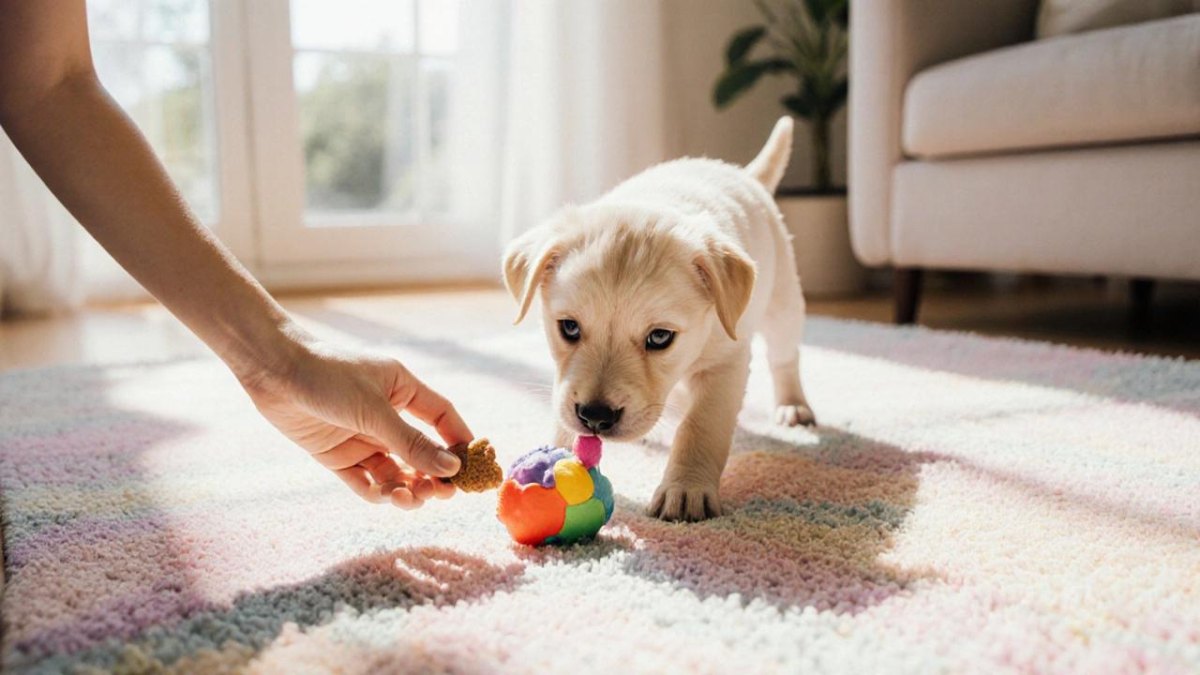
Drop should never become a chase game. I trade calmly and reward letting go willingly of toys.
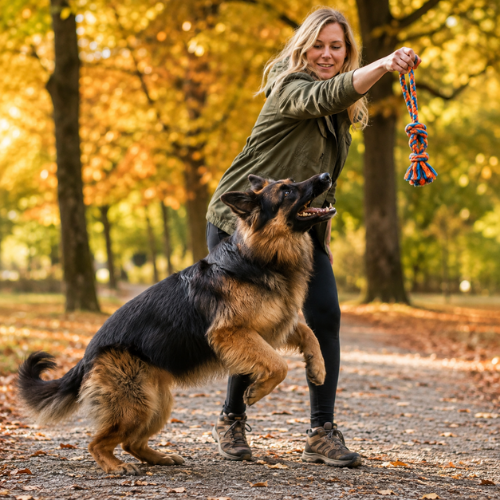
Training Your Puppy to Fetch a Toy
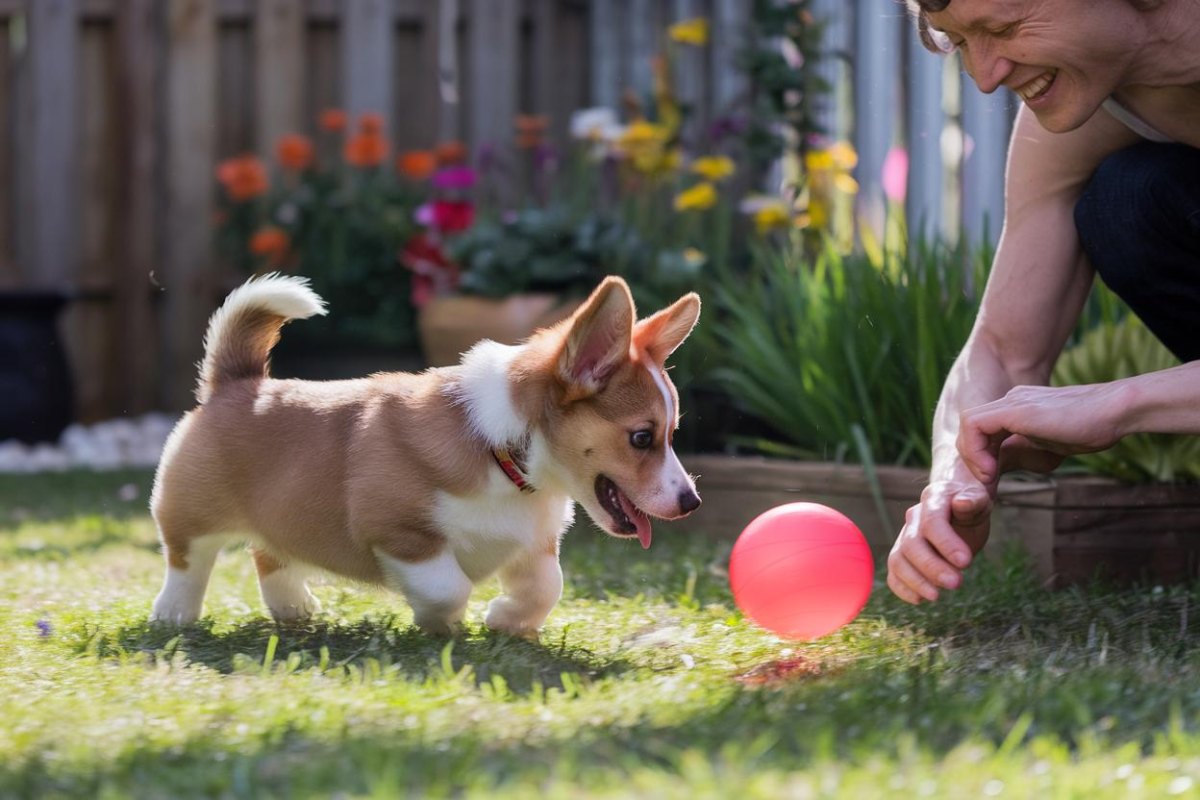
Fetch is a chain of small behaviors. I teach returning the toy before expecting a perfect game.
Teaching Your Puppy to Bring Items Back
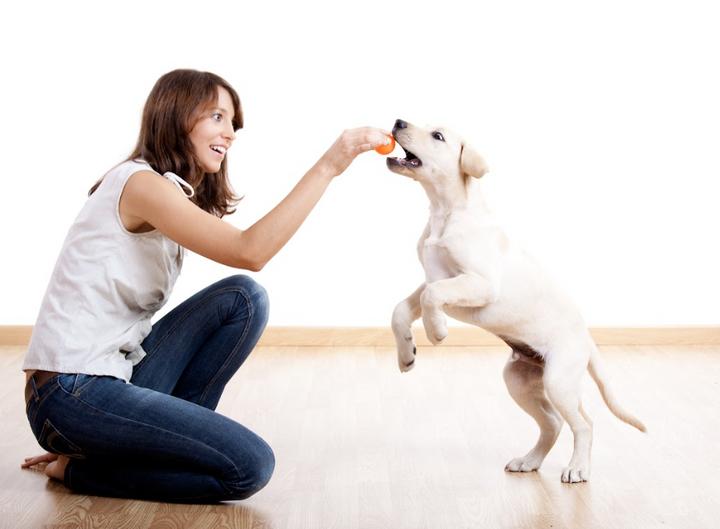
Bringing items back builds cooperation. I start with easy objects and celebrate voluntary returns.
Teaching Your Puppy to Walk Between Your Legs
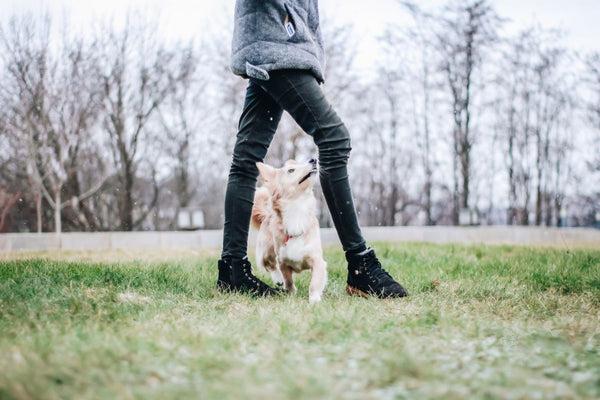
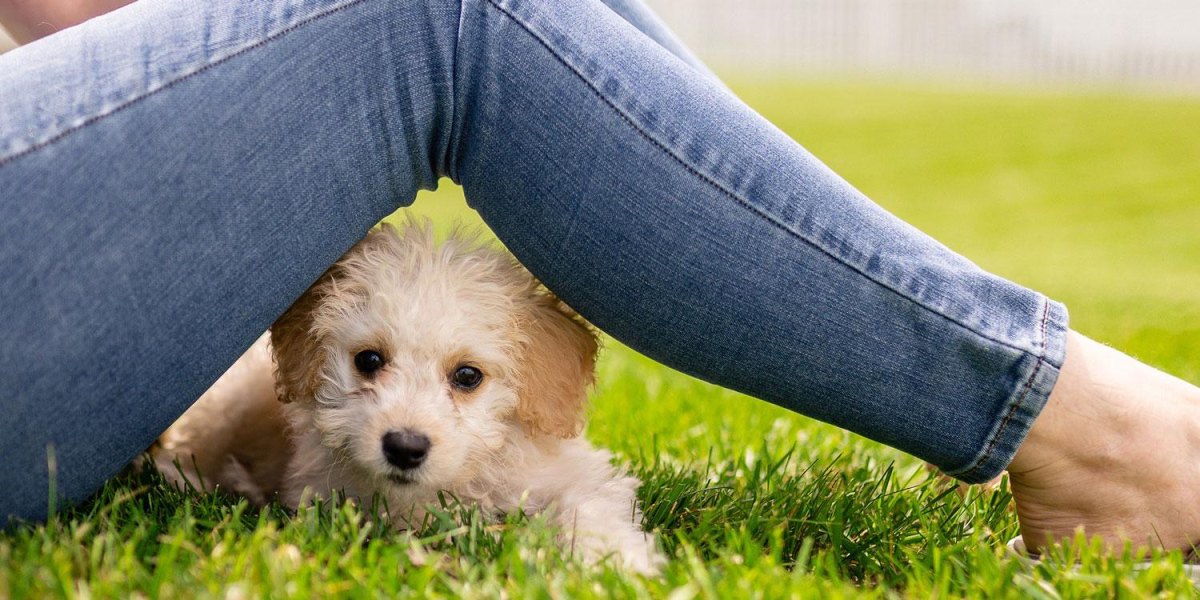
This trick improves body awareness. I reward careful movement and avoid rushing a puppy through tight spaces.
Training Your Puppy to Bow Politely
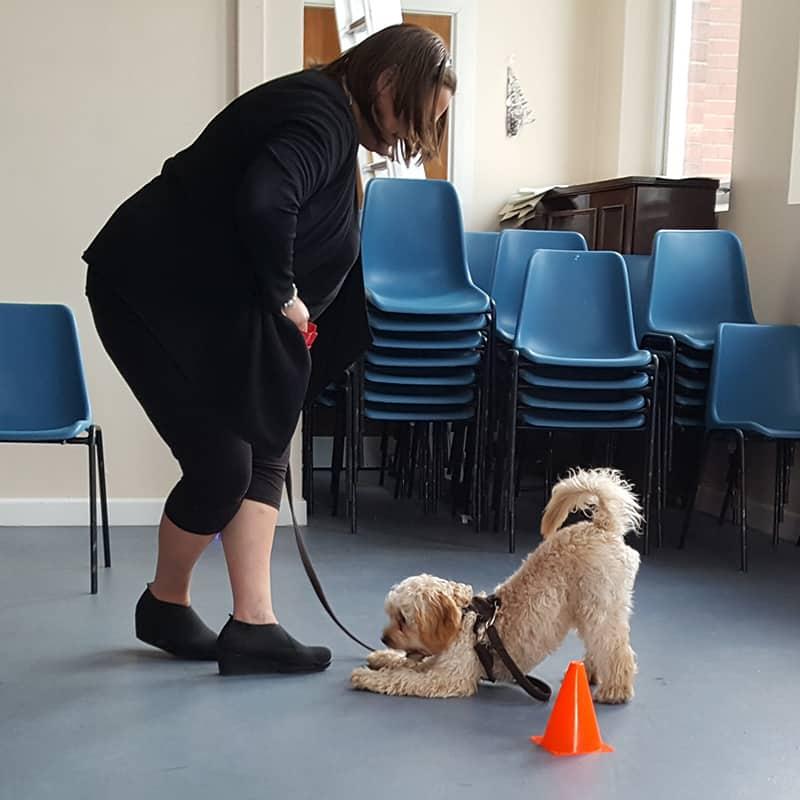
A bow is a charming trick that uses natural stretching behavior. I capture playful body positions when they happen.
Teaching Your Puppy to Speak on Cue
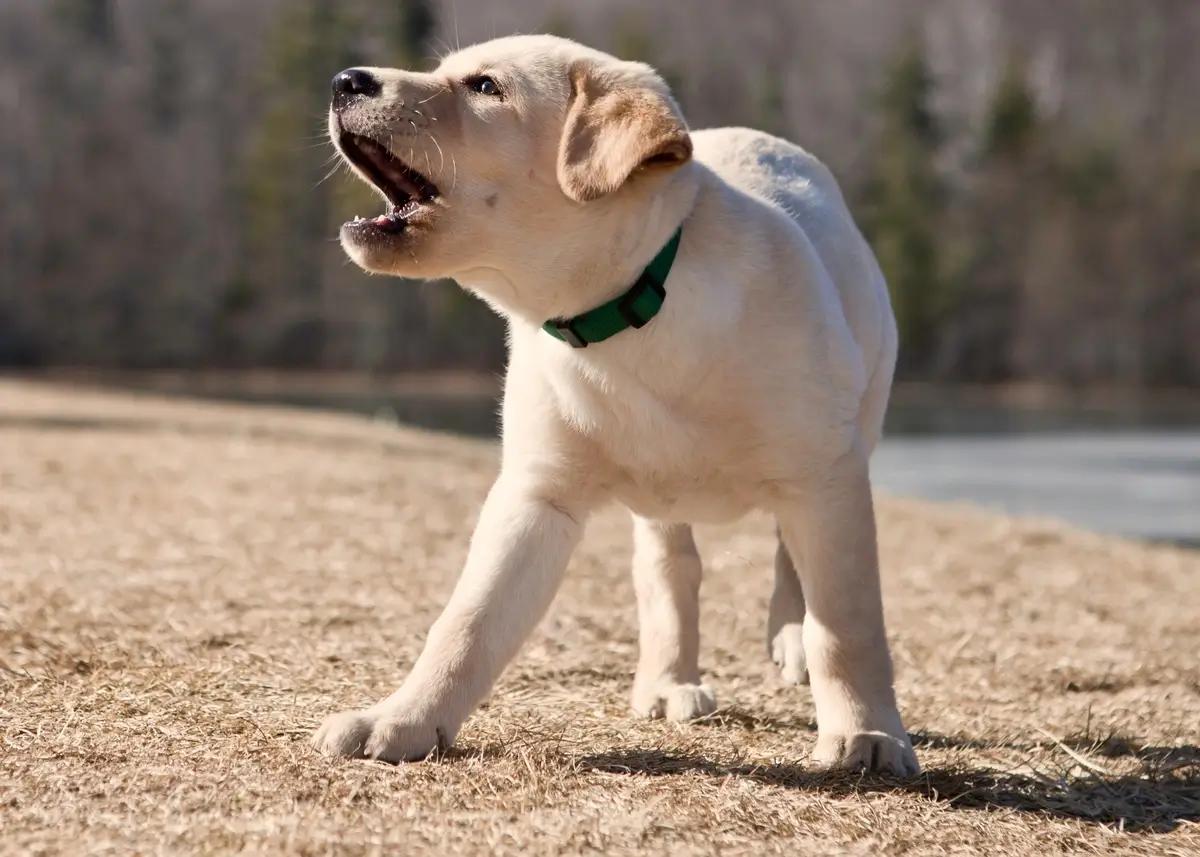
Before adding a speak cue, I consider whether barking is already excessive. The goal is controlled communication, not more noise.
Teaching Your Puppy the Quiet Command
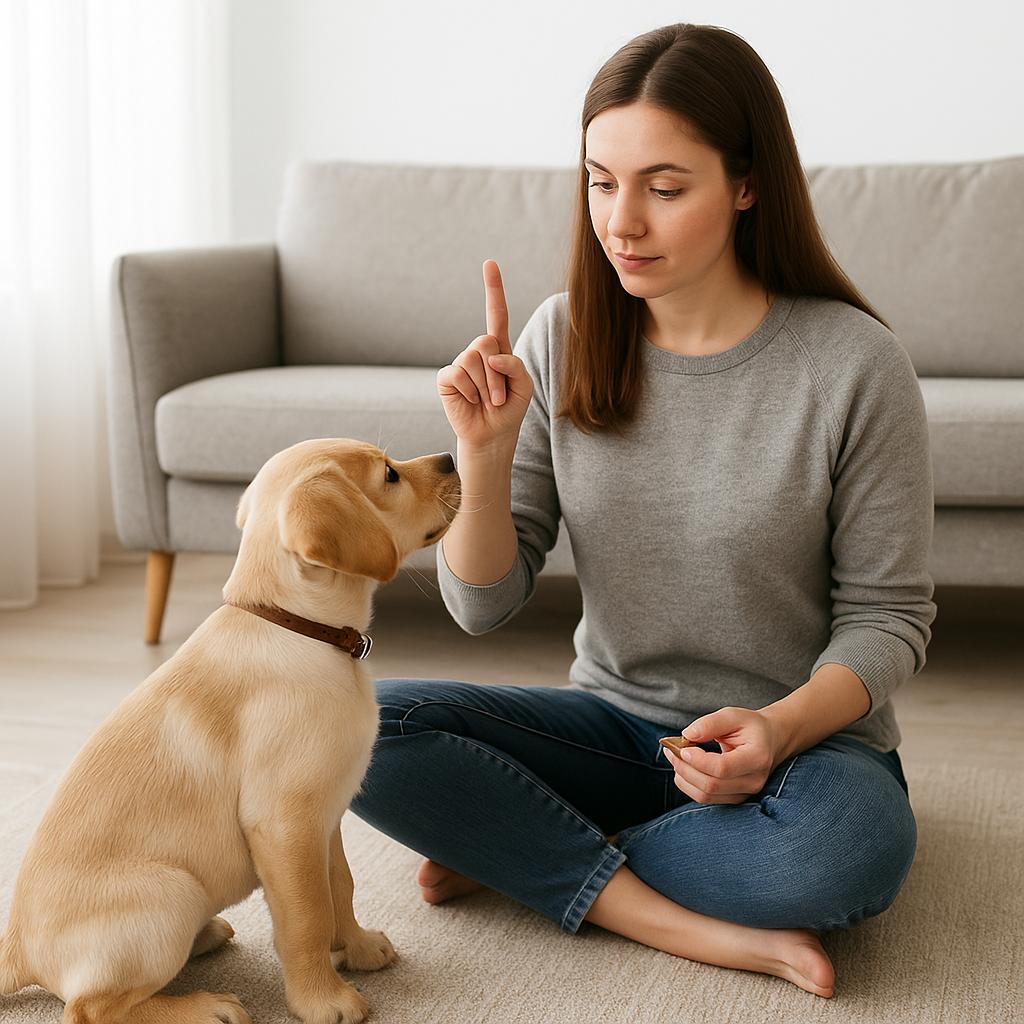
Quiet works best after understanding why barking happens. I reward calm silence instead of punishing vocal behavior.
Training Your Puppy to Find Hidden Treats
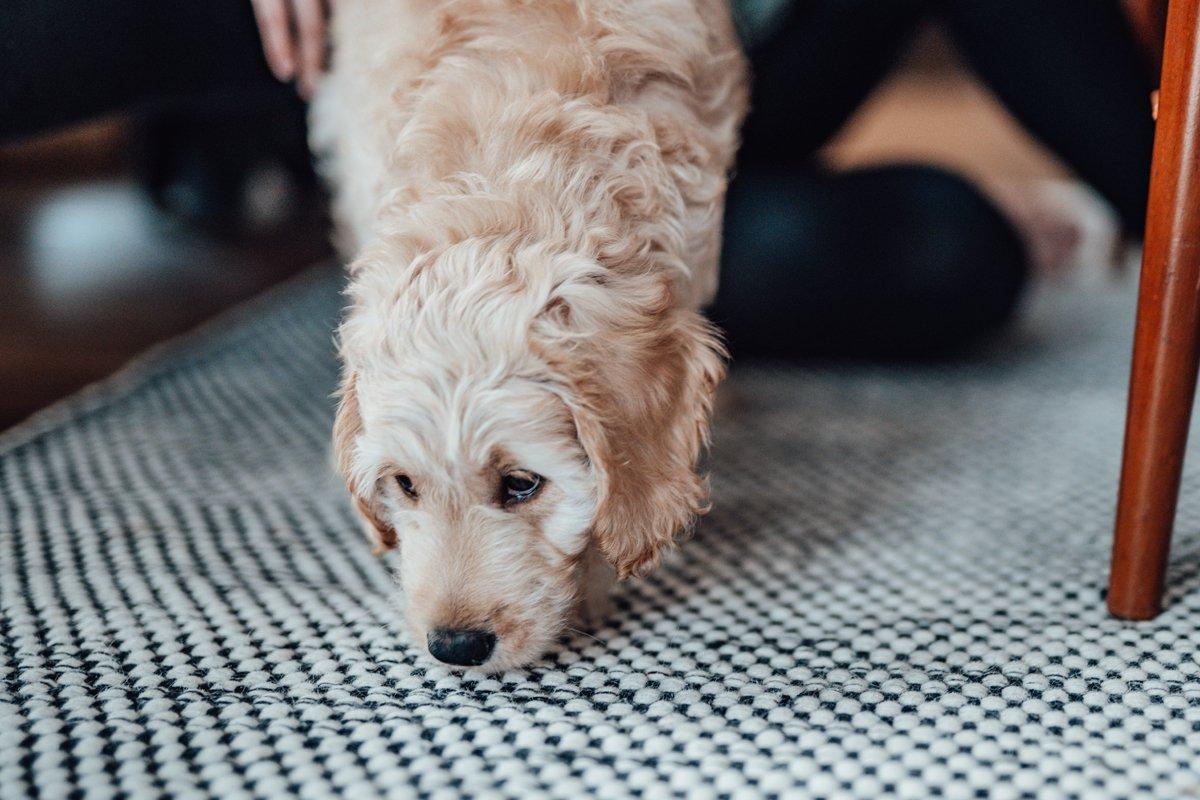
Nose games are excellent beginner activities. They build natural searching skills while tiring a puppy mentally.
Teaching Your Puppy Simple Puzzle Tricks
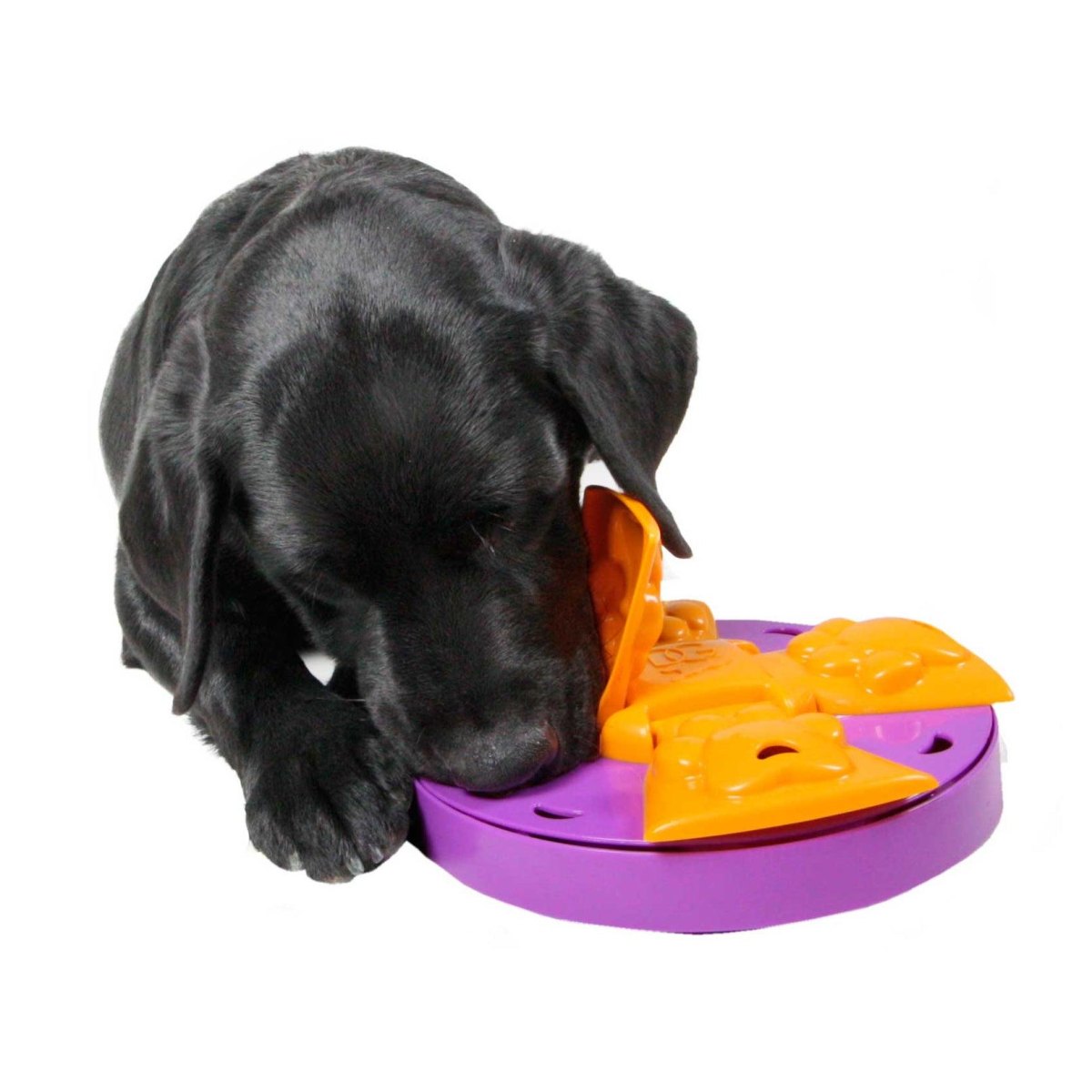
Puzzle tricks encourage thinking rather than guessing. I choose activities that support safe enrichment and confidence.
Training Your Puppy to Balance a Treat
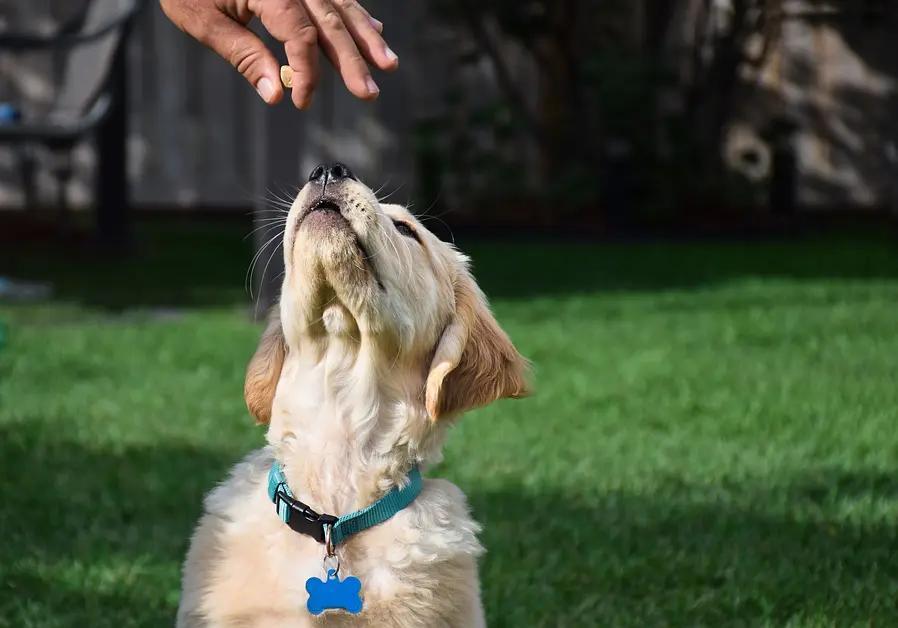
This trick requires patience and comfort with stillness. I reward tiny improvements instead of expecting perfection.
Teaching Your Puppy to Clean Up Toys
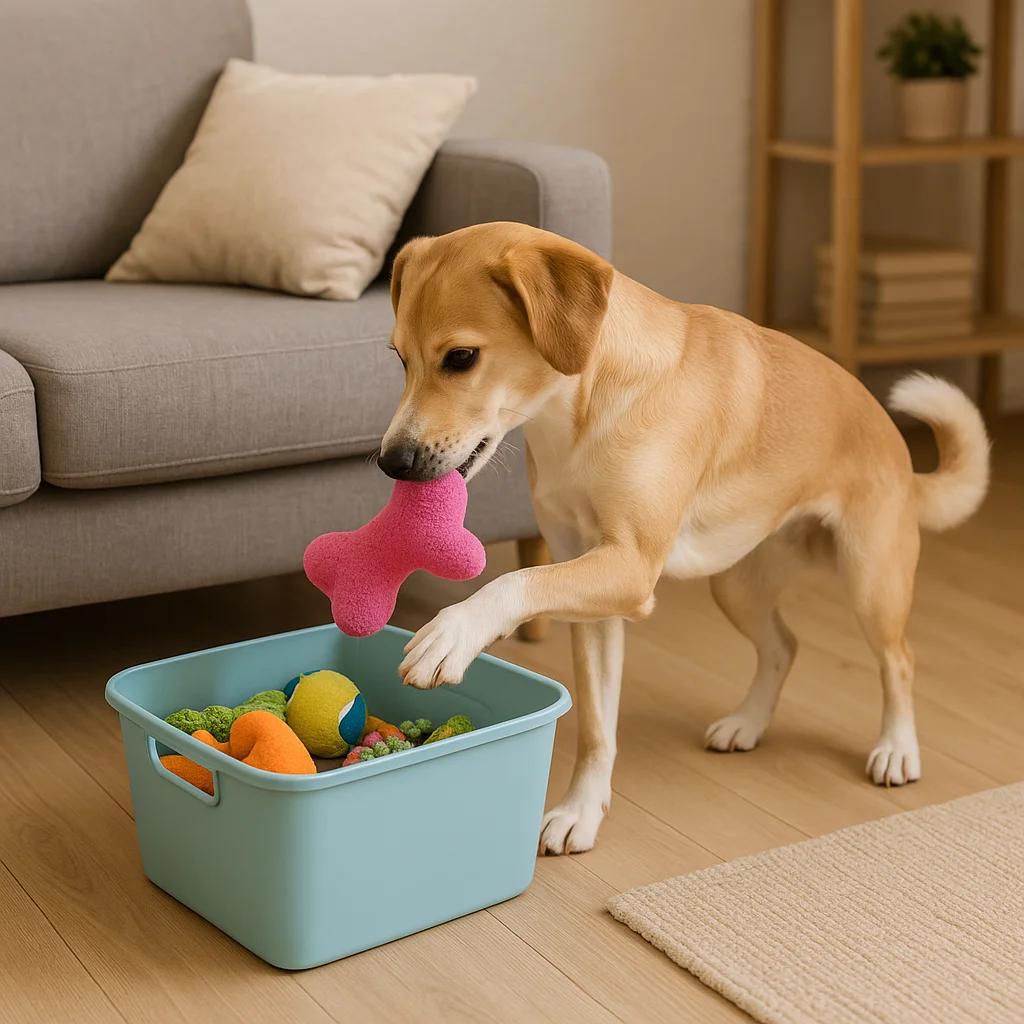
Cleaning up combines fetching and releasing. I break it into pieces so the puppy understands each separate action.
Teaching Your Puppy to Ring a Bell
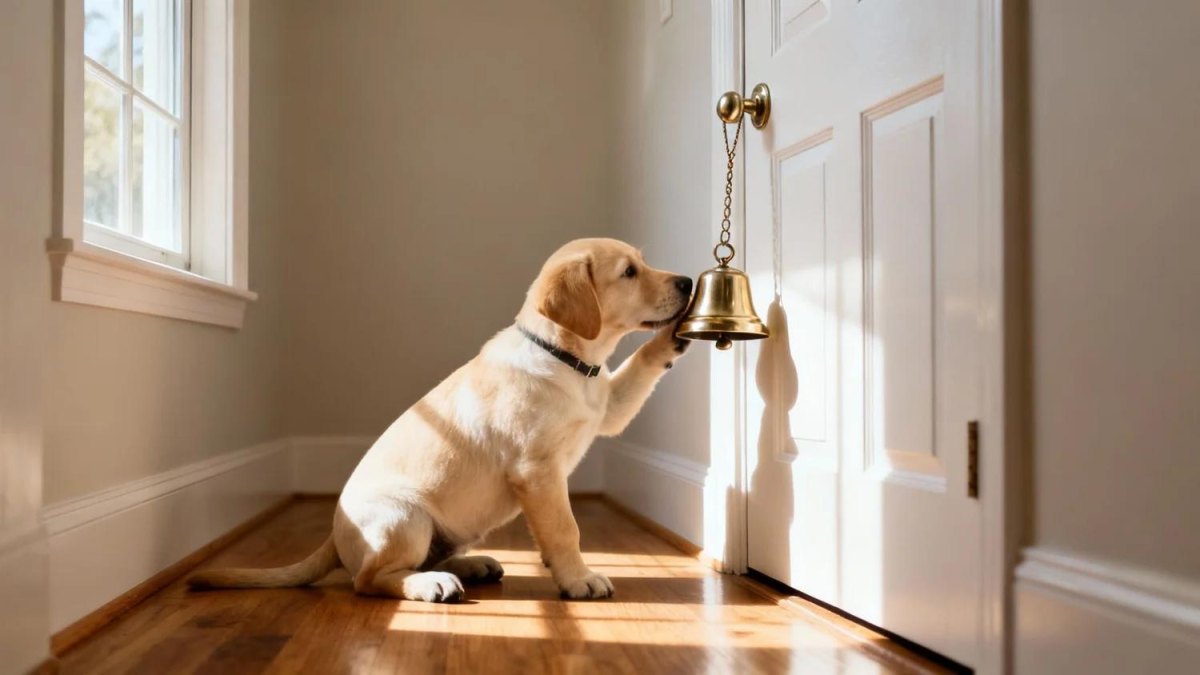
Bell training can be useful when taught carefully. I make sure the puppy understands the bell as a signal, not a noisy toy.
Training Your Puppy to Walk Backward
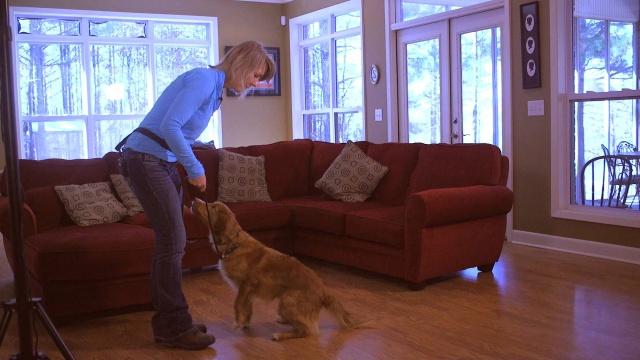
Backward walking is a coordination exercise. I use small spaces and reward controlled steps rather than speed.
Practicing Trick Combinations With Your Puppy
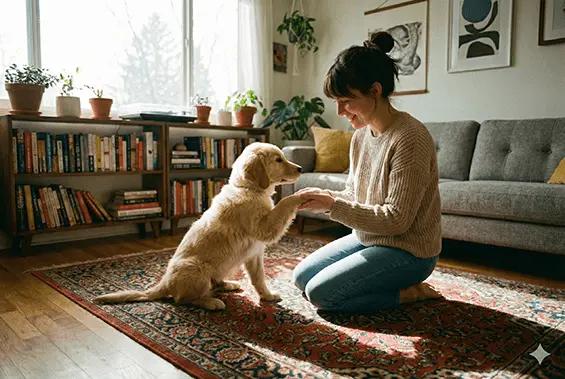
Combining tricks comes after individual skills are reliable. I keep the challenge manageable with clear familiar cues.
Building Confidence With Fun Puppy Trick Training
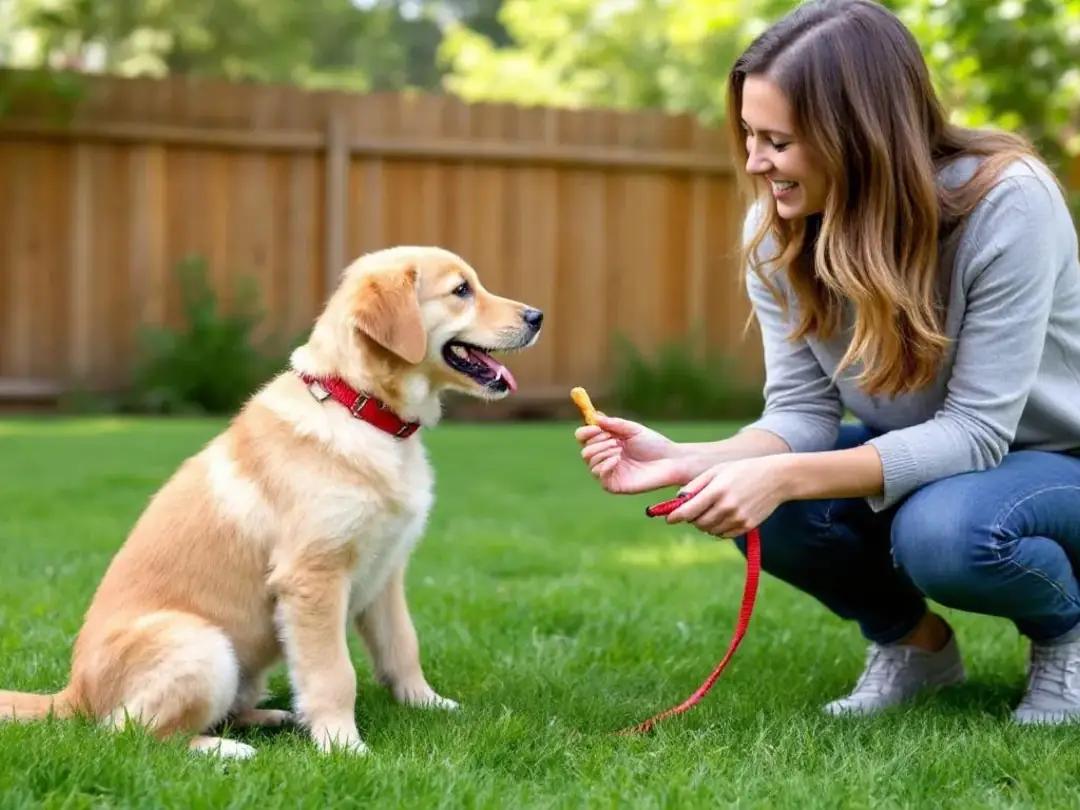
The best trick training leaves your puppy eager for the next session. I focus on a trusting relationship because that is the real win.
More Pinterest Visuals