Teaching a puppy to spin is one of those cheerful tricks that looks complicated but is really built from tiny pieces. I teach it by making the movement easy to understand, rewarding the right moments, and keeping sessions short enough that my puppy still wants to play. A trick should feel like a conversation, not a performance review.
This is a beginner-friendly skill, but the same rules I use for every dog apply here: work in a calm environment, watch your puppy’s body language, and build the behaviour gradually. Reward-based training helps dogs learn what earns them good things without adding stress.
Teach the Spin Cue and Get Your Puppy’s Attention
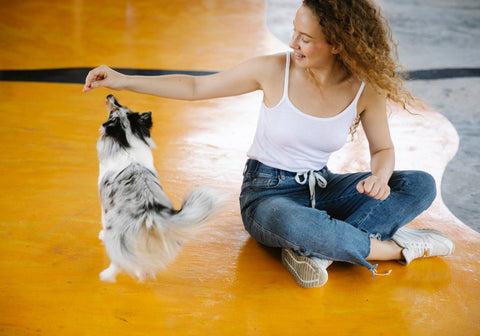
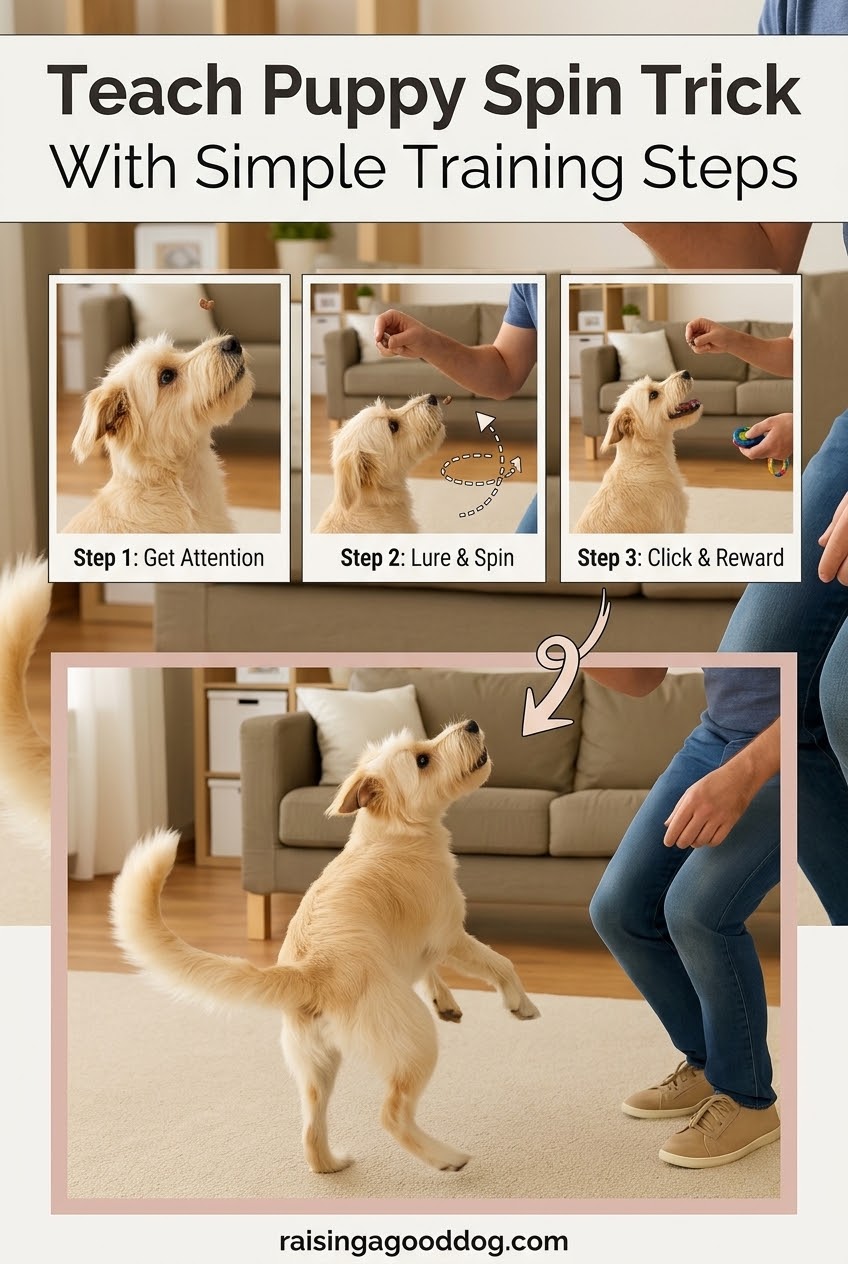
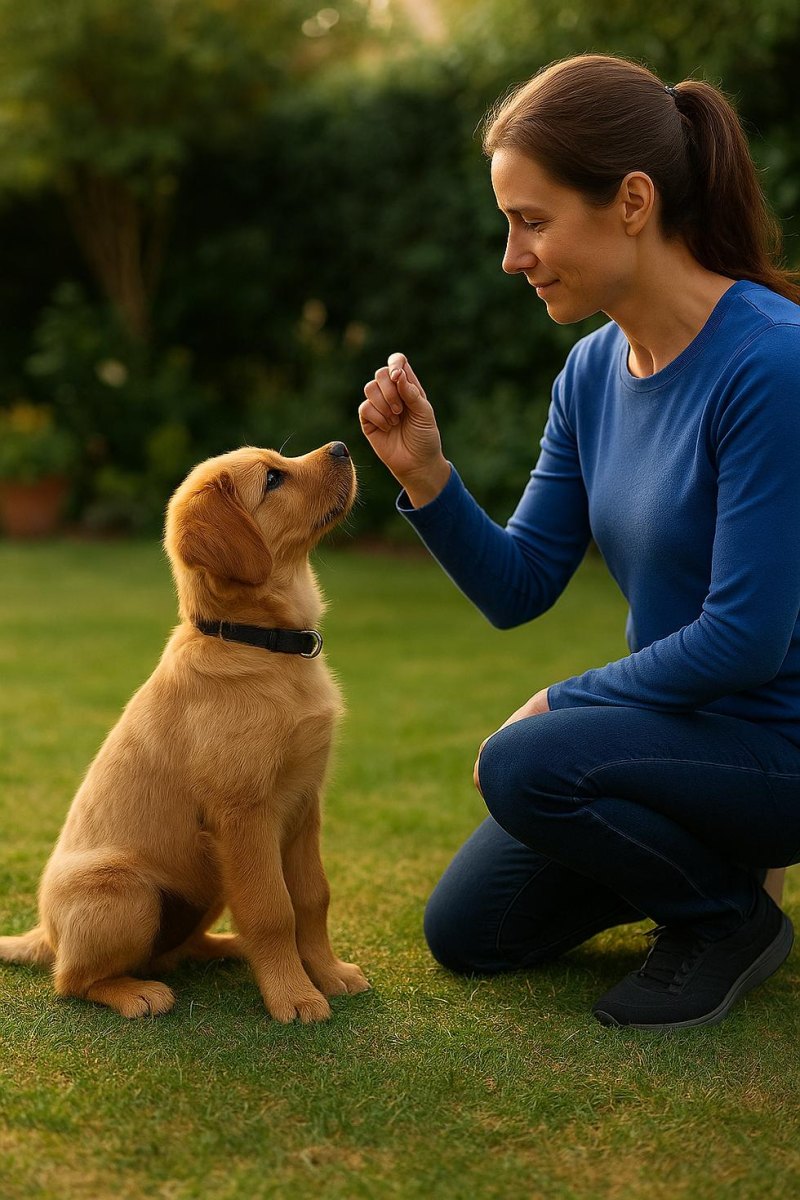
Before I ask for a spin, I want my puppy connected with me. I start somewhere quiet, because a puppy trying to listen while the world is exploding around them is not being stubborn; they are simply over their learning limit. Building attention through positive experiences makes the later steps much smoother.
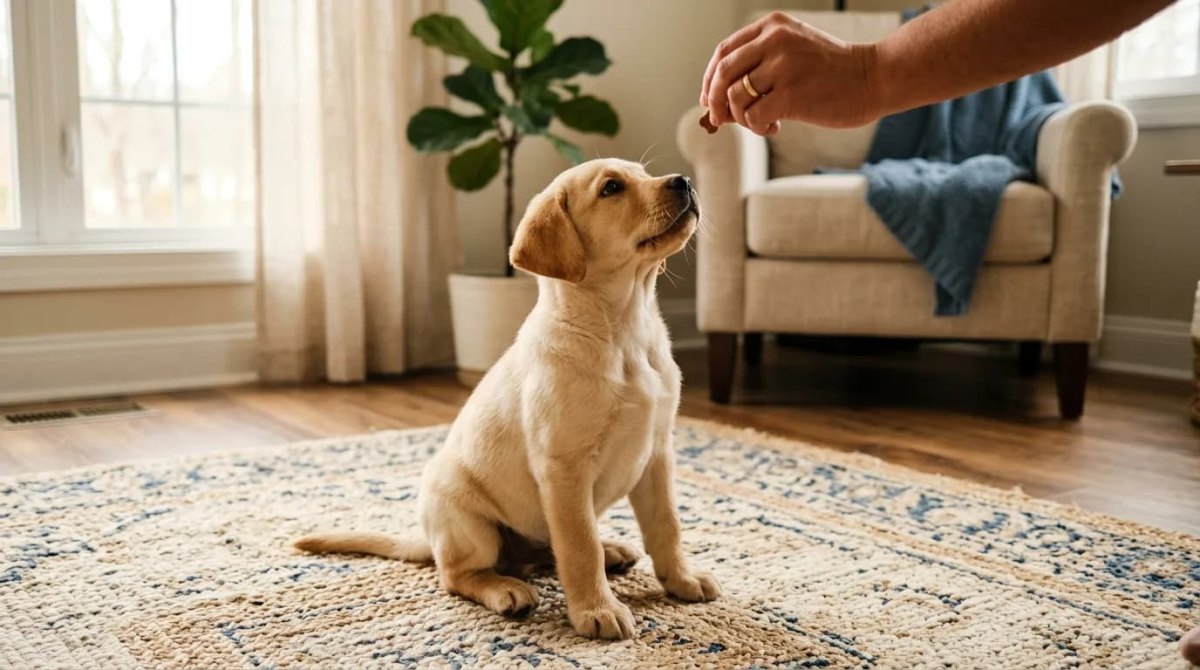
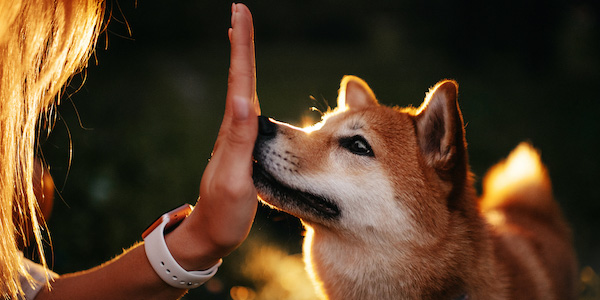
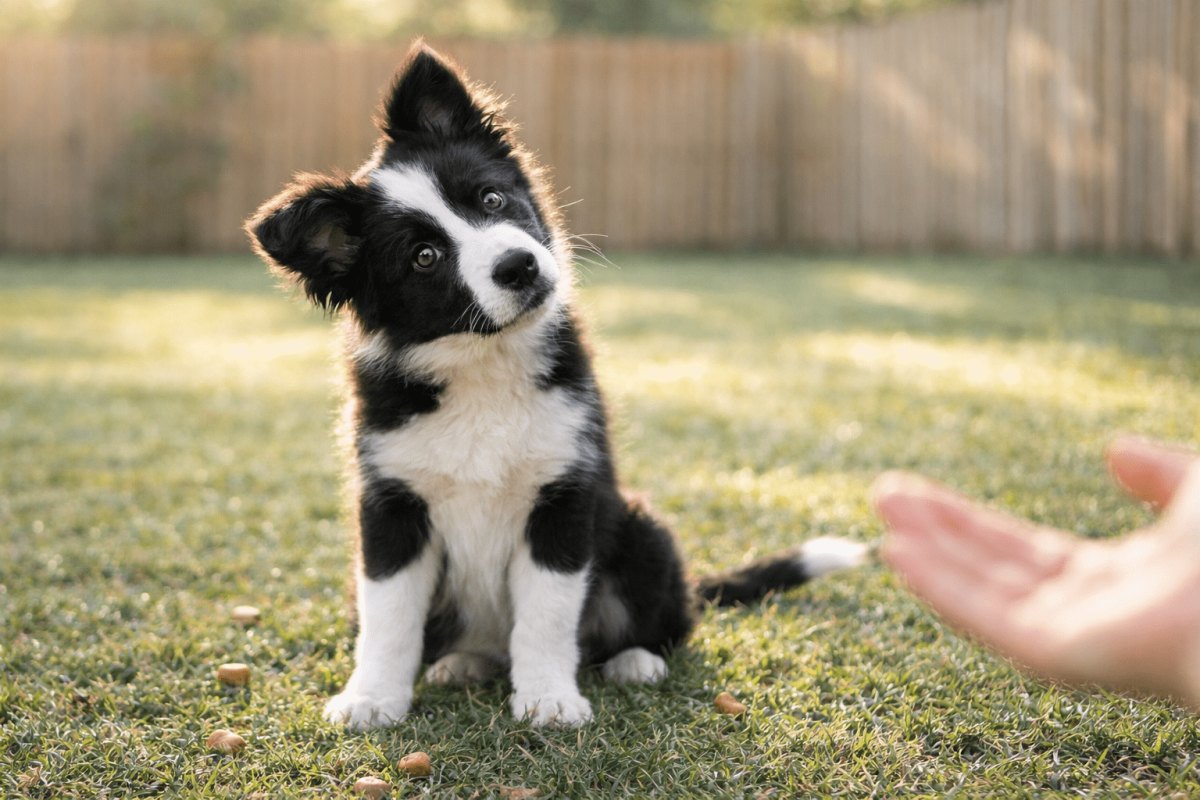
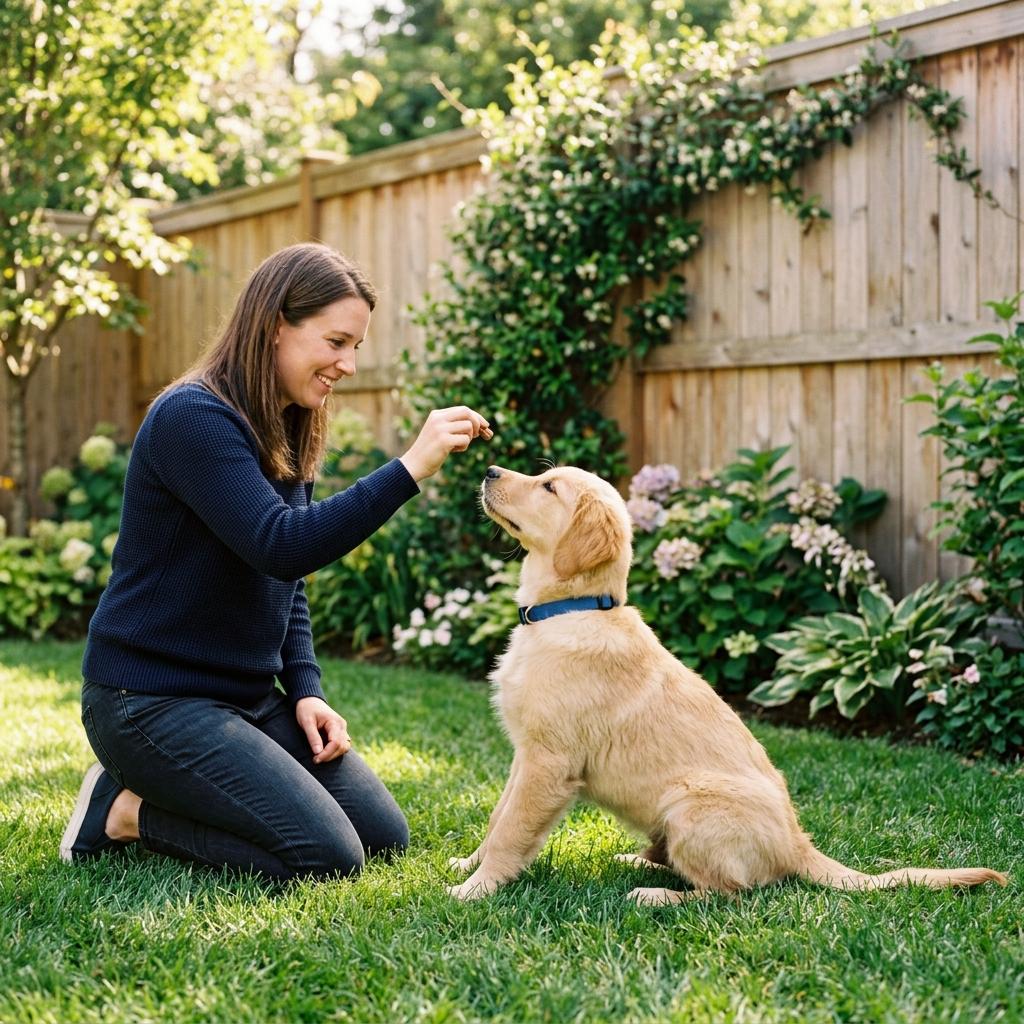
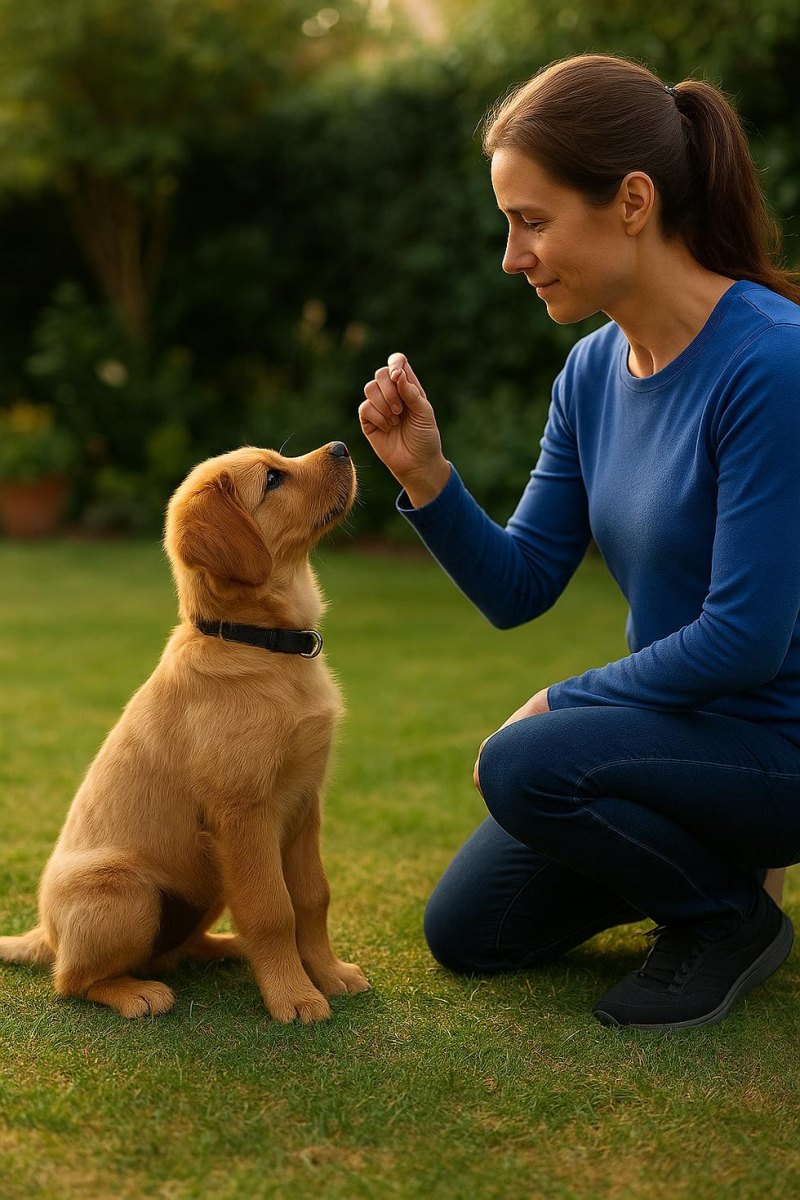
I use a small treat and a clear hand movement to create the first piece of the trick. The goal is focus before movement, not a perfect spin on day one. When my puppy looks at me, follows my hand, or offers curiosity, I reward that effort.
Quick training setup
- Choose a quiet, non-slip space.
- Use small rewards your puppy values.
- Keep early sessions brief and successful.
Lure Your Puppy Into a Full Circle Turn
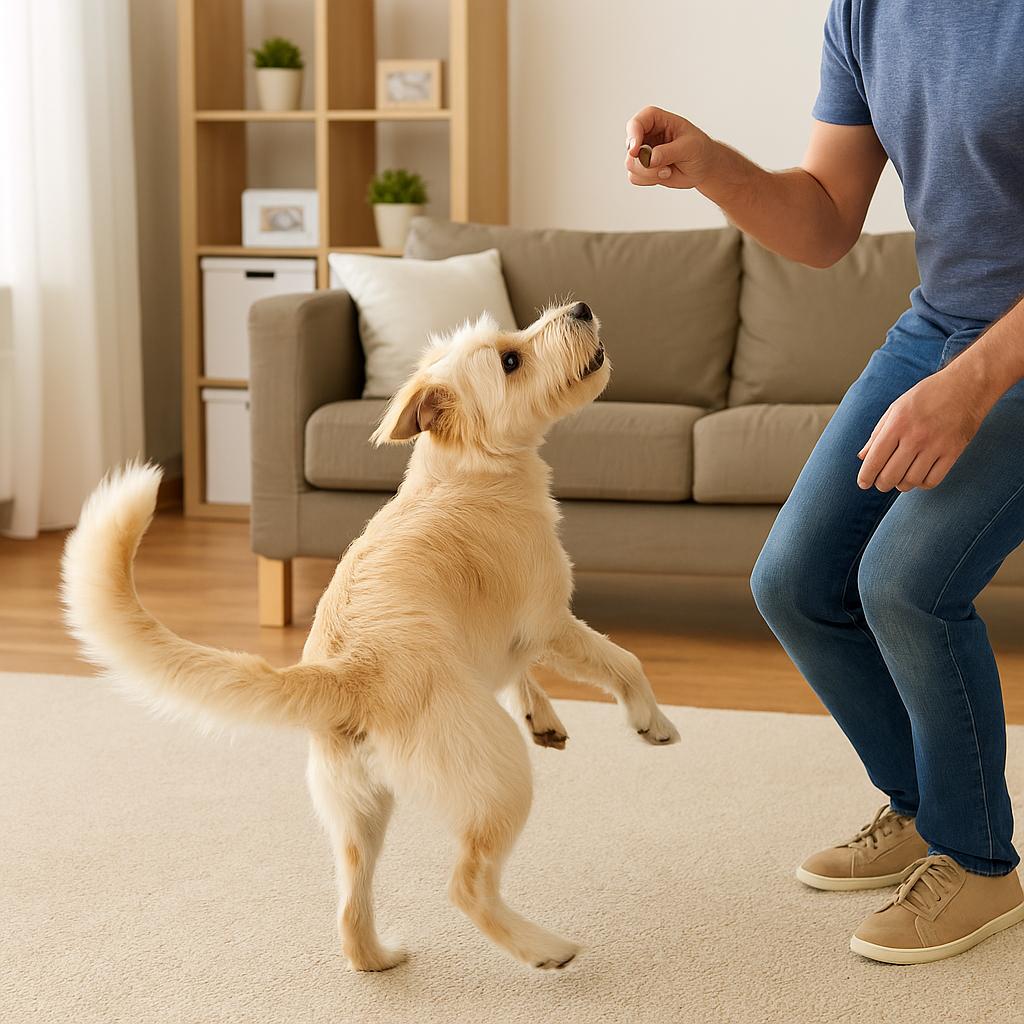
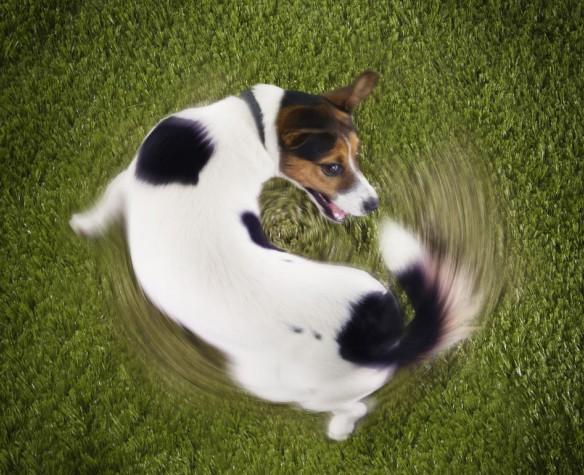
The easiest way I teach the physical movement is with a lure. I place a treat near my puppy’s nose and slowly guide their head in a circle so their body follows. This works because dogs naturally follow the direction of their nose.
I reward the moment my puppy completes the circle, even if it is a little wobbly. A young dog does not need a perfect dancer’s turn; they need a clear picture of the full circle motion. I would rather have three happy attempts than twenty frustrated ones.
- Hold. Place the treat near your puppy’s nose.
- Guide. Move your hand slowly around the puppy’s body.
- Reward. Mark the completed turn immediately.
Add the Word Command “Spin” During Practice
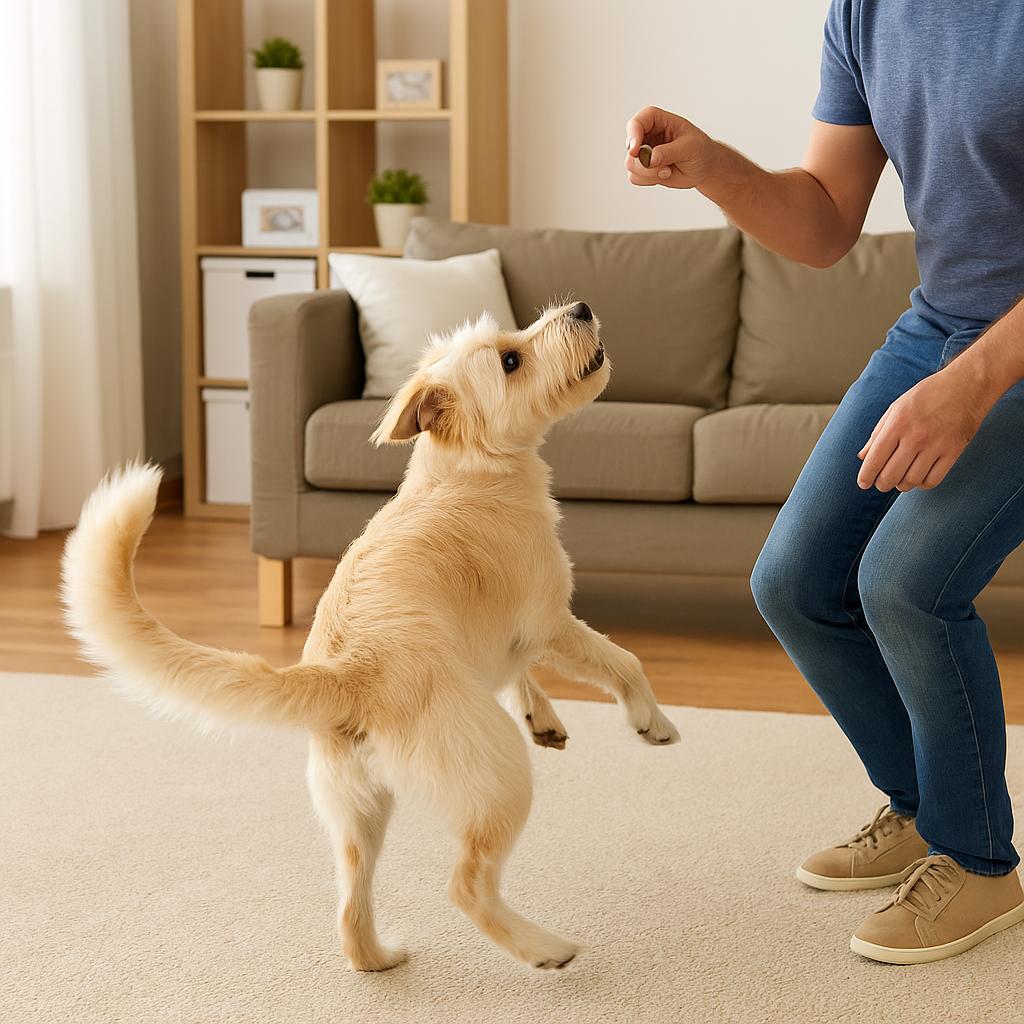
I do not add the word “spin” too early. First, my puppy needs to understand the movement. Once the hand signal reliably produces the behaviour, I add the verbal cue just before the gesture so the word starts predicting the action.
Timing matters here. If I repeat “spin, spin, spin” while my puppy is confused, I am only teaching that the cue is background noise. One clear cue followed by a helpful signal creates better communication between us.
Training tip
Say the cue once, then give your puppy a chance to respond. Help with the hand signal rather than repeating the word.
Reward Successful Spins and Build Consistency
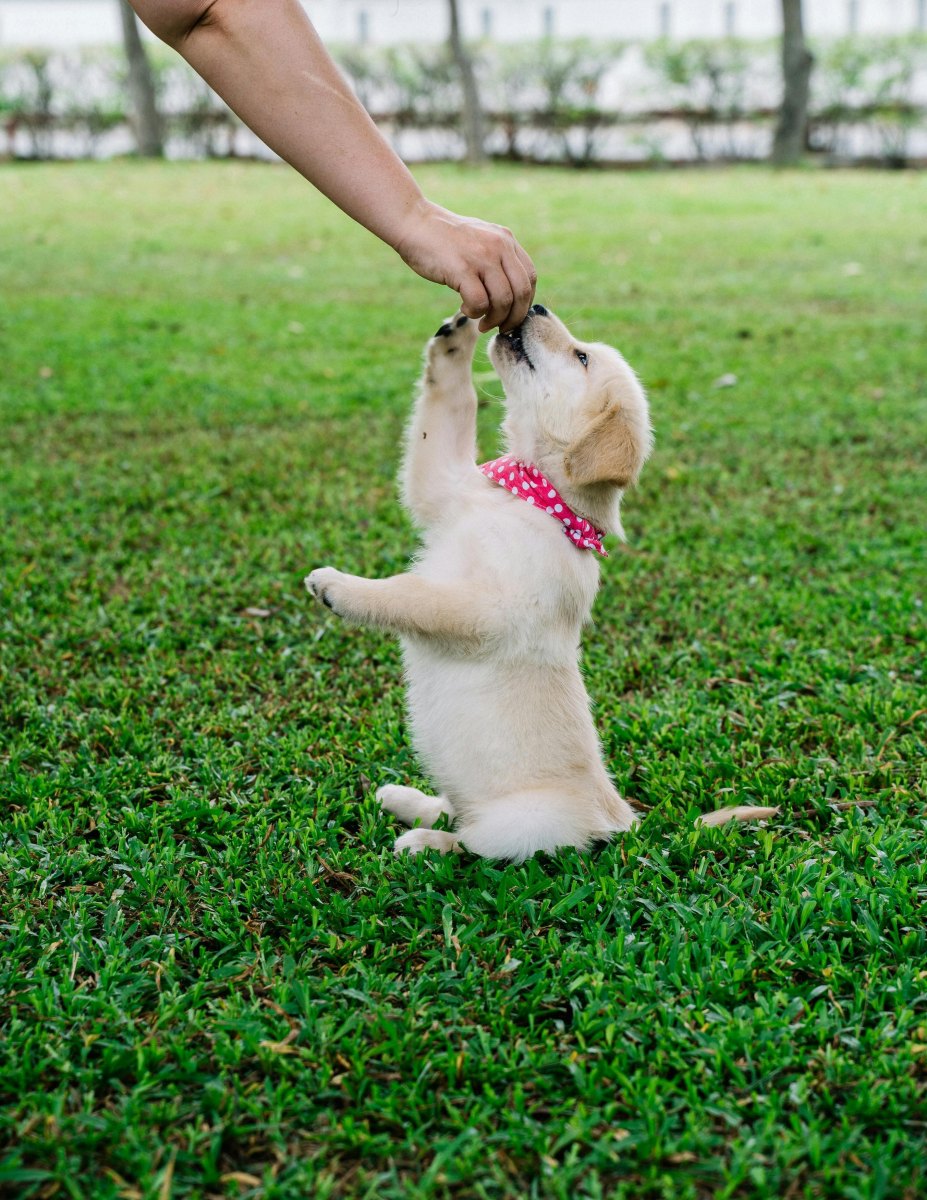
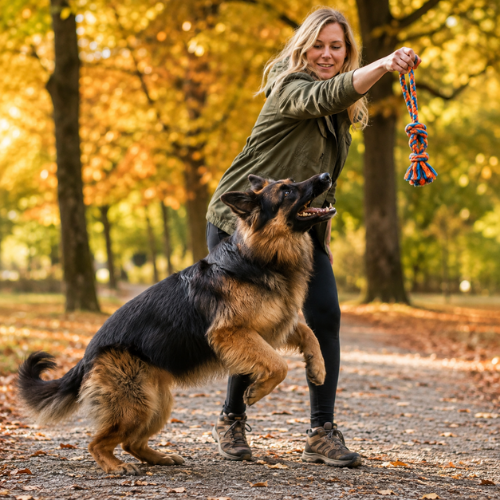
A spin becomes reliable through repetition, not through making the puppy perform longer sessions. I practice a few successful repetitions, then stop while my puppy is still enjoying the game. Reward-based training works because the dog learns that the behaviour leads to something valuable.
I also pay attention to my puppy’s signals. If the tail drops, the puppy starts avoiding the treats, or they wander away, I have probably asked for too much. The goal is steady progress, not exhausting my little student.
Practice the Spin Trick Without Treat Lures
The final step is teaching my puppy that the hand signal matters even when the treat is hidden. I slowly fade the lure by using an empty hand motion and rewarding afterward. This prevents my puppy from thinking the trick only happens when food is visible.
I keep rewards available because removing the lure does not mean removing reinforcement. A puppy who performs a spin without seeing a snack first has learned the actual behaviour, which is the goal of fading. Take your time here; rushing this step often creates confusion.
| Stage | What I look for |
|---|---|
| Treat lure | Puppy follows the circle. |
| Empty hand | Puppy responds to the gesture. |
| Verbal cue | Puppy understands the word spin. |
More Pinterest Visuals