Author
Hi, I'm Marisa — and my own dog spent six months unable to walk past another dog.
I'm Marisa Cole, a CPDT-KA certified professional dog trainer in Asheville, North Carolina. I've been training for twelve years, nine of them professionally, and I still take clients three days a week — deliberately, because the day I stop, this site becomes theory.
Here's the part I lead with, because it's the honest one.
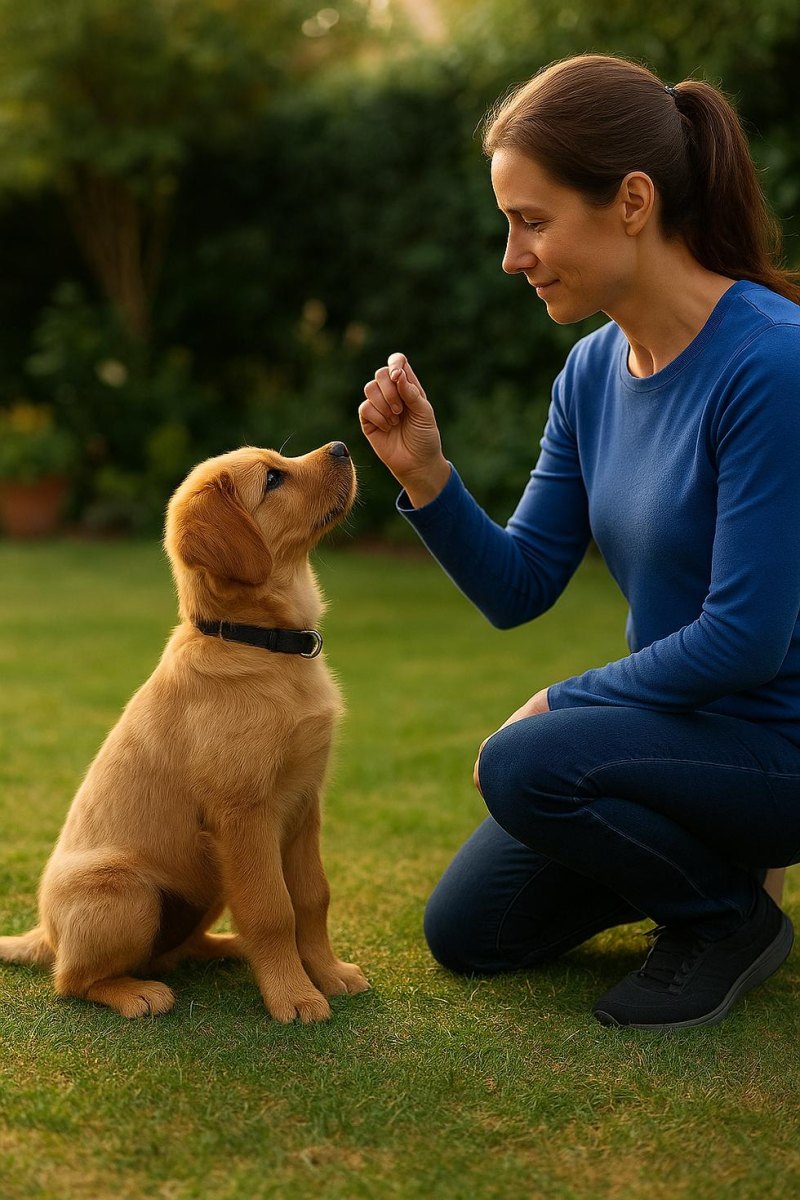
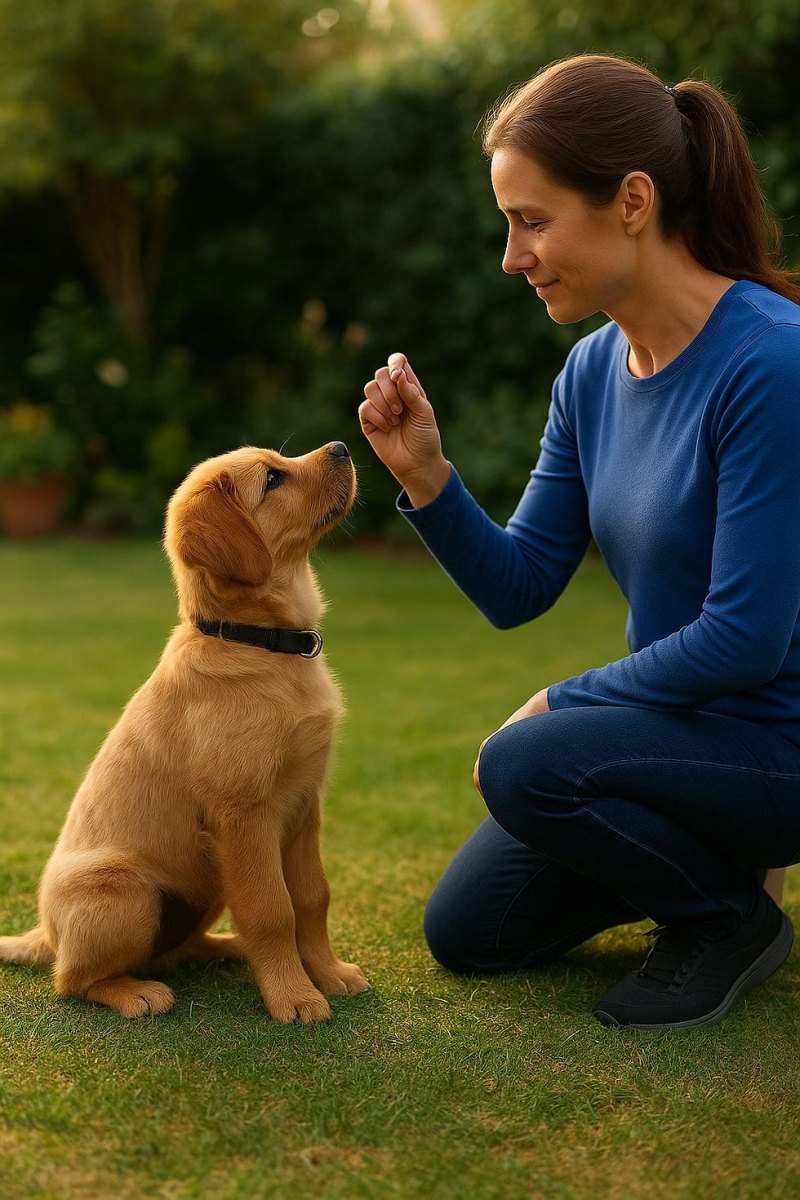
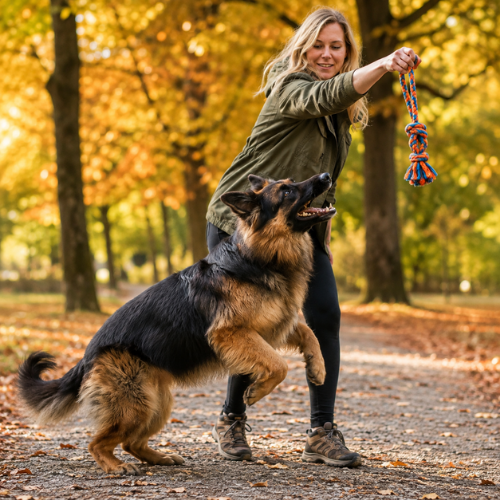
That's Bruno in most of the photos here. I adopted him at fourteen months from a family who couldn't manage him, and about five months in he was lunging and barking at every dog on every walk. At the time I had six years of veterinary practice behind me and a good handle on dogs. And I could not take my own dog anywhere. Everything I tried made it worse for half a year.
Working through that — badly first, then slowly, then properly — is my real education. It's also why the reactivity content on this site is the deepest thing here, and why I'll tell you upfront: Bruno is not a success story. He's a managed one. He's eight now, enormously better, and still not a dog I'd bring to a crowded festival. I say that because "trainer with a perfect dog" content makes people feel like failures, and I'd rather you feel like someone who has a normal dog with a normal problem.
How I got here: six years in veterinary practice, first at reception and then as an assistant. That job taught me to read a dog's body language properly, because a frightened dog in an exam room tells you everything if you're actually watching. It also meant I watched a lot of dogs get surrendered for behaviour problems that were solvable, which is a hard thing to watch for six years and probably explains the rest of my career.
Then Bruno, then formal training: CPDT-KA certification, Fear Free certification, continuing education in behaviour, and coursework in aggression and reactivity casework. Several hundred private cases and group classes since.
How I train, and why: everything here is reward-based. I don't use or recommend prong collars, choke chains, shock or e-collars, alpha rolls, or anything else that works through pain, startle or fear — and I don't use dominance or "pack leader" framing, because it doesn't describe what's actually happening.
But I want to be careful here, because I grew up with the family dogs of the eighties: chained in the yard, corrected with a rolled-up newspaper. I didn't start out knowing better. I learned better. If someone told you to alpha roll your puppy, you weren't stupid — you were told that by someone you had no reason to doubt. Nobody gets shamed on this site for what they were taught.
What you'll actually find in these posts:
Management before training, every time. Before you train anything, you stop your dog from practising the behaviour: more distance, a different route, a different time of day, a barrier in the window. It's unglamorous, it feels like cheating, and it's the reason plans work.
Realistic timelines, stated up front. You will not find "fix reactivity in seven days" here. Behaviour work takes weeks to months, it plateaus, and it has setbacks. I'll tell you what week two looks like and what a bad day means — usually not what you fear it means.
What has to be true first. Every plan lists its prerequisites: your dog's stress level, sleep, exercise, the environment, and whether a vet visit needs to come before any training at all.
Body language, specifically. Not "watch for stress signals" but where to look and what you'll see — the mouth, the weight shift, the tail base, the breathing. Most problems are visible about ten seconds before they happen.
And the limits, which matter a great deal in this field: I am a trainer, not a veterinarian and not a veterinary behaviourist. Any sudden behaviour change, any aggression that appeared out of nowhere, any house-training regression, any pain-adjacent behaviour — that's a vet visit before it's a training plan. Pain makes dogs do things that look like disobedience.
I don't diagnose, and I don't advise on medication or supplements. And if your dog has bitten and broken skin, has shown aggression toward a child, or has a bite history around resources, please don't work from a blog post — mine or anyone's. Get a certified professional in person and ask your vet about a veterinary behaviourist referral. I'll give you management and safety guidance to keep everyone safe in the meantime, but the plan itself needs eyes on your dog.
I share the house with Owen, a physical therapist with strong and mostly correct opinions about how I lift a seventy-five-pound dog; Bruno; and Pickle, a small elderly terrier mix who works as the neutral dog in my reactivity sessions and considers the job well beneath her. The training room has a whiteboard of client dogs' names that I keep meaning to clean and never do.
If you've got a puppy who won't stop biting, a dog who drags you down the street, or one who loses it at the sight of a labrador across the road — you're in the right place, and you're not doing as badly as you think.